Week 05 — Protein Design Part II
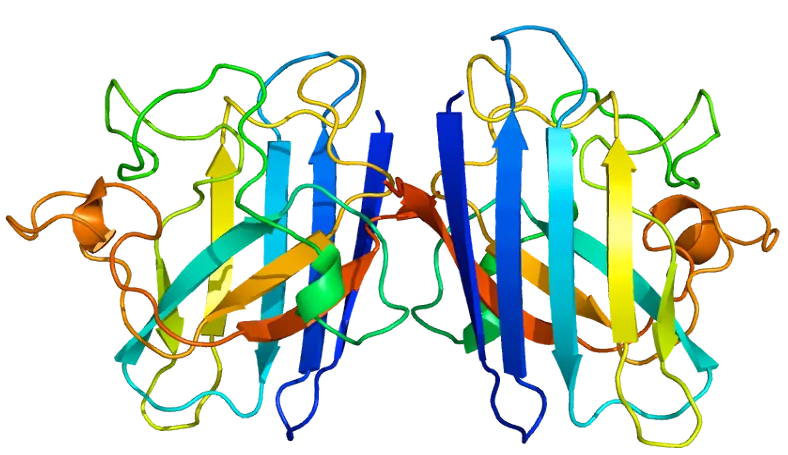
SOD1 structure ribbon diagram

Continuing Protein Design, this week focuses on protein–peptide interactions using modern ML models (PepMLM) and AlphaFold‑Multimer.

  • Date: Tue Mar 4 (per schedule). Slides: (will be posted when available) Recording: Zoom
  • Warning Mandatory for MIT/Harvard students and Committed Listeners. Due Tue, Mar 11 (before lecture). Key Links Tracking sheet: Google Sheet Part A — PepMLM peptide design (From Pranam) Info Optional for MIT/Harvard; mandatory for Committed Listeners. Due Tue, Mar 11 (start of class). Create a Hugging Face account → we’ll use PepMLM‑650M: model page.
  • Date: Wed Mar 5. Slides: MS2‑Phage homework discussion (from Notion file reference) Recording: Zoom
  • Tip This week’s practical work is in‑silico and pairs with the Homework: design peptides with PepMLM and evaluate binding to SOD1 using AlphaFold‑Multimer. Objective Model protein–peptide interactions by generating peptide candidates (PepMLM‑650M) and predicting complexes (AlphaFold‑Multimer). Compare ipTM scores across candidates to select promising binders. Concepts You’ll Learn Protein language models for peptide design Multimeric structure prediction (protein–peptide) ipTM as a binding‑confidence heuristic Practical workflows in Google Colab (GPU) Quick Links PepMLM‑650M (Hugging Face) AlphaFold‑Multimer ColabFold
  • PepMLM‑650M (protein language model) — model card UniProt — SOD1 (P00441) — entry Genes & Development (2008) — SOD1‑binding peptide reference — paper AlphaFold‑Multimer (ColabFold) — notebook Protein–peptide modeling validation — Frontiers in Bioinformatics (2022)

Subsections of Week 05

Lecture — Protein Design Part II

Date: Tue Mar 4 (per schedule).
Slides: (will be posted when available)
Recording: Zoom

Homework — Protein Design Part II

Warning

Mandatory for MIT/Harvard students and Committed Listeners. Due Tue, Mar 11 (before lecture).

Part A — PepMLM peptide design (From Pranam)

Info
Optional for MIT/Harvard; mandatory for Committed Listeners. Due Tue, Mar 11 (start of class).
  1. Create a Hugging Face account → we’ll use PepMLM‑650M: model page.

    1. Generate a token: Settings → Tokens (create new).
    2. Ensure repo is ChatterjeeLab/PepMLM-650M.
    3. Open the PepMLM Colab and make a copy: Colab (linked from the model page).
    4. In Colab, choose T4 GPU, run all blocks.
    5. When prompted “Input HF token”, paste your token. When asked “Add token as git credential?”, choose No.
  2. Get the amino‑acid sequence for SOD1 on UniProt (ID: P00441). Make the A4V mutation.

  3. Run PepMLM inference and generate 4 peptides (length 12 aa). (2 is acceptable if time‑limited.)

  4. Add a known SOD1‑binding peptide to your list: FLYRWLPSRRGG (see Genes & Development reference).
    genesdev.cshlp.org

  5. Use AlphaFold‑Multimer (ColabFold notebook) to model the SOD1:peptide complex.
    Open notebook: AlphaFold‑Multimer

  6. After running AF‑Multimer with your 5 peptides (4 generated + 1 known), plot the ipTM scores to compare relative binding confidence.

  7. Write a 1‑paragraph summary of your results.

Part B — Final Project: L‑Protein Mutants

Info
Mandatory for MIT/Harvard and Committed Listeners. Due Wed, Mar 12 (start of class).

This is computationally heavy — start early.
More details: Final Project Page (external Notion): www.notion.so

Lab — Protein Design Part II

Tip

This week’s practical work is in‑silico and pairs with the Homework: design peptides with PepMLM and evaluate binding to SOD1 using AlphaFold‑Multimer.

Objective

Model protein–peptide interactions by generating peptide candidates (PepMLM‑650M) and predicting complexes (AlphaFold‑Multimer). Compare ipTM scores across candidates to select promising binders.

Concepts You’ll Learn

  • Protein language models for peptide design
  • Multimeric structure prediction (protein–peptide)
  • ipTM as a binding‑confidence heuristic
  • Practical workflows in Google Colab (GPU)

SOD1 ribbon structure

Reading & Resources — Week 5