Lab — DNA Design
Tip
This lab focuses on designing, ordering, and assembling DNA constructs that support your final project goals. Document Benchling files, provide FASTA sequences, and outline a precise cloning & validation plan.
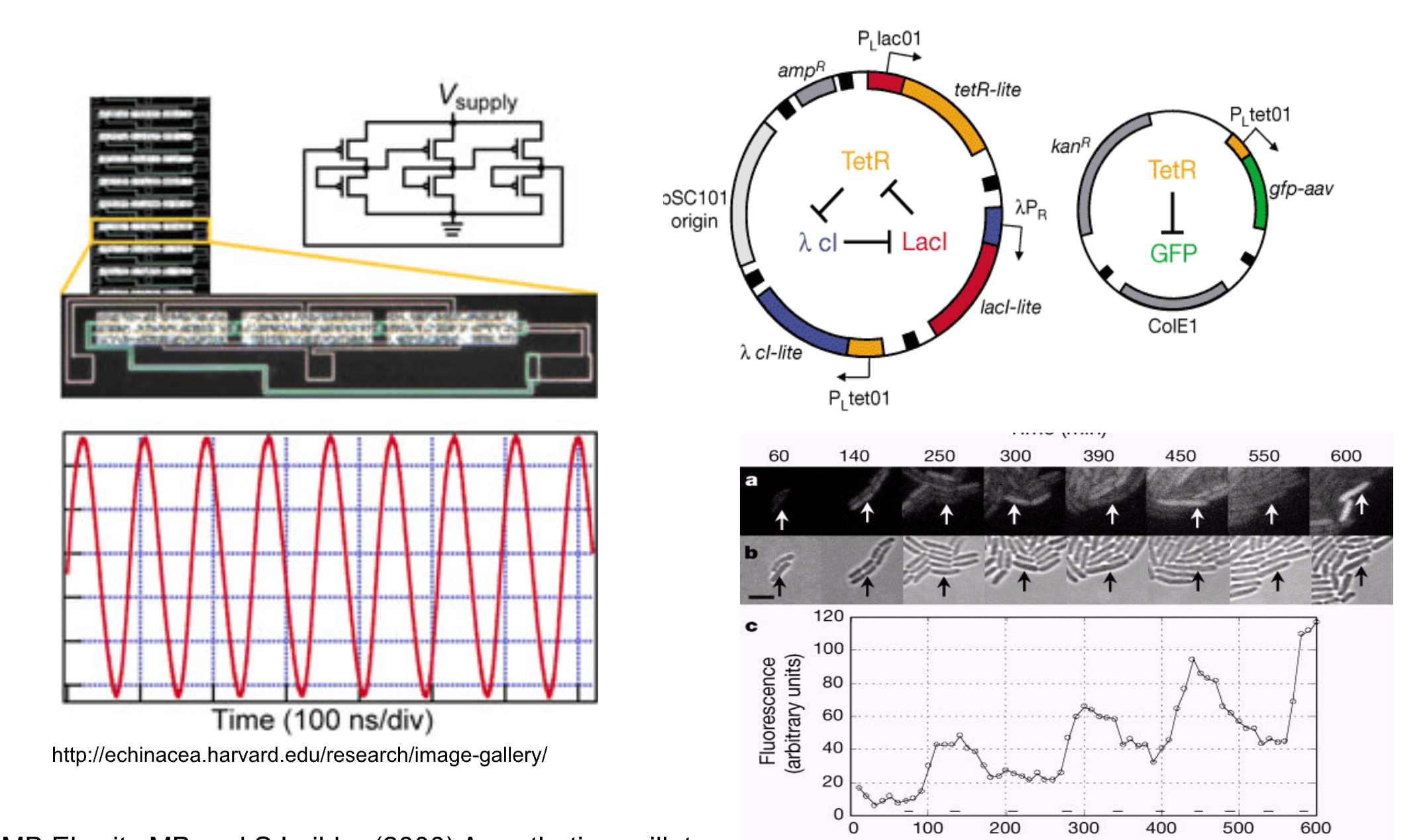
1) DNA Design
1.1 Benchling Documentation
- Workspace reference — include links or screenshots of your Benchling workspace.
- Plasmid maps & features — promoters, CDS, antibiotic markers, restriction sites.
- Rationale — explain element choices (host compatibility, reporter/assay match).
1.2 FASTA Files
- Submission‑ready sequences for each designed construct.
- Verify correctness via in‑silico digest or alignment.
1.3 Provider Requirements (e.g., Twist)
- Order summary — list fragments/constructs, lengths, GC content, constraints.
- Checklist — avoid problematic repeats/hairpins; remove restricted sites; check stop codons/frames.
2) Detailed Protocol
2.1 DNA Assembly and Cloning
- Overview — choose Gibson, Golden Gate, or restriction‑ligation as appropriate.
- Linearization/fragment prep — digest or PCR; purify.
- Assembly reaction — follow kit‑specific conditions (e.g., Gibson 50 °C for 15–60 min; Golden Gate cyclical 37 °C/16 °C).
- Transformation — competent cells; plate on appropriate antibiotic.
- Colony screening — colony PCR or miniprep → verification.
2.2 Reagents & Materials
- Assembly mixes (e.g., NEB Gibson/Golden Gate).
- Competent cells (e.g., DH5α, TOP10).
- LB‑Agar + antibiotic (Amp, Kan, etc.).
- Primers — 20–30 bp overlaps for Gibson or type IIS flanks for Golden Gate.