week 05 protein design part 2
Still not really sure what I am doing :-)!
Basics
Design short peptides that bind mutant SOD1. “Design short peptides that bind mutant SOD1” means creating small, synthetic chains of amino acids (peptides) specifically engineered to attach to a deformed version of the Superoxide Dismutase 1 (SOD1) protein. This is a therapeutic strategy aimed at treating SOD1-related Amyotrophic Lateral Sclerosis (ALS).
Mutant SOD1: A faulty version of the SOD1 enzyme produced due to genetic mutations. Unlike healthy SOD1, mutant SOD1 misfolds, becomes unstable, and aggregates (clumps together), leading to toxicity in motor neurons.
Short Peptides: Small molecules, often consisting of only a few amino acids, designed to act as targeted “decoys.”
Bind: The peptides are engineered to stick to specific, exposed, or misfolded areas of the mutant SOD1 protein.
Goal: The binding stops the mutant SOD1 from interacting with, and damaging, vital parts of the cell—such as mitochondrial outer membranes (e.g., VDAC1) or Bcl-2 proteins—thereby preventing cell death and slowing the progression of ALS
Why this approach? Mutant SOD1 binds to mitochondria, disrupting energy production and causing toxicity. Designed short peptides can mimic the normal binding partners of the mitochondria (like the VDAC1 N-terminus), acting as a decoy to prevent the toxic mutant protein from sticking to the mitochondria, as demonstrated in scientific studies where these peptides improved neuronal survival.
Picture https://www.als.org/sites/default/files/2023-03/Mutation%20Chart_FINAL.png Source: https://www.als.org/research/als-research-topics/genetics
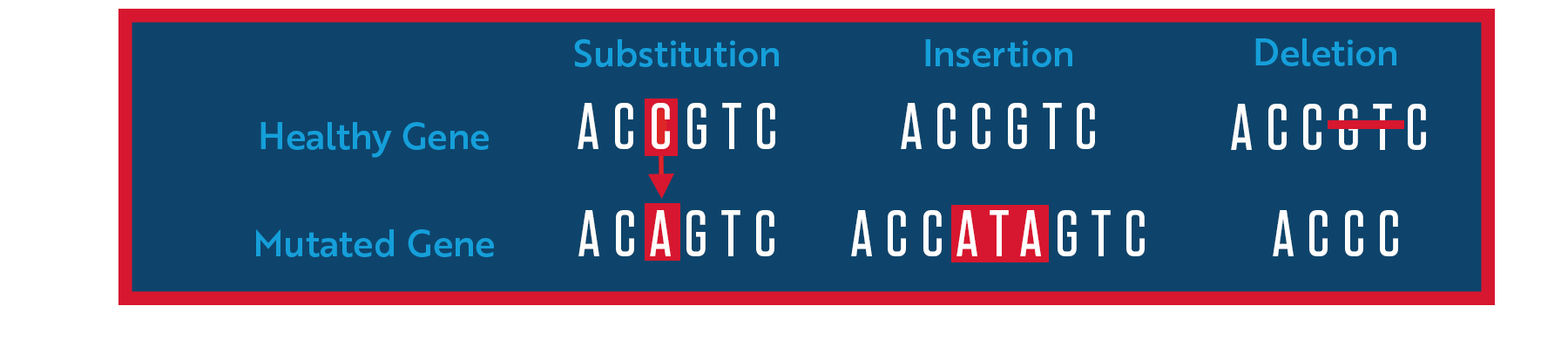
Then decide which ones are worth advancing toward therapy.
The goal of designing these peptides is typically to: -> Block Aggregation: By binding to the “sticky” parts of the mutant protein, the peptides can prevent it from clumping into toxic aggregates. -> Prevent Toxic Interactions: Mutant SOD1 often interferes with other vital cell parts, like mitochondria. Short “decoy” peptides can bind to the mutant protein first, blocking it from damaging these organelles. -> Stabilize the Protein: Some peptides are designed to help the mutant protein keep its proper shape, making it less likely to become toxic.
In essence, “Design short peptides that bind mutant SOD1” means creating custom-made, small molecules to “clamped onto” the broken protein responsible for ALS to stop it from causing harm. Would you like to see current examples of these peptides or learn more about how they are tested in the lab?
PART 1
- Design short peptides that bind mutant SOD1.
- Then decide which ones are worth advancing toward therapy.
- PepMLM: target sequence-conditioned peptide generation via masked language modeling
- PeptiVerse: therapeutic property prediction
- moPPIt: motif-specific multi-objective peptide design using Multi-Objective Guided Discrete Flow Matching (MOG-DFM)
the human SOD1 sequence from UniProt (P00441)
sp|P00441|SODC_HUMAN Superoxide dismutase [Cu-Zn] OS=Homo sapiens OX=9606 GN=SOD1 PE=1 SV=2 MATKAVCVLKGDGPVQGIINFEQKESNGPVKVWGSIKGLTEGLHGFHVHEFGDNTAGCTS AGPHFNPLSRKHGGPKDEERHVGDLGNVTADKDGVADVSIEDSVISLSGDHCIIGRTLVV HEKADDLGKGGNEESTKTGNAGSRLACGVIGIAQ
with A4V Mutation
MATKVVCVLKGDGPVQGIINFEQKESNGPVKVWGSIKGLTEGLHGFHVHEFGDNTAGCTS AGPHFNPLSRKHGGPKDEERHVGDLGNVTADKDGVADVSIEDSVISLSGDHCIIGRTLVV HEKADDLGKGGNEESTKTGNAGSRLACGVIGIAQ
| index | Type | Binder | Pseudo Perplexity |
|---|---|---|---|
| 0 | Generated Peptide | WRYPAAAVEHKX | 9.14418852136822 |
| 1 | Generated Peptide | WHYYVVVLRHKE | 34.99636911922479 |
| 2 | Generated Peptide | WHYYAVVVEHKX | 18.332741783091514 |
| 3 | Generated Peptide | WLYYVAAVALKX | 15.338260719359834 |
| 4 | Known Peptide | FLRYWLPSRRGG | 20.918089000556918 |
PART 2
Score: ipTM = 0.26 pTM = 0.84


