Individual Final Project
HTGAA 2026: Cell-Free Wearable Hydration Tracker
SECTION 1: ABSTRACT
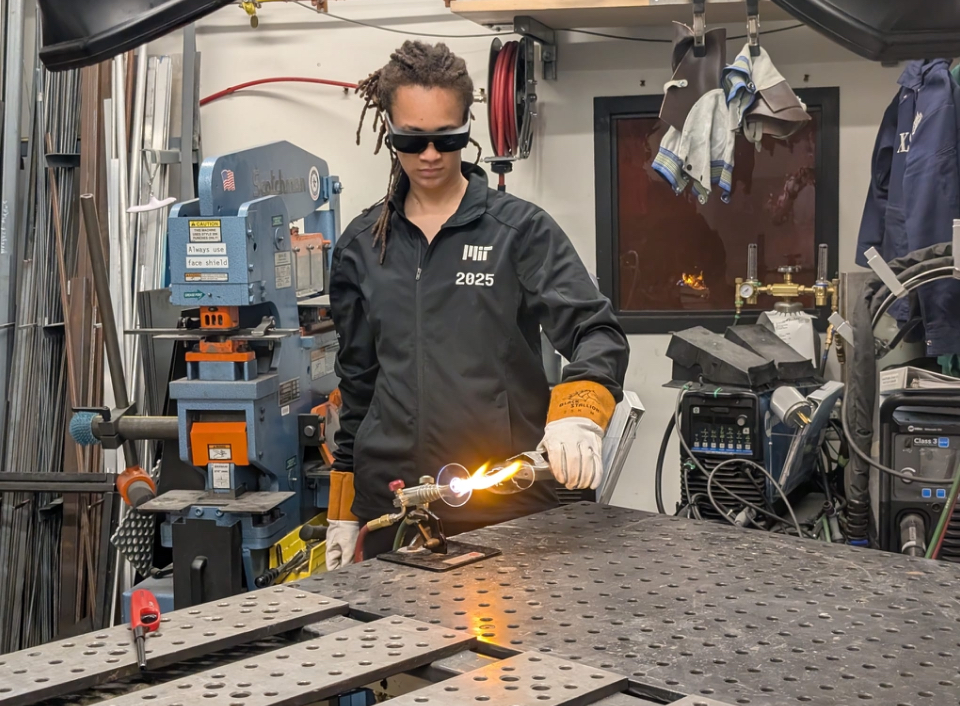
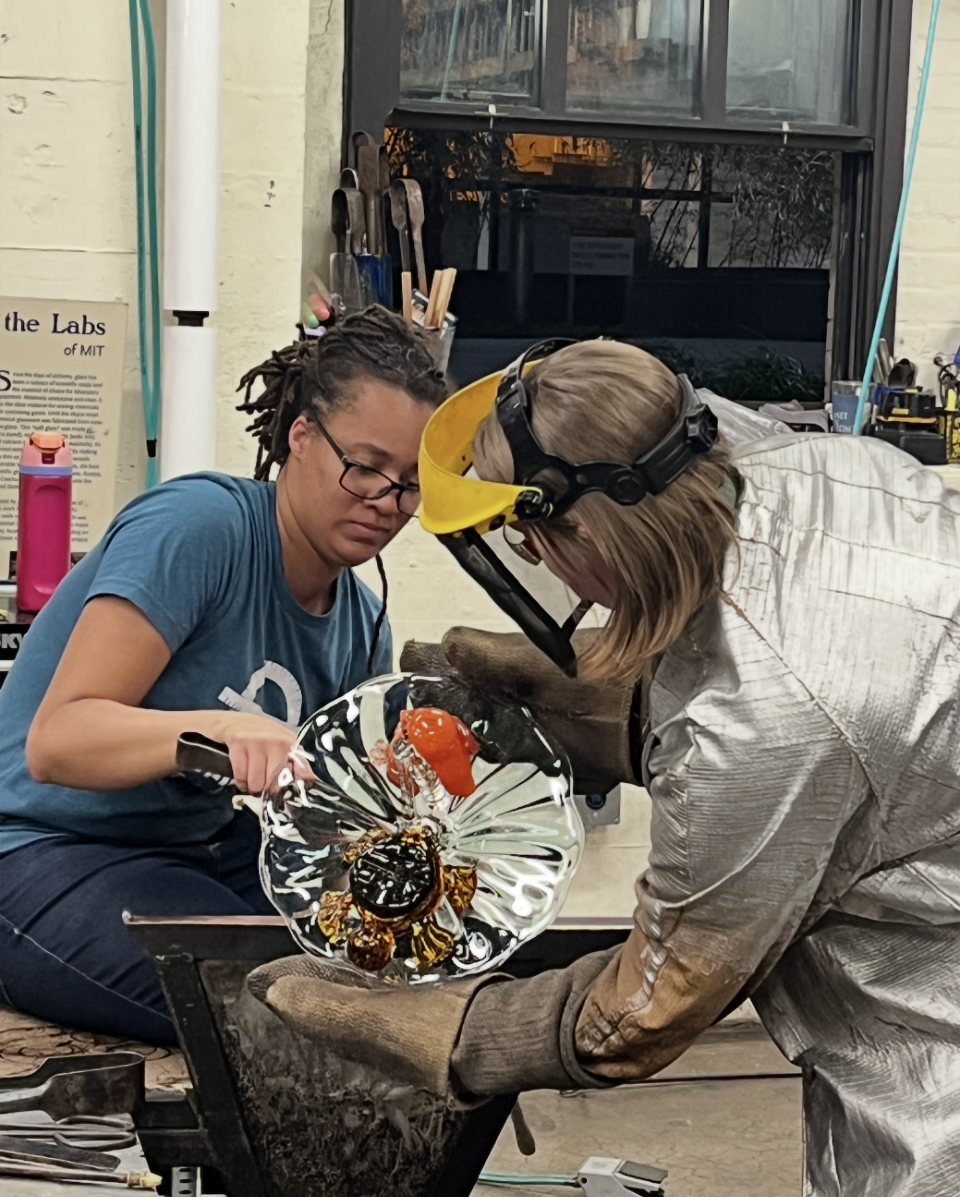
Hi, I’m Alayah! And for those of you who don’t know me, this is how I spend most of my time.

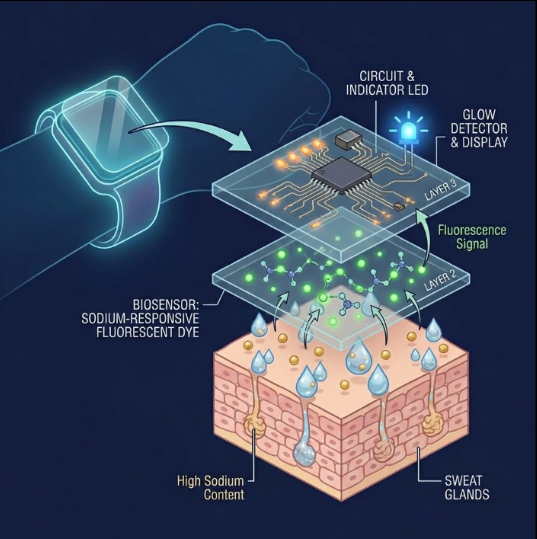
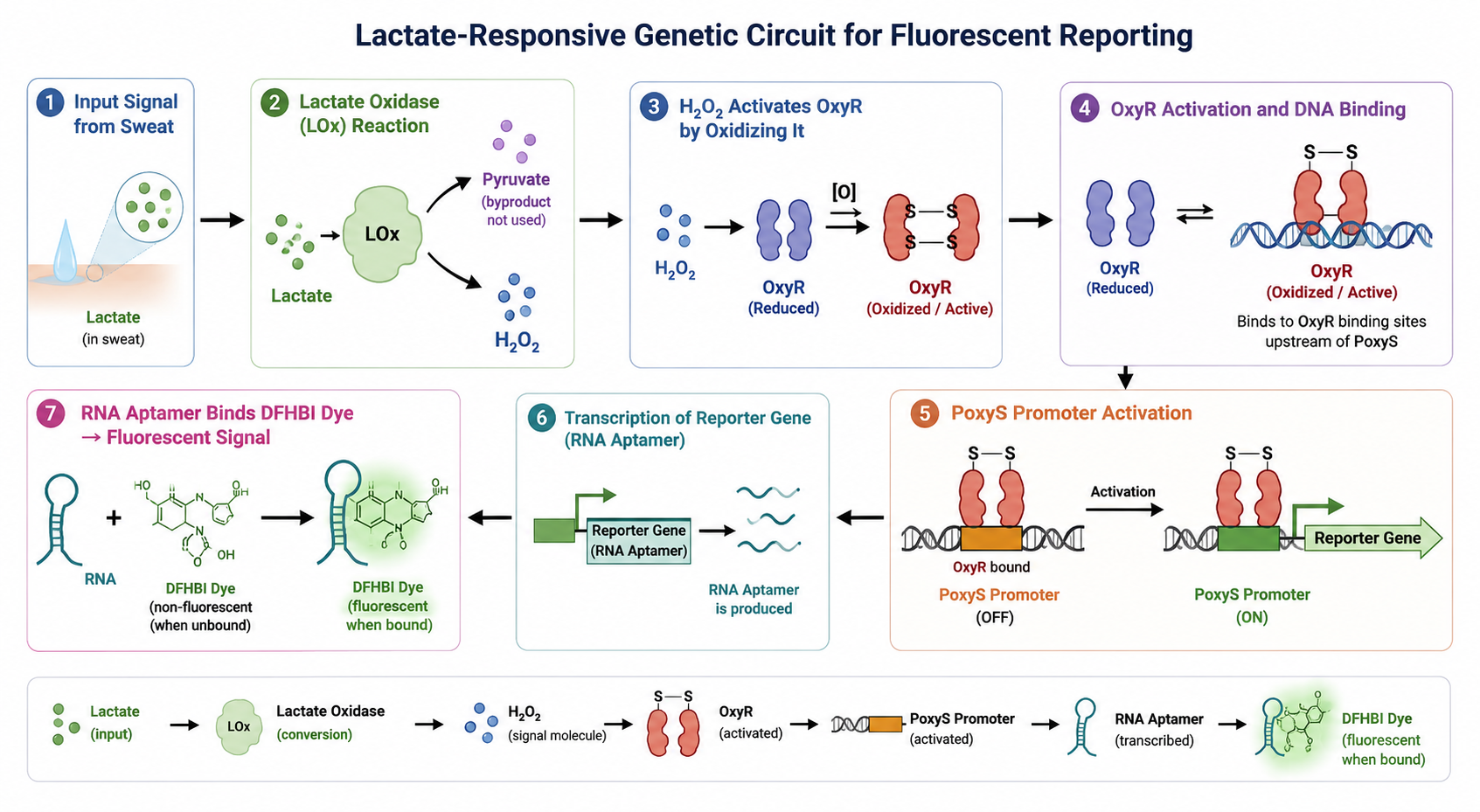
- Phase One - Input to Secondary Messenger: Lactate Oxidase breaks down Lactate into pyruvate and H2O2 - Test: Verify enzymes work in buffer conditions and H2O2 production
- Phase Two - Secondary Messenger to Ac: H2O2 binds to OxyR enzyme produced by the first part of the genetic circuit - Test: Verify OxyR is produced by looking for it in a gel
- Phase Three: Activated OxyR binds to pOxyS promoter, starting the transcription of an RNA aptamer - Tested with phase 4
- Phase Four: The RNA aptamer binds to the DFHBI dye, causing it to fluoresce - Visual examination of fluorescence
Here’s a handy diagram from ChatGPT showing a visual version of what my slightly convoluted system does.
SECTION 2: PROJECT AIMS
Aim 1: Experimental Aim (this project): The first aim of my final project is to validate a cell-free genetic circuit that detects lactate and outputs fluorescence by utilizing purified Lactate Oxidase, and stock lactate, an OxyR transcription factor, and a PoxyS-driven RNA aptamer/DFHBI reporter system. I will accomplish this by ordering custom DNA constructs from Twist Bioscience, utilizing E. coli extract for my cell-free reactions, and measuring fluorescence.
Aim 2: Development Aim: The next step following a successful Aim 1 would be to test the system with real sweat which contains a lot more noise and contaminants than a pure lactate input. For this aim I would also like to integrate my cell-free system into a dehydrated paper-based patch that would in turn be installed into a reusable wearable interface, either a watch or an arm band. This would involve engineering a semi-permeable membrane to continuously draw in sweat while preventing any leakage, and creating a miniature readout system that can fit in a wearable form factor.
Aim 3: Visionary Aim: The visionary aim for this project is to create a new class of continuous, non-invasive biosensors that use biology in tandem with electronics. This technology could expand beyond hydration to monitor glucose, cortisol, or specific disease biomarkers continuously, allowing for easier access to personalized preventative healthcare and athletic performance tracking.
Note: Plan vs. Reality This project started out with me wanting to detect dehydration. I wanted to detect sodium buildup in sweat but lactate proved to be easier. Lactate is not a direct indicator of dehydration, the same way sodium is, however it is an indicator of sweat which is an indicator of increased risk of dehydration. So, above a certain threshold of fluorescence would indicate increased risk of dehydration… but I built a sweat detector.
Or I would have built a sweat detector, but ordering delays had other plans. So instead, my project took a weird turn that was only slightly successful but extremely interesting. I’ll explain more later, but at the recommendation of an elementary school science experiment, I replaced most of my cell-free system with a potato.
SECTION 3: BACKGROUND
Background and Literature Context
Relevant Citations:
- Citation 1 (https://pubmed.ncbi.nlm.nih.gov/26819044/): Gao W, Emaminejad S, Nyein HYY, Challa S, Chen K, Peck A, Fahad HM, Ota H, Shiraki H, Kiriya D, Lien DH, Brooks GA, Davis RW, Javey A. Fully integrated wearable sensor arrays for multiplexed in situ perspiration analysis. Nature. 2016 Jan 28;529(7587):509-514. doi: 10.1038/nature16521. PMID: 26819044; PMCID: PMC4996079.
- Citation 2 (https://pmc.ncbi.nlm.nih.gov/articles/PMC6773238/): Baker LB. Physiology of sweat gland function: The roles of sweating and sweat composition in human health. Temperature (Austin). 2019 Jul 17;6(3):211-259. doi: 10.1080/23328940.2019.1632145. PMID: 31608304; PMCID: PMC6773238.
Summary of Literature & Knowledge Gap: These citations establish both the physiological basis and the engineering precedent for using sweat lactate to monitor physical exertion and hydration. Baker (2019) outlines the complex physiology of eccrine sweat glands, demonstrating that sweat lactate is a primary metabolic byproduct of the gland’s intense activity; because sweat rate and volume directly reflect the body’s hydration status, measuring the onset and concentration of sweat lactate serves as a highly effective biological proxy for dehydration risk. Building on this physiological link, Gao et al. (2016) demonstrate that Lactate Oxidase (LOX) can successfully process sweat lactate in a wearable form factor to continuously monitor physical fatigue. However, their established approach relies entirely on rigid electrochemistry and traditional micro-controllers. My project addresses a distinct gap between the physiological realities of sweat and the limitations of electronic sensors by introducing a fully cell-free, synthetic biology alternative. By converting the LOX reaction into a visual output via a genetic circuit (or, in my revised prototype, a biological catalase reaction), this work pioneers a modular framework that requires no batteries or heavy hardware, moving diagnostics directly into the biological realm.
Novelty and Innovation: This project represents a novel application of cell-free synthetic biology by using genetic circuits in a wearable device. Traditional synthetic biosensors rely on living cells that must undergo slow protein translation to produce a reporter protein (like GFP). This design was chosen because of its speed and ability to indicate right at the transcription phase. By using an RNA aptamer that immediately binds a fluorogen (DFHBI dye) upon transcription, the system drastically reduces response time. And the combination of an upstream enzymatic reaction (LOX) with a downstream genetic switch (OxyR) creates a safe framework that is highly modular.
Impact and Importance: The problem this project addresses is the lack of accessible, real-time hydration and metabolic fatigue monitoring. Dehydration and metabolic exhaustion are critical barriers to safety in extreme environments, like glass shops or in sports and elderly care, where symptoms often appear too late for simple interventions. By developing a continuous, non-invasive sensor, this project could significantly improve personalized preventative healthcare. Beyond hydration, establishing a reliable, cell-free platform for wearable diagnostics provides a foundational template that can be adapted for different biomarkers simply by swapping the input enzyme or promoter.
Ethical Implications
The primary ethical principle guiding this project is non-maleficence (do no harm), along with a responsibility to user safety. While a continuous hydration sensor offers immense preventative benefits, relying on a diagnostic wearable introduces the severe risk of false readings. If the genetic circuit degrades and yields a false negative—failing to fluoresce when lactate levels are dangerously high—a user in a high-heat environment might push themselves past their physical limits, leading to severe heat exhaustion or heat stroke. Furthermore, there are important biosafety and human-interface considerations. Although utilizing a cell-free system avoids the biocontamination risks associated with living cells, the device still houses active biological lysates, DFHBI fluorogen dye, and actively generates localized hydrogen peroxide. If the wearable were to rupture or leak during intense physical activity it could cause skin irritation or allergic reactions.
To address these risks, Aim 1 must consist of enough testing to guage how often false positives and negatives occur, and Aim 2 must incorporate robust physical and structural barriers. I plan to use a selective, semi-permeable microfluidic membrane that relies on capillary action to pull sweat into the reaction chamber while restricting backflow onto the skin, it also helps that the system is designed to stay dehydrated until sweat rehydrates it. Despite these safety measures, a potential unintended consequence of this technology is physiological detachment; a user might become overly reliant on the device and begin to ignore their body’s natural thirst cues, stubbornly waiting for a visual signal to drink water. To counter this, the device should be framed as a secondary safety net rather than a primary hydration gauge. Alternatives to these proposed actions include implementing a secondary way of testing for dehydration risk to eliminate chances of errors.
SECTION 4: EXPERIMENTAL DESIGN, TECHNIQUES, TOOLS, AND TECHNOLOGY
Detailed Experimental Plan and Timeline
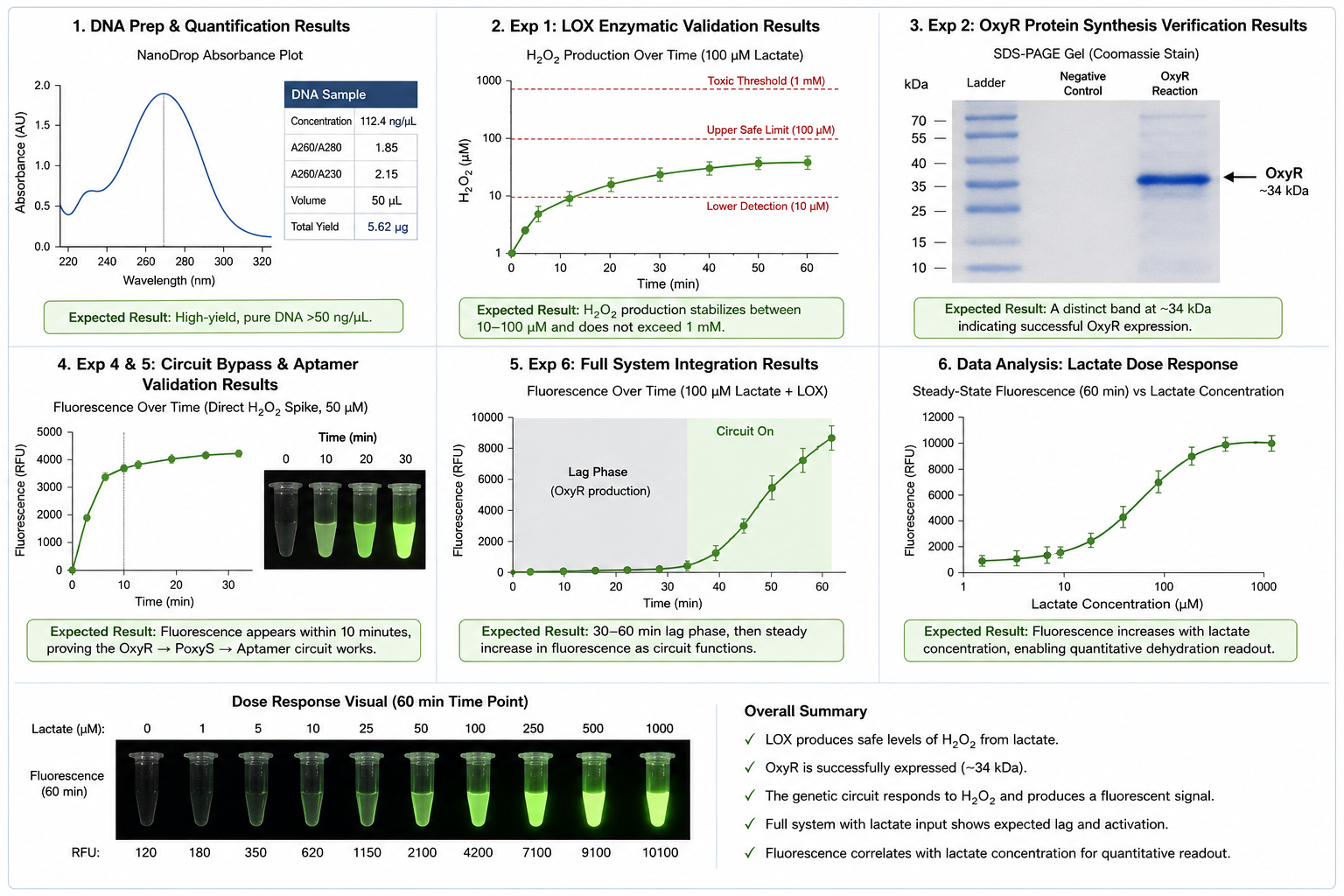
- DNA Prep & Quantification (2 hours): Resuspend the dehydrated Twist Bioscience pTwist Chlor High Copy plasmids containing my DNA in nuclease-free water. Possible test: Quantify concentration using a NanoDrop/Qubit. Expected result: High-yield, pure DNA >50 ng/µL.
- Exp 1: LOX Enzymatic Validation (2 hours): React purified Lactate Oxidase with 100 µM Lactate in PBS buffer. Use H2O2 test strips every 5 minutes to check H2O2 output. Expected result: Confirmation that H2O2 production stabilizes between the safe range of 10-100 µM and does not exceed the toxic 1 mM threshold.
- Exp 2: OxyR Protein Synthesis Verification (6 hours): Incubate plasmid DNA in the cell-free system for 4 hours at 29°C. Denature and run a gel against a negative control. Expected result: A distinct band at ~34 kDa indicating successful T7-driven OxyR transcription/translation.
- Exp 4 & 5: Circuit Bypass & Aptamer Validation (2 hours): Skip the LOX enzyme. Add 50 µM H2O2 directly into a cell-free reaction containing the DNA and DFHBI dye. Photograph for half an hour at 37°C. Expected result: The spiked tube fluoresces within 10 minutes, proving the OxyR to PoxyS to Aptamer circuit functions correctly.
- Exp 6: Full System Integration (2 hours): Combine cell-free master mix, DNA, DFHBI dye, and LOX. Trigger with 100 µM Lactate. Track fluorescence over 1 hour. Expected result: A 30-60 minute dark “lag phase” while OxyR is produced, followed by a steady increase in green fluorescence as the full genetic circuit functiond functions.
- Data Analysis: Test various amounts of lactate to figure out a quantitative brightness that represents dehydration risk.
Techniques Relevant to Project
- Pipetting
- Lab Safety
- Bioethical Considerations (must check this box)
- DNA Construct Design
- Gel Electrophoresis (DNA)
- Designing a Twist Order
- Use of Asimov Kernel
- Use of Benchling
- Registry of Standard Biological Parts
- Quality Control/Analysis (SDS-PAGE Protein Gel)
- Cell Free Reactions
- Freeze-Dried Cell Free Systems
Technique Expansion
Cell Free Reactions: I will utilize an E. coli extract-based cell-free system wiith with T7 RNA polymerase as the core master mix for my biosensor. Because my circuit relies on a T7 promoter to produce the OxyR switch, but requires native E. coli RNA polymerase to read the downstream PoxyS promoter, a hybrid lysate system is required rather than a pure recombinant system like PURExpress. This cell-free environment provides a bio-safe medium to execute my genetic circuit at human body temperature (37°C).
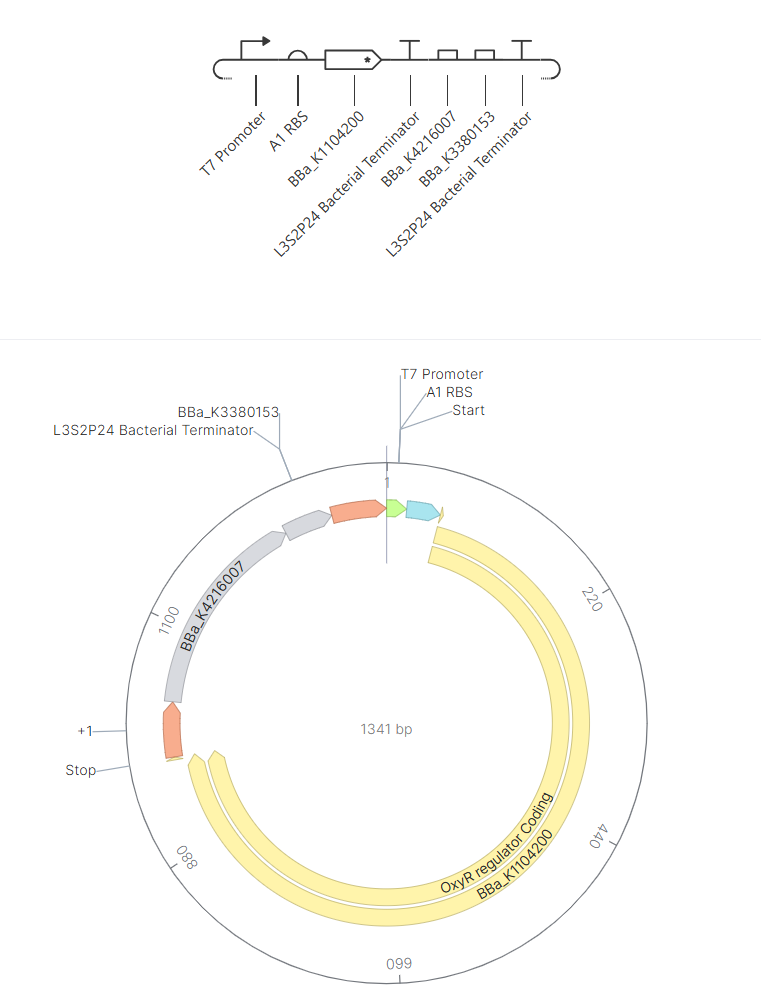
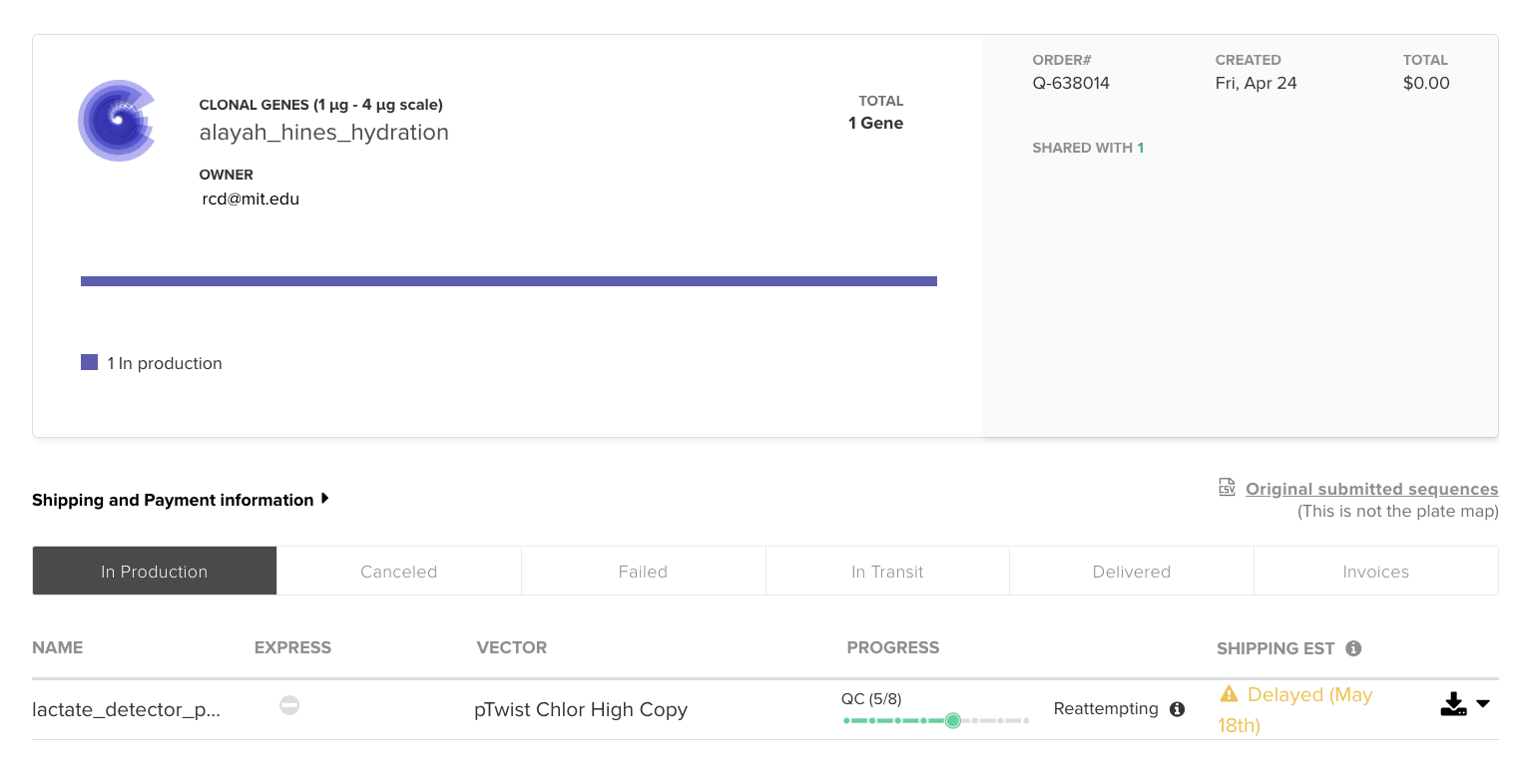
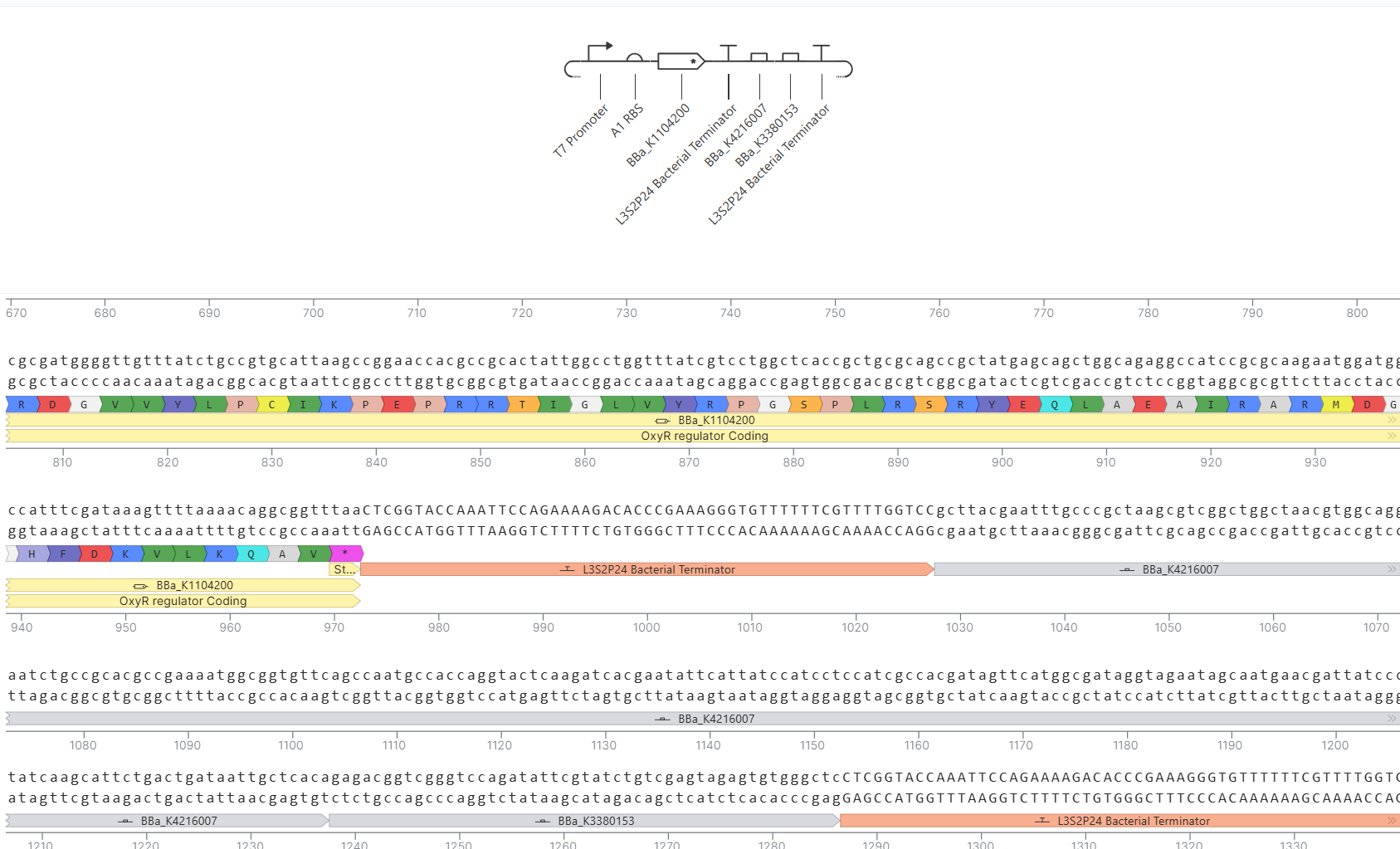
Designing a Twist Order: To physically acquire the genetic logic gates needed for this project, I designed a custom DNA sequence to be synthesized by Twist Bioscience. I did most of the design in Asimov Kernel using both parts that are readily available and ones found in the IGEM library. In the end, my order did not come in. I believe this is partially because of the complexity of my DNA, in particular, the RNA aptamer had a high number of repeats.
Here’s what my project outputs could have looked like, image credits to ChatGPT
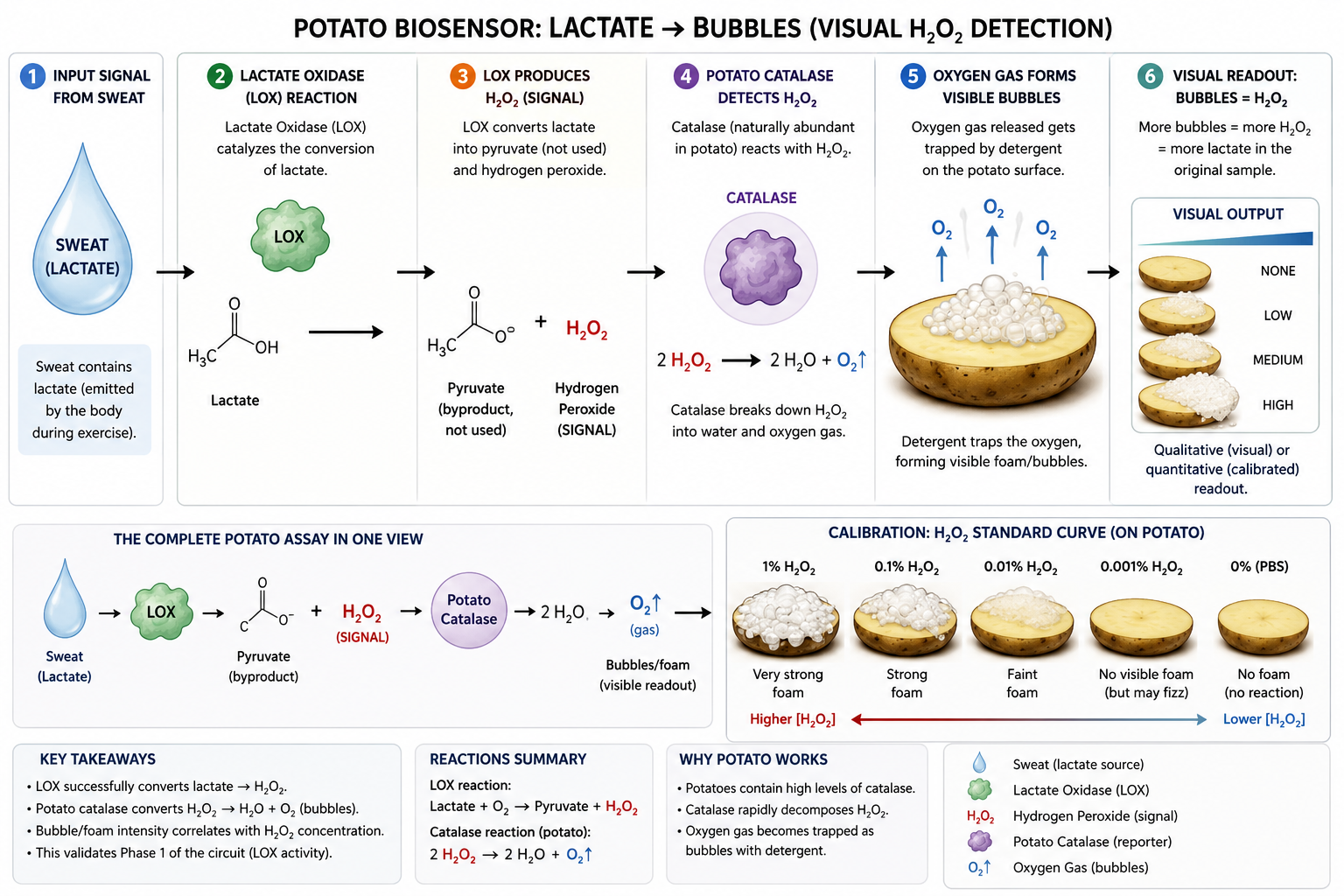
Here’s how they actually ended up looking like, image credits to ChatGPT
Industry Council Companies Associated
- Twist Biosciences: For synthesizing the custom DNA construct that produces OxyR and the RNA aptamer.
- Asimov Kernel: For designing the DNA for the genetic circuit, it’s a really nice, intuitive platform.
SECTION 5: Results & Quantitative Expectations
Now that I went through and explained everything that my project was supposed to involve, I can explain how it evolved from a high-tech cell-free genetic circuit to a potato-based biosensor, and why I spent most of Monday night running up and down the stairs outside of the biolab.
As mentioned, my Twist DNA order was delayed indefinitely (likely because the RNA aptamer contained a high number of complex repeating sequences that are notoriously hard to synthesize). Without the genetic circuit to turn the H2O2 into fluorescence, I needed an alternative biosensor that I could dose with my Lactate Oxidase (LOX) reaction to prove Phase 1 of my circuit worked.
Ronan helped me scour the lab for any standard chemical alternative. We checked everywhere for potassium iodide, H2O2 test strips, or horseradish peroxidase assays but we found nothing. Ronan made a comment about the bubbling that occurs when H2O2 enters a cut, and I remembered a classic elementary school science experiment using potatoes.
Potatoes are packed with the enzyme catalase. Just like when you pour hydrogen peroxide on a scrape, and it fizzes, the catalase in a potato triggers a rapid redox reaction when exposed to H2O2, breaking it down into water and pure oxygen gas (2H_2O_2 to 2H_2O + O_2). So, I replaced my state-of-the-art, custom-synthesized, cell-free synthetic biology matrix… with a root vegetable.
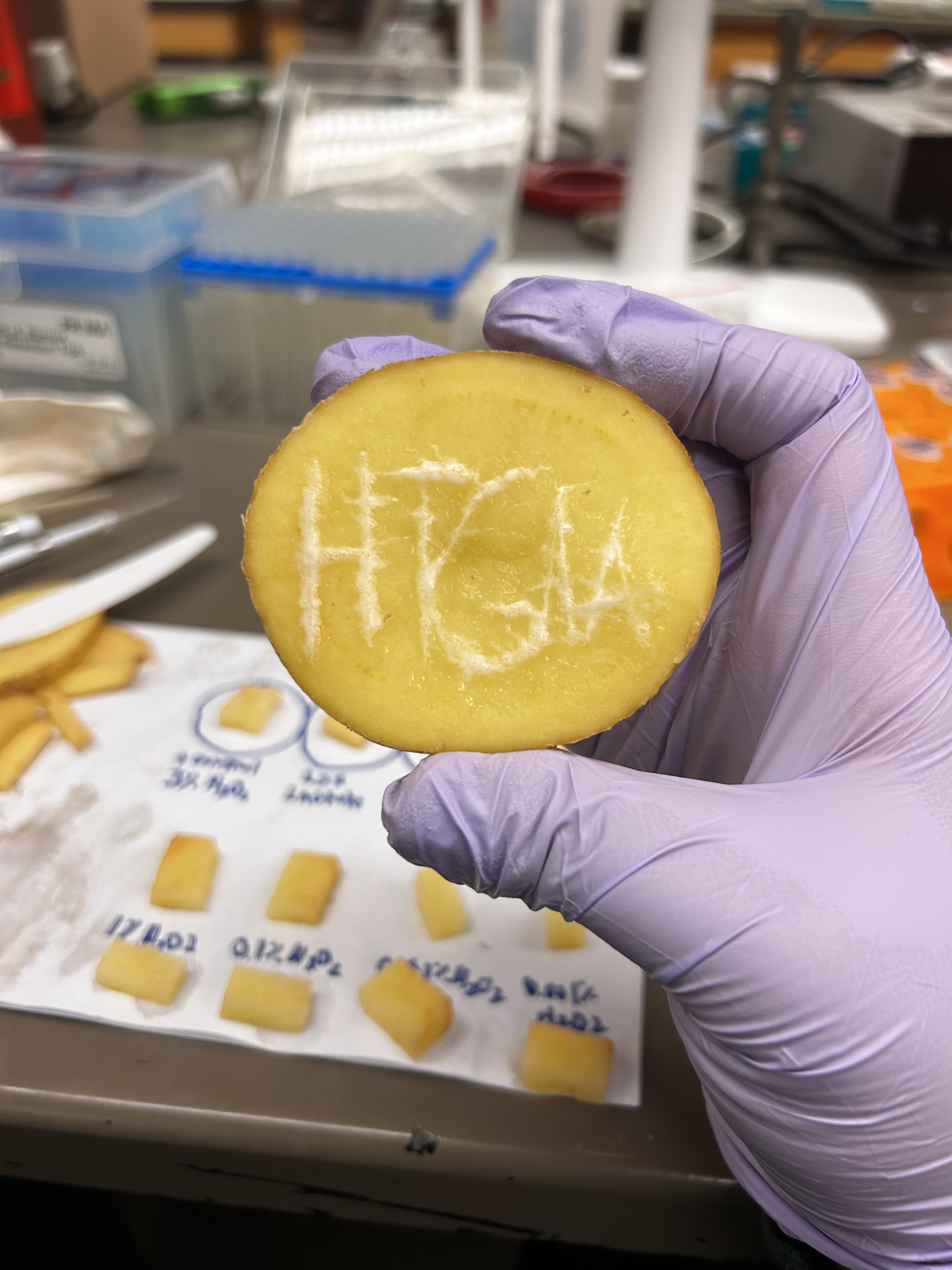
Validation Selection: Because the genetic reporter was unavailable, I chose to validate Phase 1 of my circuit: the successful enzymatic conversion of lactate into hydrogen peroxide H2O2 using Lactate Oxidase. By using the potato as my reporter, I could visually validate the presence of H2O2 through the generation of oxygen bubbles!
Detailed Protocol for Validation (The Potato Assay):
- Preparation: Cut fresh wedges of a raw Golden Russet potato. To solve my first major challenge—the oxygen gas was escaping too quickly to see at low concentrations—I coated the potato surface with a thin layer of laboratory detergent (glorified expensive dish soap) to trap the escaping oxygen as visible foam.
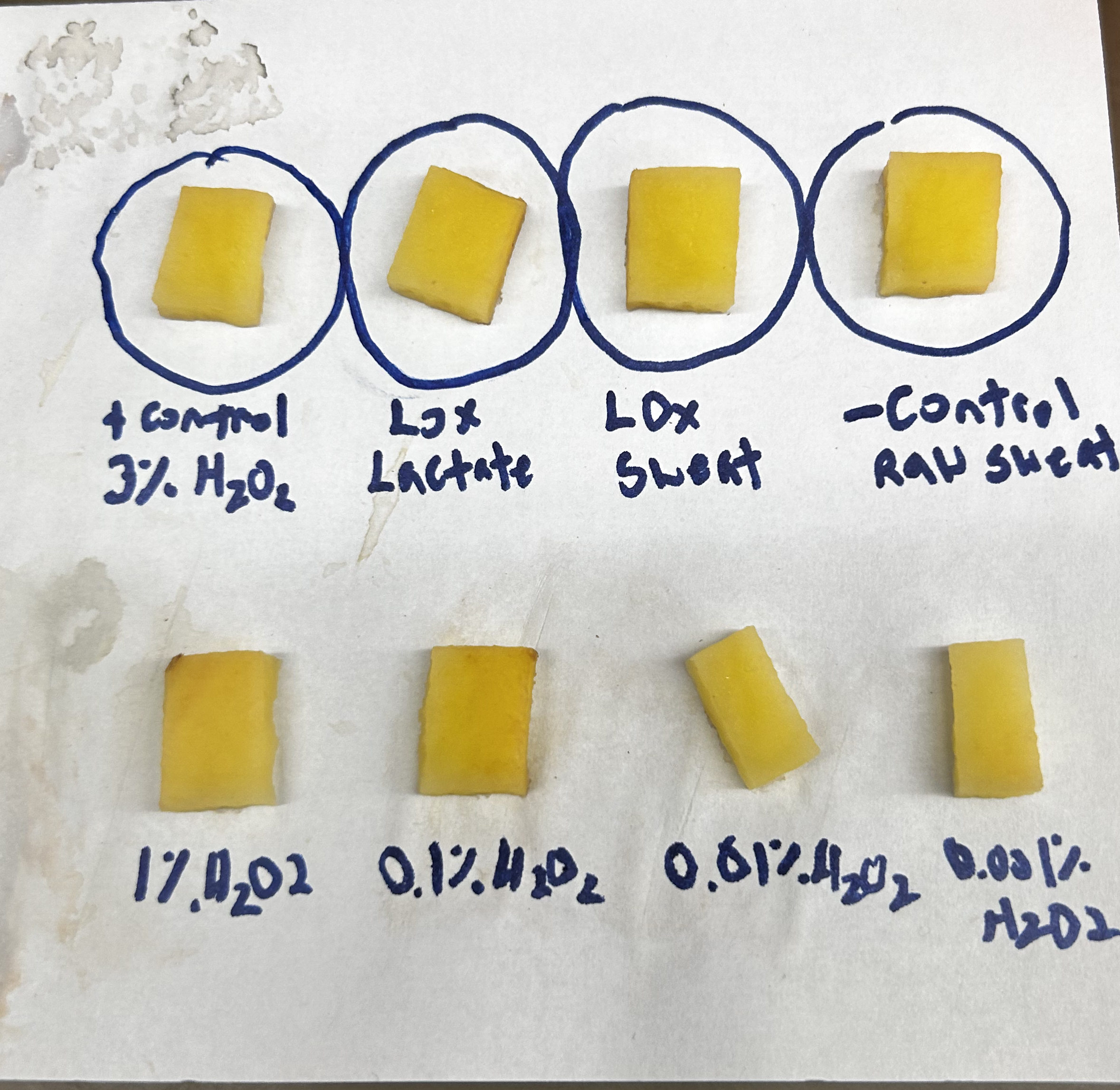
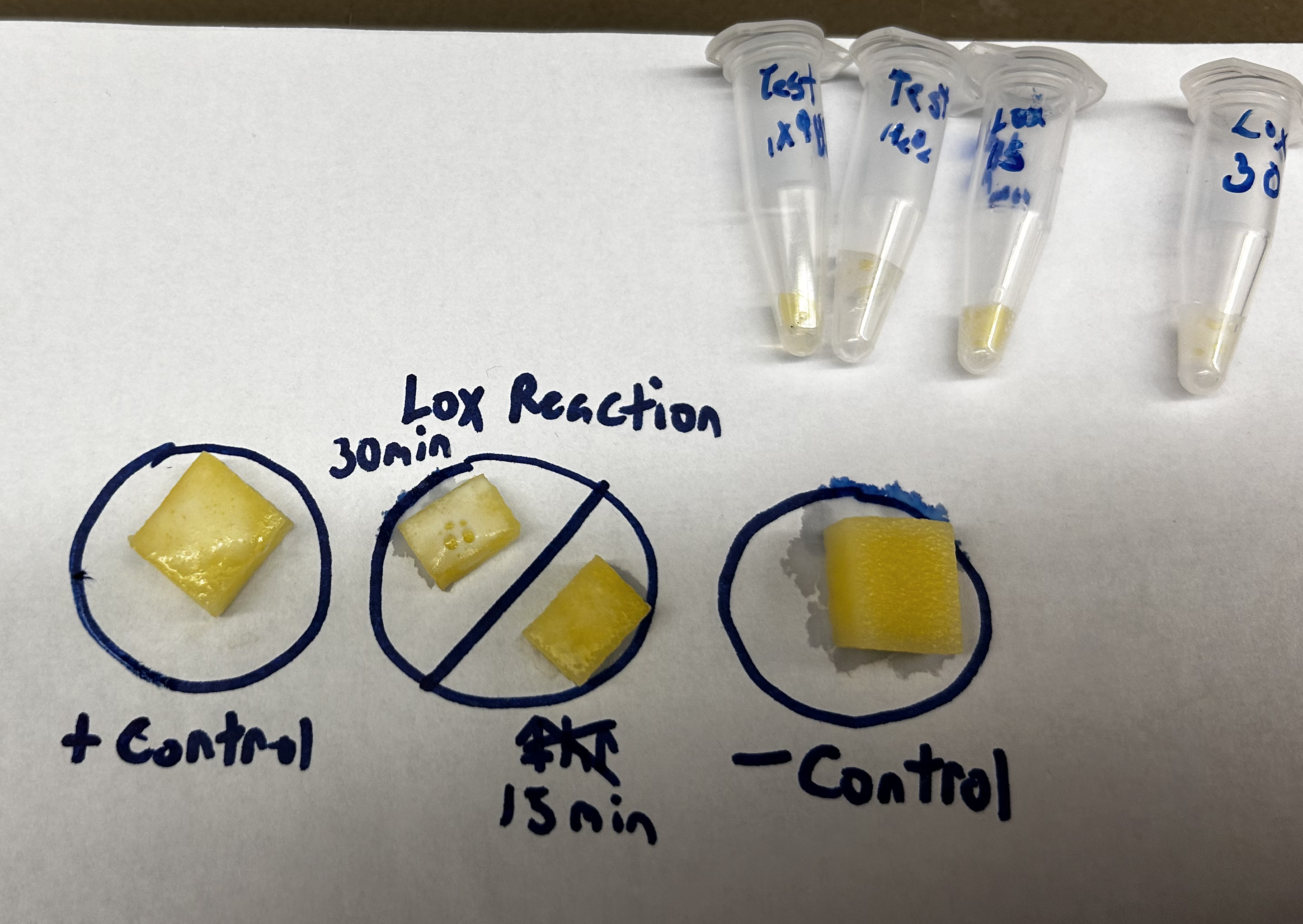
- Controls: Pipette 20 µL of 3% store-bought H2O2 onto one wedge (Positive Control) and 20 µL of 1X PBS onto another (Negative Control).
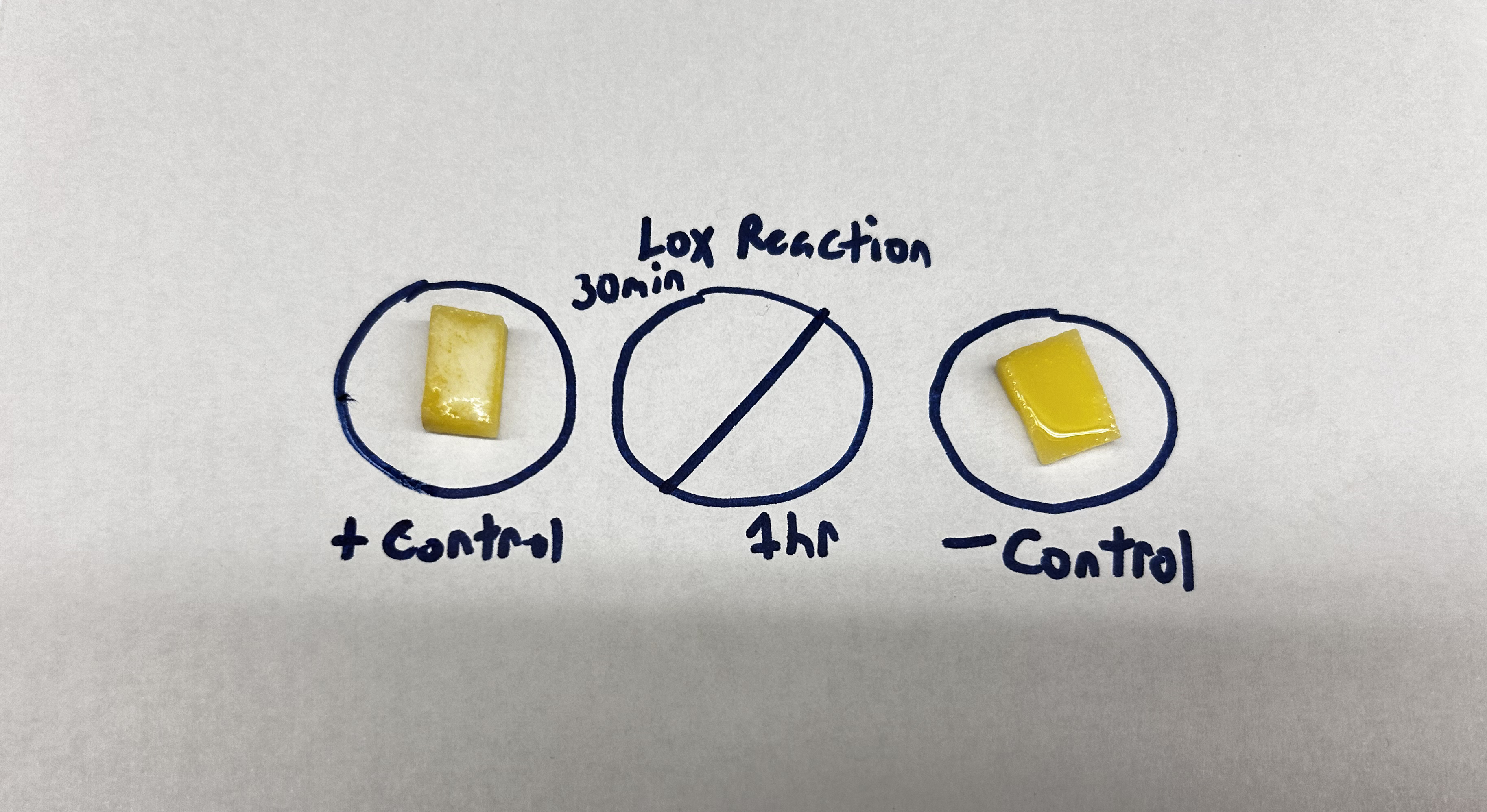
- The Lab Lactate Reaction: Mixed 100 µM stock lactate with LOX in PBS buffer at 37°C. Pipetted 20 µL of this mixture onto a potato wedge after 15 minutes of incubation, and another 20 µL after 30 minutes of incubation.
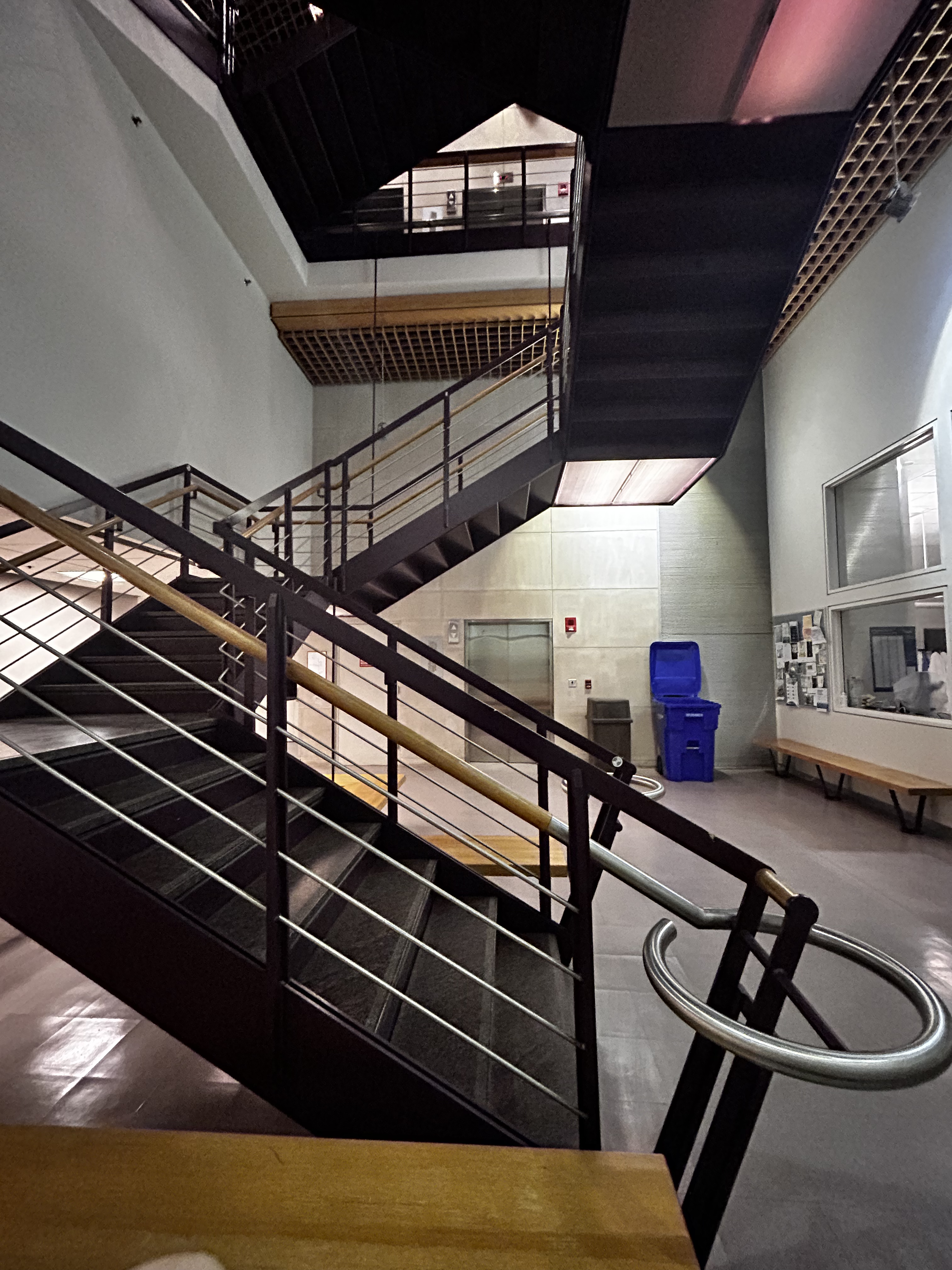
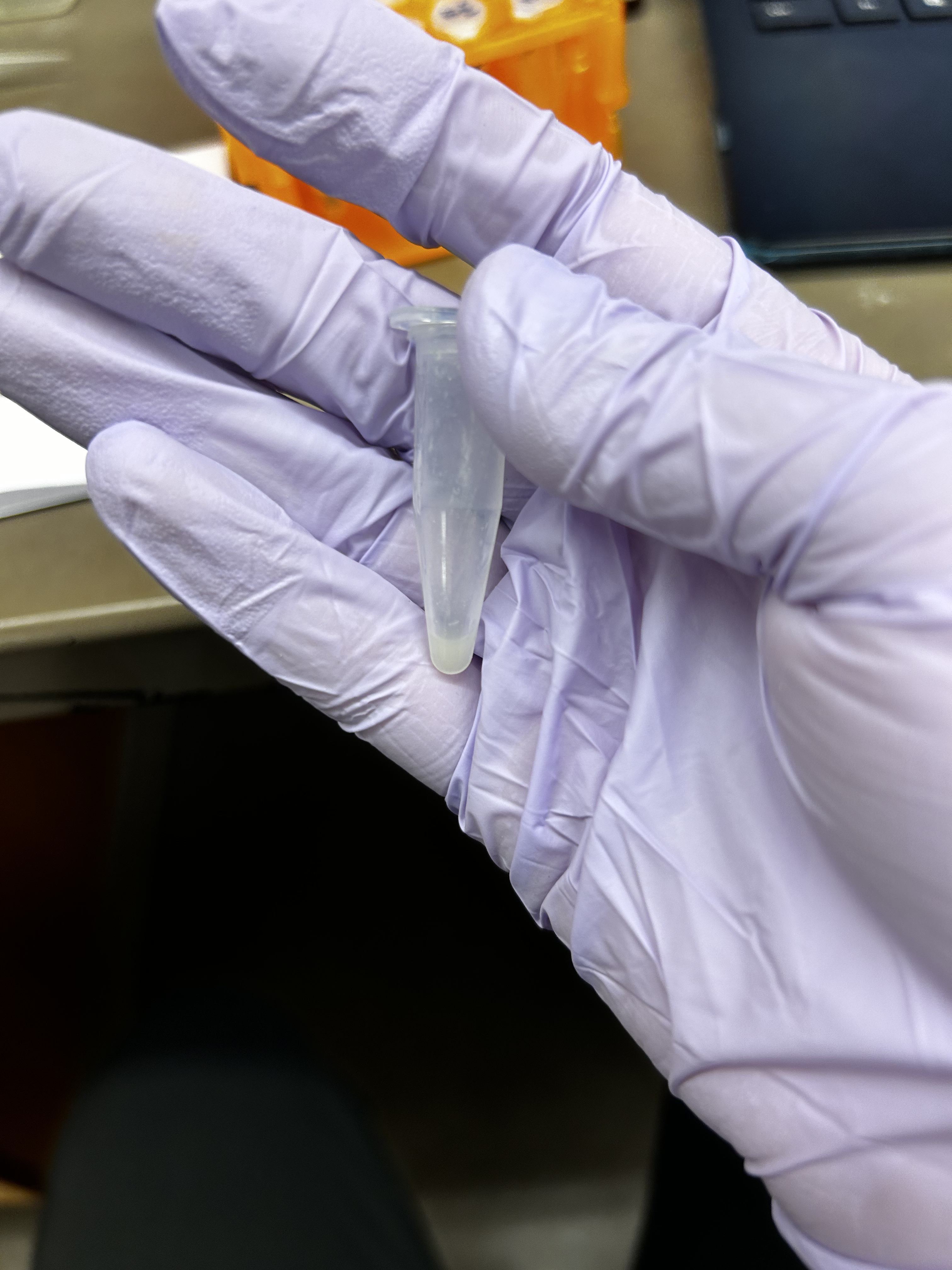
- Sidequest to Collect Sweat: I attempted to collect 10 µL of real human sweat. I tried running outside, but it was too cold. Then I went to the glass-blowing studio, but the ovens were off. Finally, I just ran up and down the stairs outside the biolab 10 times, but then realized that sweat evaporates really quickly. So I tried once more with a minicentrifuge tube in hand and finally got 10ul of sweat but after re-reading the protocol, realized I actually needed 20 µL, and had to run the stairs all over again.
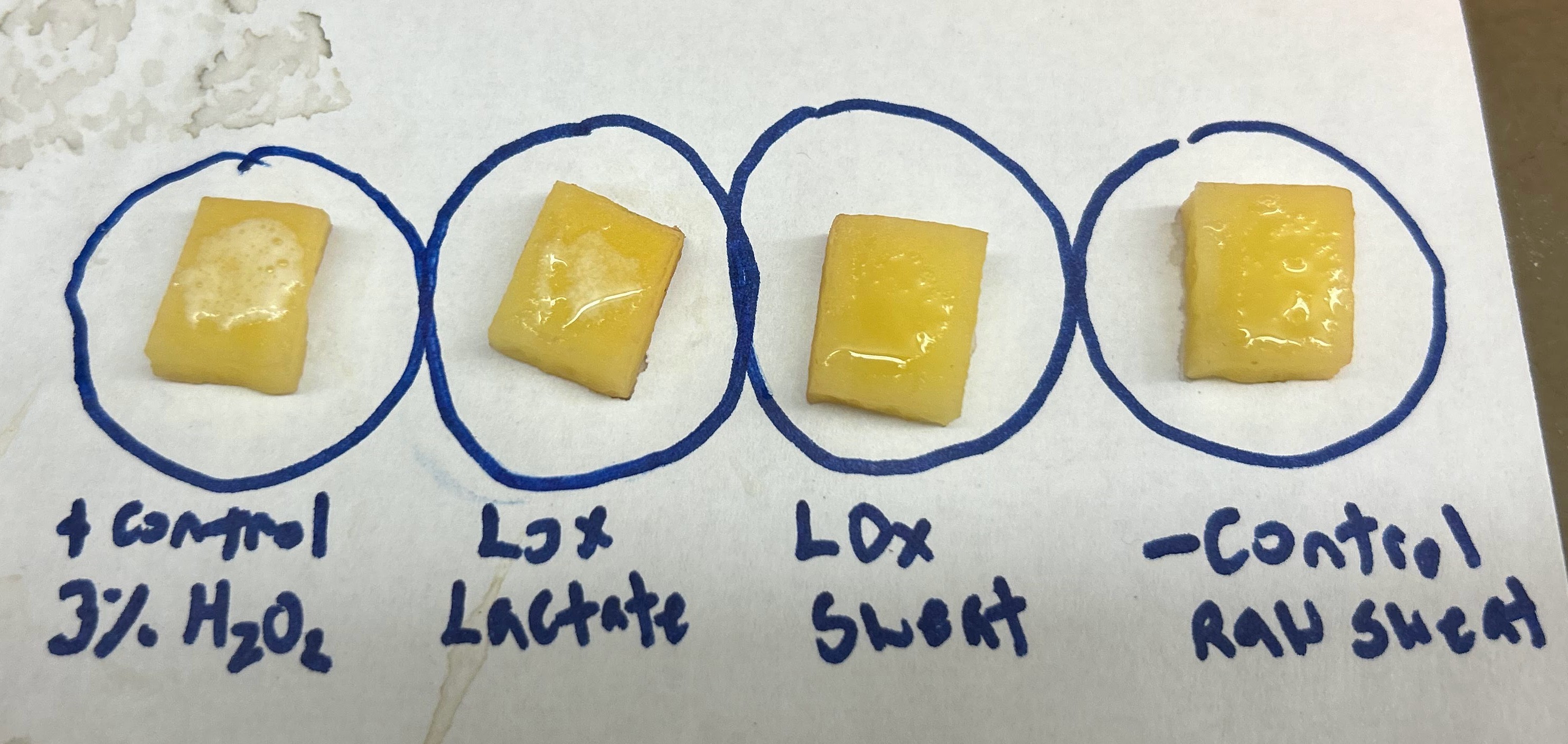
- The Sweat Reaction: Mixed my hard-earned 20 µL of sweat with LOX and buffer, incubated for 30 minutes at 37°C, and pipetted it onto a fresh detergent-coated potato wedge.
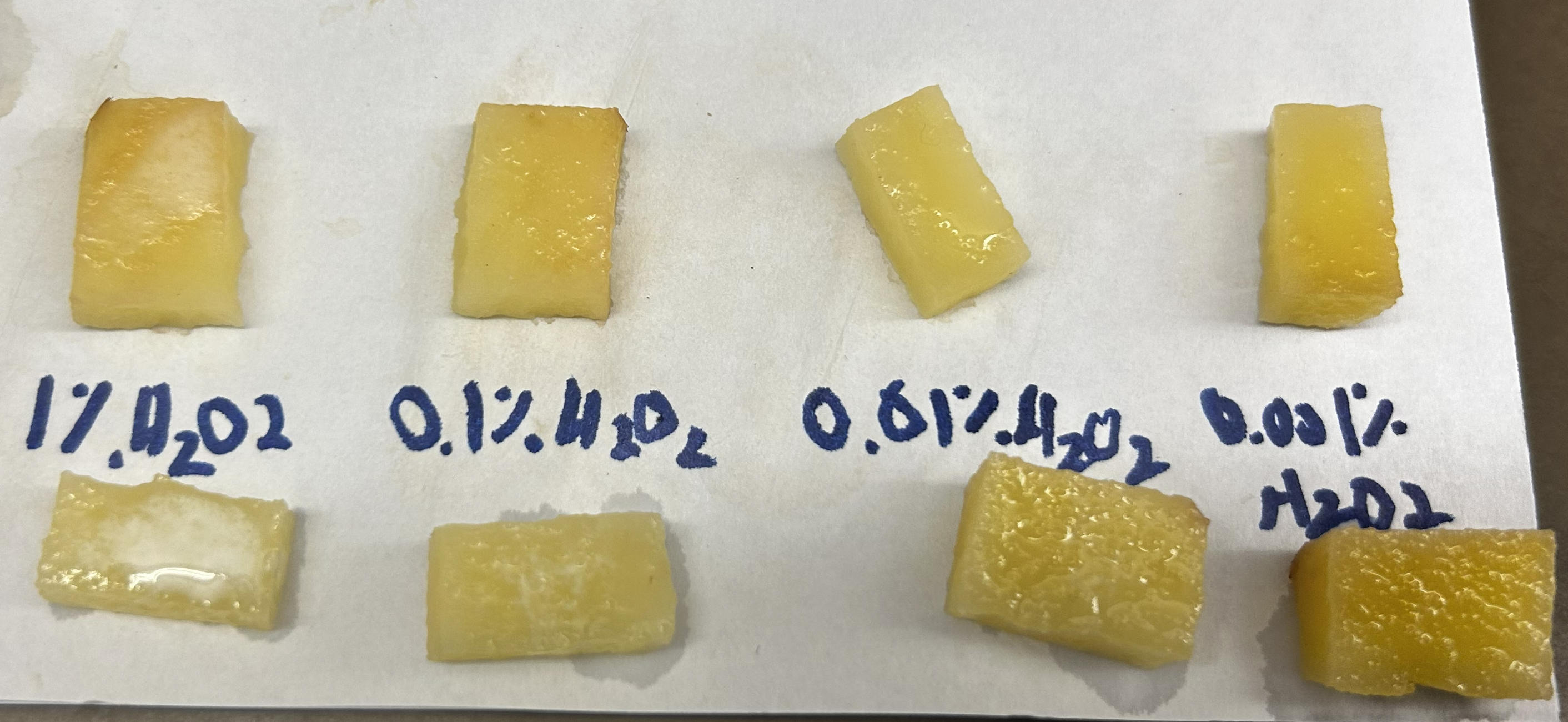
- The Calibration Curve: To understand my results, I performed a serial dilution ofH2O2 (1%, 0.1%, 0.01%, and 0.001%) and dropped them on potatoes to visually map foam volume to concentration.
Synthetic Biology Techniques Utilized: This validation relied on Enzymatic Reactions (using purified LOX), alternative Biological Assays (utilizing native plant catalase as a reporter), and Pipetting and Lab Safety. It also required extreme physical endurance for sweat collection.
Data Presentation and Analysis:
The Lab Lactate Test: The positive control (3% H2O2) bubbled violently, creating a massive pile of foam, confirming the potato catalase was active. The negative control (PBS) did absolutely nothing. My lab lactate + LOX reaction worked! After 30 minutes of incubation, it produced a distinct, visible layer of bubbles. The 15-minute incubation produced fewer bubbles, proving that the enzymatic conversion of lactate to H2O2 was functioning correctly over time. I believe these H2O2 concentrations could be hazardous to the enzymes and cell machinery, so I’ll have to be careful about what concentration of lactate and LOX to use, denaturing can occur at as low as 0.005%.
The Calibration and Sweat Test: My serial dilution test revealed that 1% and 0.1% H2O2 created highly visible foam, but 0.01% was very faint, and 0.001% was entirely invisible to the naked eye. However, out of sheer desperation, I held the 0.001% potato wedge up to my ear and realized I could hear it fizzing. (I did not expect to be potato whispering for this project)
When I tested my real sweat + LOX reaction, there were zero visible bubbles. I suspect the lactate concentration in my sweat simply generated an H2O2 concentration closer to the 0.001% range—too low to see the trapped oxygen, though I did hold the potato to my ear to listen for the reaction, it was inconclusive and demeaning. Upon further inspection, I noticed the sweat was heavily contaminated with hair oil, which could have also interfered with the enzyme kinetics.
Challenges and Problem Solving:
This project was a lesson on pivoting. Challenge one: My DNA didn’t arrive. Strategy: I pivoted to a biological catalase assay (a potato, I ran my tests on a potato). Challenge two: The biological H2O2 production was too low to create visible bubbles. Strategy: I added detergent to physically trap the oxygen as foam (I can’t take credit for this one, it’s often used for this experiment). Challenge three: Sweat collection was incredibly difficult, prone to evaporation, and full of contaminants (hair oil). Strategy: I exercised until I had enough volume to overcome evaporation, though the contaminants remained. Ultimately, I learned a vital engineering limitation: to make the sweat reaction visibly bubble on a potato, I would need to massively amp up the LOX concentration. However, in my actual wearable device design, raising the H2O2 concentration that high would bleach the DFHBI dye and denature the cell-free enzymes, destroying the genetic circuit. The potato proved that while my LOX enzyme works, biology requires highly sensitive genetic reporters (like my missing RNA aptamer) because observation with the naked eye just isn’t sensitive enough for micromolar concentrations. I believe this concentration issue can be addressed in the formulation of my cell-free mix. The fluorescence would be much more noticeable, especially with a digital readout from a photodiode. Also, less LOX means a slower rate of H2O2 production. I can also use a more aggressive buffer.
SECTION 6: ADDITIONAL INFORMATION
12. References
[1] Gao W, Emaminejad S, Nyein HYY, Challa S, Chen K, Peck A, Fahad HM, Ota H, Shiraki H, Kiriya D, Lien DH, Brooks GA, Davis RW, Javey A. Fully integrated wearable sensor arrays for multiplexed in situ perspiration analysis. Nature. 2016 Jan 28;529(7587):509-514. doi: 10.1038/nature16521. PMID: 26819044; PMCID: PMC4996079.
[2] Baker LB. Physiology of sweat gland function: The roles of sweating and sweat composition in human health. Temperature (Austin). 2019 Jul 17;6(3):211-259. doi: 10.1080/23328940.2019.1632145. PMID: 31608304; PMCID: PMC6773238.
[3] https://2026a.htgaa.org/2026a/course-pages/weeks/week-09/lab/index.html
[4] https://www.education.com/activity/article/activator/
[5] Gemini and ChatGPT - Cell-Free Wearable Chats
13. Supply List and Budget
- Cell-free Master Mix: Lab Provided
- DNA construct from Twist Bioscience: $155.69
- Purified Lactate Oxidase (LOX): $198.00
- Sodium L-Lactate Standard: $65.65
- DFHBI Fluorogen Dye (10mM in DMSO): $214.00
- Hydrogen Peroxide (3% from CVS): Lab Provided
- And of course, the most important item of the project:
- One Golden Russet Potato: $0.57