Week 05 – Protein Design Part II
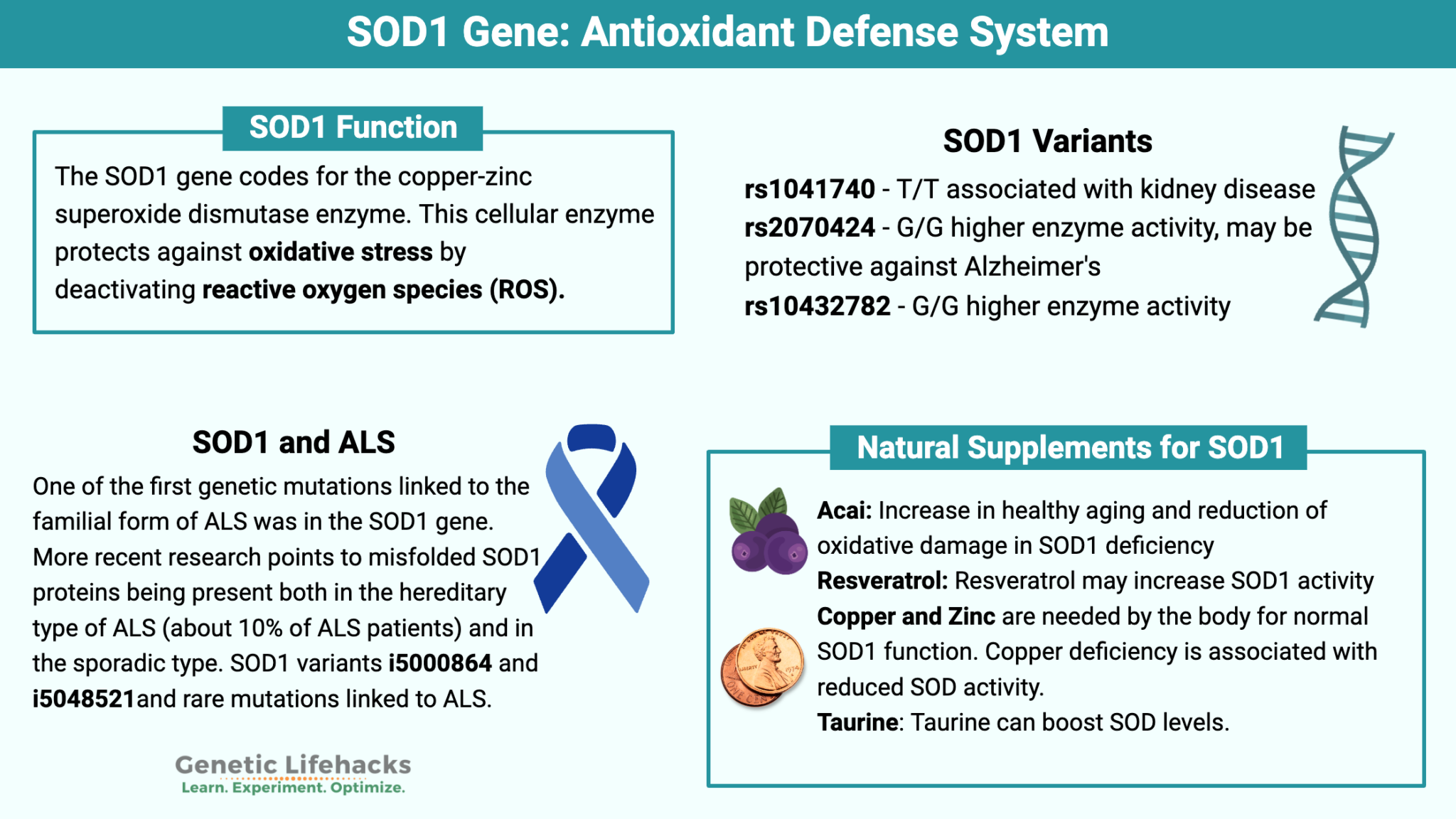
Image source: Genetic Lifehacks. https://www.geneticlifehacks.com/sod1-gene-polymorphisms/
Part 1: SOD1 Binder Peptide Design
“MATKAVCVLKGDGPVQGIINFEQKESNGPVKVWGSIKGLTEGLHGFHVHEFGDNTAGCTSAGPHFNPLSRKHGGPKDEERHVGDLGNVTADKDGVADVSIEDSVISLSGDHCIIGRTLVVHEKADDLGKGGNEESTKTGNAGSRLACGVIGIAQ”
This is the SOD1 original sequence
The mutation A4V means:
Alanine (A) at position 4 → Valine (V)
But UniProt includes the starting M, so the alanine that changes is the 5th residue in the sequence.
1 M 2 A 3 T 4 K 5 A ← this is the one that changes 6 V We change from this MATKAV to this MATKVV
The new sequence: MATKVVCVLKGDGPVQGIINFEQKESNGPVKVWGSIKGLTEGLHGFHVHEFGDNTAGCTSAGPHFNPLSRKHGGPKDEERHVGDLGNVTADKDGVADVSIEDSVISLSGDHCIIGRTLVVHEKADDLGKGGNEESTKTGNAGSRLACGVIGIAQ
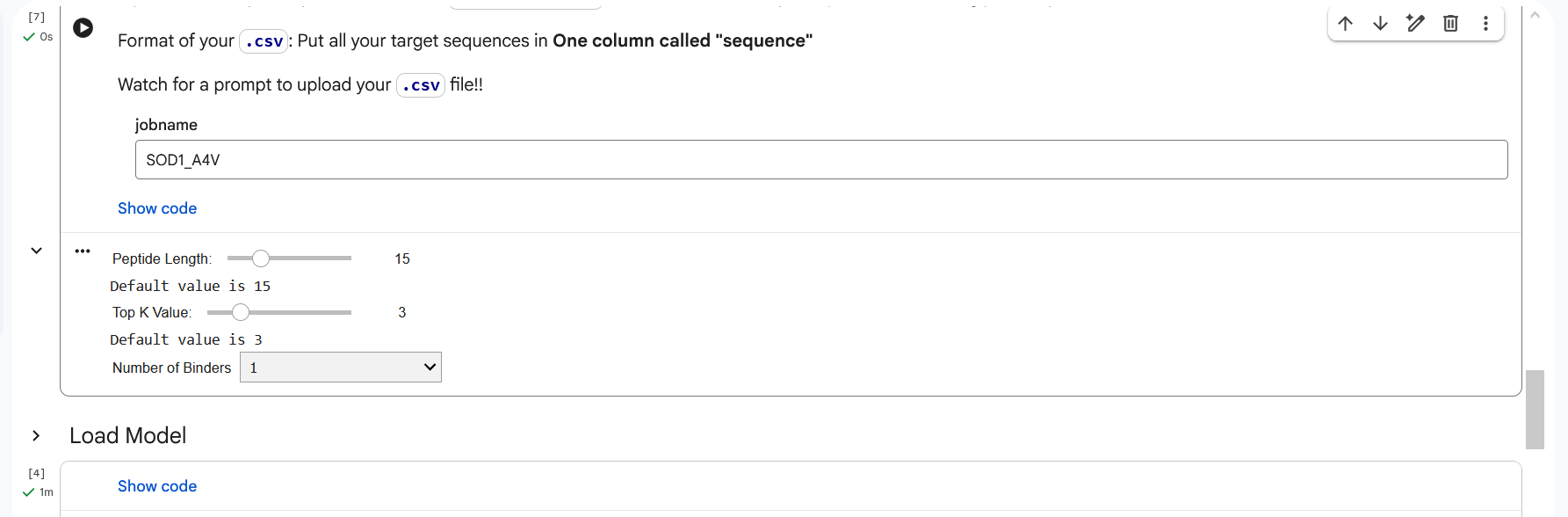
Figure 1: The original length of amino acids.
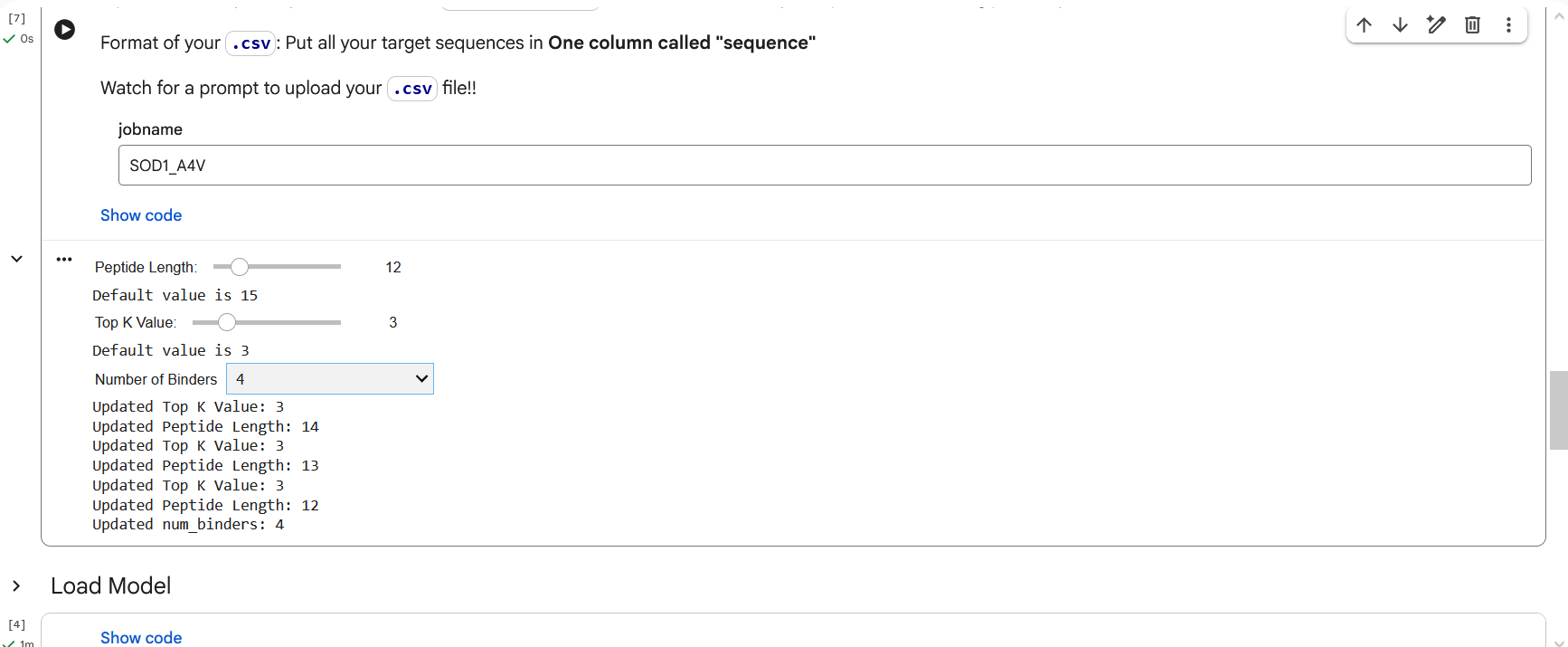
Figure 2: The length 12 amino acids conditioned on the mutant SOD1 sequence.
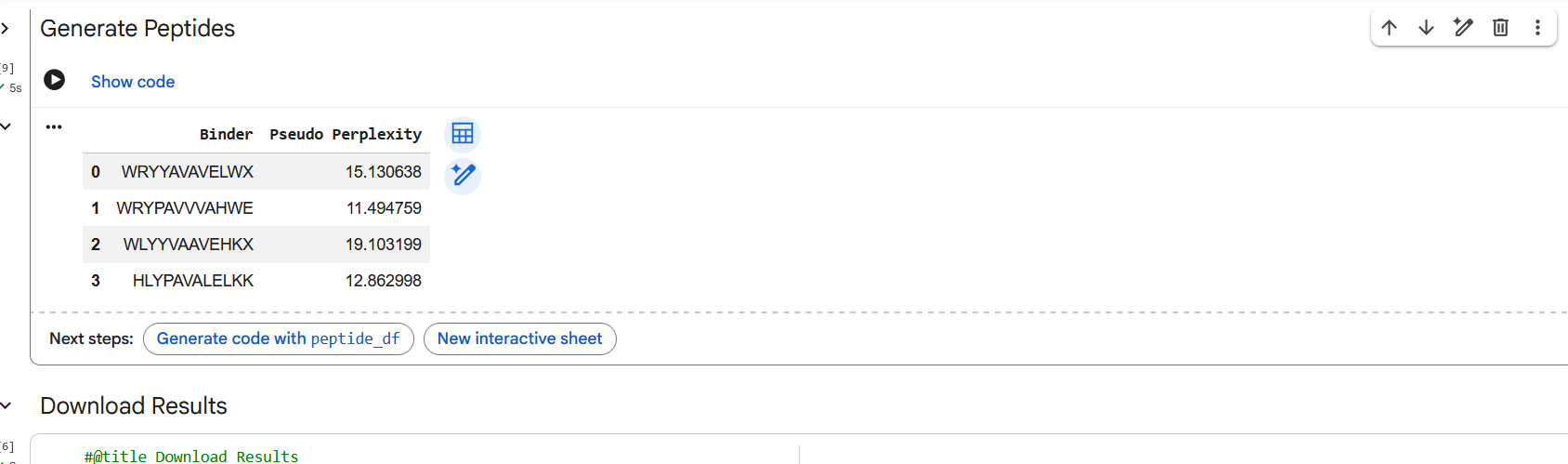
Figure 3: Generation of four peptides of length 12 amino acids conditioned on the mutant SOD1 sequence.
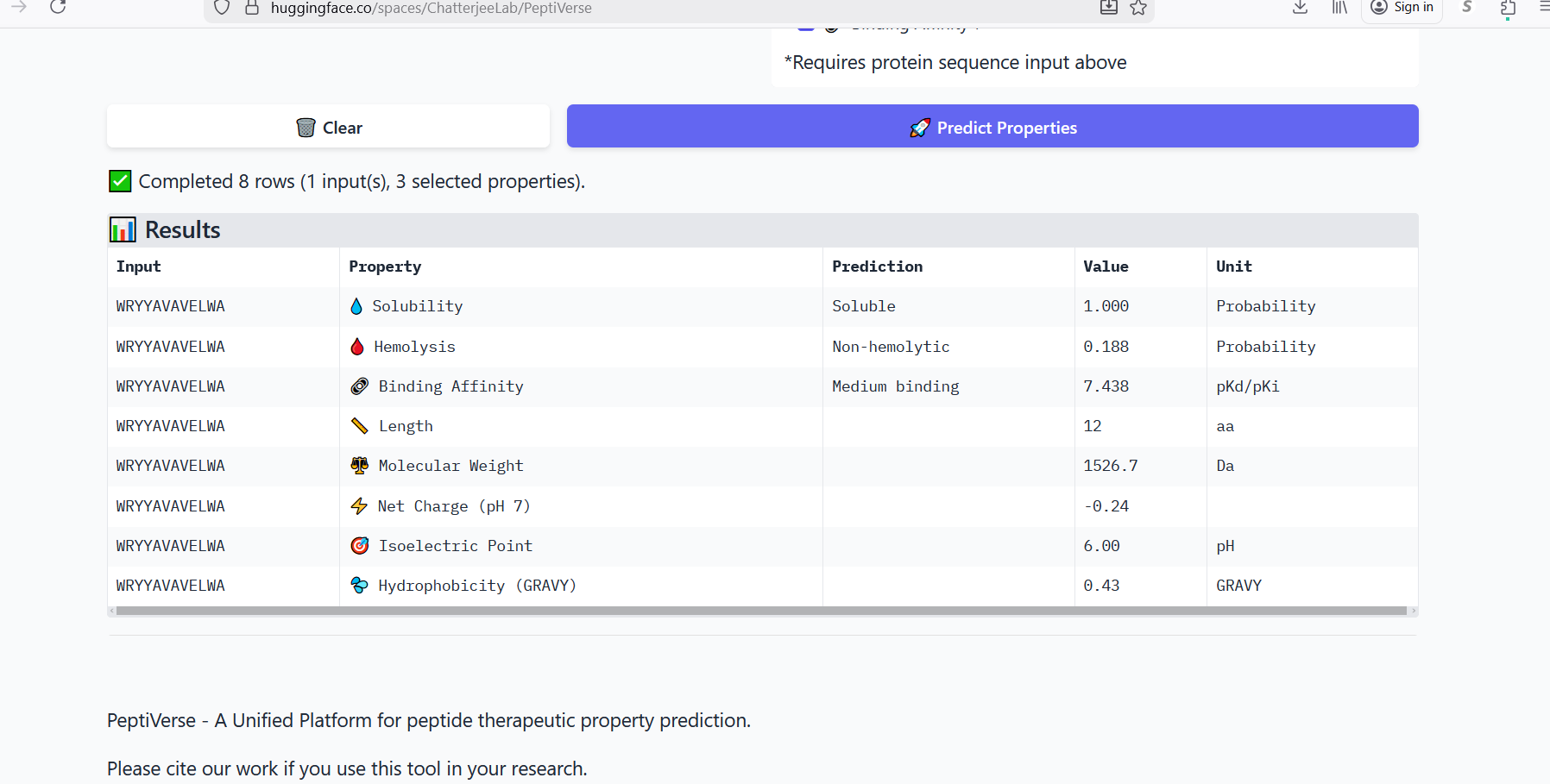
Peptide Sequence Perplexity PepMLM-1 WRYYAVAVELWX 15.13 PepMLM-2 WRPAVVVAHWE 11.49 PepMLM-3 WLYYVAAVEHKX 19.10 PepMLM-4 HLYPAVALELKK 12.86 Known binder FLYRWLPSRRGG N/A
Perplexity reflects the model’s confidence in the generated peptide sequences. Lower perplexity values indicate that the sequence is more probable according to the language model. Among the generated candidates, WRPAVVVAHWE had the lowest perplexity (11.49), suggesting that it is the most confident peptide predicted by PepMLM.
Part 2: Evaluate Binders with AlphaFold3
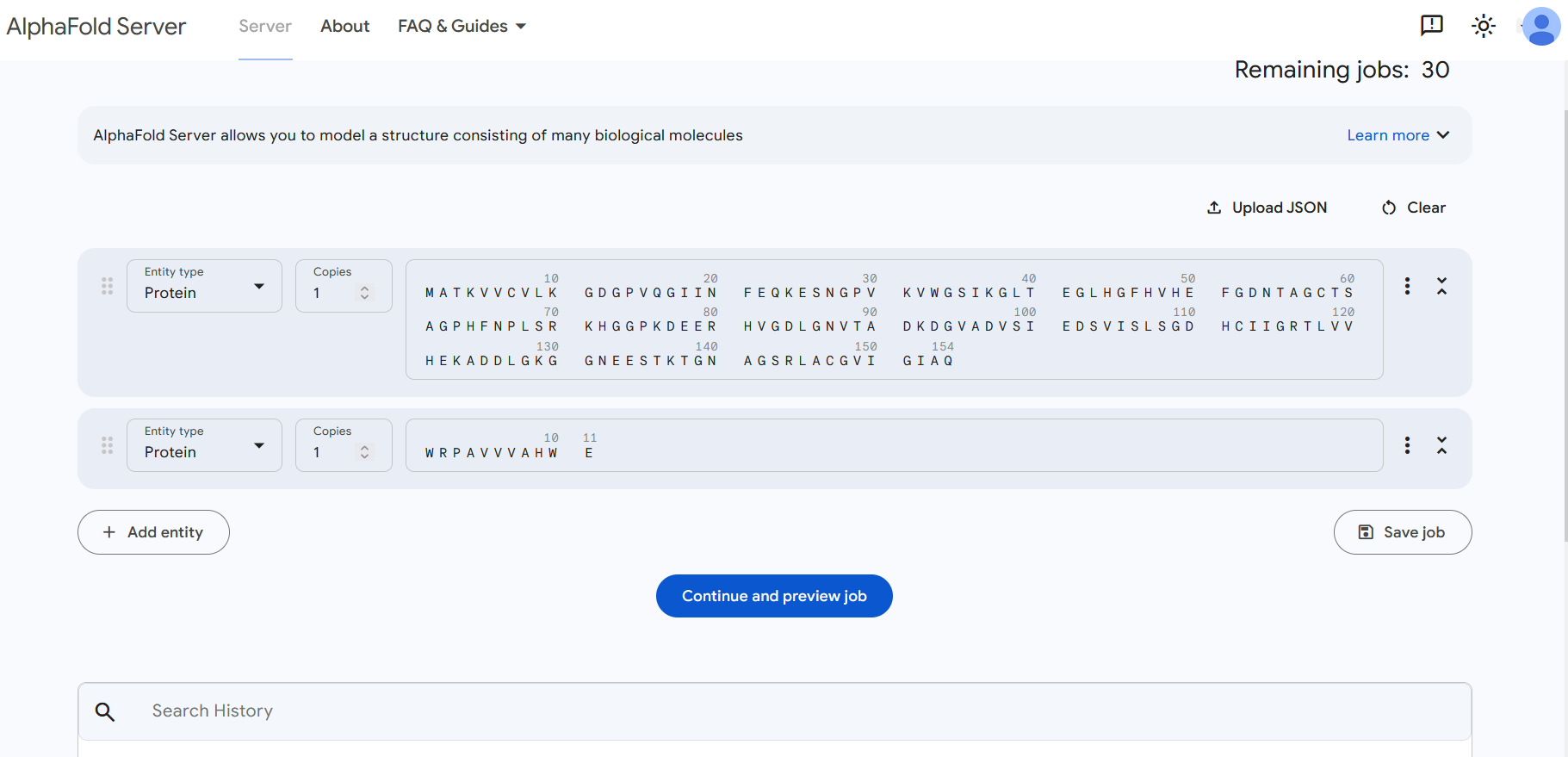
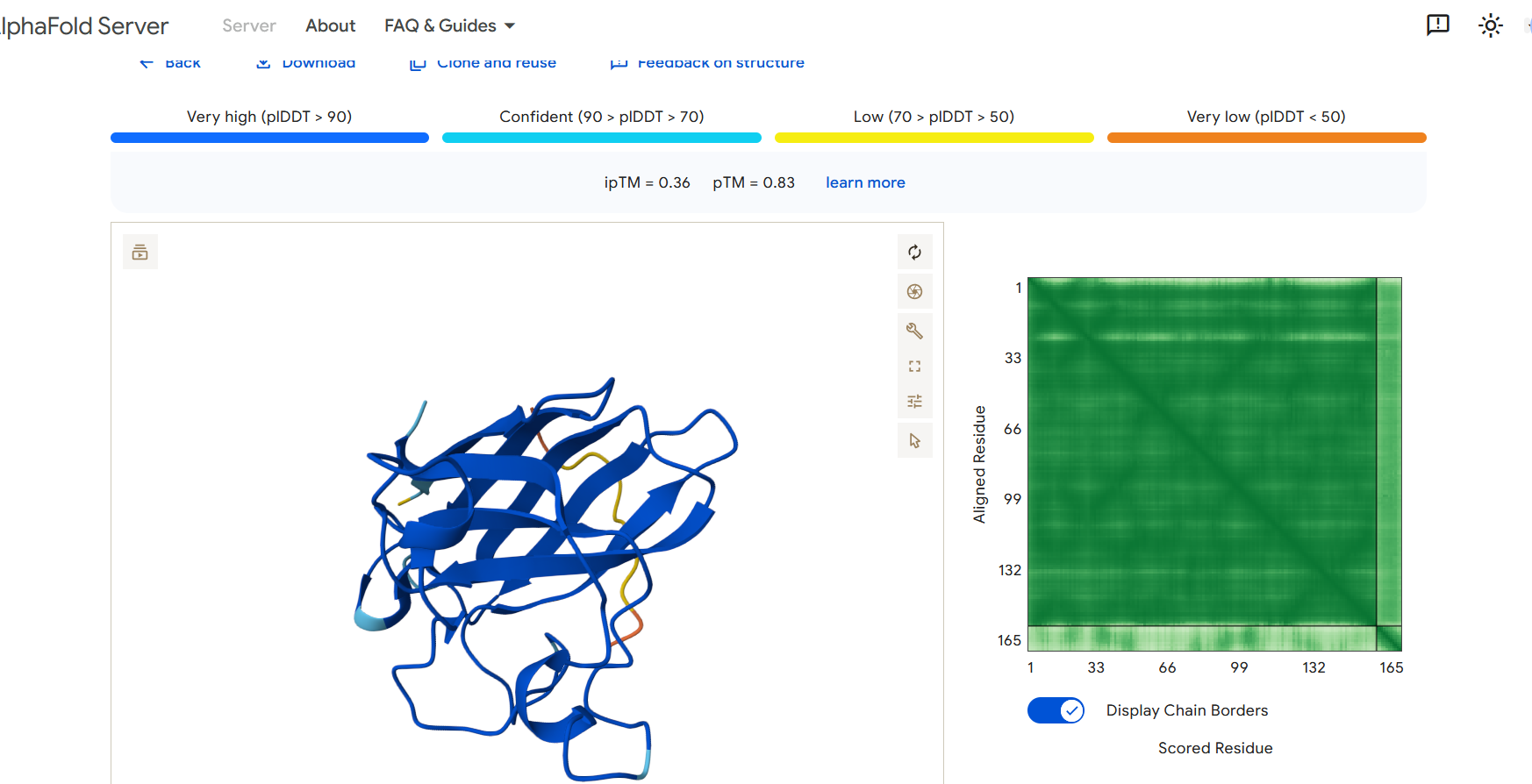
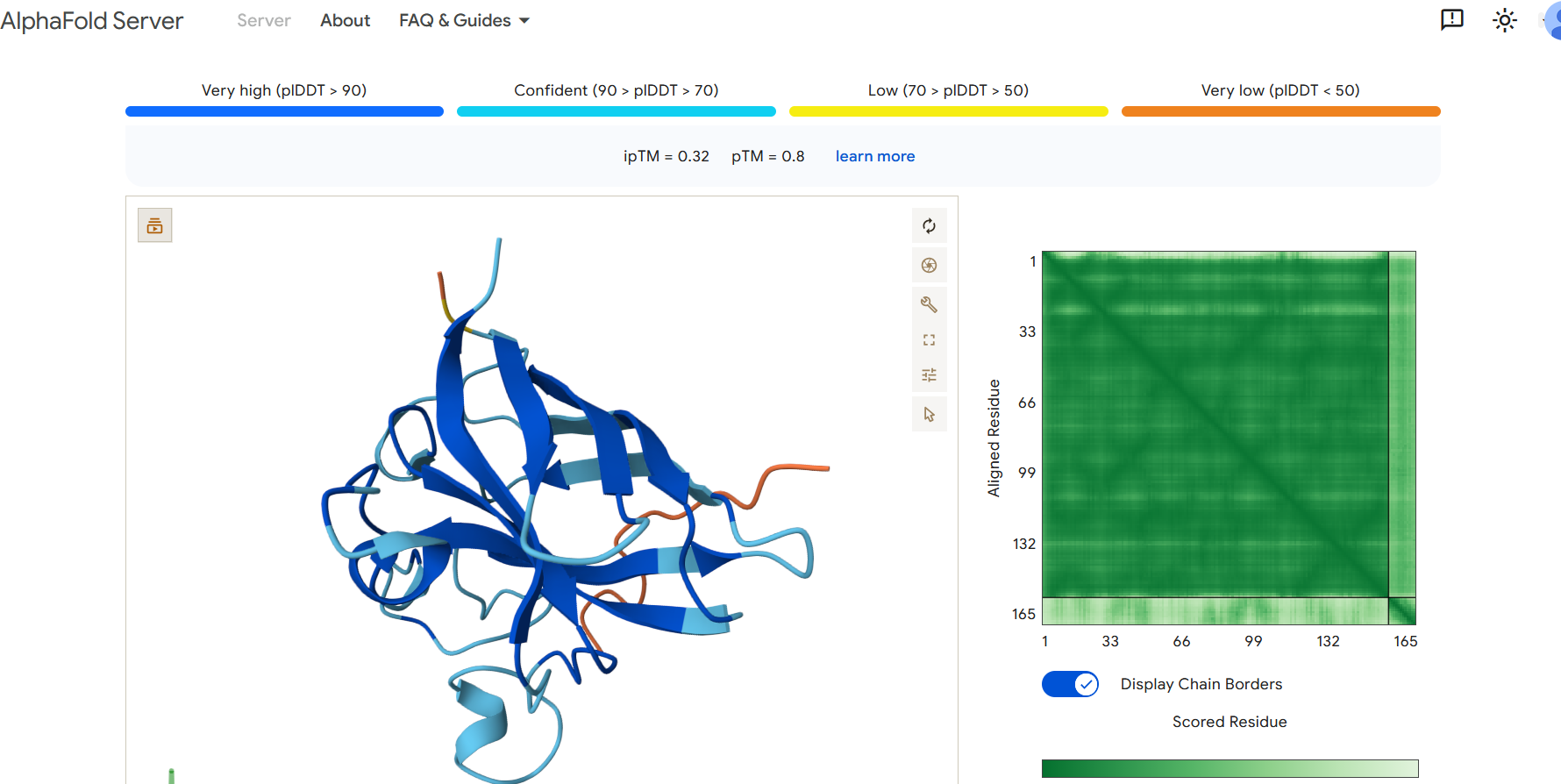
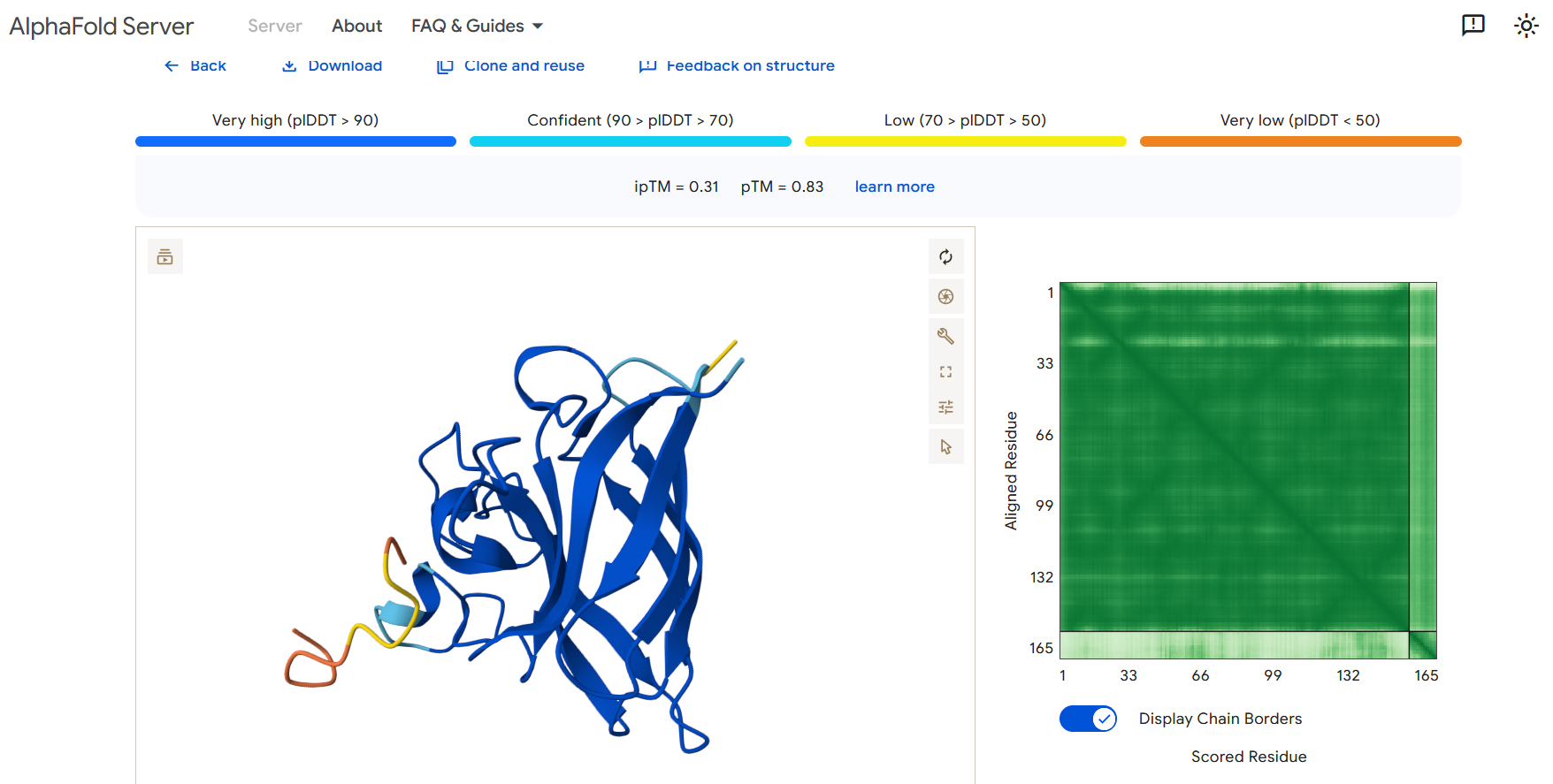
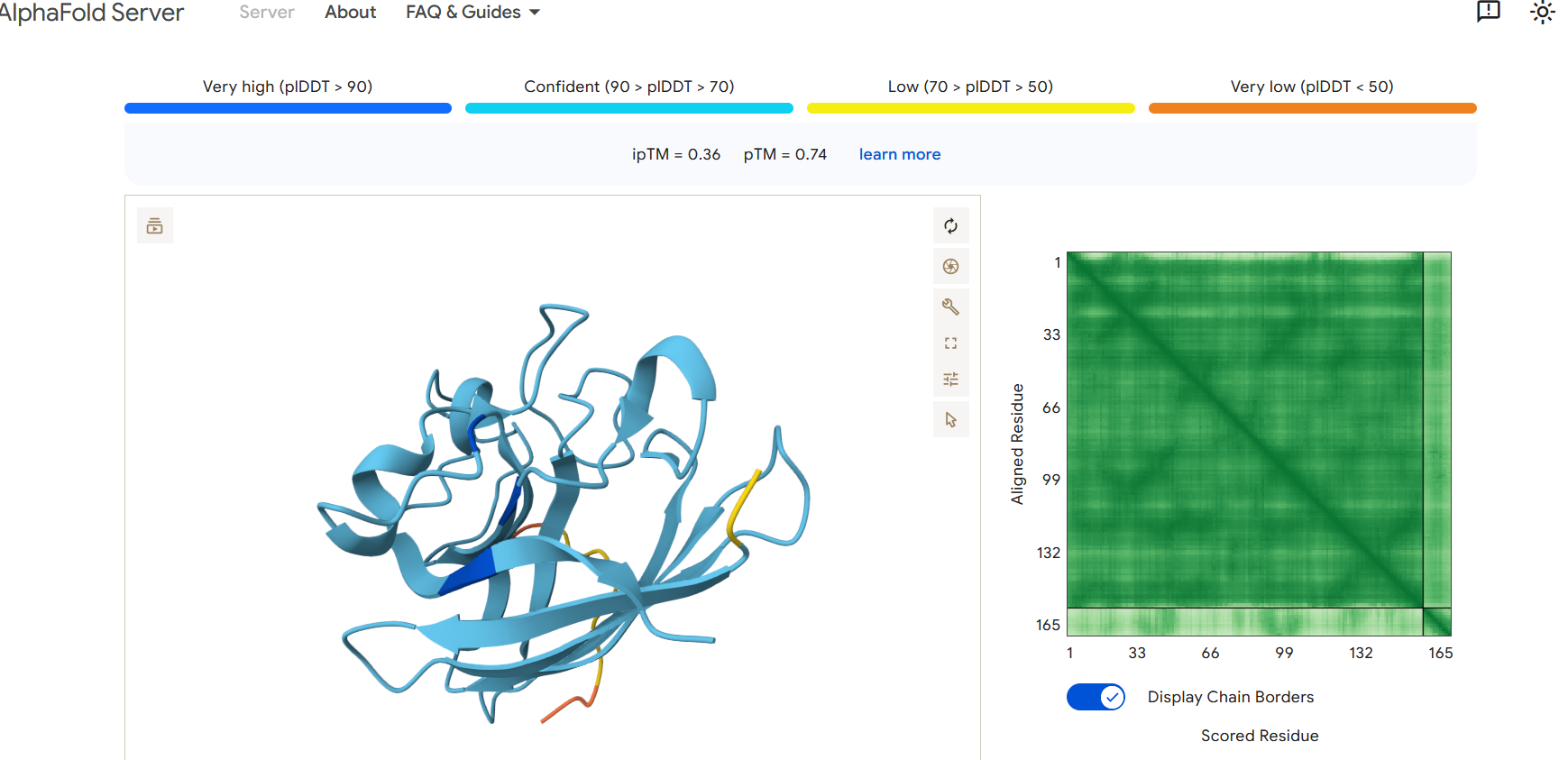
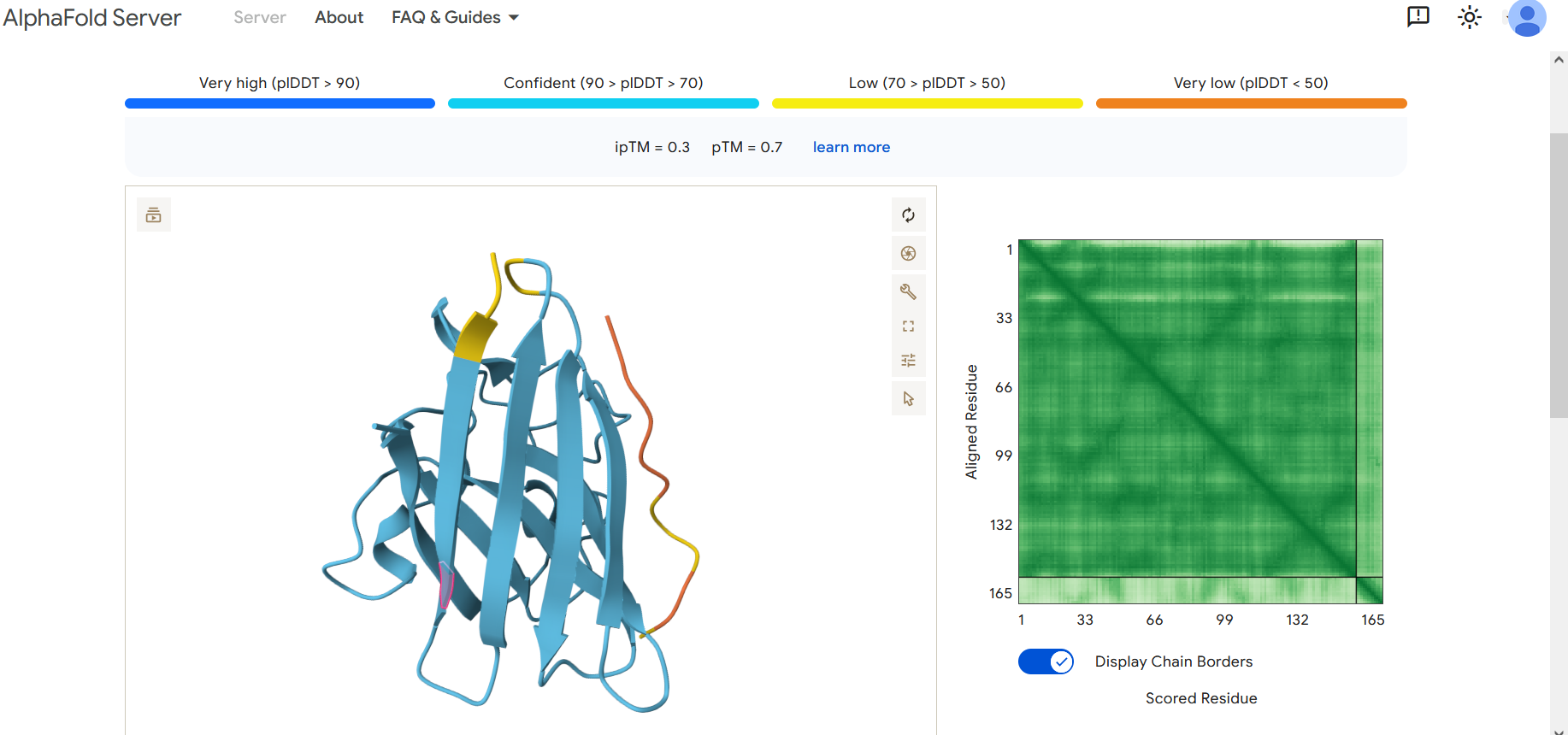
To evaluate the predicted binders, the mutant SOD1 sequence containing the A4V mutation was submitted to the AlphaFold server together with each peptide as separate chains to model the protein–peptide complex. The predicted interaction confidence was assessed using the ipTM score. The peptides generated showed ipTM values between about 0.30 and 0.36. When visualizing the structures, the peptides appear to bind on the surface of the SOD1 protein, mainly around the β-barrel region, and some approach the N-terminal area where the A4V mutation is located. The interactions appear surface-bound rather than buried inside the protein. The known SOD1-binding peptide produced an ipTM of about 0.31, while one PepMLM-generated peptide showed a slightly higher value (~0.36), suggesting a potentially stronger predicted interaction.
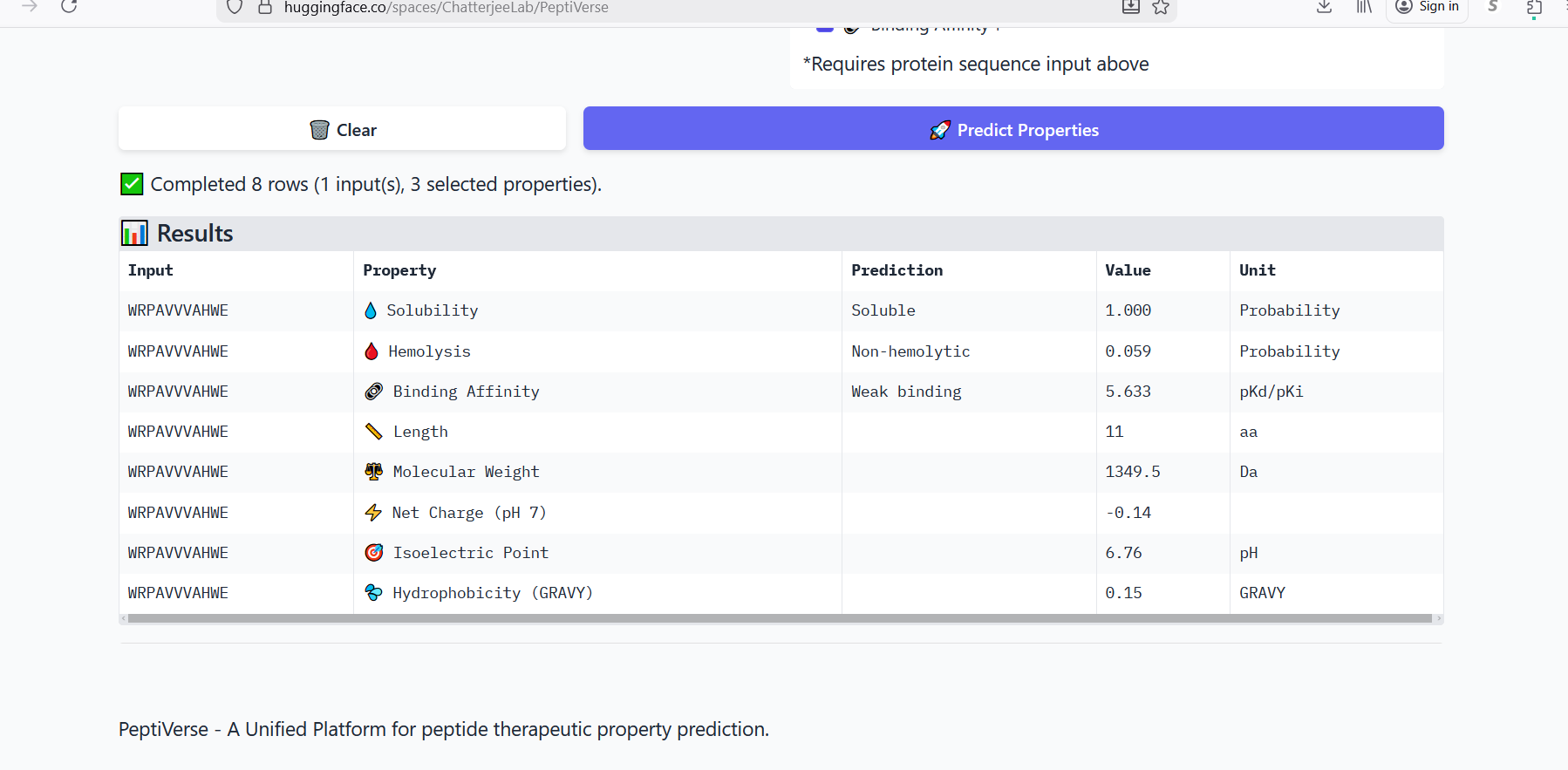
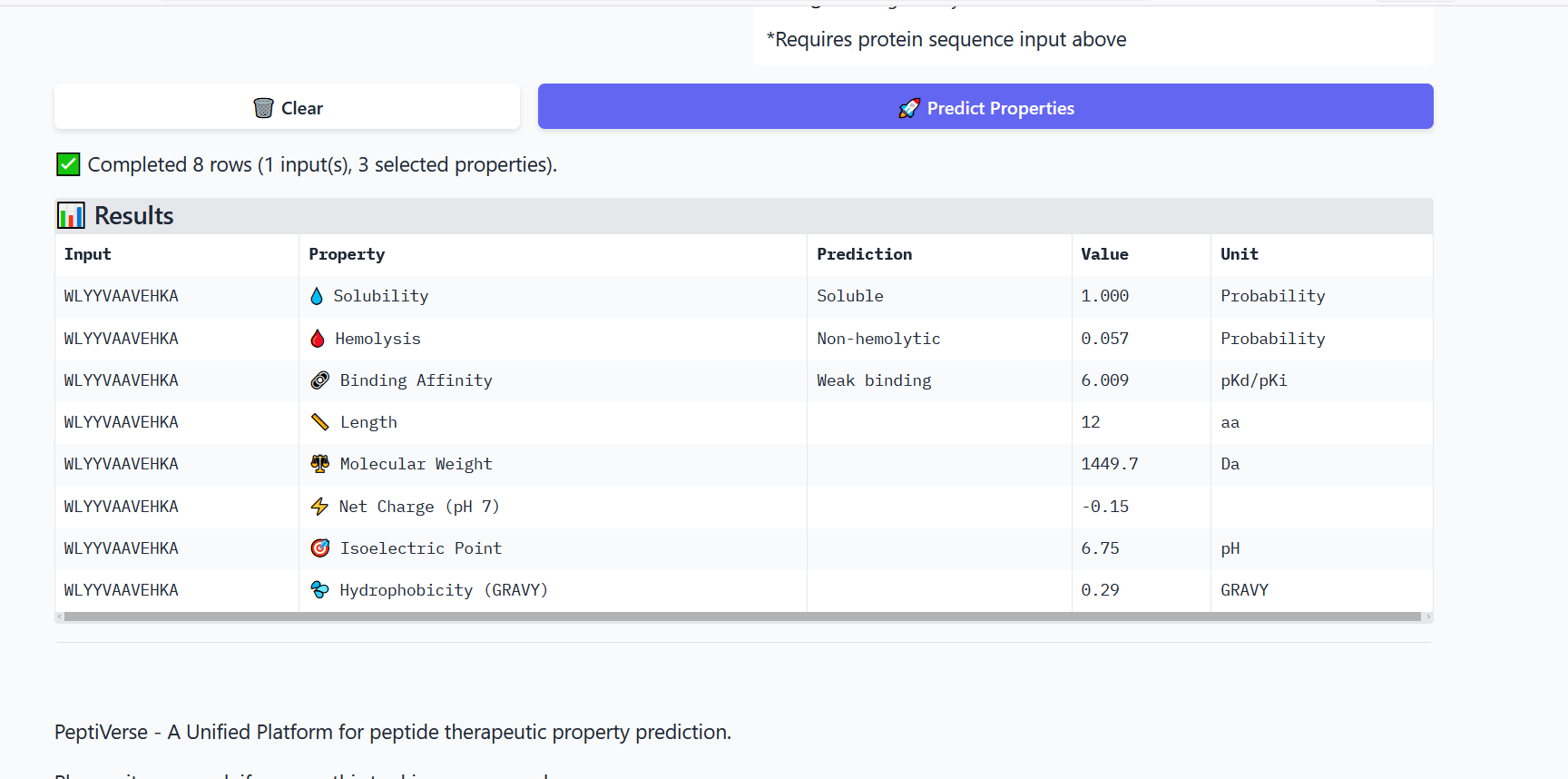
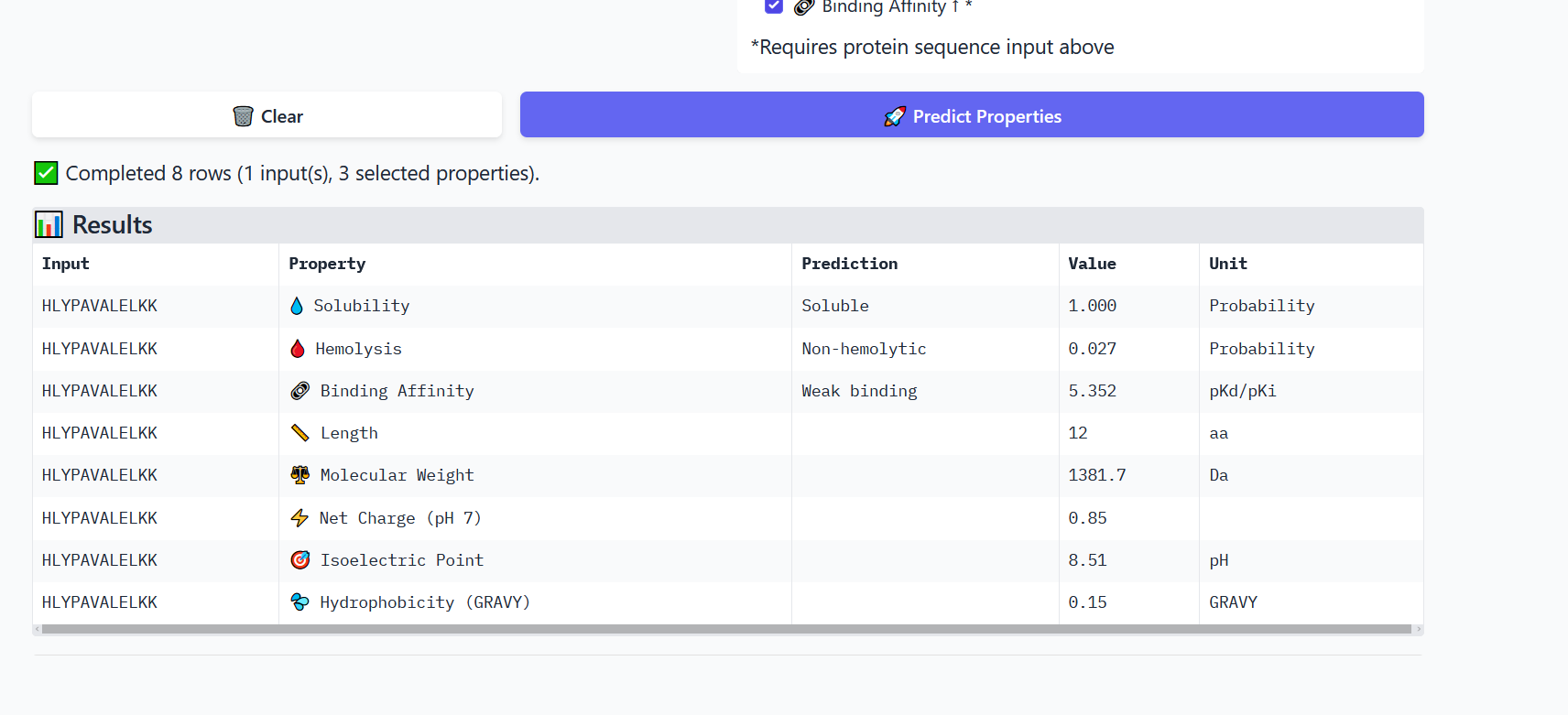
Part 3: Evaluate Properties of Generated Peptides in the PeptiVerse
Part 4: Generate Optimized Peptides with moPPIt