Week 14: Bio Design & Bio Fabrication
Biofabrication!
- We wrap up the term looking towards a future of Bio-Design and Bio-Fabrication
Some thoughts about the lecture / Last class of the semester (May 5)
This final lecture felt less like a normal class and more like a reflection about where synthetic biology is heading in the future. I really liked how they connected biofabrication, AI, cloud labs, bioart, and even internet culture into the same conversation.
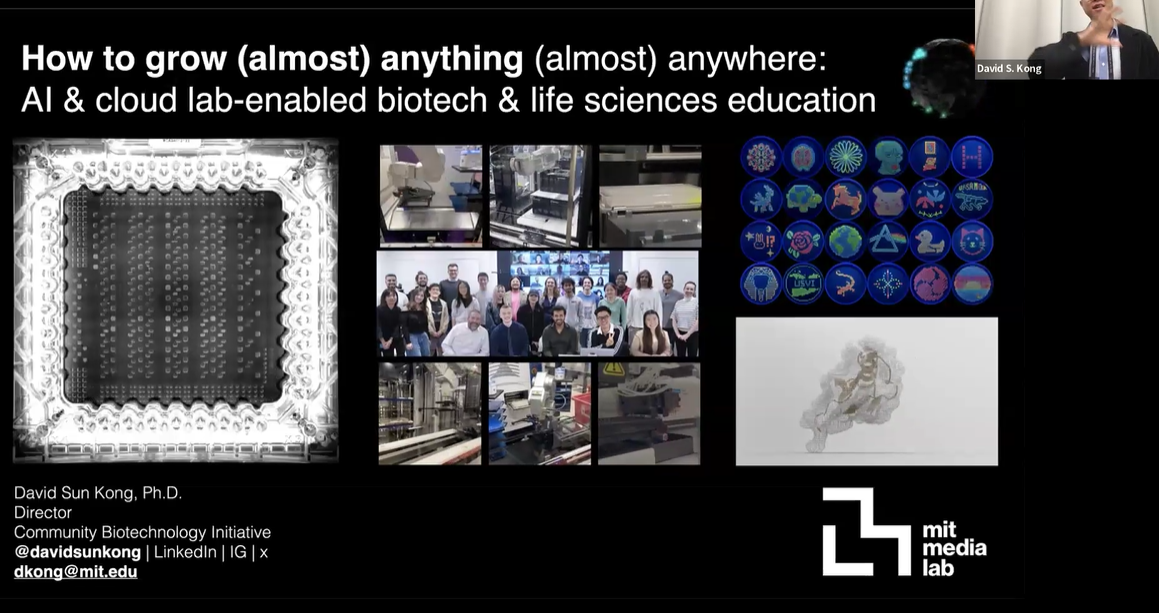
One of my favorite moments was when David mentioned the live bioart/bio-pixel projects from the community. It made the course feel collaborative and creative instead of only technical, especially because many ideas emerged independently at the same time across different people.
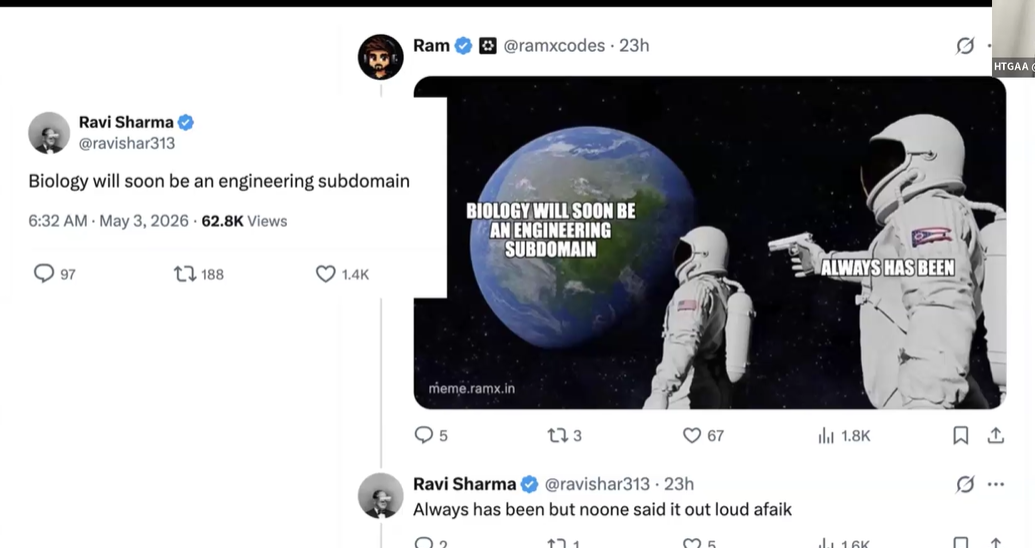
Christina Agapakis’ talk was probably one of the most memorable lectures for me. I liked her perspective that “real engineering” in biology may not actually exist in the strict linear way people imagine. Biology is messy, iterative, and unpredictable, and trying to force it into a perfectly controlled engineering model may actually limit innovation.
I also found it interesting how she connected synthetic biology with historical scientific ideas from different decades and researchers. It helped me understand that synthetic biology did not suddenly appear recently, but rather evolved from many previous attempts to apply engineering principles to living systems.
I honestly loved the way Christina used memes, TikTok references, and examples like Nara Smith to explain scientific ideas. It made the lecture feel modern, relatable, and connected to current internet culture without becoming cringe or overly formal. I think it shows that science communication can still feel authentic to newer generations.
Michael Chen’s presentation about microfluidics, protein prototyping, and AI-enabled antibody discovery showed how rapidly biotechnology workflows are scaling. It was interesting to see how automation and synthetic biology are becoming more integrated with real-world therapeutic development and industrial applications.
Overall, this last week made me feel that the future of biotechnology will probably combine biology, engineering, computation, design, communication, and creativity altogether instead of treating them as separate fields.
Some screenshot moments!
| 
|
Final Reflections — HTGAA 2026 !!
During my undergraduate thesis on biofilm eradication using green and traditional silver nanoparticles, I constantly questioned the long-term implications of antimicrobial materials and whether compounds like silver could truly be considered harmless for human health and the environment.
Those questions slowly evolved into curiosity about prevention, sensing systems, and synthetic biology approaches beyond traditional wet lab experimentation. HTGAA allowed me to explore those ideas creatively and computationally, while realizing that biotechnology does not always need to begin inside a fully equipped laboratory.
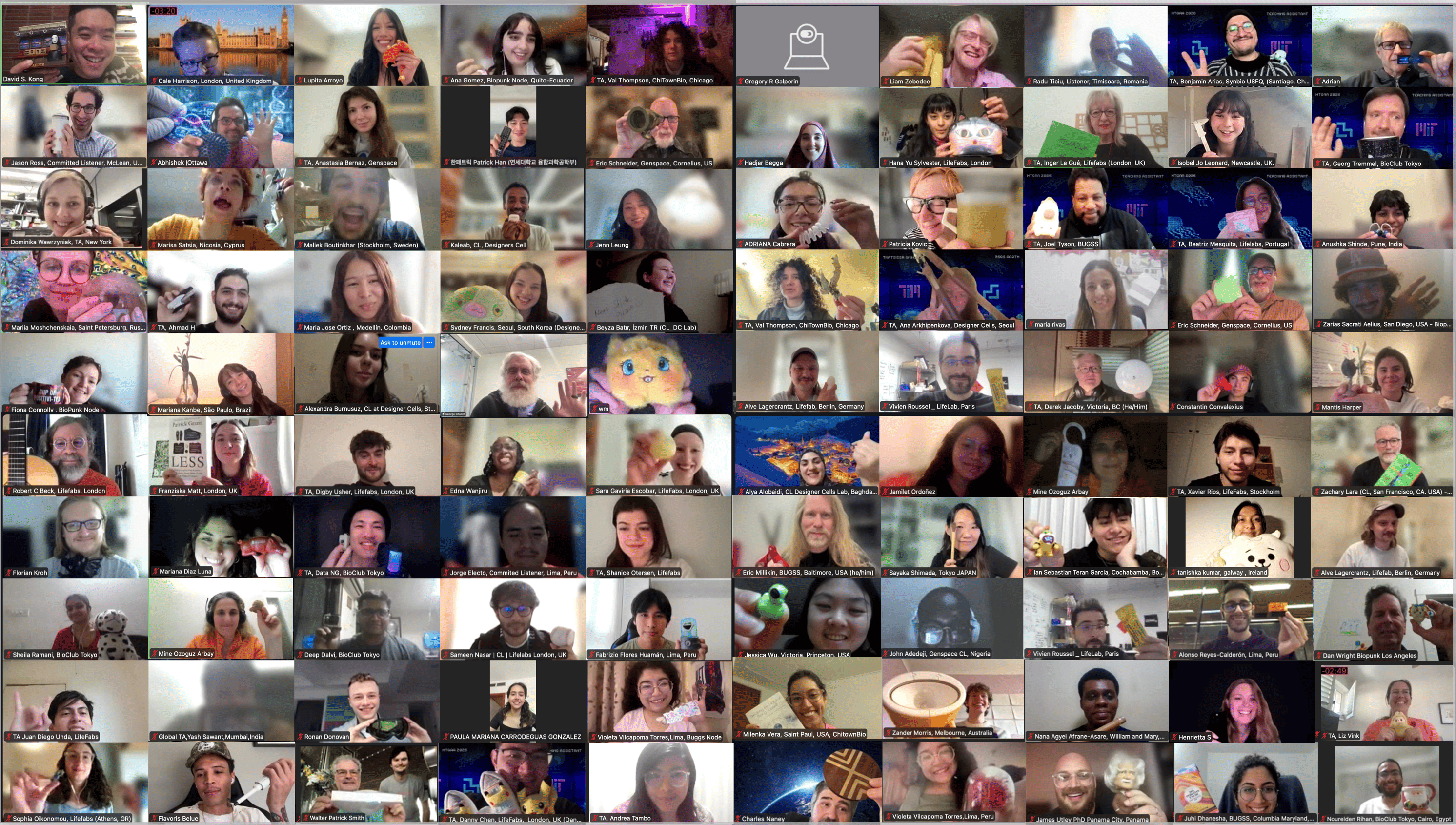
Figure 1. Final HTGAA Spring 2026 community session and project presentations (May 13th).
Science beyond disciplines
One of the most impactful aspects of this course was the diversity of perspectives within the community. I met people from architecture, neuroscience, psychology, design, engineering, and many other backgrounds.
Seeing so many disciplines interact through biology changed the way I perceive science itself. It reminded me that biotechnology is not isolated from art, communication, ethics, design, or society; instead, it connects all of them.
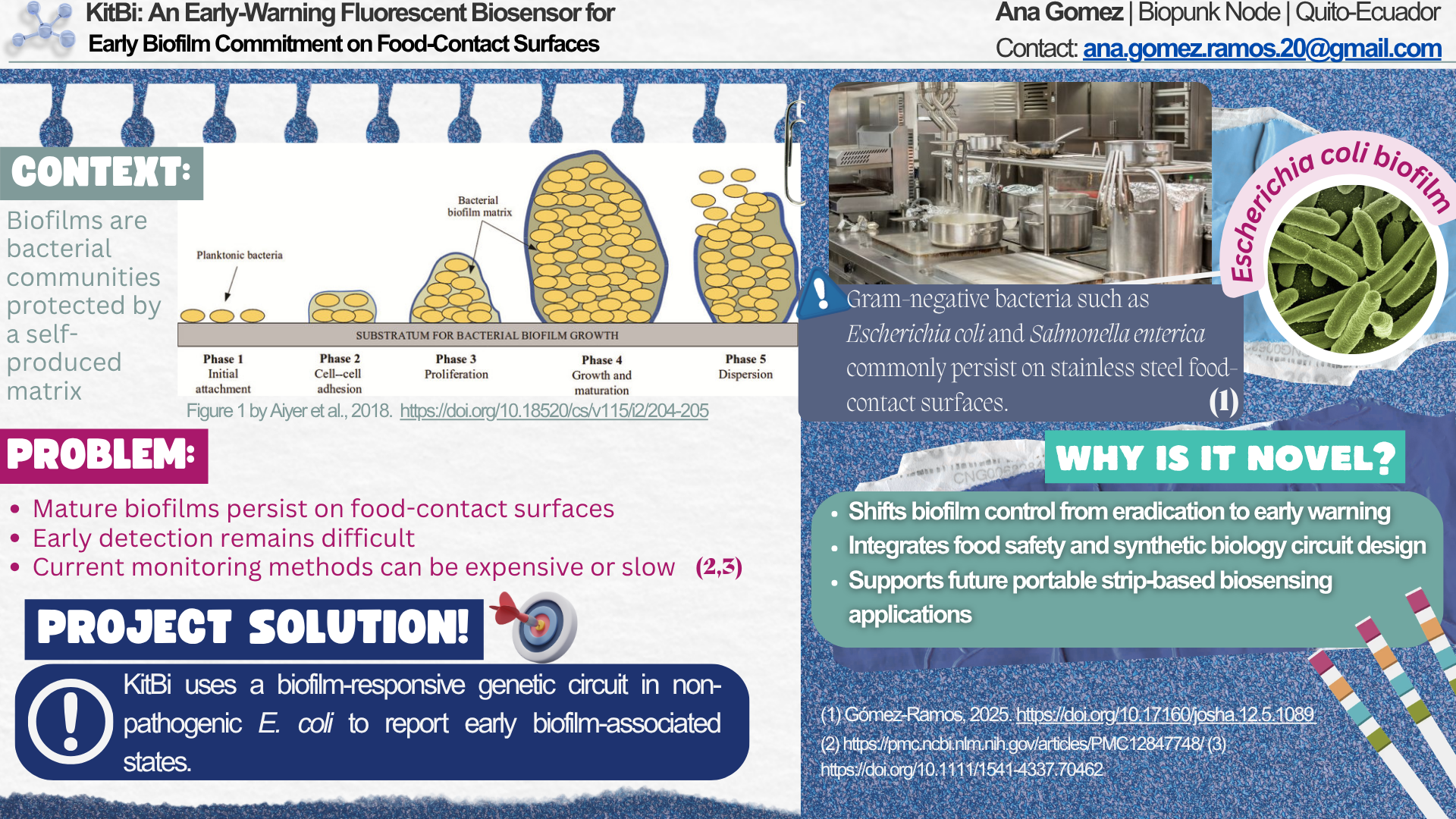
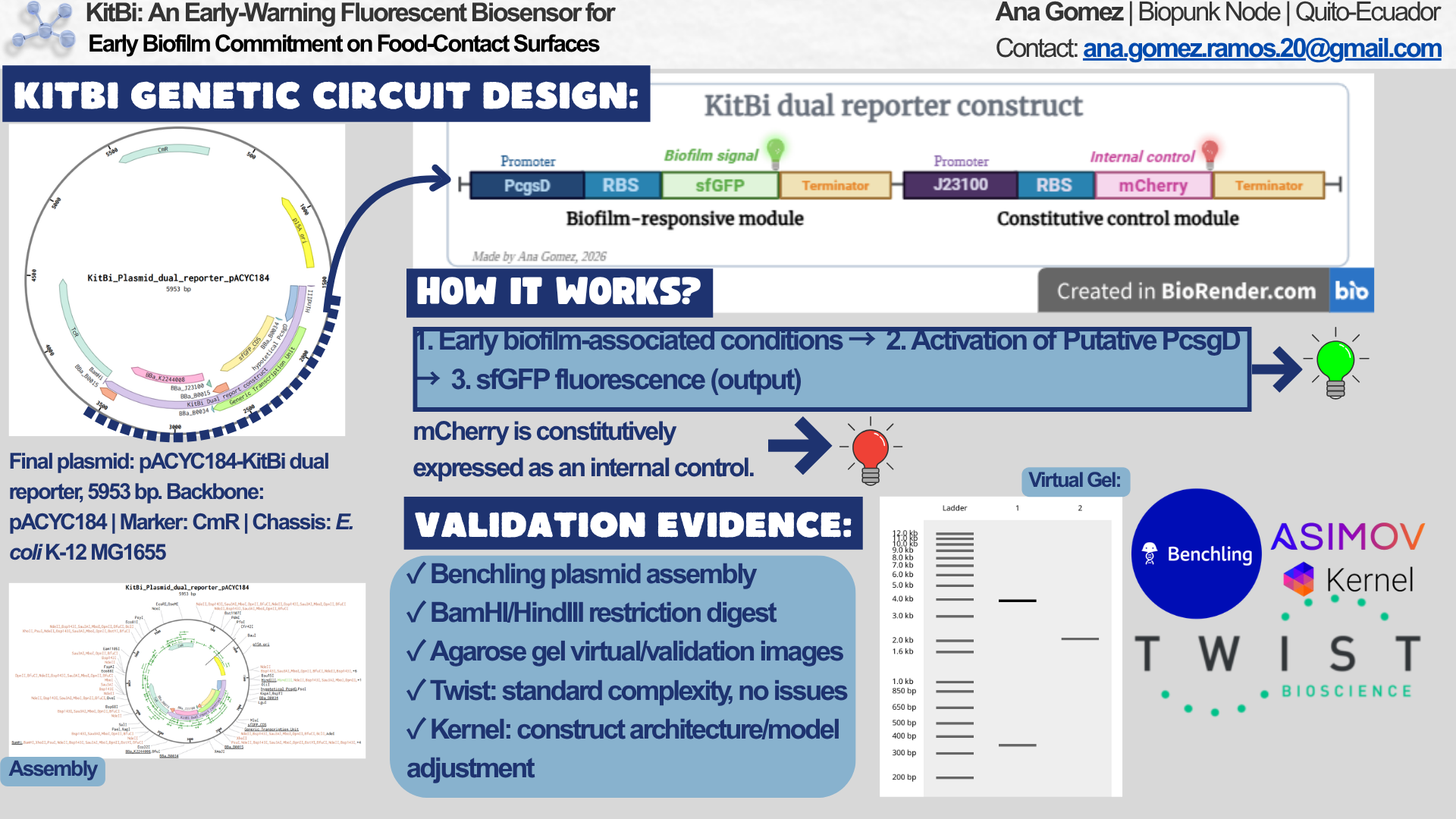
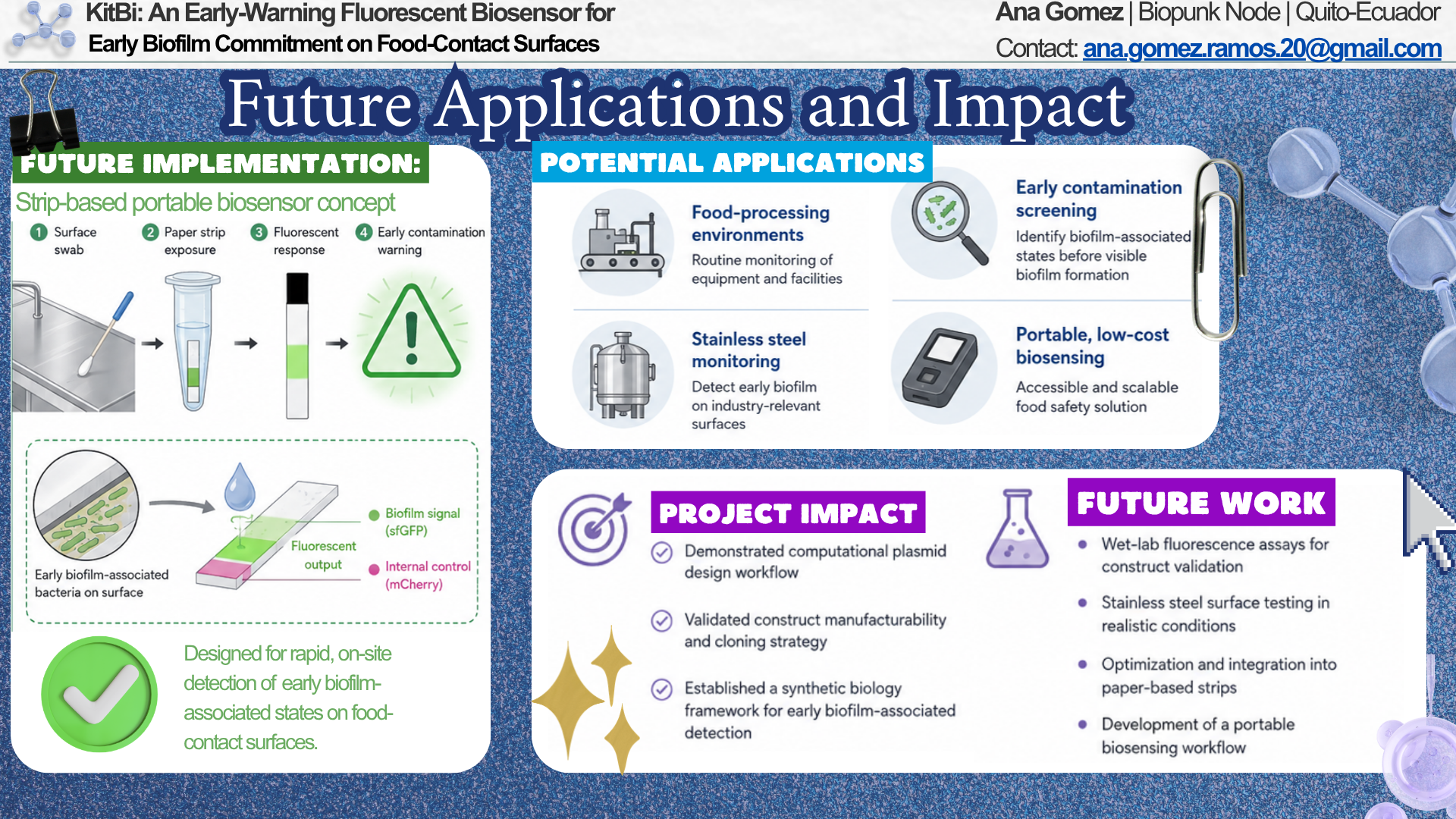
Presenting KitBi!!!
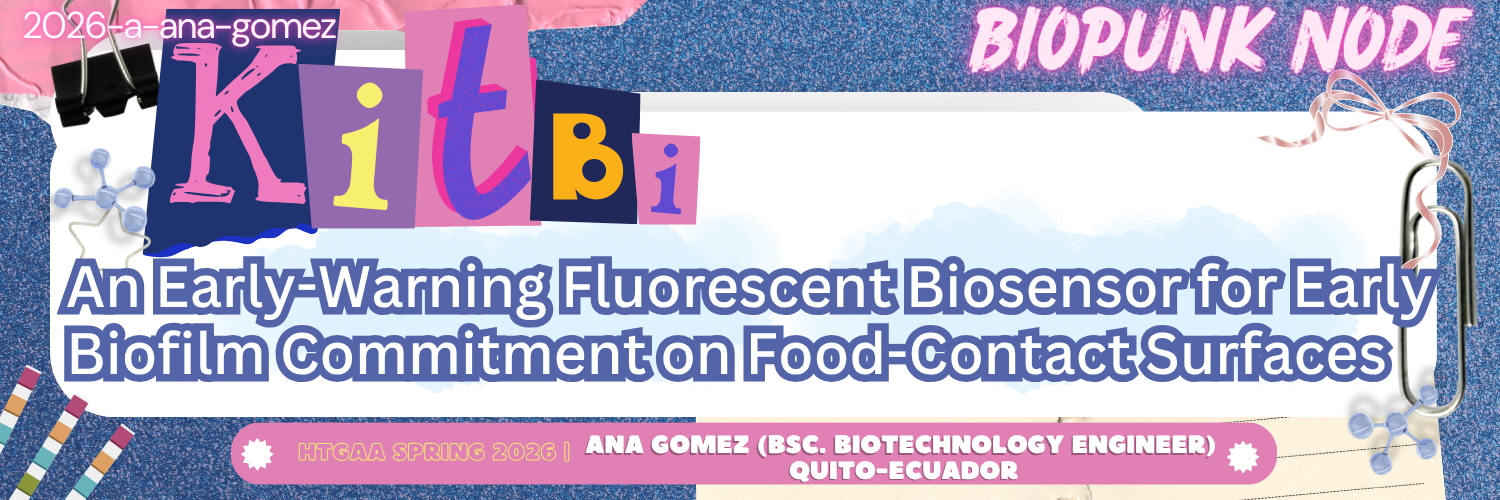
Presenting my final project was both exciting and intimidating because it was deeply connected to my own academic background and previous research experiences with biofilms.
Even though I knew I was prepared, I still felt nervous about presenting an idea that was personally meaningful to me. However, the experience ended up being incredibly rewarding.
I loved realizing that I could communicate science confidently from my own home, in another language, and still connect with people through my ideas. The language barrier was never truly an obstacle; I think curiosity and passion for science were stronger.
Link to the final slides: Slides 2026 final project
| 
| 
|
Final thoughts
Beyond the technical skills, HTGAA reminded me that science is collaborative, creative, and deeply human.
Learning alongside students from institutions such as MIT and Harvard was inspiring, but it also reminded me that passion, curiosity, and creativity exist everywhere. Including the students and researchers I met during my undergraduate studies in Ecuador.
This course expanded not only my scientific perspective but also my confidence in my ability to participate in global scientific conversations.