Individual Final Project- KitBi: An Early-Warning Fluorescent Biosensor for Early Biofilm Commitment on Food-Contact Surfaces

Abstract
KitBi is a computational synthetic biology project focused on the development of an early-warning fluorescent biosensor for detecting biofilm-promoting conditions on food-contact surfaces. Unlike conventional strategies centered on mature biofilm eradication, KitBi proposes a preventive approach based on the early detection of biofilm-associated regulatory activity in Gram-negative bacteria. The proposed system utilizes a putative PcsgD biofilm-responsive promoter coupled to an sfGFP reporter in a non-pathogenic Escherichia coli K-12 chassis, with an optional constitutive mCherry normalization module.
The project integrated literature-guided promoter selection, DNA construct organization in Benchling, computational simulations using Asimov Kernel, restriction digestion analysis, virtual gel electrophoresis validation, and Twist Bioscience manufacturability assessment. Computational simulations supported the theoretical feasibility of stable reporter-expression dynamics within the proposed dual-reporter architecture. Iterative redesign and optimization additionally improved synthesis compatibility and plasmid manufacturability.
Overall, KitBi demonstrates a modular synthetic biology framework for preventive biofilm-associated detection and proposes future translation into portable freeze-dried or paper-based biosensor systems for food safety and environmental monitoring applications.
Keywords: synthetic biology, biofilm detection, csgD, biosensor, food safety, fluorescent reporter, early-warning systems
2. Project Aims
Aim 1 — Experimental Aim: Construct and validate the dual reporter plasmid
The first aim of my final project is to design and computationally validate a biofilm-responsive fluorescent DNA construct in non-pathogenic E. coli K-12 by utilizing Benchling for plasmid architecture and Asimov Kernel simulations for predicted expression dynamics under early biofilm-inducing conditions.
Aim 2 — Development Aim: Test fluorescence response under early biofilm-inducing conditions
The second aim of this project is to optimize the construct through alternative promoter architectures, incorporation of an internal fluorescent normalization module, and future experimental testing on stainless-steel food-contact surface models.
Aim 3 — Visionary Aim: Develop a portable early-warning biosensor platform
The long-term vision of KitBi is to create a portable preventive biosensor platform capable of rapidly detecting early biofilm-promoting conditions before mature biofilm establishment in food-processing and kitchen environments.
3. Background and Literature Context
3.1 Introduction
Biofilms formed by foodborne pathogens represent a significant challenge to food safety because of their persistence on food-contact surfaces and their resistance to conventional sanitation strategies. In food production environments, microbial communities can establish on stainless steel, silicone, nylon, and other industrial materials, contributing to recurrent contamination and post-processing transmission (Olaimat et al., 2024). Current hygiene programs rely heavily on chemical disinfectants and engineering controls; however, mature biofilms often remain difficult to eradicate due to the protective properties of their extracellular polymeric matrix and associated stress-resistance mechanisms (Omelchenko et al., 2026). Recent reviews have further emphasized that conventional cleaning and sanitizing procedures may be insufficient for effective biofilm control, particularly in industrial food-processing settings.
Several Gram-negative bacteria of food safety relevance, including Escherichia coli and Salmonella enterica serovar Typhimurium, are strongly associated with biofilm formation on food-contact surfaces (Gómez-Ramos, 2025). A recent study evaluating eight Salmonella serotypes demonstrated that biofilm formation varies according to temperature, surface material, and curli-associated genetic factors. Strong biofilm formation was observed on stainless steel and silicone surfaces. At the same time, whole-genome sequencing analyses suggested that polymorphisms in curli (csg) genes contributed to differences in biofilm-forming capacity among serotypes (Counihan et al., 2025). These findings highlight the importance of biofilm regulatory pathways in the persistence and contamination dynamics of foodborne pathogens.
Beyond environmental persistence, biofilm-associated regulatory systems also contribute to bacterial stress resistance. The transcription factor CsgD has been identified as a key regulator involved in curli production, adhesion, extracellular polymeric substance formation, and stress adaptation in E. coli. Deletion of csgD significantly reduced biofilm formation and impaired bacterial resistance to osmotic, acidic, and alkaline stress conditions (Yan et al., 2023). These observations suggest that the early activation of biofilm-associated regulatory pathways may represent a valuable target for biosensing approaches focused on pre-biofilm physiological states rather than mature biofilm structures.
Previous studies have demonstrated the persistence and resistance of foodborne biofilm-forming bacteria, including E. coli and Salmonella enterica serovar Typhimurium, on food-relevant surfaces (Gómez-Ramos, 2025). In those studies, mature biofilms required relatively high concentrations of silver nanoparticles to eradicate, particularly against Gram-positive bacteria such as Bacillus cereus and Staphylococcus aureus. These findings reinforce the importance of developing preventive and early-detection strategies before mature biofilm establishment occurs.
Current biofilm monitoring methods may require expensive instrumentation, multiple reagents, prolonged incubation times, or indirect detection workflows. Consequently, there remains a need for portable and accessible technologies capable of identifying early biofilm-promoting conditions before irreversible surface colonization occurs. To address this gap, KitBi proposes an early-warning synthetic biology biosensor designed to detect early physiological states associated with biofilm initiation in Gram-negative bacteria. Instead of targeting mature biofilms, KitBi utilizes a promoter-reporter construct in non-pathogenic E. coli to identify early biofilm-associated regulatory activation, supporting a shift from eradication-based control strategies toward preventive microbial monitoring.
3.2 Project Novelty and Innovation
KitBi shifts the conventional paradigm of biofilm control from eradication toward early warning and prevention. Instead of focusing on mature biofilm removal, the project aims to detect early physiological and regulatory states associated with biofilm initiation in Gram-negative bacteria relevant to food safety. This approach integrates food microbiology with synthetic biology circuit design by utilizing a biofilm-responsive promoter-reporter construct in non-pathogenic E. coli.
Additionally, KitBi proposes a future pathway toward portable strip-based or cell-free biosensing applications that could provide faster and more accessible monitoring compared to reagent-intensive kits or expensive detection systems. By combining synthetic biology with preventive food safety strategies, the project expands the application of programmable biosensors in industrial and environmental monitoring contexts.
3.3 Why does this project matter?
Biofilm-associated contamination remains a significant challenge in food production and food-contact environments because mature biofilms are highly resistant to sanitation and may contribute to recurrent microbial transmission. Gram-negative bacteria such as Escherichia coli and Salmonella enterica commonly persist on stainless steel and other food-contact surfaces, increasing the risk of contamination in industrial and domestic settings. Early detection of biofilm-promoting conditions remains difficult because many current monitoring approaches require costly instrumentation, extensive reagents, or prolonged processing times.
KitBi aims to contribute to preventive food safety by enabling earlier identification of biofilm-associated physiological states before mature surface colonization occurs. This capability could improve microbial monitoring workflows and support faster intervention strategies in food-processing environments. In alignment with Sustainable Development Goal 3 (Good Health and Well-Being) and Sustainable Development Goal 12 (Responsible Consumption and Production), the project promotes preventive public health strategies and safer food production practices through accessible microbial monitoring technologies.

| SDG 3 – Good Health and Well-Being: Supporting preventive microbial monitoring and safer food environments |

| SDG 12 – Responsible Consumption and Production: Promoting sustainable and preventive food safety strategies |
In the long term, the development of portable and accessible biosensors may reduce reliance on intensive chemical treatments and improve contamination prevention practices. If fully realized, KitBi could help shift food safety monitoring from reactive eradication approaches toward predictive and preventive microbial surveillance systems, enabling new applications of synthetic biology in food and environmental biotechnology.
3.4 Ethical implications
KitBi raises several ethical considerations related to biosafety, responsible synthetic biology, environmental containment, and equitable access to food safety technologies. One of the primary ethical principles guiding this project is non-maleficence, as the system is designed to minimize harm by using a non-pathogenic Escherichia coli K-12 chassis rather than pathogenic strains. The project also follows the principle of beneficence by aiming to improve preventive food safety monitoring and reduce the risks associated with persistent biofilm contamination on food-contact surfaces. In addition, KitBi supports the principle of justice, as its long-term goal is to develop a more portable and accessible biosensor platform than expensive or reagent-intensive detection systems, which may not be readily available in all industrial or low-resource settings. Finally, the project reflects the principle of responsibility in synthetic biology by emphasizing biosafety, controlled laboratory use, and preventive monitoring rather than environmental release or antimicrobial overuse. The ethical dimensions and biosafety considerations associated with KitBi are summarized in Figure 1.
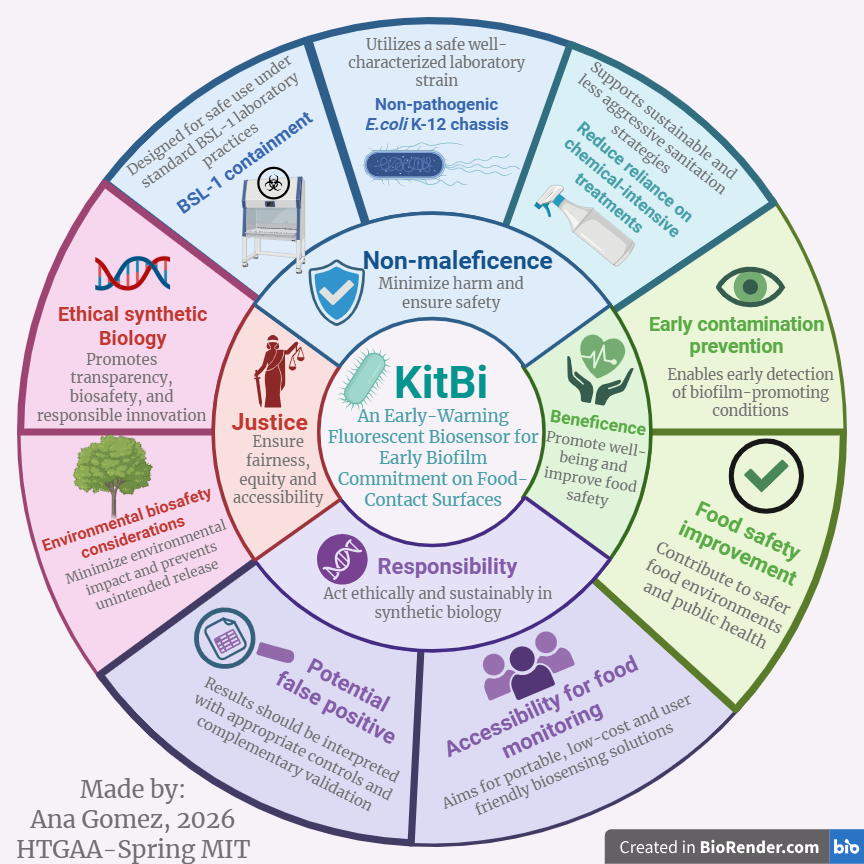
Figure 1. Ethical Framework of KitBi.
The figure summarizes the main ethical principles, biosafety considerations, and societal implications associated with the development of KitBi as an early-warning synthetic biology biosensor for food-contact surfaces
Although the project is designed around a safe laboratory chassis and in silico validation, several precautions and ethical measures should still be considered to ensure responsible development. The biosensor should remain restricted to controlled laboratory or contained diagnostic environments following BSL-1 biosafety guidelines, avoiding unintended environmental release of engineered organisms.
Another important consideration involves the possibility of false-positive or false-negative signals, which could affect decision-making in food safety monitoring if the biosensor is interpreted without complementary validation methods. Additionally, the project assumes that early biofilm-associated regulatory activation can serve as a useful proxy for contamination risk; however, biofilm formation is influenced by multiple environmental and genetic factors that may vary across bacterial species and conditions.
To address these uncertainties, complementary approaches such as traditional microbial culturing, fluorescence normalization controls, or future cell-free adaptations could be explored as alternative or supportive strategies. Overall, KitBi aims to promote responsible synthetic biology practices while contributing to preventive public health and safer food production systems through ethical and accessible microbial monitoring technologies.
4. Experimental Design, Techniques, Tools, and Technology
4.1 Experimental Design Overview
KitBi was primarily developed as an in silico synthetic biology project due to the current lack of access to a physical laboratory environment. The project is centered on the design and computational validation of a dual-reporter biosensor intended to detect early biofilm-promoting conditions on food-contact surfaces, as visualized in Figure 2. The proposed system contains two main modules: a biofilm-responsive module, in which a putative PcsgD promoter drives sfGFP expression, and a constitutive internal normalization module expressing mCherry under the J23100 promoter.
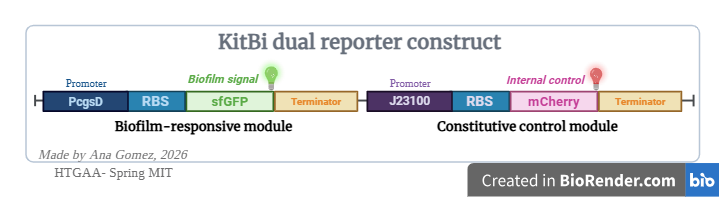
Figure 2. KitBi dual-reporter construct design. The proposed KitBi construct contains a biofilm-responsive module in which the PcsgD promoter drives sfGFP expression under early biofilm-promoting conditions. A constitutive mCherry module driven by the J23100 promoter is included as an optional internal normalization control
4.1.1 Literature-Guided Design Strategy
The putative PcsgD promoter was selected based on studies describing the role of CsgD as a central regulator involved in curli biosynthesis, extracellular matrix production, adhesion, and early biofilm-associated physiological transitions in Gram-negative bacteria such as Escherichia coli and Salmonella enterica (Yan et al., 2023). Since curli-associated pathways are strongly connected to early biofilm commitment and surface colonization, the PcsgD regulatory region was selected as the primary candidate for the development of the KitBi biofilm-responsive module.
4.1.2 DNA Construct Design
The putative PcsgD sequence was selected based on previous literature describing the role of the csgD regulatory pathway in curli production and early biofilm commitment in Escherichia coli and Salmonella species. The promoter region was identified from Escherichia coli str. K-12 substr. MG1655 genomic annotations (NC_000913.3). The construct was computationally assembled within a pACYC184 backbone and designed for future implementation in a non-pathogenic E. coli K-12 chassis. The final visualization of the plasmid is shown in Figure 3.
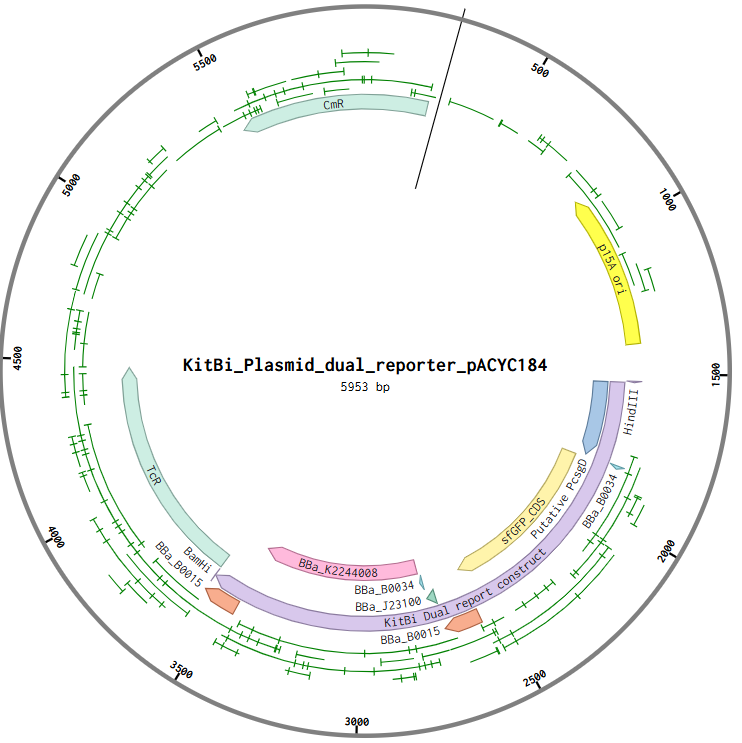
Figure 3. Preliminary plasmid map of the KitBi dual-reporter system. The plasmid design includes the KitBi dual-reporter construct assembled within a pACYC184 backbone designed for future implementation in Escherichia coli K-12
4.1.3 Computational Validation
The overall workflow of the project includes literature-guided promoter selection, DNA construct design in Benchling, computational simulation using Asimov Kernel, comparative fluorescence prediction under different environmental conditions, and future translation into portable strip-based or freeze-dried biosensing platforms. Validation of the project was performed through plasmid design, sequence organization, virtual construct analysis, and predicted reporter-expression dynamics associated with activation of the proposed biofilm-responsive construct.
4.1.4 Experimental Workflow and Timeline
The overall workflow of KitBi includes literature-guided promoter selection, DNA construct design, computational validation, future cloning strategies, comparative fluorescence analysis, and the conceptual translation of the system into a portable strip-based biosensor platform for food-contact surface monitoring.
The proposed workflow is summarized as follows:
DNA design → In silico validation → Future cloning → Surface testing → Readout analysis → Strip-based translation
Table 1. Experimental Timeline Plan
| Phase | Estimated Time | Methods / Tools | Expected Outcome |
|---|---|---|---|
| Literature review & promoter selection | 1 week | Literature databases, NCBI | Selection of a biofilm-responsive promoter rationale |
| DNA construct design | 1 week | Benchling | Dual-reporter genetic architecture |
| Plasmid organization | 3–4 days | Benchling | Final plasmid map and annotated construct |
| Computational validation | 1–2 days | Asimov Kernel | Predicted RNA and protein expression dynamics |
| Manufacturability assessment | 1 day | Twist Bioscience | Evaluation of construct synthesis feasibility |
| Comparative condition modeling | 1 day | Kernel simulations | Predicted differential reporter activation |
| Future experimental planning | 2 weeks | Workflow design | Stainless-steel assay proposal |
| Portable biosensor translation analysis | 1–2 weeks | Literature review + conceptual design | Feasibility assessment of strip-based biosensor formats |
4.1.5 Future Experimental Translation
Future stages of KitBi are intended to explore the feasibility of translating the biosensor into portable and accessible food safety monitoring platforms. Proposed future applications include freeze-dried or strip-based biosensor systems capable of detecting early biofilm-associated signals from surface swab samples collected on food-contact materials such as stainless steel.
This future translation strategy aims to support rapid screening workflows that are more portable and accessible than conventional reagent-intensive or instrumentation-dependent methods. Additional future validation could include testing under surface-associated growth conditions and evaluating fluorescence responses under simulated food-processing environments.
4.2 Techniques Checklist
The development of KitBi incorporated several computational, synthetic biology, and conceptual laboratory techniques explored throughout the HTGAA course. The following techniques were either directly applied during the project or considered as part of future experimental validation and translational workflows.
Direct Use:
- Bioethical Considerations
- DNA Construct Design
- Databases
- Use of Asimov Kernel
- Use of Benchling
- Models and Notebooks
- Chassis Selection
- Registry of Standard Biological Parts
- Quality Control/Analysis
Future conceptual workflow:
- Designing a Twist Order
- Cell-Free Systems
- Freeze-Dried Cell-Free Systems
- Primer Design or Selection
- PCR Reactions
- DNA Sequencing
- Gibson Assembly
- Plasmid Preparation
4.3 Expanded Techniques
DNA Construct Design:
DNA construct design is central to KitBi because the project depends on building a genetic circuit that converts early biofilm-associated regulatory activity into a measurable fluorescent signal. The proposed construct uses a biofilm-responsive promoter, such as PcsgD, placed upstream of sfGFP to report early biofilm-promoting conditions in non-pathogenic E. coli K-12. Benchling will be used to organize the sequence architecture, annotate promoters, RBS, coding sequences, and terminators, and prepare the construct for future synthesis or cloning. This step validates that the biological concept can be translated into a concrete synthetic biology design.
Asimov Kernel / Computational Modeling:
Asimov Kernel was used to computationally evaluate the expected behavior of the KitBi promoter-reporter construct before wet lab implementation. Simulations were performed in an E. coli chassis over 72 hours to evaluate predicted RNA and protein expression dynamics associated with the proposed dual-reporter architecture.
Due to platform limitations regarding custom promoter-context modeling, a proxy constitutive promoter was temporarily incorporated into the simulation workflow to evaluate the theoretical functionality of the construct before replacement with the putative PcsgD regulatory sequence. The simulations supported preliminary validation of reporter-expression behavior and overall construct feasibility.
Expected outputs included comparative sfGFP and mCherry expression trends, fluorescence dynamics, and overall construct feasibility evaluation. This computational workflow was particularly important due to the current lack of access to a physical laboratory environment and DNA synthesis workflows. Additional feasibility analysis was performed through Twist Bioscience’s manufacturability assessment, where iterative plasmid optimization improved compatibility with standard DNA synthesis requirements.
4.4 Industry Council Relevance
The companies most closely associated with KitBi include Asimov (Kernel), Opentrons, and Upside Foods. Asimov Kernel is directly relevant to the computational modeling and simulation components of the project, particularly for promoter-reporter expression analysis and construct feasibility evaluation. Opentrons represents a potential future platform for automated fluorescence assays and high-throughput testing workflows. Upside Foods is conceptually aligned with the project because KitBi focuses on preventive food safety monitoring and contamination reduction in food-related environments, supporting broader goals in sustainable food biotechnology and microbial risk prevention.
4.5 (Extra) Supplementary Material
Additional project resources, including Benchling construct files, Asimov Kernel simulations, plasmid annotations, sequence organization, and supplementary construct information, are provided in the supplementary materials section.
5. Results & Quantitative Expectations
5.1 Validation strategy
The primary aspect selected for validation in KitBi was the computational design and feasibility assessment of a dual-reporter biofilm-responsive plasmid intended for early biofilm-associated detection in non-pathogenic Escherichia coli K-12. Validation focused on determining whether the proposed synthetic biology architecture could theoretically support fluorescent reporter-expression dynamics associated with activation of the biofilm-responsive module described in Aim 1.
To support this validation, the project integrated Benchling-based DNA construct organization, restriction enzyme digestion analysis, virtual gel electrophoresis visualization, plasmid assembly workflows, Asimov Kernel computational simulations, and Twist Bioscience manufacturability assessment. Restriction sites for BamHI and HindIII were selected to evaluate construct insertion compatibility within the pACYC184 backbone and to computationally visualize expected digestion fragments associated with the final plasmid organization.
Additional validation was performed through computational simulations designed to evaluate predicted RNA, protein, ribosome, and RNAP dynamics associated with the dual-reporter construct over 72 hours in an E. coli chassis. Together, these approaches provided preliminary evidence supporting the theoretical feasibility, modular organization, and future experimental adaptability of the KitBi biosensor platform despite the absence of a physical laboratory environment.
5.2 Workflow / Protocol
- A literature review was initially performed to identify biofilm-associated regulatory pathways relevant to early biofilm commitment in Gram-negative bacteria, particularly the csgD regulatory network.
- A putative PcsgD promoter region derived from Escherichia coli K-12 MG1655 genomic annotations was selected as the biofilm-responsive regulatory element.
- The promoter sequence was computationally assembled in Benchling together with the B0034 ribosome binding site, sfGFP fluorescent reporter, and B0015 terminator to generate the initial biosensor construct.
- An additional constitutive normalization module containing the J23100 promoter and mCherry reporter was incorporated to generate the optimized dual-reporter architecture.
- The complete construct was computationally integrated into a p15A-derived pACYC184 plasmid backbone using restriction enzyme insertion strategies involving BamHI and HindIII sites.
- Restriction digestion analysis and virtual gel electrophoresis visualization were performed in Benchling to evaluate expected fragment sizes and plasmid organization associated with the proposed construct architecture.
- Asimov Kernel simulations were performed using an E. coli chassis under transient transfection conditions over a 72-hour simulation period with 10-minute intervals.
- Predicted RNA concentrations, protein concentrations, RNAP flux, and ribosome flux associated with reporter expression were analyzed to evaluate theoretical construct functionality.
- An additional manufacturability assessment was performed through Twist Bioscience synthesis evaluation to identify sequence-related limitations associated with DNA synthesis feasibility and construct complexity.
- Final analysis focused on theoretical construct stability, modular feasibility, reporter-expression behavior, and future adaptability into portable strip-based biosensing systems.
The overall validation workflow combined literature-guided promoter selection, computational DNA construct organization, restriction digestion analysis, simulation-based modeling, and manufacturability assessment to evaluate the theoretical feasibility of the proposed KitBi biosensor platform. The overall workflow is summarized in Figure 4.
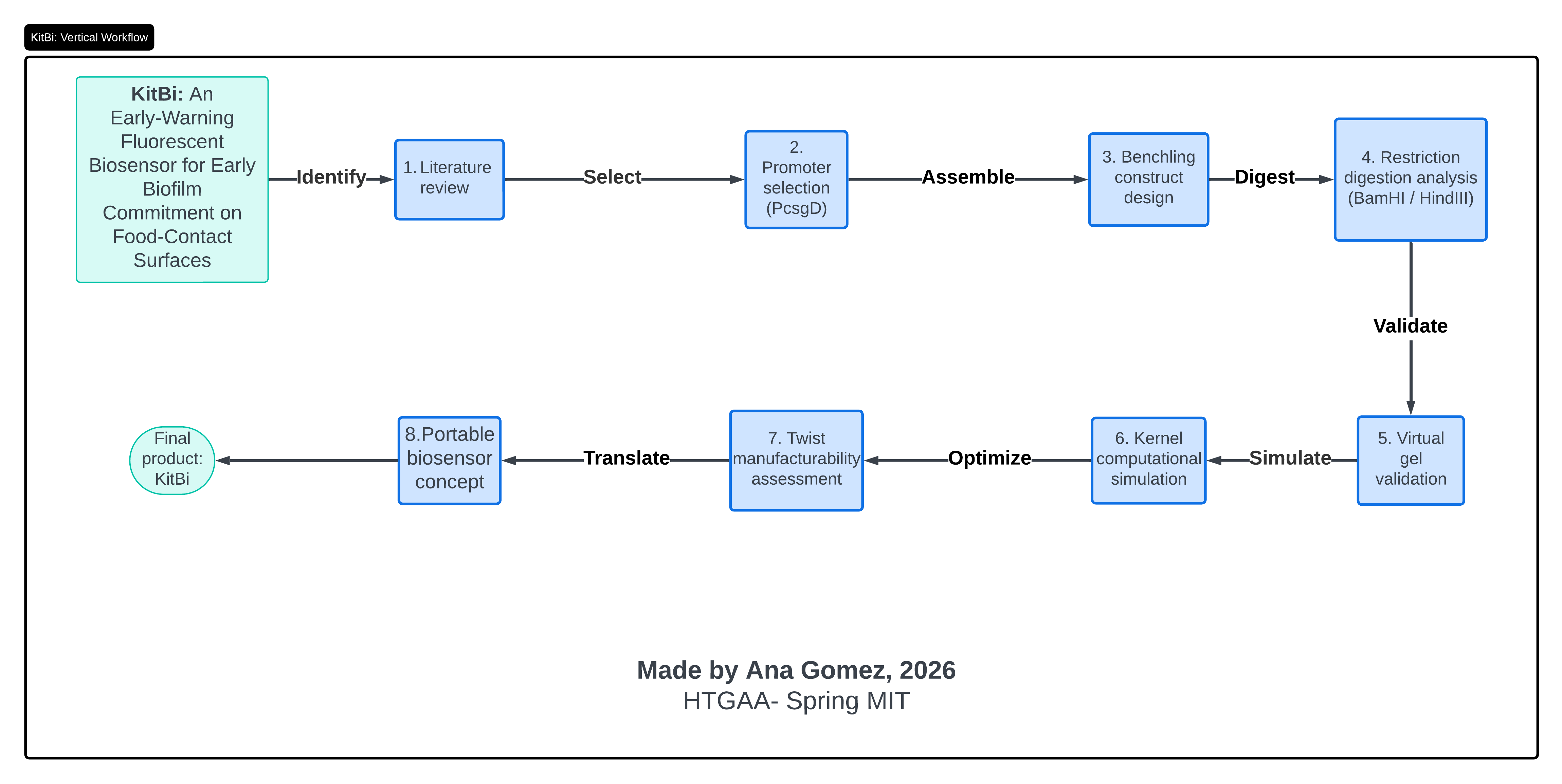
Figure 4. Validation workflow of the KitBi biosensor platform.
The workflow summarizes the principal computational and synthetic biology stages used during the design and validation of the KitBi dual-reporter construct, including promoter selection, plasmid organization, restriction digestion analysis, computational simulation, and manufacturability assessment
5.3 Construct validation
DNA construct design was performed in Benchling to organize the proposed KitBi biosensor architecture within a modular synthetic biology framework. The construct incorporated a putative biofilm-responsive PcsgD promoter upstream of sfGFP together with an optional constitutive mCherry internal normalization module. Initial construct organization was first evaluated using simplified linear architectures before integration into the final plasmid design. The final construct was subsequently integrated into a p15A-derived pACYC184 plasmid backbone to evaluate theoretical plasmid feasibility and future cloning compatibility. Restriction digestion analysis was computationally performed using BamHI and HindIII insertion sites to evaluate construct compatibility and expected fragment organization within the plasmid architecture. Virtual gel electrophoresis simulations generated fragment sizes consistent with the proposed plasmid architecture, supporting preliminary validation of construct insertion feasibility and plasmid organization. The overall construct validation workflow and plasmid organization are summarized in Figure 5.
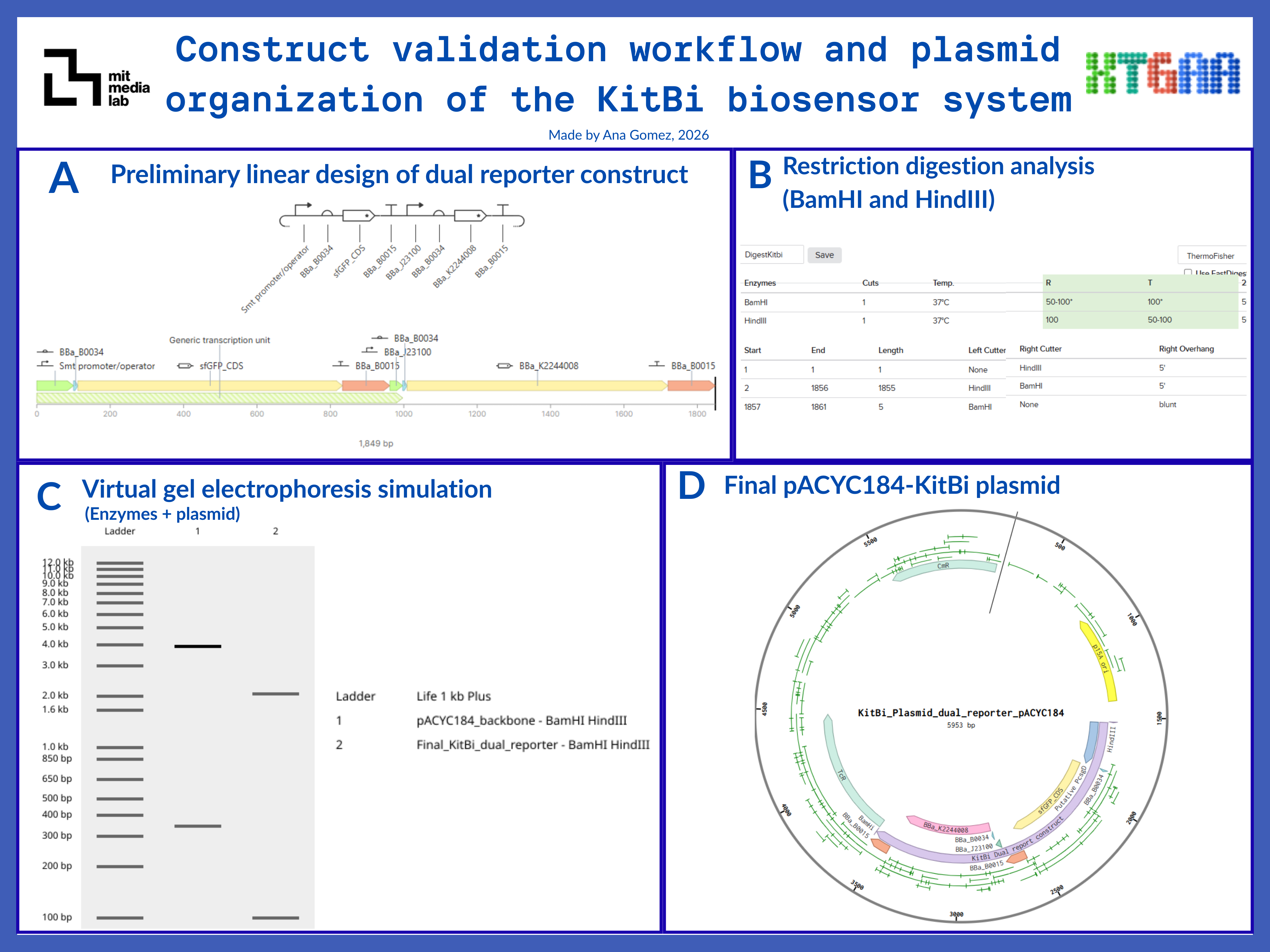
Figure 5. Construct validation workflow and plasmid organization of the KitBi biosensor system. (A) Preliminary linear organization of the proposed dual-reporter construct. (B) Restriction digestion analysis using BamHI and HindIII insertion sites. (C) Virtual gel electrophoresis simulation generated in Benchling to evaluate predicted fragment organization. (D) Final pACYC184-based plasmid map of the KitBi dual-reporter architecture designed for future implementation in E. coli K-12.
The selection of a putative PcsgD promoter was supported by previous studies identifying CsgD as a central regulator of curli production, cellulose synthesis, and early biofilm commitment in Gram-negative bacteria. Previous research has demonstrated that CsgD participates in hierarchical transcriptional regulatory networks associated with biofilm development in both Escherichia coli and Salmonella, including c-di-GMP-associated signaling pathways involved in curli regulation and extracellular matrix production (Hengge et al., 2015; Yan et al., 2023; Avcı et al., 2026).
Additionally, the long-term portable biosensor concept proposed in KitBi is supported by previous studies demonstrating the feasibility of freeze-dried and paper-based cell-free biosensors for portable bacterial detection and food safety monitoring applications (Pardee et al., 2014; Wynn et al., 2018).
5.4 Computational Simulations
Computational simulations performed in the Asimov Kernel supported the theoretical feasibility of the proposed KitBi biosensor system. Simulated RNA and protein expression dynamics demonstrated stable reporter-expression behavior across the 72-hour simulation period, supporting the possibility of sustained fluorescent output within the proposed architecture. The summary of the graphics is shown in Figure 6.
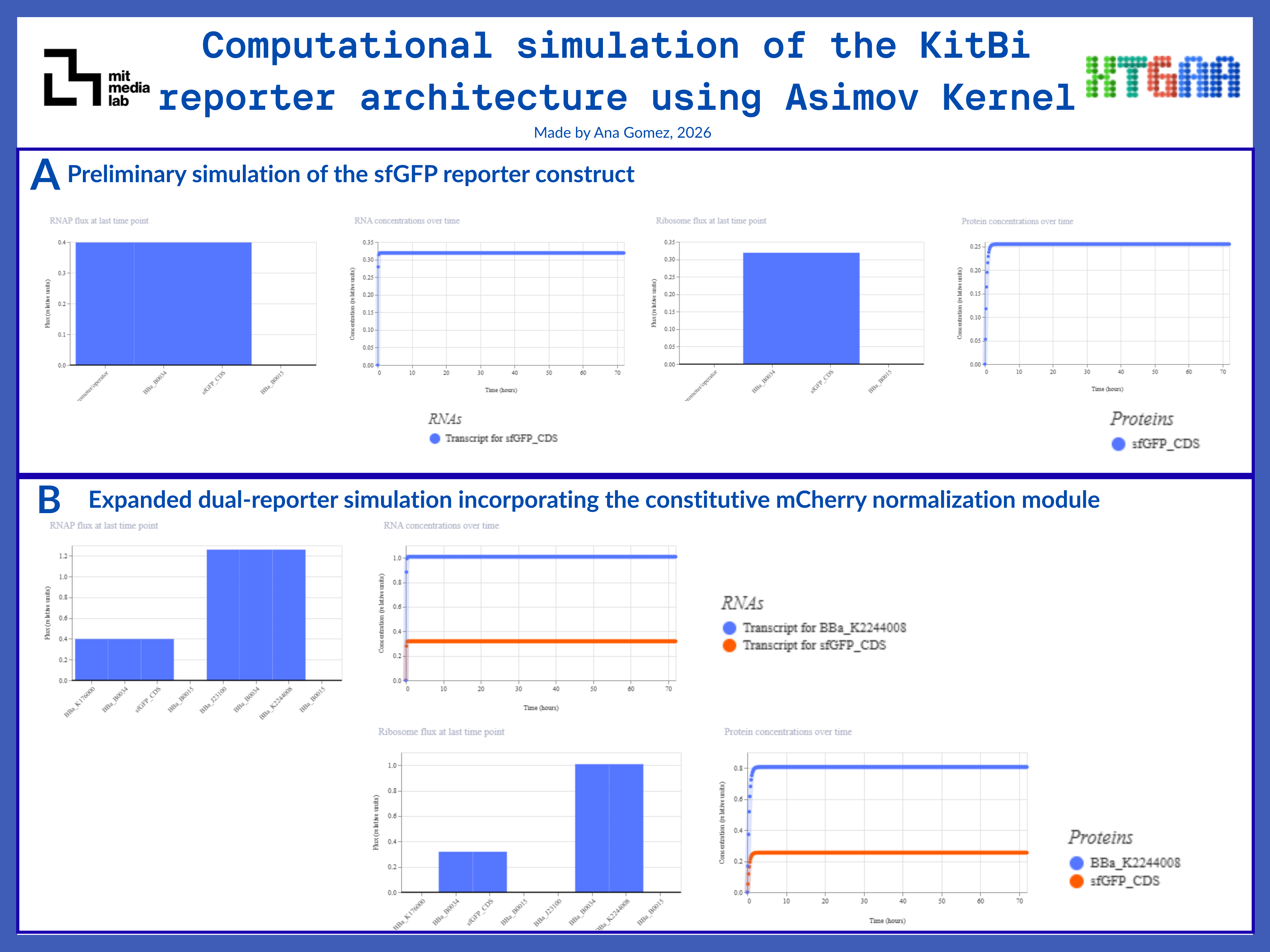
Figure 6. Computational simulation of the KitBi reporter architecture using Asimov Kernel. (A) Preliminary simulation of the sfGFP reporter construct. (B) Expanded dual-reporter simulation incorporating the constitutive mCherry normalization module. Simulations evaluated predicted RNA, protein, RNAP, and ribosome dynamics over 72 hours in an E. coli chassis.
The preliminary simulations suggested that the sfGFP reporter module could theoretically sustain detectable expression dynamics under simulated conditions. Incorporation of the constitutive mCherry normalization module additionally demonstrated the possibility of maintaining simultaneous dual-reporter behavior without complete signal destabilization within the computational framework.
The simulations further demonstrated predicted RNAP and ribosome flux associated with both reporter modules, supporting the modular organization of the construct and its potential compatibility with future experimental implementation. Due to current platform limitations regarding custom promoter-context modeling, a proxy constitutive promoter was temporarily incorporated into the simulations before future implementation of the putative PcsgD regulatory region.
5.5 Manufacturability Analysis
Twist Bioscience’s manufacturability assessment was used to evaluate synthesis compatibility and theoretical scalability of the KitBi dual-reporter construct. Early preliminary versions of the plasmid architecture presented manufacturability limitations due to construct complexity, sequence organization, and integration of multiple reporter modules directly into the backbone without optimized assembly organization. Initial evaluations generated “complex” or non-compatible synthesis classifications, particularly within the dual-reporter configuration containing the putative PcsgD region and constitutive mCherry module.
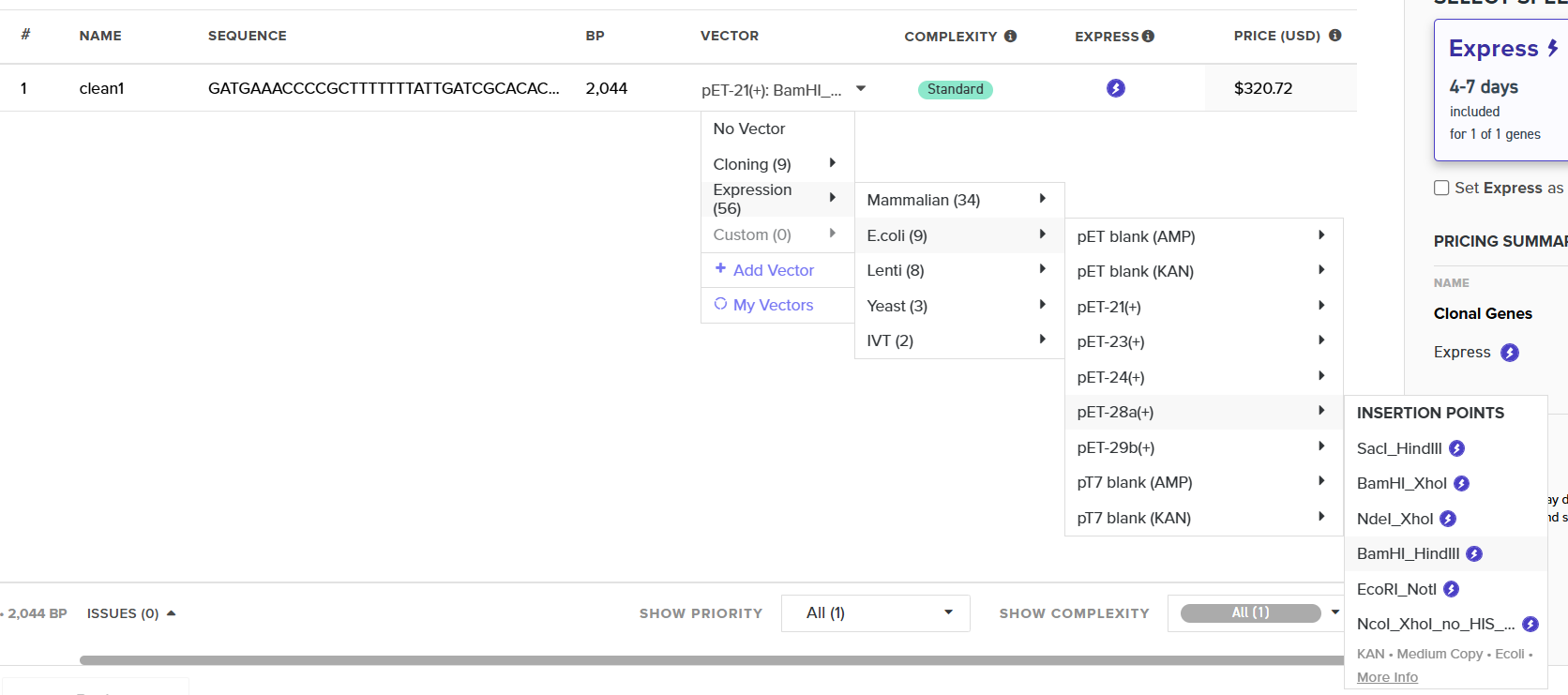
Figure 7. Twist Bioscience manufacturability assessment of the optimized KitBi construct. The figure summarizes the final synthesis compatibility evaluation obtained after iterative redesign and optimization of the KitBi plasmid architecture.
To improve construct feasibility, the workflow was progressively redesigned through iterative sequence optimization, refinement of reporter-module organization, and implementation of restriction enzyme-based assembly strategies using BamHI and HindIII insertion sites. Preliminary construct sketches generated in Asimov Kernel additionally supported the redesign of reporter-module configurations before final plasmid organization in Benchling.
Following optimization of sequence organization and plasmid assembly strategy, the final construct achieved a standard-compatible manufacturability classification within Twist Bioscience evaluation. These results supported the theoretical feasibility of future DNA synthesis and the potential scalability of the proposed KitBi biosensor system.
5.6 Challenges and Limitations
One of the principal challenges during the development of KitBi involved the identification of a putative biofilm-responsive PcsgD promoter region associated with curli regulation and early biofilm commitment in Gram-negative bacteria. Because the project was developed computationally, promoter selection required literature-guided analysis of upstream regulatory regions associated with the csgD locus in Escherichia coli K-12 MG1655, together with biological rationale derived from previous biofilm-regulation studies.
An additional challenge involved the initial organization of the dual-reporter plasmid architecture. Early preliminary versions of the construct were assembled through direct incorporation of multiple DNA regions into the plasmid backbone without optimized modular organization, generating manufacturability limitations during Twist Bioscience evaluation. Initial synthesis assessments classified preliminary constructs as highly complex or incompatible for standard synthesis workflows.
To address these limitations, the project workflow was progressively refined through iterative redesign of reporter-module organization, optimization of fluorescent reporter sequences, and implementation of restriction enzyme-based assembly strategies using BamHI and HindIII insertion sites. Computational construct sketching in the Asimov Kernel additionally supported refinement of modular organization before final plasmid assembly in Benchling.
Another limitation involved the inability to experimentally validate the proposed biosensor in a physical laboratory environment. Consequently, the current project remains limited to computational validation, theoretical construct feasibility, and simulation-based analysis. Future work should therefore focus on wet lab implementation, fluorescence characterization, food-contact surface assays, and development of portable freeze-dried or strip-based biosensor formats.
Conclusion
KitBi was developed as a computational synthetic biology project focused on the design and theoretical validation of an early-warning fluorescent biosensor for biofilm-promoting conditions on food-contact surfaces. Unlike conventional approaches centered on mature biofilm eradication, KitBi proposes a preventive strategy based on early physiological detection through a biofilm-responsive promoter-reporter system in non-pathogenic E. coli K-12.
Throughout the project, computational tools, including Benchling, Asimov Kernel, and Twist Bioscience manufacturability analysis, supported iterative construct design, plasmid validation, and simulation-based evaluation of reporter-expression dynamics. The project additionally demonstrated how synthetic biology workflows can integrate promoter selection, plasmid organization, computational simulations, and manufacturability assessment within a modular engineering framework.
Beyond the proposed biosensor itself, this project represented an important educational and scientific experience in synthetic biology design, computational validation, and systems-level biological engineering. KitBi reflects a conceptual transition from reactive biofilm eradication toward preventive early-warning detection systems, potentially contributing to future applications in food safety, environmental monitoring, and portable biosensing technologies.
Future perspectives
- Future development of KitBi should focus on wet lab implementation and experimental validation of the proposed biosensor construct under real biofilm-promoting conditions. Additional studies could evaluate fluorescence dynamics on stainless-steel food-contact surfaces, reporter sensitivity during early bacterial attachment stages, and compatibility with portable freeze-dried or strip-based biosensing formats.
- Although the current project focuses on food-contact surface monitoring, the conceptual framework of KitBi could potentially be adapted for broader biomedical and environmental applications. Similar biofilm-responsive systems could be explored for the detection of dental biofilms, medical-device contamination, chronic wound-associated biofilms, or environmental bacterial monitoring systems.
- Future optimization strategies may additionally include alternative promoter architectures, improved reporter normalization systems, cell-free biosensing approaches, and integration into low-cost field-deployable diagnostic platforms. These future directions could support the development of more accessible and preventive biosensing technologies within synthetic biology and public health applications.
Additional Information
References
Avcı, F. N., Akçelik, N., & Akçelik, M. (2026). Resilient Communities: The Role of Biofilms in Salmonella enterica Ecology, Persistence and Pathogenesis. Environmental Microbiology, 28(2), e70250. https://doi.org/10.1111/1462-2920.70250
Counihan, K. L., Tilman, S., Uknalis, J., Mukhopadhyay, S., Niemira, B. A., & Bermudez-Aguirre, D. (2025). Attachment and Biofilm Formation of Eight Different Salmonella Serotypes on Three Food-Contact Surfaces at Different Temperatures. Microorganisms, 13(7), 1446. https://doi.org/10.3390/microorganisms13071446
Gómez-Ramos, A. A. (2025). Evaluation of biofilm eradication in foodborne pathogens by green chemistry and traditional silver nanoparticles. JOSHA Journal, 12(5). https://doi.org/10.17160/josha.12.5.1089
Hengge, R., Gründling, A., Jenal, U., Ryan, R., & Yildiz, F. (2016). Bacterial Signal Transduction by Cyclic Di-GMP and Other Nucleotide Second Messengers. Journal of bacteriology, 198(1), 15–26. https://doi.org/10.1128/JB.00331-15
Olaimat, A. N., Ababneh, A. M., Al-Holy, M., Al-Nabulsi, A., Osaili, T., Abughoush, M., Ayyash, M., & Holley, R. A. (2024). A Review of Bacterial Biofilm Components and Formation, Detection Methods, and Their Prevention and Control on Food Contact Surfaces. Microbiology Research, 15(4), 1973-1992. https://doi.org/10.3390/microbiolres15040132
Omelchenko, O., Diaz, M., Gutiérrez, A. V., Webber, M. A., Wilson, N., & Gilmour, M. (2026). Food safety culture and the control of microbial communities in food production environments. npj antimicrobials and resistance, 4(1), 6. https://doi.org/10.1038/s44259-025-00178-0
Pardee, K., Green, A. A., Ferrante, T., Cameron, D. E., DaleyKeyser, A., Yin, P., & Collins, J. J. (2014). Paper-based synthetic gene networks. Cell, 159(4), 940–954. https://doi.org/10.1016/j.cell.2014.10.004
Wynn, D., Raut, N., Joel, S., Pasini, P., Deo, S. K., & Daunert, S. (2018). Detection of bacterial contamination in food matrices by integration of quorum sensing in a paper-strip test. The Analyst, 143(19), 4774–4782. https://doi.org/10.1039/c8an00878g
Yan, C.-H., Chen, F.-H., Yang, Y.-L., Zhan, Y.-F., Herman, R. A., Gong, L.-C., Sheng, S., & Wang, J. (2023). The Transcription Factor CsgD Contributes to Engineered Escherichia coli Resistance by Regulating Biofilm Formation and Stress Responses. International Journal of Molecular Sciences, 24(18), 13681. https://doi.org/10.3390/ijms241813681
Estimated Budget / Future Wet Lab Implementation
The following budget represents an approximate estimation for future wet lab implementation of KitBi based on commercially available synthetic biology reagents, DNA synthesis services, molecular cloning workflows, and fluorescence-testing materials. Estimated costs were referenced from publicly available pricing platforms, including Twist Bioscience, New England Biolabs (NEB), Addgene, Thermo Fisher Scientific, and related synthetic biology suppliers.
| Item | Estimated Cost (USD) |
|---|---|
| DNA synthesis and construct manufacturing (Twist Bioscience) | $320.72 |
| Restriction enzymes (BamHI / HindIII) | $50–100 |
| pACYC184 backbone and cloning reagents | $80–150 |
| Competent E. coli K-12 cells | $50–100 |
| Culture media, antibiotics, and consumables | $50–120 |
| Fluorescence measurement materials | $100–200 |
| Paper-strip prototype materials | $30–80 |
| Estimated total future implementation cost | ~$700–1100 |
Prices may vary depending on laboratory access, institutional partnerships, reagent availability, and future optimization of the proposed biosensor workflow.
Supplementary material
Slide Link presentation: Final Presentation Slides
S1. Benchling repositories and construct files:
- Folder of Benchling project: Benchling folder
Table A. Location inside the Final Project folder
| Resource | Description | Links |
|---|---|---|
| Benchling Project 1 | Initial KitBi reporter construct | https://benchling.com/s/seq-3S2RnnPcqVM3oz7KAJ5h?m=slm-fGwdT0nVJMg8TmlRx2V7 |
| Benchling Project 2 | Final dual-reporter plasmid | https://benchling.com/s/seq-XG33sYVAlkqnZvwTyTkh?m=slm-P3RhAekxqRf0DJDsJ2Pv |
| Benchling digestion workflow | BamHI/HindIII insertion analysis | https://benchling.com/s/etr-TkIpQRh7ji2p15ODKs2s?m=slm-ORTBrc7ImGkyCjzEbkXz |
| Benchling Project 2.1 (proxy) | Kernel optimization + previous final design | https://benchling.com/s/seq-e4ivHBpABzl1ywK60Deo?m=slm-SlaItB2Avl2BQcQhQfdk |
S2. Asimov Kernel simulations
- Folder of Asimov Kernel project (repository link)
https://kernel.asimov.com/htgaa-2026/repositories/repository/efabad72-85f6-474a-8092-0226e094b902
Table B. Details of Kernel project
| Simulation | Purpose | Image: |
|---|---|---|
| Base reporter simulation | sfGFP-only construct | 
|
| Dual reporter simulation | sfGFP + mCherry architecture | 
|
| Proxy promoter model | preliminary feasibility testing | 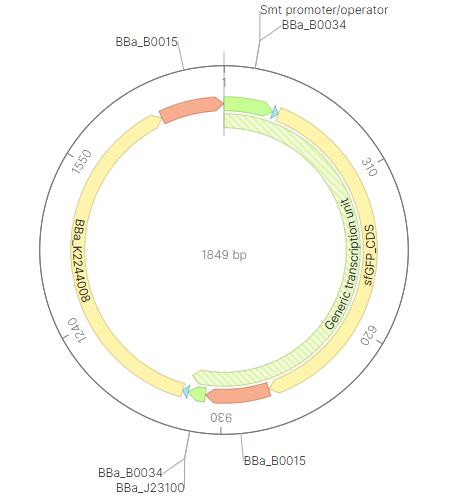
|
S3. Additional sequence information
- PcsgD sequence: (Promoter)
Exact promoter https://www.ncbi.nlm.nih.gov/nuccore/NC_000913.3?report=fasta&from=1102546&to=1103196&strand=true
Original:
csgD DNA-binding transcriptional dual regulator CsgD [Escherichia coli str. K-12 substr. MG1655 ]
Gene ID: 949119, updated on 19-Nov-2025 https://www.ncbi.nlm.nih.gov/gene/949119
- sfGFP
Reference: https://www.addgene.org/browse/sequence/169849/
- mCherry (BBa_K2244008)
Kernel | From: iGEM | iD: 59c5b96b-84ea-ac98-2b58-a3e6abc09eb3 | Description: More information: https://parts.igem.org/Part:BBa_K2244008
- RBS (BBa_B0034)
Kernel | iGem project | ID: cc311121-886f-e27a-5546-b5c0d256008e | Description More information: https://parts.igem.org/Part:BBa_B0034
- terminator (BBa_B0015)
Kernel | From: iGEM Part Registry | ID: 0c2cf0a4-f979-4e08-dceb-13231d9326c1 | Description: More information: https://parts.igem.org/Part:BBa_B0015
- Promoter (BBa_J23100)
Kernel | From: iGEM | iD: 24c96c8a-5a68-77b7-eabc-52a3afa09a88 | Description: More information: https://parts.igem.org/Part:BBa_J23100
- Restriction sites:
| Enzyme | Position | Cut site sequence | Strand |
|---|---|---|---|
| HindIII | 1-6 | AAGCTT | Forward |
| BamHI | 1856-1861 | GGATCC | Forward |
S4. Manufacturability optimization workflow
| Version | Twist Result | Notes | Figures |
|---|---|---|---|
| Initial construct (Base Reporter) | Non-compatible | sequence complexity | - |
| Optimized version (Base Reporter) | Complex | improved codon organization | S4 (Figure A) |
| Initial construct (Dual-reporter) | Non-compatible | sequence complexity | - |
| Optimize version (Dual-reporter) | Non-compatible | no improvement and troubleshot on the sequence | - |
| Final construct | Standard | restriction-based redesign (Optimized by Kernel) | Figure 7 |
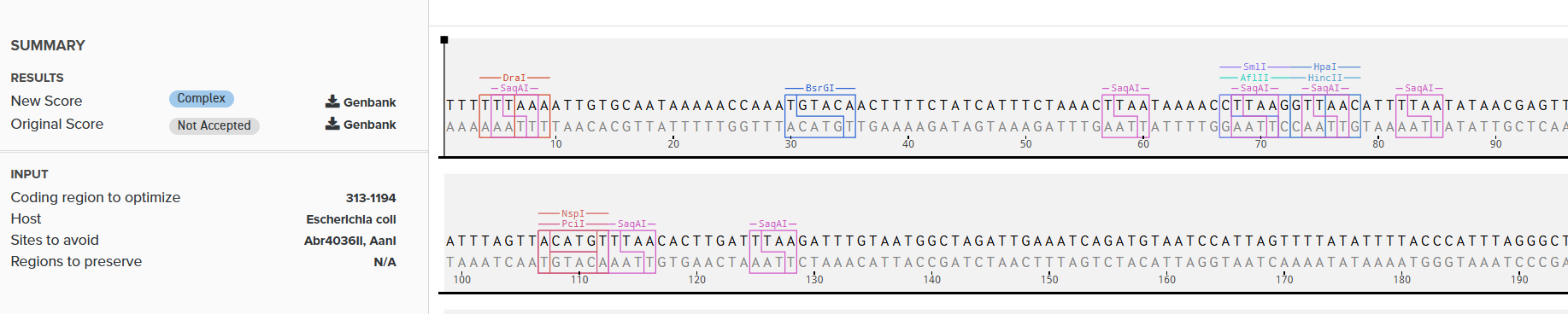
Figure A. Complex Twist Optimization (initial construct / Base reporter)
S5. Preliminary figures and discarded architectures
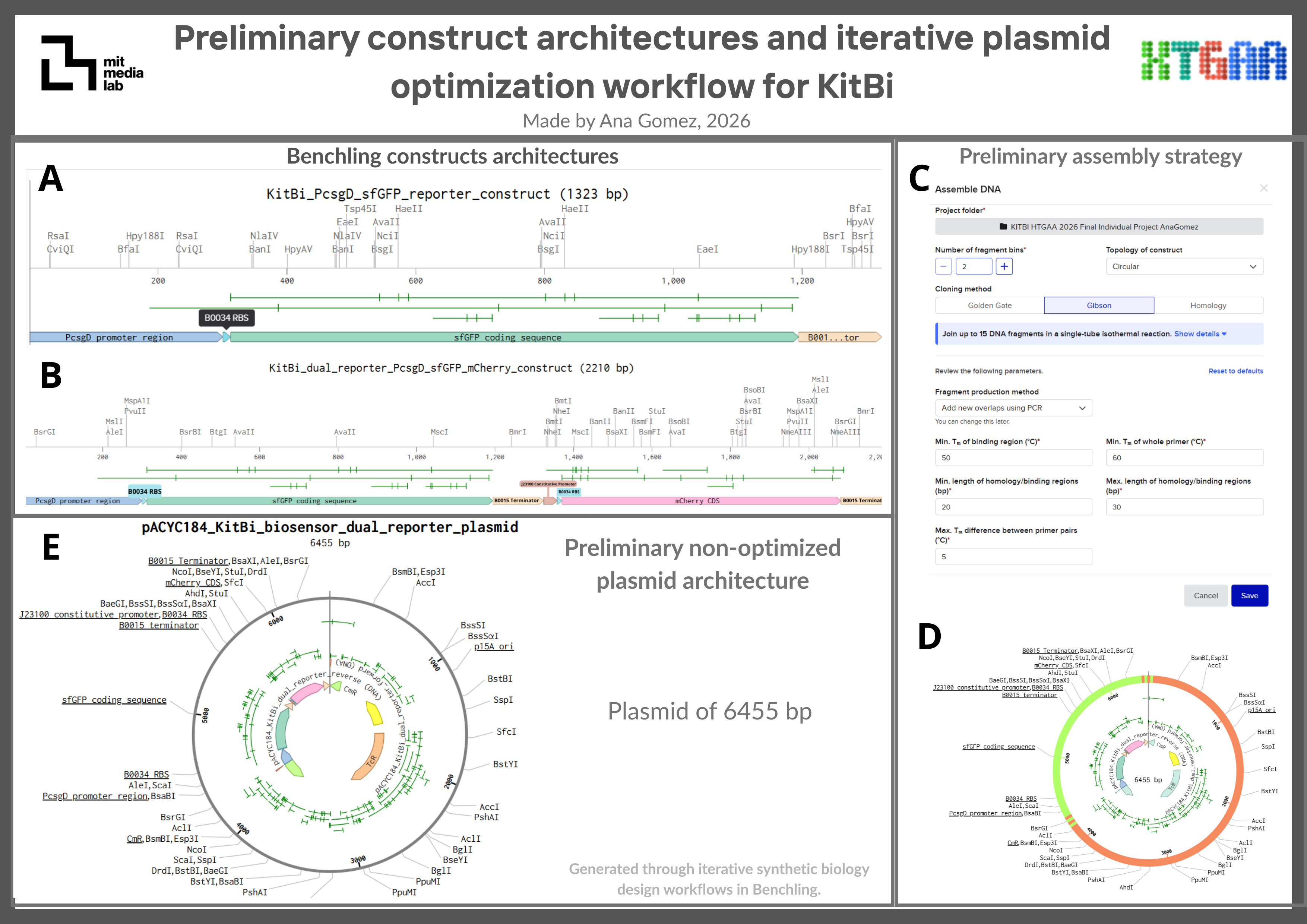
Figure B Preliminary construct architectures and iterative plasmid optimization workflow associated with development of the KitBi biosensor system. (A) Preliminary linear organization of the initial sfGFP reporter construct containing the putative PcsgD promoter region, B0034 ribosome binding site, sfGFP coding sequence, and B0015 terminator. (B) Expanded dual-reporter construct architecture incorporating the constitutive mCherry internal normalization module under the J23100 promoter. (C) Preliminary assembly workflow generated in Benchling for evaluation of construct integration and plasmid assembly feasibility. (D) Early plasmid organization attempt before construct optimization and redesign. (E) Preliminary non-optimized pACYC184-based dual-reporter plasmid architecture evaluated during manufacturability assessment before iterative redesign and restriction-enzyme-based assembly optimization.