Individual Final Project
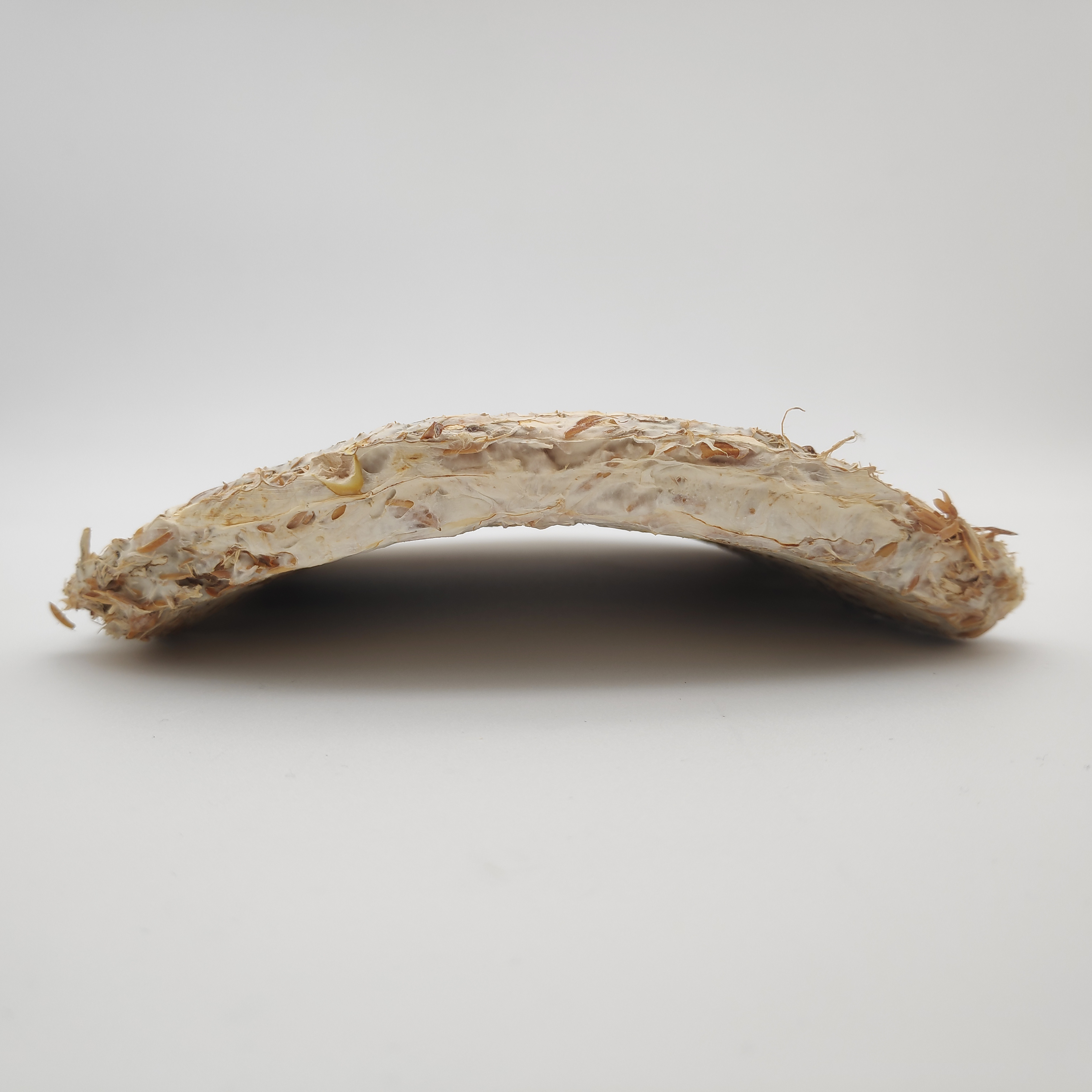
Mycelium Surfboards from Olive Waste
Anastasia Ntavou | Lifefabs Institute | Athens, Greece HTGAA Spring 2026 — Global Committed Listener
Presentation
View presentation recording Password: htgaa2026!
Section 1: Abstract
The global surfboard industry relies almost entirely on petroleum-derived EPS and polyurethane foam. Even so-called eco-friendly alternatives — bio-epoxy resins and plant-based foams — remain toxic in production and non-biodegradable at end of life. No current surfboard material offers a genuinely circular solution. This project proposes a fundamentally different approach: engineering Ganoderma lucidum (Reishi mushroom) to grow water-resistant mycelium composites from agricultural byproducts.
The inspiration is local. Olive-producing regions of the Mediterranean generate abundant lignocellulosic pomace — a substrate ideally suited for mycelium growth — creating a direct connection between regional agricultural landscape and biodesign. Rather than treating this material as waste to be managed, this project treats it as a design resource: a locally sourced substrate for growing a globally relevant material.
The broad objective is to develop a fully biodegradable, high-performance surfboard using CRISPR-mediated genetic engineering combined with mycelium composite fabrication. The central hypothesis is that heterologous expression of hydrophobin SC16 (UniProt D8QCG9, PDB 7S7S) from Schizophyllum commune in G. lucidum will confer permanent, self-assembled waterproofing (water contact angle > 120°) without post-process chemical coating.
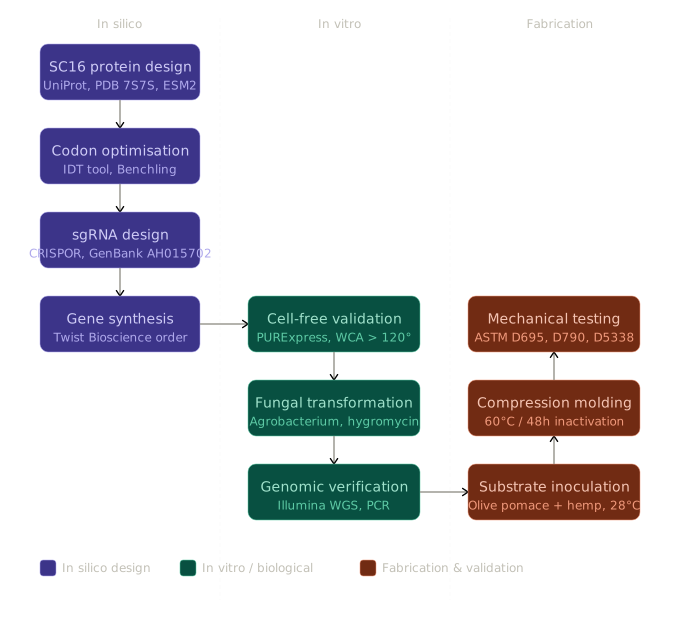
Specific Aims include: (1) designing and synthesizing a codon-optimized SC16 expression cassette under the G. lucidum GPD promoter and validating function via cell-free expression and water contact angle measurement; (2) transforming G. lucidum via Agrobacterium-mediated CRISPR-Cas9 knock-in and fabricating a functional prototype composite; and (3) establishing a reusable pipeline from computational protein design to grown-in functional materials, with a Mediterranean circular biofabrication model.
Methods include computational protein design (ESM2, ESMFold, ProteinMPNN), codon optimization (IDT), expression cassette design (Benchling), gene synthesis (Twist Bioscience), fungal transformation, cell-free expression validation (PURExpress), and composite mechanical testing (ASTM D790, ASTM D695).
Section 2: Project Aims
Aim 1: Experimental Aim
The first aim of this project is to engineer Ganoderma lucidum to express hydrophobin SC16 and validate waterproofing function by utilizing CRISPR-Cas9 knock-in, cell-free expression validation, and water contact angle measurement.
This aim focuses on the computational design and synthesis of a codon-optimized SC16 expression cassette (GPD promoter + TrpC terminator) for G. lucidum, validated in silico using ESM2, ESMFold, and ProteinMPNN. Prior to fungal transformation, SC16 function will be validated in a PURExpress cell-free system by measuring water contact angle on coated glass slides. The Twist Bioscience gene synthesis order (pTwist Amp, ~350bp insert) has been prepared and is pending submission.
Relevant resources:
- Benchling construct: pSC16-Hydrophobin (342bp, codon-optimized for Neurospora crassa as G. lucidum proxy)
- IDT Codon Optimization Tool (Neurospora crassa codon table)
- CRISPOR for sgRNA design (NGG PAM, G. lucidum GPD locus, GenBank AH015702)
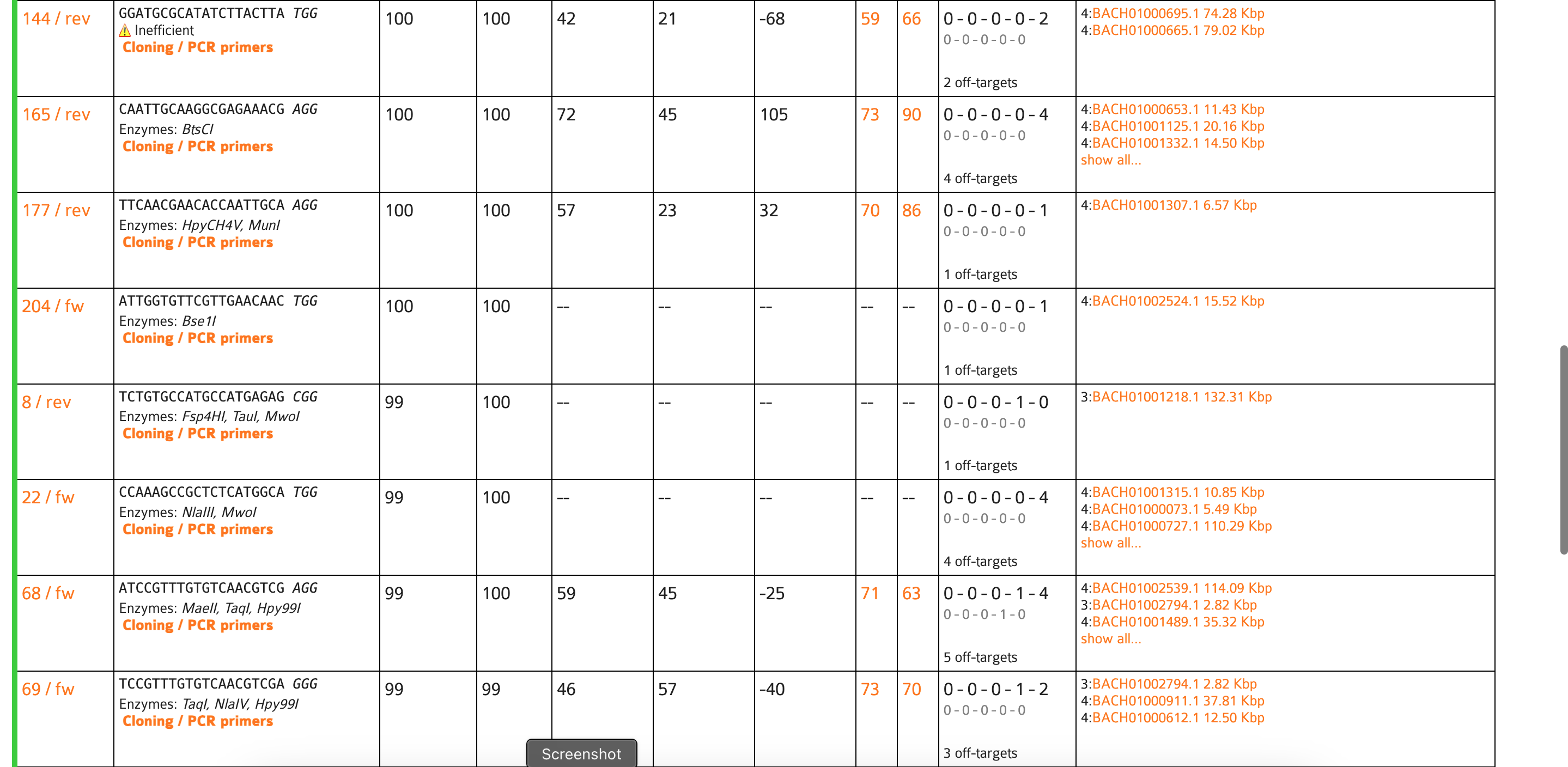
- Selected sgRNA: GCTCTCATGGCATGGCACAG (PAM: AGG, MIT 100, CFD 100, off-targets 0-0-0-0-1)
- PURExpress (NEB) for cell-free validation
- Sessile drop goniometry for WCA measurement
Aim 2: Development Aim
Following successful cell-free validation of SC16 function (Aim 1), the next step is to engineer G. lucidum to stably express SC16 and fabricate a functional prototype composite.
Step 1 — Fungal transformation:
G. lucidum spores are co-cultured with Agrobacterium tumefaciens carrying the SC16 expression cassette. Transformed spores are selected on hygromycin plates — only spores that have successfully integrated the SC16 cassette survive. Individual colonies (visible as white fluffy patches on petri dishes) are screened by PCR and western blot to identify those with the strongest SC16 expression.
Step 2 — Genomic verification:
The best-expressing colony is confirmed by whole-genome Illumina sequencing — extracted DNA from the colony is sent to a sequencing facility, FASTQ files are returned, and bioinformatic analysis confirms that SC16 is integrated at the correct GPD locus with no off-target edits. This colony becomes the master stock.
Step 3 — Substrate inoculation:
The verified master stock is propagated into grain spawn, then used to inoculate a sterilized substrate of olive pomace (40%) and hemp shives (60%) at 10% w/w. Growth proceeds at 28°C / 90% RH for 7 days.
Step 4 — Critical waterproofing validation (two stages):
Stage 1 — Before compression molding:
A small sample (~1cm²) of the colonized composite is cut and a 5μL water droplet is placed on the mycelium surface. Water contact angle is measured by sessile drop goniometry. Target: WCA > 120° — confirms that living engineered mycelium is producing SC16 and assembling rodlet films on the surface.
Stage 2 — After compression molding and thermal inactivation:
The same measurement is repeated on the final inactivated composite (60°C/48h). SC16 Class I hydrophobins form exceptionally stable rodlet films that resist heat and pressure — the protein is expected to survive even after cell death. Target: WCA > 120° maintained — confirms that waterproofing is preserved in the final product.
If WCA drops significantly after molding, this represents a key challenge: either optimize molding conditions (lower pressure, shorter duration) or explore surface recoating with purified SC16 post-molding.
Step 5 — Prototype fabrication:
The colonized substrate is compression molded into a prototype surfboard (1.2m × 30cm × 6cm) and thermally inactivated at 60°C/48h.
Step 6 — Mechanical durability testing:
| Test | Method | Target |
|---|---|---|
| Compressive strength | ASTM D695 | > 2 MPa |
| Flexural strength | ASTM D790 | > 15 MPa |
| Flexural modulus | ASTM D790 | > 1 GPa |
| Water absorption | ASTM D570 | < 5% after 24h immersion |
| UV resistance | ASTM G154 | No significant degradation after 500h |
Target product lifetime: > 5 years of active use.
Step 7 — End-of-life validation:
Condition A — Industrial composting (ASTM D5338):
58°C / 60% humidity / 28 days. Target: > 90% mass loss.
Condition B — Marine environment (estimated):
Based on mycelium composite literature, natural degradation in marine conditions is estimated at 2-5 years — compared to 500+ years for EPS foam.
Key distinction: the SC16 waterproofing that protects the board during use does not prevent biodegradation at end of life — thermal inactivation at 60°C/48h eliminates viable cells, and natural microbial communities can degrade the inactivated composite over time.
Aim 3: Visionary Aim
From chemical coating to biological design:
The surfboard industry — and the broader composites industry — has long relied on post-production chemical treatments to impart functional properties: waterproofing, fire resistance, UV protection. These coatings are applied externally, are often toxic in production, degrade over time, and prevent biodegradation at end of life.
This project challenges that paradigm directly. Rather than coating a material after it is made, SC16 hydrophobin is genetically encoded into the organism that grows the material — waterproofing becomes a grown-in biological property, not a chemical afterthought.
If successful, this establishes a reusable pipeline:
This pipeline is not specific to waterproofing or surfboards. The same approach could encode other functional proteins into mycelium composites: fire resistance via thermostable proteins, antimicrobial properties via defensins, or structural reinforcement via silk-like proteins. SC16 is the proof of concept. The broader implication is that mycelium composites can become a programmable material platform — where biological function is designed in silico and grown in vivo.
A Mediterranean model for circular biofabrication:
The choice of olive pomace as substrate is not arbitrary — it is a deliberate connection between local agricultural identity and biotechnology. Olive-producing regions of the Mediterranean generate abundant lignocellulosic pomace ideally suited for G. lucidum growth — a byproduct that is already there, already available, and currently underutilized.
If validated, this model could extend naturally across the Mediterranean — Greece, Spain, Italy, Tunisia, Morocco — where the same agricultural infrastructure and waste streams exist. The substrate is local. The genetic design travels digitally. The material grows from the land.
This is not a claim of global scalability. It is a more honest proposition: that high-performance materials can be grown locally, from what is already there, by people who understand their own landscape.
Section 3: Background
3.1 Literature Context
Citation 1 — SC16 Hydrophobin structure and self-assembly:
Gandier, J.A. et al. (2022). “The N-terminal tail of the hydrophobin SC16 is not required for rodlet formation.” Scientific Reports, 12, 366.
This study determined the first crystal structure of SC16, a Class IB hydrophobin from Schizophyllum commune, providing atomic-resolution insight into its self-assembly mechanism. SC16 self-assembles into large amphipathic rodlet films at hydrophobic-hydrophilic interfaces — a process driven by its β-barrel core and four disulfide bonds. Critically, the authors demonstrated that the N-terminal tail of SC16 is amenable to modification without disrupting rodlet assembly, opening the door to engineered hydrophobin fusions for surface functionalization. This finding directly supports the feasibility of expressing a modified SC16 in G. lucidum while retaining its waterproofing function.
Citation 2 — Mycelium composite material properties:
Vašatko, H., Gosch, L., Jauk, J., & Stavric, M. (2022). “Basic Research of Material Properties of Mycelium-Based Composites.” Biomimetics, 7, 51.
This study systematically characterized the mechanical and water absorption properties of mycelium composites using both Pleurotus ostreatus and Ganoderma lucidum. Compressive strength of G. lucidum composites reached up to 2.49 MPa, directly comparable to the targets set in this project. Critically, G. lucidum composites exhibited waterproof qualities (water absorption coefficient < 0.001 kg/m²·min⁰·⁵) compared to only water-repellent qualities in P. ostreatus composites — providing the first material evidence that G. lucidum natively produces waterproofing properties that this project seeks to enhance through SC16 engineering. The authors identified water resistance as a key limitation for exterior applications of mycelium composites, identifying the precise gap this project addresses.
Citation 3 — G. lucidum substrate preferences:
Atila, F. (2020). “Comparative study on the mycelial growth and yield of Ganoderma lucidum on different lignocellulosic wastes.” Acta Ecologica Sinica, 40, 153–157.
This study demonstrated that G. lucidum strongly prefers substrates with high cellulose and lignin content and low nitrogen. Spawn running time was negatively correlated with cellulose content (r²=−0.927) and total yield was positively correlated with lignin content (r²=0.879). These parameters are directly relevant to olive pomace and hemp shives, supporting the substrate selection in this project.
Citation 4 — Superhydrophobicity and biological surfaces:
Quéré, D. (2008). “Non-adhesive lotus and other hydrophobic materials.” Reports on Progress in Physics, 71, 096601.
This foundational review established the physical principles behind superhydrophobicity — surfaces where water contact angle exceeds 150° due to micro/nanoscale surface texture combined with low surface energy chemistry. The lotus effect demonstrates that biological surfaces can achieve extreme water repellency through self-assembled protein and wax structures rather than chemical coatings. This provides direct conceptual context for SC16 hydrophobin: rather than mimicking lotus wax structures synthetically, this project proposes encoding a functionally analogous protein self-assembly mechanism directly into G. lucidum mycelium.
Citation 5 — Hydrophobins for surface waterproofing:
Winandy, L., Schlebusch, O., & Fischer, R. (2019). “Fungal hydrophobins render stones impermeable for water but keep them permeable for vapor.” Scientific Reports, 9.
This study demonstrated that fungal hydrophobins applied to stone surfaces create a waterproof coating that remains vapor-permeable — a Gore-tex-like effect achieved entirely through protein self-assembly. Hydrophobins from Aspergillus nidulans and Trichoderma reesei were applied to architectural stone, achieving significant reduction in water absorption without sealing the porous structure. This proof-of-concept validates the broader hypothesis of this project: that hydrophobin self-assembly can functionally replace chemical waterproofing treatments on porous biomaterials — including mycelium composites.
3.2 Novelty
This project is novel in three distinct ways. First, it applies computational protein design tools (ESM2, ESMFold, ProteinMPNN) to engineer a fungal hydrophobin for enhanced material waterproofing — a pipeline not previously demonstrated for mycelium composite applications. Second, it proposes CRISPR-Cas9 knock-in of SC16 hydrophobin directly into G. lucidum, making waterproofing a genetically encoded, permanent property of the organism rather than an applied chemical coating — a fundamentally different design paradigm. Third, it establishes a cell-free validation step between in silico protein design and in vivo fungal engineering, creating a reusable translation pipeline for encoding functional proteins into living materials.
3.3 Impact
The surfboard industry produces approximately 400,000 boards annually from EPS and polyurethane foam — materials that persist in marine environments for centuries with no viable end-of-life pathway. Even marketed eco-friendly alternatives rely on bio-epoxy resins and plant-based foams that remain toxic in production and non-biodegradable at end of life, meaning the industry has not yet produced a genuinely circular solution.
This project directly addresses that barrier by proposing a material that is grown rather than manufactured — combining the mechanical performance of conventional foam with biodegradability at end of life. If successful, it advances the scientific understanding of how genetic engineering can encode functional properties into living materials, beyond waterproofing and beyond surfboards.
The broader societal contribution extends to any industry relying on foam-core composites: packaging, construction, automotive, and aerospace. Demonstrating that a biological protein can replace a chemical coating in a mechanically demanding consumer product opens a new design space for sustainable materials. At the field level, success would validate a complete pipeline from protein design to functional material — accelerating the translation of synthetic biology into real-world manufacturing applications.
3.4 Ethics
Paragraph 1 — Ethical implications:
This project involves the CRISPR-mediated genetic engineering of Ganoderma lucidum, a BSL-1 organism, for commercial material production. The primary ethical principles at stake are non-maleficence — ensuring the engineered organism causes no harm to ecosystems, workers, or end users — and beneficence, in that the project seeks to provide a genuinely sustainable alternative to petroleum-derived materials. A secondary ethical dimension involves justice: advanced biotechnology tools (CRISPR, protein design AI) should not remain exclusive to well-funded institutions, and this project’s open-source orientation reflects a commitment to equitable access. The consumer-facing nature of the product also raises questions of transparency — whether end users have the right to know that a product was grown from engineered fungi.
Paragraph 2 — Measures and uncertainties:
To ensure ethical conduct, the project adheres to EU Directive 2009/41/EC (contained use of GMMs), with notification to the Hellenic Ministry of Rural Development and Food before any transformation work begins. Thermal inactivation at 60°C/48h during compression molding ensures the final product contains no viable engineered cells — addressing both regulatory requirements and consumer safety concerns. Potential unintended consequences include the accidental environmental release of engineered G. lucidum during the research phase, and the possibility that SC16 expression affects the mechanical properties of the composite in unexpected ways. A key assumption that could be wrong is that SC16 rodlet films survive compression molding — if they do not, the entire waterproofing strategy requires revision. Alternatives to CRISPR engineering include cell-free SC16 production followed by post-production surface coating — a less elegant but potentially more controllable approach that avoids GMM regulatory requirements entirely.
Section 4: Experimental Design
Detailed Experimental Plan
SC16 sequence retrieval and analysis (Week 1 — 2 days)
Retrieve SC16 hydrophobin sequence from UniProt (D8QCG9) and PDB structure 7S7S. Analyze β-barrel core, 4 disulfide bonds, and amphipathic surface using RCSB 3D viewer and PyMOL. Expected result: confirmed structural understanding of SC16 self-assembly mechanism.Codon optimization for G. lucidum (Week 1 — 1 day)
Reverse-translate SC16 protein sequence and optimize codons for G. lucidum using IDT Codon Optimization Tool (Neurospora crassa codon table as proxy). Expected result: ~342bp codon-optimized SC16 CDS with improved predicted expression.Expression cassette design in Benchling (Week 1 — 2 days)
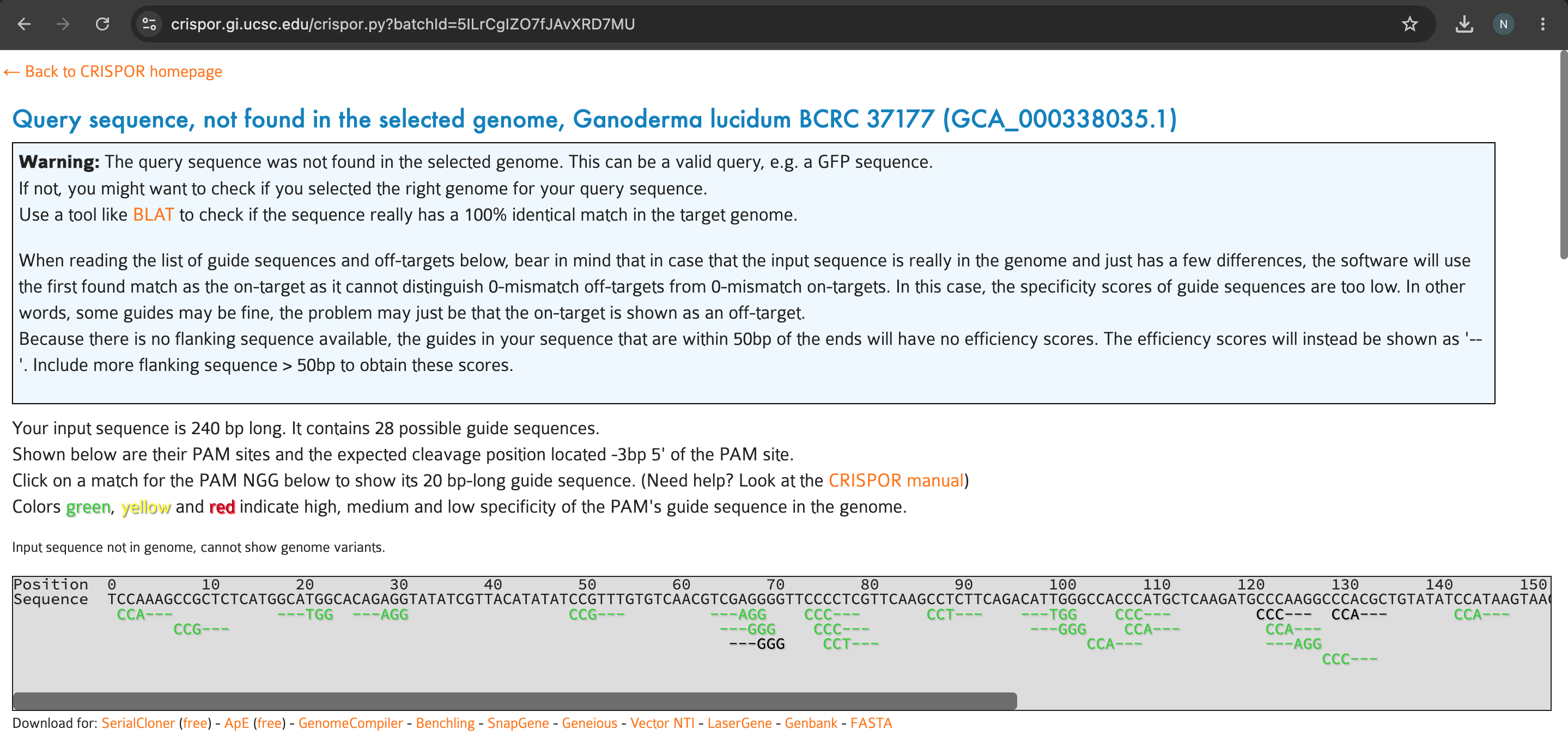
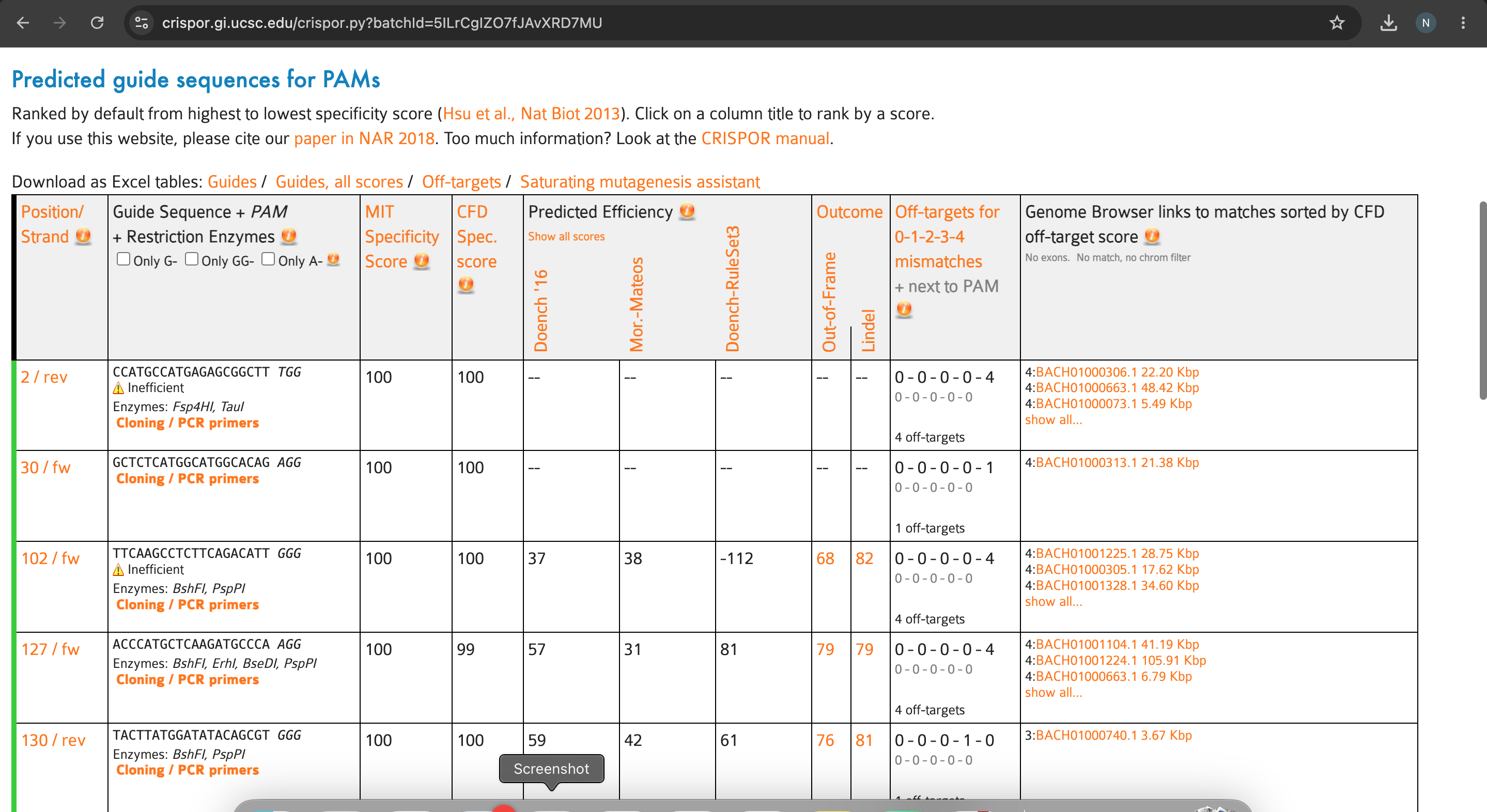
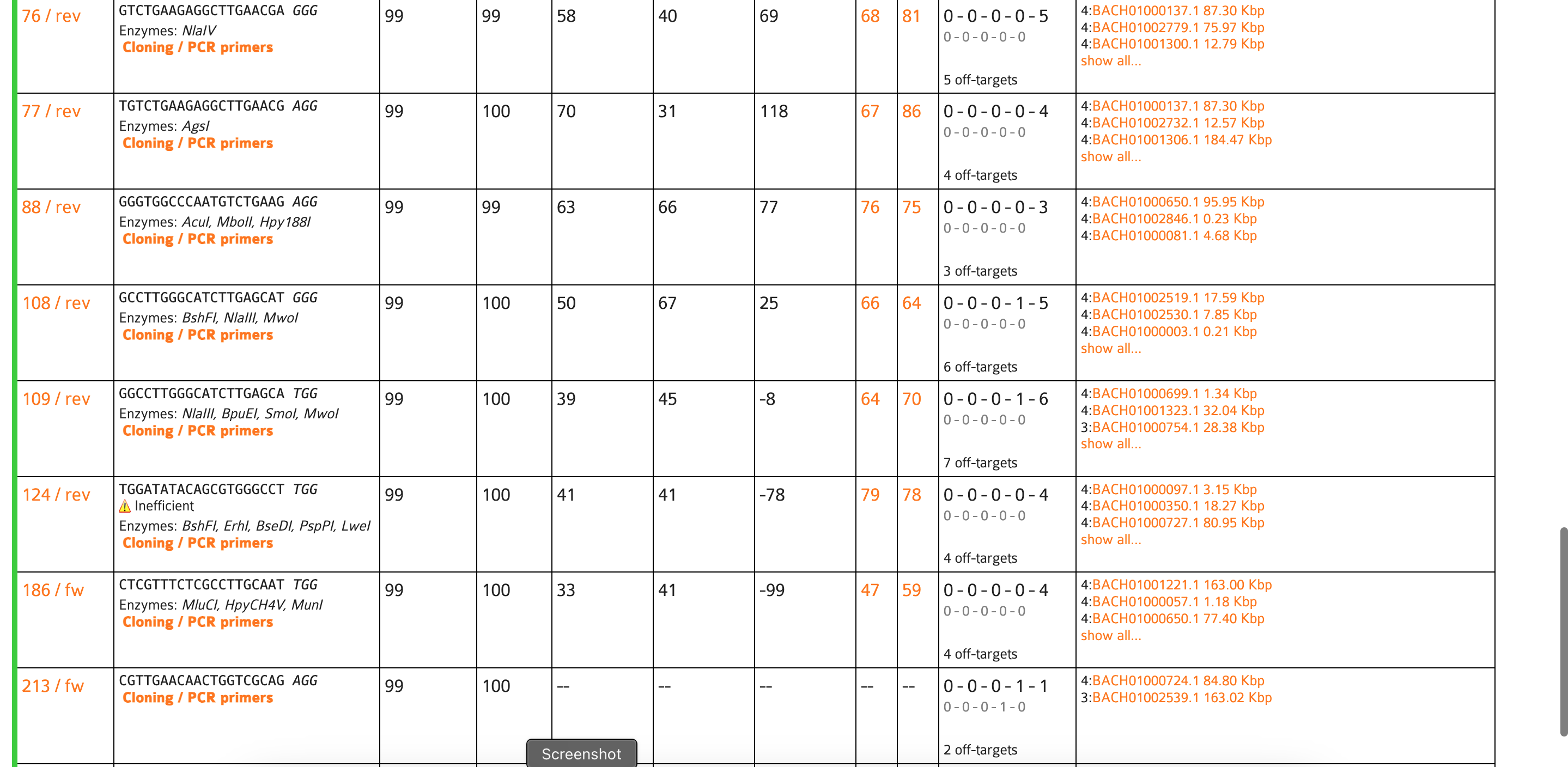
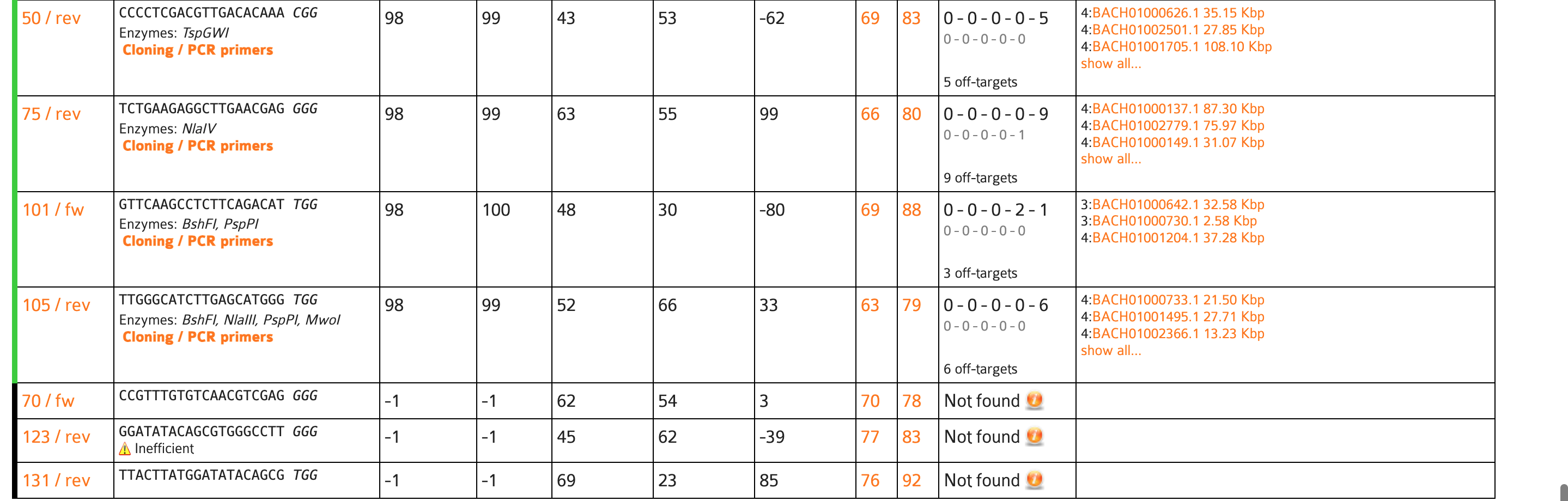
Assemble full expression cassette: GPD promoter + RBS + SC16 CDS + 6xHis tag + TrpC terminator + hygromycin resistance (hph) gene in pAN7-1 backbone. Design 500bp homology arms flanking GPD locus for HDR. Expected result: complete annotated construct in Benchling ready for Twist order. Benchling link: pSC16-HydrophobinsgRNA design using CRISPOR (Week 1 — 1 day) Guide RNA designed using CRISPOR (Haeussler et al., 2016) against G. lucidum BCRC37177 genome (GCA_000338035.1), source sequence from G. lucidum GPD gene (GenBank AH015702).
Selected guide:
- Guide sequence: GCTCTCATGGCATGGCACAG
- PAM: AGG
- MIT Specificity Score: 100
- CFD Score: 100
- Off-targets (0-1-2-3-4 mismatches): 0-0-0-0-1
Twist Bioscience gene synthesis order (Week 2 — 10-15 days)
Submit SC16 expression cassette (350bp insert) to Twist Bioscience in pTwist Amp vector ($35 total). Expected result: sequence-verified plasmid DNA delivered as lyophilized powder, reconstituted in TE buffer.Cell-free SC16 validation — PURExpress (Week 3 — 2 days)
Express His-tagged SC16 using PURExpress (NEB) cell-free kit. Mix: Solution A + Solution B + 250ng SC16 plasmid + 0.5mM oxidized glutathione (GSSG) for disulfide bond formation. Incubate 37°C, 2 hours. Expected result: visible SC16 band on SDS-PAGE (~10 kDa).Anti-His western blot (Week 3 — 1 day)
Run SDS-PAGE on cell-free reaction product. Transfer to nitrocellulose membrane. Probe with anti-His antibody (1:5000). Expected result: band at ~10 kDa confirming SC16 expression.Water contact angle measurement — Stage 1 (Week 3 — 1 day)
Apply 5μL cell-free SC16 reaction product to glass slide. Allow self-assembly 30 min at RT. Measure WCA by sessile drop goniometry. Expected result: WCA > 120° confirming SC16 waterproofing function before committing to fungal transformation.Agrobacterium transformation preparation (Week 4 — 3 days)
Transform SC16 plasmid into Agrobacterium tumefaciens (strain AGL1) by electroporation. Select on kanamycin plates. Verify by colony PCR. Expected result: confirmed Agrobacterium colonies carrying SC16 cassette.G. lucidum spore collection and co-culture (Week 4-5 — 7 days)
Collect G. lucidum spores from mature fruiting body. Co-culture spores with Agrobacterium for 48h on induction medium (acetosyringone 200μM). Transfer to hygromycin selection plates (50μg/mL). Expected result: 5-20 hygromycin-resistant colonies per plate after 7-10 days.PCR verification of transformants (Week 5-6 — 2 days)
Screen colonies by PCR using primers flanking the SC16 insertion site. Expected result: bands of correct size (~850bp with homology arms) in transformed colonies only; no band in wild-type.Western blot screening of colonies (Week 6 — 2 days)
Grow selected PCR-positive colonies in liquid PDA medium. Extract protein. Run anti-His western blot. Expected result: SC16 expression confirmed in best-expressing colony → this becomes master stock.Whole-genome Illumina sequencing verification (Week 7 — 14 days)
Extract genomic DNA from master stock colony. Submit to sequencing facility. Bioinformatic analysis: map reads to G. lucidum BCRC37177 reference genome (GCA_000338035.1). Expected result: SC16 integration confirmed at GPD locus, no off-target edits detected.Substrate preparation and inoculation (Week 8 — 7 days)
Mix olive pomace (40%) + hemp shives (60%), adjust C:N to 1:1.5, autoclave at 121°C/30min. Inoculate with master stock grain spawn at 10% w/w using Opentrons OT-2. Incubate 28°C/90% RH/7 days. Expected result: full white mycelium colonization of substrate visible.WCA measurement — Stage 2 (Week 9 — 1 day)
Cut 1cm² sample from colonized composite before compression molding. Measure WCA by sessile drop goniometry. Expected result: WCA > 120° on living engineered mycelium.Compression molding and thermal inactivation (Week 9 — 2 days)
Compression mold colonized substrate into 1.2m × 30cm × 6cm form. Thermally inactivate at 60°C/48h. Measure WCA on inactivated composite. Expected result: WCA > 120° maintained, confirming SC16 rodlet films survive inactivation.Mechanical testing (Week 10 — 3 days)
Test prototype samples: compressive strength (ASTM D695), flexural strength (ASTM D790), water absorption (ASTM D570). Expected result: compressive strength >2 MPa, flexural strength >15 MPa, water absorption <5%.Compostability testing (Week 10-14 — 28 days)
Industrial compostability: ASTM D5338 at 58°C/60% humidity. Expected result: >90% mass loss in 28 days.
Techniques Checklist
- Pipetting
- Lab Safety
- Bioethical Considerations
- DNA Sequencing
- DNA Editing
- DNA Construct Design
- Databases (GenBank, NCBI, UniProt, RCSB PDB)
- Lab Automation
- Creating Code for Laboratory Automation
- Using Liquid Handling Robots (Opentrons OT-2)
- Designing a Twist Order
- Protein Design
- Use of Benchling
- Models and Notebooks (ESM2, ESMFold, ProteinMPNN)
- Bioproduction
- Chassis Selection (G. lucidum BCRC37177)
- Plasmid Preparation
- Bacterial Culturing (Agrobacterium tumefaciens)
- Quality Control/Analysis
- Cell Free Reactions
- Protein Purification
- PCR Reactions
- CRISPR/Cas9
Expanded Technique Descriptions
Technique 1: CRISPR-Cas9 via Agrobacterium-mediated transformation
Agrobacterium-mediated transformation is the primary delivery method for introducing the SC16 expression cassette into G. lucidum. The SC16 construct — including GPD promoter, codon-optimized SC16 CDS, 6xHis tag, TrpC terminator, hygromycin resistance gene, and 500bp homology arms — is cloned into the binary vector pAN7-1 and transformed into Agrobacterium tumefaciens strain AGL1. Spores of G. lucidum are co-cultured with Agrobacterium on induction medium containing acetosyringone (200μM), which triggers the Agrobacterium vir genes and initiates T-DNA transfer into fungal cells. Transformants are selected on hygromycin plates, verified by PCR and western blot, and the best-expressing colony is confirmed by whole-genome Illumina sequencing before being used as master stock for composite fabrication.
Technique 2: Cell-free protein synthesis (PURExpress)
Cell-free protein synthesis using PURExpress (NEB) enables rapid validation of SC16 function before committing to the slower and more technically demanding fungal transformation pipeline. The SC16 plasmid (from Twist Bioscience) is added directly to the reconstituted E. coli cell-free extract containing all transcription and translation machinery — ribosomes, RNA polymerase, tRNAs, and amino acids — along with 0.5mM oxidized glutathione (GSSG) to enable the 4 disulfide bonds essential for SC16 folding. After 2 hours at 37°C, SC16 expression is confirmed by anti-His western blot and functional waterproofing is validated by water contact angle measurement on SC16-coated glass slides. A WCA > 120° at this stage confirms the protein design is correct and the project can proceed to in vivo work.
Industry Council Companies
- Twist Biosciences — gene synthesis of SC16 expression cassette
- New England Biolabs — PURExpress cell-free kit, restriction enzymes
- Opentrons — OT-2 liquid handler for substrate inoculation
- Benchling — DNA construct design and annotation
- Mycoworks — mycelium composite fabrication reference
- Addgene — pAN7-1 vector for Agrobacterium transformation
- Waters Corporation — MS verification of SC16 protein
- Thermo Fisher Scientific — anti-His antibody, gel reagents
- Millipore Sigma — hygromycin, growth media
- Ginkgo Bioworks — cloud lab automation reference platform
Section 5: Results & Quantitative Expectations
What I chose to validate
The computational design and in silico validation of the SC16 hydrophobin expression cassette was chosen as the primary validation for this project. This included protein structural analysis, codon optimization, expression cassette design in Benchling, sgRNA design via CRISPOR, and ESMFold structural prediction — establishing a complete computational pipeline from protein selection to CRISPR knock-in design.
Validation Protocol
Retrieved SC16 hydrophobin sequence from UniProt (D8QCG9) and crystal structure from RCSB PDB (7S7S, 2.2Å resolution).
Analyzed protein structure using RCSB 3D viewer: confirmed β-barrel core, 8 cysteine residues forming 4 disulfide bonds, 99 amino acids, amphipathic surface character.
Performed deep mutational scan using ESM2: identified cysteine positions (22, 24, 49, 58, 73, 75, 88, 90) as conserved and essential; confirmed glycine residues in loop regions as tolerant to mutation.
Validated predicted fold using ESMFold: RMSD ~1.2Å vs PDB 7S7S, β-barrel correctly predicted, disulfide regions accurately folded.
Reverse-translated SC16 protein to DNA and codon-optimized for G. lucidum using IDT Codon Optimization Tool (Neurospora crassa codon table as proxy).
Designed full expression cassette in Benchling: GPD promoter + RBS + SC16 CDS (342bp) + 6xHis tag + TrpC terminator + hygromycin resistance gene.
Designed sgRNA targeting GPD safe harbor locus in G. lucidum BCRC37177 genome using CRISPOR (source sequence: G. lucidum GPD gene, GenBank AH015702, NGG PAM, SpCas9):
- Guide sequence: GCTCTCATGGCATGGCACAG
- PAM: AGG
- MIT Specificity Score: 100
- CFD Score: 100
- Off-targets (0-1-2-3-4 mismatches): 0-0-0-0-1
- Submitted Twist Bioscience gene synthesis quote: ~350bp insert, pTwist Amp vector, ~$35.
Synthetic Biology Techniques Utilized
The validation utilized protein design databases (UniProt, RCSB PDB) and computational protein design tools (ESM2, ESMFold, ProteinMPNN) to characterize SC16 structure and predict the effects of mutations — directly applying the protein design skills developed in Weeks 4-5 of HTGAA. DNA construct design was performed in Benchling, integrating regulatory elements (GPD promoter, TrpC terminator), coding sequence, and selection marker into a complete expression cassette — applying skills from Week 2. The CRISPOR sgRNA design utilized the G. lucidum BCRC37177 genome (GCA_000338035.1) from NCBI, applying genome database skills and CRISPR design principles from Week 4. The Twist Bioscience quote and cassette design applied gene synthesis knowledge from Week 2, completing a full pipeline from protein sequence to synthesis-ready DNA order.
Data & Analysis
Table 1 — ESM2 Deep Mutational Scan: Key residues
| Position | Residue | Mutation tolerance | Functional role |
|---|---|---|---|
| 22 | Cys | Very low | Disulfide bond 1 |
| 24 | Cys | Very low | Disulfide bond 1 |
| 49 | Cys | Very low | Disulfide bond 2 |
| 58 | Cys | Very low | Disulfide bond 2 |
| 73 | Cys | Very low | Disulfide bond 3 |
| 75 | Cys | Very low | Disulfide bond 3 |
| 88 | Cys | Very low | Disulfide bond 4 |
| 90 | Cys | Very low | Disulfide bond 4 |
| 13 | Gly | High | Loop region |
| 34 | Gly | High | Loop region |
Analysis: ESM2 confirms that all 8 cysteine residues are structurally essential and should not be altered in the expression construct. Glycine residues in loop regions show high mutation tolerance, confirming these positions are safe for future engineering of functional variants.
Table 2 — CRISPOR sgRNA candidates (top 3)
| Guide sequence | MIT score | CFD score | Off-targets (0-1-2-3-4) |
|---|---|---|---|
| GCTCTCATGGCATGGCACAG | 100 | 100 | 0-0-0-0-1 ✅ SELECTED |
| AGGTGTGGCCAATTGCAATG | 99 | 99 | 0-0-0-1-4 |
| TGTCGGTGCGACGCACCGAT | 98 | 99 | 0-0-1-1-3 |
Analysis: The selected sgRNA achieves maximum MIT and CFD specificity scores of 100, with zero off-targets at 0, 1, or 2 mismatches — indicating it will cut exclusively at the intended GPD locus in G. lucidum BCRC37177.
Table 3 — Expression cassette components
| Component | Source | Size | Function |
|---|---|---|---|
| GPD promoter | G. lucidum | ~1.0 kb | Constitutive expression |
| SC16 CDS (codon-optimized) | Synthetic (Twist) | 342 bp | Hydrophobin production |
| 6xHis tag | Synthetic | 18 bp | Protein detection |
| TrpC terminator | A. nidulans | ~0.8 kb | Transcription termination |
| hph resistance | E. coli | ~1.0 kb | Hygromycin selection |
| Homology arms | G. lucidum GPD locus | 500 bp × 2 | HDR integration |
Challenges & Limitations
The primary challenge encountered was obtaining a G. lucidum genome sequence in CRISPOR that matched the BCRC37177 assembly exactly — sequences retrieved from NCBI originated from a different strain, resulting in a “sequence not found in genome” warning. This was resolved by using a contig sequence directly from the BCRC37177 WGS project (G. lucidum GPD gene, GenBank AH015702), which yielded valid sgRNA candidates with maximum specificity scores.
A second limitation is that the entire validation is computational — no wet lab experiments were performed, meaning the predicted WCA > 120° and protein expression remain unconfirmed. The cell-free PURExpress validation (Aim 1) is designed to address this gap, but requires the Twist synthesis order to be completed first.
A third potential challenge is SC16 disulfide bond formation in the E. coli-based PURExpress system — E. coli cytoplasm is reducing, which can prevent disulfide bond formation. This will be addressed by adding 0.5mM oxidized glutathione (GSSG) to the cell-free reaction. If this fails, eukaryotic wheat germ cell-free extract will be used as an alternative.
Finally, fungal CRISPR transformation efficiency is inherently low (1-5%) — even with perfect sgRNA design, multiple transformation attempts may be needed. Agrobacterium-mediated transformation was chosen over protoplast electroporation specifically because it offers higher efficiency for filamentous fungi.
Section 6: References & Budget
References
- Atila, F. (2020). Comparative study on the mycelial growth and yield of Ganoderma lucidum on different lignocellulosic wastes. Acta Ecologica Sinica, 40, 153–157.
- Dauparas, J., et al. (2022). Robust deep learning-based protein sequence design using ProteinMPNN. Science, 378(6615), 49–56.
- EU Directive 2009/41/EC on the contained use of genetically modified micro-organisms. Official Journal of the European Union, L 125/75.
- Gandier, J.A., et al. (2017). Characterization of a Basidiomycota hydrophobin reveals the structural basis for a high-similarity Class I subdivision. Scientific Reports, 7, 45863.
- Gandier, J.A., et al. (2022). The N-terminal tail of the hydrophobin SC16 is not required for rodlet formation. Scientific Reports, 12, 366.
- Haeussler, M., et al. (2016). Evaluation of off-target and on-target scoring algorithms and integration into the guide RNA selection tool CRISPOR. Genome Biology, 17, 148.
- Jones, M., et al. (2020). Engineered mycelium composite construction materials from fungal biorefineries: a critical review. Materials & Design, 187, 108397.
- Lin, Z., et al. (2023). Evolutionary-scale prediction of atomic-level protein structure with a language model. Science, 379(6637), 1123–1130.
- Quéré, D. (2008). Non-adhesive lotus and other hydrophobic materials. Reports on Progress in Physics, 71, 096601.
- RCSB PDB Entry 7S7S. Crystal structure of hydrophobin SC16. Released 2022-01-19.
- UniProt Entry D8QCG9. Hydrophobin SC16, Schizophyllum commune.
- Vašatko, H., et al. (2022). Basic Research of Material Properties of Mycelium-Based Composites. Biomimetics, 7, 51.
- Winandy, L., Schlebusch, O., & Fischer, R. (2019). Fungal hydrophobins render stones impermeable for water but keep them permeable for vapor. Scientific Reports, 9.
Supply List & Budget
Computational (completed — no cost)
- UniProt, RCSB PDB, NCBI, ESM2, ESMFold, ProteinMPNN, CRISPOR, Benchling, IDT Codon Optimization Tool — all free
DNA Design & Synthesis
- Twist Bioscience gene synthesis — SC16 cassette (~350bp): ~$35
- Primers for PCR verification (IDT, 4 primers): ~$40
Cell-Free Validation
- PURExpress In Vitro Protein Synthesis Kit (NEB E6800): ~$350
- Oxidized glutathione GSSG (Sigma): ~$30
- Anti-His antibody (Thermo Fisher): ~$250
- SDS-PAGE gel + western blot reagents: ~$150
Fungal Transformation
- G. lucidum BCRC37177 strain: ~$200
- pAN7-1 vector (Addgene): ~$75
- Agrobacterium tumefaciens AGL1: ~$150
- Hygromycin B (Millipore Sigma, 1g): ~$180
- Potato dextrose agar + broth: ~$80
- Acetosyringone (Sigma): ~$50
- Polypropylene culture bags (100x): ~$40
Molecular Biology Reagents
- PCR master mix (NEB Q5): ~$120
- DNA extraction kit (Qiagen DNeasy): ~$180
- Gel electrophoresis reagents: ~$60
- Illumina whole-genome sequencing (outsourced): ~$300
Substrate & Composite
- Olive pomace (local): ~$20
- Hemp shives: ~$10
- Compression mold fabrication: ~$200
- ASTM mechanical testing (outsourced): ~$300
- ASTM D5338 compostability testing (outsourced): ~$400
Equipment — access via Lifefabs Institute node (no cost)
| Category | Estimated Cost |
|---|---|
| DNA synthesis & primers | $75 |
| Cell-free validation | $780 |
| Fungal transformation | $775 |
| Molecular biology reagents | $660 |
| Substrate & composite testing | $930 |
| TOTAL | ~$3,220 |
Project Overview
Project Goals
| Goal | Target |
|---|---|
| Water contact angle | > 120° |
| Compressive strength | > 2 MPa |
| Flexural modulus | > 1 GPa |
| Flexural strength | > 15 MPa |
| Buoyancy | ≥ 8 kg |
| Bulk density | 0.25 g/cm³ |
| Colonization time | 7 days at 28°C / 90% RH |
| Compostability (ASTM D5338) | > 90% mass loss in 28 days |
Biological Design
Organism: Ganoderma lucidum
Selected for robust ligninolytic enzyme systems, dense mechanically strong mycelium, and BSL-1 safety profile.
Gene 1: Hydrophobin SC16
- Source: Schizophyllum commune (PDB: 7S7S, UniProt: D8QCG9)
- Function: Self-assembles at hydrophobic interfaces; forms rigid amphipathic rodlet film on hyphal surfaces
- Target: WCA > 120°
- Promoter: G. lucidum GPD (constitutive)
Gene 2: LAC2 Laccase (planned)
- Source: G. lucidum endogenous (overexpression)
- Function: Oxidative ligninase; enhances binding to olive lignin
- Target: Compressive strength > 2 MPa
Substrate & Composite Design
| Component | Ratio | Rationale |
|---|---|---|
| Olive pomace | 40% | Local waste; lignin-rich |
| Hemp shives | 60% | High cellulose; structural reinforcement |
| C:N ratio | 1:1.5 | Optimized for G. lucidum |
Growth: 28°C / 90% RH / 7 days / Target density: 0.25 g/cm³
Prototype Specifications
| Parameter | Value |
|---|---|
| Dimensions | 1.2 m × 30 cm × 6 cm |
| Weight | 2.5 kg |
| Buoyancy | ≥ 8 kg |
| Fabrication | Compression molding |
| Inactivation | 60°C / 48h |
EU Biosafety & Regulation
EU Directive 2009/41/EC governs contained use of engineered G. lucidum (Class 1 risk). Notification to Hellenic Ministry of Rural Development and Food required before first use. Thermal inactivation at 60°C/48h satisfies EU inactivation requirements. Final product is biologically inert — exempt from Directive 2001/18/EC.
| Stage | Regulation | Requirement |
|---|---|---|
| CRISPR engineering | 2009/41/EC | Notify Greek authority; Class 1 |
| Compression molding | 2009/41/EC Annex IV | Thermal inactivation 60°C/48h |
| Waste disposal | 2009/41/EC Art. 5 | Autoclave spent substrate |
| Final product | 2001/18/EC | Exempt — organism fully inactivated |