Individual Final Project
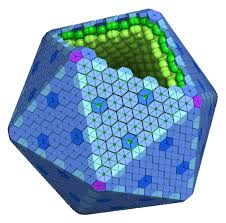
- The treatment of metastatic cancer remains a significant clinical challenge due to the dynamic and heterogeneous nature of the tumor microenvironment. Current therapeutic interventions often lack the requisite precision to adapt to these rapid physiological changes, frequently leading to sub-optimal outcomes and drug resistance. The broad objective of this project is to engineer a Bacterial Microcompartment (BMC) nanocage integrated with an Intracellular Artificial Neural Network (IANN) genetic circuit. This system is designed to autonomously sense multifaceted biochemical stimuli within a tumor and respond by secreting a calibrated dose of anti-cancer enzymes and immune-boosting proteins. This nanocage would remain dormant inside your body similar to a sentinel. It would be activated only when a special in encounters its activation protein that must be injected into your bloodstream from outside.
Aim 1: Designing and testing the genetic circuit in a cell free system
Aim 2: Integrating the genetic circuit with the nanocage and testing it against cancer
Aim 3: Optimizing the system for accuracy, efficiency and large scale production
For aim 1, I chose using only 3 protein for the genetic circuit: IL-15, NKG7, TGFβ receptor II.
- IL-15: IL-15 (Interleukin-15, often as an IL-15/IL-15R fusion) This cytokine promotes survival, proliferation, and persistence of T cells and NK cells without causing excessive systemic toxicity (unlike IL-2). Armored CAR-NK or CAR-T cells expressing IL-15 show improved anti-tumor activity and longer-lasting responses, especially against solid tumors and in immunosuppressive environments.
- NKG7: This cytotoxic granule protein, naturally expressed in CD8+ T cells and NK cells, supports granule exocytosis and enhances the resilience and killing capacity of these cells. Higher NKG7 expression in tumor-infiltrating lymphocytes correlates with better patient survival; engineering its overexpression in CAR-T or TIL therapies can make immune cells more effective at destroying cancer cells.
- TGFβ receptor II: Many tumors secrete TGF-β to suppress immune responses. Expressing a dominant-negative version of the TGF-β receptor in T or NK cells blocks this inhibitory signaling, preventing exhaustion and allowing sustained anti-tumor activity even in hostile tumor microenvironments.
For the cage, I will most likely use a bacterial microcompartment. Ferritins and Encapsulins are too small.