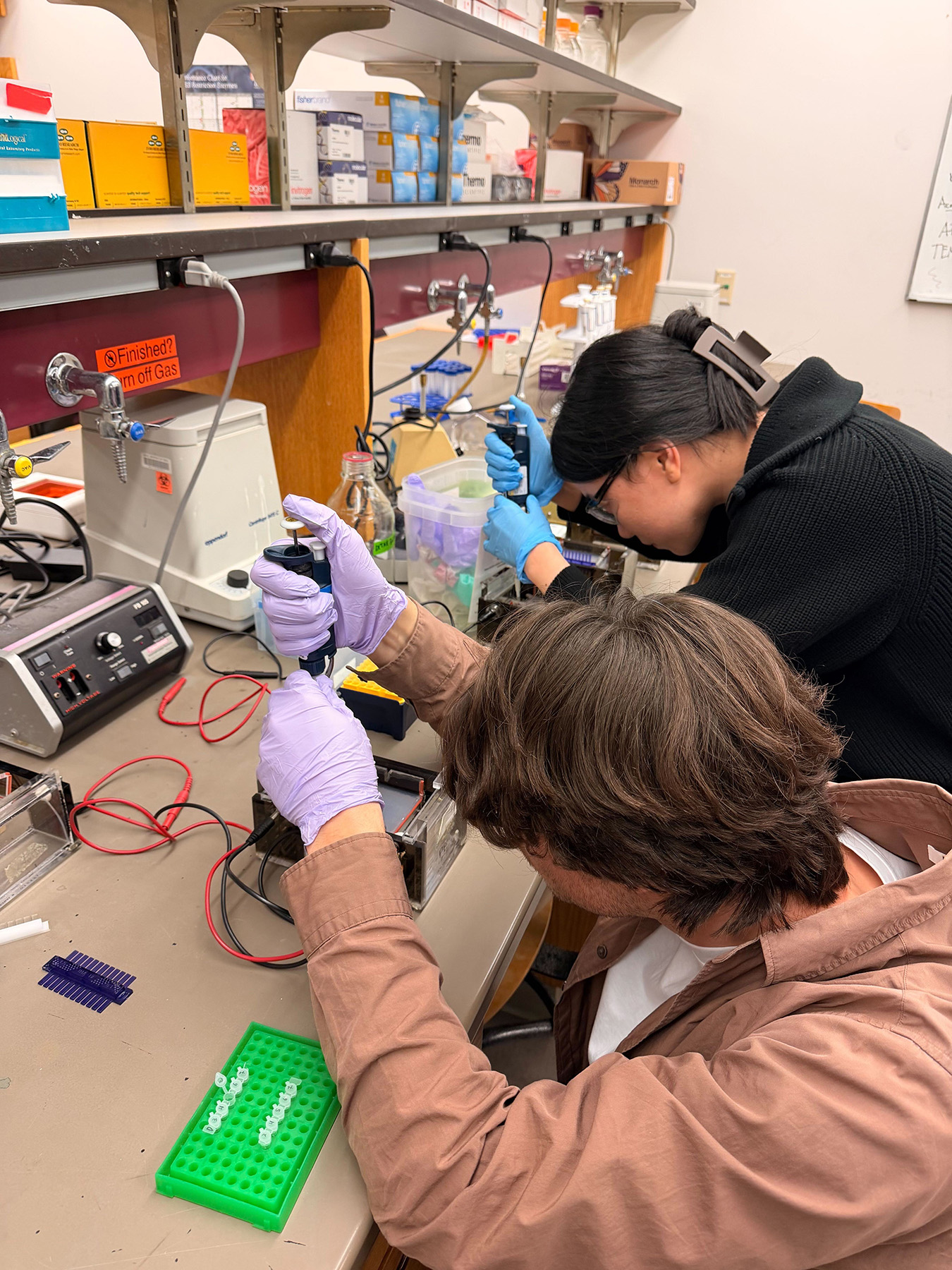
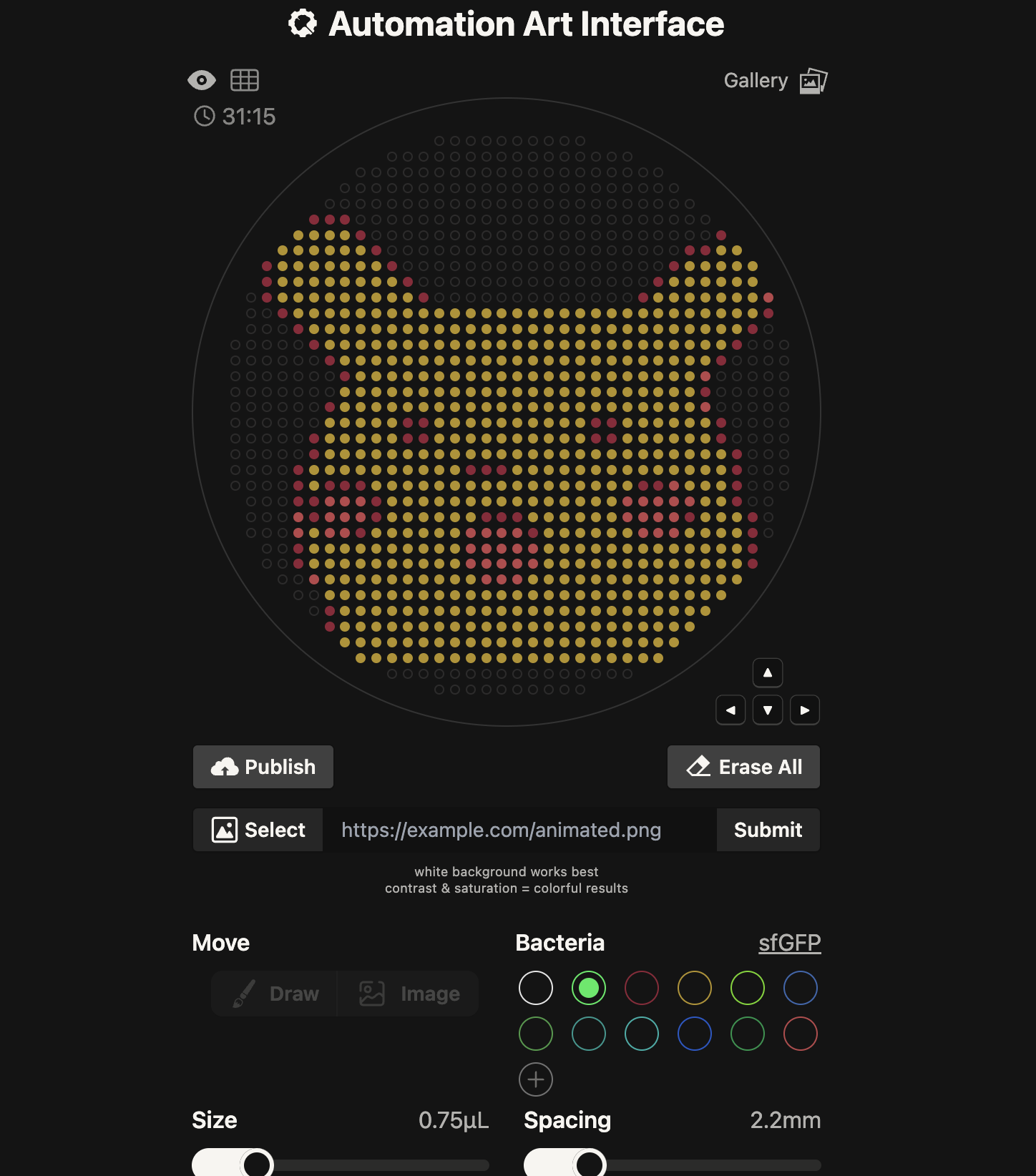
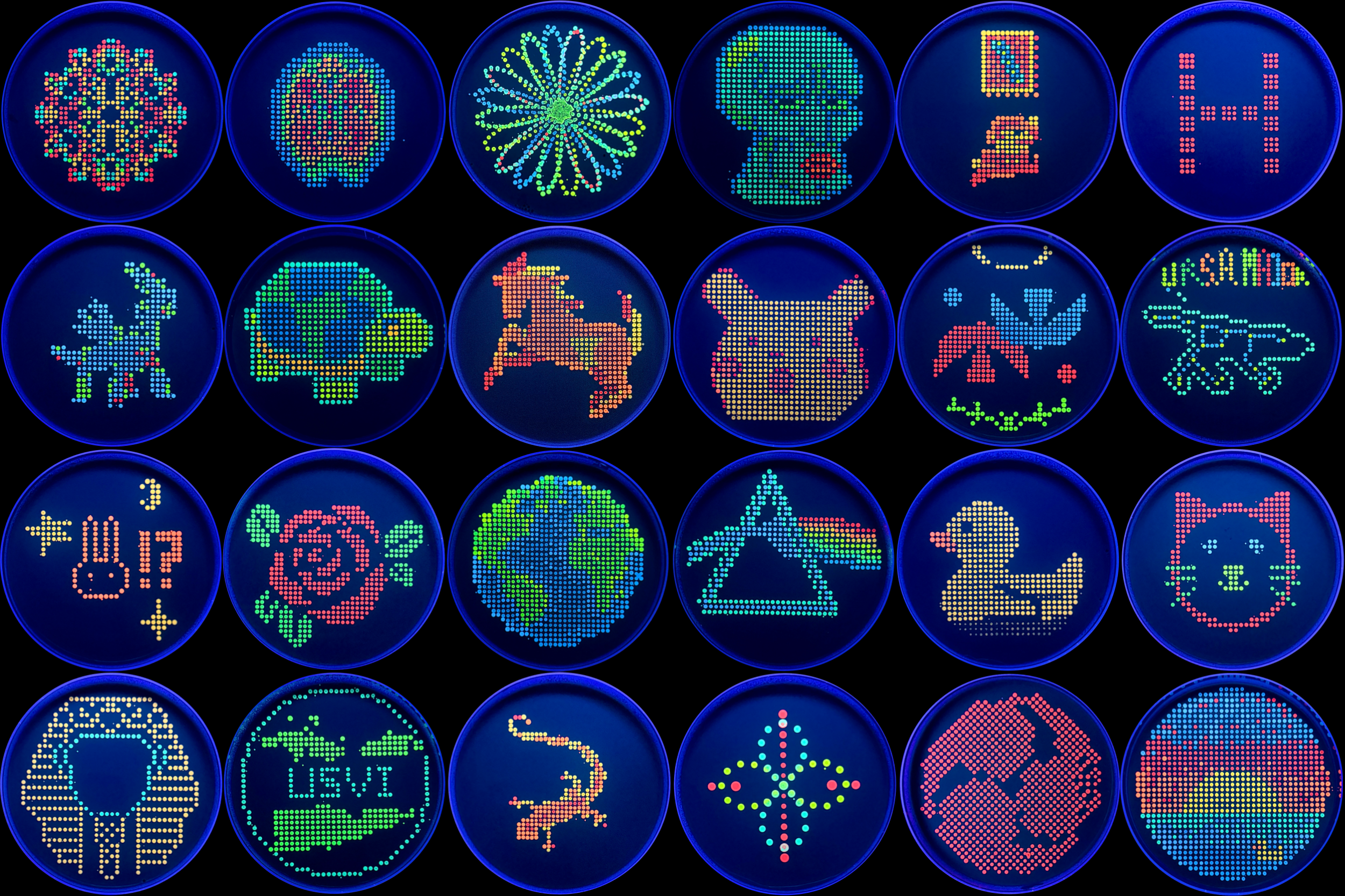
Hello! I’m first-year master’s student in the MIT Architecture SMArchS program. This semester I am interested in getting involved with microfluidics in htgaa and I look forward to learning with everyone!
Describe a biological engineering application or tool you want to develop and why
I want to develop a soft material actuator powered directly by living cells rather than electronics or mechanical pumps. The system would use microbial metabolism, specifically gas produced during fermentation, to generate pressure inside a flexible chamber, allowing the material to inflate and perform mechanical work. Instead of using batteries, compressors, or microcontrollers, the material would respond to environmental conditions such as temperature or moisture because those conditions naturally regulate cellular activity. In this way, the environment becomes the control signal and biology becomes both the energy source and the actuator. If metabolic activity can reliably produce mechanical motion, it opens pathways toward deployable biohybrid interfaces, such as agricultural materials that respond to weather, environmental monitors that operate without batteries, or wearable materials that adapt to the human body. The goal is not to replace traditional machines but to investigate whether biological processes can serve as power, sensing, and control within soft matter systems.
3.1. Choose your protein
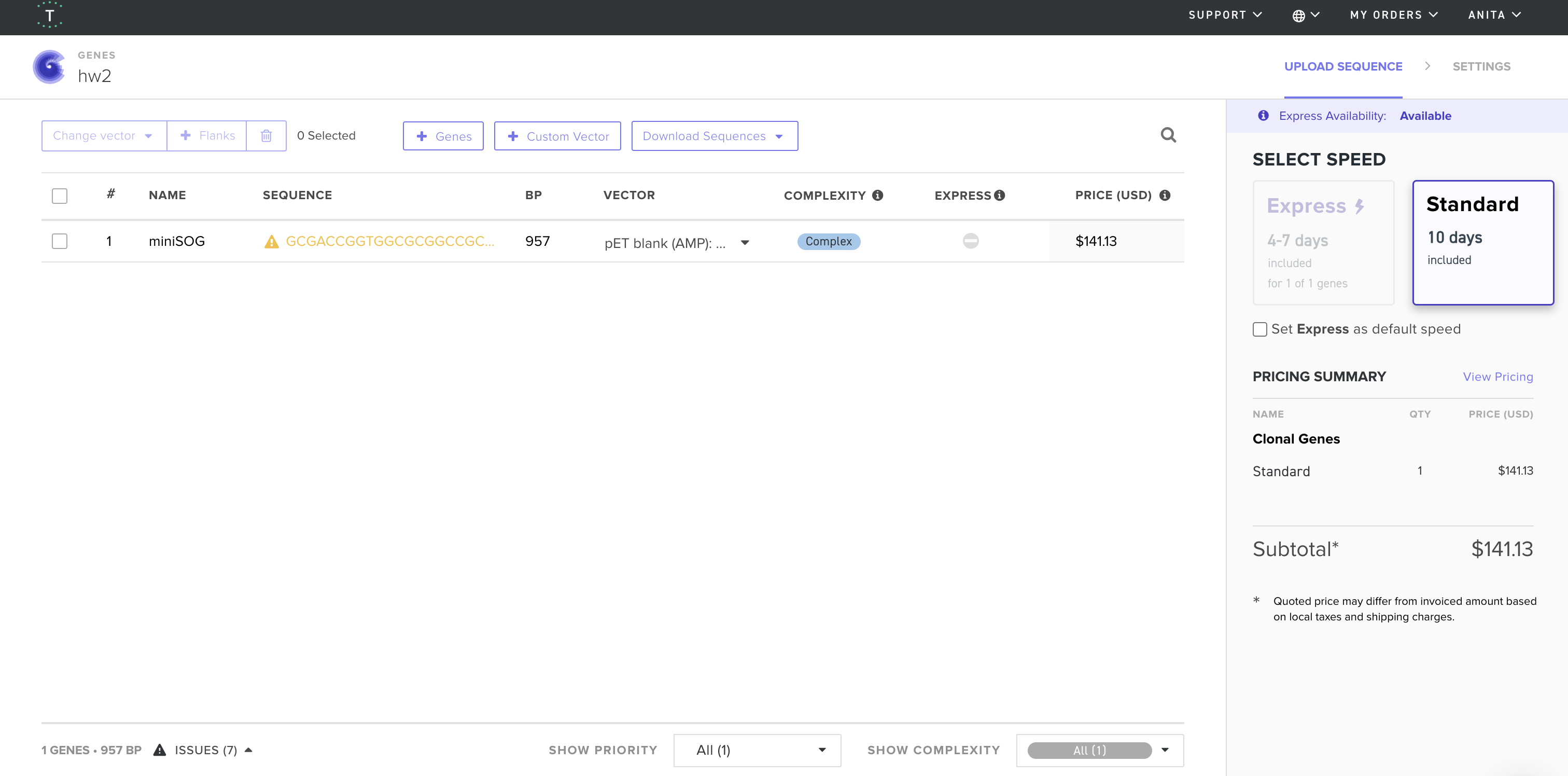
I chose miniSOG (mini Singlet Oxygen Generator) using the protein table from FPbase. It is described as a cyan fluorescent protein that can be controlled with blue light. When illuminated, the molecule absorbs energy and transfers it to nearby oxygen, briefly converting it into a reactive form called singlet oxygen. This state lasts only a few microseconds inside cells and travels about 10–20 nanometers, making it useful for nanoscale targeting. Because it can repeatedly trigger localized reactions without being consumed, it behaves more like a catalyst than a reagent.
Objective: Learn basic concepts of amino acid structure, 3D protein visualization, variety of ML-based design tools
Part A. Conceptual Questions How many molecules of amino acids do you take with a piece of 500 grams of meat? (on average an amino acid is ~100 Daltons)
There’s 20% of protein so there’s 100g of protein in 500g of meat. Knowing on average amino acid is 100 daltons (g/mol) so 100g divided by 100g/mol comes out to 1 mole of amino acids. 1 mole has about 6 x 10^23 molecules of AA (total in 500g of meat).
Part A. SOD1 Binder Peptide Design Part 1: Generate Binders with PepMLM The goal of this exercise is to take a Human SOD1 sequence from UniProt (P00441)
MATKAVCVLKGDGPVQGIINFEQKESNGPVKVWGSIKGLTEGLHGFHVHEFGDNTAGCTS AGPHFNPLSRKHGGPKDEERHVGDLGNVTADKDGVADVSIEDSVISLSGDHCIIGRTLVV HEKADDLGKGGNEESTKTGNAGSRLACGVIGIAQ
A4V mutation
Part 1: Intracellular Artificial Neural Networks (IANNs) What advantages do IANNs have over traditional genetic circuits, whose input/output behaviors are Boolean functions?
IANNs have an advantage over traditional genetic circuits because they can handle inputs in a more continuous way instead of just on/off logic. Regular genetic circuits are basically Boolean, so they struggle with noisy or overlapping signals. IANNs can take in multiple inputs, weigh them differently, and produce a more gradual response, which is closer to how biological systems actually behave.
Part 1 Explain the main advantages of cell-free protein synthesis over traditional in vivo methods, specifically in terms of flexibility and control over experimental variables. Name at least two cases where cell free expression is more beneficial than cell production.
Describe the main components of a cell-free expression system and explain the role of each component.
Subsections of Homework
Week 1 HW: Principles and Practices
Describe a biological engineering application or tool you want to develop and why
I want to develop a soft material actuator powered directly by living cells rather than electronics or mechanical pumps. The system would use microbial metabolism, specifically gas produced during fermentation, to generate pressure inside a flexible chamber, allowing the material to inflate and perform mechanical work. Instead of using batteries, compressors, or microcontrollers, the material would respond to environmental conditions such as temperature or moisture because those conditions naturally regulate cellular activity. In this way, the environment becomes the control signal and biology becomes both the energy source and the actuator. If metabolic activity can reliably produce mechanical motion, it opens pathways toward deployable biohybrid interfaces, such as agricultural materials that respond to weather, environmental monitors that operate without batteries, or wearable materials that adapt to the human body. The goal is not to replace traditional machines but to investigate whether biological processes can serve as power, sensing, and control within soft matter systems.
Describe one or more governance/policy goals related to ensuring that this application or tool contributes to an “ethical” future, like ensuring non-malfeasance (preventing harm)
Design the system to fail safely (loss of function, not uncontrolled release) with proper precautions
Ensure transparency about the potential risks involved in the prototype, especially with the use of gas produced
Understand the material lifecycle
Describe at least three different potential governance “actions” by considering the four aspects below (Purpose, Design, Assumptions, Risks of Failure & “Success”). Try to outline a mix of actions (e.g. a new requirement/rule, incentive, or technical strategy) pursued by different “actors” (e.g. academic researchers, companies, federal regulators, law enforcement, etc). Draw upon your existing knowledge and a little additional digging, and feel free to use analogies to other domains (e.g. 3D printing, drones, financial systems, etc.)
Biosafety Regulation
• Purpose: Ensuring there’s no uncontrolled release and exposure of cells
• Design, Actors: Biosafety staff, public health agencies, trained researchers
• Assumptions: There will likely be minimal risks in my proposal, but just in case
• Risks: Improper handling, out of control containment of yeast or other actives
Education and Trust
• Purpose: Have clear documentation of the work and be transparent about its effects.
• Design, Actors: Conference participation, community outreach/engagement programs
• Assumptions: Educating the public and sharing knowledge would allow for acceptance of living materials
• Risks: Informal attempts to replicate without proper lab set up, misinformation, not enough market adopting the product
Sustainability in Design and Environment
• Purpose: Figure out the material lifecycle of the product, whether the biohybrid material actually help to reduce environmental impact or is it creating a new waste stream. How to properly dispose of this? How can we make this material more resilient?
• Assumptions: Bio materials are not automatically environmentally friendly
• Risks: May risk creating new class of waste or contaminating the waste stream, materials may degrade faster than ideal in certain environmental conditions
Score (from 1-3 with, 1 as the best, or n/a) each of your governance actions against your rubric of policy goals
Does the option:
Option 1: Regulation
Option 2: Education & Trust
Option 3: Sustainability in Design & Env
Enhance Biosafety
• By preventing incidents
1
2
2
• By helping respond
2
2
3
Foster Lab Safety
• By preventing incident
1
2
3
• By helping respond
2
2
3
Protect the environment
• By preventing incidents
2
2
1
• By helping respond
2
3
1
Other considerations
• Minimizing costs and burdens to stakeholders
3
2
2
• Feasibility?
2
1
2
• Not impede research
2
1
2
• Promote constructive applications
2
1
1
Drawing upon this scoring, describe which governance option, or combination of options, you would prioritize, and why. Outline any trade-offs you considered as well as assumptions and uncertainties
This was a close scoring, but I would prioritize option 2 (Education & Trust) since communities must be open minded to living materials and we can assume that early engagement can improve long-term adoption and safer use. This is important not only for obtaining data for continuous research and evaluation but also understand the true impact of the system. Prioritizing Education & Trust means relying more on public understanding and voluntary compliance rather than strict control. This can make research participation, feedback, and acceptance easier, but it may reduce enforceability compared to formal regulation. Extensive communication takes time and resources that could otherwise be spent on technical development.
Assignment (Week 2 Lecture Prep)
Homework Questions from Professor Jacobson:
• Nature’s machinery for copying DNA is called polymerase. What is the error rate of polymerase? How does this compare to the length of the human genome. How does biology deal with that discrepancy?
Error rate of polymerase is 1:10^6, length of human genome is 3.2 billion base pairs, biology deals with this discrepancy through a repair system (to be cont.)
• How many different ways are there to code (DNA nucleotide code) for an average human protein? In practice what are some of the reasons that all of these different codes don’t work to code for the protein of interest?
Homework Questions from Dr. LeProust:
• What’s the most commonly used method for oligo synthesis currently?
Phosphoramidite
• Why is it difficult to make oligos longer than 200nt via direct synthesis?
Depurnification, more prone to error
• Why can’t you make a 2000bp gene via direct oligo synthesis?
It would be difficult to achieve with error rates
Homework Question from George Church
• What are the 10 essential amino acids in all animals and how does this affect your view of the “Lysine Contingency”?
The 10 essential amino acids in animals are Histidine, Isoleucine, Leucine, Lysine, Methionine, Phenylalanine, Threonine, Tryptophan, Valine, Arginine. The takeaway for Lysine Contingency is that animals didn’t reinvent it and that it evolved only after plants and microbes.
I chose miniSOG (mini Singlet Oxygen Generator) using the protein table from FPbase. It is described as a cyan fluorescent protein that can be controlled with blue light. When illuminated, the molecule absorbs energy and transfers it to nearby oxygen, briefly converting it into a reactive form called singlet oxygen. This state lasts only a few microseconds inside cells and travels about 10–20 nanometers, making it useful for nanoscale targeting. Because it can repeatedly trigger localized reactions without being consumed, it behaves more like a catalyst than a reagent.
miniSOG is an engineered 106-amino-acid protein derived from a plant protein in Arabidopsis thaliana (mouse-ear cress). Plants need to sense light to grow toward the sun and regulate circadian rhythms, so they evolved blue-light-detecting proteins called phototropins. These proteins contain a LOV domain (Light, Oxygen, Voltage sensing domain) that holds a vitamin B2-derived molecule called FMN (flavin mononucleotide). FMN acts as a photosensitizer by absorbing blue light and transferring energy to oxygen.
By modifying this domain, researchers repurposed the natural light sensor into miniSOG, which generates localized oxidative reactions when activated. This allows scientists to mark proteins, damage specific organelles such as mitochondria, selectively kill cells, and stain cellular structures for imaging.
3.4. What technologies could be used to produce this protein from your DNA?
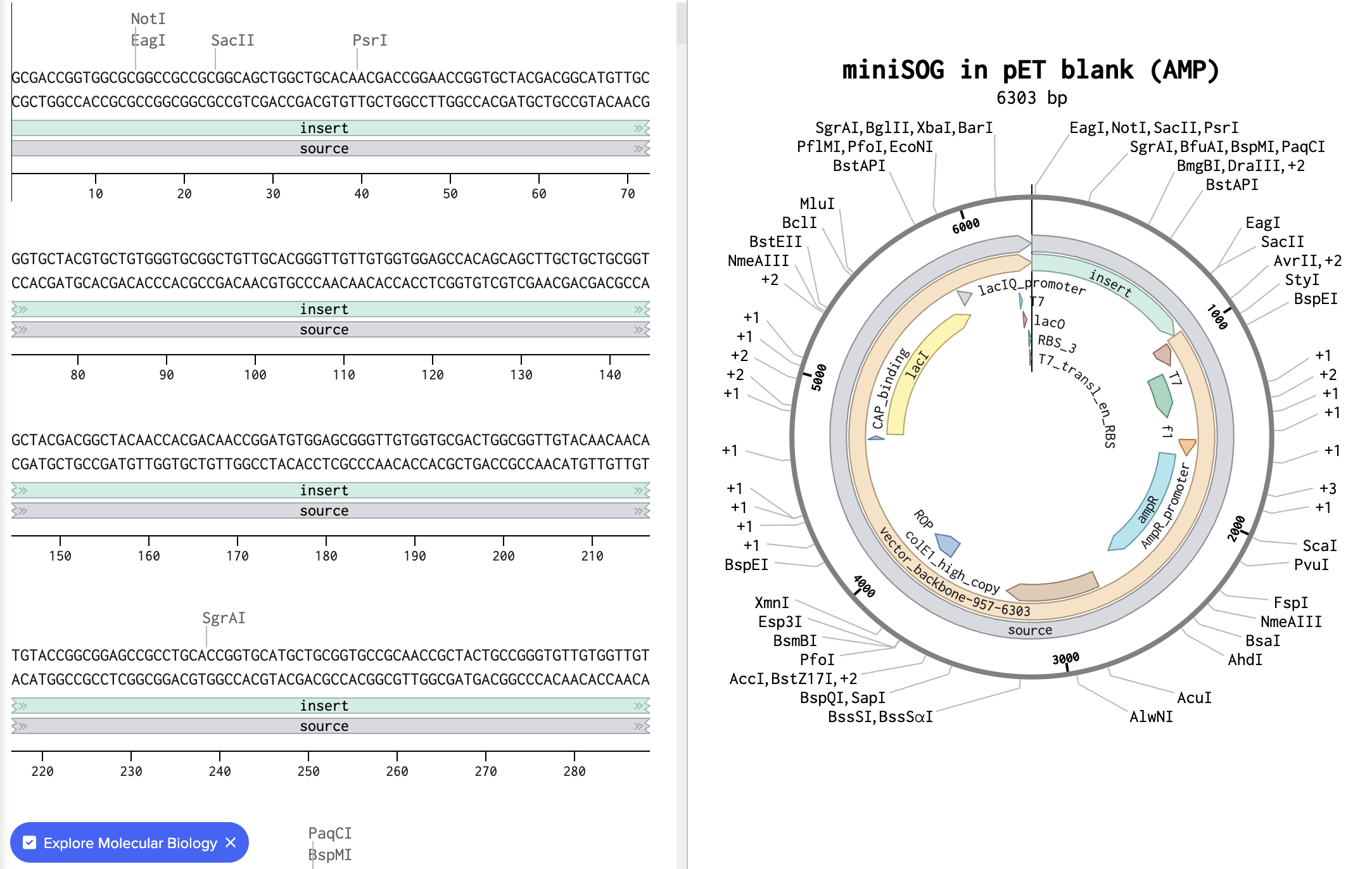
To produce the miniSOG protein, the DNA sequence encoding miniSOG is inserted into a plasmid expression vector containing a promoter, ribosome binding site, and terminator. The plasmid is introduced into E. coli through transformation. Inside the bacteria, RNA polymerase binds to the promoter and transcribes the miniSOG gene into messenger RNA (mRNA). Ribosomes then translate the mRNA codons into amino acids with the help of tRNAs, forming the 106-amino-acid miniSOG polypeptide. The protein folds into its functional structure and binds FMN, allowing it to function as a light-activated singlet oxygen generator.
4. Twist and Benchling
I imported the GenBank file from Twist Bioscience into Benchling and below is the resulted visualization:
5.1. DNA Read
I would use nanopore sequencing (for example Oxford Nanopore sequencing) to sequence the DNA encoding miniSOG. This method can read very long DNA molecules, so it can sequence the entire plasmid containing the gene in a single read instead of reconstructing it from short fragments.
Nanopore sequencing is a third-generation sequencing technology because it reads single DNA molecules directly in real time without PCR amplification or synthesis reactions. Unlike second-generation methods, it does not rely on fluorescence or imaging.
Input and sample preparation: purified plasmid DNA isolated from E. coli.
Preparation steps: Extract plasmid DNA from the bacteria > Linearize or lightly fragment the plasmid > Ligate sequencing adapters and a motor protein to the DNA ends > Load the DNA library onto the nanopore flow cell
Essential sequencing steps and base calling. The flow cell contains a membrane with tiny protein nanopores. An electrical voltage is applied across the membrane, causing ions to flow through each pore and creating a measurable current.
A motor protein feeds a single DNA strand through the nanopore > As bases pass through the pore, they partially block ion flow > Each base (A, T, C, G) produces a characteristic change in electrical current > The instrument records this current trace > Software analyzes the signal and converts the current pattern into nucleotide identities.
The output is long sequencing reads that contains the nucleotide sequence and a Q score for each base
Week 3 HW: Lab Automation
Week 4 HW: Protein Design Part 1
Objective: Learn basic concepts of amino acid structure, 3D protein visualization, variety of ML-based design tools
Part A. Conceptual Questions
How many molecules of amino acids do you take with a piece of 500 grams of meat? (on average an amino acid is ~100 Daltons)
There’s 20% of protein so there’s 100g of protein in 500g of meat. Knowing on average amino acid is 100 daltons (g/mol) so 100g divided by 100g/mol comes out to 1 mole of amino acids. 1 mole has about 6 x 10^23 molecules of AA (total in 500g of meat).
Why do humans eat beef but do not become a cow, eat fish but do not become fish?
Our body digests the proteins into amino acids and the process becomes molecular building blocks that are reassembled through our genetic instructions. Diet supplies us with energy and does not affect our DNA sequence.
Why are there only 20 natural amino acids?
This core batch was stabilized early on through evolution that was determined for adequate chemical diversity. They span a variety of characteristics such as flexibility, reactivity, acidity that is most optimized for use.
Can you make other non-natural amino acids? Design some new amino acids.
Yes, you can make other non-natural AA. Examples such as photoreactivity, flurescence, and other sensing characteristics that allows for a potential applications for biosensors or electronic materials.
Where did amino acids come from before enzymes that make them, and before life started?
Amino acids were likely formed by natural chemical processes in earth. The Miller-Urey experiment in 1953 tested that idea whether building blocks of life formed naturally on early Earth without biology. Miller used water vapor, methane, ammonia, and hydrogen in a closed system and used electrical sparks to simulate lightning. The resulted solution were amino acids which successfully proved that they could be formed from gases and environmental energy.
If you make an α-helix using D-amino acids, what handedness (right or left) would you expect?
This would form a left-handed helix since most are using L-amino acids
Why are most molecular helices right-handed?
Most molecular helices are right-handed since L-amino acids (determined early in evolution) because they are considered the lowest-energy repeating structure available. The stereochemsitry of L-amino acides restricts backbone bond angles that makes right-handed helices more sterically favorable structure.
Why do β-sheets tend to aggregate?
They tend to aggregate due to their “sticky” structure and tend to seek hydrogen bonding neighbors.
Part B: Protein Analysis and Visualization
1. Briefly describe the protein you selected and why you selected it.
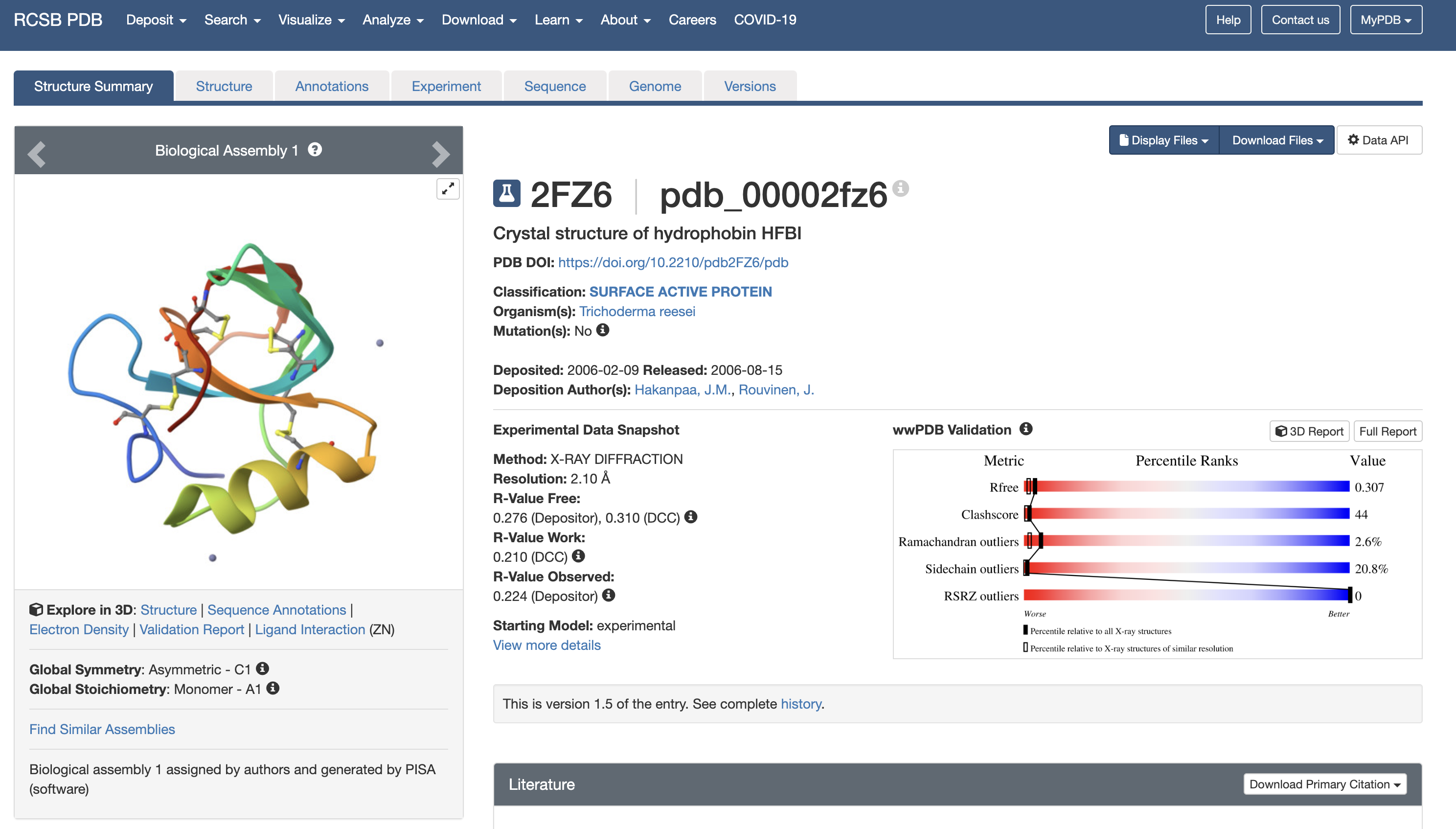
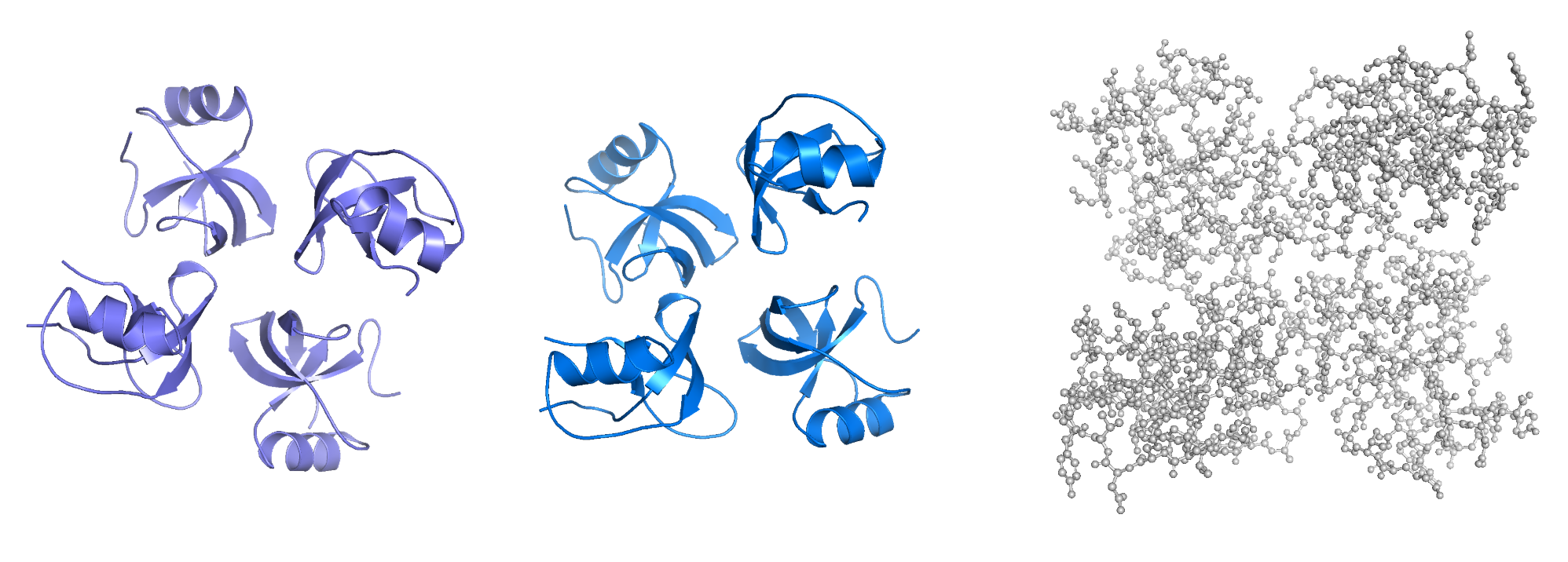
I chose Hydrophobin HFBI (Protein Data Bank ID 2FZ6) protein that is from a filamentous fungus, Trichoderma reesei. Unlike Class I hydrophobins that are insoluable once formed (like a permanent coating) whereas HFBI belongs to class II that is more dynamic and can dissemble. This protein is interesting from a design standpoint since there is potential to interpret is as a tunable surface as they are known to be highly surface-active to adapt surface tension between air-water which is important for fungal growth and spore disperal.
2. Identify the amino acid sequence of your protein. How long is it? What is the most frequent amino acid? How many protein sequence homologs are there for your protein? Hint: Use Uniprot’s BLAST tool to search for homologs. Does your protein belong to any protein family?
This protein belongs to the Hydrophobin family and has a 76 AA long sequence:
2FZ6_1|Chains A, B, C, D|Hydrophobin-1|Hypocrea jecorina (51453)
The most frequence AA is C (Cysteine) and V (Valine) that has 8 residue count each.
3. Identify the structure page of your protein in RCSB. When was the structure solved? Is it a good quality structure? Good quality structure is the one with good resolution. Smaller the better (Resolution: 2.70 Å). Are there any other molecules in the solved structure apart from protein? Does your protein belong to any structure classification family?
This is the crystal structure of hydrophobin HFBI that was solved in 2006. With a resolution of 2.10 Å, this is a good quality structure. Zinc ion (Zn) is listed as a non-protein molecule which indicates they help with crystal packing or stabilization. The RCSB classifies 2FZ6 as a “surface active protein” in Class II of hydrophobins.
4. Open the structure of your protein in any 3D molecule visualization software:
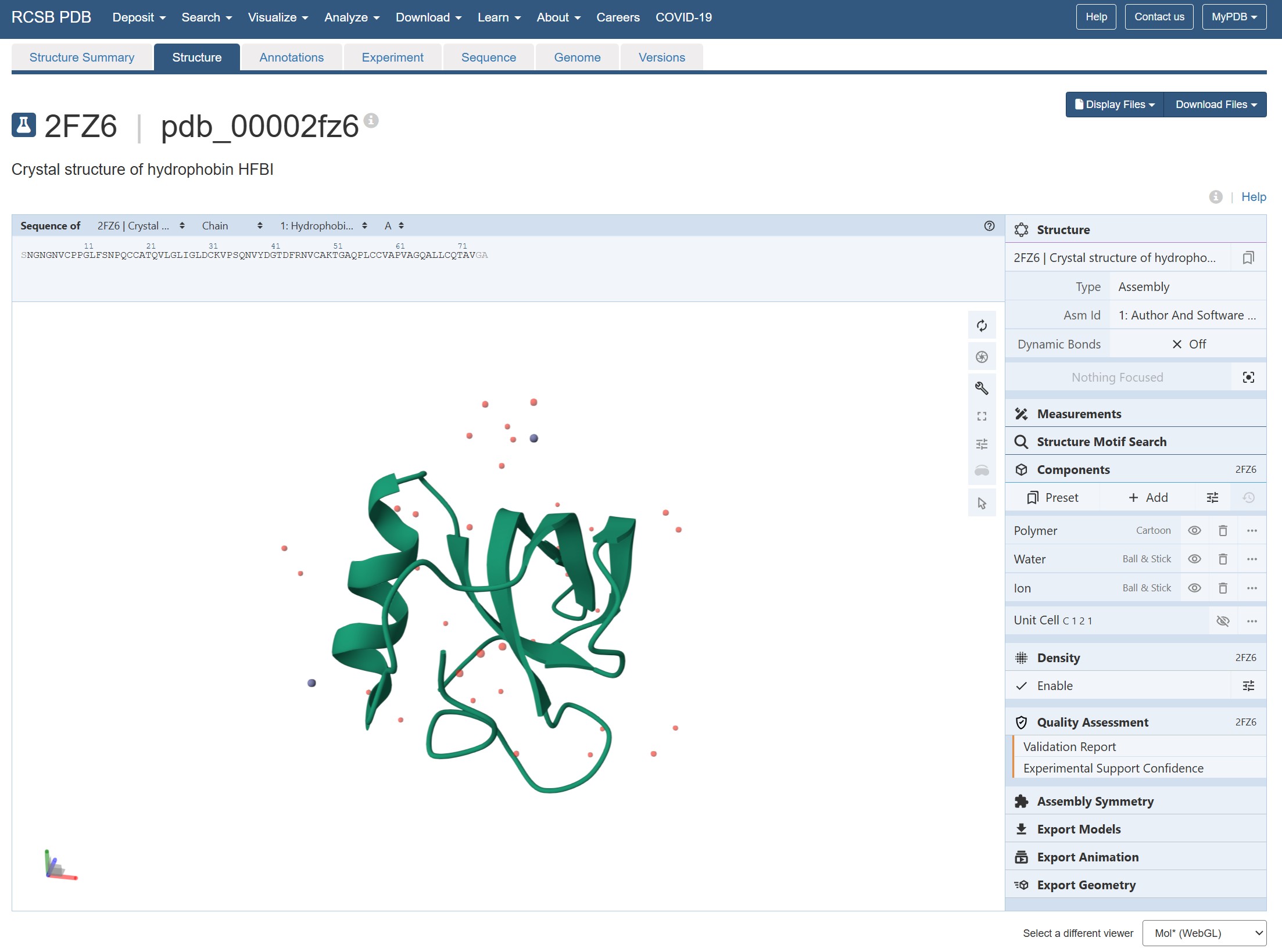
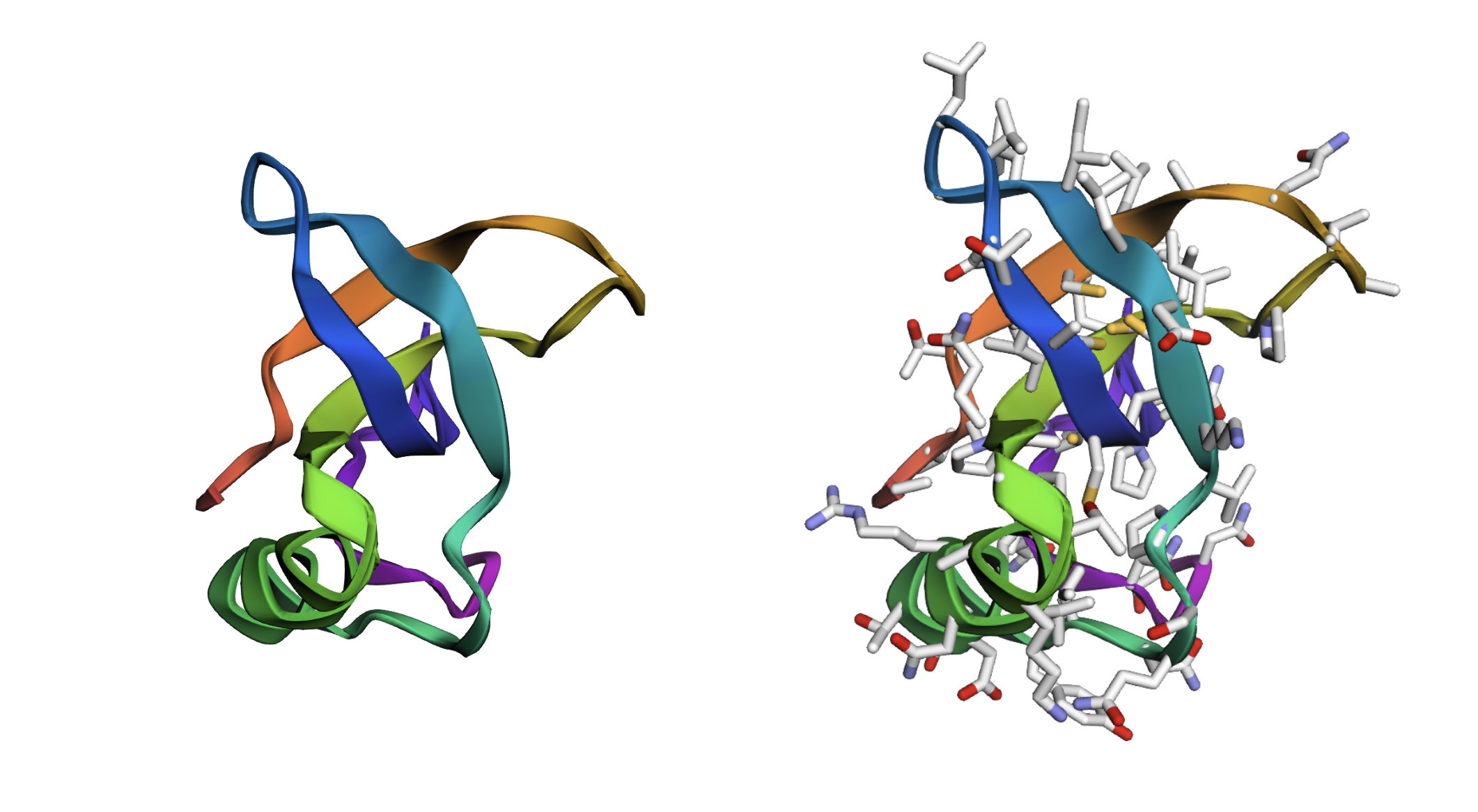
Visualize the protein as “cartoon”, “ribbon” and “ball and stick”.
Color the protein by secondary structure. Does it have more helices or sheets?
Color the protein by residue type. What can you tell about the distribution of hydrophobic vs hydrophilic residues?
Visualize the surface of the protein. Does it have any “holes” (aka binding pockets)?
It has more sheets and clear amphiphilic distinction with hydrophobic patch on one side. There’s no binding pockets apparent.
PyMOL wip - cartoon, ribbon, ball and stick
Part C. Using ML-Based Protein Design Tools
C1. Protein Language ModelingDeep Mutational Scans
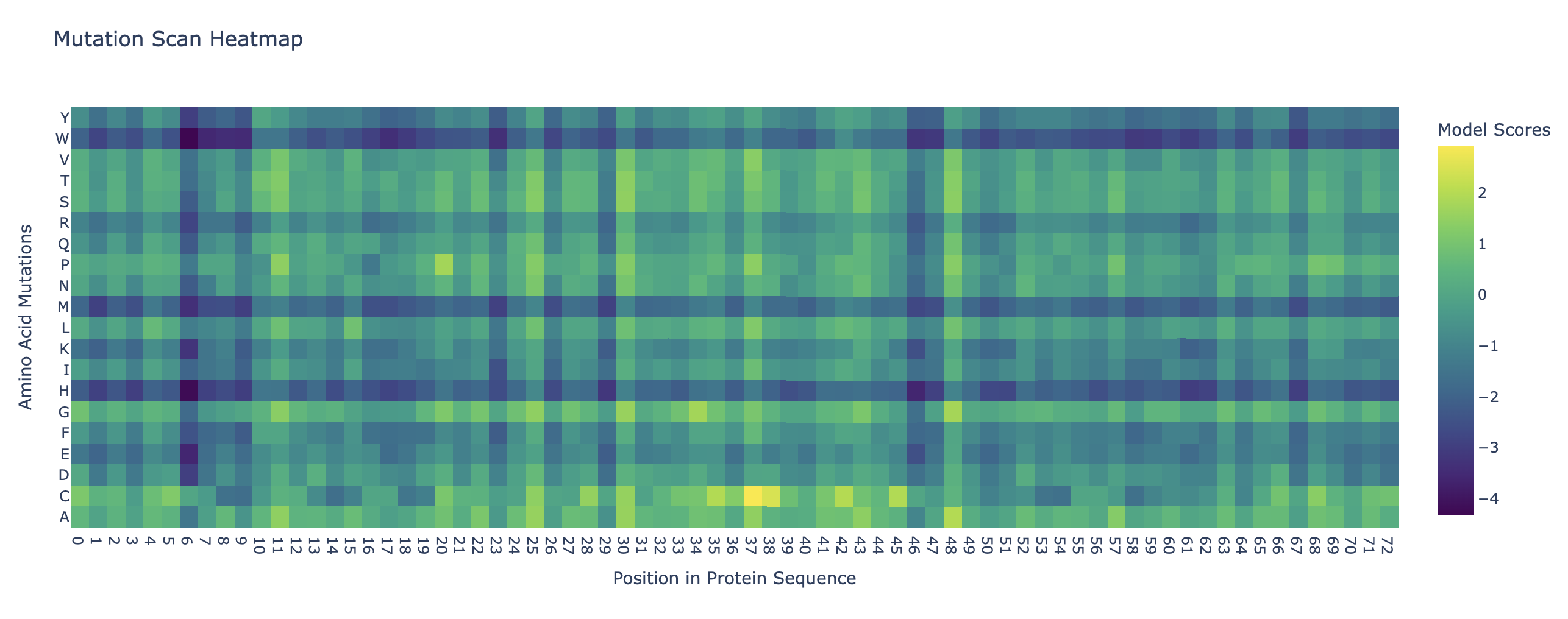
Use ESM2 to generate an unsupervised deep mutational scan of your protein based on language model likelihoods.
Can you explain any particular pattern? (choose a residue and a mutation that stands out)
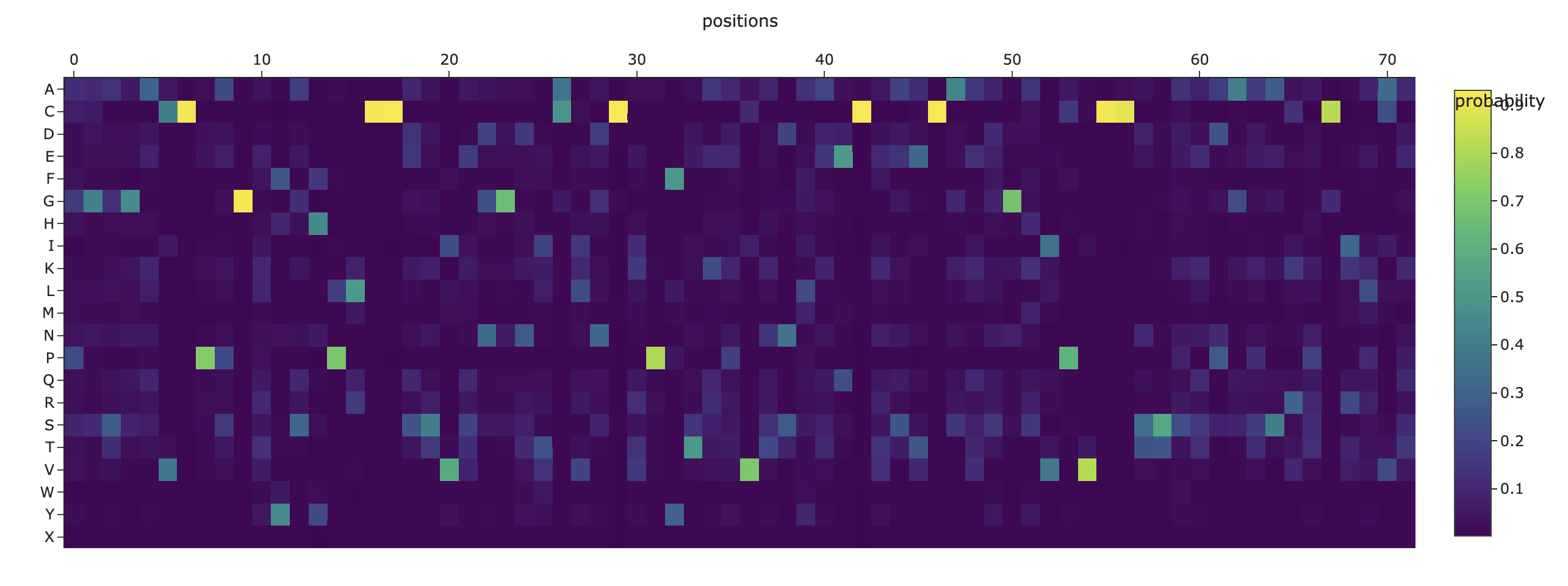
The heat map demonstrates a pattern at position 6 in the protein sequence that has a negative mutation score. It is for V (Valine) which is a nonpolar, hydrophobic AA. The substutution is rarely observed in the evolution since protein like HFBI depends on specific hydrophoc interactions and if there’s a change then it will distrupt the function in the patch.
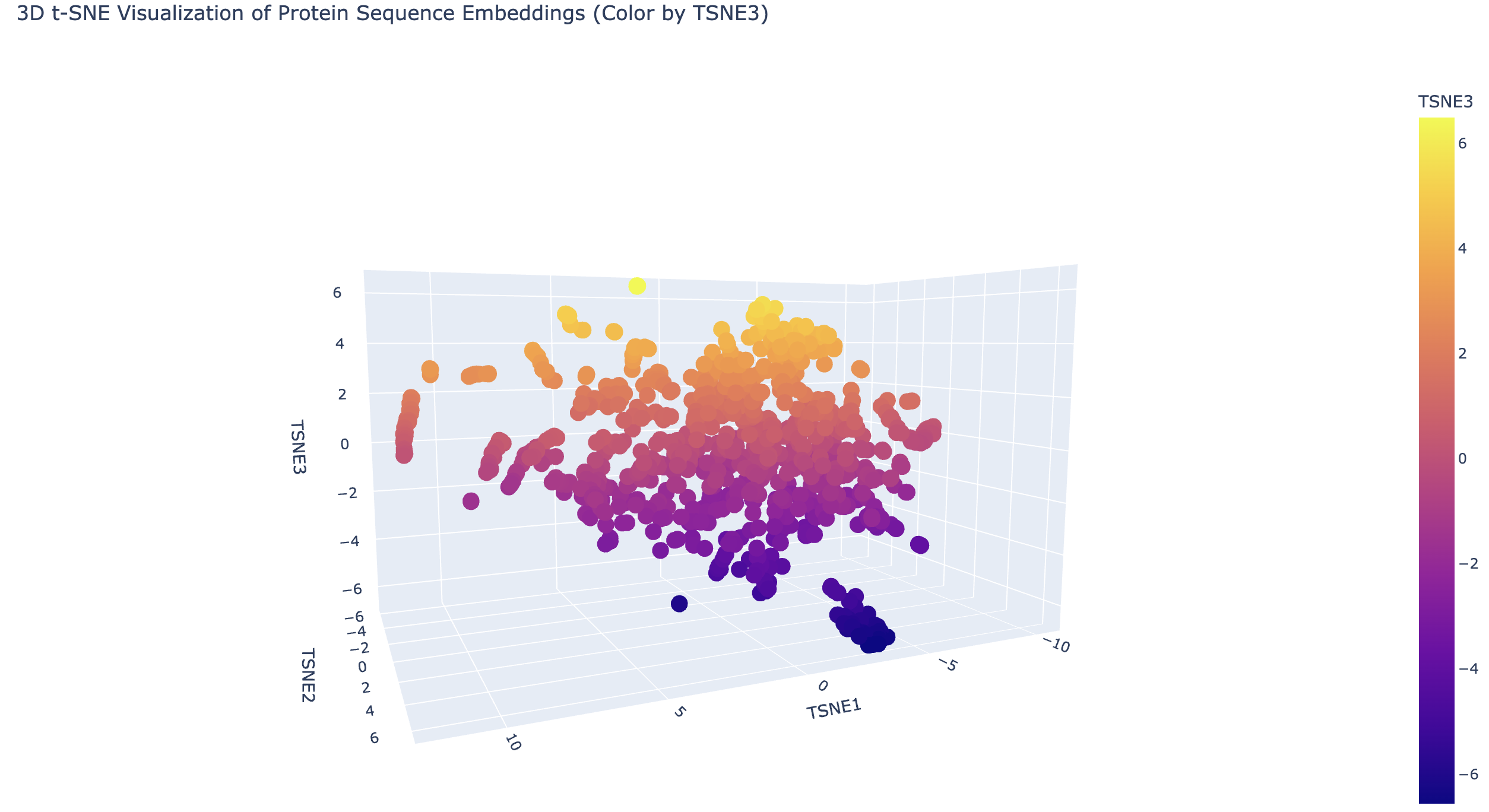
Latent Space Analysis
Use the provided sequence dataset to embed proteins in reduced dimensionality.
Analyze the different formed neighborhoods: do they approximate similar proteins?
Place your protein in the resulting map and explain its position and similarity to its neighbors.
C2. Folding a protein. Fold your protein with ESMFold. Do the predicted coordinates match your original structure?
Try changing the sequence, first try some mutations, then large segments. Is your protein structure resilient to mutations?
C3. Inverse-Folding a protein: Let’s now use the backbone of your chosen PDB to propose sequence candidates via ProteinMPNN
Analyze the predicted sequence probabilities and compare the predicted sequence vs the original one.
Input this sequence into ESMFold and compare the predicted structure to your original.
Inverse fold:
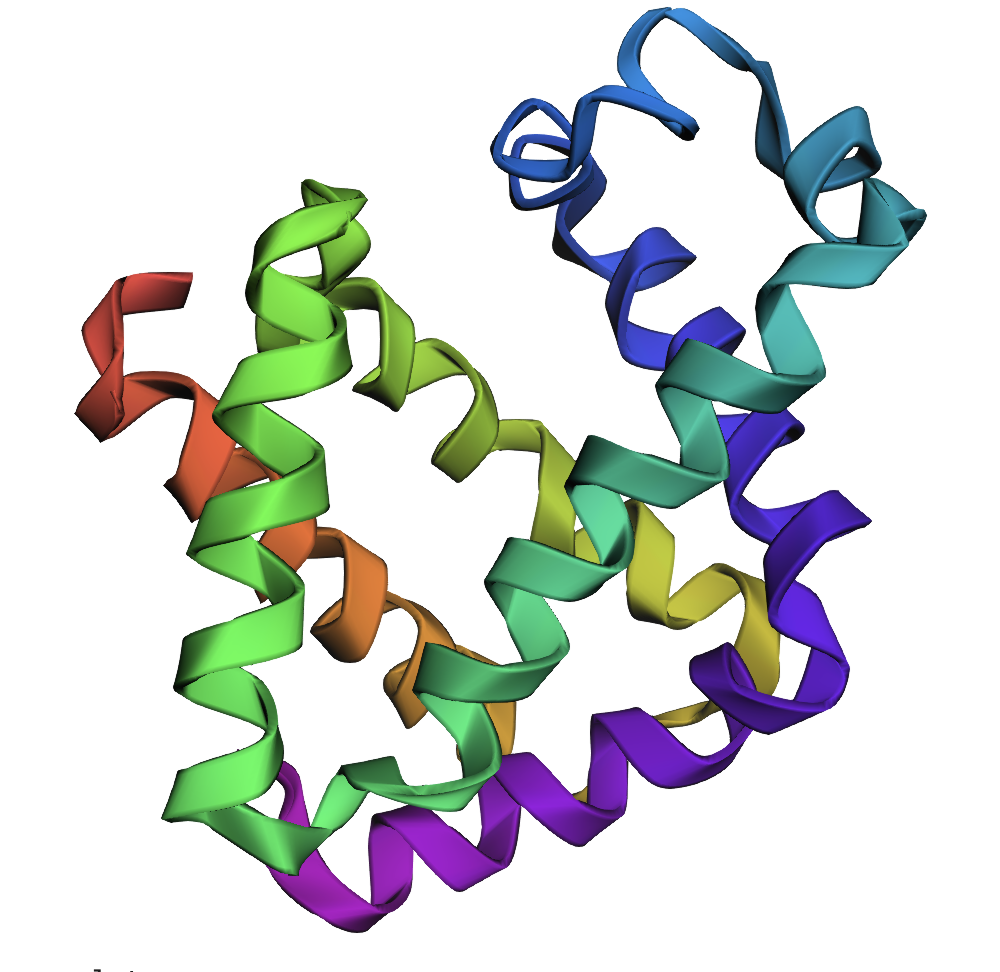
New sequence: ALTPEEAALLRAAWAPVAADREANGRAFMLRLFAEYPELREYFPEFKGKSLEEIAASPKLAAFSTAVFDGLERLVATADDAAAMATLLADLAKAHVAKGIGAEHVEKIRAIHPAFVASVAPPPPGADAAWDRLFGLVIAALKAAGA
EMS fold:
Week 5 HW: Protein Design Part II
Part A. SOD1 Binder Peptide Design
Part 1: Generate Binders with PepMLM
The goal of this exercise is to take a
Human SOD1 sequence from UniProt (P00441)
Part 1: Intracellular Artificial Neural Networks (IANNs)
What advantages do IANNs have over traditional genetic circuits, whose input/output behaviors are Boolean functions?
IANNs have an advantage over traditional genetic circuits because they can handle inputs in a more continuous way instead of just on/off logic. Regular genetic circuits are basically Boolean, so they struggle with noisy or overlapping signals. IANNs can take in multiple inputs, weigh them differently, and produce a more gradual response, which is closer to how biological systems actually behave.
Describe a useful application for an IANN; include a detailed description of input/output behavior, as well as any limitations an IANN might face to achieve your goal
One application could be a living environmental sensor that detects pollution levels. For example, it could take in inputs like pH, temperature, and the presence of certain toxins, and then output a level of fluorescence based on how severe the conditions are, instead of just turning on or off. This would make it more useful for real-world monitoring where conditions aren’t binary. That said, there are still limitations. Cells are noisy systems, so the outputs might not always be consistent. There’s also the issue of metabolic burden and slower response times, and it’s still difficult to precisely tune or “train” these networks inside living cells.
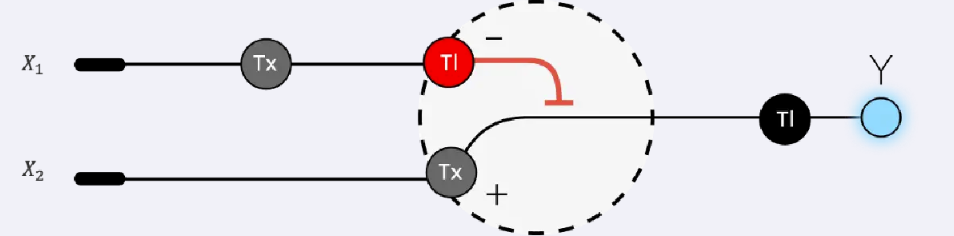
Below is a diagram depicting an intracellular single-layer perceptron where the X1 input is DNA encoding for the Csy4 endoribonuclease and the X2 input is DNA encoding for a fluorescent protein output whose mRNA is regulated by Csy4. Tx: transcription; Tl: translation
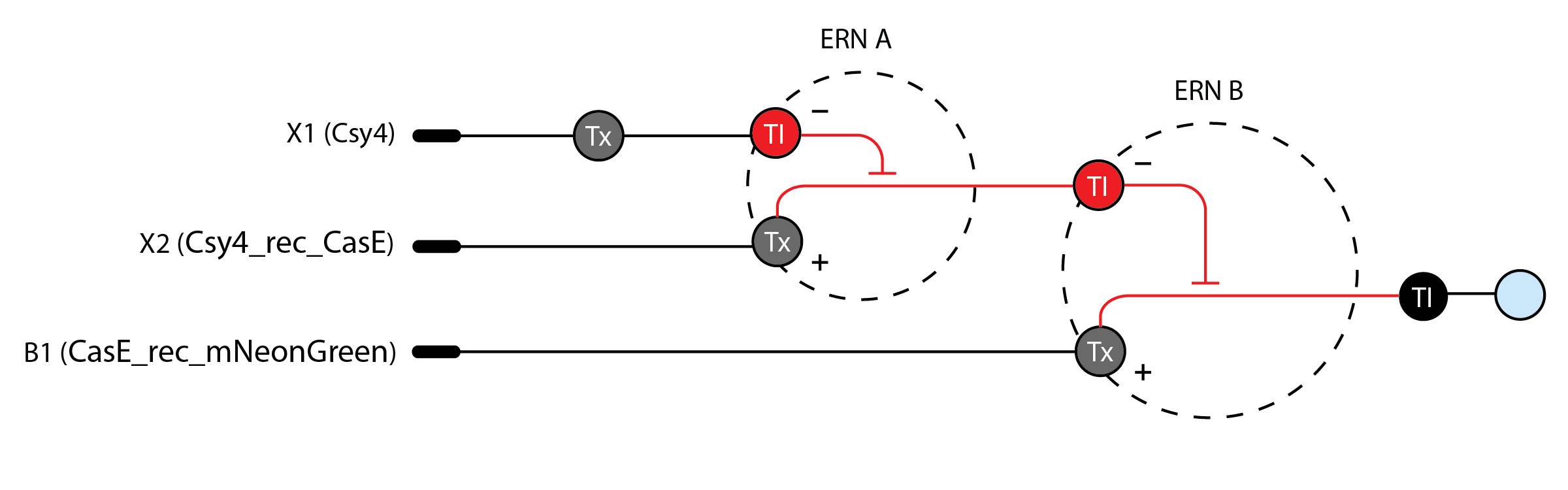
Draw a diagram for an intracellular multilayer perceptron where layer 1 outputs an endoribonuclease that regulates a fluorescent protein output in layer 2
Part 2: Fungal Materials
What are some examples of existing fungal materials and what are they used for? What are their advantages and disadvantages over traditional counterparts?
Fungal materials, especially those made from filamentous fungi, are starting to be used as sustainable alternatives in areas like construction, textiles, packaging, and insulation. These materials come from mycelium, which is a network of hyphae that grows through organic matter and binds it together into a solid structure. The properties of these materials are largely influenced by what makes up the fungal cell wall… mainly chitin, which adds rigidity, and β-glucans, which provide flexibility.
Compared to traditional materials like plastics or leather, fungal materials are biodegradable, require less energy to produce, and can be grown using agricultural waste. Another advantage is that their properties can be adjusted by changing the fungal species, the substrate, or how they are grown and processed. That said, they still have some limitations, like lower strength, sensitivity to moisture, and inconsistency due to natural biological variation. Different species also behave quite differently, meaning material performance can vary a lot depending on what fungus is used. Overall, fungal materials show a lot of promise as sustainable alternatives, but they still need better control and development before they can fully compete with conventional materials.
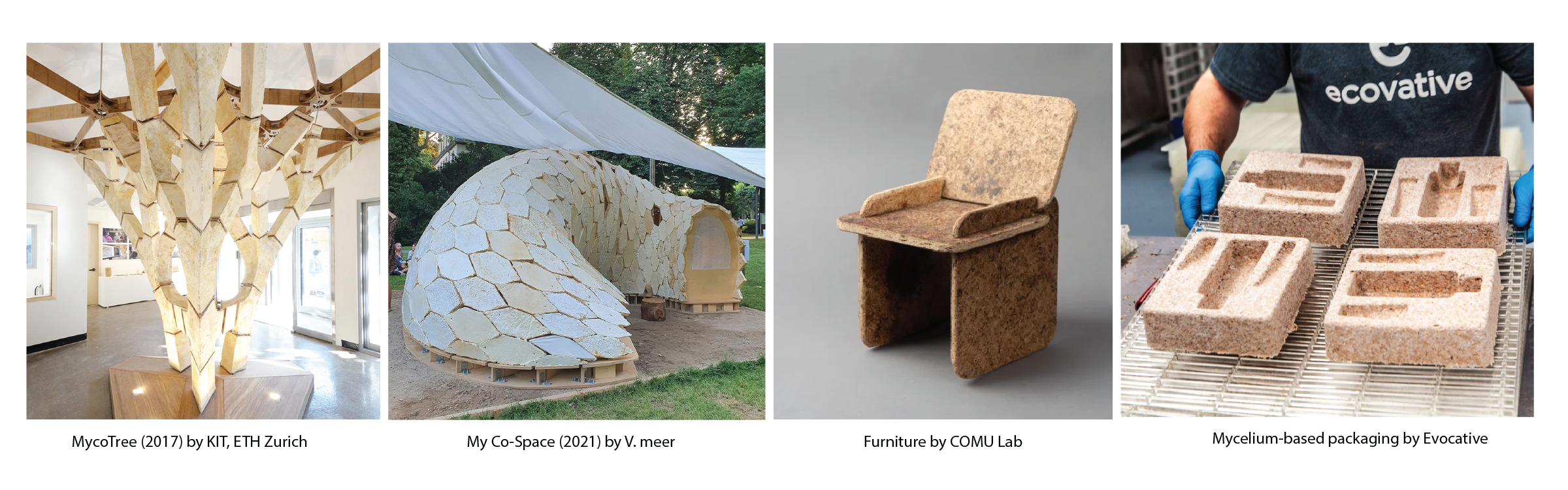
Examples of projects that incorporates mycelium:
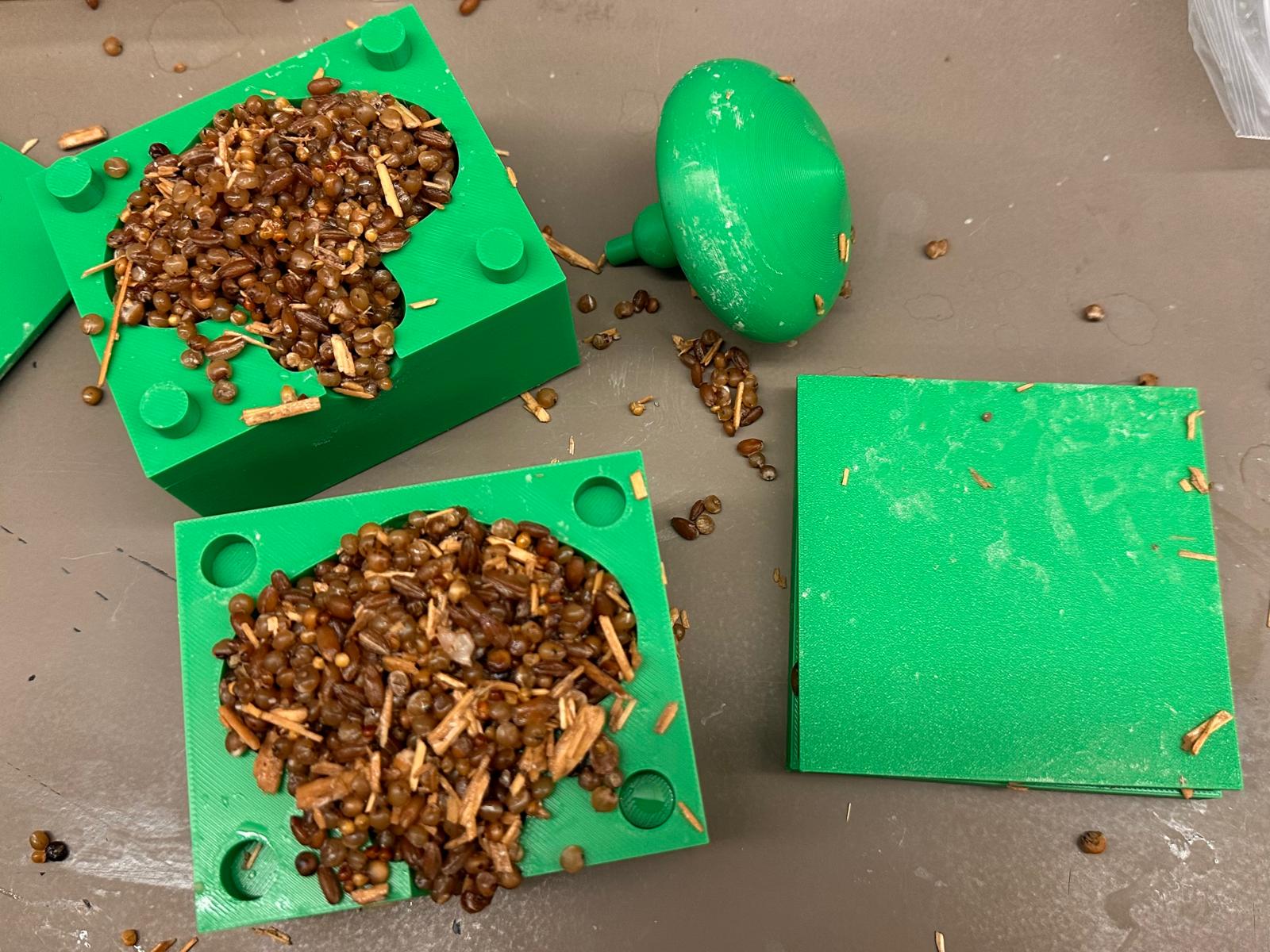
Lab last week: I 3D printed a negative mold of a small mushroom geometry to cast mycelium…
What might you want to genetically engineer fungi to do and why? What are the advantages of doing synthetic biology in fungi as opposed to bacteria?
One reason to genetically engineer fungi is to gain more control over how they grow and behave as materials. For instance, they could be designed to respond to environmental conditions, such as changing stiffness, color, or triggering self-repair when damaged. It would also be useful to control their growth patterns, since the way mycelium branches and densifies directly affects the strength and structure of the material. There is also potential to introduce functions like conductivity or sensing, allowing fungal systems to act as responsive or interactive materials rather than purely passive ones. Overall, genetic engineering would make fungal materials more consistent and tunable instead of relying on natural variability.
Compared to bacteria, fungi are better suited for material applications because they naturally form filamentous networks that grow into three-dimensional structures. They can bind substrates and create solid composites as they grow, which aligns more directly with fabrication. Their cell walls also provide more mechanical strength, making them more useful for structural uses. While bacteria are faster and easier to engineer, they are typically limited to producing molecules in liquid systems. Fungi, on the other hand, are more relevant when the goal is to grow materials with form and function at larger scales.
Final Project Proposal
Fabric-Based Cell-Free Biosensors for Heavy Metal Detection
This project develops a distributed sensing system that integrates textiles, capillary-driven microfluidics, and cell-free synthetic biology to detect environmental toxins in wetland-adjacent conditions. Embroidered fabric pathways guide fluid transport through capillary action, while hydrogel inclusions regulate flow, timing, and exposure, enabling passive operation without external pumping or electronics.
Localized sensing regions contain cell-free gene expression systems with DNA constructs responsive to heavy metals. Lead (Pb²⁺) detection is mediated by the PbrR regulatory protein, which activates transcription in the presence of lead ions. Upon activation, the system expresses a chromoprotein reporter, producing a visible color change directly within the textile.
By combining fluid transport, material structure, and biochemical response, the fabric functions as a distributed sensing network that translates invisible contamination into persistent visual patterns. Designed for intermittent exposure such as stormwater runoff and wetland edges, this approach enables deployable, low-cost environmental monitoring through responsive textiles and landscape-integrated installations.
AIM 1:
Design and implement a cell-free, lead-responsive genetic circuit embedded within a textile-based microfluidic system to produce a visible chromoprotein signal upon exposure to Pb²⁺.
This aim focuses on integrating a PbrR-regulated promoter system with a chromoprotein reporter in a cell-free format, enabling localized, on-site detection of heavy metal contamination without the use of living cells.
Week 9: Cell-Free Systems
Part 1
Explain the main advantages of cell-free protein synthesis over traditional in vivo methods, specifically in terms of flexibility and control over experimental variables. Name at least two cases where cell free expression is more beneficial than cell production.
Describe the main components of a cell-free expression system and explain the role of each component.
Why is energy provision regeneration critical in cell-free systems? Describe a method you could use to ensure continuous ATP supply in your cell-free experiment.
Compare prokaryotic versus eukaryotic cell-free expression systems. Choose a protein to produce in each system and explain why.
How would you design a cell-free experiment to optimize the expression of a membrane protein? Discuss the challenges and how you would address them in your setup.
Imagine you observe a low yield of your target protein in a cell-free system. Describe three possible reasons for this and suggest a troubleshooting strategy for each.
Part 2: Questions from Kate
Design example of useful synthetic minimal cell.
Pick a function.
Design all components that would need to be part of your synthetic cell.
Experimental details
Example solution given below, based on: Lentini, R. et al., 2014. Nat comm, 5, p.4012.
1. Pick a functionWhat would your synthetic cell do? What is the input and what is the output. Expand the sensing capacity of bacteria. Input: theophylline (inert to bacteria). Output of the SMC: IPTG. Output of the whole system: GFP produced in bacteria.
Theophyline Aptamer reference: Martini, L. & Mansy, S.S., 2011. Cell-like systems with riboswitch controlled gene expression. Chemical Communications, 47(38), p.10734.
Could this function be realized by cell free Tx/Tl alone, without encapsulation?
No. If the IPTG was not encapsulated, it would go into the bacteria without the need of theophylline-induced membrane channel synthesis, thus the synthetic cell actuator would not exist.
Could this function be realized by genetically modified natural cell? Yes, in this particular case: theophylline aptamer could be incorporated into a transformed gene. This lacks generality though – it is easier to make SMC than modify bacteria, so in this system a single bacteria reporter can be used to detect various small molecules.
Describe the desired outcome of your synthetic cell operation. In the presence of SMC, bacteria sense theophylline.
2. Design all components that would need to be part of your synthetic cell.
2A What would be the membrane made of?
Phospholipids + cholesterol.
2B What would you encapsulate inside? Enzymes, small molecules.
Cell free Tx/Tl system, IPTG, gene for membrane transporter under the control of theophylline aptamer.
2C Which organism your tx/tl system will come from? is bacterial OK, or do you need a mammalian system for some reason? (hint: for example, if you want to use small molecule modulated promotors, like Tet-ON, you need mammalian).
Bacterial, because of the theophylline riboswitch used as SMC input.
2D How will your synthetic cell communicate with the environment? (hints: are substrates permeable? or do you need to express the membrane channel?)
The membrane is permeable to the input molecule (theophylline), the output is IPTG that will cross the membrane via the membrane pore created after theophyline-initiated gene expression.
3. Experimental details
3A List all lipids and genes (bonus: find the specific genes; for example, instead of just saying “small molecule membrane channel” pick actual gene)
Lipids: POPC, cholesterol
Enzymes: bacterial cell free tx/tl
Genes: a-hemolysin (aHL) to encapsulate in SMC,
Biological cells: E.coli transformed with GFP under T7 promoter and a lac operator
3B How will you measure the function of your system?
Measure GFP output of the cells, via flow cytometry. Alternatively, use enzymatic reporter, like luciferase, and measure bulk output of the enzyme.
Artificial cells translate chemical signals for E. coli.
(a) In the absence of artificial cells (circles), E. coli (oblong) cannot sense theophylline.
(b) Artificial cells can be engineered to detect theophylline and in response release IPTG, a chemical signal that induces a response in E. coli.
Part 3: Questions from Peter
Freeze-dried cell free systems can be incorporated into all kinds of materials as biological sensors or as inducible enzymes to modify the material itself or the surrounding environment. Choose one application field - Architecture, Textiles/Fashion, or Robotics, and propose an application using cell-free systems that are functionally integrated into the material. Answer each of these key questions for your proposal pitch:
Write a one-sentence summary pitch sentence describing your concept.
How will the idea work, in more detail? Write 3-4 sentences or more.
What societal challenge or market need will this address?
How do you envision addressing the limitation of cell-free reactions (e.g., activation with water, stability, one-time use)?
Part 4: Questions from Ally
Freeze-dried cell-free reactions have great potential in space, where resources are constrained. As described in my talk, the Genes in Space competition challenges students to consider how biotechnology, including cell-free reactions, can be used to solve biological problems encountered in space. While the competition is limited to only high school students, your assignment will be to develop your own mock Genes in Space proposal to practice thinking about biotech applications in space!
For this particular assignment, your proposal is required to incorporate the BioBits® cell-free protein expression system, but you may also use the other tools in the Genes in Space toolkit (the miniPCR® thermal cycler and the P51 Molecular Fluorescence Viewer). For more inspiration, check out https://www.genesinspace.org/
Provide background information that describes the space biology question or challenge you propose to address. Explain why this topic is significant for humanity, relevant for space exploration, and scientifically interesting. (Maximum 100 words)
Name the molecular or genetic target that you propose to study. Examples of molecular targets include individual genes and proteins, DNA and RNA sequences, or broader -omics approaches. (Maximum 30 words)
Describe how your molecular or genetic target relates to the space biology question or challenge your proposal addresses. (Maximum 100 words)
Clearly state your hypothesis or research goal and explain the reasoning behind it (Maximum 150 words)
Outline your experimental plan - identify the sample(s) you will test in your experiment, including any necessary controls, the type of data or measurements that will be collected, etc. (Maximum 100 words)