BEYZA CENNET BATIR — HTGAA Spring 2026

cover image cover image

Merhaba!

My name is Beyza, I am from Izmir, Turkey. I work as a Research Assistant at the Faculty of Fine Arts and Design at Izmir University of Economics, and I am also a Teaching Assistant for “Design Studio III, Design Studio IV, and Architectural Intelligence: Architectural Artificial Intelligence” courses.

I am a PhD candidate in the Design Studies program, and my research generally focuses on “epistemic collaboration and semantics established with artificial intelligence in design”. I completed my master’s thesis on “The use of fractal forms in the process of creating a new reality” at the Dokuz Eylül University Institute of Fine Arts.

I believe that nature is the universal language of design, and I have a special interest in self-repeating natural forms to understand this model. I often think about the evolution of creativity across different environments and disciplines. As a designer, I am excited by the possibility of creative expression being a common meeting point for every discipline and the nurturing environment that arises from this collaboration, and I am very happy to be here. Let’s stay connected! 👾

HTGAA26 Node

As of February 12, I will continue attending classes as a Committed Listener alongside Designer Cells Lab! You can access their projects via their websites.

👾 👾 👾 👾 👾
DESIGNER CELLS
SCORE00000
HI-SCORE99999
LEVEL01

I got support from Claude while coding this :)

Contact

Homework

Labs

Projects

Subsections of BEYZA CENNET BATIR — HTGAA Spring 2026

Homework

Weekly homework submissions:

Subsections of Homework

Week 1 HW: Principles and Practices

Here you will see a proposal in which I attempt to overstep my bounds in the field of microbiology with my identity as an artist and designer. If any of my statements are incorrect, incomplete, or biased, I would like to point out that this is due to my inexperience in the field, and I would gladly accept your support in correcting them.

cover image cover image

Q1. Describe a biological engineering application or tool you want to develop and why. This could be inspired by an idea for your HTGAA class project and/or something for which you are already doing in your research, or something you are just curious about.

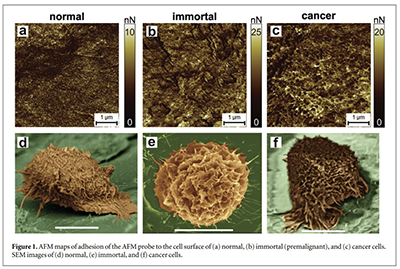
After my master’s thesis research on pattern recognition and fractal thinking in art and design, I wanted to explore the potential application of these methods to biological anomalies. Following my mother’s diagnosis, I found papers exploring these possibilities. One of those studies proposed the use of fractal geometry to identify cellular anomalies associated with cancer (Dokukin et al., 2015). I would like to develop a tool in this area.

cover image cover image

AFM-based fractal analysis for an early-stage cancer cell screening system which is a diagnostic tool that distinguishes normal, premalignant, and malignant cells by measuring changes in multi-fractality on the cell surface.

Q2. Describe one or more governance/policy goals related to ensuring that this application or tool contributes to an “ethical” future, like ensuring non-malfeasance (preventing harm). Break big goals down into two or more specific sub-goals.

Building on the personal and academic motivation described above, this proposed tool is an integrated software + data analysis system that quantifies the fractal properties of the cell surface at specific stages of cancer progression using AFM or similar high-resolution imaging methods. By relying on fractal indicators of anomalous (chaotic) surface behavior in early stages, it can generate signals prior to clinical disease progression, potentially providing new biomarkers for early clinical diagnosis. This offers quantitative biomonitoring capabilities beyond conventional histopathological assessment. In this section (regarding how the tool can be implemented technologically), I drew support from large language models (ChatGPT by OpenAI; Claude by Anthropic, 2026).

Q3. Describe at least three different potential governance “actions” by considering the four aspects below (Purpose, Design, Assumptions, Risks of Failure & “Success”). Try to outline a mix of actions (e.g. a new requirement/rule, incentive, or technical strategy) pursued by different “actors” (e.g. academic researchers, companies, federal regulators, law enforcement, etc). Draw upon your existing knowledge and a little additional digging, and feel free to use analogies to other domains (e.g. 3D printing, drones, financial systems, etc.).

  • Purpose:
  • Traditional medicine focuses on treating patients after they become ill rather than preventing disease. Morphological changes at the cellular and tissue levels are evaluated based on pathologists’ qualitative observations. This approach is largely dependent on human interpretation and cannot quantitatively capture micro-scale surface dynamics. The chance of early diagnosis is low. Here, however, there is a chance of early diagnosis.
  • Design:
  • An ethics committee composed of representatives from academia, industry, and the public sector. Due to the high cost of the method, democratization of access among different demographic groups in the future.
  • Assumptions: If the software is open source, it may be misinterpreted in non-clinical settings (Bennett et al., 2009).
  • Risks of Failure & “Success”:
  • Dokukin’s study was conducted only with cervical epithelial cells; validation in different cancer types and populations is required (Dokukin et al., 2015).
  • Fractal behavior has only been observed at a specific stage of development, and there is a deviation from this characteristic in more advanced stages.

Q4. Score (from 1-3 with, 1 as the best, or n/a) each of your governance actions against your rubric of policy goals. The following is one framework but feel free to make your own:

Does the option:Option 1Option 2Option 3
Enhance Biosecurity
• By preventing incidents122
• By helping respond212
Foster Lab Safety
• By preventing incident123
• By helping respond12-
Protect the environment
• By preventing incidents2--
• By helping respond2--
Other considerations
• Minimizing costs and burdens to stakeholders322
• Feasibility?212
• Not impede research312
• Promote constructive applications211

Q5. Drawing upon this scoring, describe which governance option, or combination of options, you would prioritize, and why. Outline any trade-offs you considered as well as assumptions and uncertainties. For this, you can choose one or more relevant audiences for your recommendation, which could range from the very local (e.g. to MIT leadership or Cambridge Mayoral Office) to the national (e.g. to President Biden or the head of a Federal Agency) to the international (e.g. to the United Nations Office of the Secretary-General, or the leadership of a multinational firm or industry consortia). These could also be one of the “actor” groups in your matrix.

Working with cancer patients requires that the legal process be conducted ethically. Patients must provide informed consent regarding whether their screening results will be used for research purposes, and their “right not to know” must be protected. Cell surface maps are biometric data and contain personal health information. Strong data protection protocols are required for the collection, storage, and sharing of this data. In particular, institutions such as insurance companies must be prevented from accessing this data without the patient’s consent, thereby protecting the scope of health insurance coverage or the patient’s right to work. Luigi Mangione, who was convicted in the UnitedHealthcare case, criticized the American healthcare system with a manifesto similar to that of “Unabomber” Ted Kaczynski (Kaczynski, 1995). This was a period when patients began to be excluded from health insurance coverage based on AI decisions (Mello et al., 2026).

Images

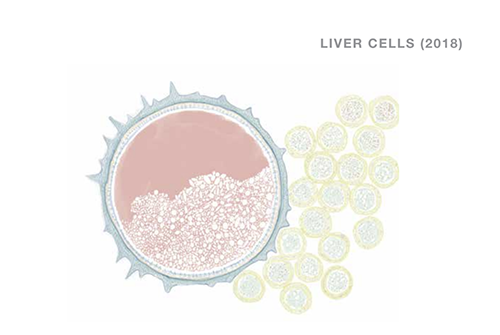
  • Image1. Liver Cells, Beyza Batır, 2018
  • Image2. AFM maps of adhesion of the AFM probe to the cell surface of (a) normal, (b) immortal (premalignant), and (c) cancer cells. SEM images of (d) normal, (e) immortal, and (f) cancer cells., in ‘Emergence of fractal geometry on the surface of human cervical epithelial cells during progression towards cancer’, Dokukin, M.E. et al., 2015

References

  • Bennett, G. et al. (2009) ‘From synthetic biology to biohacking: Are we prepared?’, Nature Biotechnology, 27(12), pp. 1109–1111. doi:10.1038/nbt1209-1109.
  • Dokukin, M.E. et al. (2015) ‘Emergence of fractal geometry on the surface of human cervical epithelial cells during progression towards cancer’, New Journal of Physics, 17(3), p. 033019. doi:10.1088/1367-2630/17/3/033019.
  • Kaczynski, T. (1995) ‘Industrial society and its future’ Available at: https://web.cs.ucdavis.edu/~rogaway/classes/188/materials/Industrial%20Society%20and%20Its%20Future.pdf (Accessed: 6 February 2026).
  • Mello, M.M. et al. (2026) ‘The Ai Arms Race in Health Insurance Utilization Review: Promises of efficiency and risks of supercharged flaws’, Health Affairs, 45(1), pp. 6–13. doi:10.1377/hlthaff.2025.00897.
  • Todorovic, V. (2020) ‘Reimagining life (forms) with generative and Bio Art’, AI & SOCIETY, 36(4), pp. 1323–1329. doi:10.1007/s00146-020-00937-9.

Week 2 HW: DNA Read, Write, & Edit

Part 1: Benchling & In-silico Gel Art

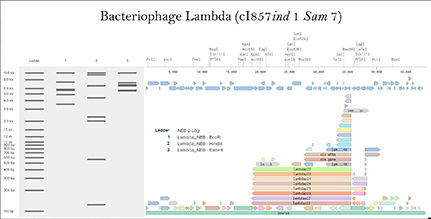
First, I checked how to find Lambda through the database. I rewatched the Bootcamp recording by Adrian Filips and week 2 files of HTGAA2025 as well as the HTGAA2026 Recitation recordings on Benchling Basics provided by Cholpisit (Ice) Kiattisewee, and reviewed all the notes and presentations.

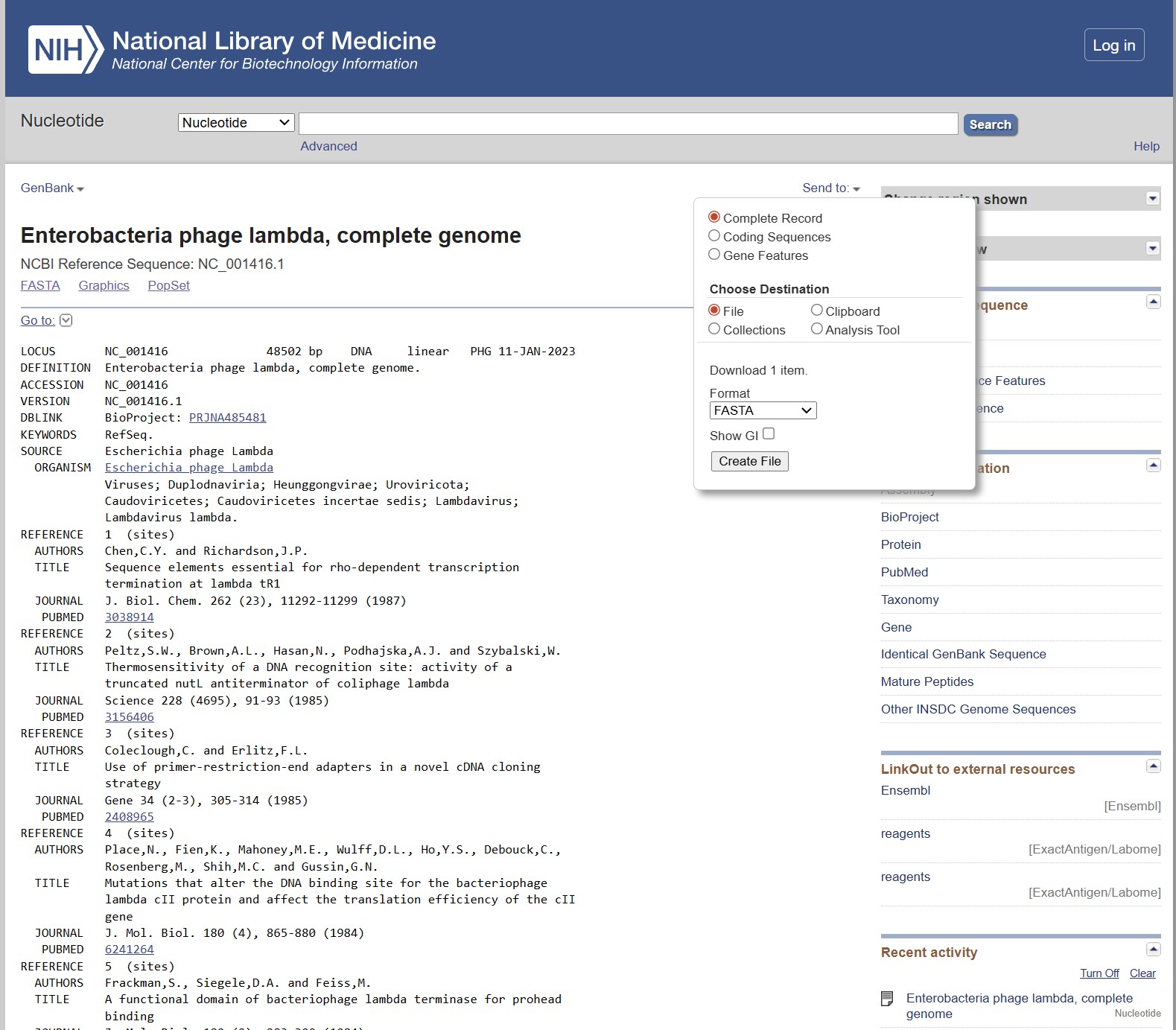
NHI LAmbda webpage NHI LAmbda webpage NHI LAmbda webpage

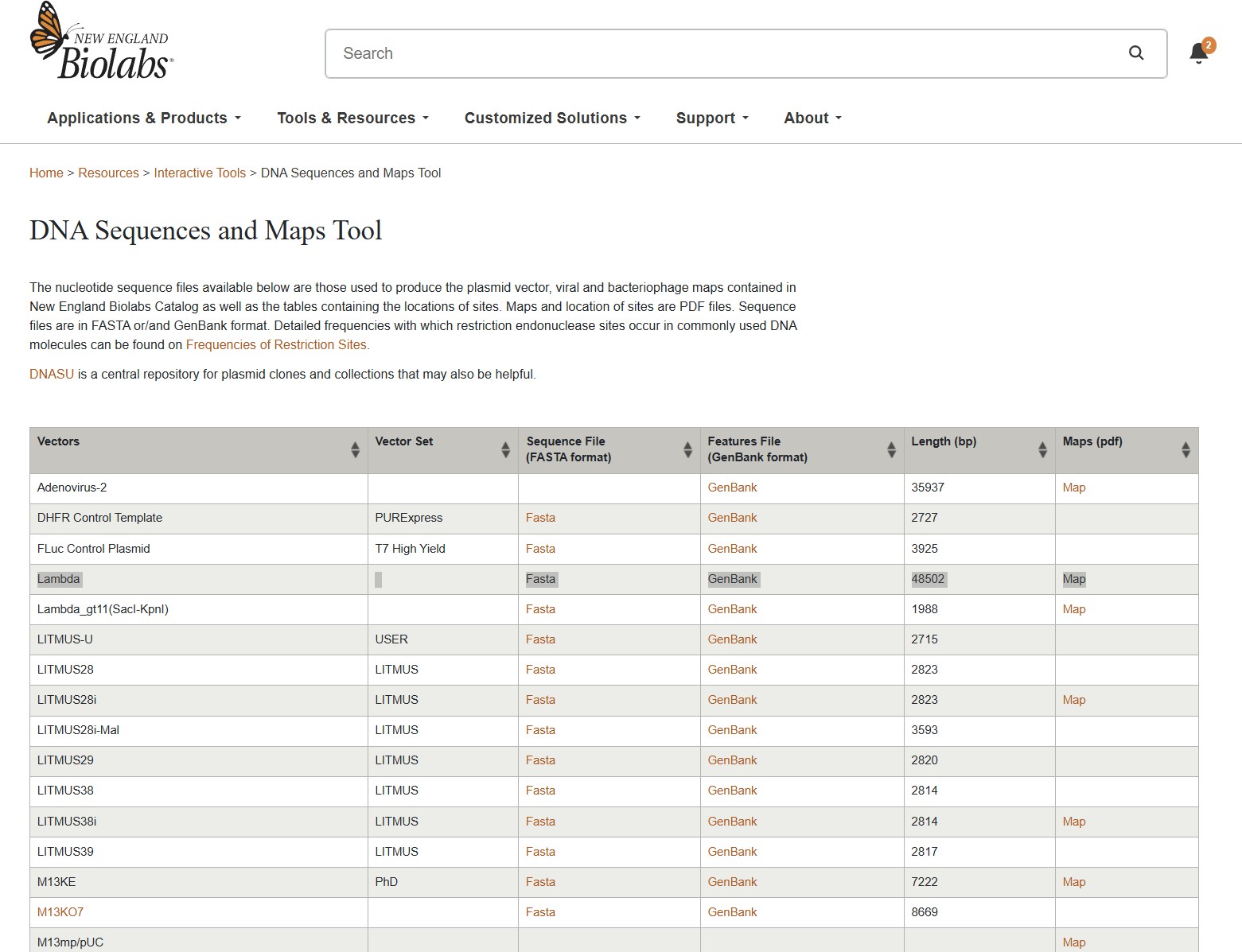
Biolabs Lambda webpage Biolabs Lambda webpage Biolabs Lambda webpage

After checking the NIH website and found “Nucleotide” search; downloaded “Lambda (NP_040580.1)” on it, I turned back to the given Lambda page on Biolabs database, and copied to the notepad the proper FASTA data. Because the one that I downloaded from NIH got different bp lengths (Standard is 48,502 bp).

cover image cover image cover image cover image

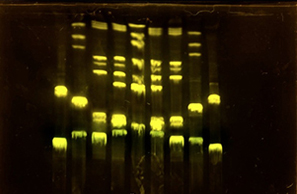
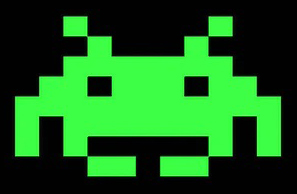
Left: Paul Vanouse, Latent Figure Protocol Skull and Bones; Right: Space Invaders

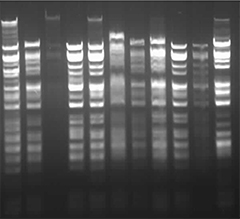
Since I wanted my work to be in the Vanouse style, I also researched projects conducted by Vanouse and began exploring what kind of figure I wanted to create and whether this method would make it possible. I reviewed work prepared by Peggy Yin (2023) and Kevin Tang (2025) from previous years.

cover image cover image cover image cover image

Left: Kevin Tang (2025); Right: Peggy Yin (2023)

The protocols I followed in the continuation of the project are as follows:

Simulate Restriction Enzyme Digestion with the following Enzymes: EcoRI HindIII BamHI KpnI EcoRV SacI SalI

https://rcdonovan.com/gel-art

Part 3: Benchling & In-silico Gel Art

3.1. Choose your protein.

In recitation, we discussed that you will pick a protein for your homework that you find interesting. Which protein have you chosen and why? Using one of the tools described in recitation (NCBI, UniProt, google), obtain the protein sequence for the protein you chose.

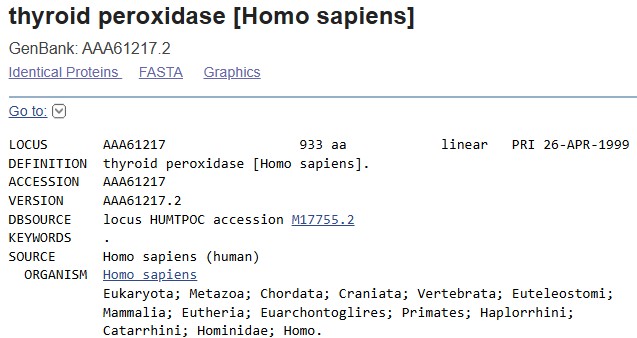
AAA61217.2 thyroid peroxidase [Homo sapiens] MRALAVLSVTLVMACTEAFFPFISRGKELLWGKPEESRVSSVLEESKRLVDTAMYATMQRNLKKRGILSG AQLLSFSKLPEPTSGVIARAAEIMETSIQAMKRKVNLKTQQSQHPTDALSEDLLSIIANMSGCLPYMLPP KCPNTCLANKYRPITGACNNRDHPRWGASNTALARWLPPVYEDGFSQPRGWNPGFLYNGFPLPPVREVTR HVIQVSNEVVTDDDRYSDLLMAWGQYIDHDIAFTPQSTSKAAFGGGSDCQMTCENQNPCFPIQLPEEARP AAGTACLPFYRSSAACGTGDQGALFGNLSTANPRQQMNGLTSFLDASTVYGSSPALERQLRNWTSAEGLL RVHGRLRDSGRAYLPFVPPRAPAACAPEPGNPGETRGPCFLAGDGRASEVPSLTALHTLWLREHNRLAAA LKALNAHWSADAVYQEARKVVGALHQIITLRDYIPRILGPEAFQQYVGPYEGYDSTANPTVSNVFSTAAF RFGHATIHPLVRRLDASFQEHPDLPGLWLHQAFFSPWTLLRGGGLDPLIRGLLARPAKLQVQDQLMNEEL TERLFVLSNSSTLDLASINLQRGRDHGLPGYNEWREFCGLPRLETPADLSTAIASRSVADKILDLYKHPD NIDVWLGGLAENFLPRARTGPLFACLIGKQMKALRDGDWFWWENSHVFTDAQRRELEKHSLSRVICDNTG LTRVPMDAFQVGKFPEDFESCDSITGMNLEAWRETFPQDDKCGFPESVENGDFVHCEESGRRVLVYSCRH GYELQGREQLTCTQEGWDFQPPLCKDVNECADGAHPPCHASARCRNTKGGFQCLCADPYELGDDGRTCVD SGRLPRVTWISMSLAALLIGGFAGLTSTVICRWTRTGTKSTLPISETGGGTPELRCGKHQAVGTSPQRAA AQDSEQESAGMEGRDTHRLPRAL

I chose Thyroid peroxidase (TPO) due to my hashimoto’s thyroiditis. https://www.uniprot.org/uniprotkb/P07202/entry cover image cover image

sp|P07202|PERT_HUMAN Thyroid peroxidase OS=Homo sapiens OX=9606 GN=TPO PE=1 SV=4 MRALAVLSVTLVMACTEAFFPFISRGKELLWGKPEESRVSSVLEESKRLVDTAMYATMQR NLKKRGILSPAQLLSFSKLPEPTSGVIARAAEIMETSIQAMKRKVNLKTQQSQHPTDALS EDLLSIIANMSGCLPYMLPPKCPNTCLANKYRPITGACNNRDHPRWGASNTALARWLPPV YEDGFSQPRGWNPGFLYNGFPLPPVREVTRHVIQVSNEVVTDDDRYSDLLMAWGQYIDHD IAFTPQSTSKAAFGGGADCQMTCENQNPCFPIQLPEEARPAAGTACLPFYRSSAACGTGD QGALFGNLSTANPRQQMNGLTSFLDASTVYGSSPALERQLRNWTSAEGLLRVHARLRDSG RAYLPFVPPRAPAACAPEPGIPGETRGPCFLAGDGRASEVPSLTALHTLWLREHNRLAAA LKALNAHWSADAVYQEARKVVGALHQIITLRDYIPRILGPEAFQQYVGPYEGYDSTANPT VSNVFSTAAFRFGHATIHPLVRRLDASFQEHPDLPGLWLHQAFFSPWTLLRGGGLDPLIR GLLARPAKLQVQDQLMNEELTERLFVLSNSSTLDLASINLQRGRDHGLPGYNEWREFCGL PRLETPADLSTAIASRSVADKILDLYKHPDNIDVWLGGLAENFLPRARTGPLFACLIGKQ MKALRDGDWFWWENSHVFTDAQRRELEKHSLSRVICDNTGLTRVPMDAFQVGKFPEDFES CDSITGMNLEAWRETFPQDDKCGFPESVENGDFVHCEESGRRVLVYSCRHGYELQGREQL TCTQEGWDFQPPLCKDVNECADGAHPPCHASARCRNTKGGFQCLCADPYELGDDGRTCVD SGRLPRVTWISMSLAALLIGGFAGLTSTVICRWTRTGTKSTLPISETGGGTPELRCGKHQ AVGTSPQRAAAQDSEQESAGMEGRDTHRLPRAL

[Example from our group homework, you may notice the particular format — The example below came from UniProt]

sp|P03609|LYS_BPMS2 Lysis protein OS=Escherichia phage MS2 OX=12022 PE=2 SV=1 METRFPQQSQQTPASTNRRRPFKHEDYPCRRQQRSSTLYVLIFLAIFLSKFTNQLLLSLL EAVIRTVTTLQQLLT

3.2. Reverse Translate: Protein (amino acid) sequence to DNA (nucleotide) sequence.

The Central Dogma discussed in class and recitation describes the process in which DNA sequence becomes transcribed and translated into protein. The Central Dogma gives us the framework to work backwards from a given protein sequence and infer the DNA sequence that the protein is derived from. Using one of the tools discussed in class, NCBI or online tools (google “reverse translation tools”), determine the nucleotide sequence that corresponds to the protein sequence you chose above.

[Example: Get to the original sequence of phage MS2 L-protein from its genome phage MS2 genome - Nucleotide - NCBI]

Lysis protein DNA sequence atggaaacccgattccctcagcaatcgcagcaaactccggcatctactaatagacgccggccattcaaacatgaggattacccatgtcgaagacaacaaagaagttcaactctttatgtattgatcttcctcgcgatctttctctcgaaatttaccaatcaattgcttctgtcgctactggaagcggtgatccgcacagtgacgactttacagcaattgcttacttaa

3.3. Codon optimization.

Once a nucleotide sequence of your protein is determined, you need to codon optimize your sequence. You may, once again, utilize google for a “codon optimization tool”. In your own words, describe why you need to optimize codon usage. Which organism have you chosen to optimize the codon sequence for and why?

[Example from Codon Optimization Tool | Twist Bioscience while avoiding Type IIs enzyme recognition sites BsaI, BsmBI, and BbsI]

Lysis protein DNA sequence with Codon-Optimization ATGGAAACCCGCTTTCCGCAGCAGAGCCAGCAGACCCCGGCGAGCACCAACCGCCGCCGCCCGTTCAAACATGAAGATTATCCGTGCCGTCGTCAGCAGCGCAGCAGCACCCTGTATGTGCTGATTTTTCTGGCGATTTTTCTGAGCAAATTCACCAACCAGCTGCTGCTGAGCCTGCTGGAAGCGGTGATTCGCACAGTGACGACCCTGCAGCAGCTGCTGACCTAA

3.4. You have a sequence! Now what?

What technologies could be used to produce this protein from your DNA? Describe in your words the DNA sequence can be transcribed and translated into your protein. You may describe either cell-dependent or cell-free methods, or both.

3.5. [Optional] How does it work in nature/biological systems?

Describe how a single gene codes for multiple proteins at the transcriptional level. Try aligning the DNA sequence, the transcribed RNA, and also the resulting translated Protein!

Part 4: Prepare a Twist DNA Synthesis Order**

This is a practice exercise, not necessarily your real Twist order! (done)

4.1. Create a Twist account and a Benchling account (done)

4.2. Build Your DNA Insert Sequence

For example, let’s make a sequence that will make E. coli glow fluorescent green under UV light by constitutively (always) expressing sfGFP (a green fluorescent protein):

In Benchling, select New DNA/RNA sequence Give your insert sequence a name and select DNA with a Linear topology (this is a linear sequence that will be inserted into a circular backbone vector of our choosing). Go through each piece of the given DNA sequences highlighted below (Promoter, RBS, Start Codon, Coding Sequence, His Tag, Stop Codon, Terminator) and paste the sequences into the Benchling file one after the other (replacing the coding sequence with your codon optimized DNA sequence of interest!). Each time you add a new piece of the sequence, make sure to annotate by right clicking over the sequence and creating an annotation that describes what each piece (e.g., Promoter, RBS, etc.) is (see image below). Promoter (e.g. BBa_J23106): TTTACGGCTAGCTCAGTCCTAGGTATAGTGCTAGC RBS (e.g. BBa_B0034 with spacers for optimal expression): CATTAAAGAGGAGAAAGGTACC Start Codon: ATG Coding Sequence (your codon optimized DNA for a protein of interest, sfGFP for example): AGCAAAGGAGAAGAACTTTTCACTGGAGTTGTCCCAATTCTTGTTGAATTAGATGGTGATGTTAATGGGCACAAATTTTCTGTCCGTGGAGAGGGTGAAGGTGATGCTACAAACGGAAAACTCACCCTTAAATTTATTTGCACTACTGGAAAACTACCTGTTCCGTGGCCAACACTTGTCACTACTCTGACCTATGGTGTTCAATGCTTTTCCCGTTATCCGGATCACATGAAACGGCATGACTTTTTCAAGAGTGCCATGCCCGAAGGTTATGTACAGGAACGCACTATATCTTTCAAAGATGACGGGACCTACAAGACGCGTGCTGAAGTCAAGTTTGAAGGTGATACCCTTGTTAATCGTATCGAGTTAAAGGGTATTGATTTTAAAGAAGATGGAAACATTCTTGGACACAAACTCGAGTACAACTTTAACTCACACAATGTATACATCACGGCAGACAAACAAAAGAATGGAATCAAAGCTAACTTCAAAATTCGCCACAACGTTGAAGATGGTTCCGTTCAACTAGCAGACCATTATCAACAAAATACTCCAATTGGCGATGGCCCTGTCCTTTTACCAGACAACCATTACCTGTCGACACAATCTGTCCTTTCGAAAGATCCCAACGAAAAGCGTGACCACATGGTCCTTCTTGAGTTTGTAACTGCTGCTGGGATTACACATGGCATGGATGAGCTCTACAAA 7x His Tag (Let’s add a 7×His tag at the C-terminus of the protein to enable protein purification from E. coli): CATCACCATCACCATCATCAC Stop Codon: TAA Terminator (e.g. BBa_B0015): CCAGGCATCAAATAAAACGAAAGGCTCAGTCGAAAGACTGGGCCTTTCGTTTTATCTGTTGTTTGTCGGTGAACGCTCTCTACTAGAGTCACACTGGCTCACCTTCGGGTGGGCCTTTCTGCGTTTATA Once you’ve completed this, click on Linear Map to preview the entire sequence. If you intend to have a TA review a sequence in the future, this is a good way to verify that all sections are annotated! This is not required for this exercise, but to share your design with others, please ensure that link sharing is turned on! (Optional) Share your final sequence link with a TA for review!

This insert sequence you built is commonly referred to as an expression cassette in molecular biology (a sequence you can drop into any vector and it’ll perform its function). Go ahead and download the FASTA file for the sequence you made. It’s helpful to visualize DNA designs using SBOL Canvas (Synthetic Biology Open Language) to convey your designs. Here’s an example of what you just annotated in Benchling: https://sbolstandard.org/

4.3. On Twist, Select The “Genes” Option

4.4. Select “Clonal Genes” option

For this demonstration, we’ll choose Clonal Genes. You’ll select clonal genes or gene fragments depending on your final project.

Historically, HTGAA projects using clonal genes (circular DNA) have reached experimental results 1-2 weeks quicker because they can be transformed directly into E. coli without additional assembly.

Gene fragments (linear DNA) offer greater design flexibility but typically require an assembly or cloning step prior to transformation. An advantage is If designed with the appropriate exonuclease protection, gene fragments can be used directly in cell-free expression.

4.5. Import your sequence

You just took an amino acid sequence of interest and converted it into DNA, codon optimized it, and built an expression cassette around it! Choose the Nucleotide Sequence option and Upload Sequence File to upload your FASTA file.

4.6. Choose Your Vector

Since we’re ordering a clonal gene, you will need to refer to Twist’s Vector Catalog to choose your circular backbone. You can think of this as taking your linear expression cassette for your protein of interest, and completing the rest of the circle!

The backbone confers many special properties like antibiotic resistance, an origin of replication, and more. Discuss with your node to decide on appropriate antibiotic options. At MIT/Harvard, you can use Ampicillin, Chloramphenicol, or Kanamycin resistance.

Twist vectors do not contain restriction sites near the insert fragment, so make sure to flank your design with cut sites if you are intending to extract this DNA insert fragment later.

For this demonstration, choose a Twist cloning vectors like pTwist Amp High Copy.

Click into your sequence and select download construct (GenBank) to get the full plasmid sequence:

Go back to your Benchling account. Inside of a folder, click the import DNA/RNA sequence button and upload the GenBank file you just downloaded.

This is the plasmid you just built with your expression cassette included. Congratulations on building your first plasmid!

Part 5: DNA Read/Write/Edit

5.1 DNA Read (i) What DNA would you want to sequence (e.g., read) and why? This could be DNA related to human health (e.g. genes related to disease research), environmental monitoring (e.g., sewage waste water, biodiversity analysis), and beyond (e.g. DNA data storage, biobank).

(ii) In lecture, a variety of sequencing technologies were mentioned. What technology or technologies would you use to perform sequencing on your DNA and why? Also answer the following questions:

  1. Is your method first-, second- or third-generation or other? How so?
  2. 2.- What is your input? How do you prepare your input (e.g. fragmentation, adapter ligation, PCR)? List the essential steps.
  3. What are the essential steps of your chosen sequencing technology, how does it decode the bases of your DNA sample (base calling)?
  4. What is the output of your chosen sequencing technology?

5.2 DNA Write

(i) What DNA would you want to synthesize (e.g., write) and why? These could be individual genes, clusters of genes or genetic circuits, whole genomes, and beyond. As described in class thus far, applications could range from therapeutics and drug discovery (e.g., mRNA vaccines and therapies) to novel biomaterials (e.g. structural proteins), to sensors (e.g., genetic circuits for sensing and responding to inflammation, environmental stimuli, etc.), to art (DNA origamis). If possible, include the specific genetic sequence(s) of what you would like to synthesize! You will have the opportunity to actually have Twist synthesize these DNA constructs! :)

See some famous examples of DNA design

(ii) What technology or technologies would you use to perform this DNA synthesis and why? Also answer the following questions:

What are the essential steps of your chosen sequencing methods? What are the limitations of your sequencing method (if any) in terms of speed, accuracy, scalability?

5.3 DNA Edit

(i) What DNA would you want to edit and why? In class, George shared a variety of ways to edit the genes and genomes of humans and other organisms. Such DNA editing technologies have profound implications for human health, development, and even human longevity and human augmentation. DNA editing is also already commonly leveraged for flora and fauna, for example in nature conservation efforts, (animal/plant restoration, de-extinction), or in agriculture (e.g. plant breeding, nitrogen fixation). What kinds of edits might you want to make to DNA (e.g., human genomes and beyond) and why?

(ii) What technology or technologies would you use to perform these DNA edits and why? Also answer the following questions:

  1. How does your technology of choice edit DNA? What are the essential steps?
  2. What preparation do you need to do (e.g. design steps) and what is the input (e.g. DNA template, enzymes, plasmids, primers, guides, cells) for the editing?
  3. What are the limitations of your editing methods (if any) in terms of efficiency or precision?

Week 3 HW: Lab Automation

cover image cover image

Python Script for Opentrons Artwork

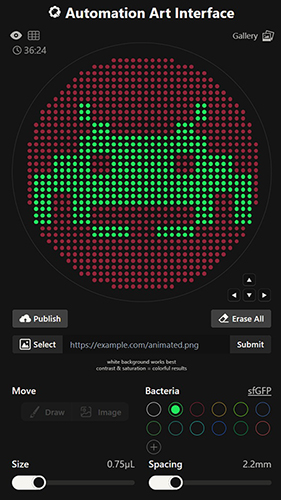
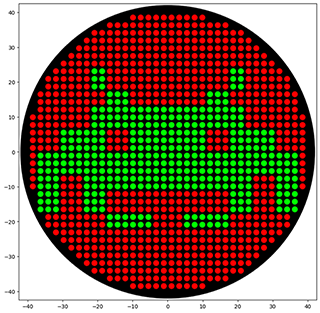
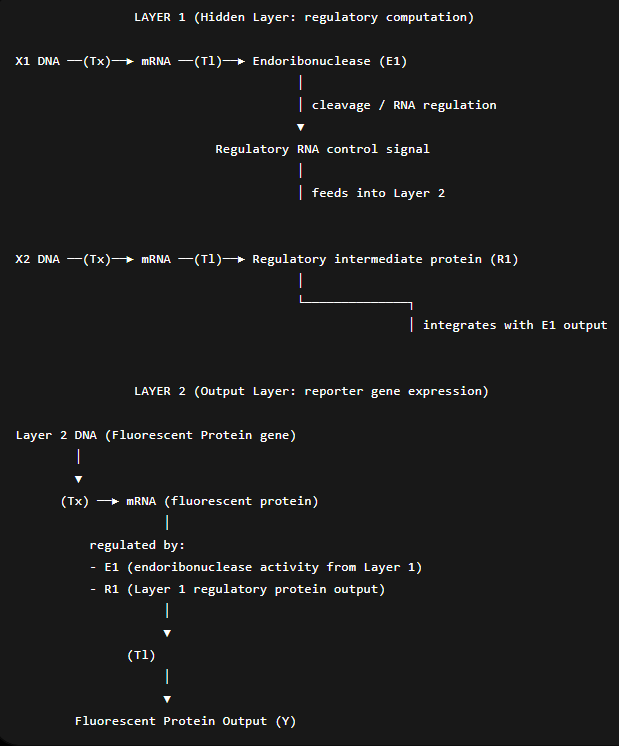
I have created Space Invaders with green and red because my node Designer Cells mentioned they have only red (mrfp1) and green (sfGFP) right now. I have evil plans to create also text “Designer Cells” down the Space Invaders logo:) - done!-

interface interface

Space Invaders - Opentrons Bio Art

Designer: Beyza Batır
Design: Space Invaders [mrfp1(red)+sfGFP(green)]

Google Colab

Simulation

interface interface

Protocol Code

from opentrons import types

metadata = {
    'author': 'Beyza Batır',
    'protocolName': 'HTGAA Opentrons Lab',
    'description': 'SpaceInvaders',
    'source': 'HTGAA 2026 Opentrons Lab',
    'apiLevel': '2.20'
}

TIP_RACK_DECK_SLOT = 9
COLORS_DECK_SLOT = 6
AGAR_DECK_SLOT = 5
PIPETTE_STARTING_TIP_WELL = 'A1'

well_colors = {
    'A1': 'Red',
    'B1': 'Green',
}

def run(protocol):
    # --- Load labware ---
    tips_20ul = protocol.load_labware('opentrons_96_tiprack_20ul', TIP_RACK_DECK_SLOT, 'Opentrons 20uL Tips')
    pipette_20ul = protocol.load_instrument("p20_single_gen2", "right", [tips_20ul])
    temperature_module = protocol.load_module('temperature module gen2', COLORS_DECK_SLOT)
    temperature_plate = temperature_module.load_labware('opentrons_96_aluminumblock_generic_pcr_strip_200ul', 'Cold Plate')
    color_plate = temperature_plate
    agar_plate = protocol.load_labware('htgaa_agar_plate', AGAR_DECK_SLOT, 'Agar Plate')
    center_location = agar_plate['A1'].top()
    pipette_20ul.starting_tip = tips_20ul.well(PIPETTE_STARTING_TIP_WELL)

    # --- Helper functions ---
    def location_of_color(color_string):
        for well, color in well_colors.items():
            if color.lower() == color_string.lower():
                return color_plate[well]
        raise ValueError(f"No well found with color {color_string}")

    def dispense_and_detach(pipette, volume, location):
        above_location = location.move(types.Point(z=5))
        pipette.move_to(above_location)
        pipette.dispense(volume, location)
        pipette.move_to(above_location)

    # --- Coordinates from GUI ---
    mrfp1_points = [(-9.9, 38.5),(-7.7, 38.5),(-5.5, 38.5),(-3.3, 38.5),(-1.1, 38.5),(1.1, 38.5),(3.3, 38.5),(5.5, 38.5),(7.7, 38.5),(9.9, 38.5),(-16.5, 36.3),(-14.3, 36.3),(-12.1, 36.3),(-9.9, 36.3),(-7.7, 36.3),(-5.5, 36.3),(-3.3, 36.3),(-1.1, 36.3),(1.1, 36.3),(3.3, 36.3),(5.5, 36.3),(7.7, 36.3),(9.9, 36.3),(12.1, 36.3),(14.3, 36.3),(16.5, 36.3),(-20.9, 34.1),(-18.7, 34.1),(-16.5, 34.1),(-14.3, 34.1),(-12.1, 34.1),(-9.9, 34.1),(-7.7, 34.1),(-5.5, 34.1),(-3.3, 34.1),(-1.1, 34.1),(1.1, 34.1),(3.3, 34.1),(5.5, 34.1),(7.7, 34.1),(9.9, 34.1),(12.1, 34.1),(14.3, 34.1),(16.5, 34.1),(18.7, 34.1),(20.9, 34.1),(-23.1, 31.9),(-20.9, 31.9),(-18.7, 31.9),(-16.5, 31.9),(-14.3, 31.9),(-12.1, 31.9),(-9.9, 31.9),(-7.7, 31.9),(-5.5, 31.9),(-3.3, 31.9),(-1.1, 31.9),(1.1, 31.9),(3.3, 31.9),(5.5, 31.9),(7.7, 31.9),(9.9, 31.9),(12.1, 31.9),(14.3, 31.9),(16.5, 31.9),(18.7, 31.9),(20.9, 31.9),(23.1, 31.9),(-25.3, 29.7),(-23.1, 29.7),(-20.9, 29.7),(-18.7, 29.7),(-16.5, 29.7),(-14.3, 29.7),(-12.1, 29.7),(-9.9, 29.7),(-7.7, 29.7),(-5.5, 29.7),(-3.3, 29.7),(-1.1, 29.7),(1.1, 29.7),(3.3, 29.7),(5.5, 29.7),(7.7, 29.7),(9.9, 29.7),(12.1, 29.7),(14.3, 29.7),(16.5, 29.7),(18.7, 29.7),(20.9, 29.7),(23.1, 29.7),(25.3, 29.7),(-27.5, 27.5),(-25.3, 27.5),(-23.1, 27.5),(-20.9, 27.5),(-18.7, 27.5),(-16.5, 27.5),(-14.3, 27.5),(-12.1, 27.5),(-9.9, 27.5),(-7.7, 27.5),(-5.5, 27.5),(-3.3, 27.5),(-1.1, 27.5),(1.1, 27.5),(3.3, 27.5),(5.5, 27.5),(7.7, 27.5),(9.9, 27.5),(12.1, 27.5),(14.3, 27.5),(16.5, 27.5),(18.7, 27.5),(20.9, 27.5),(23.1, 27.5),(25.3, 27.5),(27.5, 27.5),(-29.7, 25.3),(-27.5, 25.3),(-25.3, 25.3),(-23.1, 25.3),(-20.9, 25.3),(-18.7, 25.3),(-16.5, 25.3),(-14.3, 25.3),(-12.1, 25.3),(-9.9, 25.3),(-7.7, 25.3),(-5.5, 25.3),(-3.3, 25.3),(-1.1, 25.3),(1.1, 25.3),(3.3, 25.3),(5.5, 25.3),(7.7, 25.3),(9.9, 25.3),(12.1, 25.3),(14.3, 25.3),(16.5, 25.3),(18.7, 25.3),(20.9, 25.3),(23.1, 25.3),(25.3, 25.3),(27.5, 25.3),(29.7, 25.3),(-31.9, 23.1),(-29.7, 23.1),(-27.5, 23.1),(-25.3, 23.1),(-23.1, 23.1),(-16.5, 23.1),(-14.3, 23.1),(-12.1, 23.1),(-9.9, 23.1),(-7.7, 23.1),(-5.5, 23.1),(-3.3, 23.1),(-1.1, 23.1),(1.1, 23.1),(3.3, 23.1),(5.5, 23.1),(7.7, 23.1),(9.9, 23.1),(12.1, 23.1),(14.3, 23.1),(16.5, 23.1),(23.1, 23.1),(25.3, 23.1),(27.5, 23.1),(29.7, 23.1),(31.9, 23.1),(-34.1, 20.9),(-31.9, 20.9),(-29.7, 20.9),(-27.5, 20.9),(-25.3, 20.9),(-23.1, 20.9),(-16.5, 20.9),(-14.3, 20.9),(-12.1, 20.9),(-9.9, 20.9),(-7.7, 20.9),(-5.5, 20.9),(-3.3, 20.9),(-1.1, 20.9),(1.1, 20.9),(3.3, 20.9),(5.5, 20.9),(7.7, 20.9),(9.9, 20.9),(12.1, 20.9),(14.3, 20.9),(16.5, 20.9),(23.1, 20.9),(25.3, 20.9),(27.5, 20.9),(29.7, 20.9),(31.9, 20.9),(34.1, 20.9),(-34.1, 18.7),(-31.9, 18.7),(-29.7, 18.7),(-27.5, 18.7),(-25.3, 18.7),(-23.1, 18.7),(-16.5, 18.7),(-14.3, 18.7),(-12.1, 18.7),(-9.9, 18.7),(-7.7, 18.7),(-5.5, 18.7),(-3.3, 18.7),(-1.1, 18.7),(1.1, 18.7),(3.3, 18.7),(5.5, 18.7),(7.7, 18.7),(9.9, 18.7),(12.1, 18.7),(14.3, 18.7),(16.5, 18.7),(23.1, 18.7),(25.3, 18.7),(27.5, 18.7),(29.7, 18.7),(31.9, 18.7),(34.1, 18.7),(-36.3, 16.5),(-34.1, 16.5),(-31.9, 16.5),(-29.7, 16.5),(-27.5, 16.5),(-25.3, 16.5),(-23.1, 16.5),(-20.9, 16.5),(-18.7, 16.5),(-9.9, 16.5),(-7.7, 16.5),(-5.5, 16.5),(-3.3, 16.5),(-1.1, 16.5),(1.1, 16.5),(3.3, 16.5),(5.5, 16.5),(7.7, 16.5),(9.9, 16.5),(18.7, 16.5),(20.9, 16.5),(23.1, 16.5),(25.3, 16.5),(27.5, 16.5),(29.7, 16.5),(31.9, 16.5),(34.1, 16.5),(36.3, 16.5),(-36.3, 14.3),(-34.1, 14.3),(-31.9, 14.3),(-29.7, 14.3),(-27.5, 14.3),(-25.3, 14.3),(-23.1, 14.3),(-20.9, 14.3),(-18.7, 14.3),(-9.9, 14.3),(-7.7, 14.3),(-5.5, 14.3),(-3.3, 14.3),(-1.1, 14.3),(1.1, 14.3),(3.3, 14.3),(5.5, 14.3),(7.7, 14.3),(9.9, 14.3),(18.7, 14.3),(20.9, 14.3),(23.1, 14.3),(25.3, 14.3),(27.5, 14.3),(29.7, 14.3),(31.9, 14.3),(34.1, 14.3),(36.3, 14.3),(-36.3, 12.1),(-34.1, 12.1),(-31.9, 12.1),(-29.7, 12.1),(-27.5, 12.1),(-25.3, 12.1),(-23.1, 12.1),(23.1, 12.1),(25.3, 12.1),(27.5, 12.1),(29.7, 12.1),(31.9, 12.1),(34.1, 12.1),(36.3, 12.1),(-38.5, 9.9),(-36.3, 9.9),(-34.1, 9.9),(-31.9, 9.9),(-29.7, 9.9),(-27.5, 9.9),(-25.3, 9.9),(-23.1, 9.9),(23.1, 9.9),(25.3, 9.9),(27.5, 9.9),(29.7, 9.9),(31.9, 9.9),(34.1, 9.9),(36.3, 9.9),(38.5, 9.9),(-38.5, 7.7),(-36.3, 7.7),(-34.1, 7.7),(-31.9, 7.7),(-29.7, 7.7),(-27.5, 7.7),(-25.3, 7.7),(-23.1, 7.7),(23.1, 7.7),(25.3, 7.7),(27.5, 7.7),(29.7, 7.7),(31.9, 7.7),(34.1, 7.7),(36.3, 7.7),(38.5, 7.7),(-38.5, 5.5),(-36.3, 5.5),(-34.1, 5.5),(-31.9, 5.5),(-16.5, 5.5),(-14.3, 5.5),(-12.1, 5.5),(12.1, 5.5),(14.3, 5.5),(16.5, 5.5),(31.9, 5.5),(34.1, 5.5),(36.3, 5.5),(38.5, 5.5),(-38.5, 3.3),(-36.3, 3.3),(-34.1, 3.3),(-31.9, 3.3),(-16.5, 3.3),(-14.3, 3.3),(-12.1, 3.3),(12.1, 3.3),(14.3, 3.3),(16.5, 3.3),(31.9, 3.3),(34.1, 3.3),(36.3, 3.3),(38.5, 3.3),(-38.5, 1.1),(-36.3, 1.1),(-34.1, 1.1),(-31.9, 1.1),(-16.5, 1.1),(-14.3, 1.1),(-12.1, 1.1),(12.1, 1.1),(14.3, 1.1),(16.5, 1.1),(31.9, 1.1),(34.1, 1.1),(36.3, 1.1),(38.5, 1.1),(-38.5, -1.1),(38.5, -1.1),(-38.5, -3.3),(38.5, -3.3),(-38.5, -5.5),(38.5, -5.5),(-38.5, -7.7),(-29.7, -7.7),(-27.5, -7.7),(-25.3, -7.7),(25.3, -7.7),(27.5, -7.7),(29.7, -7.7),(38.5, -7.7),(-38.5, -9.9),(-29.7, -9.9),(-27.5, -9.9),(-25.3, -9.9),(25.3, -9.9),(27.5, -9.9),(29.7, -9.9),(38.5, -9.9),(-29.7, -12.1),(-27.5, -12.1),(-25.3, -12.1),(-16.5, -12.1),(-14.3, -12.1),(-12.1, -12.1),(-9.9, -12.1),(-7.7, -12.1),(-5.5, -12.1),(-3.3, -12.1),(-1.1, -12.1),(1.1, -12.1),(3.3, -12.1),(5.5, -12.1),(7.7, -12.1),(9.9, -12.1),(12.1, -12.1),(14.3, -12.1),(16.5, -12.1),(25.3, -12.1),(27.5, -12.1),(29.7, -12.1),(-29.7, -14.3),(-27.5, -14.3),(-25.3, -14.3),(-16.5, -14.3),(-14.3, -14.3),(-12.1, -14.3),(-9.9, -14.3),(-7.7, -14.3),(-5.5, -14.3),(-3.3, -14.3),(-1.1, -14.3),(1.1, -14.3),(3.3, -14.3),(5.5, -14.3),(7.7, -14.3),(9.9, -14.3),(12.1, -14.3),(14.3, -14.3),(16.5, -14.3),(25.3, -14.3),(27.5, -14.3),(29.7, -14.3),(-29.7, -16.5),(-27.5, -16.5),(-25.3, -16.5),(-16.5, -16.5),(-14.3, -16.5),(-12.1, -16.5),(-9.9, -16.5),(-7.7, -16.5),(-5.5, -16.5),(-3.3, -16.5),(-1.1, -16.5),(1.1, -16.5),(3.3, -16.5),(5.5, -16.5),(7.7, -16.5),(9.9, -16.5),(12.1, -16.5),(14.3, -16.5),(16.5, -16.5),(25.3, -16.5),(27.5, -16.5),(29.7, -16.5),(-34.1, -18.7),(-31.9, -18.7),(-29.7, -18.7),(-27.5, -18.7),(-25.3, -18.7),(-23.1, -18.7),(-20.9, -18.7),(-18.7, -18.7),(-3.3, -18.7),(-1.1, -18.7),(1.1, -18.7),(3.3, -18.7),(18.7, -18.7),(20.9, -18.7),(23.1, -18.7),(25.3, -18.7),(27.5, -18.7),(29.7, -18.7),(31.9, -18.7),(34.1, -18.7),(-34.1, -20.9),(-31.9, -20.9),(-29.7, -20.9),(-27.5, -20.9),(-25.3, -20.9),(-23.1, -20.9),(-20.9, -20.9),(-18.7, -20.9),(-3.3, -20.9),(-1.1, -20.9),(1.1, -20.9),(3.3, -20.9),(18.7, -20.9),(20.9, -20.9),(23.1, -20.9),(25.3, -20.9),(27.5, -20.9),(29.7, -20.9),(31.9, -20.9),(34.1, -20.9),(-31.9, -23.1),(-29.7, -23.1),(-27.5, -23.1),(-25.3, -23.1),(-23.1, -23.1),(-20.9, -23.1),(-18.7, -23.1),(-16.5, -23.1),(-14.3, -23.1),(-12.1, -23.1),(-9.9, -23.1),(-7.7, -23.1),(-5.5, -23.1),(-3.3, -23.1),(-1.1, -23.1),(1.1, -23.1),(3.3, -23.1),(5.5, -23.1),(7.7, -23.1),(9.9, -23.1),(12.1, -23.1),(14.3, -23.1),(16.5, -23.1),(18.7, -23.1),(20.9, -23.1),(23.1, -23.1),(25.3, -23.1),(27.5, -23.1),(29.7, -23.1),(31.9, -23.1),(-29.7, -25.3),(-27.5, -25.3),(-25.3, -25.3),(-23.1, -25.3),(-20.9, -25.3),(-18.7, -25.3),(-16.5, -25.3),(-14.3, -25.3),(-12.1, -25.3),(-9.9, -25.3),(-7.7, -25.3),(-5.5, -25.3),(-3.3, -25.3),(-1.1, -25.3),(1.1, -25.3),(3.3, -25.3),(5.5, -25.3),(7.7, -25.3),(9.9, -25.3),(12.1, -25.3),(14.3, -25.3),(16.5, -25.3),(18.7, -25.3),(20.9, -25.3),(23.1, -25.3),(25.3, -25.3),(27.5, -25.3),(29.7, -25.3),(-27.5, -27.5),(-25.3, -27.5),(-23.1, -27.5),(-20.9, -27.5),(-18.7, -27.5),(-16.5, -27.5),(-14.3, -27.5),(-12.1, -27.5),(-9.9, -27.5),(-7.7, -27.5),(-5.5, -27.5),(-3.3, -27.5),(-1.1, -27.5),(1.1, -27.5),(3.3, -27.5),(5.5, -27.5),(7.7, -27.5),(9.9, -27.5),(12.1, -27.5),(14.3, -27.5),(16.5, -27.5),(18.7, -27.5),(20.9, -27.5),(23.1, -27.5),(25.3, -27.5),(27.5, -27.5),(-25.3, -29.7),(-23.1, -29.7),(-20.9, -29.7),(-18.7, -29.7),(-16.5, -29.7),(-14.3, -29.7),(-12.1, -29.7),(-9.9, -29.7),(-7.7, -29.7),(-5.5, -29.7),(-3.3, -29.7),(-1.1, -29.7),(1.1, -29.7),(3.3, -29.7),(5.5, -29.7),(7.7, -29.7),(9.9, -29.7),(12.1, -29.7),(14.3, -29.7),(16.5, -29.7),(18.7, -29.7),(20.9, -29.7),(23.1, -29.7),(25.3, -29.7),(-23.1, -31.9),(-20.9, -31.9),(-18.7, -31.9),(-16.5, -31.9),(-14.3, -31.9),(-12.1, -31.9),(-9.9, -31.9),(-7.7, -31.9),(-5.5, -31.9),(-3.3, -31.9),(-1.1, -31.9),(1.1, -31.9),(3.3, -31.9),(5.5, -31.9),(7.7, -31.9),(9.9, -31.9),(12.1, -31.9),(14.3, -31.9),(16.5, -31.9),(18.7, -31.9),(20.9, -31.9),(23.1, -31.9),(-20.9, -34.1),(-18.7, -34.1),(-16.5, -34.1),(-14.3, -34.1),(-12.1, -34.1),(-9.9, -34.1),(-7.7, -34.1),(-5.5, -34.1),(-3.3, -34.1),(-1.1, -34.1),(1.1, -34.1),(3.3, -34.1),(5.5, -34.1),(7.7, -34.1),(9.9, -34.1),(12.1, -34.1),(14.3, -34.1),(16.5, -34.1),(18.7, -34.1),(20.9, -34.1),(-16.5, -36.3),(-14.3, -36.3),(-12.1, -36.3),(-9.9, -36.3),(-7.7, -36.3),(-5.5, -36.3),(-3.3, -36.3),(-1.1, -36.3),(1.1, -36.3),(3.3, -36.3),(5.5, -36.3),(7.7, -36.3),(9.9, -36.3),(12.1, -36.3),(14.3, -36.3),(16.5, -36.3),(-9.9, -38.5),(-7.7, -38.5),(-5.5, -38.5),(-3.3, -38.5),(-1.1, -38.5),(1.1, -38.5),(3.3, -38.5),(5.5, -38.5),(7.7, -38.5),(9.9, -38.5)]

    sfgfp_points = [(-20.9, 23.1),(-18.7, 23.1),(18.7, 23.1),(20.9, 23.1),(-20.9, 20.9),(-18.7, 20.9),(18.7, 20.9),(20.9, 20.9),(-20.9, 18.7),(-18.7, 18.7),(18.7, 18.7),(20.9, 18.7),(-16.5, 16.5),(-14.3, 16.5),(-12.1, 16.5),(12.1, 16.5),(14.3, 16.5),(16.5, 16.5),(-16.5, 14.3),(-14.3, 14.3),(-12.1, 14.3),(12.1, 14.3),(14.3, 14.3),(16.5, 14.3),(-20.9, 12.1),(-18.7, 12.1),(-16.5, 12.1),(-14.3, 12.1),(-12.1, 12.1),(-9.9, 12.1),(-7.7, 12.1),(-5.5, 12.1),(-3.3, 12.1),(-1.1, 12.1),(1.1, 12.1),(3.3, 12.1),(5.5, 12.1),(7.7, 12.1),(9.9, 12.1),(12.1, 12.1),(14.3, 12.1),(16.5, 12.1),(18.7, 12.1),(20.9, 12.1),(-20.9, 9.9),(-18.7, 9.9),(-16.5, 9.9),(-14.3, 9.9),(-12.1, 9.9),(-9.9, 9.9),(-7.7, 9.9),(-5.5, 9.9),(-3.3, 9.9),(-1.1, 9.9),(1.1, 9.9),(3.3, 9.9),(5.5, 9.9),(7.7, 9.9),(9.9, 9.9),(12.1, 9.9),(14.3, 9.9),(16.5, 9.9),(18.7, 9.9),(20.9, 9.9),(-20.9, 7.7),(-18.7, 7.7),(-16.5, 7.7),(-14.3, 7.7),(-12.1, 7.7),(-9.9, 7.7),(-7.7, 7.7),(-5.5, 7.7),(-3.3, 7.7),(-1.1, 7.7),(1.1, 7.7),(3.3, 7.7),(5.5, 7.7),(7.7, 7.7),(9.9, 7.7),(12.1, 7.7),(14.3, 7.7),(16.5, 7.7),(18.7, 7.7),(20.9, 7.7),(-29.7, 5.5),(-27.5, 5.5),(-25.3, 5.5),(-23.1, 5.5),(-20.9, 5.5),(-18.7, 5.5),(-9.9, 5.5),(-7.7, 5.5),(-5.5, 5.5),(-3.3, 5.5),(-1.1, 5.5),(1.1, 5.5),(3.3, 5.5),(5.5, 5.5),(7.7, 5.5),(9.9, 5.5),(18.7, 5.5),(20.9, 5.5),(23.1, 5.5),(25.3, 5.5),(27.5, 5.5),(29.7, 5.5),(-29.7, 3.3),(-27.5, 3.3),(-25.3, 3.3),(-23.1, 3.3),(-20.9, 3.3),(-18.7, 3.3),(-9.9, 3.3),(-7.7, 3.3),(-5.5, 3.3),(-3.3, 3.3),(-1.1, 3.3),(1.1, 3.3),(3.3, 3.3),(5.5, 3.3),(7.7, 3.3),(9.9, 3.3),(18.7, 3.3),(20.9, 3.3),(23.1, 3.3),(25.3, 3.3),(27.5, 3.3),(29.7, 3.3),(-29.7, 1.1),(-27.5, 1.1),(-25.3, 1.1),(-23.1, 1.1),(-20.9, 1.1),(-18.7, 1.1),(-9.9, 1.1),(-7.7, 1.1),(-5.5, 1.1),(-3.3, 1.1),(-1.1, 1.1),(1.1, 1.1),(3.3, 1.1),(5.5, 1.1),(7.7, 1.1),(9.9, 1.1),(18.7, 1.1),(20.9, 1.1),(23.1, 1.1),(25.3, 1.1),(27.5, 1.1),(29.7, 1.1),(-36.3, -1.1),(-34.1, -1.1),(-31.9, -1.1),(-29.7, -1.1),(-27.5, -1.1),(-25.3, -1.1),(-23.1, -1.1),(-20.9, -1.1),(-18.7, -1.1),(-16.5, -1.1),(-14.3, -1.1),(-12.1, -1.1),(-9.9, -1.1),(-7.7, -1.1),(-5.5, -1.1),(-3.3, -1.1),(-1.1, -1.1),(1.1, -1.1),(3.3, -1.1),(5.5, -1.1),(7.7, -1.1),(9.9, -1.1),(12.1, -1.1),(14.3, -1.1),(16.5, -1.1),(18.7, -1.1),(20.9, -1.1),(23.1, -1.1),(25.3, -1.1),(27.5, -1.1),(29.7, -1.1),(31.9, -1.1),(34.1, -1.1),(36.3, -1.1),(-36.3, -3.3),(-34.1, -3.3),(-31.9, -3.3),(-29.7, -3.3),(-27.5, -3.3),(-25.3, -3.3),(-23.1, -3.3),(-20.9, -3.3),(-18.7, -3.3),(-16.5, -3.3),(-14.3, -3.3),(-12.1, -3.3),(-9.9, -3.3),(-7.7, -3.3),(-5.5, -3.3),(-3.3, -3.3),(-1.1, -3.3),(1.1, -3.3),(3.3, -3.3),(5.5, -3.3),(7.7, -3.3),(9.9, -3.3),(12.1, -3.3),(14.3, -3.3),(16.5, -3.3),(18.7, -3.3),(20.9, -3.3),(23.1, -3.3),(25.3, -3.3),(27.5, -3.3),(29.7, -3.3),(31.9, -3.3),(34.1, -3.3),(36.3, -3.3),(-36.3, -5.5),(-34.1, -5.5),(-31.9, -5.5),(-29.7, -5.5),(-27.5, -5.5),(-25.3, -5.5),(-23.1, -5.5),(-20.9, -5.5),(-18.7, -5.5),(-16.5, -5.5),(-14.3, -5.5),(-12.1, -5.5),(-9.9, -5.5),(-7.7, -5.5),(-5.5, -5.5),(-3.3, -5.5),(-1.1, -5.5),(1.1, -5.5),(3.3, -5.5),(5.5, -5.5),(7.7, -5.5),(9.9, -5.5),(12.1, -5.5),(14.3, -5.5),(16.5, -5.5),(18.7, -5.5),(20.9, -5.5),(23.1, -5.5),(25.3, -5.5),(27.5, -5.5),(29.7, -5.5),(31.9, -5.5),(34.1, -5.5),(36.3, -5.5),(-36.3, -7.7),(-34.1, -7.7),(-31.9, -7.7),(-23.1, -7.7),(-20.9, -7.7),(-18.7, -7.7),(-16.5, -7.7),(-14.3, -7.7),(-12.1, -7.7),(-9.9, -7.7),(-7.7, -7.7),(-5.5, -7.7),(-3.3, -7.7),(-1.1, -7.7),(1.1, -7.7),(3.3, -7.7),(5.5, -7.7),(7.7, -7.7),(9.9, -7.7),(12.1, -7.7),(14.3, -7.7),(16.5, -7.7),(18.7, -7.7),(20.9, -7.7),(23.1, -7.7),(31.9, -7.7),(34.1, -7.7),(36.3, -7.7),(-36.3, -9.9),(-34.1, -9.9),(-31.9, -9.9),(-23.1, -9.9),(-20.9, -9.9),(-18.7, -9.9),(-16.5, -9.9),(-14.3, -9.9),(-12.1, -9.9),(-9.9, -9.9),(-7.7, -9.9),(-5.5, -9.9),(-3.3, -9.9),(-1.1, -9.9),(1.1, -9.9),(3.3, -9.9),(5.5, -9.9),(7.7, -9.9),(9.9, -9.9),(12.1, -9.9),(14.3, -9.9),(16.5, -9.9),(18.7, -9.9),(20.9, -9.9),(23.1, -9.9),(31.9, -9.9),(34.1, -9.9),(36.3, -9.9),(-36.3, -12.1),(-34.1, -12.1),(-31.9, -12.1),(-23.1, -12.1),(-20.9, -12.1),(-18.7, -12.1),(18.7, -12.1),(20.9, -12.1),(23.1, -12.1),(31.9, -12.1),(34.1, -12.1),(36.3, -12.1),(-36.3, -14.3),(-34.1, -14.3),(-31.9, -14.3),(-23.1, -14.3),(-20.9, -14.3),(-18.7, -14.3),(18.7, -14.3),(20.9, -14.3),(23.1, -14.3),(31.9, -14.3),(34.1, -14.3),(36.3, -14.3),(-36.3, -16.5),(-34.1, -16.5),(-31.9, -16.5),(-23.1, -16.5),(-20.9, -16.5),(-18.7, -16.5),(18.7, -16.5),(20.9, -16.5),(23.1, -16.5),(31.9, -16.5),(34.1, -16.5),(36.3, -16.5),(-16.5, -18.7),(-14.3, -18.7),(-12.1, -18.7),(-9.9, -18.7),(-7.7, -18.7),(-5.5, -18.7),(5.5, -18.7),(7.7, -18.7),(9.9, -18.7),(12.1, -18.7),(14.3, -18.7),(16.5, -18.7),(-16.5, -20.9),(-14.3, -20.9),(-12.1, -20.9),(-9.9, -20.9),(-7.7, -20.9),(-5.5, -20.9),(5.5, -20.9),(7.7, -20.9),(9.9, -20.9),(12.1, -20.9),(14.3, -20.9),(16.5, -20.9)]

    # --- Patterning ---
    VOLUME = 1  # µL per dot

    # Red layer (mrfp1)
    pipette_20ul.pick_up_tip()
    for (x, y) in mrfp1_points:
        pipette_20ul.aspirate(VOLUME, location_of_color('Red'))
        target = center_location.move(types.Point(x=x, y=y, z=0))
        dispense_and_detach(pipette_20ul, VOLUME, target)
    pipette_20ul.drop_tip()

    # Green layer (sfgfp)
    pipette_20ul.pick_up_tip()
    for (x, y) in sfgfp_points:
        pipette_20ul.aspirate(VOLUME, location_of_color('Green'))
        target = center_location.move(types.Point(x=x, y=y, z=0))
        dispense_and_detach(pipette_20ul, VOLUME, target)
    pipette_20ul.drop_tip()
  ###

  • I am using Claude as a console for errors.

  • Submitted my Python file via Google form both HTGAA and Node.

Post-Lab Questions

One of the great parts about having an automated robot is being able to precisely mix, deposit, and run reactions without much intervention, and design and deploy experiments remotely.

Find and describe a published paper that utilizes the Opentrons or an automation tool to achieve novel biological applications. I would like to mention from this research:

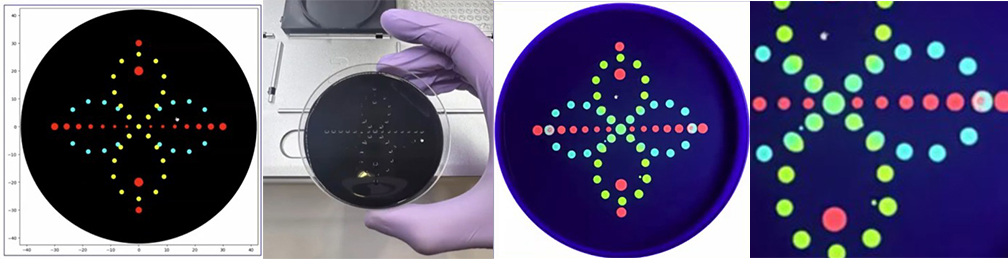
This paper is particularly relevant because it addresses a critical but often overlooked problem in laboratory automation: the gap between intended and actual liquid deposition. As demonstrated in the images captured by Chen (2026), this discrepancy becomes strikingly clear when comparing the physical petri dish under normal lighting conditions with its UV-illuminated counterpart. Under standard light, the dish appears largely as expected, with the deposited pattern barely distinguishable to the naked eye (Chen, 20256, Figure 2). However, when the same plate is examined under UV light, small, unwanted droplets become clearly visible in places where they were not present in the original design (Chen, 2026, Figures 3-4). The computer vision algorithm developed in this study successfully detects and maps these deviations, marking the spots with color codes according to their size to highlight the extent of the error.

cover image cover image

Figure 1-4: Images captured from the Opentrons OT-2 liquid handling experiments by Yanchen Chen. Credit: Yanchen Chen (24.02.2026).

These satellite droplets arise from well-known physical phenomena in liquid handling, such as surface tension-driven splashing or residual liquid remaining on pipette tips between transfers. What makes this finding biologically significant is that in high-precision applications such as drug screening, dose-response assays, or microbial growth experiments, even a small unintended deposit can introduce a compound or organism into a zone where it was never meant to be. This cross-contamination would silently corrupt experimental results, and without a real-time quality control system, the researcher would have no way of knowing the data was compromised.

The novel contribution of this work is therefore not purely engineering: by enabling the Opentrons OT-2 to detect and flag these errors autonomously using computer vision, the system directly protects the integrity of biological experiments. This transforms the robot from a simple liquid-dispensing tool into a self-monitoring platform capable of ensuring experimental validity; a meaningful advancement for any biological application that depends on precise, contamination-free liquid handling.

References:

Write a description about what you intend to do with automation tools for your final project. You may include example pseudocode, Python scripts, 3D printed holders, a plan for how to use Ginkgo Nebula, and more. You may reference this week’s recitation slide deck for lab automation details. While your description/project idea doesn’t need to be set in stone, we would like to see core details of what you would automate. This is due at the start of lecture and does not need to be tested on the Opentrons yet.

  • Example 1: You are creating a custom fabric, and want to deposit art onto specific parts that need to be intertwined in odd ways. You can design a 3D printed holder to attach this fabric to it, and be able to deposit bio art on top. Check out the Opentrons 3D Printing Directory.

  • Example 2: You are using the cloud laboratory to screen an array of biosensor constructs that you design, synthesize, and express using cell-free protein synthesis.

Echo transfer biosensor constructs and any required cofactors into specified wells. Bravo stamp in CPFS reagent master mix into all wells of a 96-well / 384-well plate. Multiflo dispense the CFPS lysate to all wells to start protein expression. PlateLoc seal the plate. Inheco incubate the plate at 37°C while the biosensor proteins are synthesized. XPeel remove the seal. PHERAstar measure fluorescence to compare biosensor responses.


Final Project Ideas

As explained in this week’s recitation, add 1-3 slides in your Node’s section of this slide deck with 3 ideas you have for an Individual Final Project. Be sure to put your name, city, and country on your slide!

Embedded slide deck of 1-3 slides with 3 ideas you have for an Individual Final Project. by naming (Beyza Batır, Izmir, Turkey)

I will upload my slides on CL powerpoint in DC Labs Student#7 section.

Brief

Reading & Resources Opentrons API Documentation: https://docs.opentrons.com/python-api/ Opentrons Artwork GUI Website: http://opentrons-art.rcdonovan.com/ Opentrons Artwork Colab: HTGAA26 Opentrons Colab Automation Equipment: HTGAA 2026 Recitation: Lab Automation, Opentrons Art, Intro to Cloud Laboratories

Extras

cover image cover image

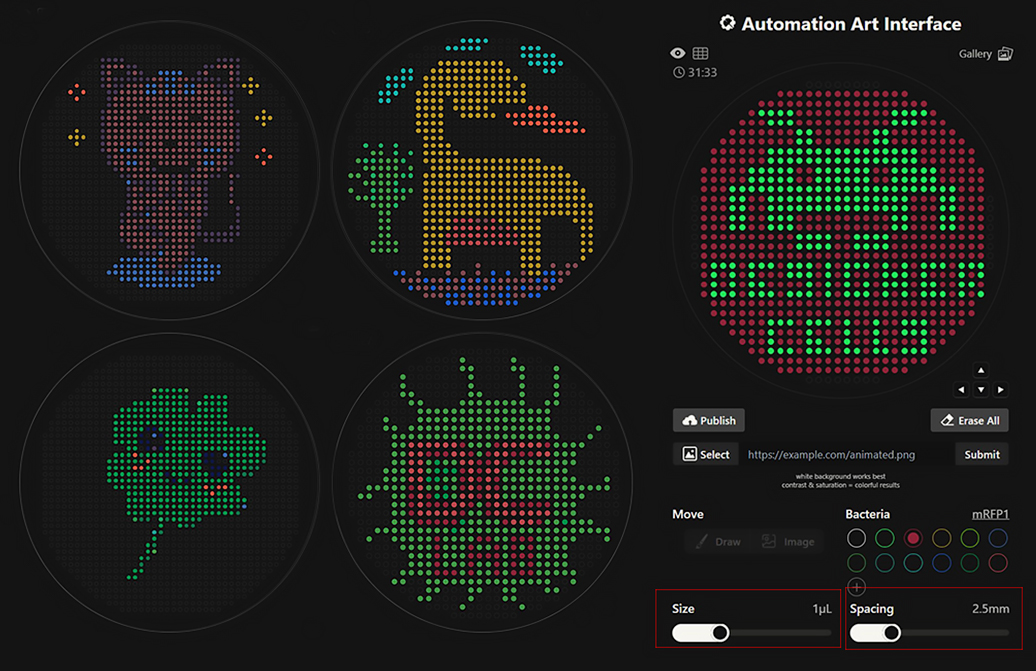
These extra designs were created within the “Automation Art Interface” to explore possibilities with different weights, colors, and area usage. I also created Designer Cells artworks for our node and this time corrected my mistakes (size, spacing, safe canvas margin) that did not comply with the requirements announced on HTGAA Google Colab. If needed, I can prepare Google Colab for all designs.

Week 4 HW: Protein Design I

Week 5 HW: Protein Design II

Week 6 HW: Genetic Circuits Part I: Assembly Technologies

Week 7 HW: Genetic Circuits Part II: Neuromorphic Circuits

Week 8 No Homework: Spring Break

Week 9 HW: Cell-Free Systems

Week 10 HW: Advanced Imaging & Measurement Technology

Week 11 — Bioproduction & Cloud Labs

Week 12 HW: Building Genomes

Week 13 HW: Biodesign & Engineered Living Materials

Week 14 HW: Bio Design & Bio Fabrication

Subsections of Labs

Week 1 Lab: Pipetting

cover image cover image

Projects

Final projects:

  • Important Dates Feb 25, 2026: Share 3 Individual Final Project ideas (1 slide each, in Google slide deck to be provided) Mar 18, 2026: Finalize Individual Final Project topic; send TAs Twist designs Apr 30 & May 1, 2026: Final project open Lab sessionn #1 (MIT/Harvard) May 7 & 8, 2026: Final project open Lab sessionn #2 (MIT/Harvard) May 12, 2026: MIT / Harvard Individual Final Project presentations (~3 Hours) May 13, 2026: Global Committed Listener Individual Final Project presentations (~9-12 Hours)

Subsections of Projects

Individual Final Project

Important Dates Feb 25, 2026: Share 3 Individual Final Project ideas (1 slide each, in Google slide deck to be provided) Mar 18, 2026: Finalize Individual Final Project topic; send TAs Twist designs Apr 30 & May 1, 2026: Final project open Lab sessionn #1 (MIT/Harvard) May 7 & 8, 2026: Final project open Lab sessionn #2 (MIT/Harvard) May 12, 2026: MIT / Harvard Individual Final Project presentations (~3 Hours) May 13, 2026: Global Committed Listener Individual Final Project presentations (~9-12 Hours)

Group Final Project

cover image cover image