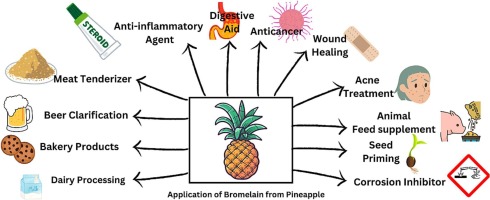
Describe a biological engineering application or tool you want to develop and why One biological engineering application I would like to develop at HTGAA is an active dressing or biomaterial for treating superficial wounds that incorporates bromelain, a proteolytic enzyme derived from pineapple.
This biomaterial would primarily promote gentle enzymatic debridement, reduce local inflammation, and support the healing process, using a naturally occurring and potentially accessible compound. The interest in this application stems from the fact that bromelain has demonstrated anti-inflammatory and proteolytic properties, but its direct, uncontrolled use can cause irritation or tissue damage. Therefore, integrating this compound into a controlled biomaterial would maximize therapeutic benefits and minimize potential risks, especially in primary healthcare settings or areas with limited access to healthcare facilities.
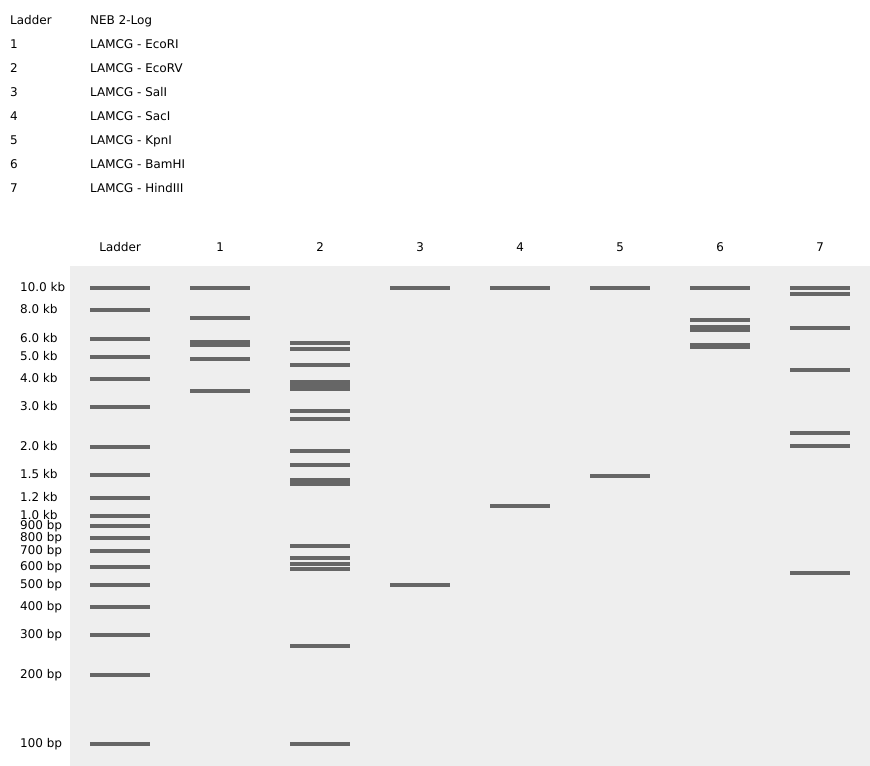
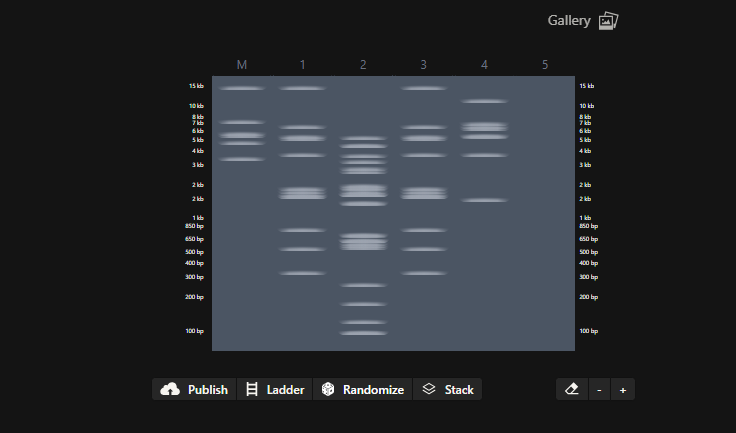
Part 1: Benchling & In-silico Gel Art Simulate Restriction Enzyme Digestion with the following Enzymes: EcoRI HindIII BamHI KpnI EcoRV SacI SalI Create a pattern/image in the style of Paul Vanouse’s Latent Figure Protocol artworks. Part 3: DNA Design Challenge 3.1. Choose your protein.
Python Script for Opentrons Artwork Generate an artistic design using the GUI at opentrons-art.rcdonovan.com. Using the coordinates from the GUI, follow the instructions in the HTGAA26 Opentrons Colab to write your own Python script which draws your design using the Opentrons. View the Python script here
Subsections of Homework
Week 1 HW: Principles and Practices
1. Describe a biological engineering application or tool you want to develop and why
One biological engineering application I would like to develop at HTGAA is an active dressing or biomaterial for treating superficial wounds that incorporates bromelain, a proteolytic enzyme derived from pineapple.
This biomaterial would primarily promote gentle enzymatic debridement, reduce local inflammation, and support the healing process, using a naturally occurring and potentially accessible compound. The interest in this application stems from the fact that bromelain has demonstrated anti-inflammatory and proteolytic properties, but its direct, uncontrolled use can cause irritation or tissue damage. Therefore, integrating this compound into a controlled biomaterial would maximize therapeutic benefits and minimize potential risks, especially in primary healthcare settings or areas with limited access to healthcare facilities.
2. Describe one or more governance/policy goals related to ensuring that this application or tool contributes to an “ethical” future, like ensuring non-malfeasance (preventing harm). Break big goals down into two or more specific sub-goals
Main Objective
To ensure that the development and use of a bromelain-containing biomaterial is safe, ethical, and does not cause harm to patients.
Sub-objectives
a. To ensure the safety and biocompatibility of the biomaterial before its clinical or educational use.
b. To prevent misuse or unregulated use, such as unsupervised home application, inappropriate concentrations, or self-medication.
c. To promote responsible and evidence-based use, especially in low-resource or educational settings.
3. Describe at least three different potential governance “actions” by considering the four aspects below (Purpose, Design, Assumptions, Risks of Failure & “Success”)
Action 1: Establishment of Minimum Formulation and Use Protocols
Purpose
Currently, bromelain can be acquired and used in biomedical applications without clear regulatory oversight. This action proposes the development of minimum standardized protocols for bromelain concentration, encapsulation, and safe use in biomaterials, in order to reduce potential risks and misuse.
Design
This action requires the participation of universities, biomaterials faculty, and ethics committees. Technical guidelines for academic and experimental use would be developed and subsequently reviewed and validated by institutional regulatory bodies or internal review committees.
Assumptions
It is assumed that safe concentration ranges for bromelain can be clearly defined. However, variability in enzymatic activity may occur depending on the source and processing of bromelain, which introduces uncertainty.
Risks of Failure and “Success”
Failure: Protocols are not consistently followed or are perceived as unnecessary by users.
Unintended success: The existence of protocols is used to justify premature or unauthorized clinical applications without sufficient preclinical or clinical trials.
Action 2: Mandatory Biocompatibility and Degradation Assessment
Purpose
The purpose of this action is to ensure that bromelain-containing biomaterials do not cause tissue damage, adverse biological reactions, or uncontrolled degradation when applied to biological environments.
Design
This action involves conducting basic in vitro evaluations, such as cytotoxicity and degradation tests. Additionally, these assessments would be incorporated as a standard requirement in biomedical engineering curricula and supervised by faculty members and academic committees.
Assumptions
It is assumed that in vitro assays provide an adequate approximation of in vivo behavior and that participating institutions possess the minimum technical and financial resources required to perform these tests.
Risks of Failure and “Success”
Failure: Experimental results are misinterpreted or oversimplified by students or developers.
Unintended success: Positive in vitro results generate a false sense of safety, leading to unauthorized testing in human subjects.
Action 3: Regulation of Discourse and Dissemination of the Product
Purpose
This action aims to prevent bromelain-based biomaterials from being promoted as inherently “natural” or “safe” without sufficient scientific evidence supporting such claims.
Design
Ethical communication guidelines would be established for academic and preclinical projects. This includes reviewing the language used in presentations, posters, publications, and online materials, with oversight from faculty members and evaluators.
Assumptions
It is assumed that non-expert audiences may misinterpret terms such as “natural” or “enzymatic,” and that developers are aware of and willing to uphold their responsibility for accurate and ethical communication.
Risks of Failure and “Success”
Failure: Continued dissemination of exaggerated or misleading claims regarding safety or efficacy.
Unintended success: Increased popularity and informal adoption of the product without adequate regulatory supervision.
4. Score (from 1-3 with, 1 as the best, or n/a) each of your governance actions against your rubric of policy goals
Does the option:
Option 1
Option 2
Option 3
Enhance Biosecurity
• By preventing incidents
2
1
3
• By helping respond
2
1
3
Foster Lab Safety
• By preventing incident
1
2
3
• By helping respond
2
1
3
Protect the environment
• By preventing incidents
1
3
2
• By helping respond
1
3
2
Other considerations
• Minimizing costs and burdens to stakeholders
3
2
1
• Feasibility
2
3
1
• Not impede research
1
2
3
• Promote constructive applications
2
1
3
5. Drawing upon this scoring, describe which governance option, or combination of options, you would prioritize, and why. Outline any trade-offs you considered as well as assumptions and uncertainties
Based on the scoring, Action 2 (Mandatory Biocompatibility and Degradation Assessment) should be prioritized, as it most directly supports non-malfeasance by reducing the risk of biological harm through early safety evaluation.
Action 1 (Minimum Formulation and Use Protocols) should be implemented alongside it, as standardized guidelines help prevent misuse and ensure consistency across academic and experimental settings.
Action 3 (Regulation of Discourse and Dissemination) serves as a complementary measure, addressing risks related to misinformation and informal adoption.
The main trade-off is the increased cost and effort associated with testing and protocol enforcement; however, this is justified by the ethical need to prioritize safety. This approach assumes institutional capacity for basic testing and acknowledges uncertainty in translating in vitro results to real-world use.
Bibliography
Ahmad, T., Ismail, A., Ahmad, S.A. et al. Extraction, characterization and molecular structure of bovine skin gelatin extracted with plant enzymes bromelain and zingibain. J Food Sci Technol 57, 3772–3781 (2020). https://doi.org/10.1007/s13197-020-04409-2
Kansakar, U., Trimarco, V., Manzi, M. V., Cervi, E., Mone, P., & Santulli, G. (2024). Exploring the Therapeutic Potential of Bromelain: Applications, Benefits, and Mechanisms. Nutrients, 16(13), 2060. https://doi.org/10.3390/nu16132060
Subsections of Week 1 HW: Principles and Practices
Assignment – Week 2 Lecture Prep
Assignment – Week 2 Lecture Prep
Homework Questions from Professor Jacobson:
Nature’s machinery for copying DNA is called polymerase. What is the error rate of polymerase? How does this compare to the length of the human genome.How does biology deal with that discrepancy?
The biological machinery for copying DNA, known as polymerase, has an error rate of approximately 1:10⁶. This error rate is significant when compared to the length of the human genome, which is approximately 3.2 Gbp (3.2 billion base pairs). Without additional correction, copying the entire human genome just once would result in thousands of errors. Biology deals with that discrepancy with MutH, MutL, and MutS enzyme system, which recognizes and repairs mismatched base pairs to ensure higher fidelity
How many different ways are there to code (DNA nucleotide code) for an average human protein? In practice what are some of the reasons that all of these different codes don’t work to code for the protein of interest?
An average human protein is approximately 1036 base pairs (bp) long. Because the genetic code is redundant (multiple different three-nucleotide codons can code for the same single amino acid) there are astronomically many different DNA sequences that can theoretically code for the same protein.
In practice, many of these alternative codes do not work for several reasons:
Secondary Structure Interference: Different DNA or RNA sequences result in different Minimum Free Energy (MFE) secondary structures.
Base Pairing Energetics: The stability of the genetic material is affected by its GC content.
RNA Cleavage: Specific sequences may inadvertently trigger RNA cleavage rules
Homework Questions from Dr. LeProust:
What’s the most commonly used method for oligo synthesis currently?
The most commonly used method for oligonucleotide synthesis currently is the phosphoramidite method, originally developed by Caruthers in 1981. This process typically occurs via solid-phase chemical synthesis
Why is it difficult to make oligos longer than 200nt via direct synthesis?
Direct synthesis of oligos longer than 200 nucleotides (nt) is difficult primarily due to the cumulative error rate and chemical efficiency of the synthesis cycle
Why can’t you make a 2000bp gene via direct oligo synthesis?
Direct base-by-base chemical synthesis is not used to create a 2000bp (2kb) gene because the physical and chemical limitations of the phosphoramidite process make it impossible to produce a sequence of that length with any meaningful accuracy or yield.
Homework Question from George Church:
What are the 10 essential amino acids in all animals and how does this affect your view of the “Lysine Contingency”?
The ten essential amino acids in animals are histidine, arginine, valine, isoleucine, leucine, lysine, methionine, phenylalanine, threonine, and tryptophan. This directly relates to the concept of the “Lysine Contingency”, which emphasizes the critical role of lysine as a limiting essential amino acid for growth and survival. From my point of view, attempting to genetically modify organisms to alter these fundamental nutritional requirements is ethically questionable.
Week 2 HW: DNA Read, Write, & Edit
Part 1: Benchling & In-silico Gel Art
Simulate Restriction Enzyme Digestion with the following Enzymes:
EcoRI
HindIII
BamHI
KpnI
EcoRV
SacI
SalI
Create a pattern/image in the style of Paul Vanouse’s Latent Figure Protocol artworks.
Part 3: DNA Design Challenge
3.1. Choose your protein.
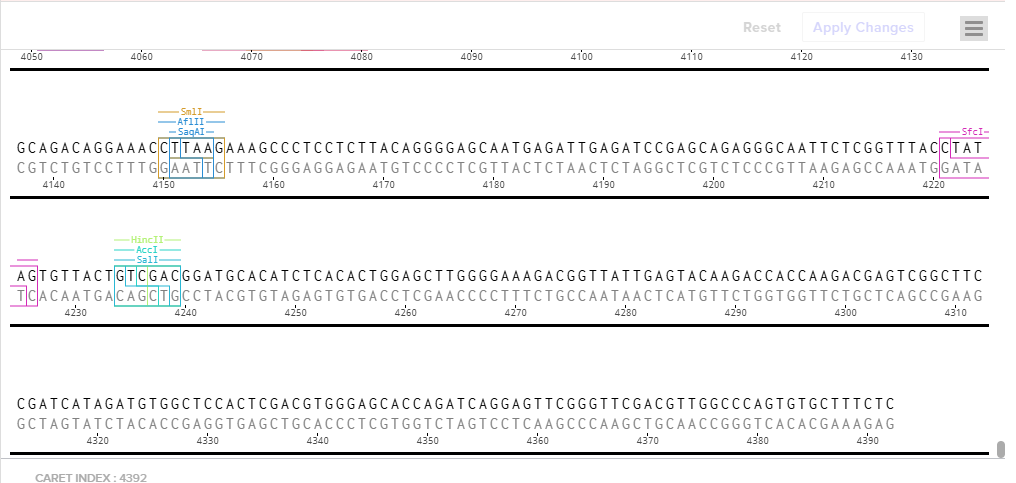
I have chosen collagen type I alpha 1 chain (COL1A1).
I chose this protein because it plays a fundamental role in tissue regeneration. It is a major component of collagen type I, the most abundant structural protein in the human body. It provides mechanical strength and structural support to tissues such as bone, skin, and tendons.
Therefore, I believe that genetic modification of bromelain could serve a more appropriate purpose in my research, as rational DNA design may improve its stability, enzymatic efficiency, and resistance to environmental conditions. However, since it functions primarily as a proteolytic and anti-inflammatory enzyme, its role in wound healing remains supportive rather than directly regenerative.
Although recombinant engineering may enhance bromelain’s activity and bioavailability, it does not alter its fundamental mechanism of action as a protease; therefore, it cannot independently stimulate cell proliferation or extracellular matrix synthesis. By optimizing its gene sequence, bromelain expression and catalytic performance could be increased; nevertheless, its biological function would remain mainly associated with tissue debridement and inflammation control.
During wound healing, collagen type I replaces the temporary collagen type III and helps form a strong and stable extracellular matrix, which is essential for proper tissue remodeling.
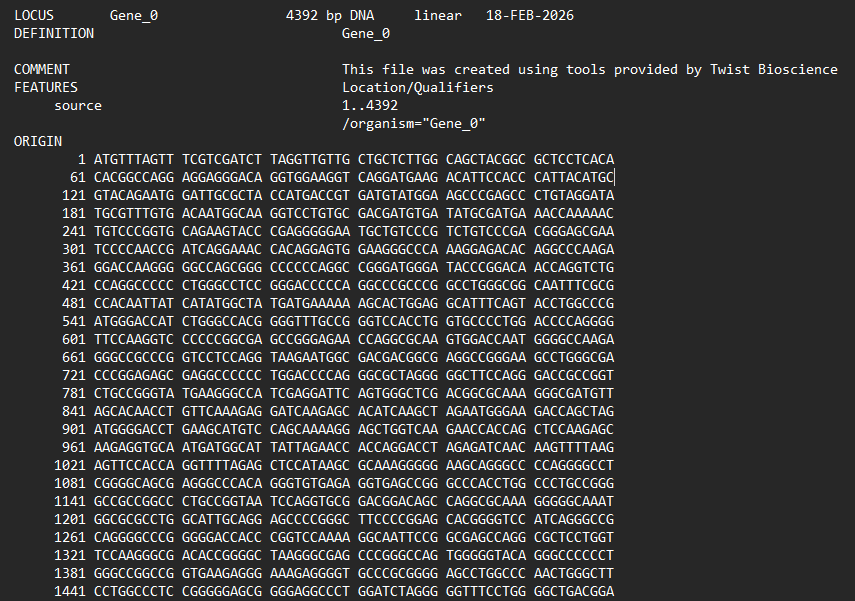
Reverse Translate: Protein (amino acid) sequence to DNA (nucleotide) sequence.
3.3. Codon optimization.
In your own words, describe why you need to optimize codon usage. Which organism have you chosen to optimize the codon sequence for and why? Codon optimization is necessary because different organisms prefer specific codons to produce proteins efficiently. Even though multiple codons can code for the same amino acid, some are used more frequently in certain species. Optimizing the codon usage improves translation efficiency and increases protein production. I optimized the sequence for Homo sapiens because the protein naturally functions in human cells and requires proper folding and post-translational modifications for correct biological activity.
3.4. You have a sequence! Now what?
What technologies could be used to produce this protein from your DNA? Describe in your words the DNA sequence can be transcribed and translated into your protein. You may describe either cell-dependent or cell-free methods, or both.
To produce this protein in Homo sapiens, the DNA sequence encoding COL1A1 can be inserted into a suitable expression vector and introduced into human cells. Inside the cell, the DNA is transcribed into messenger RNA (mRNA) by RNA polymerase in the nucleus. The mRNA is then transported to the cytoplasm, where ribosomes translate it into the collagen protein according to the genetic code. After translation, the protein undergoes proper folding and post-translational modifications necessary for its biological function. This process follows the central dogma of molecular biology: DNA → RNA → Protein.
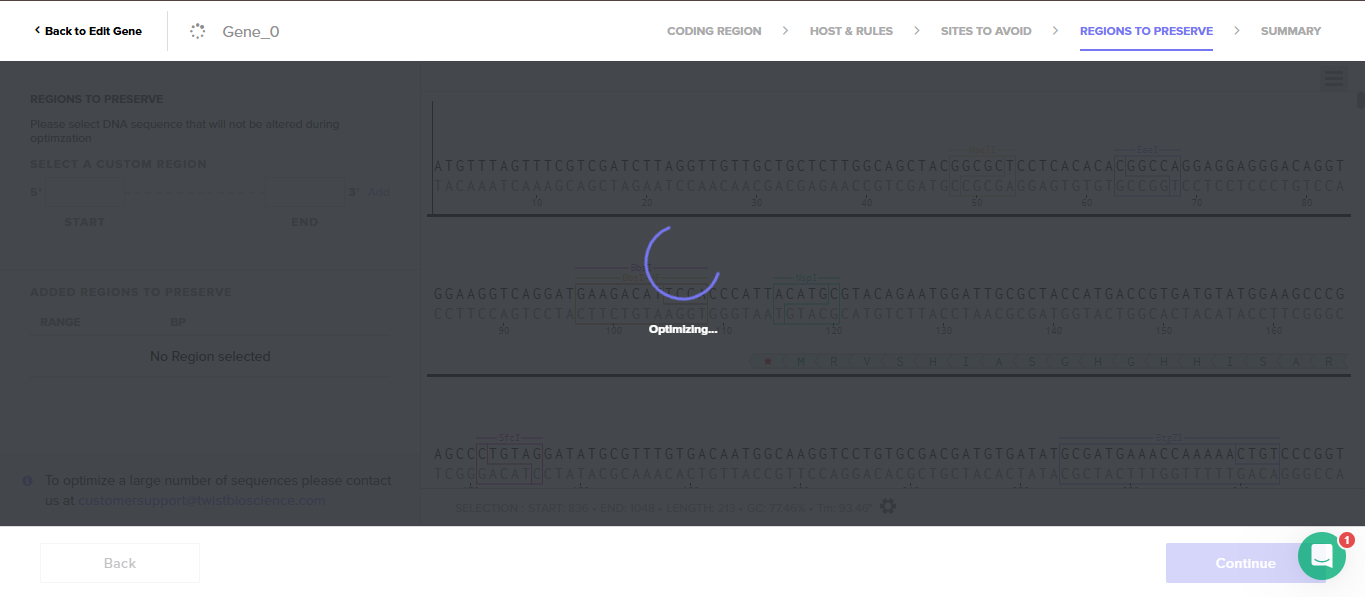
Part 4: Prepare a Twist DNA Synthesis Order ## Part 5: DNA Read/Write/Edit
5.1 DNA Read
What DNA would you want to sequence (e.g., read) and why? I would sequence DNA used for digital data storage. DNA-based data storage encodes digital information into synthetic nucleotide sequences (A, T, C, G). I am interested in this because DNA is extremely stable, has very high storage density, and could preserve information for thousands of years, making it a revolutionary alternative to traditional storage systems. In lecture, a variety of sequencing technologies were mentioned. What technology or technologies would you use to perform sequencing on your DNA and why?
5.2 DNA Write
What DNA would you want to synthesize (e.g., write) and why? These could be individual genes, clusters of genes or genetic circuits, whole genomes, and beyond. As described in class thus far, applications could range from therapeutics and drug discovery (e.g., mRNA vaccines and therapies) to novel biomaterials (e.g. structural proteins), to sensors (e.g., genetic circuits for sensing and responding to inflammation, environmental stimuli, etc.), to art (DNA origamis). If possible, include the specific genetic sequence(s) of what you would like to synthesize! You will have the opportunity to actually have Twist synthesize these DNA constructs! :) - What technology or technologies would you use to perform this DNA synthesis and why?
5.3 DNA Edit
What DNA would you want to edit and why? What technology or technologies would you use to perform these DNA edits and why?
Week 3 HW: / Lab Automation
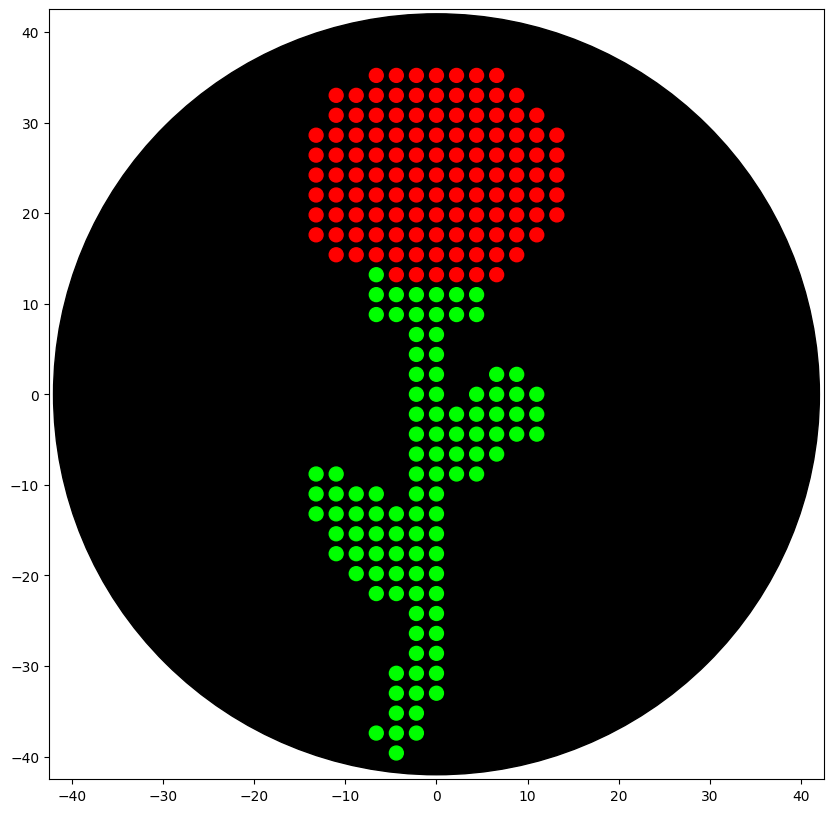
Python Script for Opentrons Artwork
Generate an artistic design using the GUI at opentrons-art.rcdonovan.com.
Using the coordinates from the GUI, follow the instructions in the HTGAA26 Opentrons Colab to write your own Python script which draws your design using the Opentrons.
Find and describe a published paper that utilizes the Opentrons or an automation tool to achieve novel biological applications.
Published Paper Using Opentrons for Novel Biological Applications
Citation Nazeri, M., Watchorn, J., Mei, S., Zhang, A., Allen, C., & Gu, F. (2025). Leveraging flexible pipette-based tool changes to transform liquid handling systems into dual-function sample preparation and imaging platforms. HardwareX. https://doi.org/10.1016/j.ohx.2025.e00653
Summary
In this paper, the authors modified the Opentrons OT-2 liquid handling robot to function as both a pipetting system and a real-time imaging platform. They designed a 3D-printed adapter that holds both a pipette tip and a USB camera. When the robot picks up the pipette tool, the camera is lifted with it, allowing simultaneous liquid handling and in-situ imaging.
The system was used to monitor ionically crosslinked hydrogels during formation, enabling real-time observation without manual sample transfer. This approach improves reproducibility, supports high-throughput experiments, and reduces human error.
Although demonstrated with hydrogels, the platform could be applied to other biological and materials science processes such as polymerization, crystallization, and drug delivery development. This work highlights how open-source automation tools like Opentrons can be expanded into multifunctional research platforms.
Write a description about what you intend to do with automation tools for your final project. You may include example pseudocode, Python scripts, 3D printed holders, a plan for how to use Ginkgo Nebula, and more. You may reference this week’s recitation slide deck for lab automation details.
Final Project: Using Automation to Develop a Bromelain-Based Wound Dressing
For my final project, I plan to use laboratory automation tools such as the Opentrons OT-2 liquid handling robot to develop and optimize a bromelain-based wound dressing.
Bromelain is a proteolytic enzyme derived from pineapple that has anti-inflammatory and debridement properties. However, its effectiveness depends on concentration, stability, and controlled release within a hydrogel or dressing matrix. Automation can significantly improve how these formulations are tested and optimized.
How Automation Will Help
Using the Opentrons robot, I will:
Prepare multiple hydrogel formulations with varying bromelain concentrations.
Automate mixing ratios of polymer base, crosslinker, and enzyme.
Perform high-throughput testing of different conditions.
Improve reproducibility and reduce pipetting error.
Monitor gel formation consistency across replicates.
This approach allows systematic exploration of structure–property relationships, similar to combinatorial materials research discussed in class.
Example Workflow
Load hydrogel base into plate.
Dispense varying concentrations of bromelain.
Add crosslinking agent.
Incubate under controlled conditions.
Record observations (gel strength, clarity, degradation rate).