Homework Part A: General and Lecturer-Specific QuestionsGeneral homework questionsExplain the main advantages of cell-free protein synthesis over traditional in vivo methods, specifically in terms of flexibility and control over experimental variables. Name at least two cases where cell-free expression is more beneficial than cell production. Describe the main components of a cell-free expression system and explain the role of each component.
Why is energy provision regeneration critical in cell-free systems? Describe a method you could use to ensure continuous ATP supply in your cell-free experiment.
Let it be noted, I really want to use George AI to engage this question, but I am running out of time, so I am just pitching shots up on the green to try and finish off with a putter and I also recognize metaphors are symptomatic of a weak mind, so there you have it. This is why we need AI too. Most people are susceptible to weak-minded syndrome. Therefore, since my overall understanding of what I am describing here is dulled, please do not try any of this at home. The bioenergetic cycles we wish to reconstruct in the cell-free environment literally resemble a water mill. I start with these two examples because one makes sense to me, and the other appears to be the same engineering concept but now there are some critical features missing that makes it more difficult to reconstruct the working order of things. I believe the same problem challenges us with cell-free systems. We have all the parts and experiments are clearly designed but what sustains them? There are clearly hidden variables that cannot be intuited at first glance.
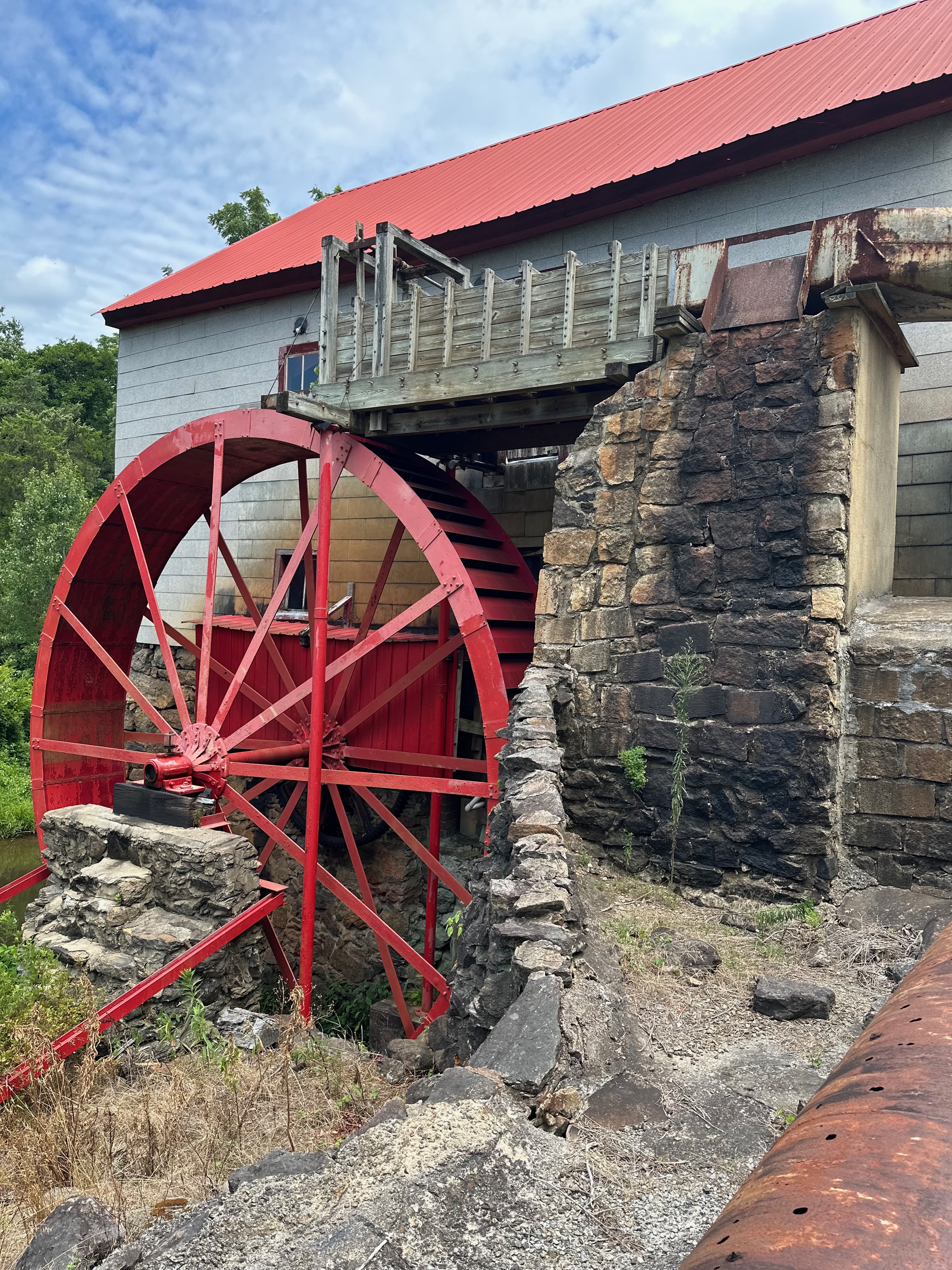
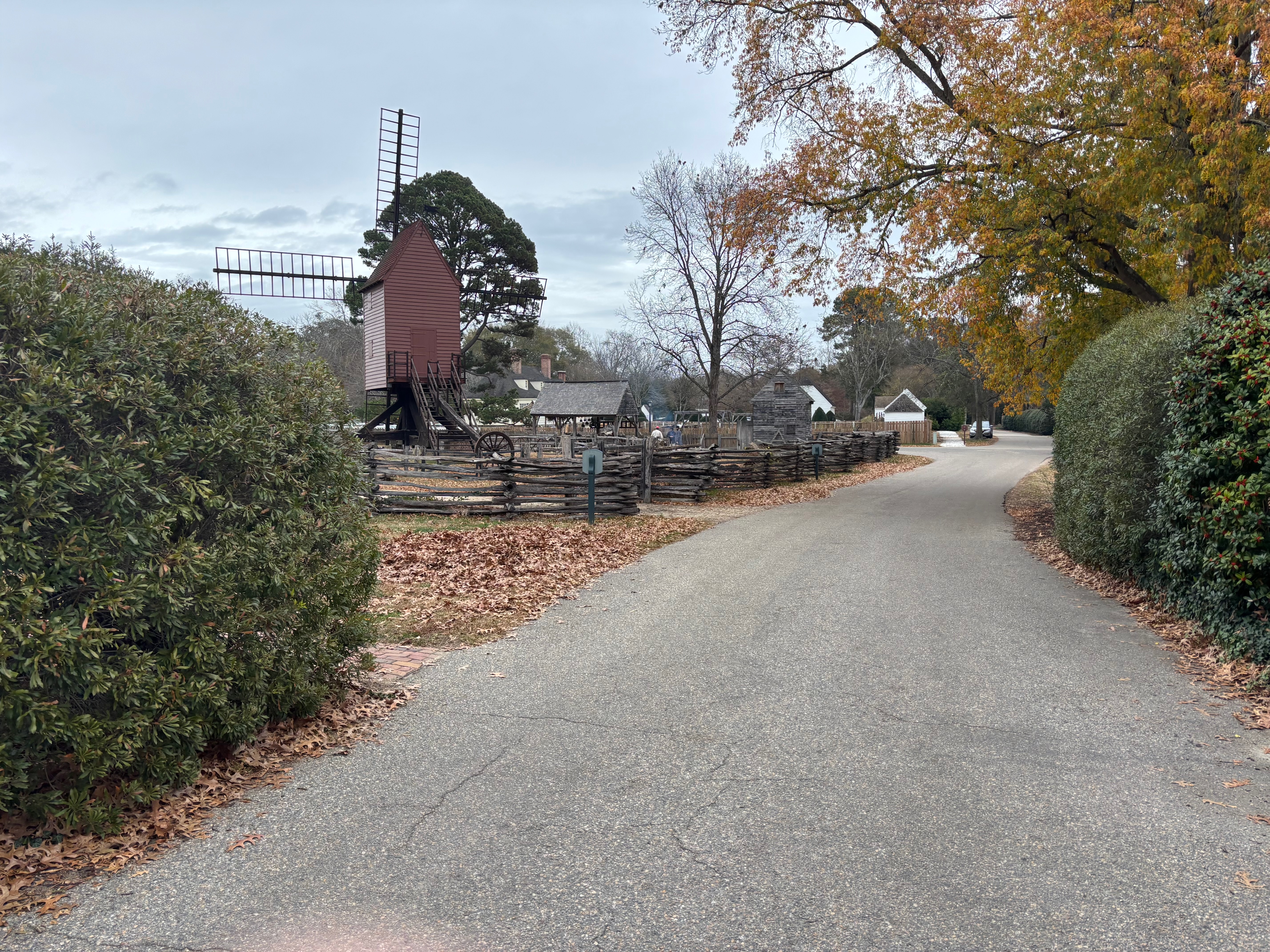 Now I am afraid if just put up my next image it will be swept away do to copyright infringement laws since I didn’t personally take a picture of this biochemical pathway.
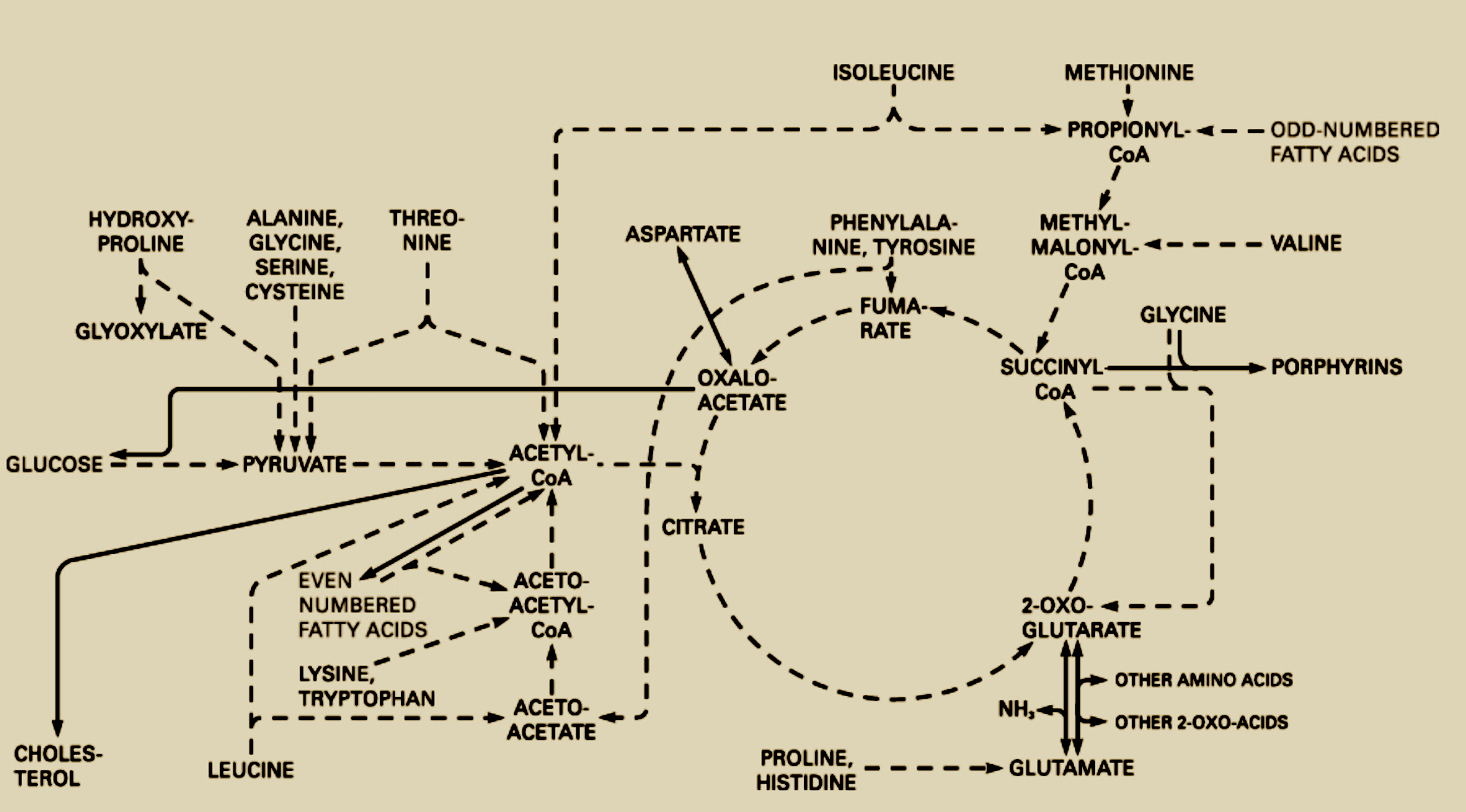 The irony of course is that the water mill and whatever mill above were invented when Newton was still alive if not before, likely long before, anyway the cellular aerobic respiration cycle was discovered inside of living organisms on Earth. In addition, we should note that the cellular cycle is part of many interacting open systems, and the other two mills are closed systems embedded in open living systems. Infact, is there anything sadder than a watermill without water for there in the bones of brick and iron is a functionless relic of a time before atomic energy had been harnessed. Perhaps a time we will return to in the end, but enough conjecture.
 A cell-free system picks up where the watermill ends, beginning from the assumption that what we are doing here will be as difficult as designing an engine powered by a river that is no longer there. Thus, the cell-free system must build the mill and the river and then let go, with the prediction being that if we are successful, this new cell-free system will keep running independently of our intervention.
Now, in full disclosure, I might not be resilient enough to imagine a cell-free system world because I have been so conditioned by the Earth-assisted invention cycle, and I am overly sentimental about the importance of existing Earth Systems, as we inherited them from previous generations. That being said, I am not fully naive either and recognize where we are headed. Cell-Free systems are acceptable when the alternative is extinction.
Certainly, if we have a mill already built, there are many less promising alternatives than finding a way to regenerate the river that was and fire that mill back up, and sustain them both.
Function is clearly the keystone in the design of any cell-free form. Consider the aerobic respiration cycle in our cells, moving from left to right. Let’s categorize two functional buckets in the first cut. The first bucket is for the river, or the input systems, or energy sinks that are milled to power the functions in the other bucket, the cellular motion. The Glucose goes into the river bucket; it is derived as an independent input. Fortunately, in this model, at least Glucose is initially derived from external foodstuffs and converted into a crude energy source, regulated by dosage and intake. However, Glucose will also be an output of the internal system and will later be stored. Another key takeaway about the Glucose it’s one of the only initial inputs (aside from Odd-Numbered-Fatty-Acids) that is not an essential Amino Acid. This is why, when I lived in Boston and worked for the Boston Public Health Commission (BPHC), I survived on bargain fruit from the grocery store– no one was taking Glucose away from me just because I was a poor Epidemiologist.
Another key feature of the aerobic respiration cycle is the neighborhoods in the overall metabolic map that different essential amino acids contribute to synthesizing enzymes required by the cell organelles. A similar process is observed in the waterwheel-powered grain mill. If you go inside the structure of a working watermill you will see an array of different shaking and turning gears and swinging rods all in concert to grind up harvested grains and kernels. However, today the water does not flow directly beside the mill, it has been rerouted and piped for pressurization, and then it falls onto the wheel to turn the primary shaft. The great thing about CFS is they too can utilize different pipes or pipette arrangements for additive components of the expression. For example the first reaction in the Glycolysis cascade involves the addition of Hydroxy-proline to Pyruvate as well as conversion to Glyoxylate. In addition, there are four other critical Amino acids, including Alanine, Glycine, Serine, and Cysteine, and then the addition of Threonine, which is also added at the same time to Acetyl-CoA, so it’s ready as a key enzyme for OXPHOS in the Mitochondria or CFS mitochondrial equivalent. However before the Acetyl-CoA can even be completely synthesized the Pyruvate must also be prepared as well as the Lucine.
In fact, Acetyl-CoA is actually a much more nuanced synthesis step because although some Leucine will directly lead to the final Acetyl-CoA most will come through the build-up or synthesis of Aceto-Acetate along with Phenylalanine and tyrosine. Only then can the Aceto-Acetyl-CoA be synthesize with Even Numbered Fatty Acids and Lyine and Tryptophan to further increase the supply of Acetyl-CoA.
Now what’s extraordinary about all these steps so far is that they only get us to the actual Kreb’s Cycle, which is the essential design element. In living cells, almost all of these reactions take place in the mitochondria. That said, there is a transition-state relationship between the mitochondria and the nucleus of the living cell that varies across phylogeny. Specifically, the variation here is the level of completeness in the transition of mitochondrial genetic information and associated functions to nuclear genome transcription and translation. This transition could potentially by supported by CFS designs that could identify artificial selection acclimations and adaptations that could further facilitate what many believe will be an inevitable combination of mitochondrion and nuclear genomes.
Once inside the Krebs Wheel there are many advances to consider. For example unlike a waterwheel it matters which direction the Kreb’s Cycle turns. Temporality is also a requirement. There are many molecules and reactions that must already be working in the Krebs’ Cycle when the Glucose starts flowing. For example, there must be a balanced exchange between Aspartate and Oxalo-Acetate. Infact it is explainable here to see why Oxalo-Acetate has direct pathway back to Glucose almost like a signal that the cycle is ready to commence. However before Oxalo-Acetate can send that signal it must be synthesized by Phenylalanine and Tyrosine through Fumerate. However then some Oxalo-acetate must synthesize Citate which will then result in 2-Oxo-Glutarate which is also maintained through a titration with Glutamate that is synthesize from Proline and Histidine. Then a secondary loop exists between here and Succinyl-CoA that is also independently maintained by influx of Methyl-Malonyl-CoA synthesized by Valine and Propionyl-CoA synthesized from Isoleucine, Methionine, and other Odd-Numbered Fatty acids. In addition Succinyl-CoA combines with Glycine to form Porphyrins.
CFS must maintain all of these inflows and outflows if CFS is also going to be dependent on aerobic respiration.
Compare prokaryotic versus eukaryotic cell-free expression systems. Choose a protein to produce in each system and explain why.
How would you design a cell-free experiment to optimize the expression of a membrane protein? Discuss the challenges and how you would address them in your setup. The classic chassis for a prokaryotic cell-free protein synthesis (CFPS) system is derived from bacterial cells, most commonly Escherichia coli lysates. These systems leverage many of the same evolutionary advantages that have allowed bacteria to dominate nearly every ecological niche on Earth: rapid growth, extraordinary metabolic efficiency, and immense adaptive capacity. Bacterial populations replicate clonally at remarkable speed, generating extensive genetic and phenotypic variation over short timescales. While this adaptability contributes to the robustness and productivity of bacterial systems, it also presents challenges for CFPS reproducibility. Even within the same culture lineage, significant divergence can emerge between generations as cells continuously adapt to environmental conditions, metabolic pressures, and selective constraints. As a result, maintaining consistency in CFPS preparations requires careful control of bacterial growth state, timing, and storage conditions. Researchers must decide which physiological state of the culture is most appropriate for lysate preparation, since a population harvested at one time point may differ substantially from the same culture only hours later. Delayed harvesting can lead to nutrient depletion, stress responses, population collapse, or contamination by competing microorganisms, all of which can alter lysate composition and downstream protein synthesis performance. To preserve experimental reproducibility, ancestral stocks are typically cryopreserved and periodically compared against actively growing cultures. Maintaining these reference populations and monitoring culture integrity introduces additional cost and labor, but it is essential for ensuring consistent inference about the CFPS system being modeled. Once stable growth conditions and colony maintenance strategies are established, however, bacterial CFPS platforms can produce specific proteins rapidly and at exceptionally high yield, making them powerful tools for synthetic biology, biosensing, metabolic engineering, and biologics production.
The classic chassis for a cell-free eukaryotic system (CFES) uses yeast cells. Even at the smallest scale of CFES, there is more control over folding machinery, enzymatic dynamics, and chaperone mechanisms. CFES also offers additional functional categories that can be compared with those of larger Metazoans, including sophisticated immune systems, complex multiprotein structures, signaling networks, and specialized membrane structures. CFES takes more resources and steps to prepare for growth, and their cell lines are almost always more fragile than their CFPS counterparts. The machinery supporting CFES growth is also more expensive, which increases inequality in the research landscape between scientists. Inequality anywhere corrodes the quality of the science. For example, there are institutions where only engineers have access to even basic CFES technology, and entire departments of professors and their students see the machines only in conference pamphlets. This results in specialization of science based on having and not having facilities and technologies, which means considerable gaps form between curiosity, ability, and the type of research questions being pursued. This means that scientific progress in CFES systems, as opposed to CFPS, becomes like Moneyball, and this is certainly not just in the USA. Entire countries may face a CFPS ceiling, in which the only way they can pursue scientific questions about multicellular organisms is to leave their country and join another research institution. This ensures that inequalities in CF research breakthroughs persist, which is detrimental to science as a whole. For example, most of my knowledge about CFES comes from HTGAA; indeed, I didn’t even know what I didn’t know before this course, and there is still much to learn before I can fully articulate an answer to many of these questions.
Imagine you observe a low yield of your target protein in a cell-free system. Describe three possible reasons for this and suggest a troubleshooting strategy for each.
In CFPS, this is a much easier problem to solve. This is because in CFPS, if the protein we are targeting is synthesized when the match between the environment and genotypic expression prioritizes an expression of a target phenotype, for example, as we might see in V. Cholera that adapts proteins to form a Type Six Secretion System for competition with other bacteria in their colony. In CFES, the specificity of protein function outpaces the abundance of protein across a population. Variation that becomes an obstacle in CFES as individual organisms in a population develop differences in their gene networks that produce target proteins and the reason for the abundance of particular proteins can be counterintuitive to CFES scientists planning experiments, as anyone who has ever tried to grow a multicellular organism for resource harvesting. For example, the blueberry bushes that never produce fruit, or a milk goat that never produces enough milk.
Homework question from Kate AdamalaDesign an example of a useful synthetic minimal cell as follows:
Pick a function and describe it.
I am going to develop a stress inflammatory signaling system in the Ste20 kinase family from the ground up. I will use MAP4K2 as my model.
What would your synthetic cell do? What is the input and what is the output?
I choose MAP4K2 because it is so complex and high up in the chain and stress signaling molecules. I realize this violates the minimal cell part of the instruction but actually another way of looking at simplicity is just repeating the same word over and over again and in that sense this might be the simplest gene of all. The full name is mitogen-activated protein kinase kinase kinase kinase kinase 2. My version of a MAP4K2 cell will be an upstream stress-responsibe kinase that will direct amplification of inflammatory and oxidative stress signaling cascades. The inputs will be TNF-α signaling, TRAF adaptor complexes, stress receptor activation, small GTPase signaling, Oxidative stress, and environmental stress. Outputs will be MAP3Ks, JNK pathway activation, p38 pathway modulation, c-Jun activation, and Cytoskeletal signaling.
Could this function be realized by cell-free Tx/Tl alone, without encapsulation?
Unfortunately not, I could express some protein, demonstrate kinase activity in vitro, and exhibit some substrate phosphorylation but I will not be able to recreate the full biological function of mitogen-activated protein kinase kinase kinase kinase kinase 2 without membrane-based signaling geometry, localization, and scaffold interactions.
Could this function be realized by genetically modified natural cell?
The good news is mitogen-activated protein kinase kinase kinase kinase 2 would be more effective as a modified natural cell than actual minimal synthetic cell which would be more complicated if that is even possible to comprehend. This is because MAP4K2 would benefit from genetically modified cell’s existing membrane organization, protein scaffolding, standing kinase networks, existing ATP homeostasis parameters, as well as the natural cells cytoskeleton, signaling receptors, phoshorylation machinery, and organization of spatial compartments. Furthermore in addition to the existing infrastructure in the natural cell I could add through the genetic modification flourescent reporters to beter visualize pathway activiation associated with my MAP4K2.
Describe the desired outcome of your synthetic cell operation.
My desired outcome of this simplified synthetic system to investigate which components are minimally required for MAP4K2 function. Design all components that would need to be part of your synthetic cell.
Although I wish I had written my dissertation on this topic, now I’d better keep it short for this question. A minimal mapping of all of the components that will need to be part of my MAP4K2 synthetic cell are a Liposome, TX/TL, MAP4K2 DNA and mRNA, ATP and Mg²⁺, phosphorylation substrate, and fluorescent readout. Additional modules would include my base MAP4K2 platform and some simple peptide substrates, MAP3K10, scaffold/recruitment system, liposome membrane anchoring, and JNK/p38 pathway. What would be the membrane made of?
I would use a liposome membrane made from phospholipids. Ingredients would include: POPC, POPG, Cholesterol, and Ni-NTA lipids. What would you encapsulate inside? Enzymes, small molecules.
Which organism your Tx/Tl system will come from? Is bacterial OK, or do you need a mammalian system for some reason? (hint: for example, if you want to use small molecule modulated promotors, like Tet-ON, you need mammalian)
How will your synthetic cell communicate with the environment? (hint: are substrates permeable? or do you need to express the membrane channel?)
Experimental details
List all lipids and genes. (bonus: find the specific genes; for example, instead of just saying “small molecule membrane channel” pick the actual gene.) How will you measure the function of your system?
I will measure the function of my mitogen-activated protein kinase kinase kinase kinase 2 synthetic cell by detecting phosphorylation of an internal substrate. Successful function would be demonstrated by increased phosphorylation signal compared to no-kinase and kinase-dead controls, either using fluorescent phorphorylation reporter or Phos-tag gel shift assay. Example solution
Based on: Lentini, R. et al., 2014. Nat comm, 5, p.4012. Pick a function and describe it.
What would your synthetic cell do? What is the input and what is the output?
Expand the sensing capacity of bacteria. Input: theophylline (inert to bacteria). Output of the SMC: IPTG. Output of the whole system: GFP produced in bacteria. (Theophyline aptamer reference: Martini, L. & Mansy, S.S., 2011. Cell-like systems with riboswitch controlled gene expression. Chemical Communications, 47(38), p.10734.)
Could this function be realized by cell-free Tx/Tl alone, without encapsulation?
No. If the IPTG were not encapsulated, it would go into the bacteria without the need of theophylline-induced membrane channel synthesis, thus the synthetic cell actuator would not exist.
Could this function be realized by genetically modified natural cell?
Yes, in this particular case: the theophylline aptamer could be incorporated into a transformed gene. This lacks generality though – it is easier to make SMC than modify bacteria, so in this system a single bacteria reporter can be used to detect various small molecules.
Describe the desired outcome of your synthetic cell operation.
In the presence of SMC, bacteria sense theophylline.
Design all components that would need to be part of your synthetic cell.
What would be the membrane made of?
Phospholipids + cholesterol.
What would you encapsulate inside? Enzymes, small molecules.
cell-free Tx/Tl system, IPTG, gene for membrane transporter under the control of theophylline aptamer.
Which organism your Tx/Tl system will come from? Is bacterial OK, or do you need a mammalian system for some reason? (hint: for example, if you want to use small molecule modulated promotors, like Tet-ON, you need mammalian)
Bacterial, because of the theophylline riboswitch used as SMC input.
How will your synthetic cell communicate with the environment? (hint: are substrates permeable? or do you need to express the membrane channel?)
The membrane is permeable to the input molecule (theophylline), the output is IPTG that will cross the membrane via the membrane pore created after theophyline-initiated gene expression.
Experimental details
List all lipids and genes. (bonus: find the specific genes; for example, instead of just saying “small molecule membrane channel” pick the actual gene.)
Lipids: POPC, cholesterol
Enzymes: bacterial cell-free Tx/Tl
Genes: a-hemolysin (aHL) to encapsulate in SMC
Biological cells: E.coli transformed with GFP under T7 promoter and a lac operator
How will you measure the function of your system?
Measure GFP output of the cells via flow cytometry. Alternatively, use enzymatic reporter, like luciferase, and measure bulk output of the enzyme.
(a) In the absence of artificial cells (circles), E. coli (oblong) cannot sense theophylline.
(b) Artificial cells can be engineered to detect theophylline and in response release IPTG, a chemical signal that induces a response in E. coli.
Homework question from Peter Nguyen Freeze-dried cell-free systems can be incorporated into all kinds of materials as biological sensors or as inducible enzymes to modify the material itself or the surrounding environment. Choose one application field — Architecture, Textiles/Fashion, or Robotics — and propose an application using cell-free systems that are functionally integrated into the material. Answer each of these key questions for your proposal pitch: Write a one-sentence summary pitch sentence describing your concept.
How will the idea work, in more detail? Write 3-4 sentences or more.
What societal challenge or market need will this address?
How do you envision addressing the limitation of cell-free reactions (e.g., activation with water, stability, one-time use)?
Homework question from Ally Huang Freeze-dried cell-free reactions have great potential in space, where resources are constrained. As described in my talk, the Genes in Space competition challenges students to consider how biotechnology, including cell-free reactions, can be used to solve biological problems encountered in space. While the competition is limited to only high school students, your assignment will be to develop your own mock Genes in Space proposal to practice thinking about biotech applications in space! For this particular assignment, your proposal is required to incorporate the BioBits® cell-free protein expression system, but you may also use the other tools in the Genes in Space toolkit (the miniPCR® thermal cycler and the P51 Molecular Fluorescence Viewer). For more inspiration, check out https://www.genesinspace.org/ . Provide background information that describes the space biology question or challenge you propose to address. Explain why this topic is significant for humanity, relevant for space exploration, and scientifically interesting. (Maximum 100 words)
Name the molecular or genetic target that you propose to study. Examples of molecular targets include individual genes and proteins, DNA and RNA sequences, or broader -omics approaches. (Maximum 30 words)
Describe how your molecular or genetic target relates to the space biology question or challenge your proposal addresses. (Maximum 100 words)
Clearly state your hypothesis or research goal and explain the reasoning behind it. (Maximum 150 words)
Outline your experimental plan - identify the sample(s) you will test in your experiment, including any necessary controls, the type of data or measurements that will be collected, etc. (Maximum 100 words)
Homework Part B: Individual Final Project We’d like students to start exploring their final project in depth this week! Of your three Aims, for this week you should have at least Aim 1 decided and written down. Put your chosen final project slide in the appropriate slide deck following the instructions on slide 1:
MIT/Harvard/Wellesley ONE FINAL PROJECT IDEA
Committed Listener ONE FINAL PROJECT IDEA
Submit this Final Project selection form if you have not already.
Begin planning how you will write your final project documentation based on these guidelines
Prepare your first DNA order and put it in the “Twist (MIT)” or “Twist (Nodes)” tab of the 2026 HTGAA Ordering: DNA, Reagents, Consumables spreadsheet, as appropriate.
First Twist order deadline for MIT/Harvard/Wellesley students is Friday, April 3 at 11PM ET
First Twist order deadline for Committed Listeners is Friday, April 10 at 11PM ET. (Your Node Lead will place the Twist order, so please work with them to finalize your constructs and ordering decisions.) Reading & ResourcesCell-free protein synthesis (explanation by minipcr's DNAdots)
Validation of Cell-Free Protein Synthesis Aboard the International Space Station (ACS Synthetic Biology paper by Ally Huang et al.)
|