Week 3 HW: Lab Automation
Generate an artistic design using the GUI at opentrons-art.rcdonovan.com
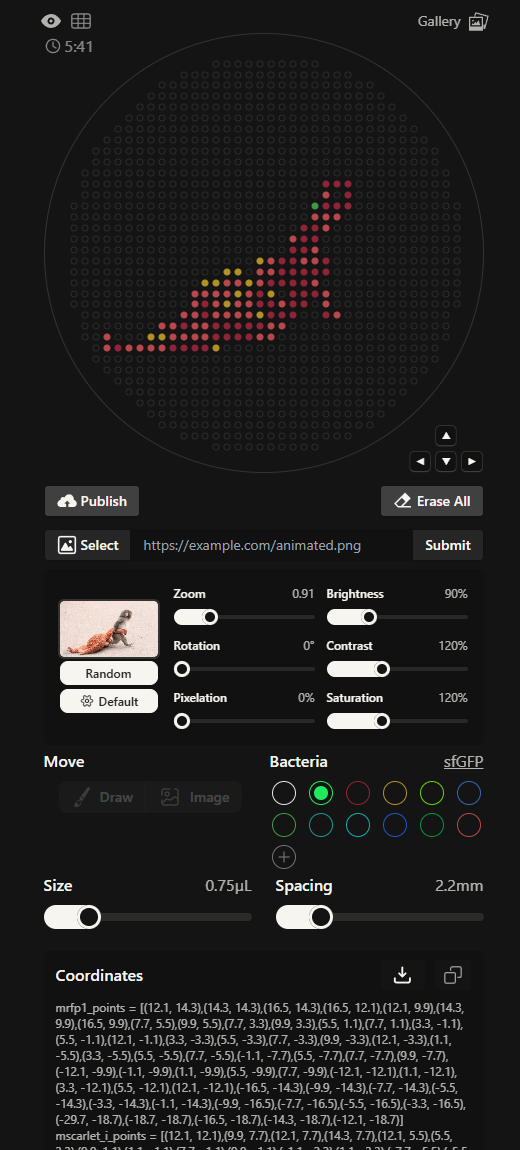
I wanted to draw Punch, the famous baby Japanese macaque from the zoo in Japan. The GUI created an approximate outline which I used as a base and added more details of different colour on top.
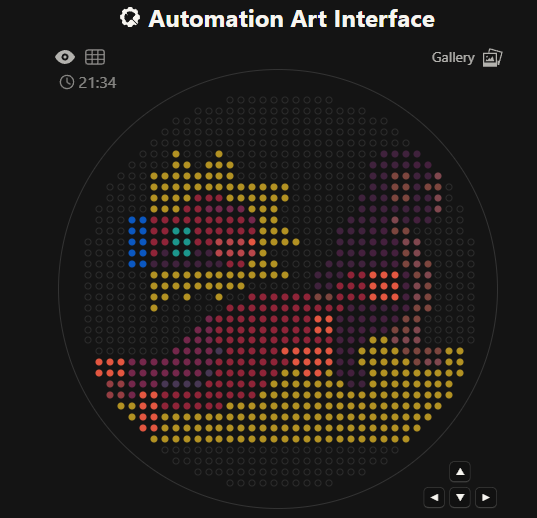
This was the end result
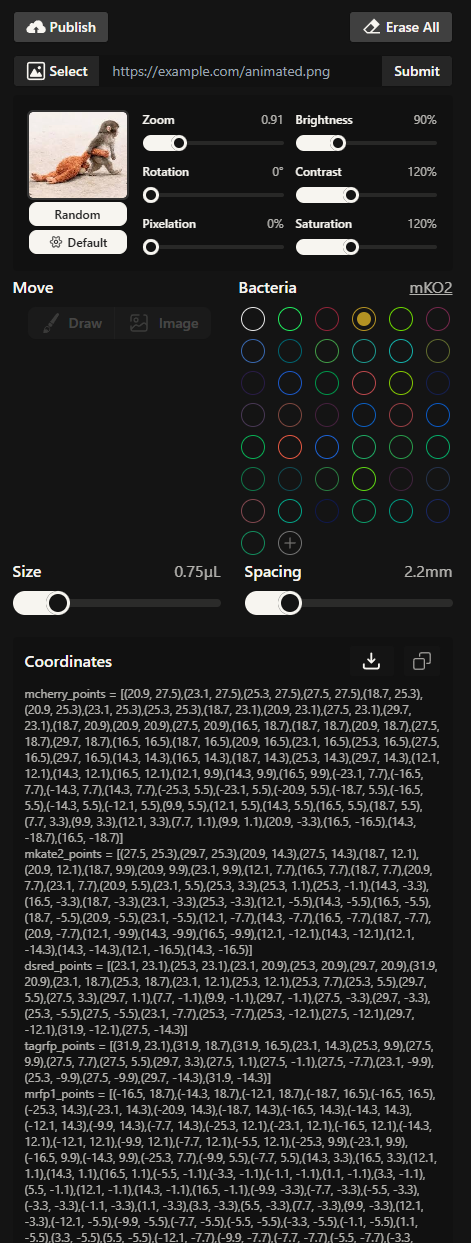
This was the settings with the coordinates.
Using the coordinates from the GUI, follow the instructions in the HTGAA26 Opentrons Colab to write your own Python script which draws your design using the Opentrons
1. Find and describe a published paper that utilizes the Opentrons or an automation tool to achieve novel biological applications.
Urrutia Iturritza, M., Mlotshwa, P., Gantelius, J., Alfvén, T., Loh, E., Karlsson, J., Hadjineophytou, C., Langer, K., Mitsakakis, K., Russom, A., Jönsson, H. N., & Gaudenzi, G. (2024). An Automated Versatile Diagnostic Workflow for Infectious Disease Detection in Low-Resource Settings. Micromachines, 15(6), 708. https://doi.org/10.3390/mi15060708
detection in low-resource settings
The paper describes that having an automated diagnostic testing workflow in peripheral laboratories and in hospitals, clinic or epidemic control checkpoints is advantageous due to the simultaneous processing of multiple samples to provide rapid results to the patient and hence minimising the possibility of containing room or error during the sample handling or trasnportation, and also increases efficiency, however, most automation platforms are expensive and are not easily adaptable to new protocols. The paper proposes the need for a versatile, easy to use, rapid and reliable diagnostic testing workflow. They propose to combining open source modular automation such as Opentrons and automation compatible molecular biology protocols that can be easily adapted to a workflow for infectious diseases diagnosis.
The paper illustrates the feasibility of automation of the method with a low cost Neisseria meningitidis diagnostic test that utilises magnetic bends for pathogen DNA isolation, isothermal amplification and ferritin on a paper based microarray.
2. Write a description about what you intend to do with automation tools for your final project. You may include example pseudocode, Python scripts, 3D printed holders, a plan for how to use Ginkgo Nebula, and more. You may reference this week’s recitation slide deck for lab automation details.
This is an idea that was described by David in class but I thought can apply to my final projects. It is testing the biosensors at scale especially for my idea one. With the pollen sensor (can also be air quality biosensor) the automation tool comes in and does thousands of tests in parallel, to especially test as many different types of durations and data points in the design.
3. While your description/project idea doesn’t need to be set in stone, we would like to see core details of what you would automate. This is due at the start of lecture and does not need to be tested on the Opentrons yet.
Idea one
Context:
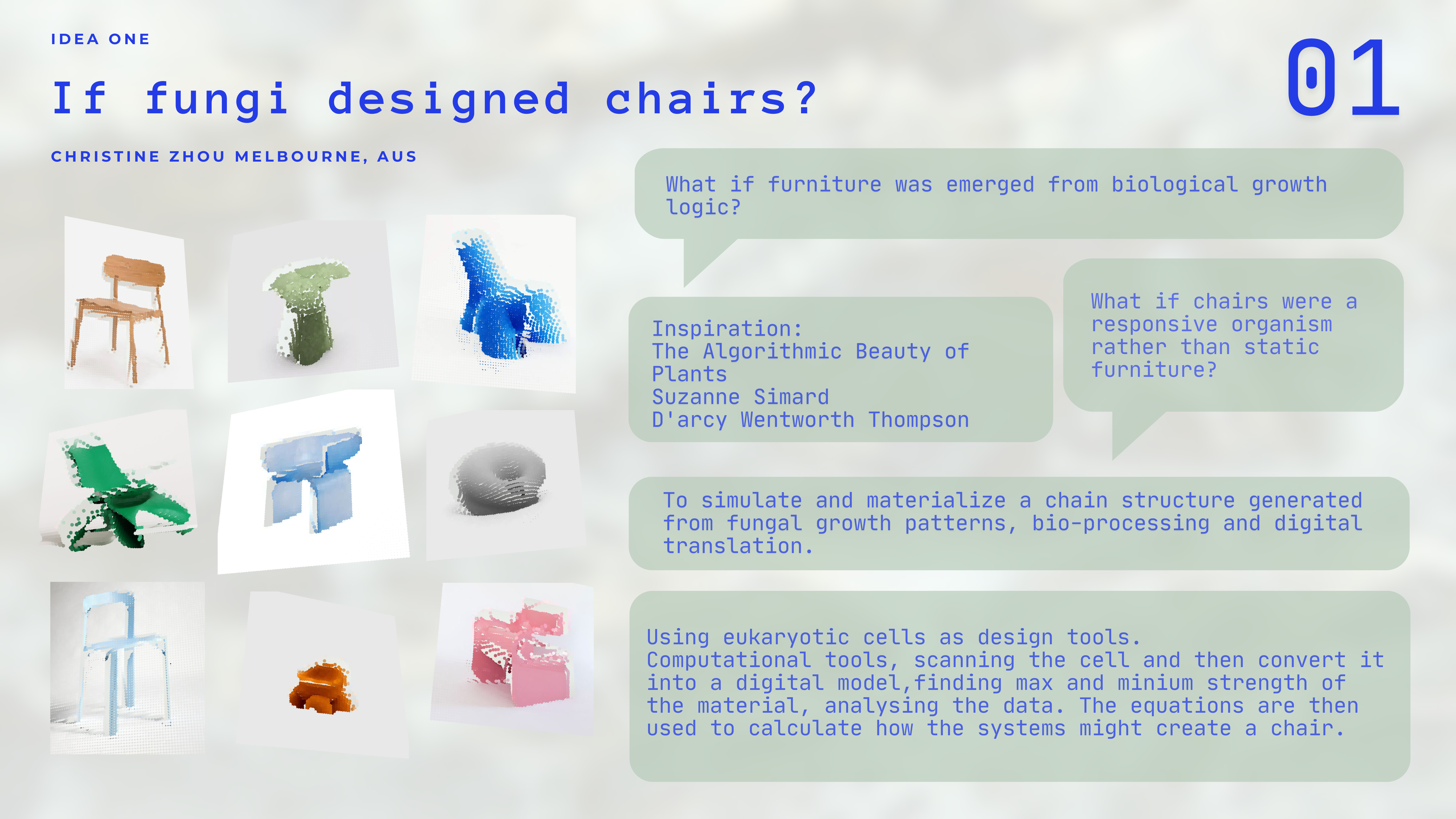
If fungi designed chairs?
- What if furniture was not designed by humans imposing geometry onto materials, but instead emerged from biological growth logic?
- What if chairs were a responsive organism rather than static furniture.
Inpsired by:
- The Algorithmic Beauty of Plants : Which models plant growth using mathematical rules (L-systems).
- Suzanne Simard : Who revealed underground fungal communication networks between trees.
- D’arcy Wentworth Thimpson : On growth and form 1917
Aim:
To simulate and materilaise a chain structure generated from fungal growth patterns, bio-processing and digital translation.
Method
Using eukaryotic cells cells as design tools.
Computational tools, scanning the cell and then conver it into a digital model,finding max and minium strength of the material, analysing the data. The equtions are then used to caluclate how the systems might create a chair.
Idea Two
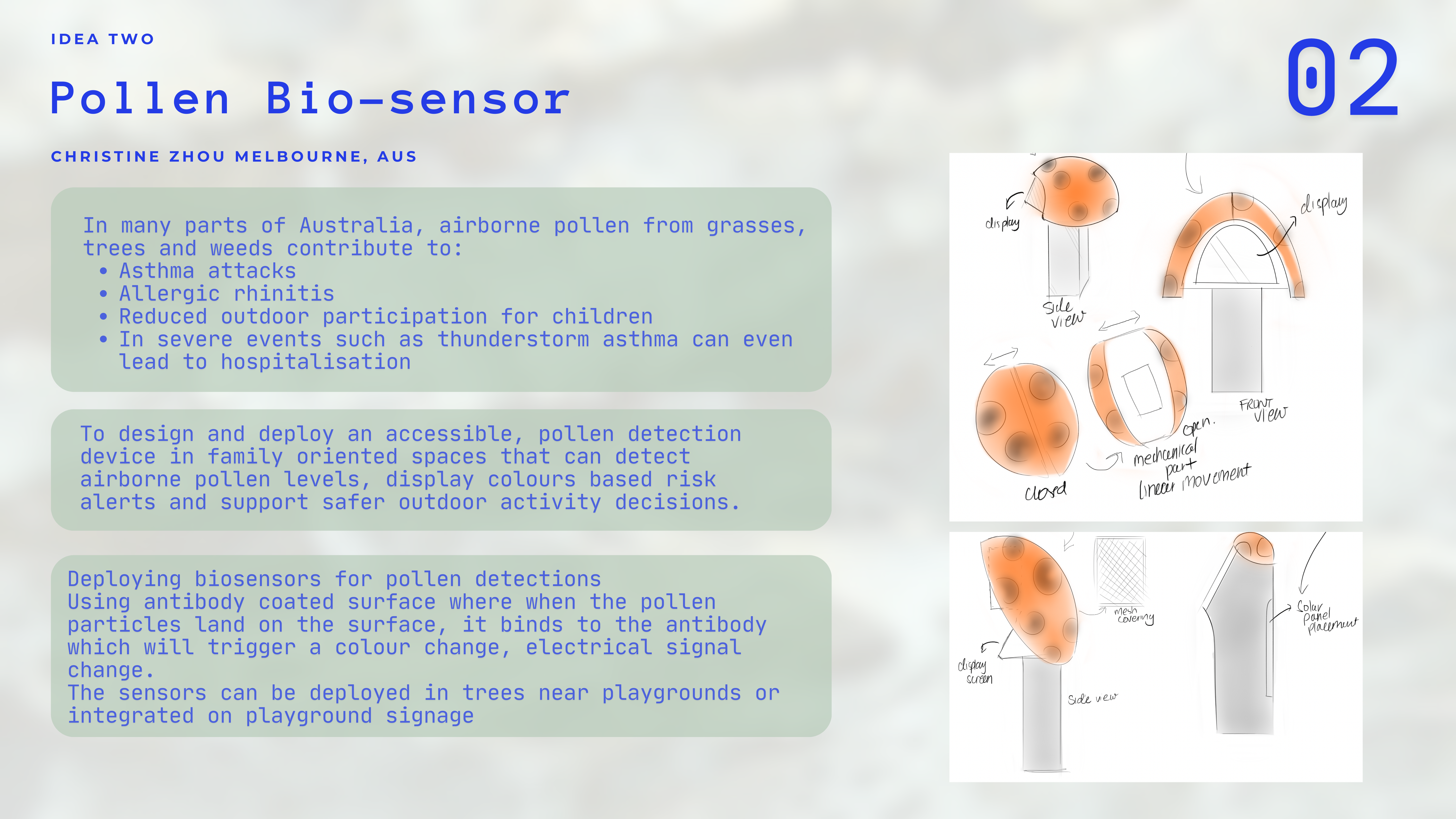
Context
In many parts of Australia, airborne pollen from grasses, trees and weeds contribute to
- Ashtma attacks
- Allergic rhinitis
- Reduced outfoor partcipation for children
- In severe events such as thunderstom asthma can event lead to death
Aim:
To design and deploy an accessible, pollen detection device in family oriented spaces that can detect airbourne pollen levels, display colours based risk alerts and super safer outdoor activity decisions.
Method:
Deploying biosensors for pollen detections Using antibody coated surface where when the pollen particles land on the surface, it binds to the antibody which will trigger a colour change, electrical signal change. The sensors can be Deployed in trees near playgrounds or integrated on playground signage
Idea Three
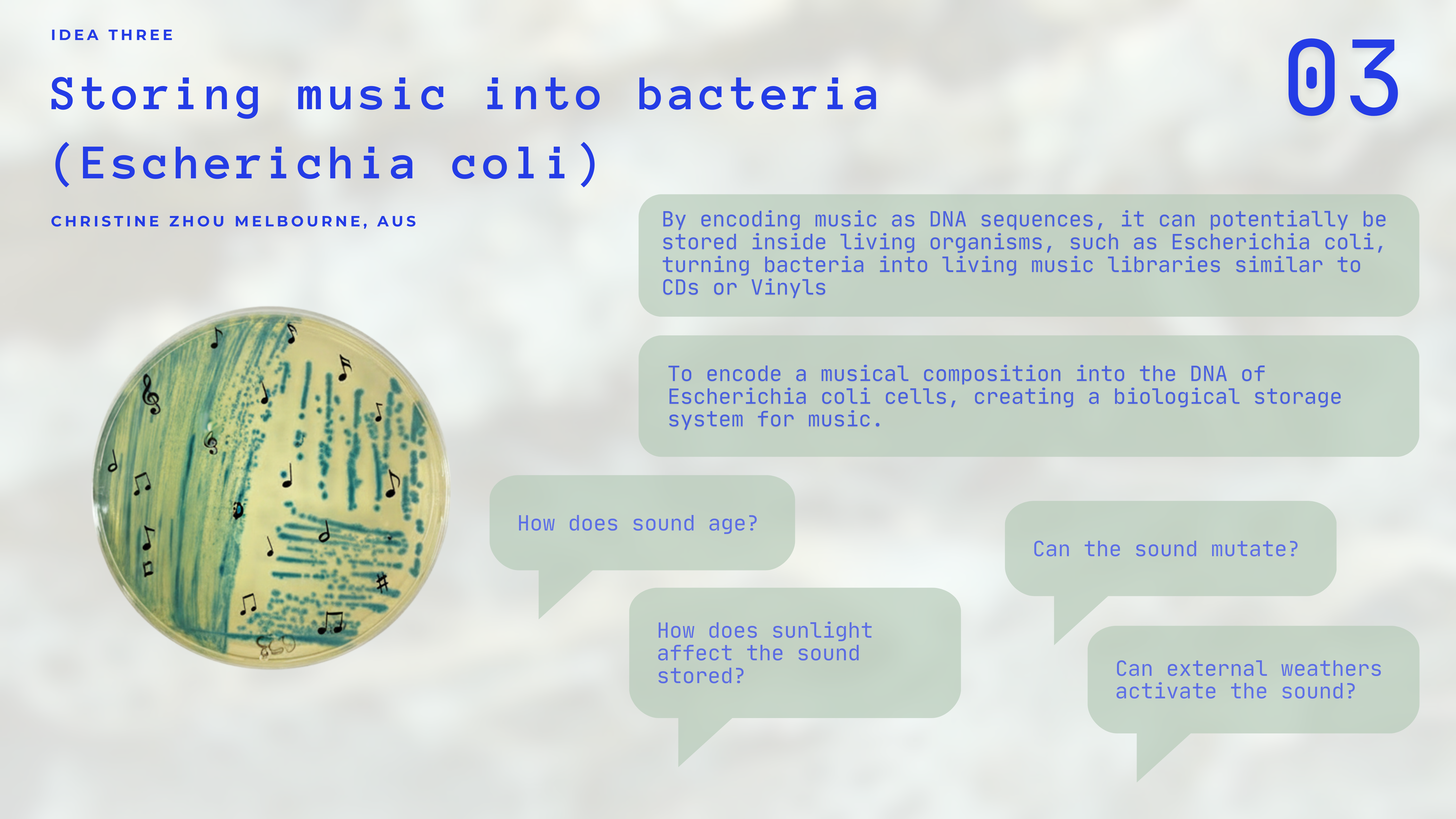
Storing music into bacteria (eschericha coli)
Context
By encoding music as DNA sequences, it can theoretically be stored inside living organisms, such as Escherichia coli, turning bacteria into living music libraries similar to CDs or Vinyls
Aim:
To encode a musical composition into the DNA of Escherichia coli cells, creating a biological storage system for music.
Theories to test:
How does sound age?
Can the sound mutate?
How does sunlight affect the sound stored?
Can external whethers activate the sound?