Week 10 Lab: Mass Spectrometry
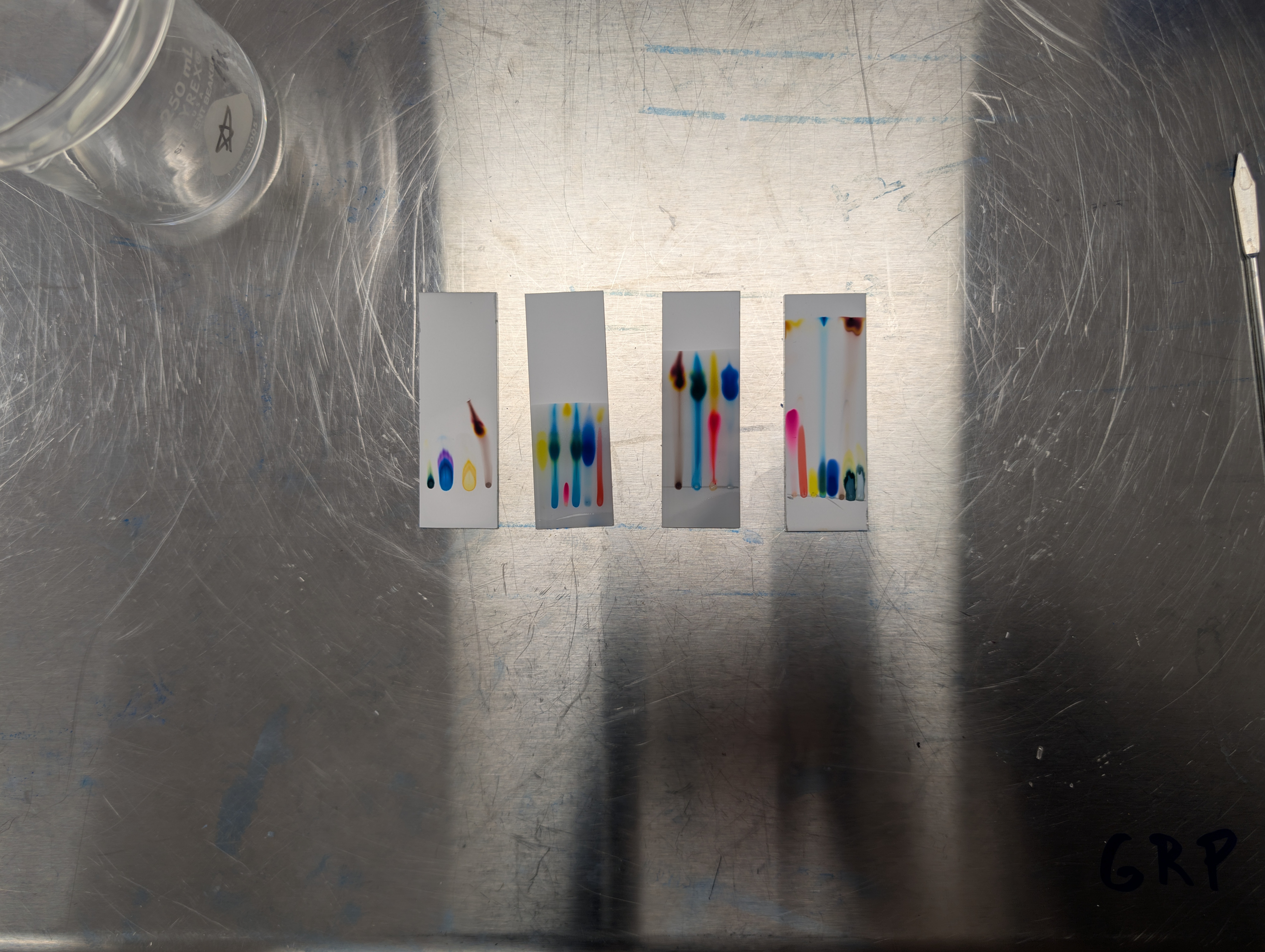
Figure 1. Chromatography using various solvent.
Instead of Mass Spectrometry, we did a Chromatography instead. Chromatography relies on a substance’s chemical affinity to separate components out of a physical mixture. Mass spectrometry, on the other hand, relies on the mass-to-charge ratio (m/z) of fragmenmted molecules moving through electromagnetic field to identify exact chemical structure.
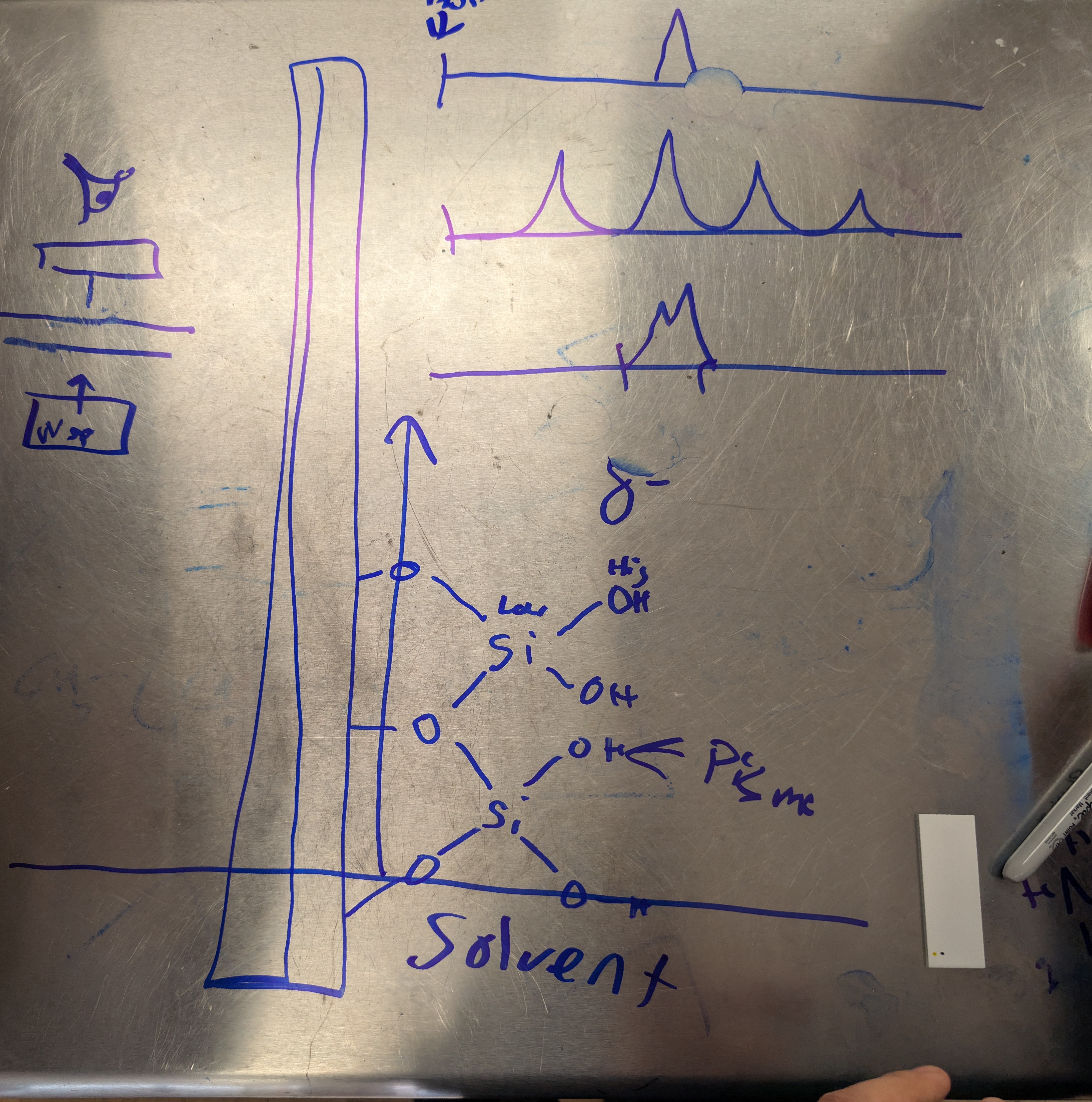
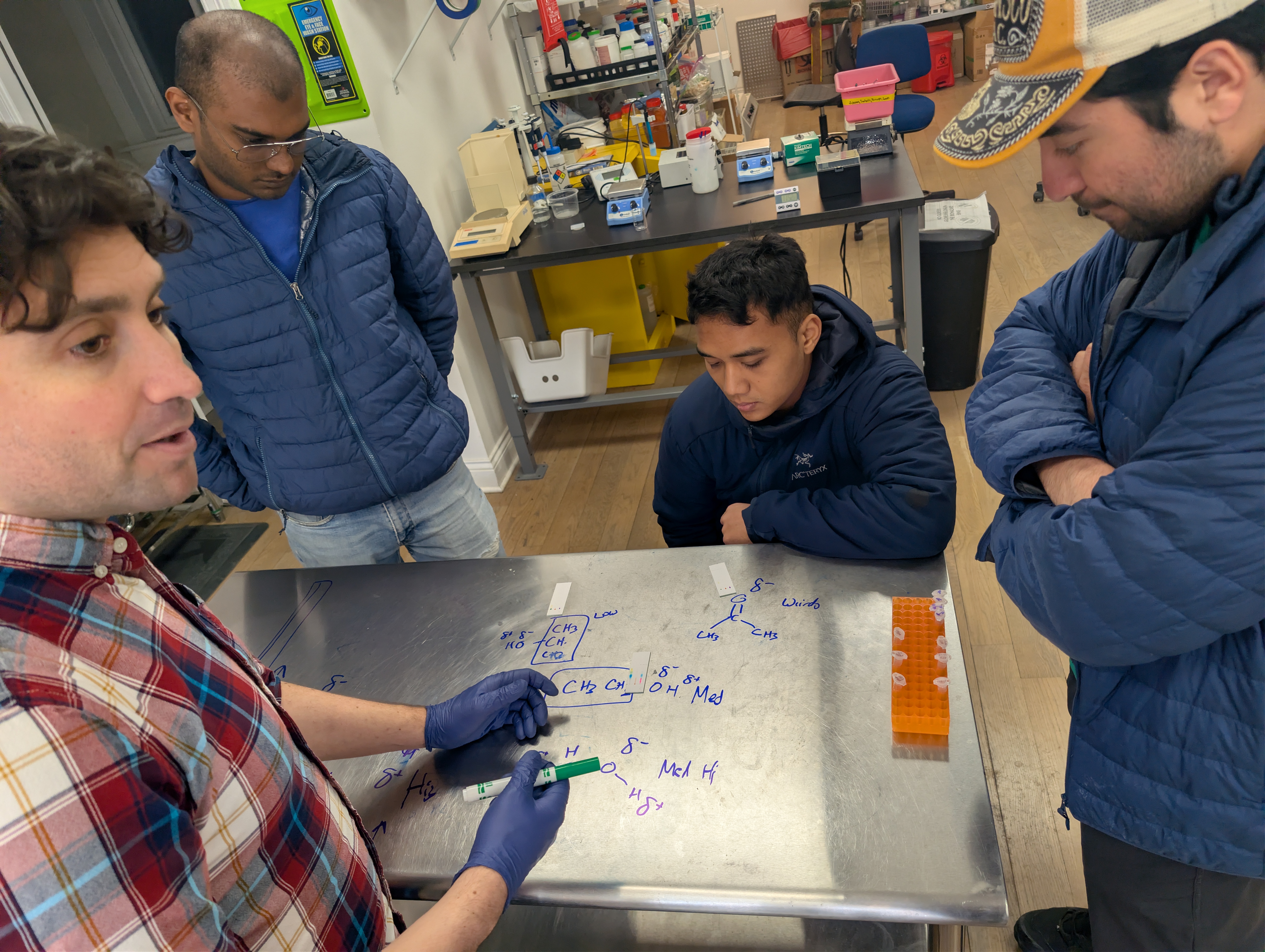
Figure 2. Diagram Explainations & fellas.
| feature | Chromatography (e.g., TLC) | Mass Spectrometry (MS) |
|---|---|---|
| Primary Goal | Physically separates mixutes into individual parts. | Identifies and weighs molecules or molecular fragments. |
| Mechanism | Differential speed through a stationary phase via a solvent. | Ionizing a sample and bending its path using magnetic/electric fields. |
| Output Data | Colored bands or retention times (Rfvalues). | A mass spectrum showing precise peaks based on molecular weights. |
Liquid Chromatography-Mass Spectrometry (LC-MS) While Chromatography and Mass Spectrometry are fundamentally different, laboratories processes might combine them into a single workflow, such as hyphenated techniques. LC‑MS is a hyphenated analytical technique that integrates the separation power of liquid chromatography with the molecular detection capabilities of mass spectrometry. The LC system resolves complex mixtures into individual components, while the MS system ionizes each eluting compound and records its mass‑to‑charge profile. Together, they provide highly sensitive, selective, and structurally informative analysis suitable for applications ranging from small‑molecule quantification to large‑scale proteomics.