Week 1 HW: Principles and Practices
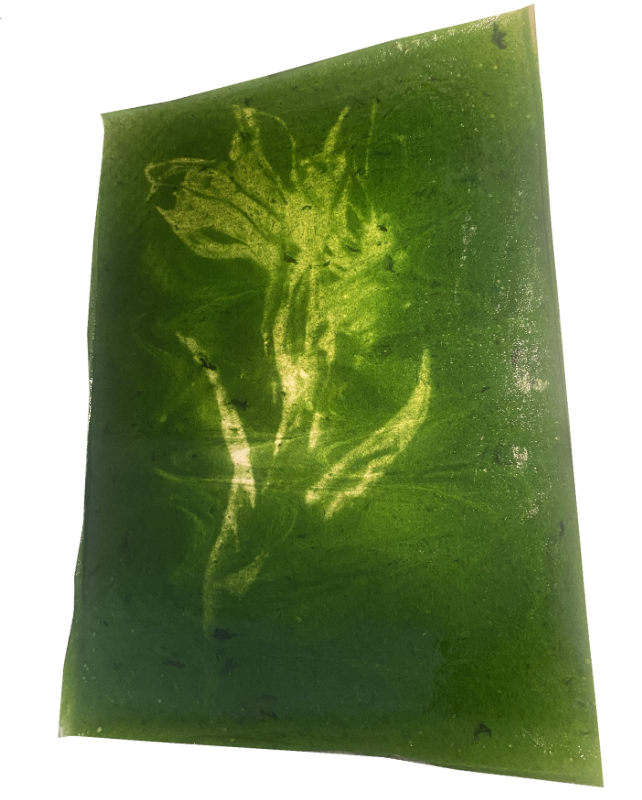
cover image cover image

Class Assignment #1

1. First, describe a biological engineering application or tool you want to develop and why. This could be inspired by an idea for your HTGAA class project and/or something for which you are already doing in your research, or something you are just curious about.

Analog photography has been experiencing a growing revival and with it a growing ecological concern, specially regarding the impacts of its “magical” component — silver halides. Much of the movement of trying to address the environmental impact of analogue film has fallen on individual artists and researchers, by trying to mitigate the consequences of silver. However, despite the efforts of exploring plant-based developers, and darkroom procedures to prevent damaging disposal of silver contaminated solutions, (extremely toxic for the environment affecting primarily microbial life) we are still left with the need to use this toxic metal in lack of any other option for analog camera photography.

Based on chlorophyll’s photosensitive effectiveness, my research is focused on exploring this molecule as an alternative substance to silver. As of now, I have reached the conclusion that there is a potential in this molecule due to the process of degradation that occurs when chlorophyll is exposed to light outside a living cell — it can demetallate into a porphyrin-type structure that is able to chelate iron, therefore, creating a negative image formed by iron complexes. This hypothesis uses chlorophyll as the photosensitizer and iron as the density builder in order to obtain an image. By developing the image with iron and creating porphyrin-iron type complexes it’s possible to confer a permanent image formation — archival quality to be tested.

For this effect I would like to explore the possibility of engenineering bacteria that could produce a modified version of chlorophyll (that could be organized into supramolecular structures) for optimal photographic application, or an adapted version light-harvesting chlorophyll proteins (LHCPs). The use of bacteria for this effect would ensure a renewable efficient way of producing a photographic emulsion at industrial level.

In a more speculative note, there has also been a growing interest in the experimental photography community to use SCOBY membranes as photographic printing support. It would be interesting if the bacteria could be designed to form a chlorophyll layer at the surface of the cellulose membrane in order to grow photographic “paper”.
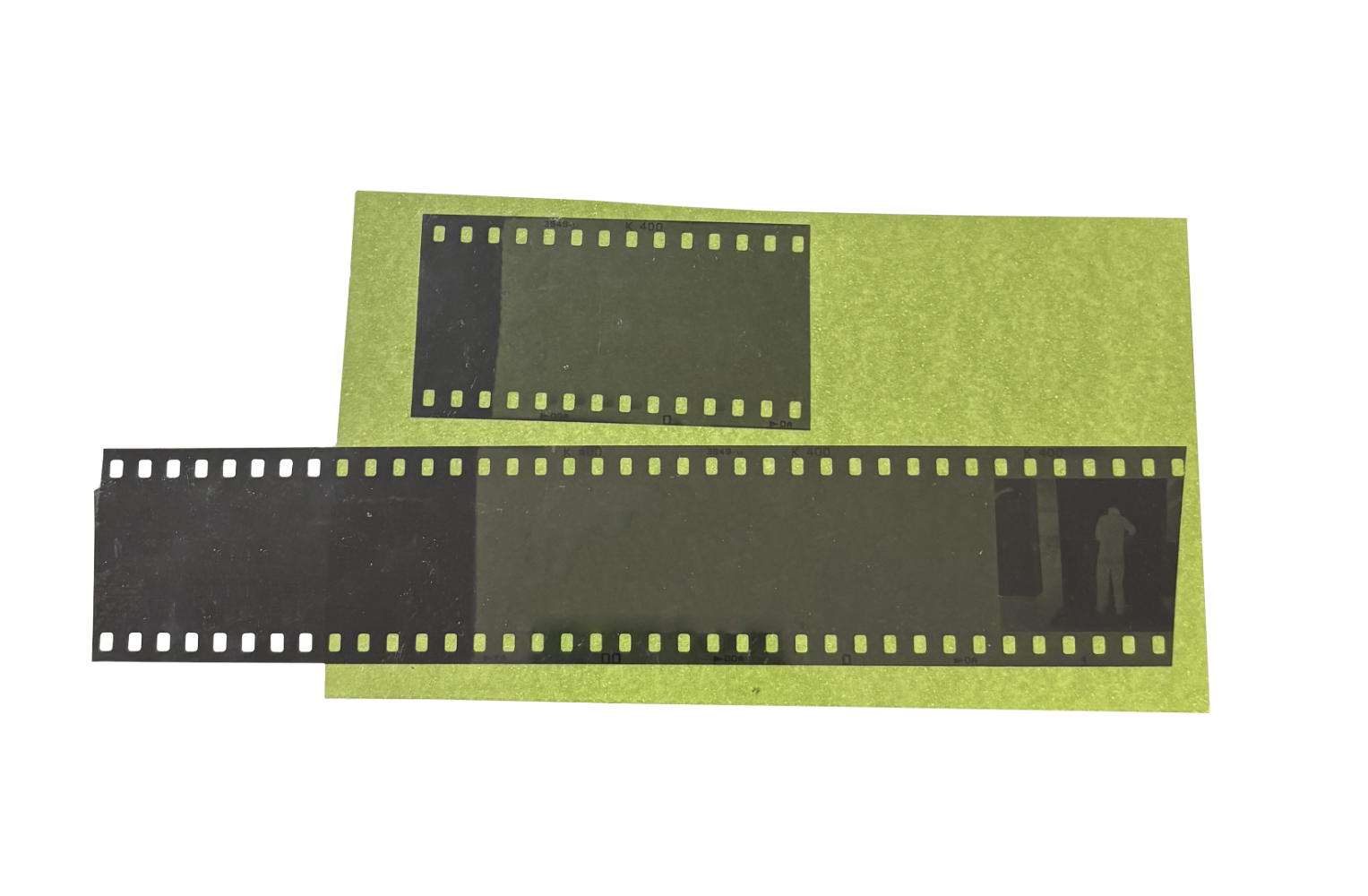
image image

Observed: Chlorophyll photodegradation, porphyrin demetallation, iron chelation

Speculative: supramolecular organization of chlorophyll, engineered LHCPs for photographic purposes, SCOBY-grown photographic paper

This intersection between biotechnology and the foundation of an artistic medium can incentivize the much-needed discussion around the role of art when confronted with technological advances and the revision of artistic practices. Specially in the context of ecological artistic practices, there is an interesting space to explore the limits of what is considered ethical in order to make the most out of other-than-human interactions and the creation of symbiotic links through biotechnology.

2. Next, describe one or more governance/policy goals related to ensuring that this application or tool contributes to an “ethical” future, like ensuring non-malfeasance (preventing harm). Break big goals down into two or more specific sub-goals.

Although this project is primarily focused on a material design/engineering point of view and the possible development of a new photographic process it does pose ethical questions both at practical and conceptual levels. Specially if entertaining the idea of a photographic SCOBY, that could be passed from one enthusiast to another like it happens today with kombucha cultures. Still, even if we just contemplate the possibility of a genetic modification derived chlorophyll film, that would no longer contain living cells, there could be some implications at conceptual levels regarding people that are developing ecological practices. Taking this into account, some governance/policy goals that could make this project come to life in a safe and ethical manner are:

Transparency regarding the modifications
Have open documentation of genetic modifications in the cells used and processes of production of the film, to allow for an informed ethical evaluation by the users.
The same would apply to a SCOBY plus clearly stating what living cells would that culture contain.
Esurance of biosafety
Utilization of bacteria that present low biosafety hazard risk, both for human handling and eventual environmental release.
Create clear protocols of disposal and deactivation of the cultures.
Understand the impact of a modified culture that could be grown and passed from one person to another in an amateur context
Use of a “kill switch” – nutrient without which the SCOBY culture couldn’t survive
Environmental sustainability
Understanding the life cycle of the engineered material and create clear protocols for sustainable use
Design the materials that compose the film to ensure biodegradability, like substituting the gelatine used in current films for algae derived gels and using bioplastic as film base.
Avoid “greenwashing” through a narrative of sustainability without being sure of the extent of the possible impacts
Pedagogy and discussion
Generate open discussions about ethical use of synthetic biology and offer workshops on the use of this technology
Use as teaching tool to contribute to a more distributed knowledge about biotechnology and how it can be used for creation and evolution. The SCOBY could be a great opportunity to demystify synthetic biology.
Preventing misuse or misinterpretation
While trying to democratize the knowledge about synthetic biology the take measures to prevent the public notion of biological = harmless
Preventing unregulated bio-modification

Thinking about these subjects made me understand the difficult role of defining where should be the limit in making synthetic biology more accessible to the public and made me eager to start dialogues around the role of the arts in play in this. I still think it is important to show how humans can relate with other species at different levels and through symbiosis (whatever form it takes) evolve

3. Next, describe at least three different potential governance “actions” by considering the four aspects below (Purpose, Design, Assumptions, Risks of Failure & “Success”).

Action 1(most plausible): Disclosure standard for bio-engineered materials

Actors: Academic and Scientific researchers, Art institutions, Funding institutions

Purpose: Regarding the case of the chlorophyll film which could be produced through GM bacteria, but the final product wouldn’t contain any viable » cells. This, by Portuguese and EU law wouldn’t have the need of any labeling regarding its origin of production. As a result, users and audiences are typically unaware of the biological engineering involved in the production process. Proposal: Introduce a voluntary disclosure standard for this type of product outside the food and feed context that are derived from GMO production processes but are themselves non-living, clarifying their origin.

Design:

  • Develop a standardized disclosure label or documentation stating: That the material was produced using genetically modified microorganisms under contained conditions The procedure of production: which type of organism was used and in which material it contributed to That the final product contains no living organisms or viable genetic material
  • Adoption driven by: Research institutions Art schools, Museums and Galleries Funding agencies — transparency statements

Assumptions:

  • It’s expected that transparency of production methods increases trust rather than fear
  • Artists, researchers and institutions are willing to adopt ethical commitments
  • The public will be receptive to the difference between process-based and product-based genetic modification when explained clearly

Risks of Failure & Sucess: Failure:

  • Low adoption due to lack of incentives
  • Misinterpretation of disclosure as associated risk Success:
  • Voluntary disclosure could become an informal requirement
  • May unintentionally reinforce the idea that GMO-derived products are Inherently suspect

Action 2 (still plausible): Offering demonstrations in contained conditions

Actors: Researchers; Selected Laboratories (could be biolabs); Experimental Photography Organizations; Public — artists, enthusiasts

Purpose: Regarding both the chlorophyll film and the SCOBY.

Proposal: Through the reach of international photography organizations arrange in collaboration with biolabs demonstrations of the production of both the film and the live photographic SCOBY in contained conditions.

Design:

  • According to biosafety levels of both the needed GMOs and the laboratories it should be possible to realize demonstrations of the chlorophyll film production using modified bacteria and the growing of photographic SCOBY membranes since these wouldn’t leave biosafety areas.
  • These demonstrations could include the following: The protocols for extracting the modified chlorophyll from the bacteria and turning it into photographic emulsion Developing and processing chlorophyll film Overview the safe and sustainable disposal of the film and chemicals used The protocols used to grow the photographic SCOBY membrane such as feeding, processing the grown membrane, print an image on it and develop it.
  • This would be a great opportunity to be able to understand the opinion of the artistic community regarding the use of synthetic biology. >And if it seems justifiable for this end.

Assumptions:

  • By sharing the production protocols of a new analog photography technology artists might be more interested to build upon it and feel more confident about biotechnology
  • The interaction with a living GM SCOBY would largely contribute for the demystification of synthetic biology
  • The public interested in both traditional analog photography and experimental photography would be available to understand more about a new and ecological way of using film

Risks of Failure & “Success” Failure:

  • Lack of adherence due to preconceived ideas about GMOs and ethical collision against ecological practices Success:
  • Increase of concerns about GMOs due to the demonstration being restricted to biosafe infrastructures

Action 3 (least plausible): Framework for release and sharing of GM SCOBY

Actors: Portuguese and EU regulatory bodies; Research centers; Community Labs

Purpose: Under Portuguese and EU regulation, the deliberate release of genetically modified organisms into the environment — including sharing living cultures outside contained laboratory conditions — is heavily restricted and prohibited without formal authorization. Informal circulation of living GMOs through artistic or DIY communities is not legally accommodated. Proposal: Establish a formal regulatory framework that would allow, under strict conditions, the deliberate release and downstream sharing of that genetically modified SCOBY, used for artistic or photographic purposes.

Design:

  • Develop a dedicated authorization pathway under existing GMO delierate release legislations adapted for non-agricultural, non-food, artistic uses
  • Requirements would include: Environmental risk acessment Proof of containent or ecological self-limitation Monitoring and reporting obligations Clear disposal protocols
  • Oversighted by the Portuguese regulator (APA), possibly coordinated at the EU level
  • Participation could imply institutional support from an university/research center, community biolabs for approval prior to sharing or release

Assumptions:

  • The environmental risks of a modified SCOBY can be sufficiently predicted and controlled
  • Regulators would be willing to differenciate cultural/artistic uses from agricultural and and commercial uses
  • That downstream user would comply with handling, propagation and disposal protocols
  • That a legal framework would reduce informal or illegal dissemination

Risks of Failure & “Success” Failure:

  • High admnistrative and financial burden could make the framework unusable
  • Difficulty in ensuring compliance once organisms start circulating
  • Public opposition to deliberate release of GMO undermines feasibility Success:
  • Normalising the release of GMO for artistic porpuses could endanger biosafety norms
  • Authorized release could be interpreted as being biologically harmless and contribute to reckless use
  • Aproval could legitimize risky practices under the context of art
4. Next, score (from 1-3 with, 1 as the best, or n/a) each of your governance actions against your rubric of policy goals. The following is one framework but feel free to make your own:
Does the option:Disclosure Standard for bio-engineered materialsOffering demonstrations in contained conditionsCreation of a framework for downstream sharing of GM SCOBY
Esurance of biosafety123
Transparency regarding the modifications112
Environmental sustainability21n/a
Pedagogy and discussionn/a12
Preventing misuse or misinterpretation213
Other considerations
• Minimizing costs and burdens to stakeholders123
• Feasibility?123
• Not impede research111
• Promote constructive applications112
5. Last, drawing upon this scoring, describe which governance option, or combination of options, you would prioritize, and why. Outline any trade-offs you considered as well as assumptions and uncertainties.

Disclosure standard for bio-engineered materials

This action would receive the most priority since having a disclosure that allows the consumer to make an informed ethical decision about the technology offered is essential and creates an opportunity to broaden the perception of the range of synthetic biology use.

Offering demonstrations in contained conditions

I consider this action the most interesting to accomplish the main two objectives of increasing proximity and dissemination of biotechnology in the arts and incentivize research on the topic of this project. However, it would imply more difficulties due to the need for living GM cultures, that not being authorized to leave biosafe areas, would need to be reproduced in every lab the demonstrations took place.


Homework Questions from Professor Jacobson

1. Nature’s machinery for copying DNA is called polymerase. What is the error rate of polymerase? How does this compare to the length of the human genome. How does biology deal with that discrepancy?

The initial insertion of nucleotides by polymerases incurs in an error once every 10000 to 100000. When including the effect of exonuclease proofreading domain, accuracy is increased by 100- to 1000- fold, making the final error rate one per 106 107 nucleotides. The haploid human genome is roughly 3 billion base pairs and a diploid cell (before division), this is 6 x 10^9 base pairs — If the polymerase only had its intrinsic proofreading ability error rate, a single cell division would result in roughly 30 to 600 errors per replication. This would be an unsustainable rate of mutation for a multicellular organism.

Thus, biology employs a multi-tiered, highly efficient repair system to ensure high fidelity, resulting in an overall mutation rate of less than one mutation per genome per cell division by: Proofreading (Immediate Correction), Mismatch Repair (Post-Replication Repair), Redundancy and Non-coding DNA and Low-Fidelity Backup — In cases of severe DNA damage, the cell uses specialized, “error-prone” polymerases (translesion synthesis) to skip over damage to prevent cell death, allowing for a temporary increase in mutations, but saving the cell.

2. How many different ways are there to code (DNA nucleotide code) for an average human protein? In practice what are some of the reasons that all of these different codes don’t work to code for the protein of interest?

Most amino acids are coded by 2-6 codons, therefore, for an average human protein—roughly 300 to 500 amino acids long—the number of potential DNA sequences is astronomical. So most of these potential genetic codes will not produce a functional protein due to: Codon Usage Bias & Translation Speed: there are preferred codons to improve speed; Co-translational Folding Errors: the folding is coordinated with speed of translation, so if the speed is slowed down by the use of rare codons the proteins might not fold properly; mRNA Stability and Structure; Splicing Errors:in eukaryotes, the coding sequence (exons) is interrupted by non-coding sequences (introns). Eukaryotic DNA sequences contain “hidden” splicing signals that tell the cell where to cut and join RNA. A different coding sequence might accidentally introduce or destroy these sites, resulting in an improperly spliced mRNA; Regulatory Site Disruption: DNA regions often contain dual information: coding for a protein and containing regulatory signals (e.g., enhancers, transcription factor binding sites). Changing the DNA code to a synonym might destroy a crucial regulatory element, meaning the protein is simply never produced.


Homework Questions from Dr. LeProust

1. What’s the most commonly used method for oligo synthesis currently?

It’s the solid phase chemichal synthesis — Phosphoramidite Method.

2. Why is it difficult to make oligos longer than 200nt via direct synthesis?

Even with most highly optimized protocols, each step of the chemical synthesis cycle is not 100% efficient (99% — 99.5%). As the sequence lenght increases. The effect of these small cumulative losses in a 200 nt segment can reduce the final yield to < 30%.

3. Why can’t you make a 2000bp gene via direct oligo synthesis?

Due to the accuracy limitations, chemical synthesis is mostly limited to 500 bp. Making a gene longer than that implies the posterior ligation of the several smaller diferent fragments to ensure a viable gene, otherwise, the errors would accumulate into a non-working gene.


Homework Question from George Church

1. What are the 10 essential amino acids in all animals and how does this affect your view of the “Lysine Contingency"?

Being the 10 essential amino acids in animals (PVT TIM HALL): Phenylalanine, Valine, Tryptophan, Threonine, Isoleucine, Methionine, Histidine, Arginine, Leucine and Lysine — the “Lysine Contingency” would be lacking the main component of a biological kill switch which is dependant on a substance that any given organism wouldn’t be able to get outside controlled systems. If Lysine is already an essential amino acid that all animals, and presumably dinosaurs, need to find through their diet, then it can’t be considered a contingency since the dinosaurs could find it anywhere outside the island through eating plants or other animals. For this amino acid contingency to be functional the GM dinosaur would need to be dependant on some kind of completely synthetic amino acid that could not be substituted by any naturally occurring one.


Personal Resources

https://pubs.rsc.org/en/content/articlehtml/2024/cs/d3cs00469d

https://apambiente.pt/prevencao-e-gestao-de-riscos/colocacao-no-mercado-e-libertacao-no-ambiente-de-ogm

https://pmc.ncbi.nlm.nih.gov/articles/PMC4791467/