Week 6 HW: Genetic Circuits Part1
cover image cover image

Assignment: DNA Assembly

Documentation
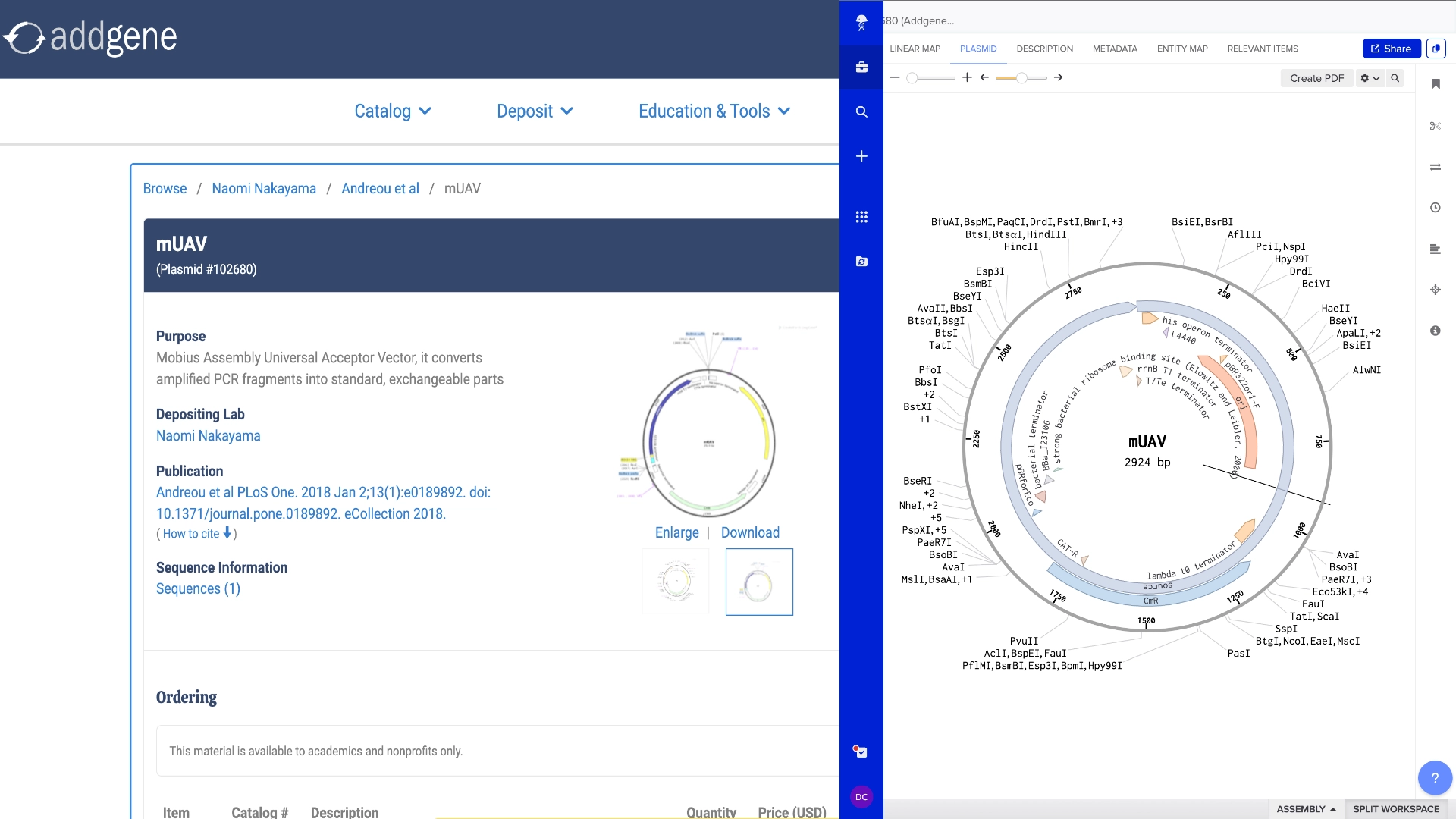
image image

In order to model a Golden Gate assembly on Benchling I first got a mUAV plasmid backbone from Addgene
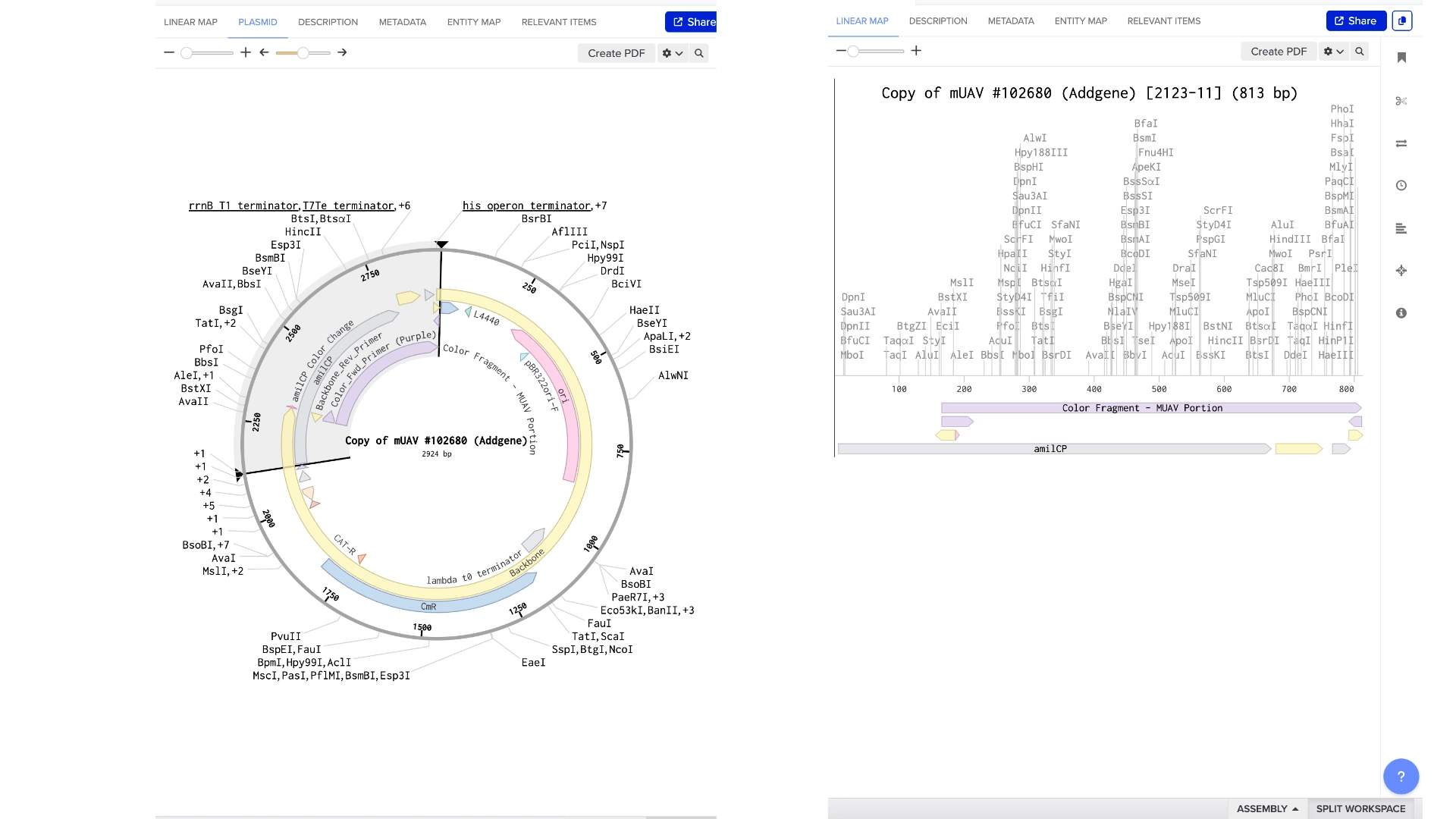
image image

Then created a new linear DNA sequence by copying the amilCP gene from the HTGAA Benchling
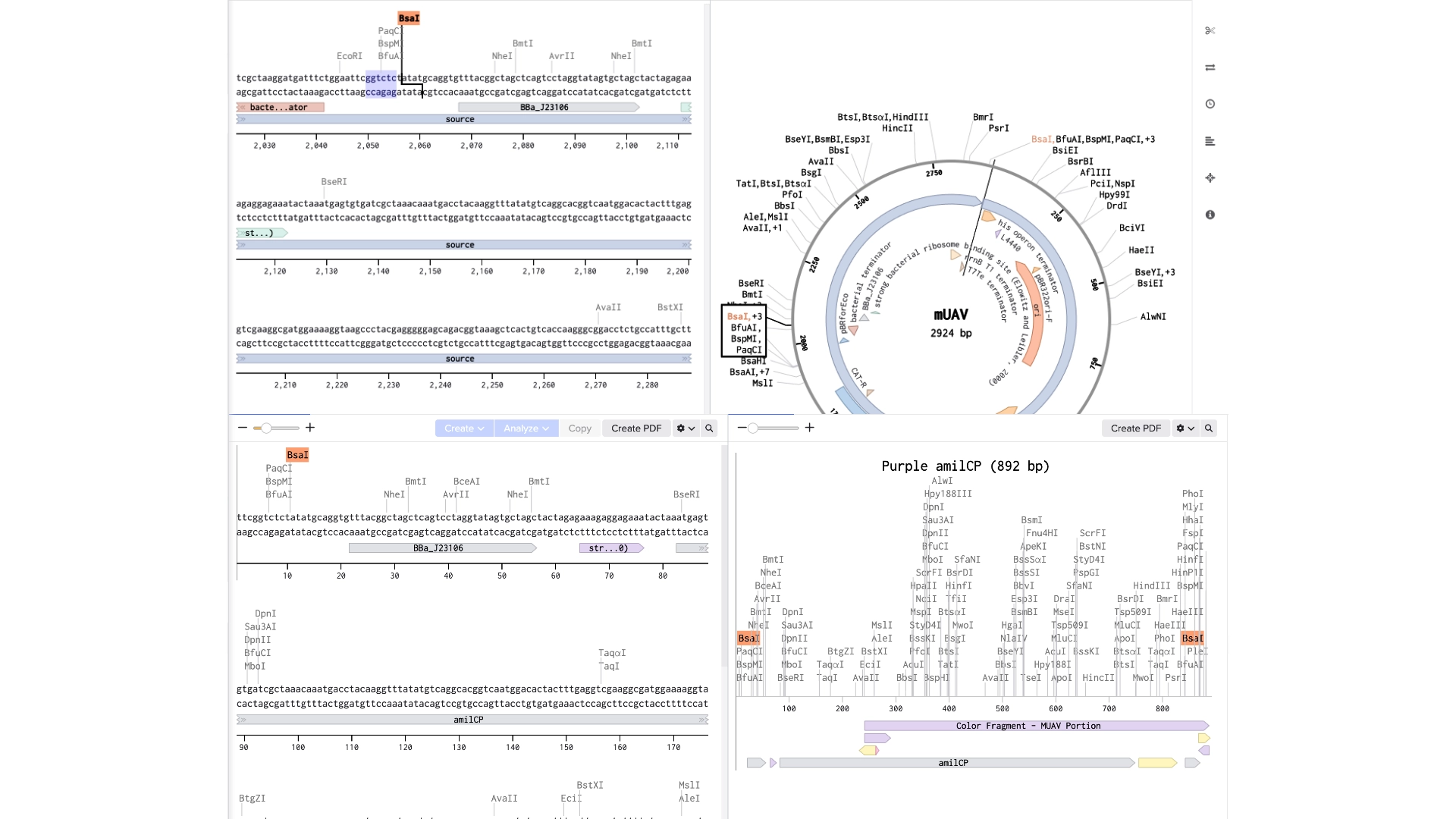
image image

Both fragments already had a Type IIS enzyme cut site in the right zones for assembly, using BsaI
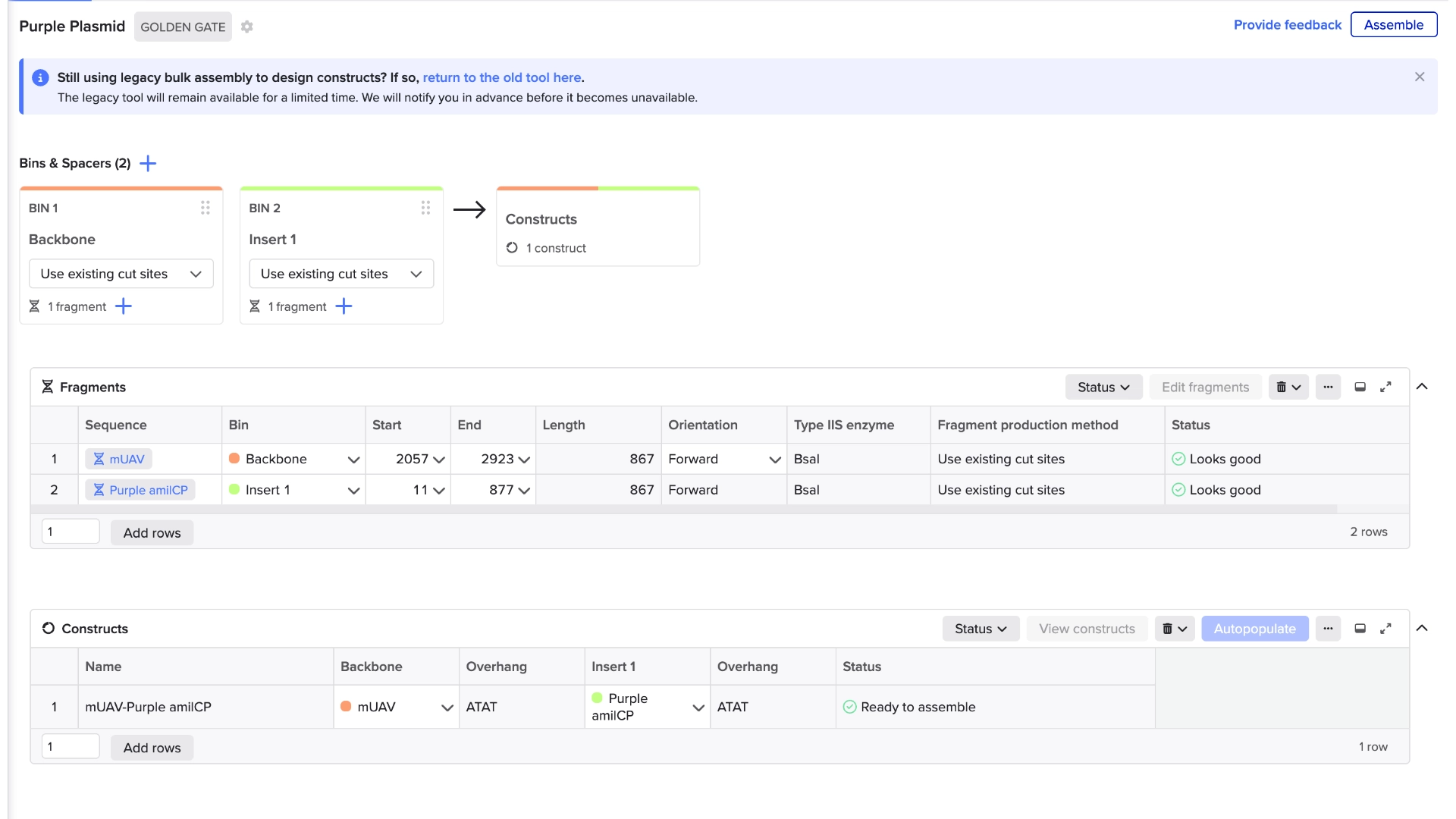
image image

Created a Golden Gate assembly, using the mUAV as backbone and the amilCP (Purple) as insert
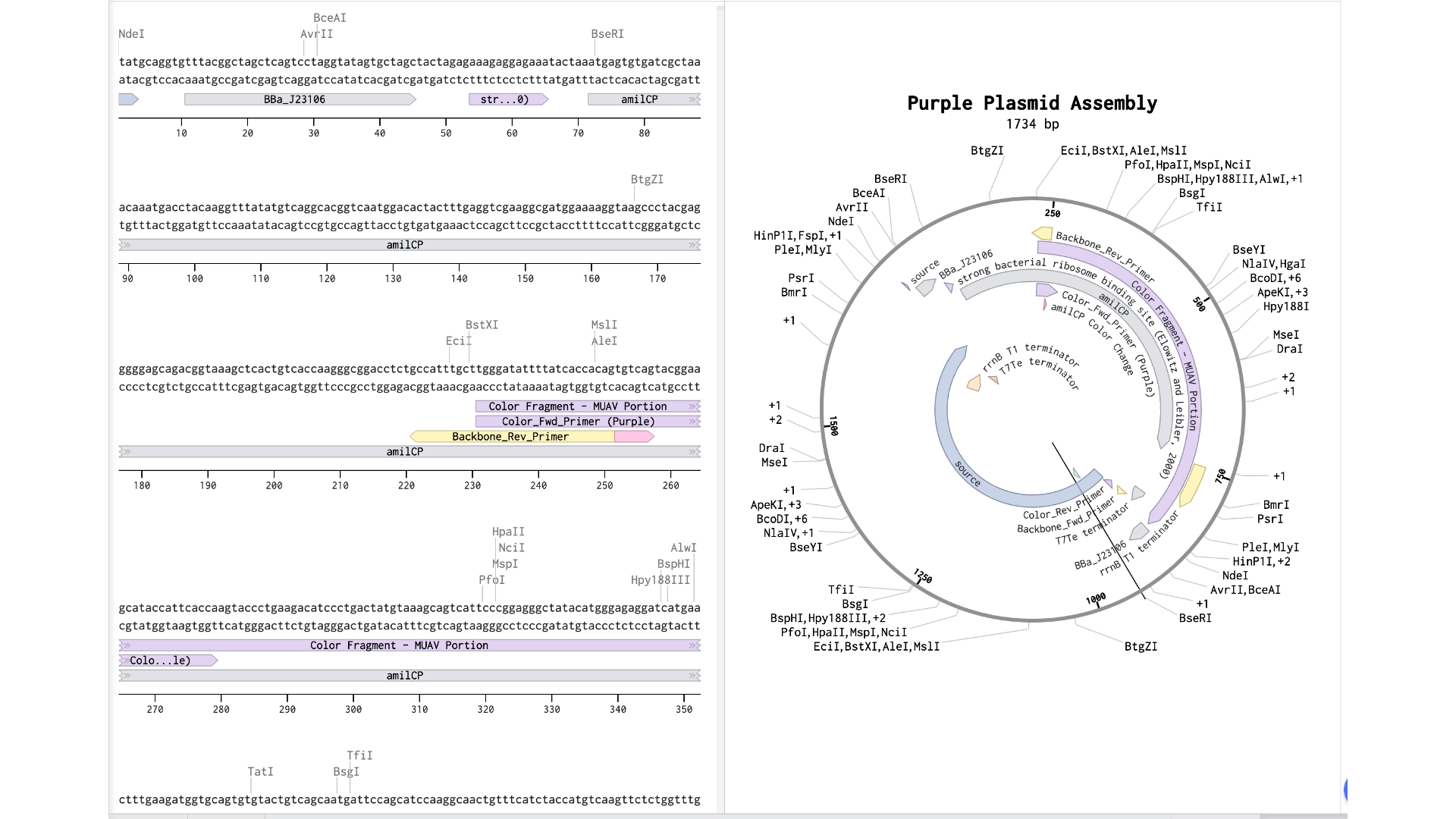
image image

When the assembly was put together, I realized that it had been put together the wrong way— because of the orientation of the BsaI enzymes, the backbone being used was the 867 bp long instead of 2057 bp long
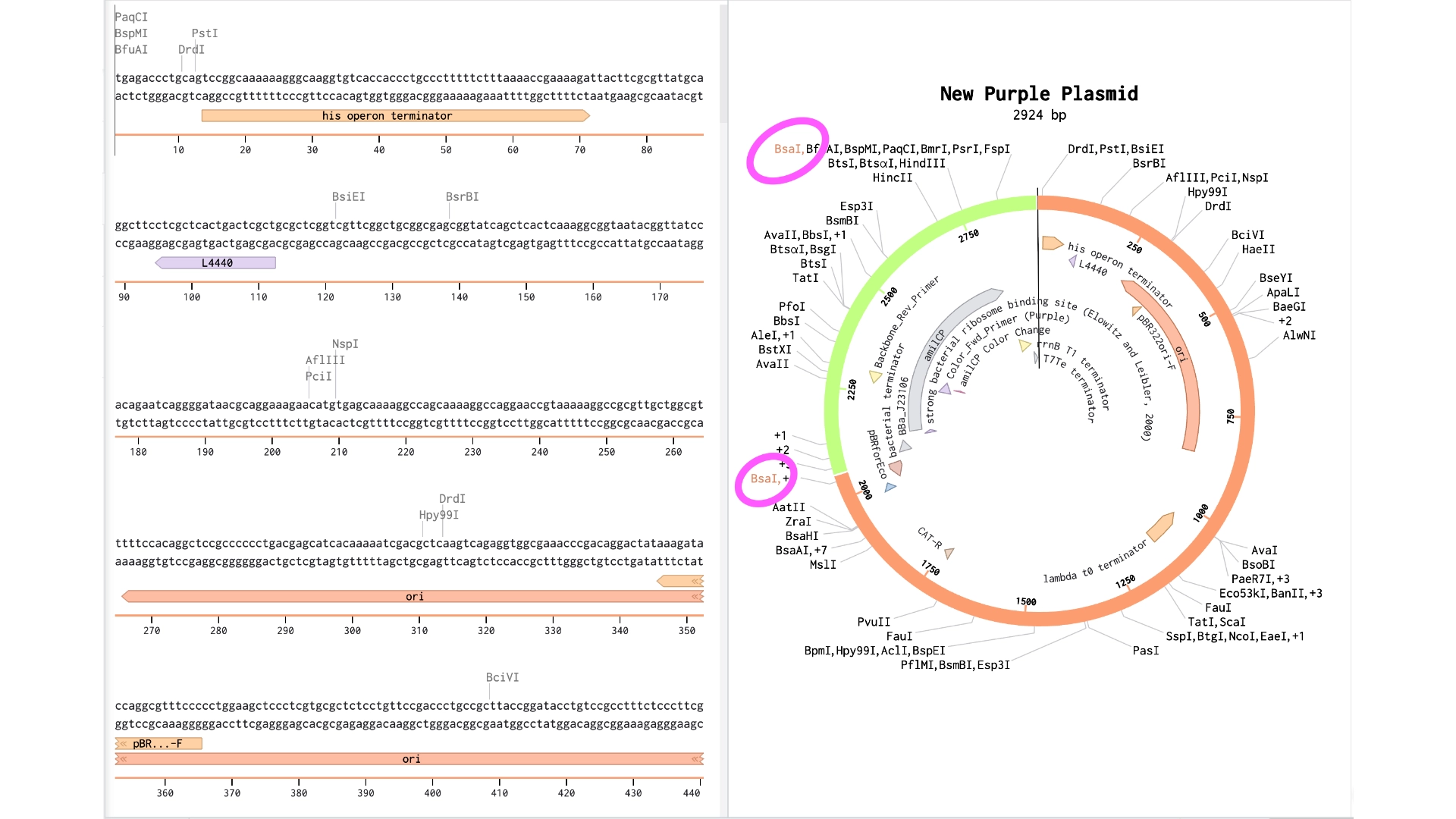
image image

Created a new Golden Gate assembly and was able to output the plasmid in the correct order, although the recognition sites of BsaI enzymes of the backbone stayed inside the final plasmid which wasn’t supposed and would make a real golden gate assembly not work properly

To solve this the solution would be to create primers for the BsaI enzymes to be sure they pointed in the right direction and that their recognition sites would be eliminated with the process
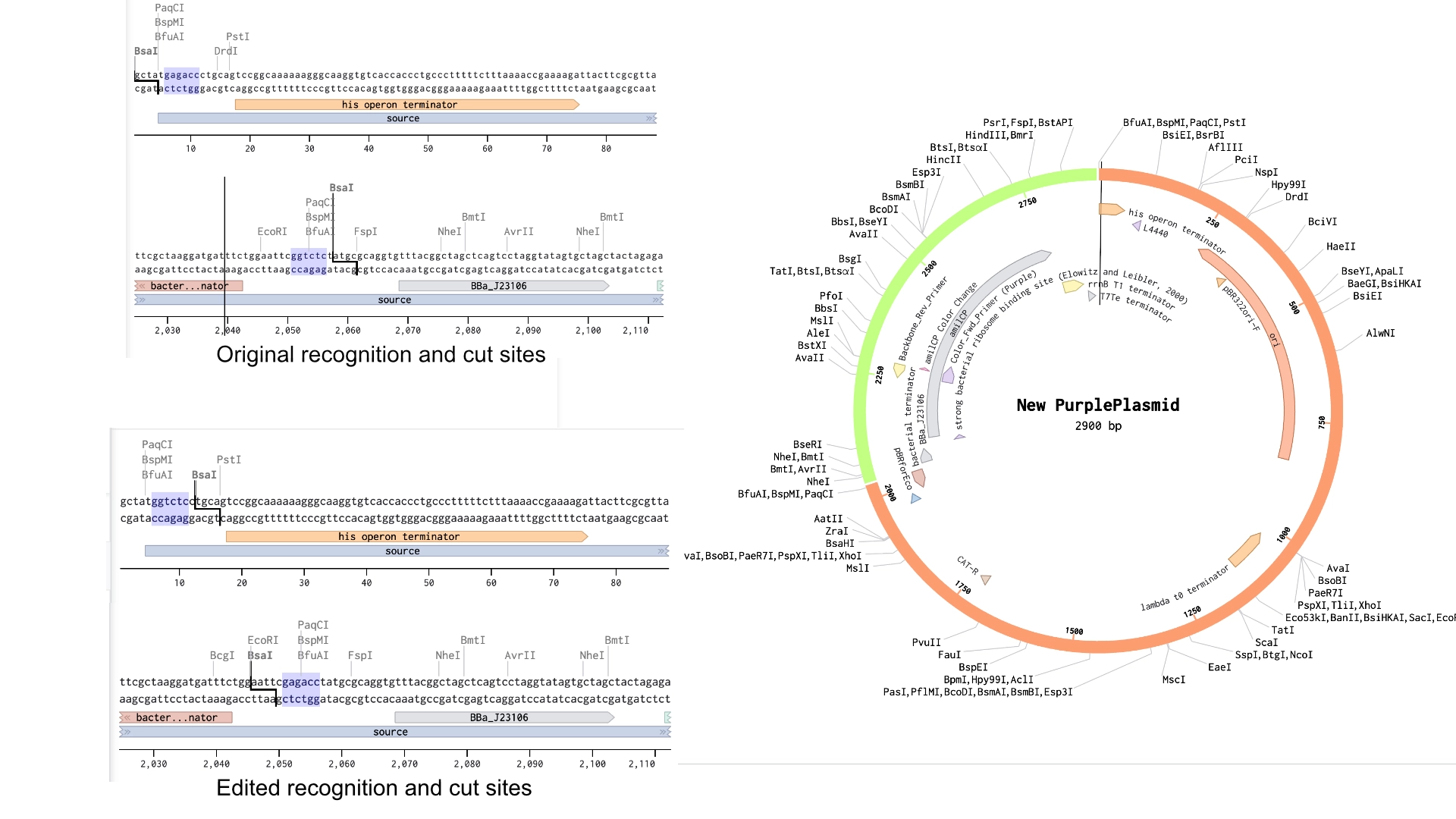
image image

In the context of this exercise I manually edited the recognition sites of the BsaI enzymes in order to invert their cut site direction and was finally able to get a correct assembly

1. What are some components in the Phusion High-Fidelity PCR Master Mix and what is their purpose?

Some of the key components of the Master Mix are: Phusion High-Fidelity DNA Polymerase (1 unit/50 µl) which are thermostable DNA polymerase with proofreading activity to ensure minimal error rate; dNTPs (200 µM of each) — deoxynucleotide building blocks that allow the synthesizing of DNA strands and HF Reaction Buffer — an optimized buffer which ensures good polymerase activity, including MgCl₂ (magnesium ions, 1.5 mM) – essential cofactor for DNA polymerase and other salts and ions to maintain proper enzyme activity and fidelity. Optionally, if the desired segments have high CG content, DMSO (dimethyl sulfoxide) can be used — is often provided separately and can be added to improve amplification of GC-rich templates

2. What are some factors that determine primer annealing temperature during PCR?

The primary factor that influences the annealing temp. is the melting temperature of the primers — temperature at which 50% of the primer-template duplex dissociates— and which, if met correctly, allows for optimal interaction between DNA and primers resulting in correct binding. This Tm (melting temperature) is heavily influenced by the CG to AT content— high CG content, which bind more strongly to each other result in higher TMs—, also, the longer the primers are the higher Tm is.

In addition to these, the concentration of salts in the master mix also influences the temperature to which the reaction can be heated up.

3. There are two methods from this class that create linear fragments of DNA: PCR, and restriction enzyme digests.

My mental depiction of these two processes is that PCR is used to identify one target sequence and multiplicate it through synthesizing new segments that are used to synthesize even more, with this process you end up with millions or billions of copies of the original target. While restriction enzyme digests are more of an identify and cut out process, through which you extract the desired segment from the remaining DNA, you don’t end up with more copies of the target segment. In terms of protocol:

PCR amplifies a specific DNA region using primers and a DNA polymerase, through temperature cycling between the following steps

  • Denaturation (~95°C) Double-stranded DNA separates.
  • Annealing (~50–65°C) Primers bind to complementary regions flanking the target DNA.
  • Extension (~72°C) DNA polymerase synthesizes new DNA strands. These steps are repeated 25–35 cycles, producing millions of copies of the target fragment.

Restriction Enzyme Digests

Restriction enzymes are endonucleases that cut DNA at specific recognition sequences (usually palindromic). By using DNA, the specific restriction enzyme, an appropriate buffer and incubating (usually 37°C), DNA is cut into fragments based on enzyme’s recognition sites. This results in fragments dependent on restriction sites of the enzymes used (might produce unintended fragments if restriction sites repeat). Generates sticky ends or blunt ends useful for cloning.

In terms of use, PCR is more useful when you need to isolate and amplify a certain gene from a limited DNA source, ensuring that you have enough quantity and purity of the desired segment, small edits can also be added by creating primers that induce a small “error” to the copying. Restriction Enzyme Digests are preferable when the fragment already exists and you want clean, mutation-free cuts with compatible ends for cloning or to analyze DNA fragments (for gel electrophoresis)

4. How can you ensure that the DNA sequences that you have digested and PCR-ed will be appropriate for Gibson cloning?

You must ensure the ends of the different sequences you want to assemble through Gibson cloning are homologous matches, by using primers that overlap— the primers for the different segments must have an overlapping site of around 20-40 bp that allow for the formation of complementary sticky ends during assembly. Or, in case of restriction digests, the fragments that are cut must already have zones that are homologous, which is harder because in this method you don’t have a way to induce these sites like in PCR.

5. How does the plasmid DNA enter the E. coli cells during transformation?

During transformation the objective is to be able to disrupt the E.coli’s cell wall just enough for the plasmid to be able to enter and then allow them to return to their natural form. This can be done through heat shock or electroporation that induces formation of reversible aqueous pores through the creating of an external electric field causes a transmembrane potential difference.

6. Describe another assembly method in detail (such as Golden Gate Assembly)

The Golden Gate Assembly relies on two Type IIS Restriction Enzymes that cut DNA outside their recognition sites, allowing for the use of unique and custom 4bp long sticky overhangs, and therefore, a really precise assembly of multiple small sequences at the same time. Having the constraint of ensure the used sequences are “domesticated”— free of internal Type IIS recognition sites.

The process goes as follows:

Creation of PCR primers that contain the Type IIS enzyme’s recognition sites and the unique 4bp overhangs in the right order for each of the segments.
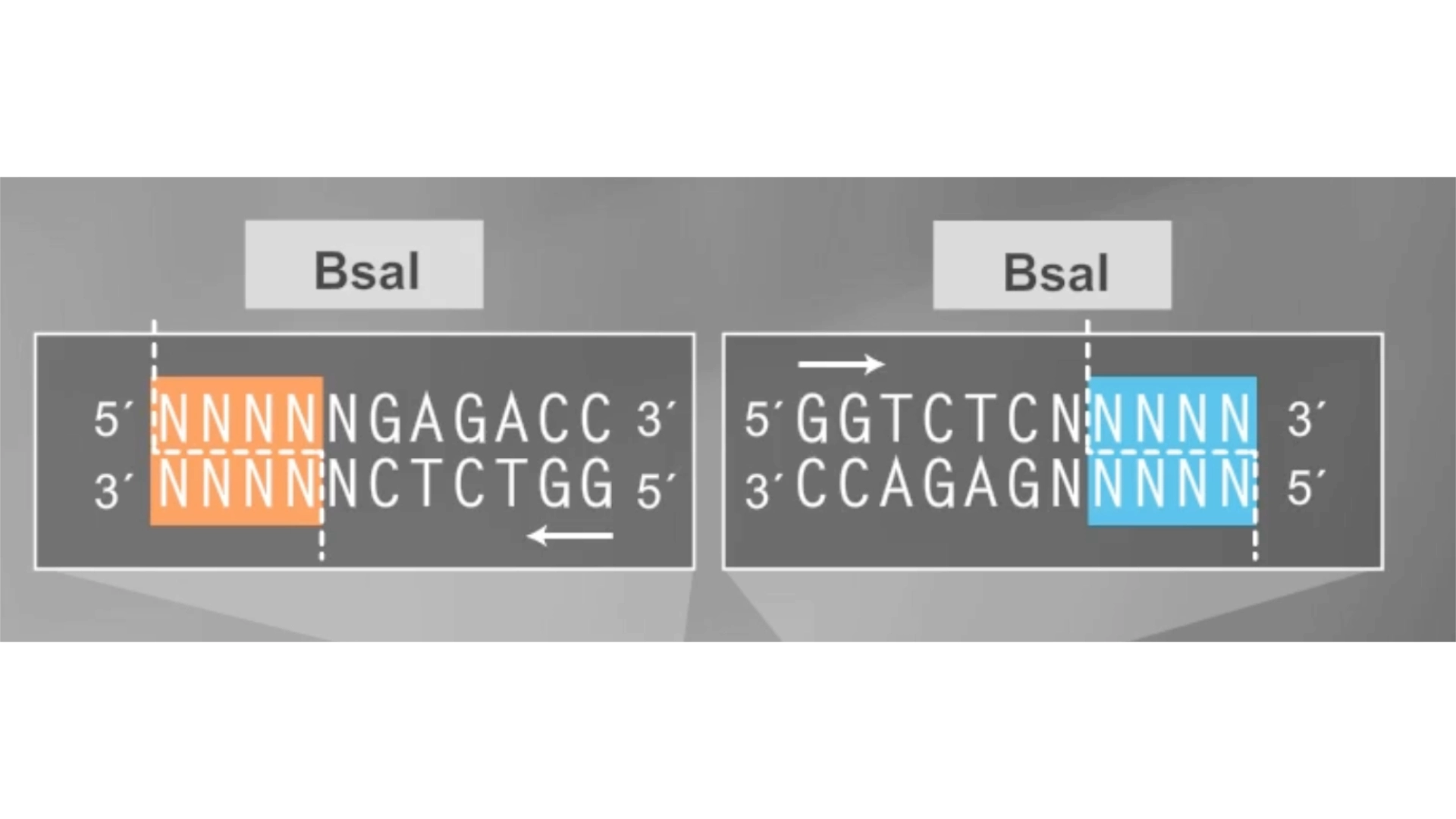
image image

(Screenshot from Golden Gate Assembly video by New England Biolabs)

Restriction digestion, where the Type IIS enzyme cuts all fragments and the vector, producing the designed overhangs. Because the cut site is outside the recognition sequence, the recognition sequence itself is removed during assembly.

DNA ligase joins fragments that have matching overhangs. Since the restriction sites are removed after ligation, the assembled DNA cannot be cut again, making the reaction efficient.

Cycling digestion and ligation is performed through alternating temperatures for restriction digestion and ligation. This increases assembly efficiency because incorrectly assembled fragments can be cut again until the correct construct forms.
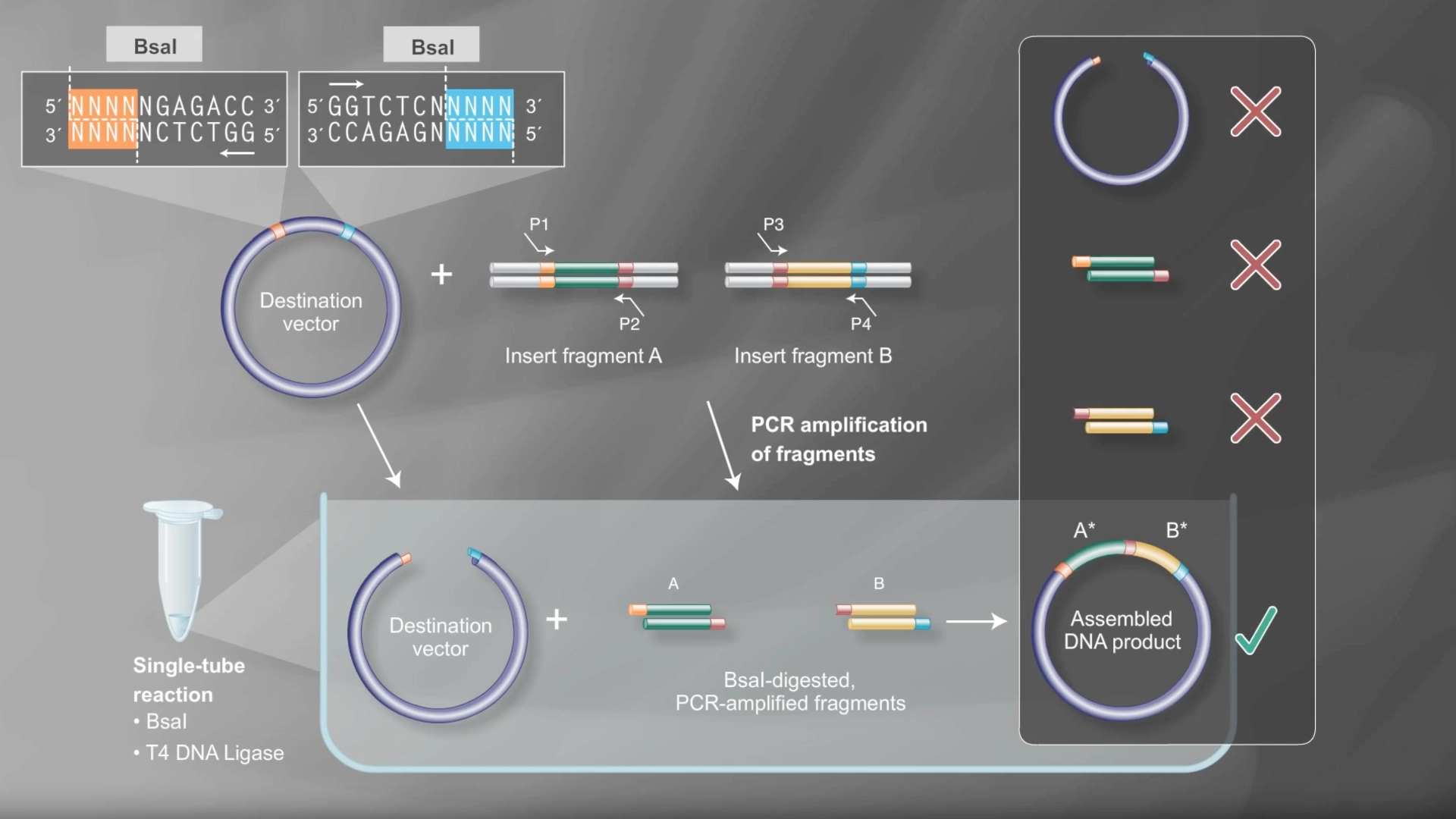
image image

(Screenshot from Golden Gate Assembly video by New England Biolabs)

6.2 Model this assembly method with Benchling or Asimov Kernel!
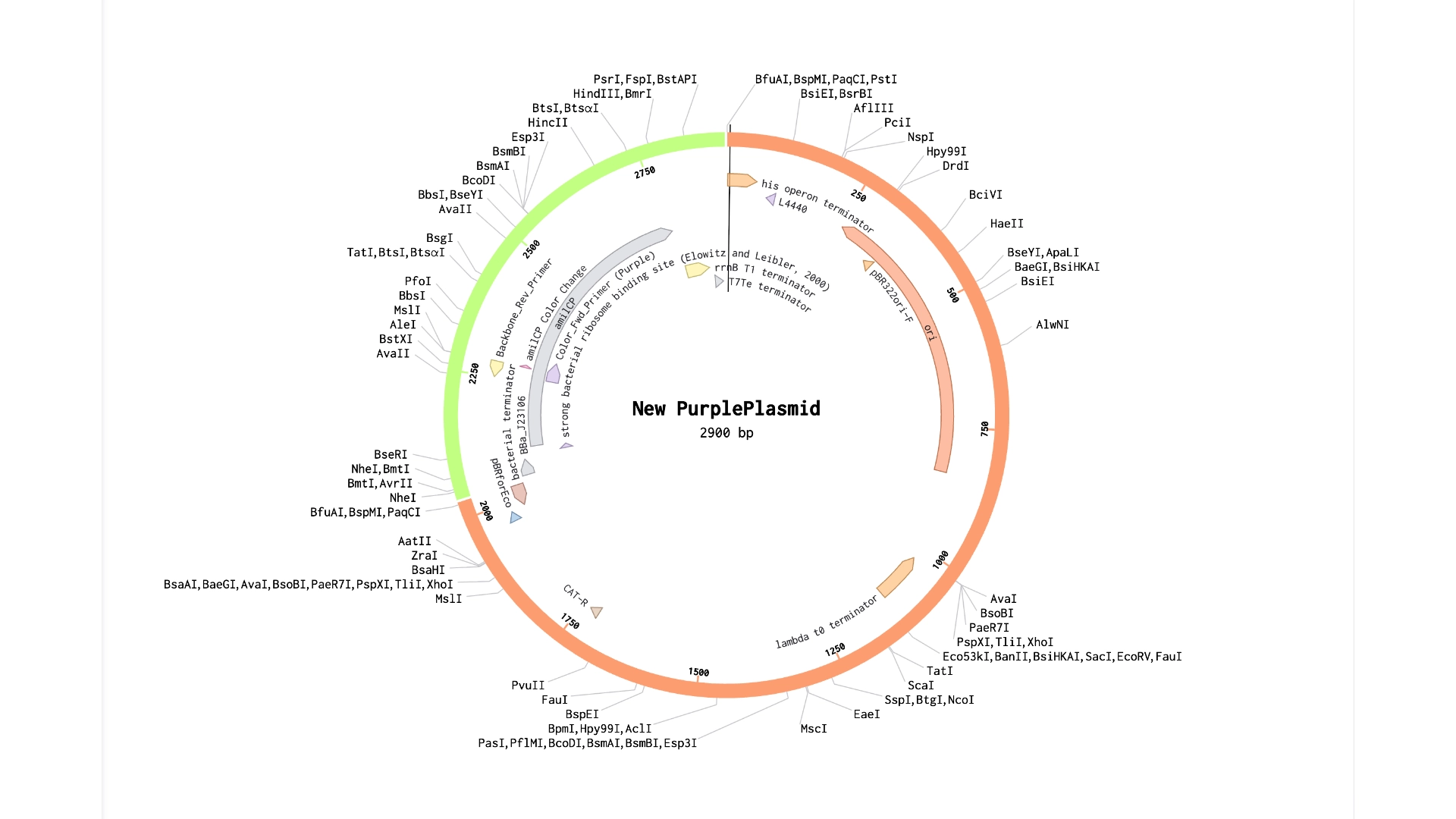
image image

Final result of assembling a mUAV backbone with an insert of purple amilCP


Assignment: Asimov Kernel

Link for my Kernel Notebook

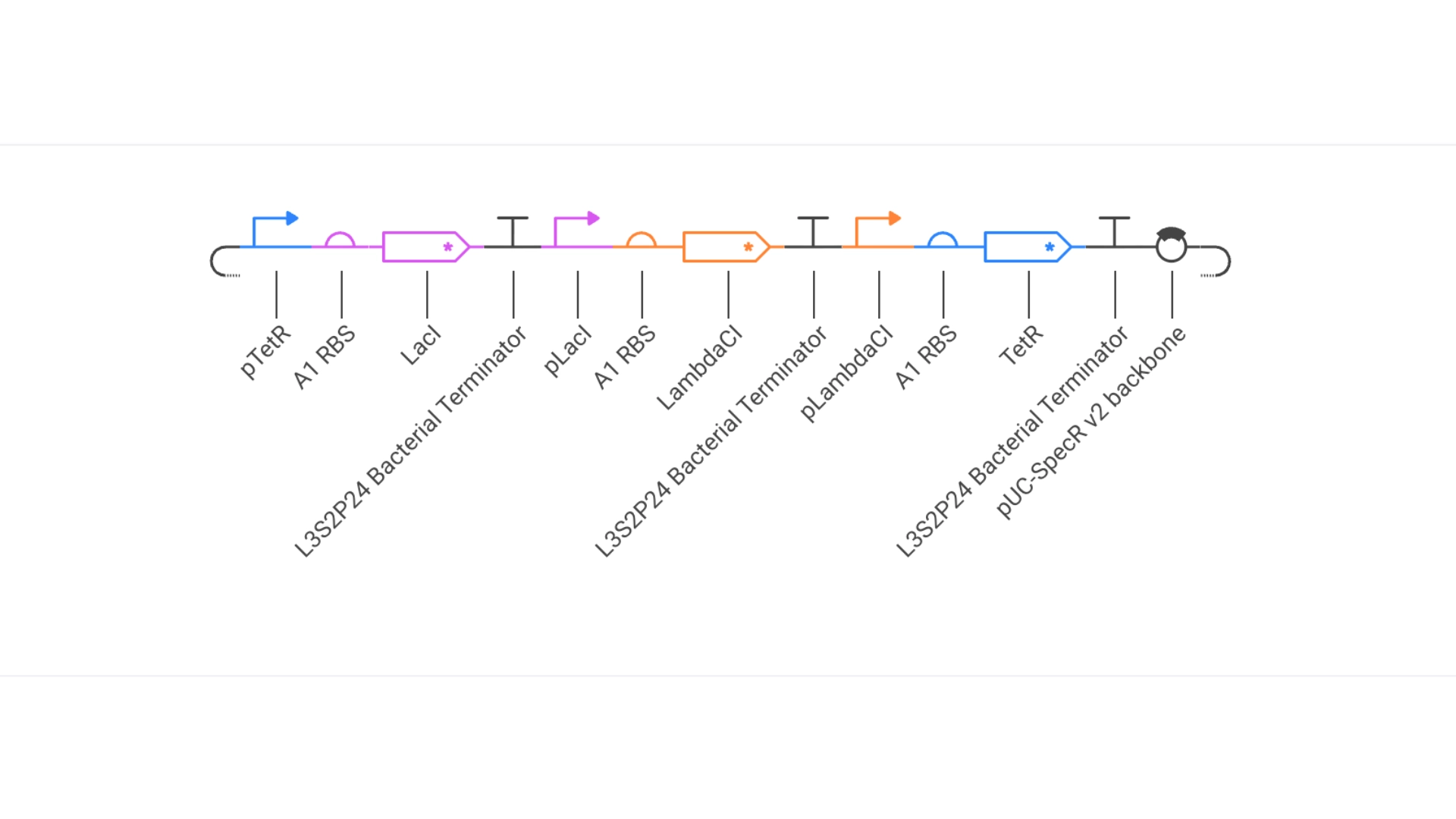
Repressilator:

Glyph image image My Repressilator

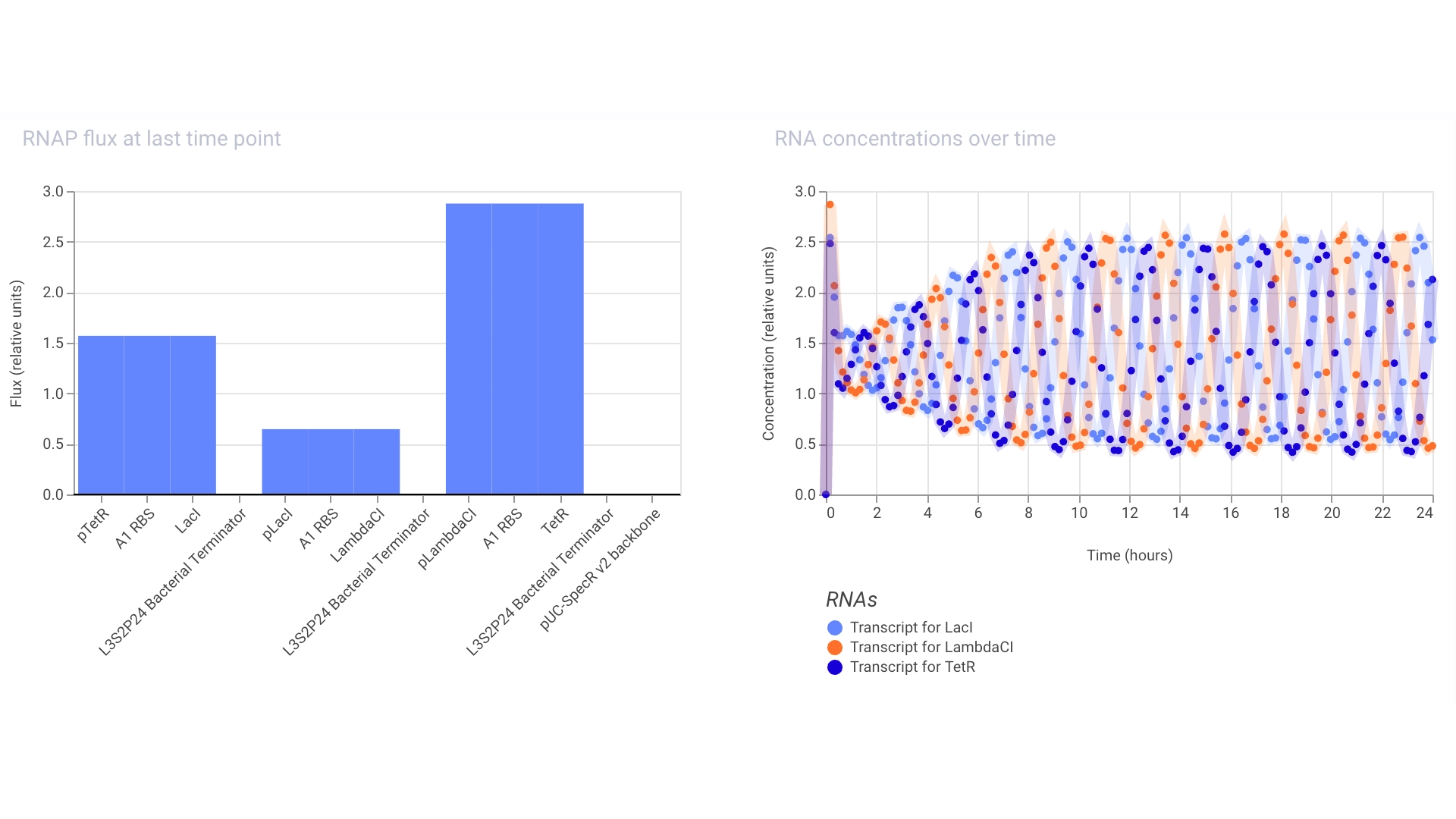
Simulation image image Proteins expressed by the Repressilator seem to alternate in the expected way!

Construct #1:

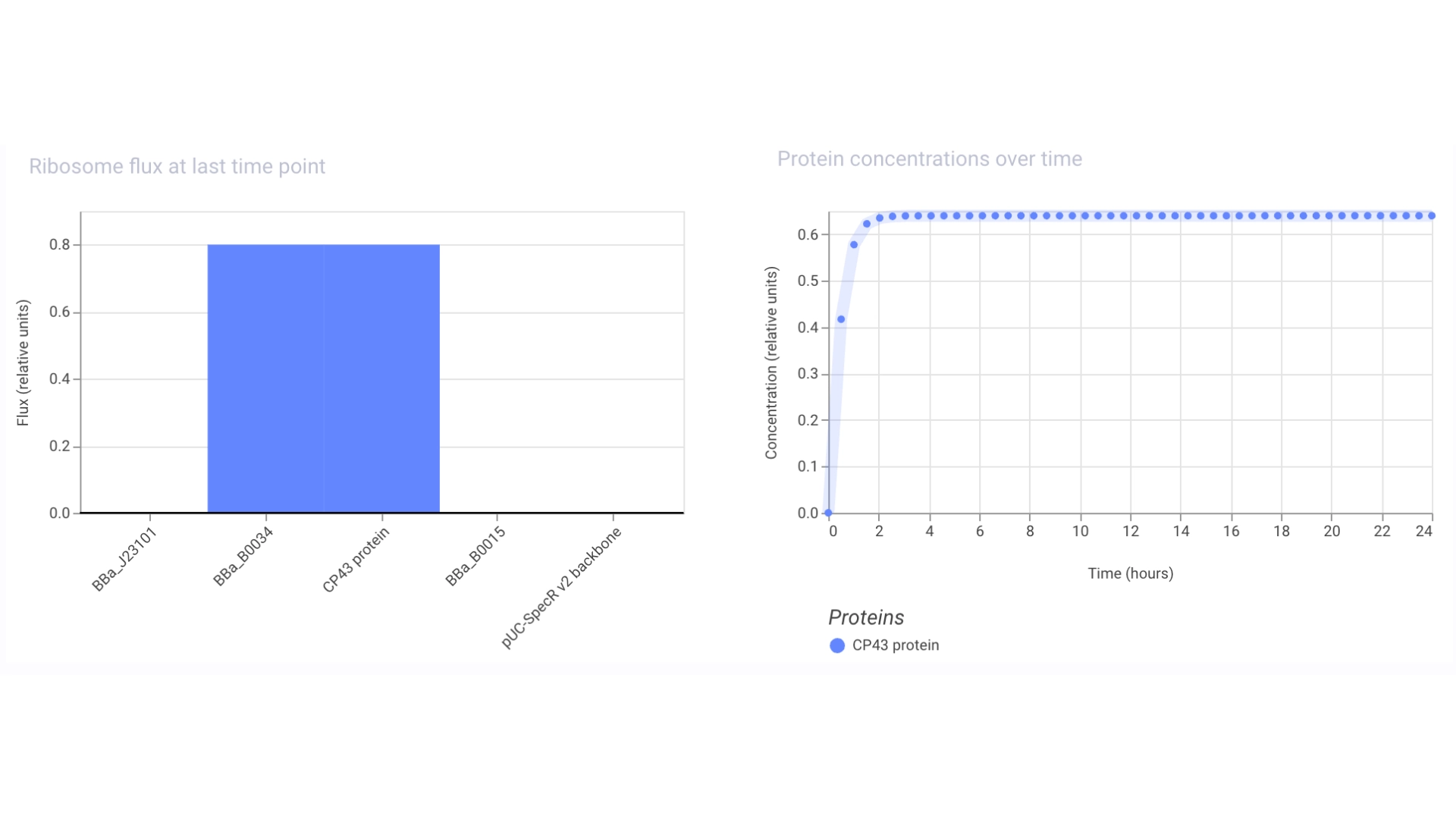
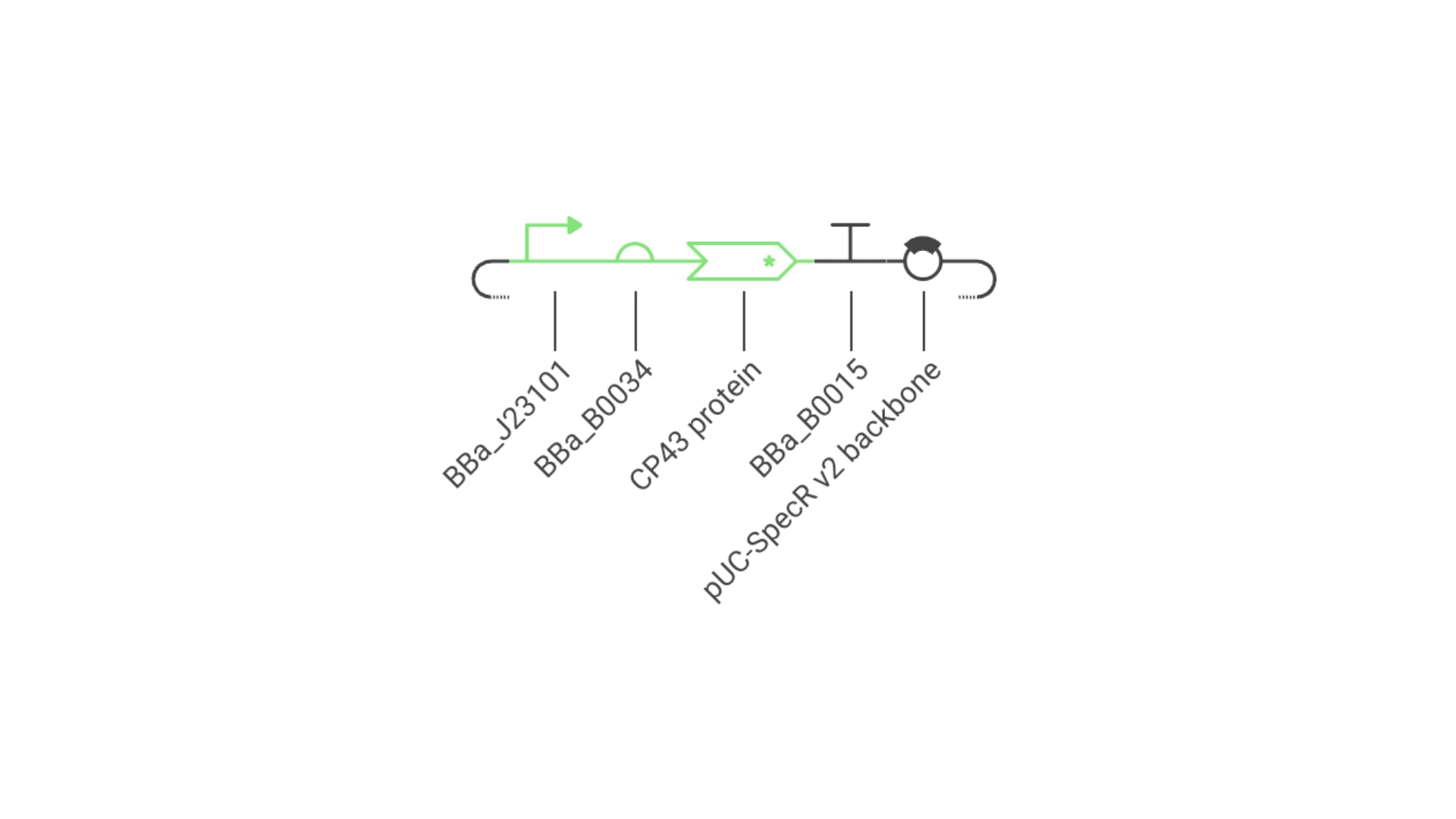
Objective: Create a simple construct that expresses the chlorophyll binding protein CP43

For this construct I created a new part — a CDS part coding for the CP43 protein

Then assembled the circuit using a strong promoter, RBS, terminator and pUC-SpecR v2 backbone

At first only the RNA for the protein was being expressed but not translated into the actual protein, then I found out that the construct had been created for Chinese hamster instead of E. coli

Glyph image image Construct #1
Simulation image image

Construct #2:

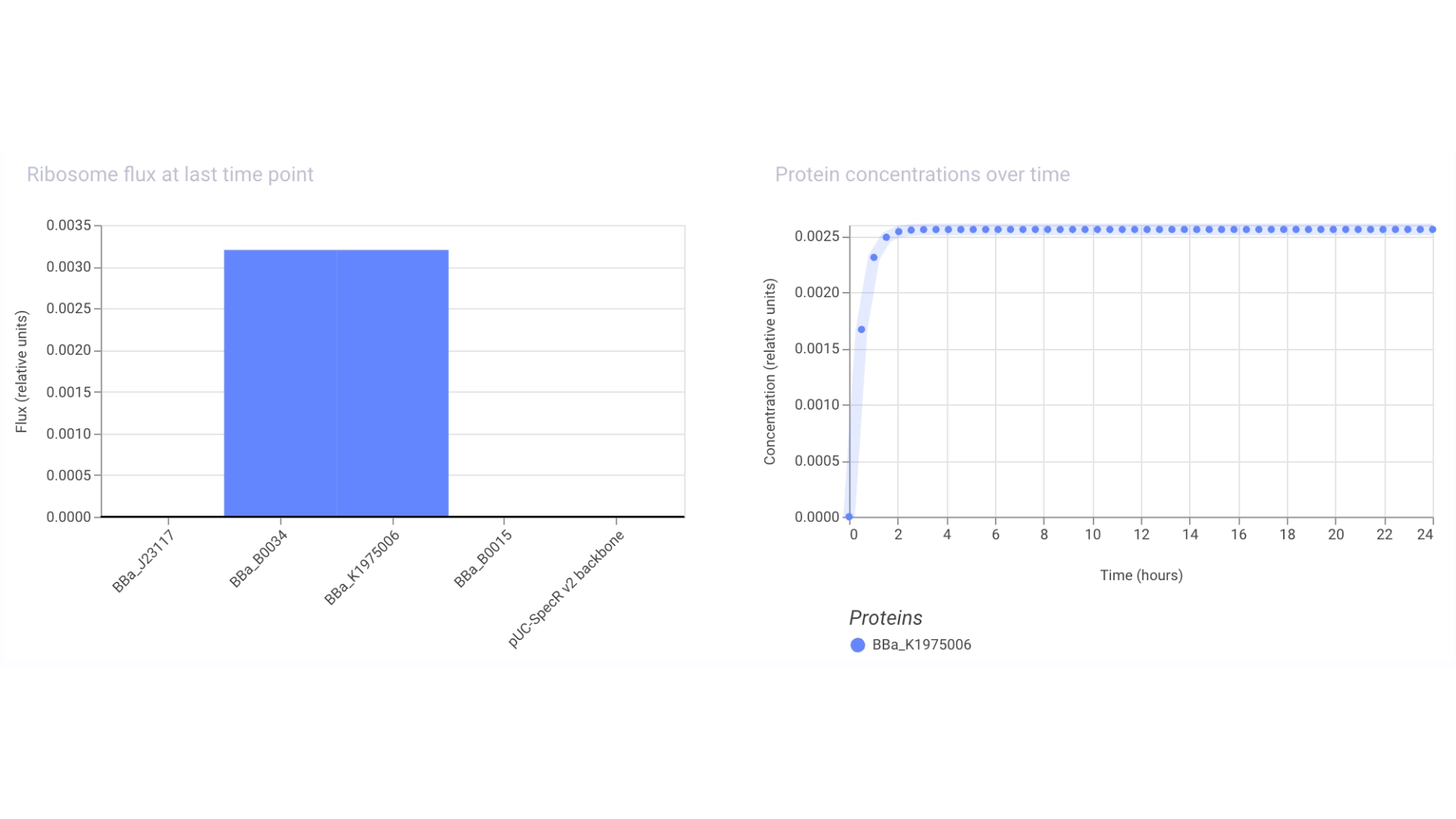
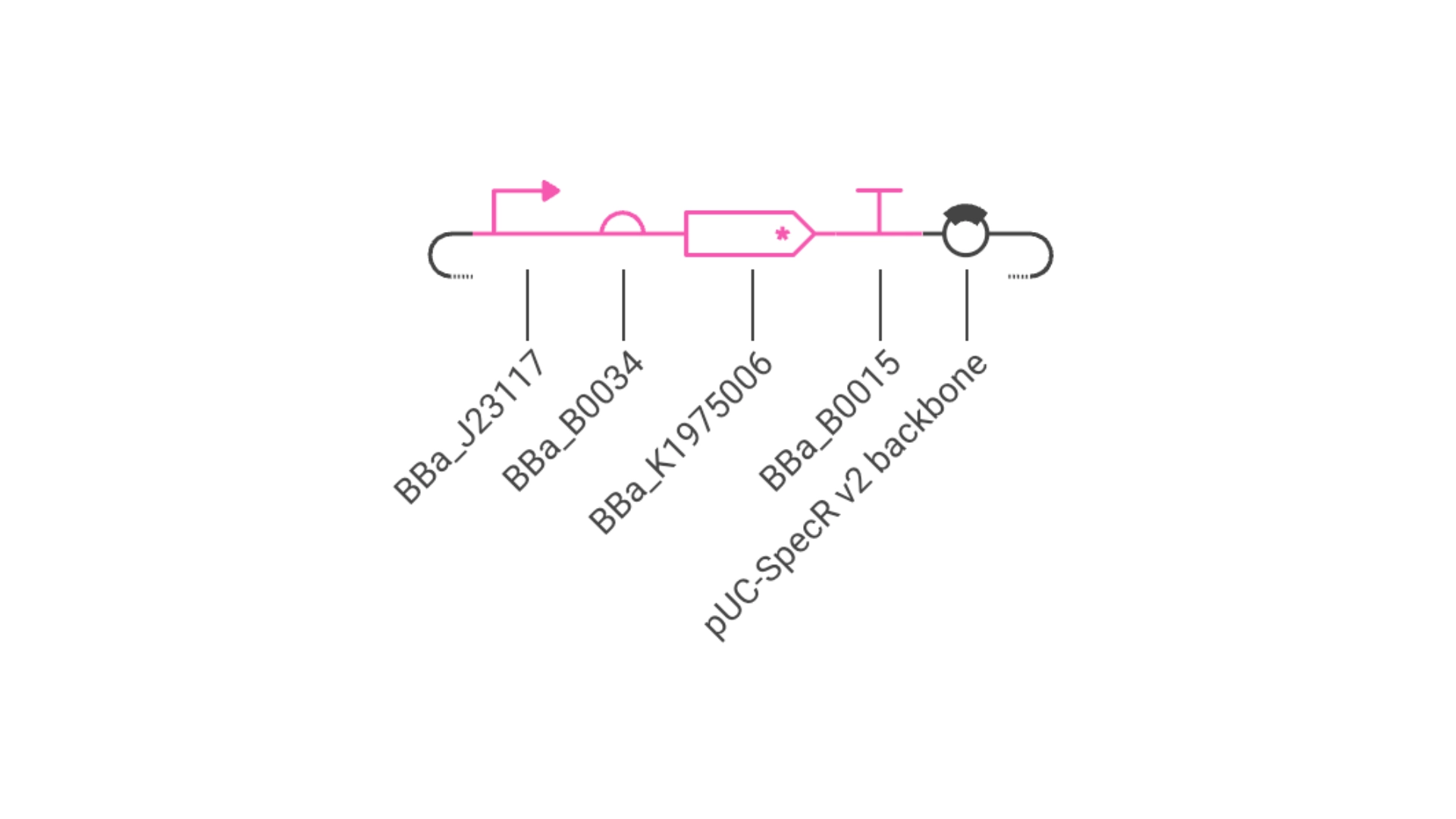
Objective: Create a simple construct that expresses a Red Fluorescent Protein

For this I had to change the RBS part I was using for the CP43 protein, presumably because the CP43 is a CDS (-Start,+Stop) and the RFP is CDS (+Start,+Stop)

Glyph image image Construct #2
Simulation image image

Construct #3:

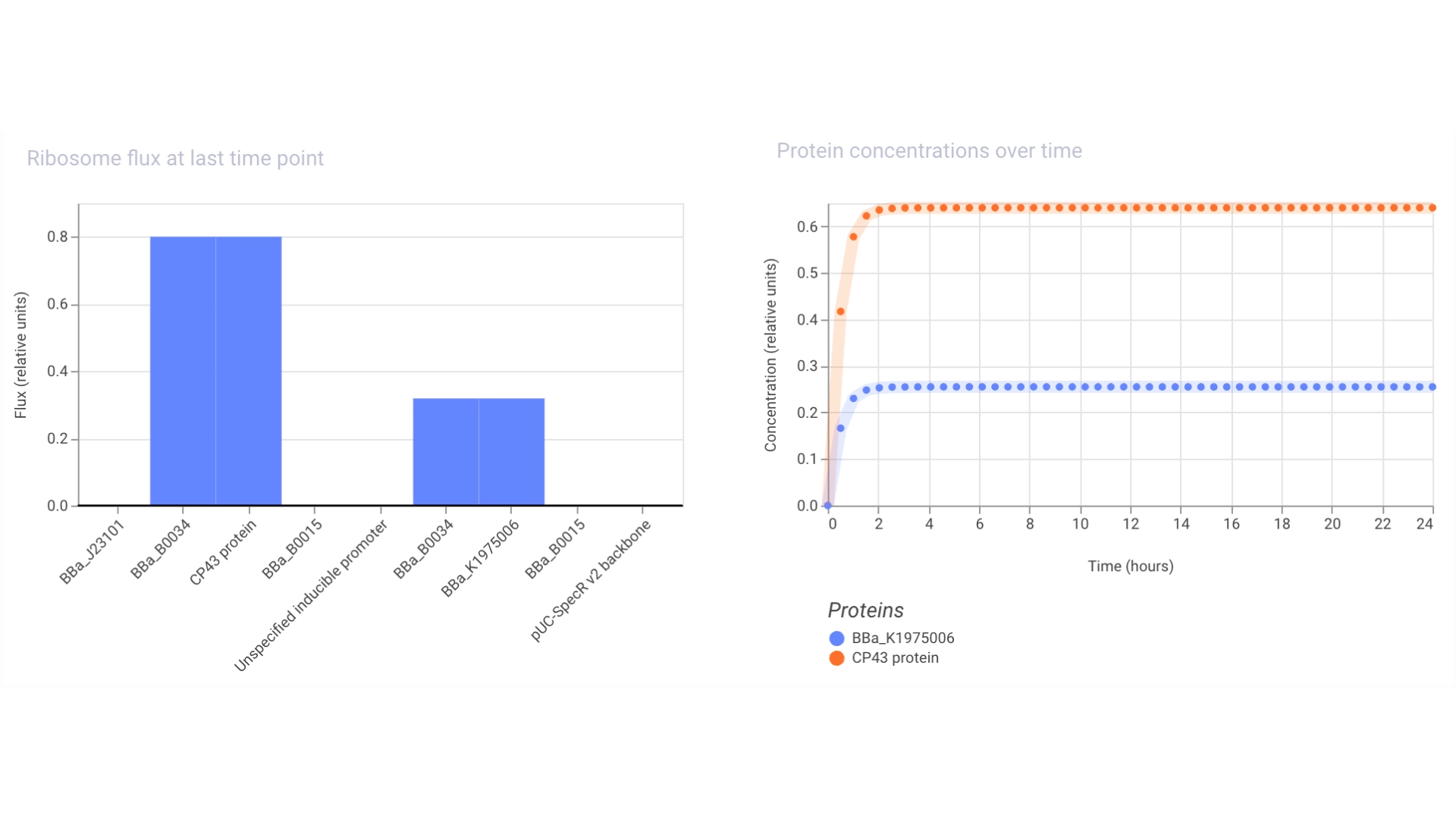
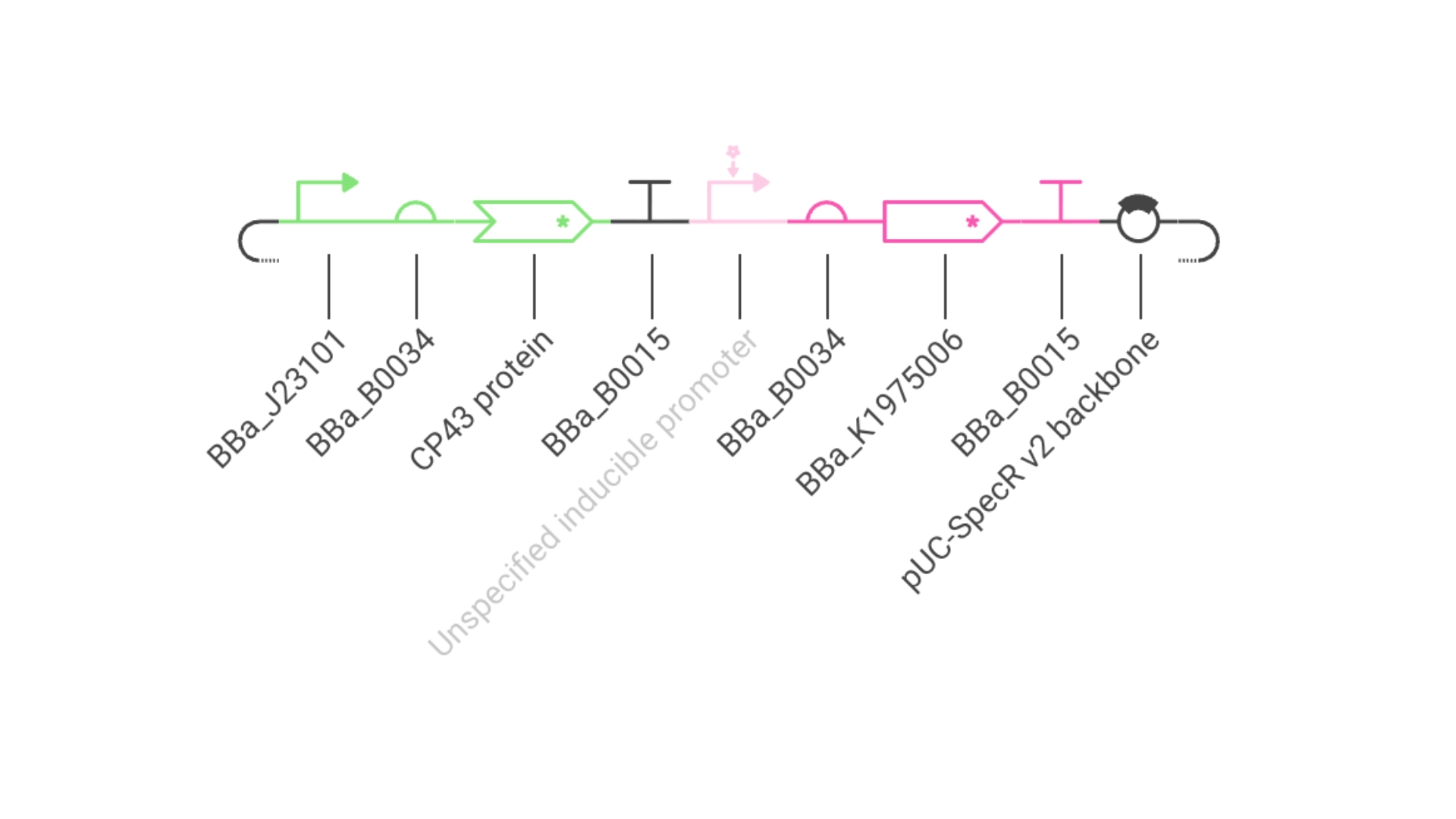
The objective of this construct would be to create a circuit that only expressed a fluorescent protein if the CP43 folded correctly— as it is a lipoprotein it needs an environment with chlorophyll which acts as folding co-factor— and to achieve this an inducible promoter could be designed to be induced by the folded CP43 protein. This way we would have a construct that both expresses the needed protein and gives feedback on the success of the reaction.

For this exercise I just used an Unspecified Inducible Promoter part

Glyph image image Construct #3

Simulation image image


References

PCR Using Phusion® High-Fidelity PCR Master Mix

PCR primers

Golden Gate Assembly

Designing Primers in Benchling