Group Final Project

Bacteriophage Engineering
GROUP MEMBERS
- Diogo Custodio https://pages.htgaa.org/2026a-diogo-custodio
- Flo Razoux https://pages.htgaa.org/2026a-flo-razoux
- Katharine Kolin https://pages.htgaa.org/2026a/katharine-kolin
- Mariana Kanbe https://pages.htgaa.org/2026a-mariana-kanbe
- Marisa Satsia https://pages.htgaa.org/2026a-marisa-satsia
PROJECT MAIN GOAL : Increase the stability of the L protein
- Our first approach to the mutagenesis of the L protein in order to increase its stability resulted in some of the following results:
6 best LLR scored residues in hydrophilic zone (no changes to transmembrane zone)
- 29 C->S (C->R was the best according to LLR score but was negative for lysis on the experimental data)
- 39 Y->L
- 9 S->Q
- 5 F->Q
- 27 Y->R
- 22 F ->R
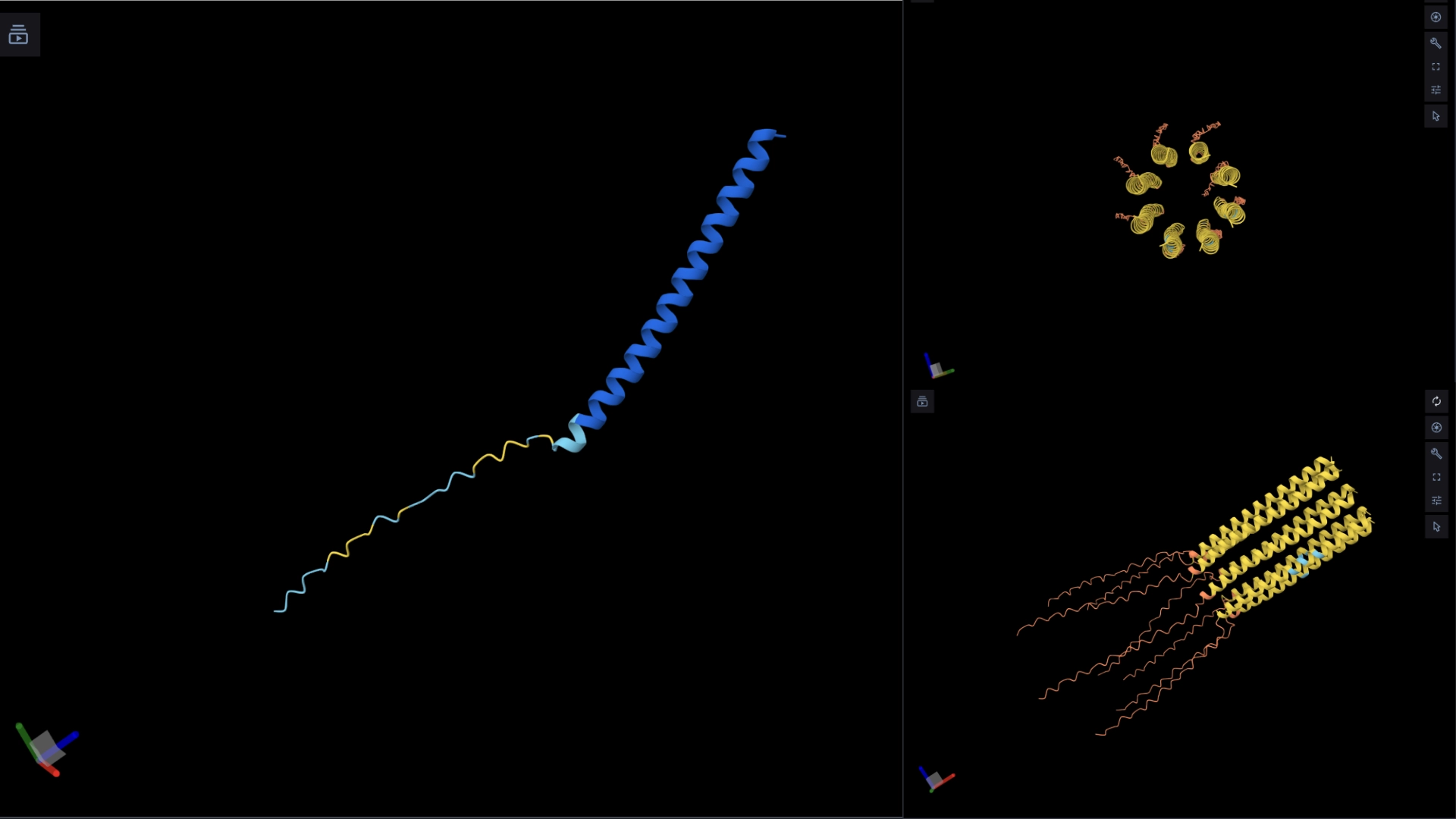
17 best residues in hydrophilic zone (no changes to transmembrane zone) Added to the previous best LLR scored residues the best mutant for other 11 residues always double checking with experimental data sheet
- 39 Y->L
- 9 S->Q
- 5 F->Q
- 27 Y->R
- 22 F ->R
- 17 N->R
- 26 D->R
- 23 K->R
- 2 E -> A
- 6 P -> Q
- 12 T -> Q
- 24 H -> R
- 25 E -> R
- 32 Q -> R
- 33 Q -> R
- 37 T -> L
- 14 A -> S
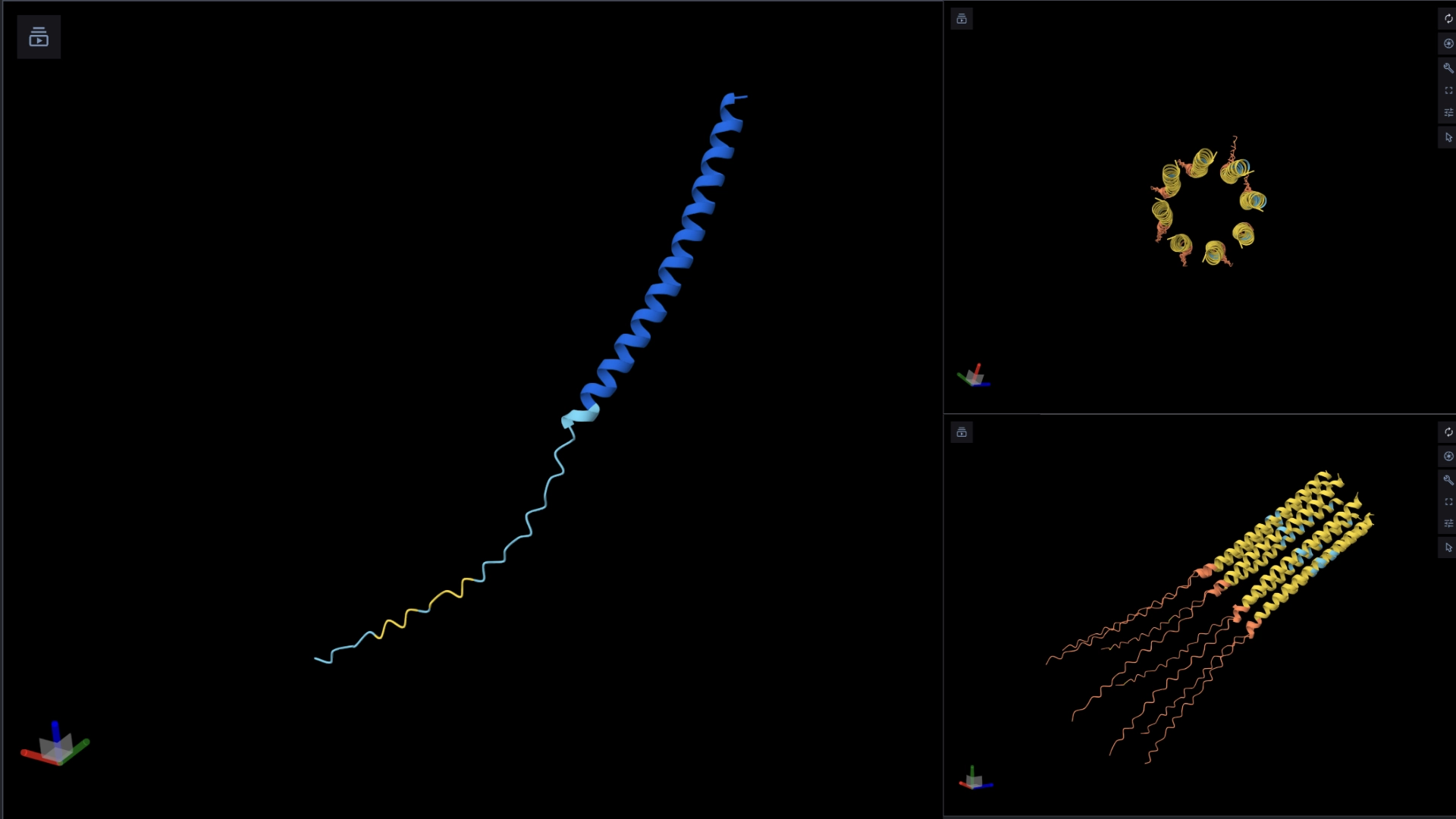
Selection Rationale: Hydrophobic substitution in the transmembrane segment. Ala→Leu increases hydrophobicity and may stabilize membrane helix packing/insertion and oligomer stability.
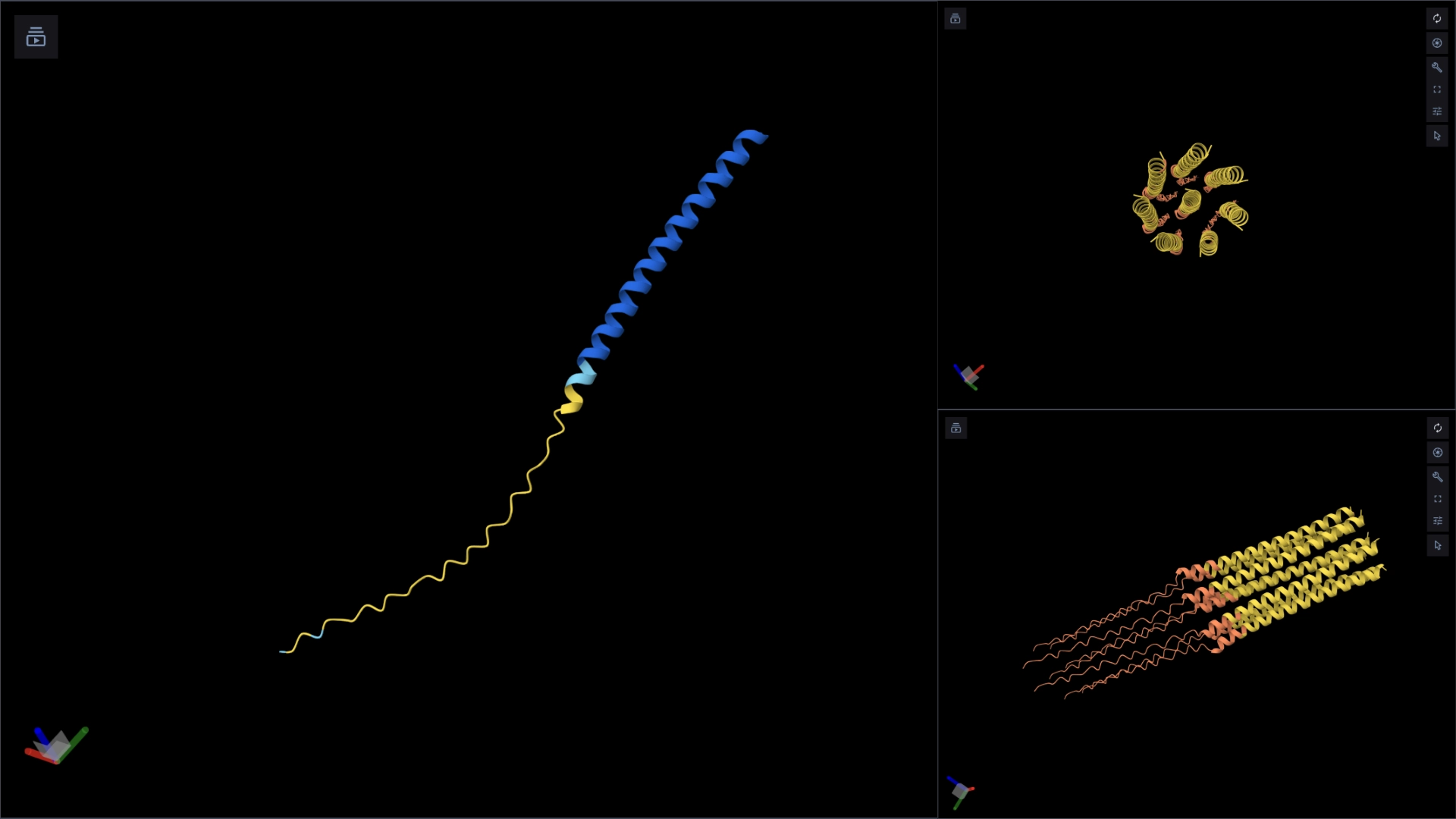
Selection Rationale: Polar→hydrophobic change in the TM region. Thr→Leu may increase membrane compatibility and reduce local insertion/misfolding penalties.
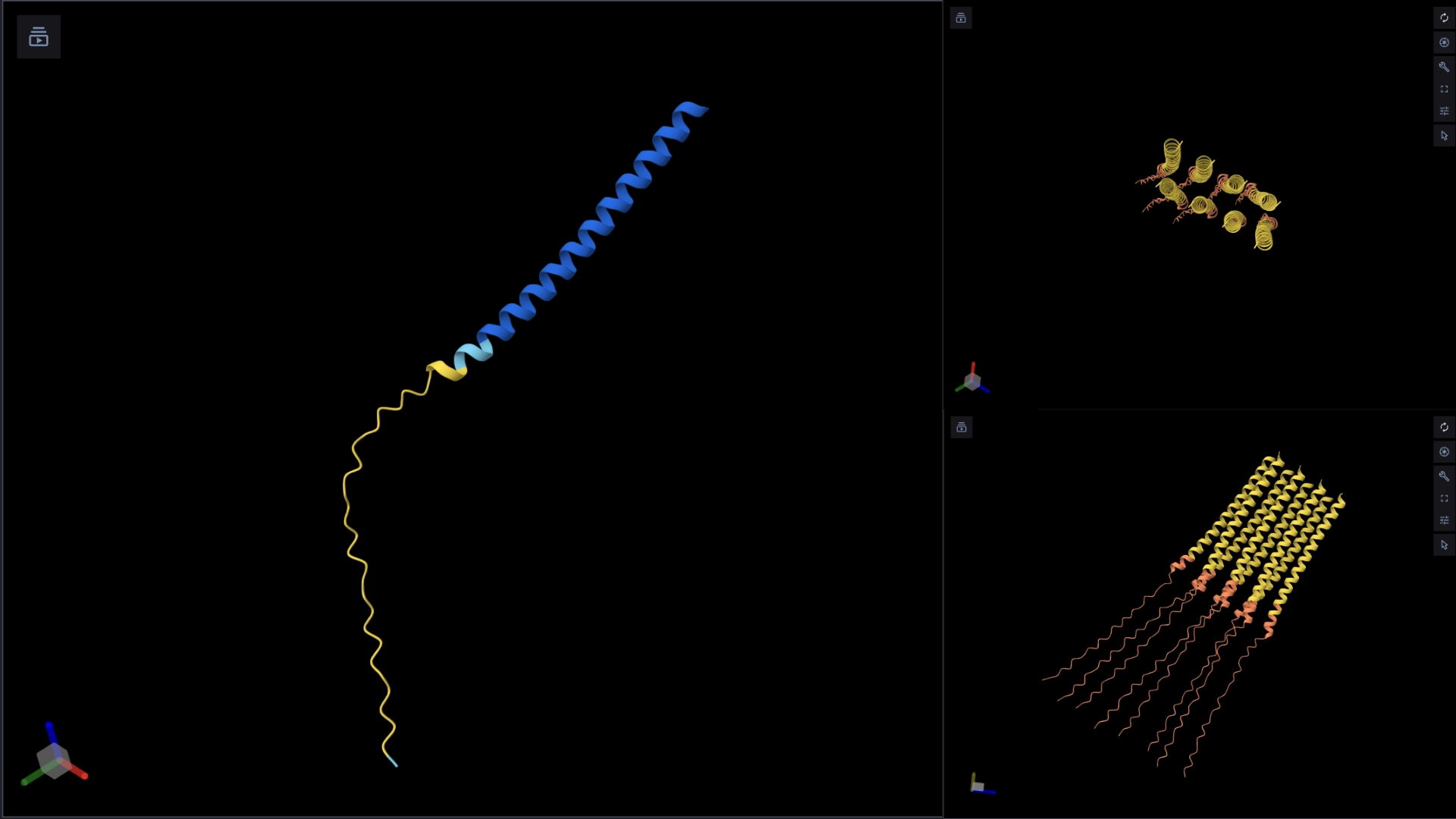
PROPOSAL from Flo’s research: Shorten the L protein.
Rationale: MS2 bacteriophages kill E. coli bacteria via the protein L. L proteins insert themselves into the membrane and cause the lysis of the bacteria. A weakness of the L protein is that its folding and/or stabilization depends on a bacterial chaperone (DnaJ), making it vulnerable to adaptive mutations of the latter. A mutational study demonstrated that shorter versions of the L protein do not depend on the chaperone anymore [1], making it more resistant to bacterial mutations.
Strategy: Engineer a shorter version of L protein that permits an independent folding and conserves essential parts of the sequence such as the transmembrane domain needed for the insertion of the L protein into the membrane [2] and the C-terminal domain needed for the clustering of the L proteins that leads to the lysis of the bacteria [3].
Possible pitfalls:
- We lack knowledge about the precise interactions between the L protein and DnaJ and thus, can’t exclude other purposes than the folding.
- The absence of folding in the shortened versions of the protein might make them more susceptible to aggregation or/and degradation by endoribonucleases/proteases
- We might underestimate the role of the “non-essential” regions
- The bacteria can still keep adapting to survive (e.g. membrane composition, upregulation of proteases)
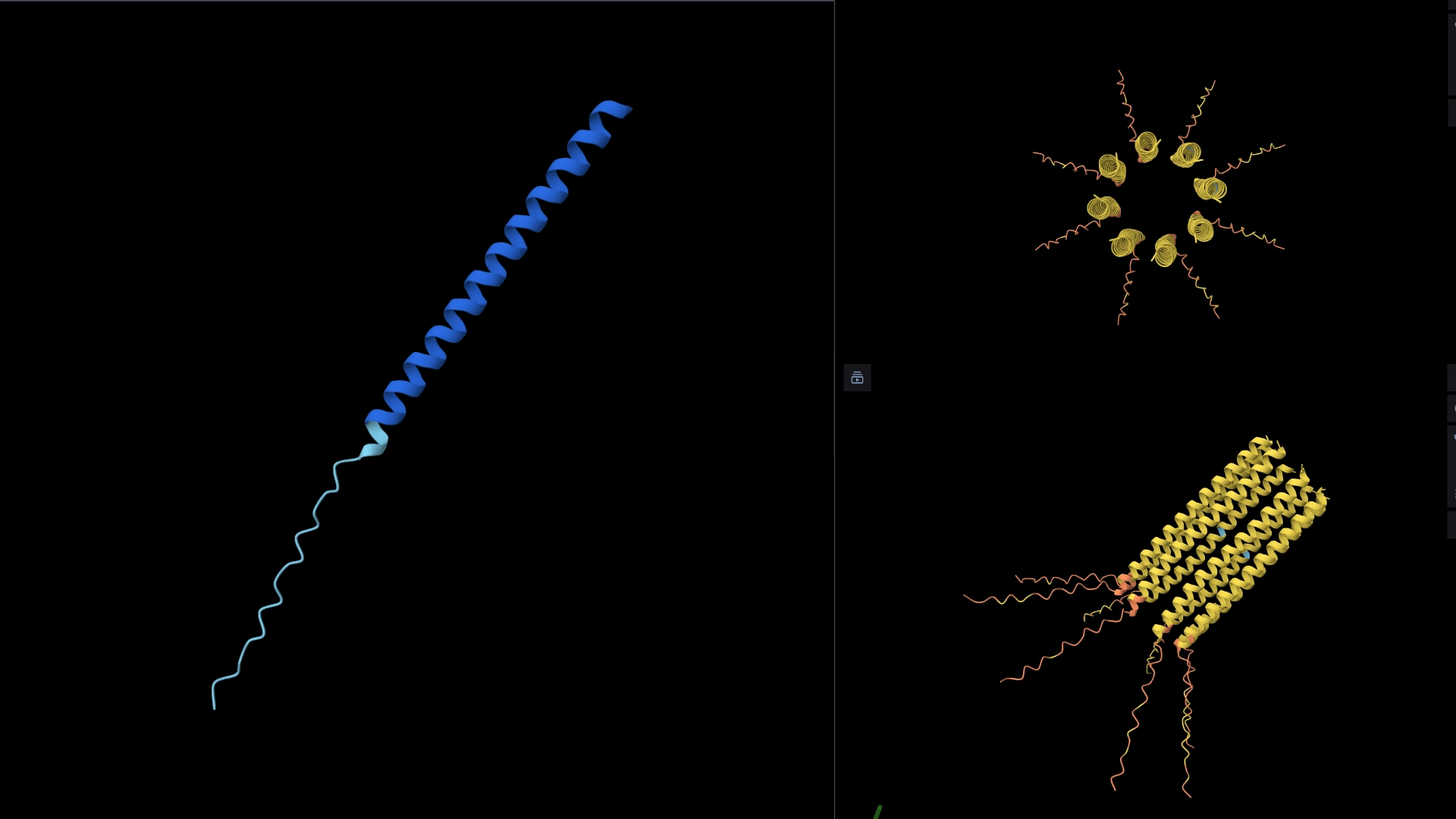
Rationale: After our individual efforts on reaching a more stable mutant, we decided to make a shorter version out of the more apparently stable mutant— which seemed to fold the best according to AlphaFold.
REFERENCES
2 — Mutational analysis of the MS2 lysis protein L Chamakura et al., Microbiology 2017
3 — In vitro characterization of the phage lysis protein Microbiome Res Rep 2023