Individual Final Project
Symbiotic Circuits
Supervisors: Cale & Shanice
Special thanks to Juan-Diego for Benchling validation.
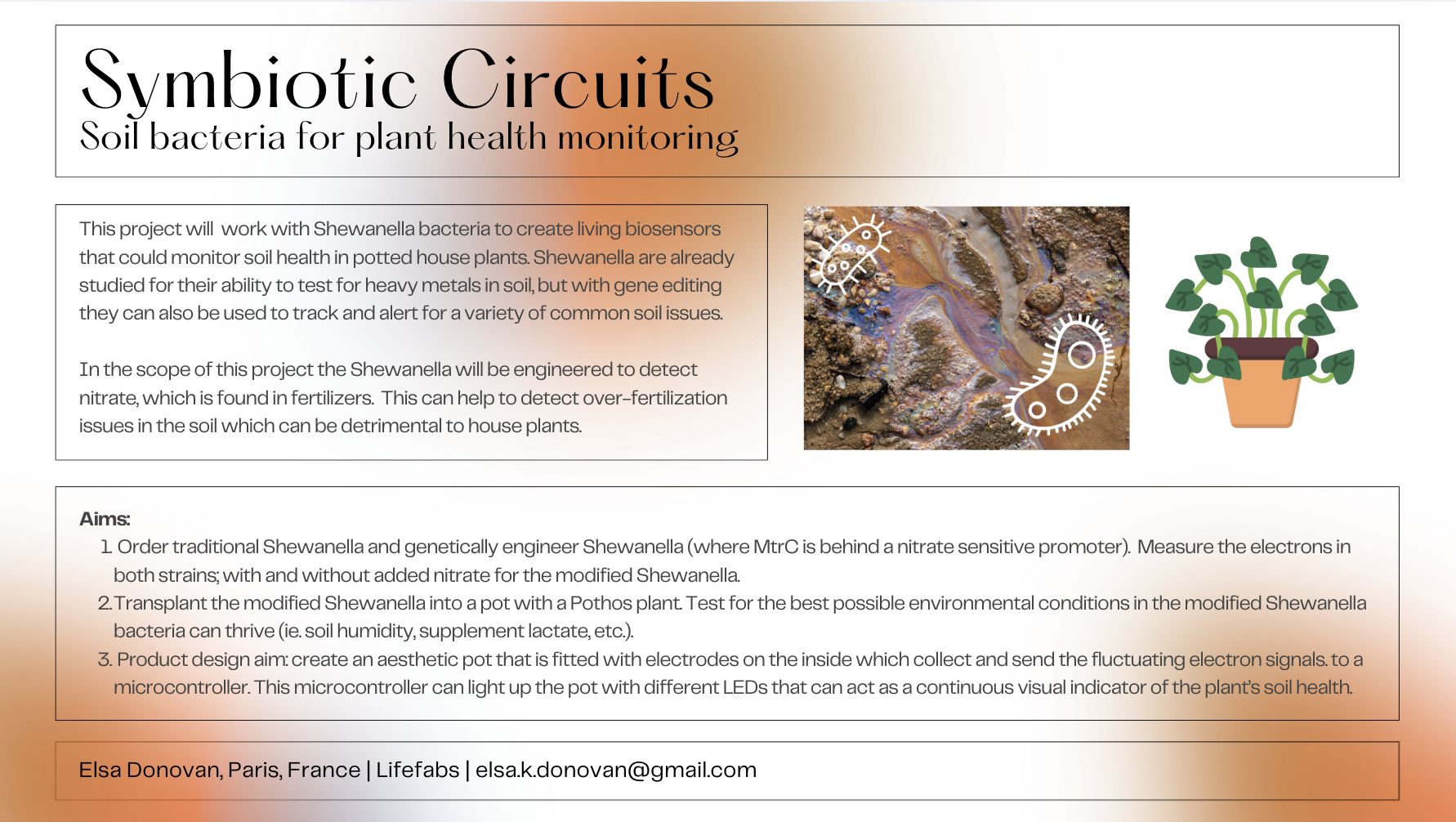
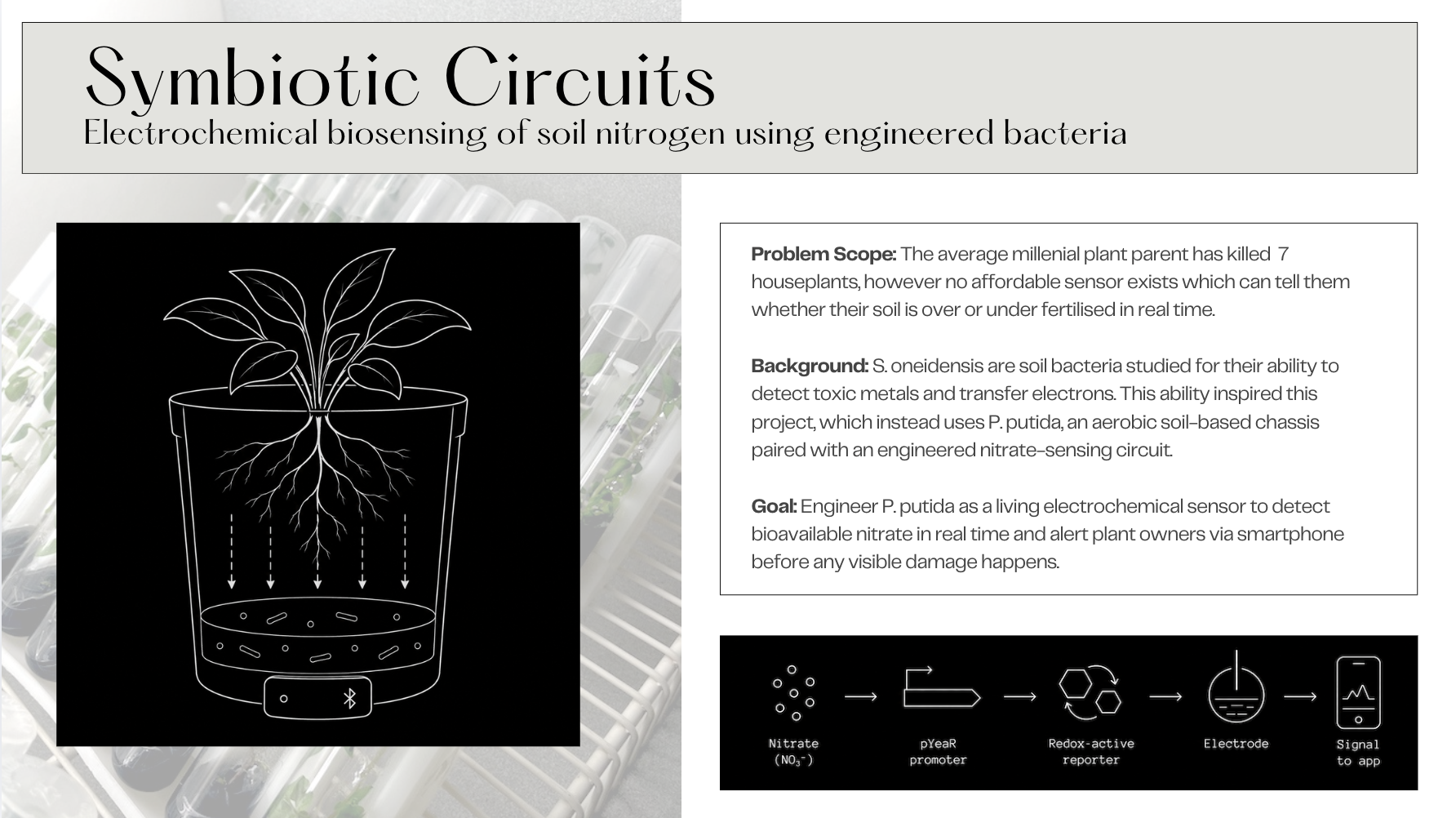
Symbiotic Circuits is an electrochemical biosensor designed to detect bioavailable nitrate in soil using engineered bacteria. 🪴
Section 1: Abstract
Soil over and under-fertilization are leading causes of preventable plant death, yet affordable real-time nutrient sensors remain unavailable to most growers. Symbiotic Circuits addresses this by engineering a nitrate biosensor using bacteria housed inside a plant pot.
The goal is to have an entire product where a nitrate-responsive genetic circuit will express an enzyme which will generate a measurable electrochemical signal. And this signal will have the ability to then be transmitted wirelessly to a soil monitoring app. The hypothesis is that the pYeaR promoter can drive a variable reporter expression in a P. putida host as a proxy for soil nitrate levels.
There are 3 large aims for this project which will be explored further:
- Validate the nitrate-responsive promoter (pYeaR) in E. coli
- Transfer and validate the circuit to a soil-competent chassis (P. putida)
- Full product design (ie.Integrate the system into a full pot-embedded electrochemical sensor)
In the context of this class, and as a remote Committed Listener, the work I did was focused on in-silico design. So I focused on DNA construct assembly in Benchling, codon optimization for E. coli, a mock Twist gene synthesis order, and AlphaFold structure prediction of mScarlet3.
Section 2: Project Aims
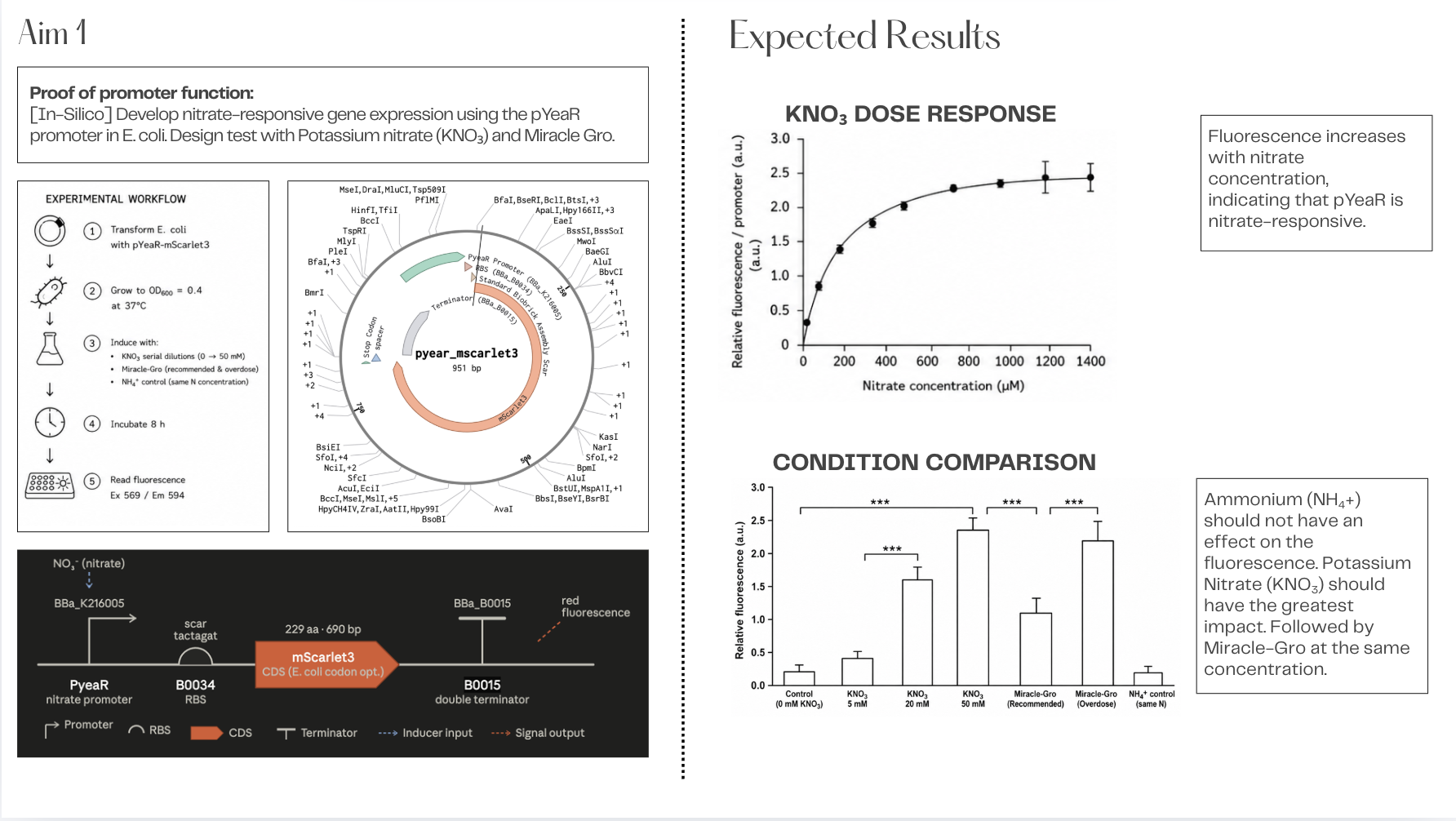
Aim 1 — Validate the nitrate-responsive promoter (pYeaR) in E. coli
Place pYeaR upstream of the fluorescent reporter mScarlet3 to confirm it responds to nitrate. This provides a clean, measurable baseline before moving to more complex constructs.
Test variables:
- A range of nitrate concentrations
- Miracle-Gro (a common household fertilizer) at recommended and overdose concentrations
- Ammonium as a control – this is a different form of nitrogen that should not activate the promoter
Expected result: a sigmoidal dose-response curve where fluorescence rises steeply and then plateaus at maximum brightness, confirming pYeaR is nitrate-responsive. The hypothesis is that Miracle-Gro will produce slightly lower fluorescence than pure nitrate at the same concentration, but an overdose should still produce a strong signal.
Aim 2 — Transfer the circuit to a soil-competent chassis (P. putida)
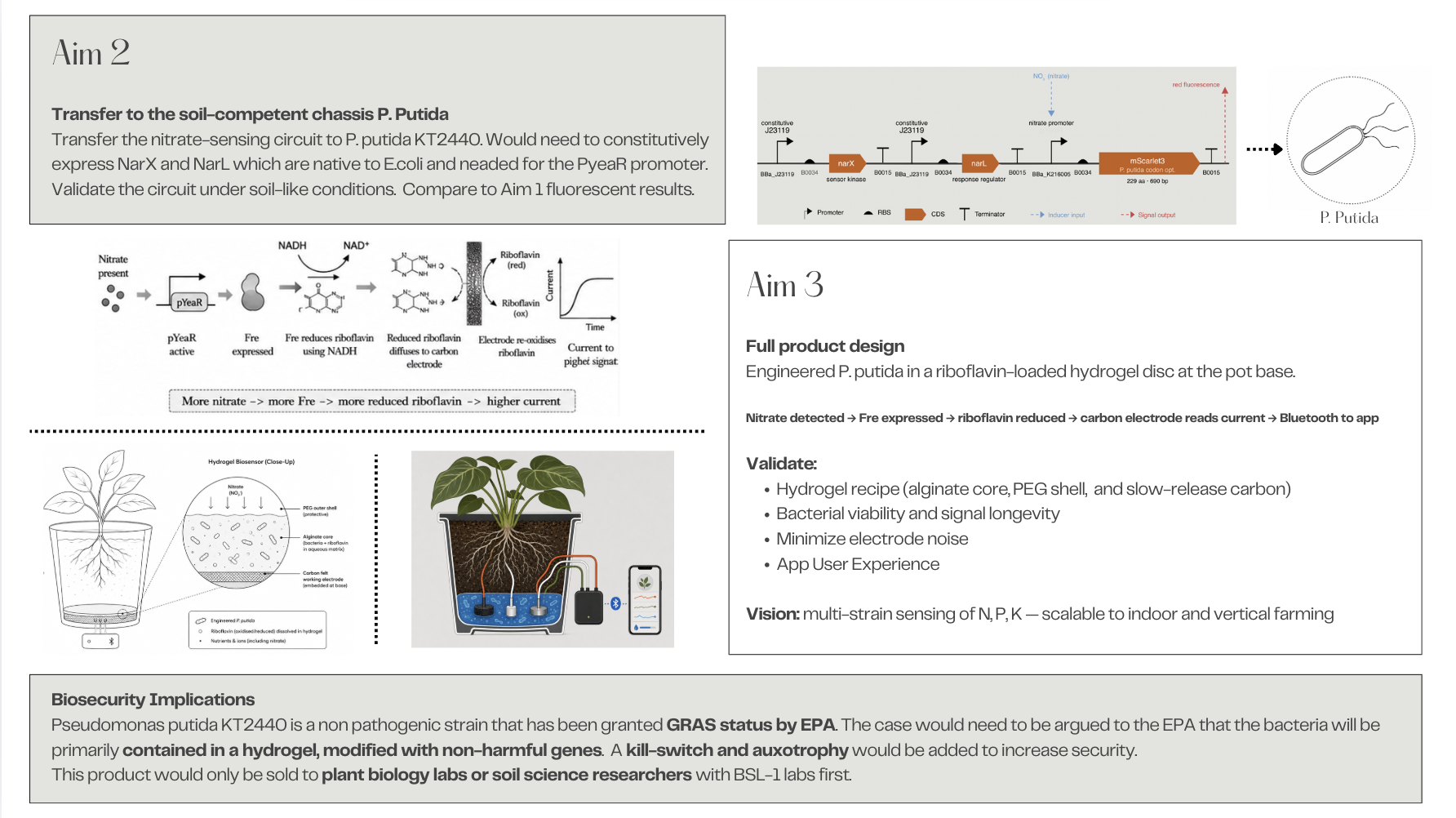
Update the genetic circuit so it functions in P. putida. The promoter pYeaR is native to E. coli and therefore depends on the regulatory genes NarX/NarL. These genes will need to be constitutively expressed in the new host organism.
As far as is known, this promoter has not been used in P. putida before, so the same nitrate and Miracle-Gro tests from Aim 1 will need to be repeated to validate performance.
Once these tests are validated in culture, the circuit will then need to be tested under soil-like conditions.
Full circuit layout:
Aim 3 — Full product design
The engineered P. putida will be placed in a riboflavin-loaded hydrogel disc at the bottom of a custom-designed plant pot. The genetic circuit will have to be updated to express the enzyme Fre instead of mScarlet3. A carbon electrode will be placed at the bottom of the pot touching the hydrogel and it will read the change in current and send that current signal change to an app. Together this will create a robust continuous soil monitoring system.
Key things to test at this stage: the hydrogel recipe, bacterial viability and longevity in soil, signal noise, and the app and user experience.
Longer-term vision: To go even further with this aim: it would be great to add multi-strain sensing for other nutrients (potassium, phosphate) and scale to indoor and vertical farming applications.
Section 3: Background
Literature Review
Turn on the Mtr pathway genes under pLacI promoter in Shewanella oneidensis MR-1 Ng et al. (2018) https://link.springer.com/article/10.1186/s40643-018-0221-9
This paper established that the pLacI promoter combined with RBS (B0034), can be activated efficiently in S. oneidensis MR-1. It was also originally designed for iGEM. Although this paper did not end up being used in the final iteration of this project, the S. oneidensis MR-1 was pivotal to the original iterations and therefore influential.
Pseudomonas putida as a synthetic biology chassis and a metabolic engineering platform Current Opinion in Biotechnology (2023) https://www.sciencedirect.com/science/article/pii/S0958166923001350
This is a review of P. putida as a versatile chassis and well-studied for synthetic biology. It is what convinced me to switch my chassis from S. Oneidensis to P. putida. P. putida can thrive in aerobic conditions as well as micro-anaerobic conditions as opposed to S. Oneidensis which is an anaerobic bacteria. This would have caused issues when trying to use it in plant soil environments.
Novelty
pYeaR promoter has been commonly used in E. coli, however its use in P. putida as a soil-friendly chassis has not been studied or documented. So this would be a truly new research question. The project also conbines pYeaR with an electrochemical output (the Fre-mediated riboflavin reduction when it touches the carbon electrode) which is novel.
The unique combination of the hydrogel with the electrodes is also rarely done. There are very few bioelectronic projects out there. The packaging of this living biosensor in a consumer-friendly pot also creates a novel product.
Impact
As mentioned previously over and under-fertilization can damage plants, but there are few affordable and effective sensors for everyday growers. Current consumer sensors only measure moisture and maybe soil pH. A continuous biosensor embedded in soil would be able to detect nutrient problems before visible damage occurs, reducing fertilizer waste and avoiding harm to plants/agriculture. In indoor or vertical farming, this could meaningfully cut nitrogen inputs as well as associated environmental runoff. If this proof of concept works, we could see an even bigger impact in agricultural farming where we can fix and improve soil health with realtime feedback.
Ethics
There are legitimate concerns about using a GMO in your home. While there might not be real harm to humans, without proper biosecurity measures it could disrupt your plants, and if it ends up being accidentally released to the environment could potentially throw an ecoystem off-balance.
Another ethical concern is affordability and accessibility. These will need to be considered because a lack of both of these will diminish the environmental benefit that this project is trying to have.
For an ethical deployment of this technology, the thymidine auxotrophy kill-switch must be included (otherwise, the bacteria may survive once it is outside of the pot). The use of the hydrogel casing provides a secondary level of physical confinement which helps with biosecurity. Before commercial sales are to be done the EPA will need to validate that the new genetic modification has qualified for GRAS (Generally Recognized As Safe) status. Because of its more lenient GMO regulations, the United States would be the most feasible initial market to enter. After establishing sales in the U.S., collaborations could begin with soil science laboratories working under biosafety level one (BSL-1) conditions.
Section 4: Experimental Design, Techniques, Tools, and Technology
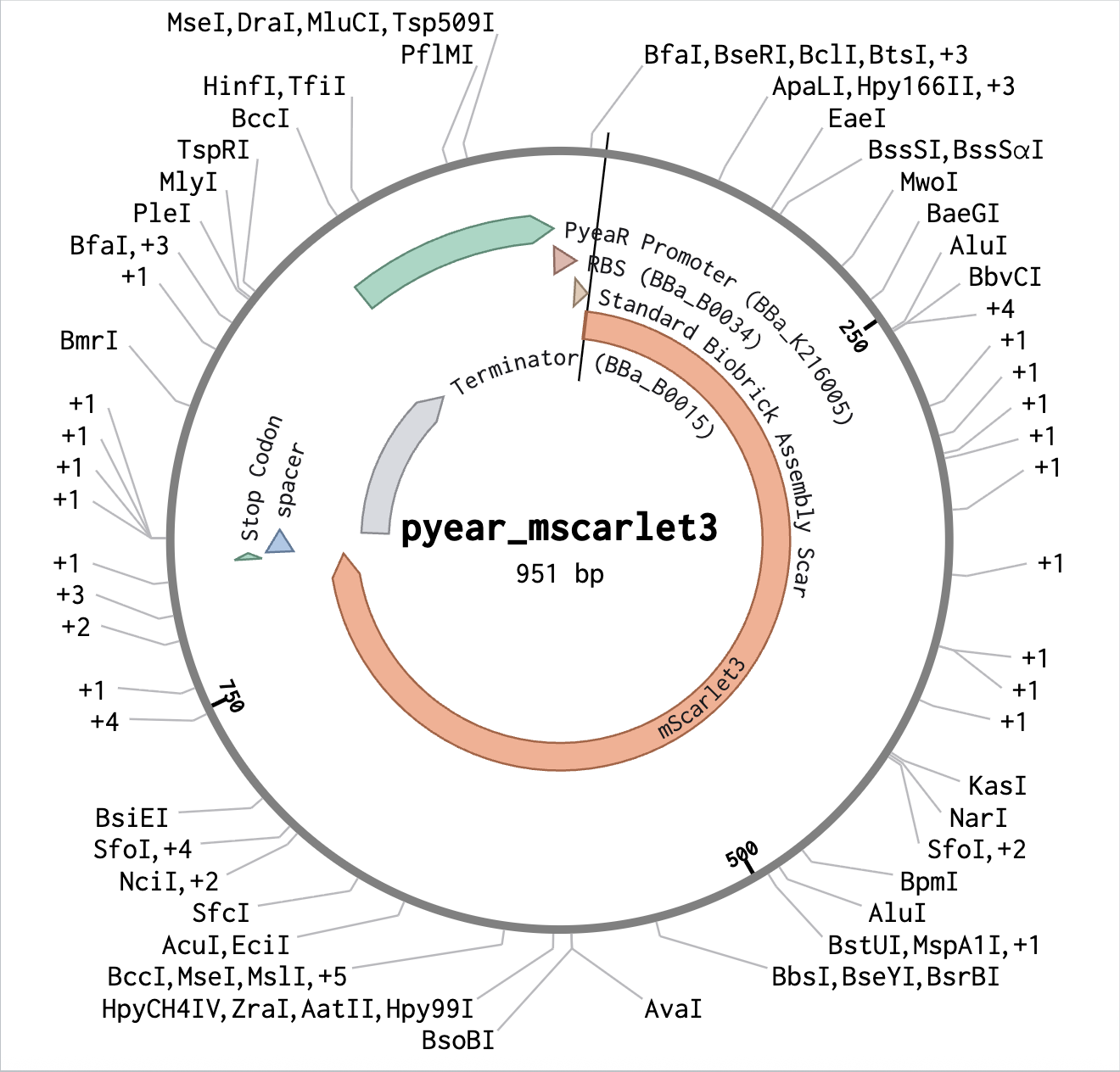
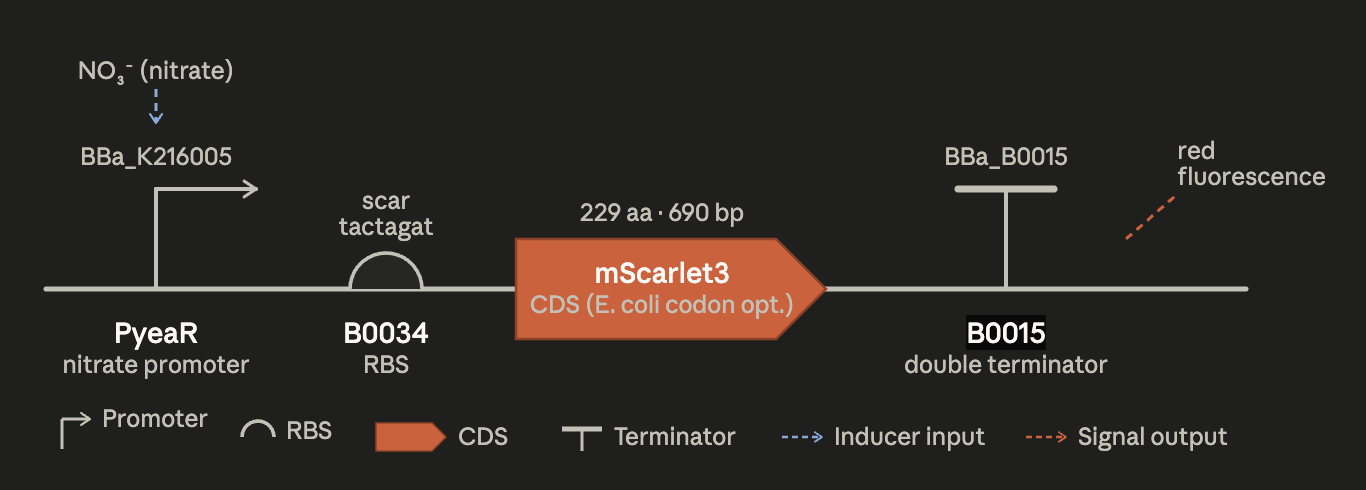
Final Aim 1 Construct — PyeaR → mScarlet3 in E. coli
mScarlet3 is a fluorescent reporter protein (an improved chromoprotein, brighter than GFP) that makes it easy to visually confirm whether the promoter is active. The PyeaR promoter from E. coli is well-documented, making it a practical starting point before testing in P. putida.
Parts and sources:
- PyeaR promoter (iGEM): https://parts.igem.org/Part:BBa_K216005
- RBS (B0034) (iGEM): https://parts.igem.org/Part:BBa_B0034
- Spacer: BioBrick Assembly Scar sequence —
tactagat - mScarlet3 sequence (AddGene, GenBank file): https://www.addgene.org/browse/sequence/375295/
- Double terminator (B0015) (iGEM): https://parts.igem.org/Part:BBa_B0015
Benchling design for the PyeaR–mScarlet3 sequence:
SBOL diagram:
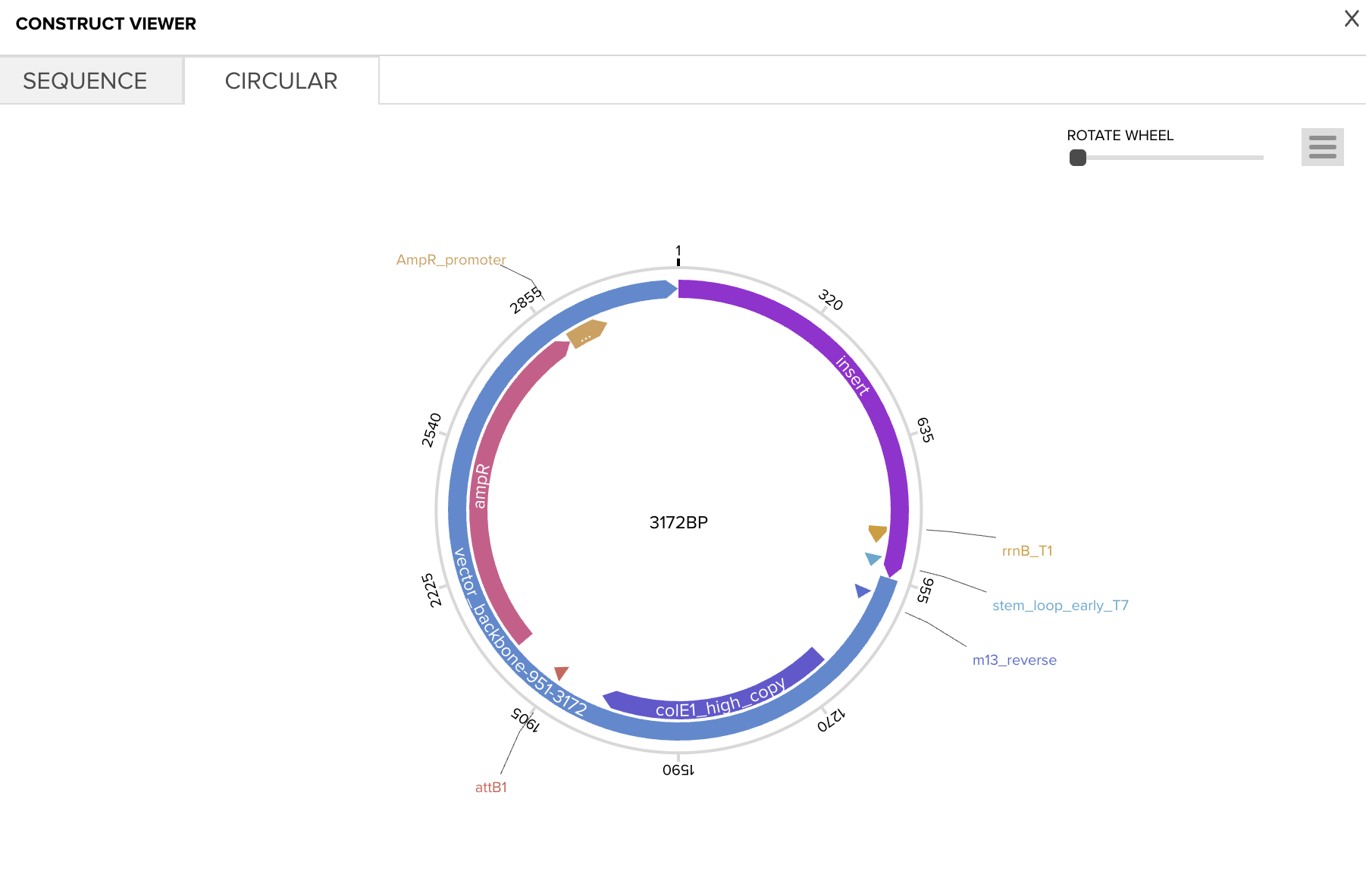
Codon-Optimized DNA Sequence (for E. coli)
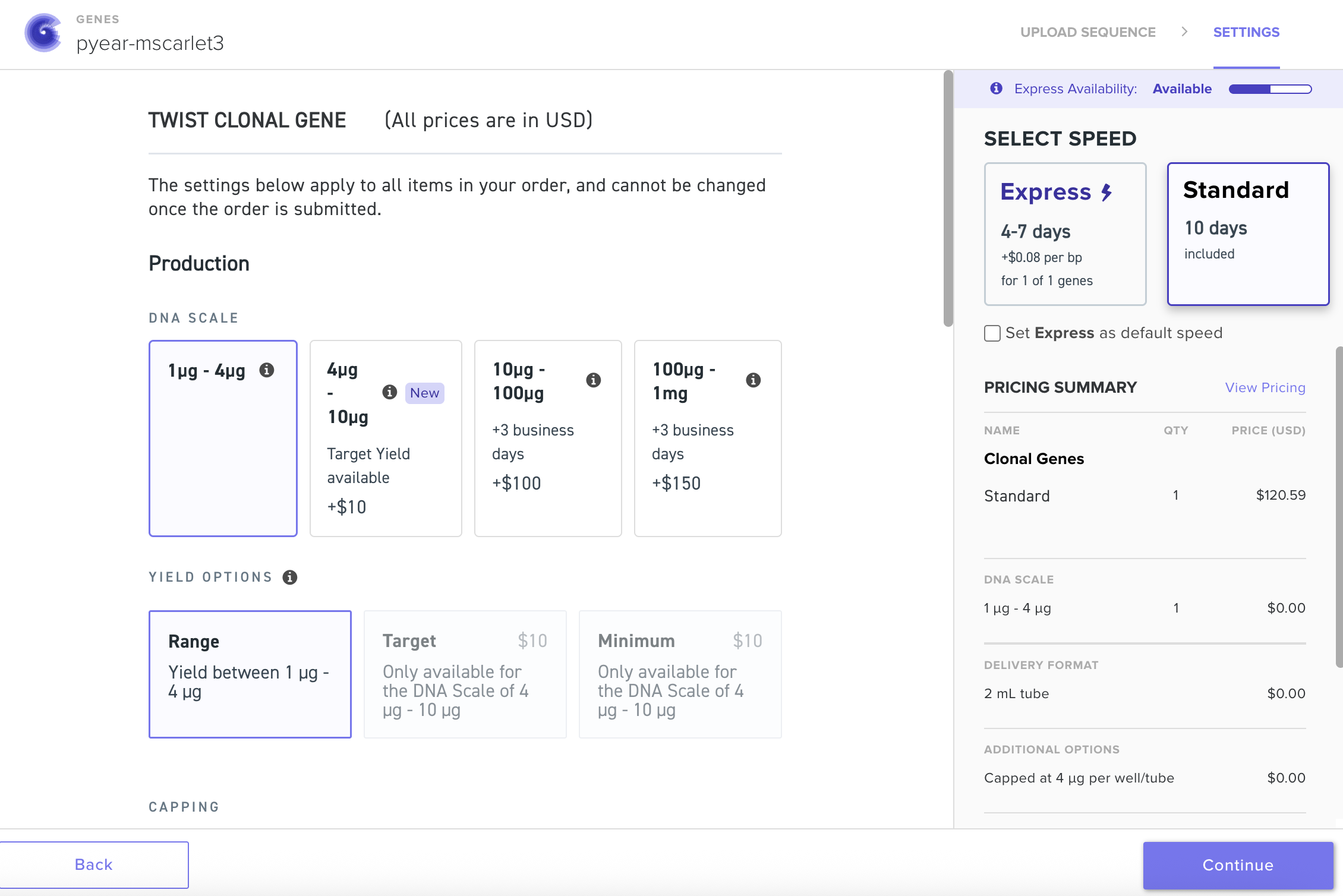
This sequence was ordered as a mock Twist order:
Codon-optimized for E.coli DNA sequence:
Amino Acid Sequence (via Expasy):
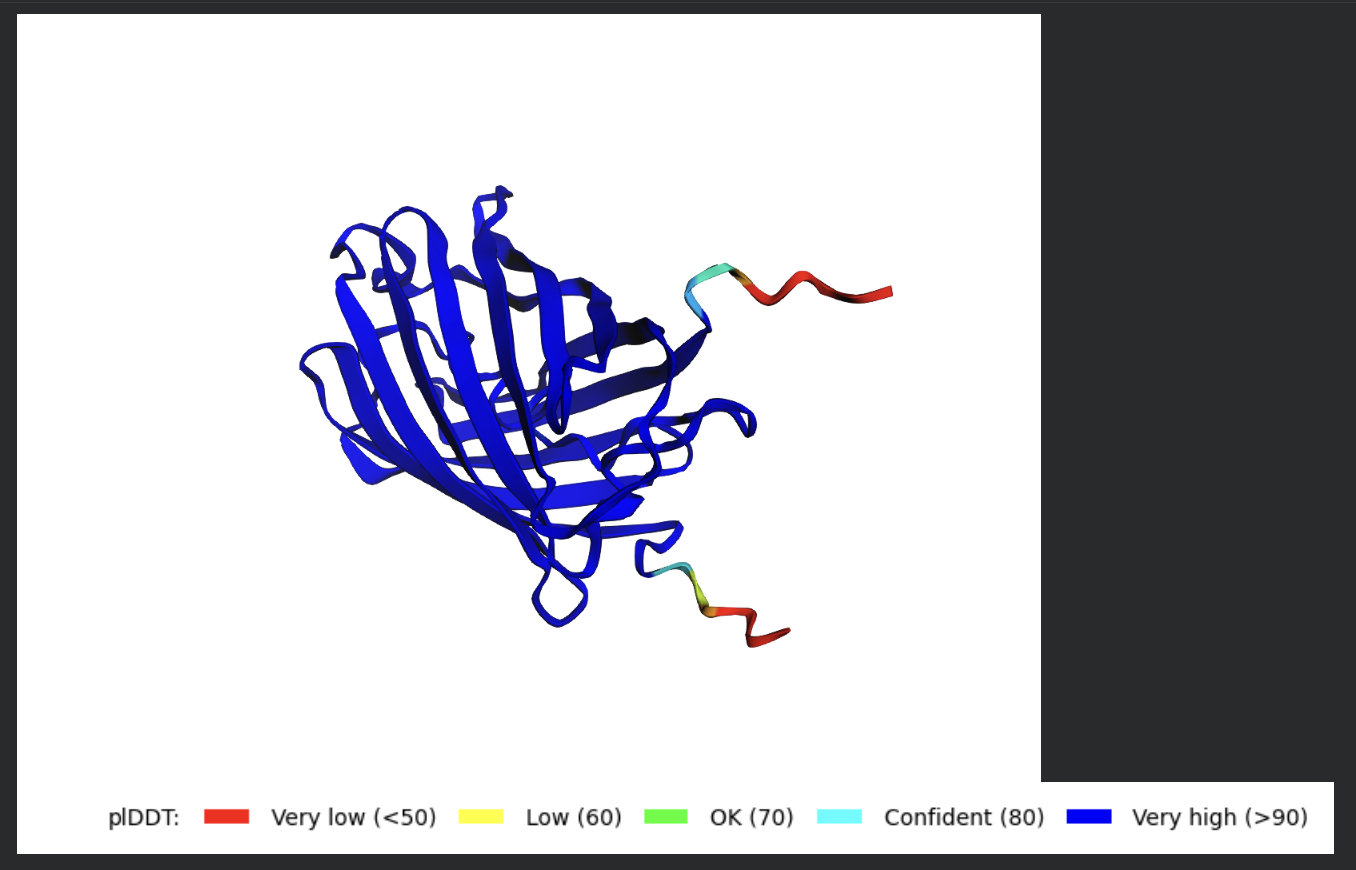
The mScarlet3 sequence was run through AlphaFold (using ColabFold) to predict its 3D structure. As expected for a fluorescent protein, it folds into a beta-barrel structure:
Experimental Timeline (Aim 1)
i. Week 0-1 [Construct design]: Assemble construct in Benchling, verify reading frame and codon optimization. Expected: finalized annotated sequence.
ii. Week 1-2 [Twist order]: Submit to Twist Bioscience (~10-14 day lead time). Expected: synthesized DNA fragment.
iii. Week 3 [Transformation]: Heat-shock transform into E. coli DH5α; plate on LB + antibiotic. Expected: colonies after 16-18 h at 37°C.
iv. Week 3 [Colony PCR]: Screen 6-8 colonies with insert-flanking primers; run 1% agarose gel. Expected: band at ~1.1 kb.
v. Week 3 [Sequencing]: Miniprep confirmed colonies; submit for Sanger sequencing. Expected: sequence matches design.
vi. Week 4 [Overnight cultures]: Grow confirmed transformants in LB + antibiotic; make glycerol stocks at -80°C.
vii. Week 4 [Nitrate dose-response]: Inoculate into M9 + KNO₃ dilution series (0, 0.1, 0.5, 1, 5, 10, 50 mM); incubate 6 h at 37°C. Expected: fluorescence rising with nitrate concentration.
viii. Week 4 [Ammonium control]: Repeat with NH₄Cl at matched concentrations. Expected: no fluorescence induction, confirming pYeaR specificity.
ix. Week 4 [Miracle-Gro test]: Test recommended dose and 3× overdose in M9. Expected: signal lower than pure nitrate; overdose still detectable.
x. Week 4 [Fluorescence measurement]: Plate reader Ex 569 / Em 594 nm; normalize to OD600. Expected: sigmoidal curve, plateau at ~5-10 mM KNO₃.
xi. Week 5 [Data analysis]: Plot fluorescence/OD600 vs. nitrate concentration; identify the midpoint of the dose-response curve and compare Miracle-Gro vs. pure nitrate signals.
xii. Week 5 [Negative control]: Confirm no-nitrate controls show baseline fluorescence only.
xiii. Week 6 [Document & Data Analysis]: Review all the data and validate promoter works before moving to Aim 2 & Aim 3.
Techniques (taken from Final Project requiments document):
- Bioethical Considerations
- DNA Construct Design
- Databases (iGEM, AddGene, NCBI, UniProt)
- Use of Benchling
- Designing a Twist Order
- Protein Design
- Use of Boltz or PepMLM (ColabFold/AlphaFold)
- Registry of Standard Biological Parts
- Lab Safety
DNA Construct Design: I used Benchling to assemble these constructs and used individual components of this DNA construct (PyeaR-RBS-mScarlet3-terminator) from the iGEM parts registry as well as AddGene. I added annotations to identify specific characteristics of the assembly. The sequence was also optimized to enhance expression levels for E. coli (K-12) using Benchling’s Codon Optimization Tool. The final step was to generate a mock Twist Bioscience gene synthesis order to simulate potential issues related to the manufacture of the product.
Protein Design (ColabFold/AlphaFold): The codon-optimized amino acid sequence of mScarlet3 was input into ColabFold (using AlphaFold2 and default parameters), which predicted the 3D structure. The generated PDB file showed that mScarlet3 has the standard 11-stranded beta-barrel shape with high pLDDT values in its chromophore forming regions. Therefore, based on computational analysis alone, it can be concluded that no errors were introduced in the folding region when optimizing the codon usage.
Benchling Project: https://benchling.com/ekdonovan/f_/qNHLaHwB9L-htgaa_final_project/
Design Evolution
The genetic design went through several iterations as practical constraints emerged.
Here is a summary of the key decisions:
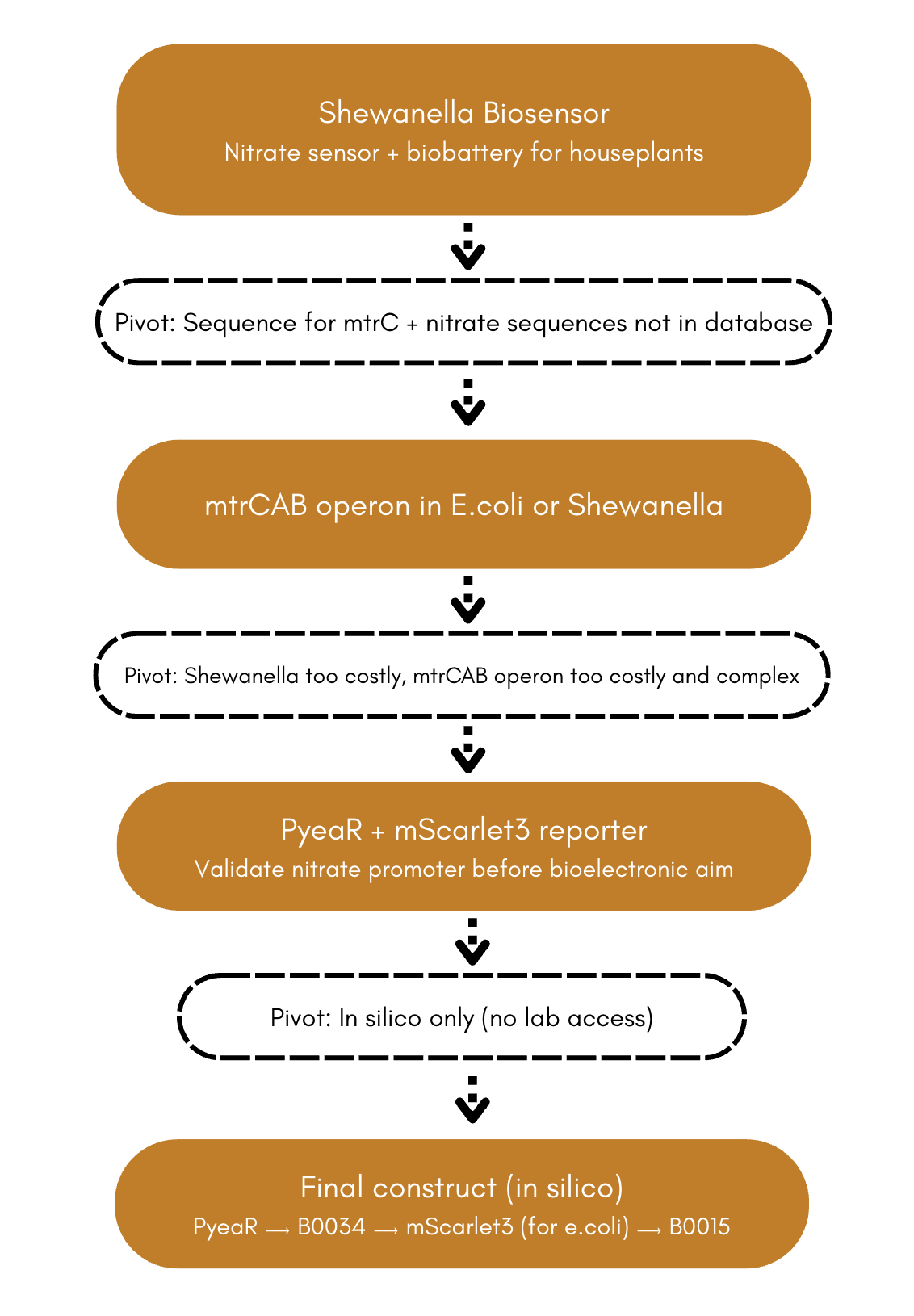
Why not Shewanella? The original plan was to use Shewanella oneidensis, which is naturally capable of extracellular electron transfer. However, the genetic sequences needed for this project (including the mtrC gene and nitrate-responsive promoters in Shewanella) are poorly documented and could not be confirmed in any database (Uniprot, NCBI, AddGene). Because Shewanella is relatively understudied compared to E. coli, this made it impractical to proceed.
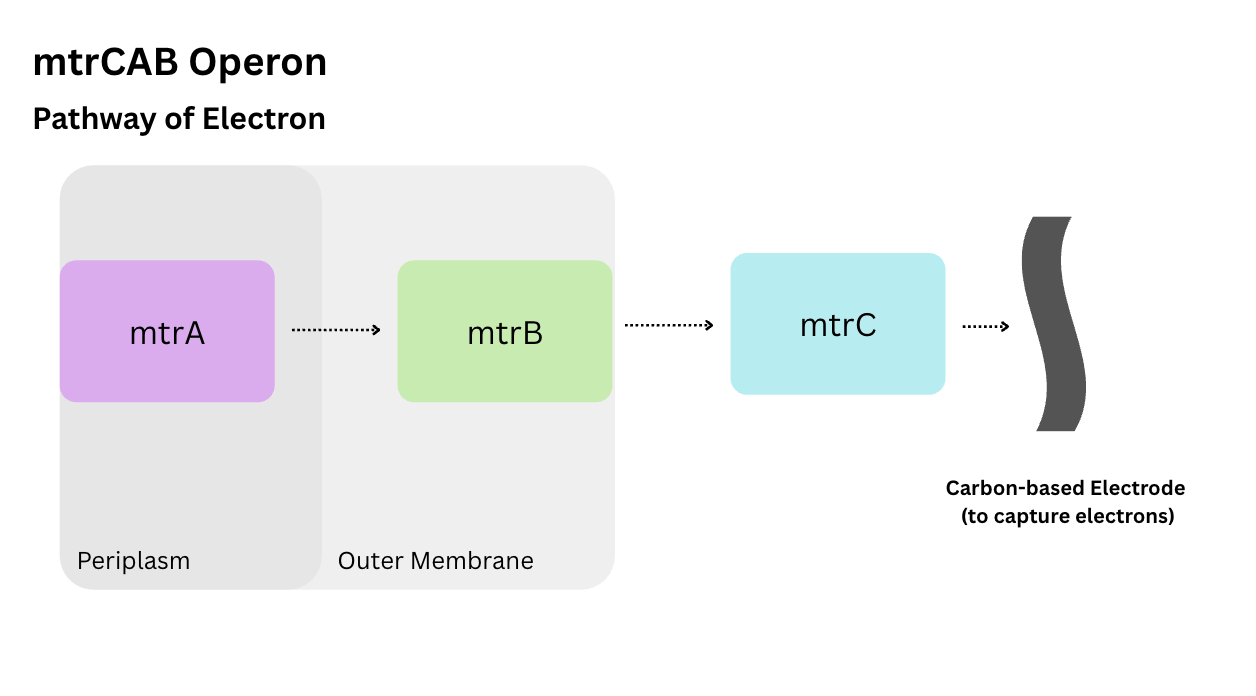
Why not the full mtrCAB operon? The mtrCAB operon encodes a chain of proteins that transport electrons from inside the bacterial membrane to the outside. While this would make for a “conductive” bacterium, using a multi-gene operon is costly and would add more risk in terms of protein folding issues. This approach was set aside in favor of a simpler, easier-to-test design.
Section 5: Results & Quantitative Expectations
What was validated:
The genetic construct (PyeaR → RBS → mScarlet3 → terminator) was designed and validated in silico: assembled in Benchling, codon-optimized for E. coli, submitted as a mock Twist order, and structurally confirmed via AlphaFold.
The mScarlet3 sequence was run through AlphaFold (using ColabFold) to predict its 3D structure. As expected for a fluorescent protein, it folds into a beta-barrel structure (see figure in Section 4).
The mock Twist order and Benchling construct design serve as the in-silico validation for this project. The codon-optimized sequence was translated in Expasy ProtParam to verify the expected 234 amino acid product with no premature stop codons.
Challenges and limitations:
In-silico validation cannot confirm biological function. The correct folding does not guarantee pYeaR will activate at physiologically relevant nitrate concentrations. pYeaR’s behavior may differ between rich (LB) and minimal (M9) media due to varying NarX/NarL co-activator availability. The BioBrick scar sequence (tactagat) at the RBS junction introduces a serine codon that should be verified not to reduce ribosome binding efficiency. An alternative approach before committing to a Twist order would be PCR assembly from existing lab part stocks to allow faster iteration.
Section 6: Additional Information
References:
Red-Light-Induced Genetic System for Control of Extracellular Electron Transfer https://pubs.acs.org/doi/10.1021/acssynbio.3c00684
Nitrate-responsive promoters (nap, nrfA, yeaR) in E. coli https://journals.plos.org/plosone/article?id=10.1371/journal.pone.0051643
Note: nap and nrfA promoters are from E. coli. The yeaR promoter (which became pYeaR in this project) may also be transferable to P. putida, though nitrate-responsive promoters in P. putida remain poorly studied.
iGEM project — mtrCAB operon in E. coli https://parts.igem.org/Part:BBa_K1316012
AddGene plasmid (Ng et al. 2018) https://www.addgene.org/174615/
Supply List & Budget:
The supply list and budget are in USD and are completely approximative.
- Twist Bioscience gene fragment (~800 bp): $72
- E. coli DH5α competent cells (NEB): $60
- P. putida KT2440 electrocompetent cells: $150
- LB broth, M9 minimal salts, antibiotic: $75
- KNO₃, NH₄Cl, Miracle-Gro: $43
- Plasmid miniprep kit (50 preps): $60
- Plate reader access (core facility): $60
This supply list is for aim 1 and 2 and the total estimate would be around $520.
Appendix
Original Project Ideas
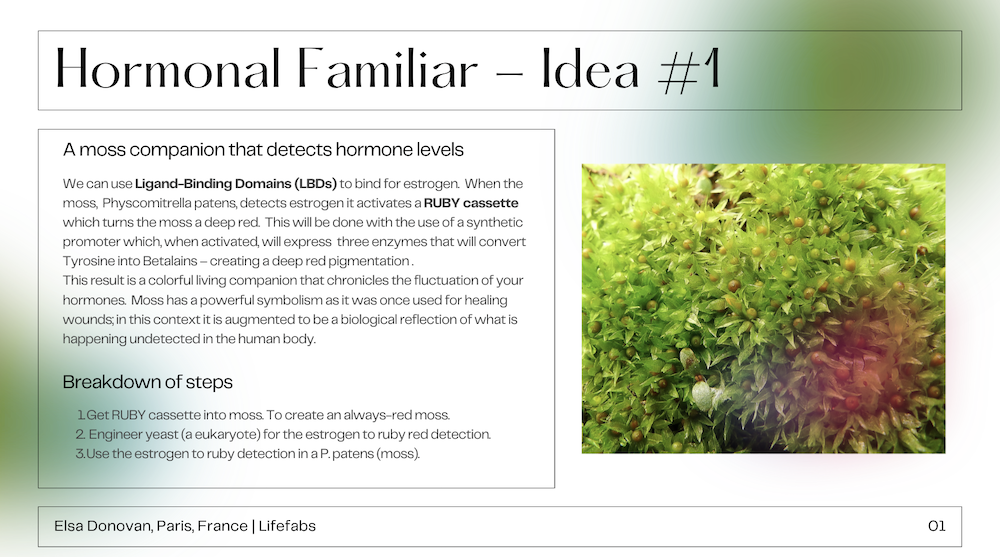
Original Draft for Symbiotic Circuits