Section Two - Aims
HTGAA 2026 Final Project Documentation
Eric Schneider · BioArt Studio, MakerSpace Charlotte · Genspace NYC node
Section 2 — Project Aims
Define three aims for your final project (minimum one sentence per aim).
Aim 1 — Experimental Aim · Design & Build
Aim 1: Experimental Aim (this project):
“The first aim of my final project is to [achievable experimental goal] by utilizing [protocols, tools, or strategies].”
i. This aim should describe the core experimental objective you will attempt during this class. List or link any relevant methods or resources you plan to use (e.g., experimental protocols, automation workflows, DNA or protein designs, protein design tools, or Twist orders).
ii. You will provide a detailed step-by-step experimental plan for Aim 1 in the Experimental Design section of this assignment.
The first aim of my final project is to design and build the foundational platform for community-deployable optogenetic synthetic biology — comprising both the biological substrate and the labware device that drives it — by completing BioLightV5, a blue-light-derepressed bacterial expression circuit derived from the eLightOn optogenetic system (Li et al. 2020), and Photoplasm, a programmable bio-imaging instrument purpose-built to deliver spatially controlled 470 nm exposures onto live bacterial cultures.
Methods, tools, and strategies: BioLightV5 design pipeline
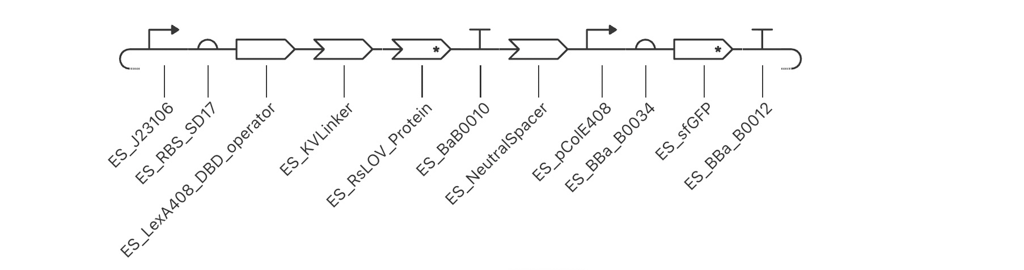 Asimov Kernel (circuit-level logic with SBOL parts)
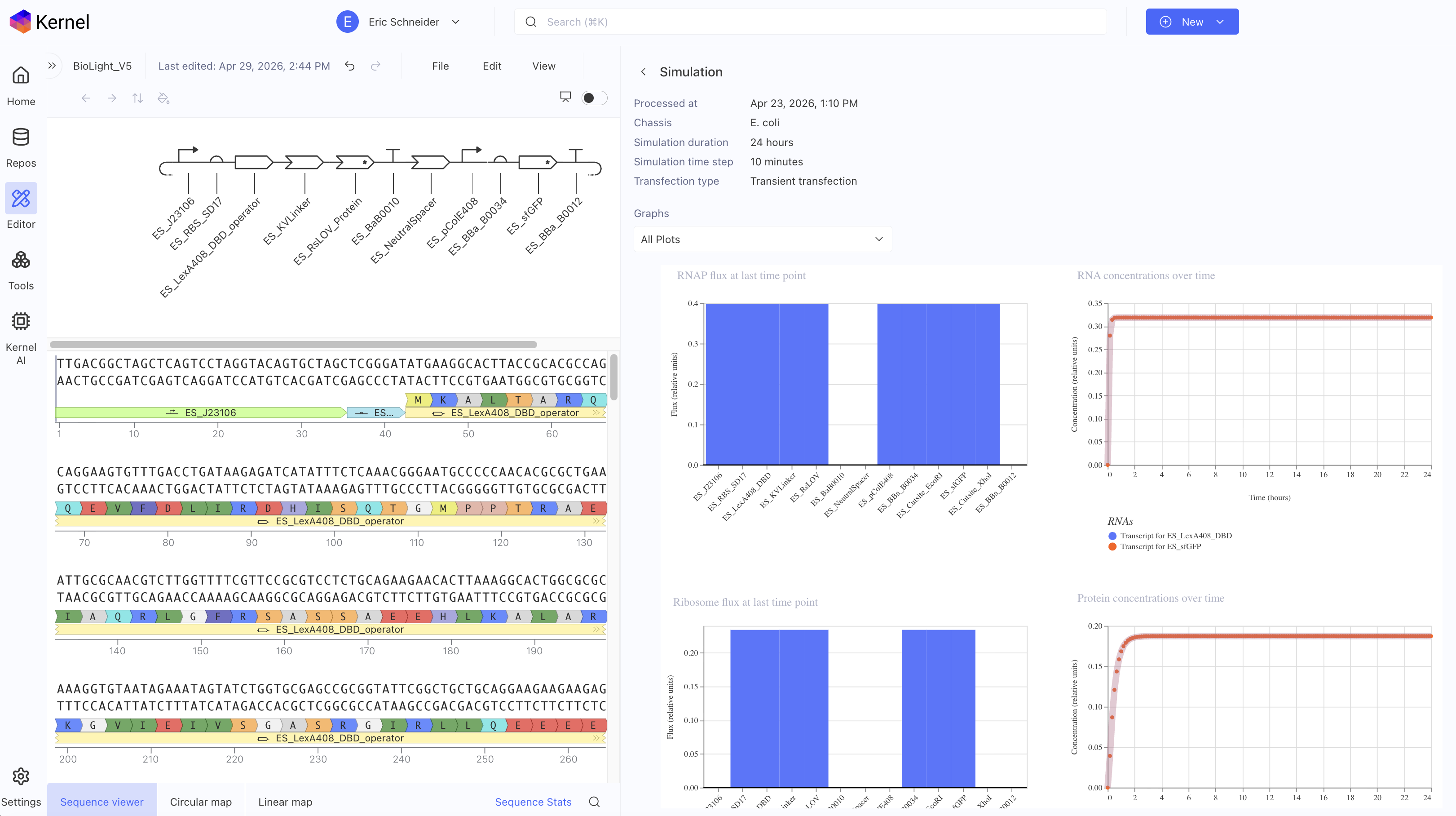 Asimov Kernel (simulation)
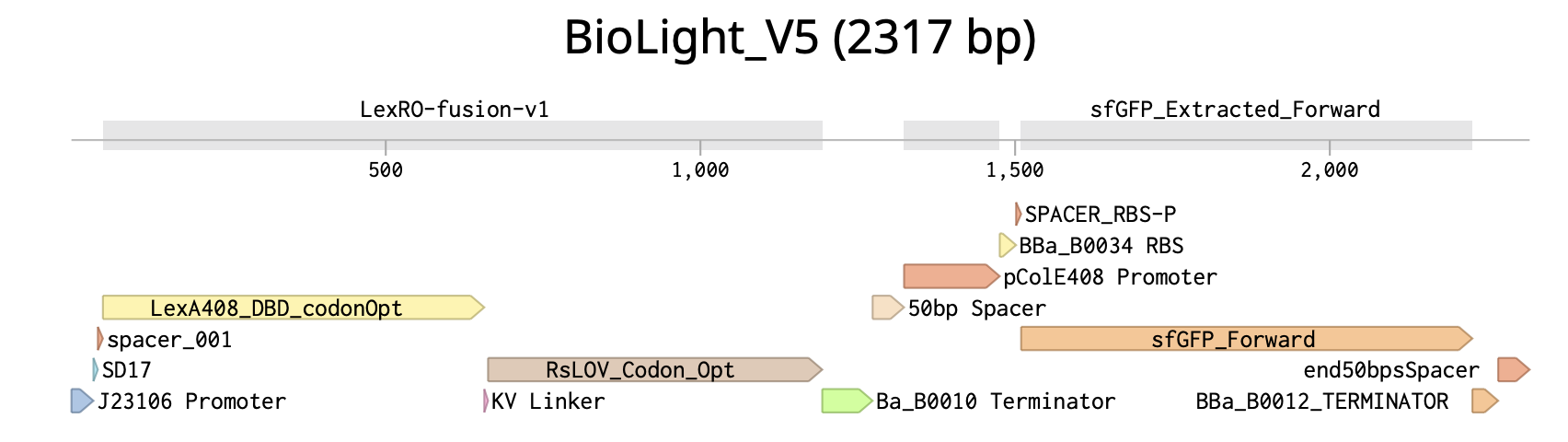 Benchling (sequence assembly using sfGFP)
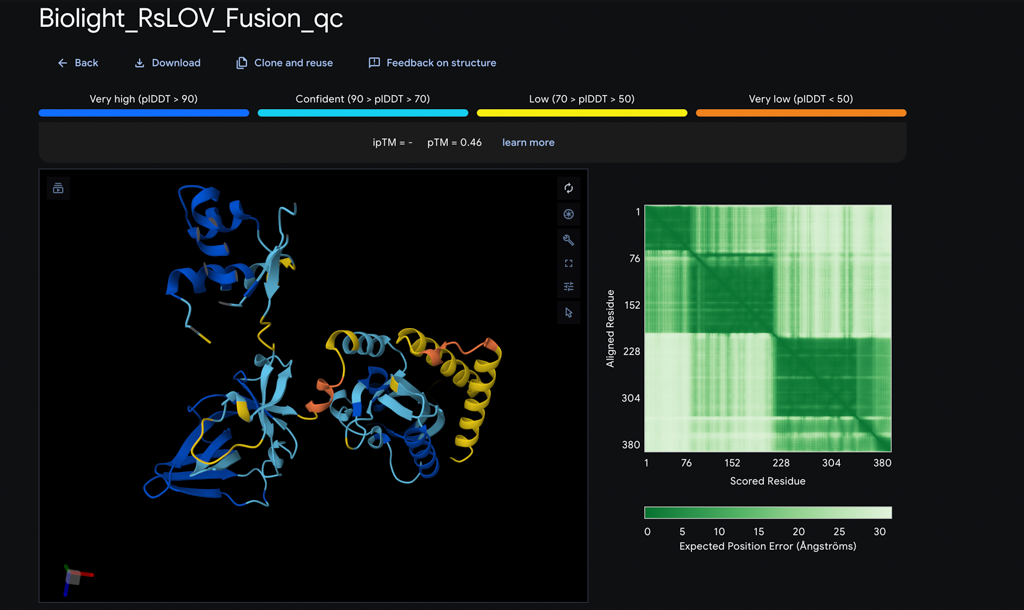 AlphaFold (structural prediction of the RsLOV+LexA408 fusion fold)
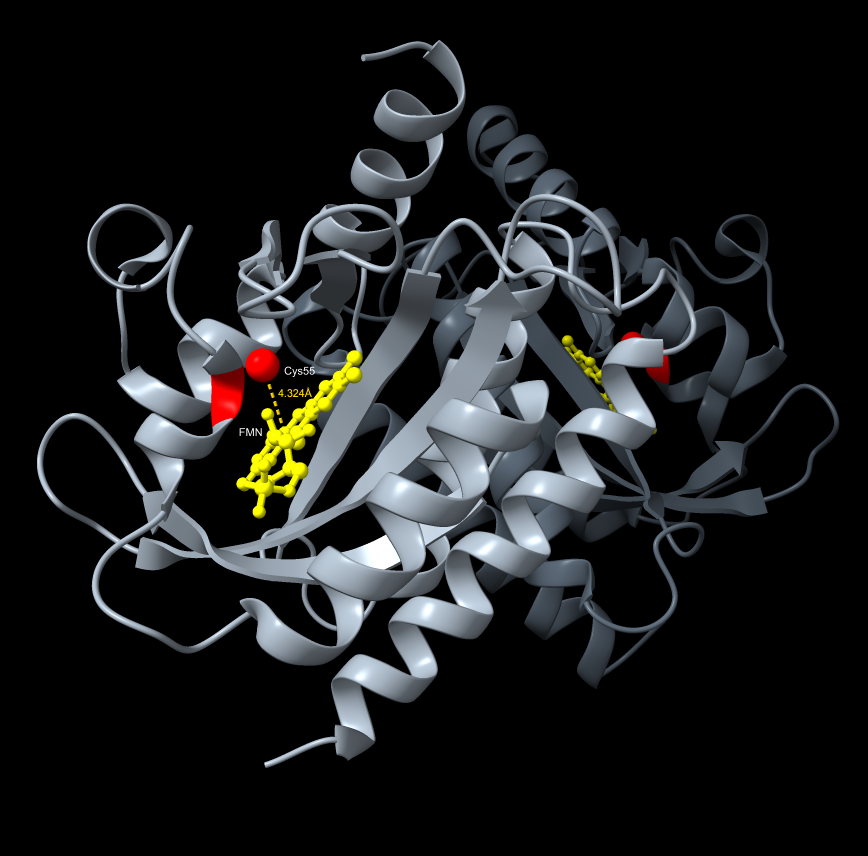 ChimeraX (visualization of molecular dark-state structure of the RsLOV homodimer with FMN (choromphore) binding — the experimental foundation for visualizing how blue light disrupts the dimer.
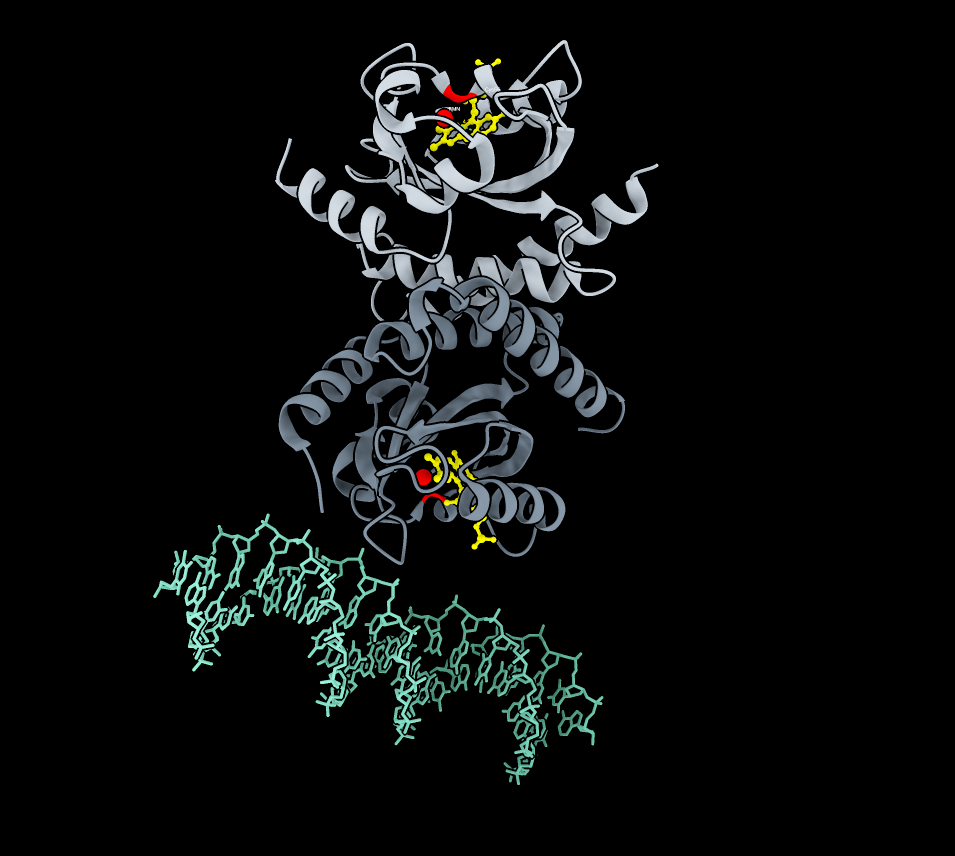 Dark State - LexRO Fusion - Dimerized (LexA408-linker-RsLOV)
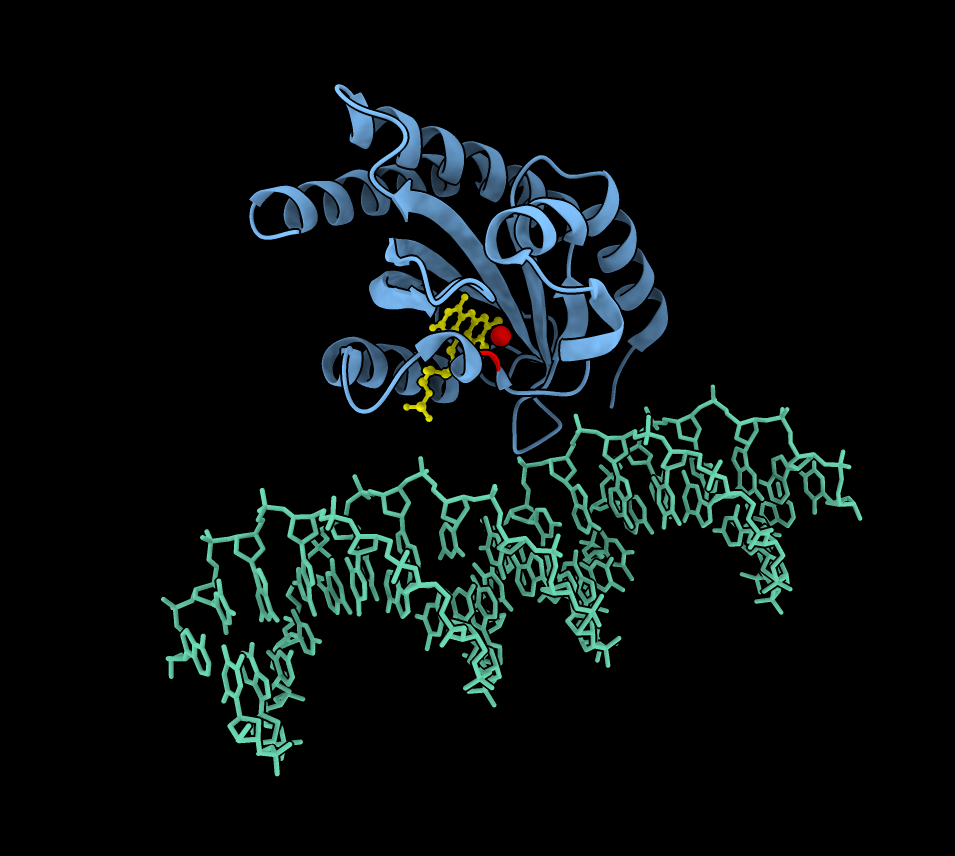 Light Activation- RsLOV Monomerized, LexA408 operator can now bind with pColE408 Promoter, expressing sfGFP
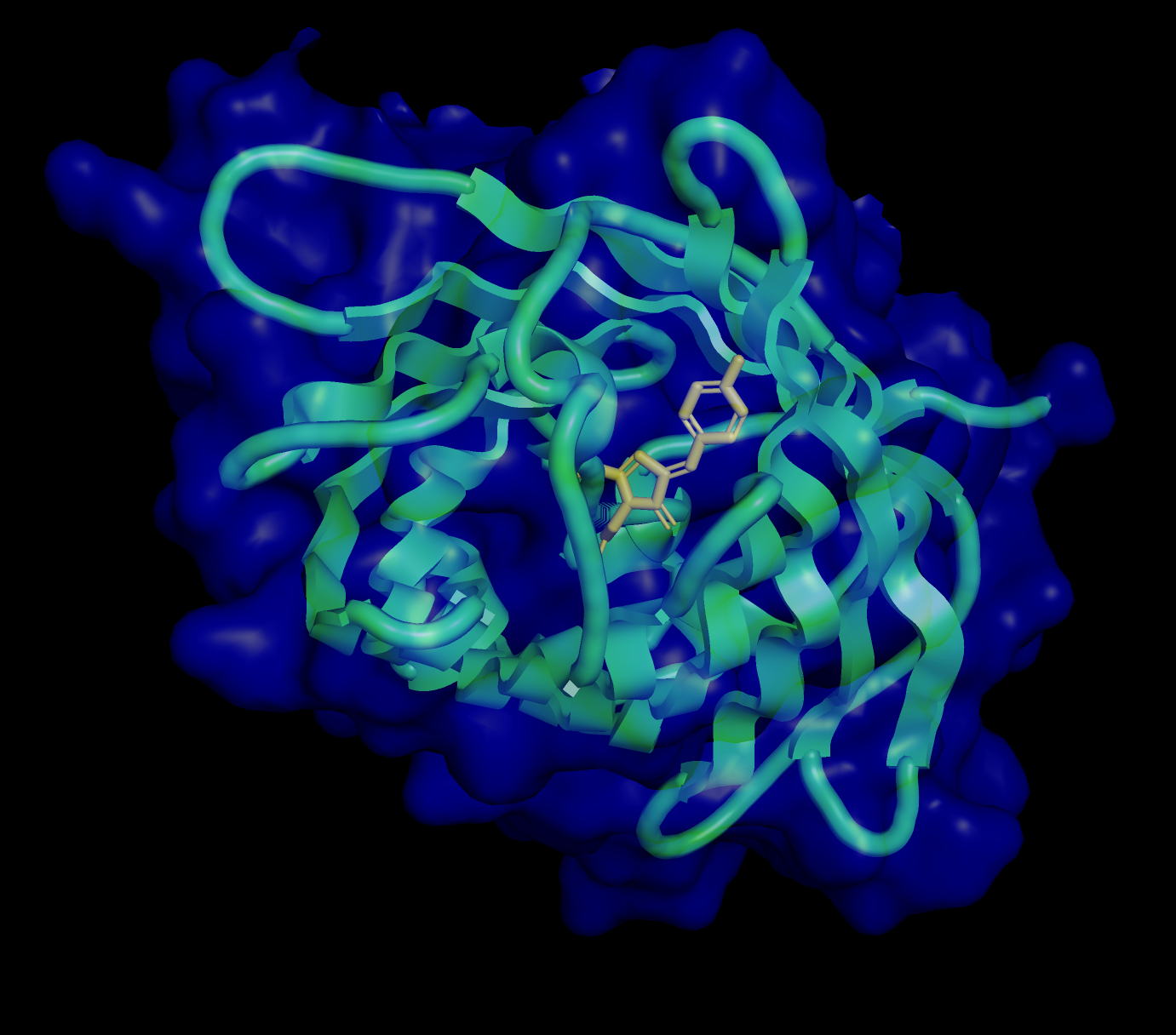 sfGFP β-barrel begins to fold and fluoresce. In absence of blue light, dark recovery begins when LexRO dimerizes.
- Construct architecture:
- pUC19 backbone for high-copy sfGFP signal;
- AmpR selection on LB+Amp;
- SD17 RBS to keep LexRO matched to FMN supply.
Twist Biosciences (gene synthesis)
 Twist order: BioLightV5 plasmid submitted for clonal gene synthesis.
Control track: pDawn-sfGFP (Addgene #107741) ordered in parallel as a blue-light-inducible comparator.
Biofilm Lithography enables high-resolution cell patterning via optogenetic adhesin expression. Jin X, Riedel-Kruse IH. Proc Natl Acad Sci U S A. 2018 Apr 3;115(14):3698-3703. doi: 10.1073/pnas.1720676115. Epub 2018 Mar 19. 10.1073/pnas.1720676115 PubMed 29555779
Photoplasm …A modified vintage photographic darkroom enlarger: Selected for the highly desirable light-modification feature, suitable for bacterial spatial imaging.
- Condenser lens to direct light into parallel vertical rays
- Focusing lens with adjustable aperture
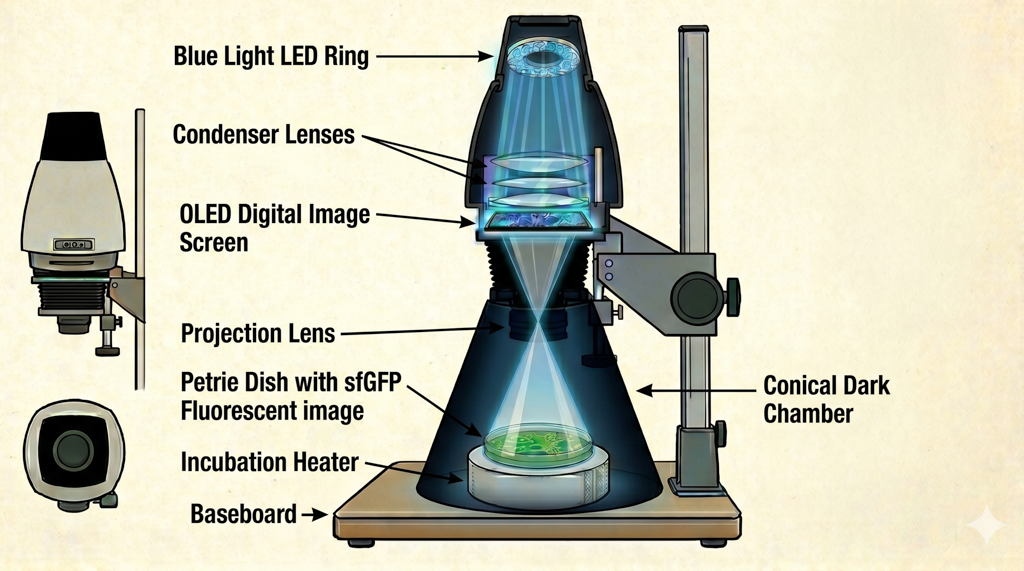 Photoplasm hardware stack: Image by NanoBanana 2
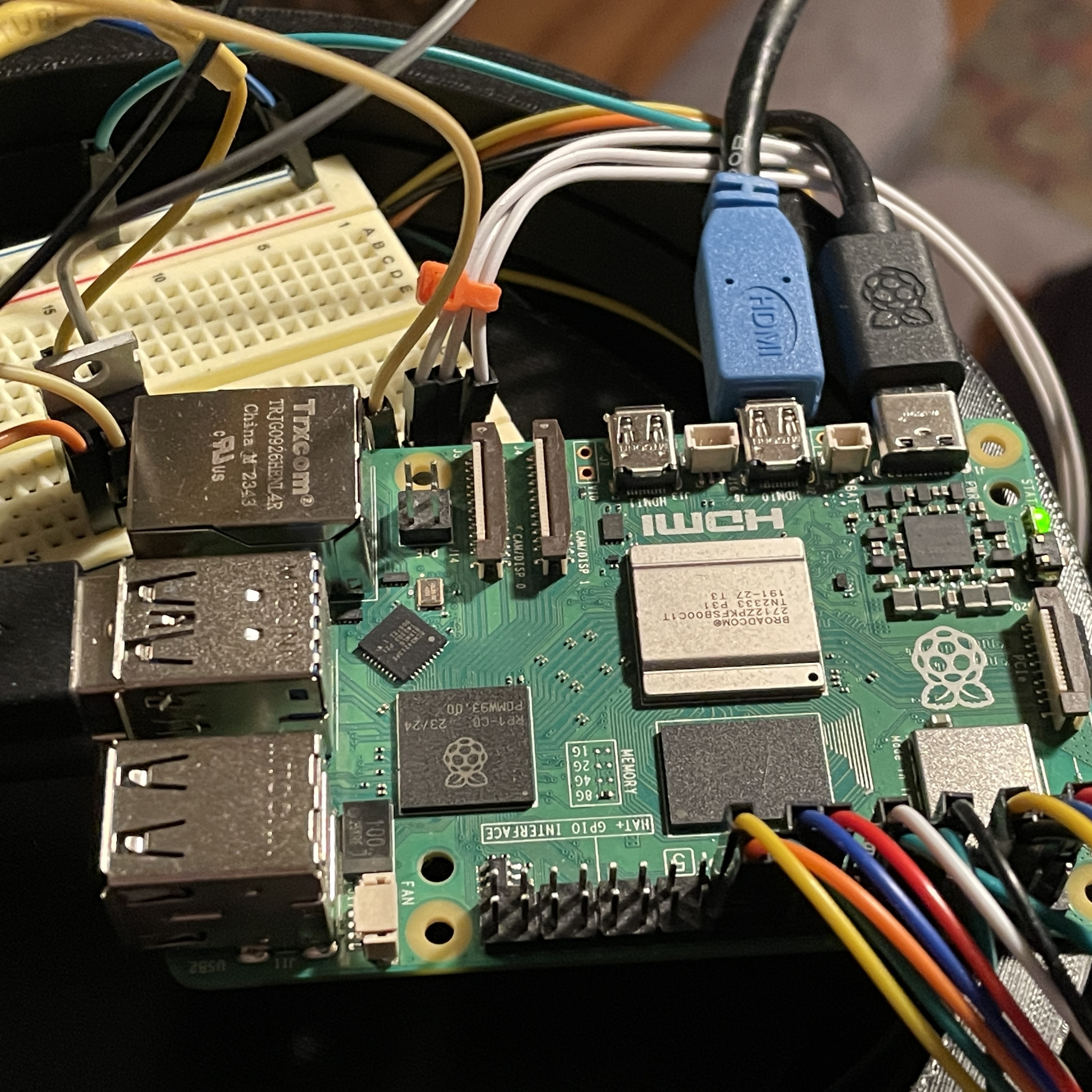 Raspberry Pi 5 microcontroller
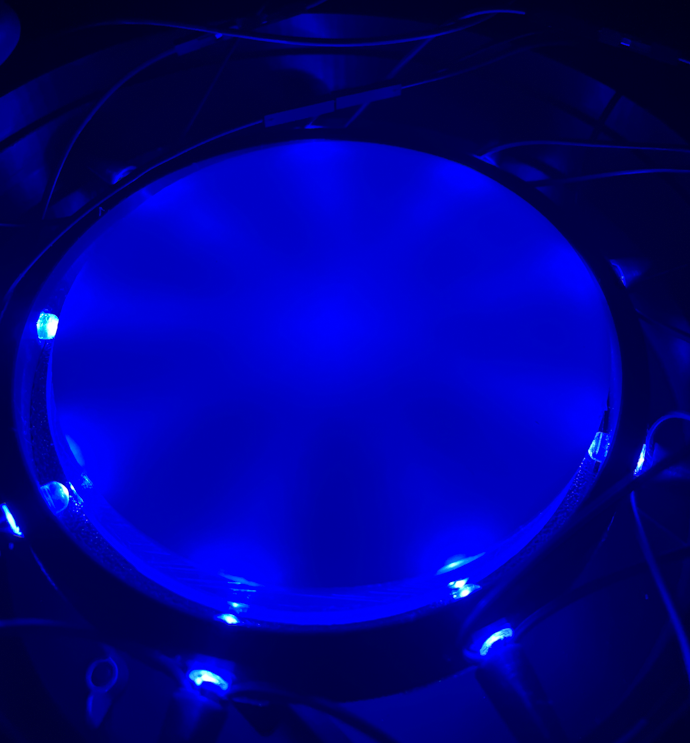 LED Light Ring (Blue 470nm wavelength)
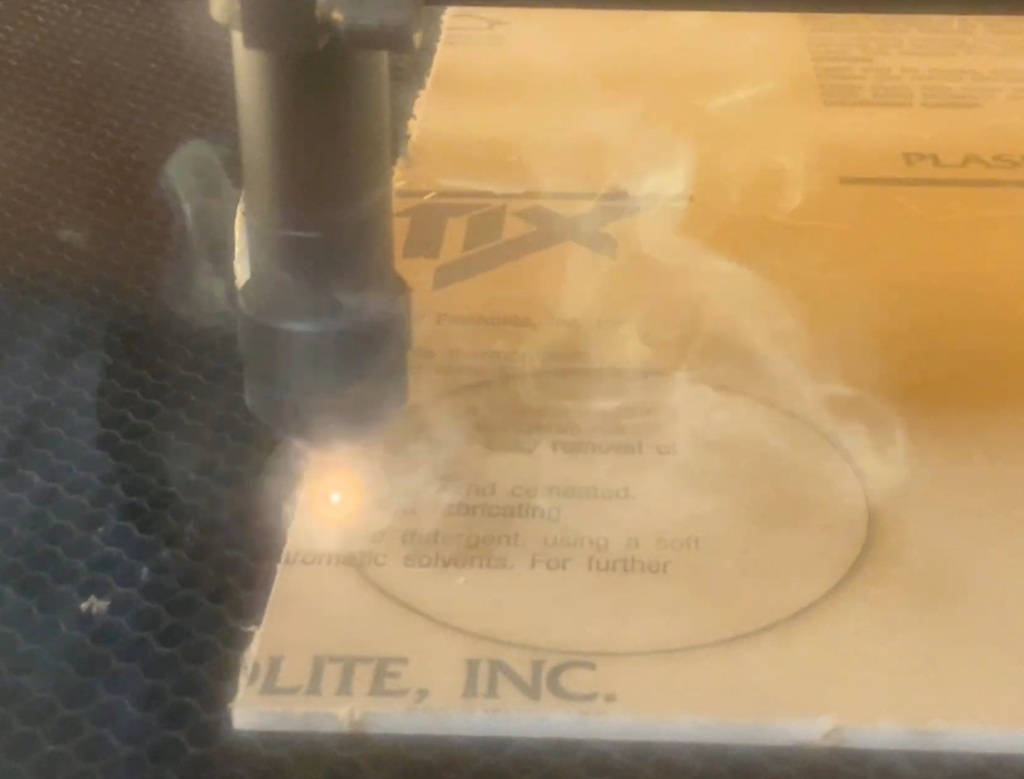 Acrylic Disks for maximum light diffusion, edgelit with reflector (laser cut)
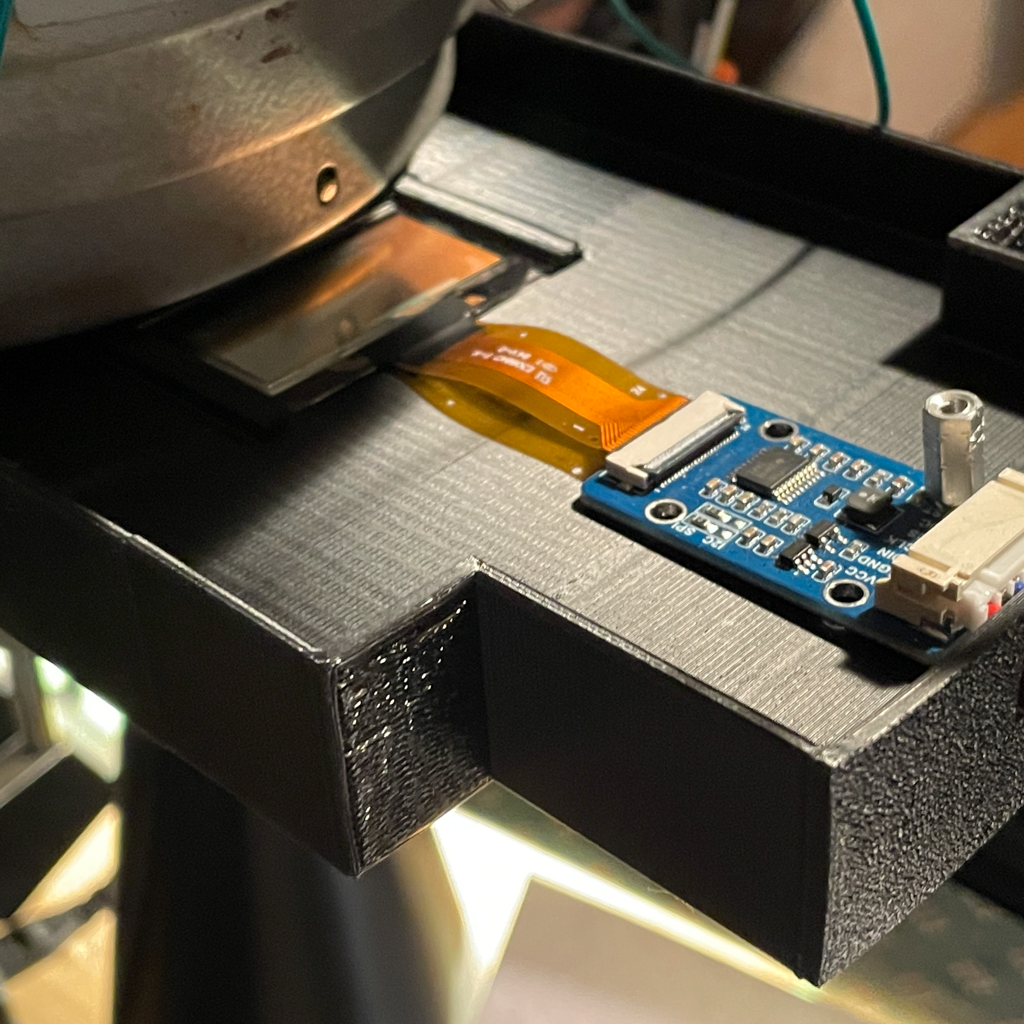 OLED digital image mask (for projection of digital images, like a film negative or positive print)
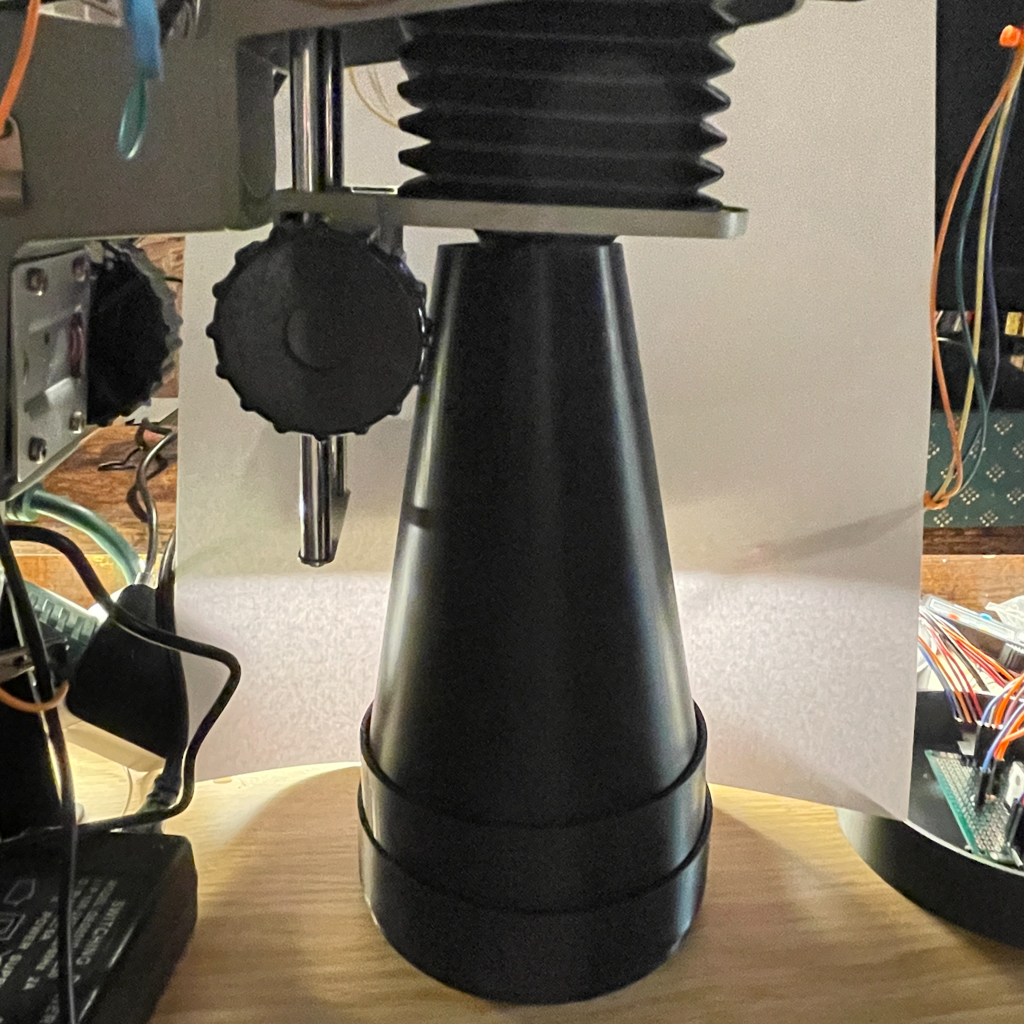 Dark Chamber Cone (3D printed,with spacer rings)
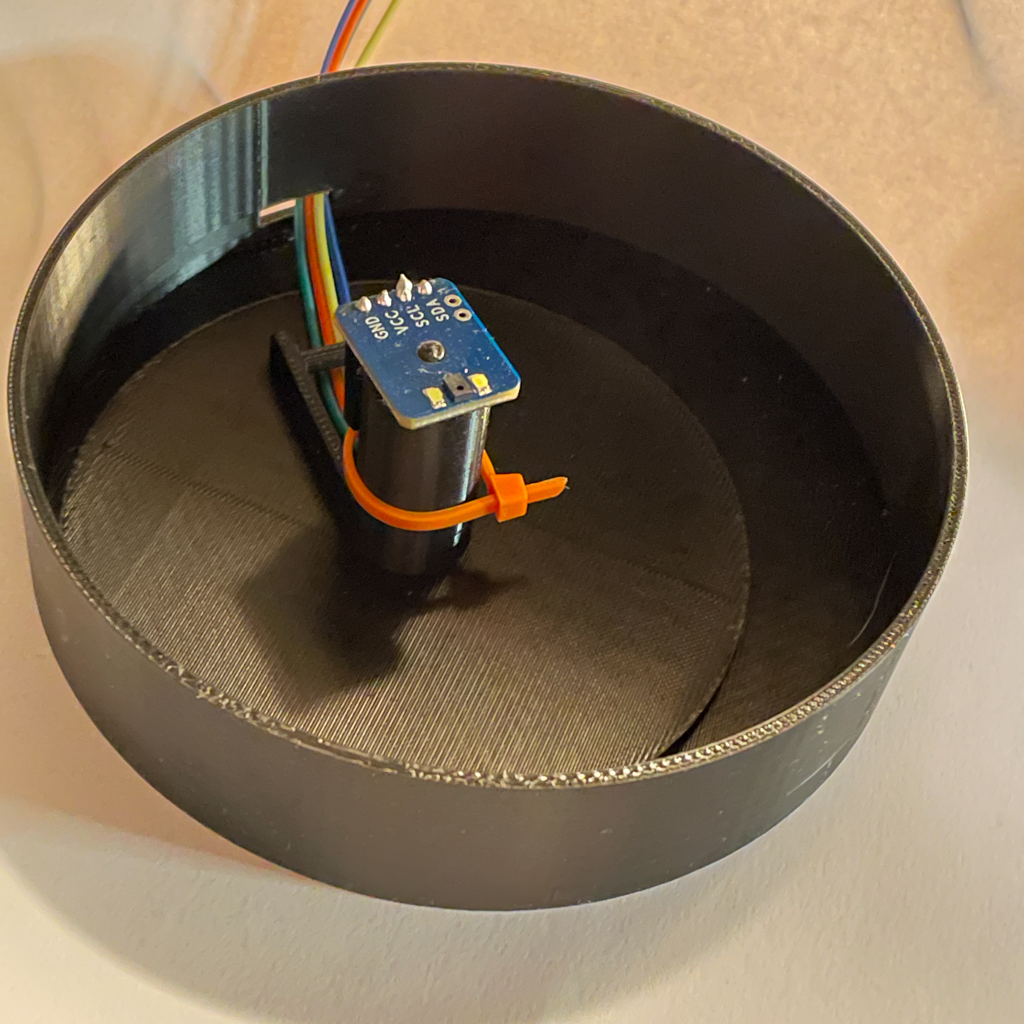 Wavelength Sensor(used for calibration)
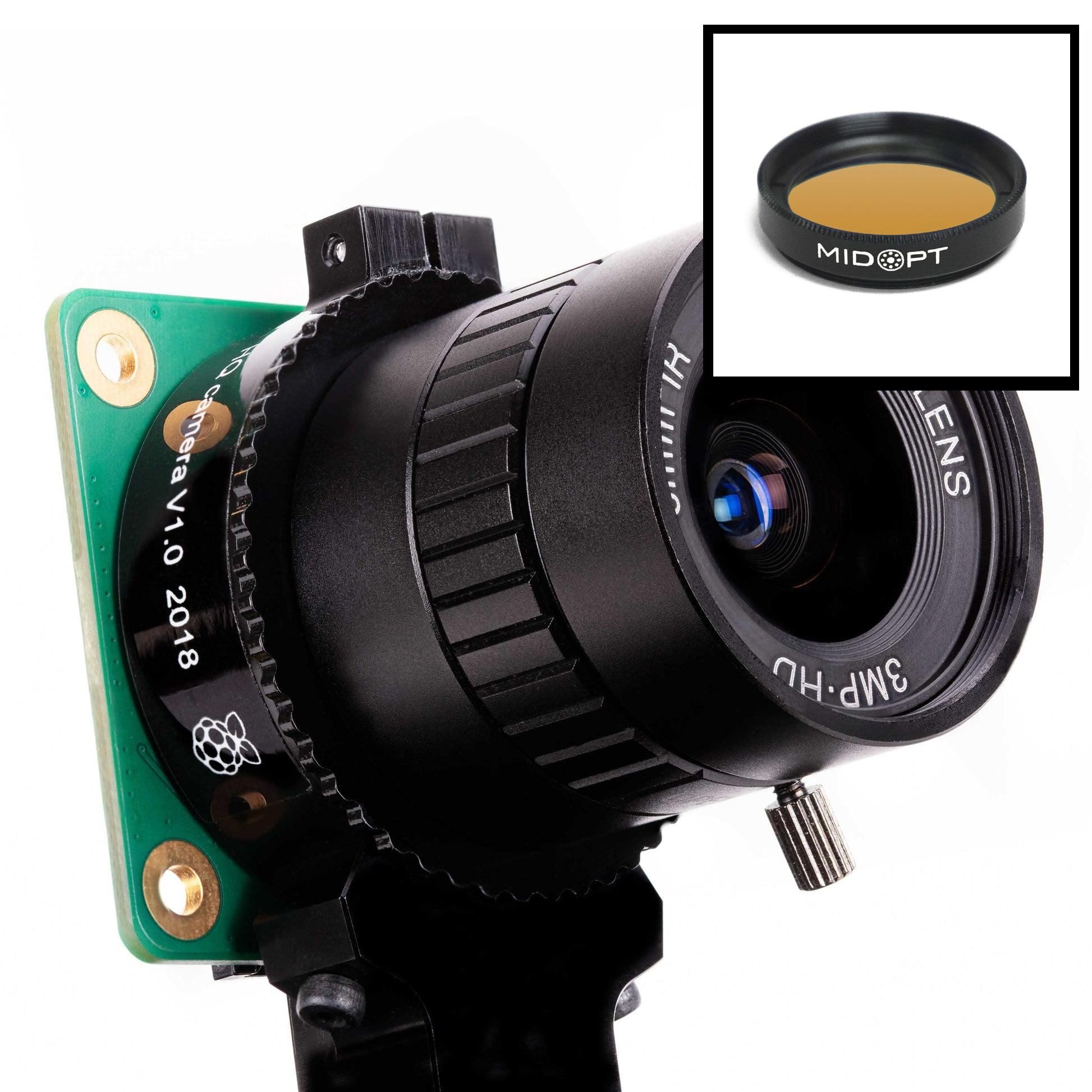 RaspberryPi Cam (for live image capture, with longpass 515nm filter)
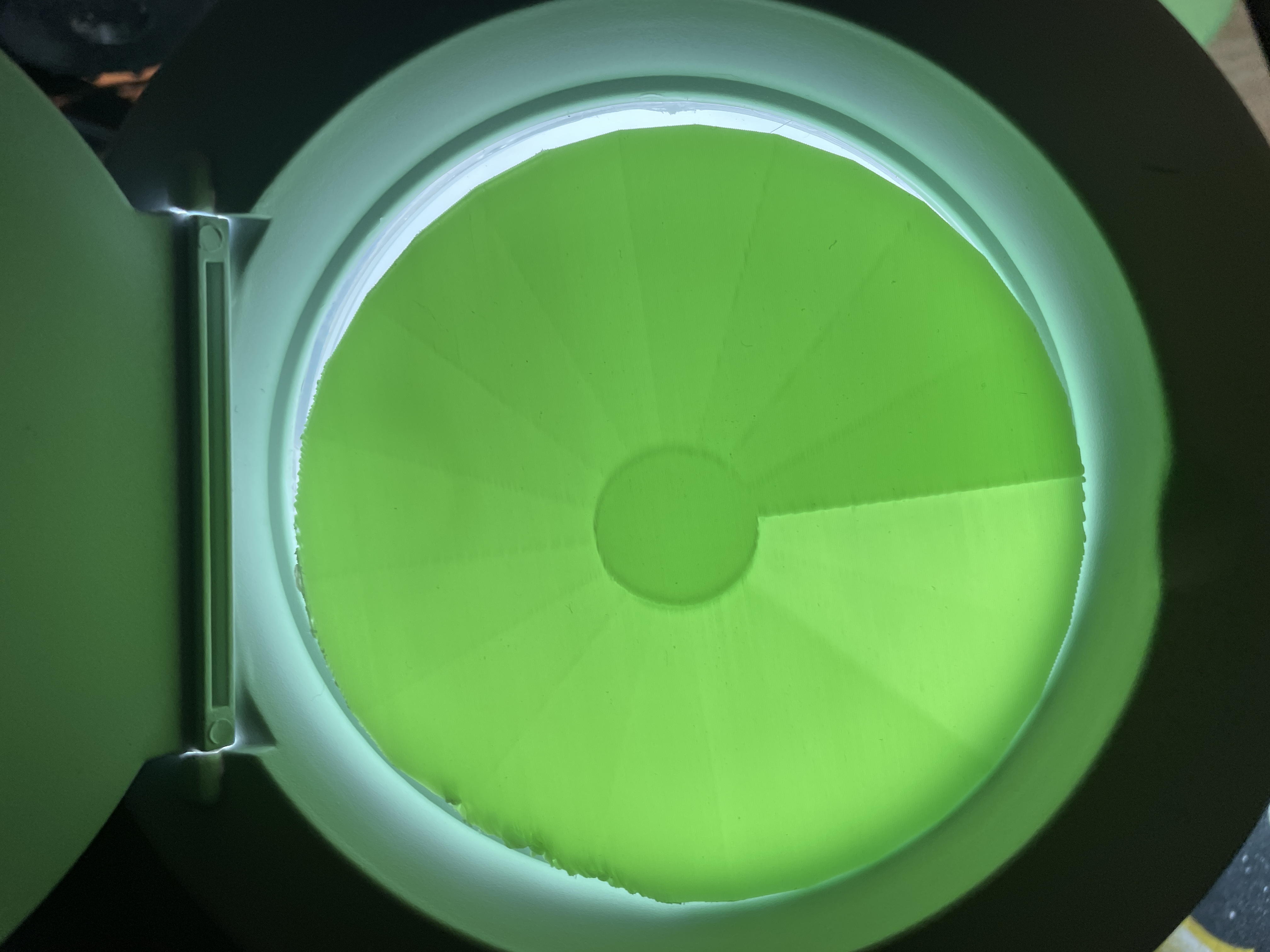 BioLightV5 in Agar Slab (Simulated fluorescent image)
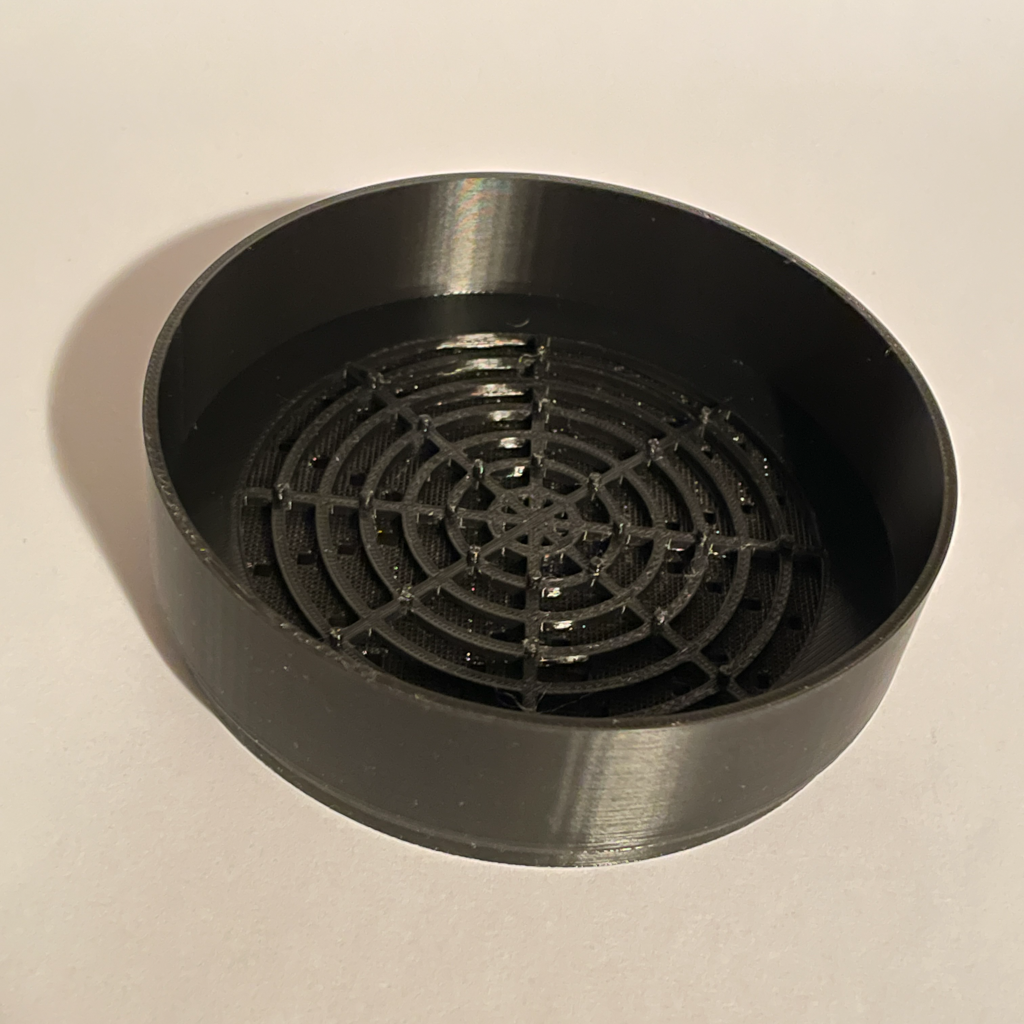 Bacterial Plate Holder (3D printed PETG for heat resistance, epoxy sealed for sterilization)
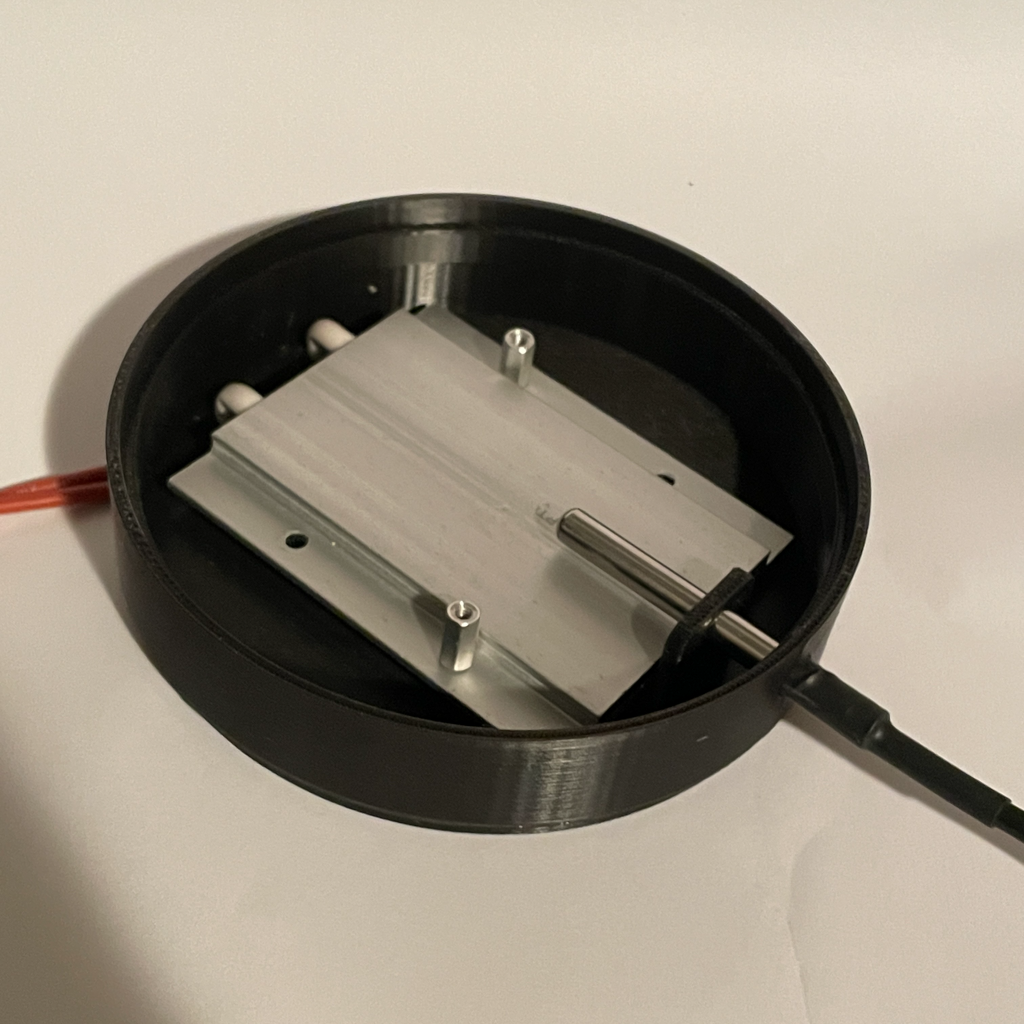 Plate heater with Temperature Sensor (for setpoint control)
- Step-by-step experimental plan: see “PhotoPlasm Quick Start Guide”
- GitHub Repository
Aim 1 deliverables:
- A Twist-synthesized BioLightV5 plasmid verified by sequence
- A fully assembled Photoplasm prototype with calibrated optical stack
- A documented genetic design package including SBOL-standard schematics, ChimeraX MOA figures, and the complete bill of materials
Reference figure:
BioLightV5 in Benchling — circular plasmid map showing the eLightOn-derived construct (RsLOV–LexA408 fusion + pColE408 operator + sfGFP) on pUC19 backbone with AmpR selection. Submitted via official HTGAA DNA design form under the Genspace node; reviewed and approved.
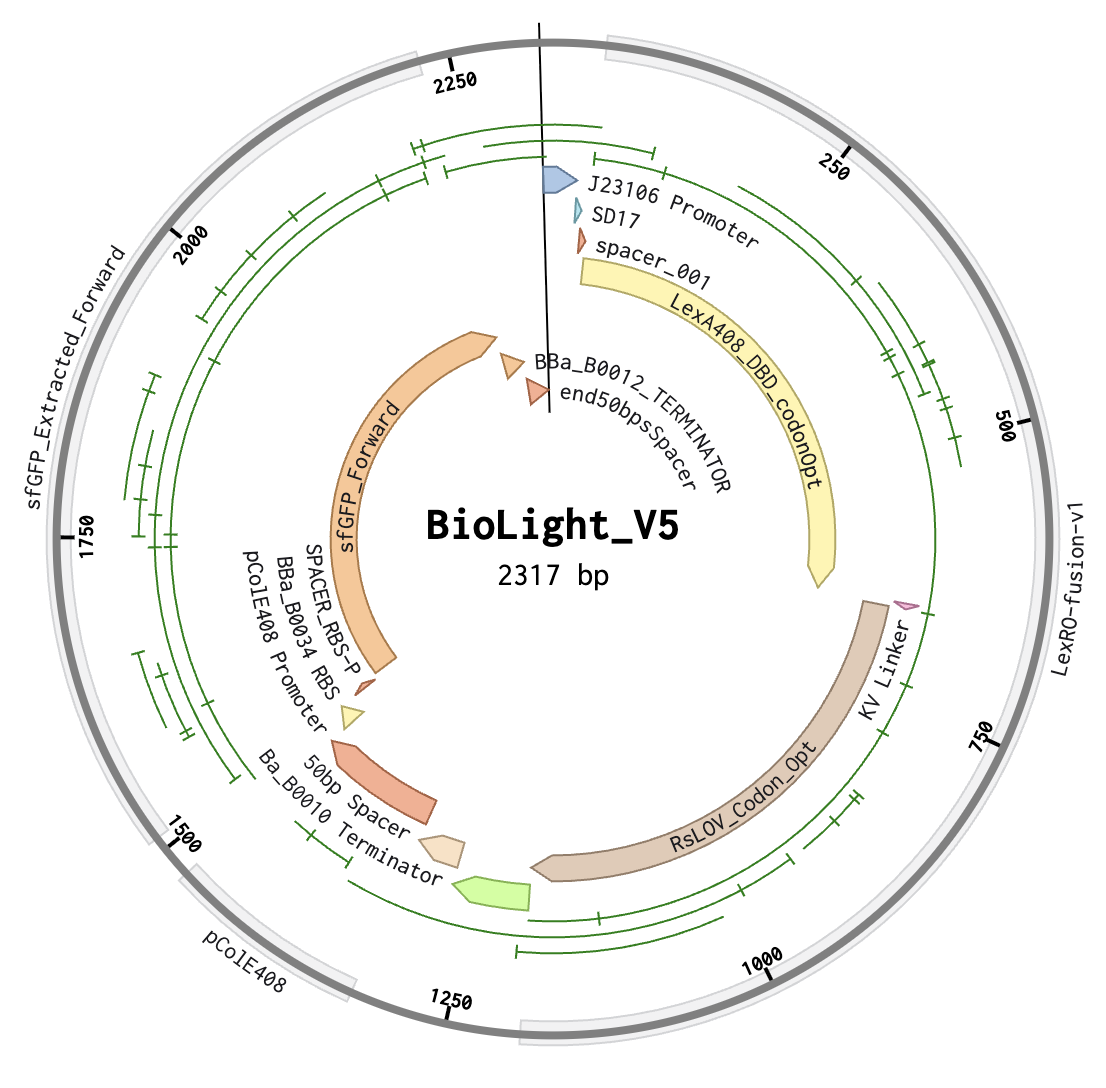 Figure 2.1 — BioLightV5 in Benchling
Annotation Table
| Range | Annotation | Function |
|---|---|---|
| 1–35 | J23106 Promoter | Anderson family constitutive promoter (iGEM BBa_J23106) driving the LexRO fusion cassette. Validated choice from Li 2020 — its intermediate strength sets steady-state LexRO levels appropriate for the eLightOn dynamic range. |
| 36–42 | SD17 | Shine-Dalgarno RBS variant from Li 2020 Supplementary Table S1/S3. SD17 is intermediate-strength (vs. weak SD2 / strong SD37), tuned to give the >500-fold ON/OFF ratio reported for eLightOn. |
| 43–50 | spacer_001 | The AAA-containing spacer added in V5 to fix the SD17→ATG spacing identified as Issue 1. Brings SD core to start codon distance into the optimal 5–10 bp window. |
| 51–656 | LexA408_DBD_codonOpt | Part of LexRO Fusion (51–1193). LexA408 DNA-binding domain (mutant LexA recognizing the pColE408 operator, not wild-type LexA operator). N-terminal half of the LexRO fusion. Sequence verified to end in CTG with no internal stop. |
| 657–662 | KV Linker | Part of LexRO Fusion (51–1193). Lys-Val peptide linker between LexA408 C-terminus and RsLOV N-terminus. Maintains reading frame and preserves independent folding of the two domains in the LexRO fusion. |
| 663–1193 | RsLOV_Codon_Opt | Part of LexRO Fusion (51–1193). RsLOV (Rhodobacter sphaeroides LOV photoreceptor) codon-optimized for E. coli expression, including TGA stop. C-terminal half of the LexRO fusion. In darkness the LexRO dimer occupies pColE408 and represses sfGFP; 470 nm light triggers RsLOV conformational change, dissociating the dimer and derepressing the output cassette. |
| 1191–1193 | Stop Codon | TGA stop terminating the LexRO fusion ORF. Confirmed in NCBI ORF Finder as one of exactly two functional ORFs (LexRO 1,143 bp). |
| 1194–1273 | BBa_B0010 Terminator | iGEM BBa_B0010 — rrnB T1 transcription terminator from E. coli. Closes Cassette 1, prevents read-through into the intergenic region. |
| 1274–1323 | 50bp Spacer | V5 replacement for the original 10 bp ACTTGTACGA neutral spacer (Issue 3 fix). 50 bp AT-rich synthetic sequence (ATATAT…) providing optimal intergenic separation between BBa_B0010 and pColE408; verified free of cryptic ATGs, stop codons, RBS-like motifs, and BsaI/BbsI sites. |
| 1324–1475 | pColE408 Promoter | Hybrid promoter from Li 2020 — strong ColE promoter combined with the LexA408 operator. Bound and repressed by the LexRO dimer in the dark; derepressed under 470 nm illumination. The light-responsive control point of the circuit. |
| 1476–1501 | BBa_B0034 RBS | iGEM BBa_B0034 — well-characterized medium-strength E. coli RBS driving sfGFP translation in Cassette 2. |
| 1502–1509 | SPACER_RBS-P | Short spacer restoring BBa_B0034 native ~7 bp spacing to the sfGFP ATG. Required after the V5 Issue 2 fix removed the EcoRI cutsite that previously sat between RBS and start codon. |
| 1510–2226 | sfGFP_Forward | Superfolder GFP (717 bp) — the output reporter producing the green fluorescent signal in lit regions. Confirmed as the second of two functional ORFs. EcoRI/XhoI flanking sites that previously bracketed it for modular swapping were removed in V5 to restore RBS spacing; future fluorescent protein swapping will need a different cloning strategy. |
| 2227–2267 | BBa_B0012 Terminator | iGEM BBa_B0012 — rrnB T2 transcription terminator. Closes Cassette 2 downstream of sfGFP. Distinct sequence from BBa_B0010, confirmed in V4 Check 4 to avoid direct-repeat flags at Twist. |
| 2268–2317 | end50bpsSpacer | Terminal 50 bp neutral AT-rich spacer between Cassette 2 and the pUC19 backbone junction. Mirrors the intergenic 50 bp spacer in design and rationale — provides clean handoff at the backbone boundary. |
Aim 2 — Development Aim · Test & Analyze
Aim 2: Development Aim:
Describe the next step that would follow a successful Aim 1, extending the work beyond the scope of this course. This aim should represent a realistic progression of the project, such as executing additional experiments, solving a technical limitation, or developing the system or technology further.
Following a successful Aim 1, the second aim is to test and analyze the integrated BioLightV5 + Photoplasm system through a structured 7-step laboratory protocol that takes the project from Twist gene-synthesis delivery to a fully calibrated, image-producing platform — generating in the process the first published bacterial H&D curve characterizing dose-response between 470 nm exposure and sfGFP expression in living E. coli. This is the realistic next-step progression: Aim 1 produces the construct and the device; Aim 2 turns them into a measurable, repeatable, and open-source accessible imaging system.
The 7-step protocol — from Twist order to lab protocol:
- Verify — confirm plasmid transformation integrity via gel electrophoresis and visual colony count
- Transform — introduce BioLightV5 into DH5α
- Plate — grow a uniform bacterial slab on LB+Amp at 37 °C
- Expose — project a 470 nm calibration step-wedge onto the lawn through Photoplasm’s optical system
- Develop — render the step-wedge as an sfGFP intensity gradient
- Calibrate — generate the bacterial H&D curve and spectrophotometry reading to normalize readings
- Print — expose an original image mask to demonstrate spatial light reactivity
The verb sequence — Verify, Transform, Plate, Expose, Develop, Calibrate, Print — deliberately mirrors the photographic darkroom protocol, anchoring the biology in a vocabulary the participant may already understand. The H&D curve produced in Step 6 is the analytical centerpiece of the project: it transforms BioLight from a demonstration into a data-driven imaging platform with measurable values of a logarithmic curve defined by latitude, toe, linear region, and shoulder.
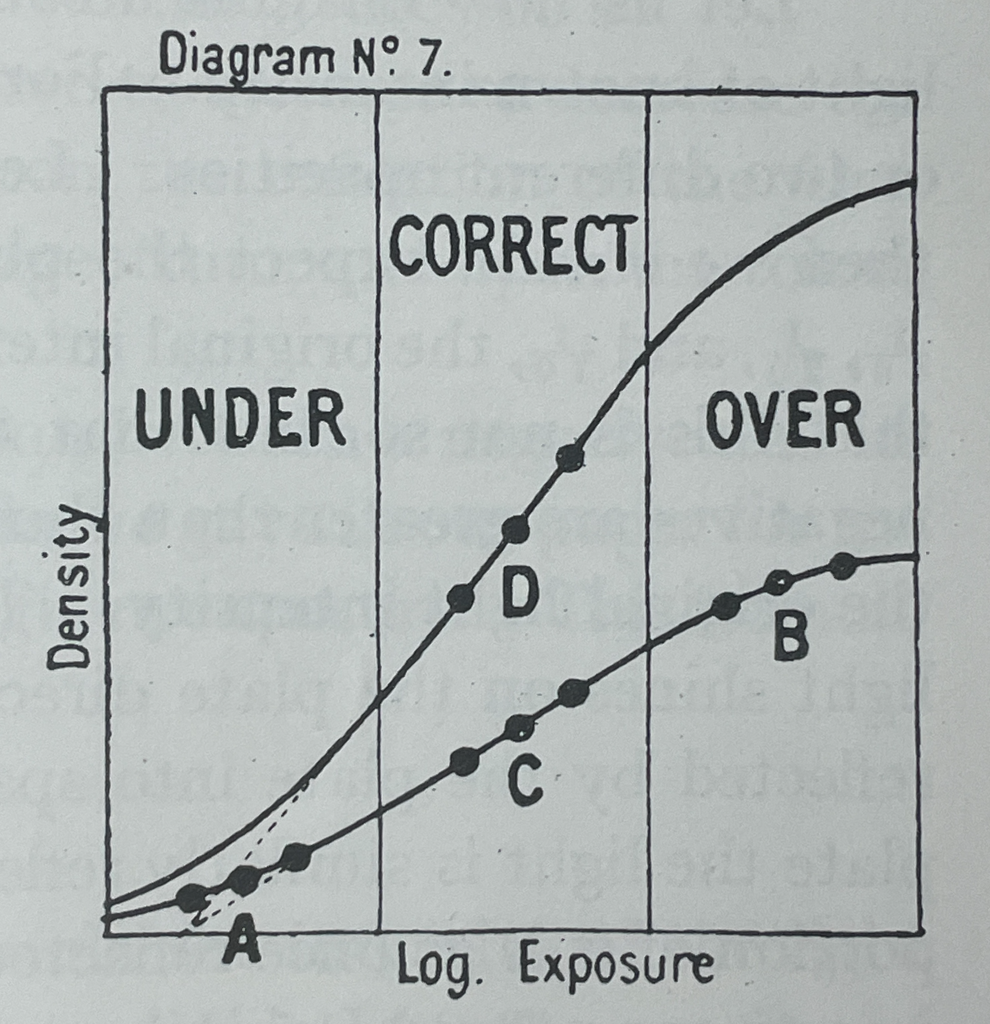 Hurter & Driffield (H&D) Exposure Curve (1890)
“Photochemical Investigations and a New Method of Determination of the Sensitiveness of Photographic Plates”
Aim 2 deliverables:
A validated 7-step protocol from Twist delivery to first spatial image expressed in sfGFP
- See full Genspace wetlab protocol in Section Four: Experimental Design
A bacterial H&D curve characterizing the BioLightV5 dose-response relationship
- Spectrophotometry readings establishing the exposure window for reproducible imaging
A printed bacteriograph demonstrating spatial light reactivity through Photoplasm
- Capture imaging results through a longpass 515nm filter, which is an emission/viewing filter over a RaspberryPi Camera Module.
- Blocks the bright blue excitation LEDs, while allowing the green fluorescence from GFP to pass to camera sensor
Additional Validation:
- Measure FMN absorbance peaks at 370 and 450 nm (verify chromophore presence)
- Measure with OD600 to determine bacterial cell density (standard for E. coli growth)
- Verify plasmid purity (260/280 nm ratio)
Aim 3 — Visionary Aim · Learn & Refine
Aim 3: Visionary Aim:
Describe the long-term vision for the project. Explain how the broader concept could have an impact if fully realized.
Examples include:
- Challenging an existing paradigm or clinical practice.
- Addressing a major barrier in a field.
- Enabling a new experimental capability or research approach.
The long-term vision is to position BioLight as the prototype for a distributed, open-source synthetic biology platform that makes optogenetics accessible to community scientists, designers, and educators — refined through the ongoing collaboration between the MakerSpace Charlotte BioArt Studio and the Genspace community wetlab. If fully realized, this concept reframes synthetic biology as a participatory technology, much as photography became a participatory medium in the late 19th century.
Broader impact if fully realized:
The Genspace ↔ MakerSpace Charlotte collaboration is itself the prototype of the distribution model. If protocols, plasmids, hardware files, and educational frameworks flow openly between two nodes, the same architecture scales to multiple community labs, exponentially.As the platform expands, a CFPS variant of BioLightV5 — manufactured via Ginkgo Bioworks’ cloud-lab service — becomes the natural high-availability consumable, removing biocontainment and cold-chain barriers that limit live-organism distribution. This is the Eastman/Kodak step: standardized, mass-produced biological consumables paired with an open, well-documented device.The broader impact is the creation of a participatory biological literacy at the moment when synthetic biology is becoming a general-purpose technology — equipping designers, educators, and citizen scientists to engage with the field while it is still being shaped, rather than after the fact.BioLight challenges the existing paradigm that the boundary between professional researcher and citizen practitioner is fixed — proposing that well-engineered tools, similar to Eastman’s standardized film, Kodak’s camera systems, and the advantage of cloud based neural networks, can close the gap from discovery to innovation - with emphasis on shared protocols.
Aim 3 deliverables:
- A documented Genspace ↔ MakerSpace Charlotte collaboration framework — protocol exchange, hardware files, educational pathways
- An open-source and attributed release of BioLightV5 as a cell free protein system, Photoplasm hardware (CAD, BOM, firmware), and documentation under an MIT-style license
- A roadmap for CFPS distribution via Ginkgo Bioworks as the high-availability expansion path
- A measurement framework for tracking adoption across community nodes — the “Join the Resolution” tagline made operational