Phase 6: Twist Bioscience Order Simulation
Twist Bioscience Order Simulation:
After completing the design and optimization of all fragments in Benchling
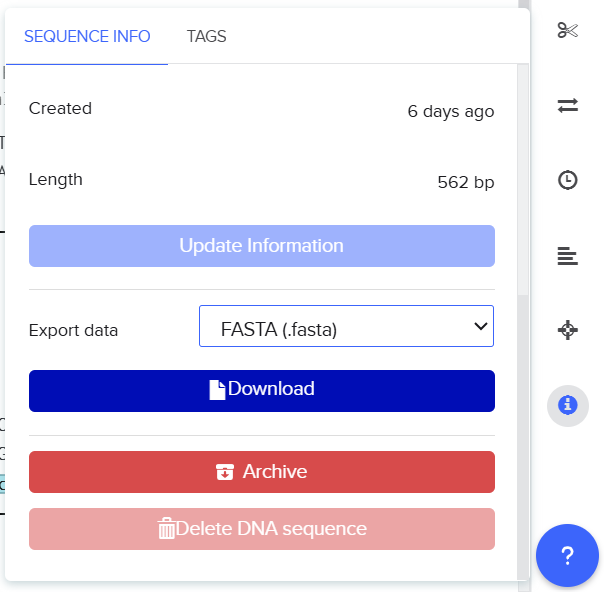
, I exported the finalized sequences in FASTA format. Each fragment corresponded to a specific part of the structural or maturation multicassette constructs and already contained the required overlaps for Gibson Assembly.
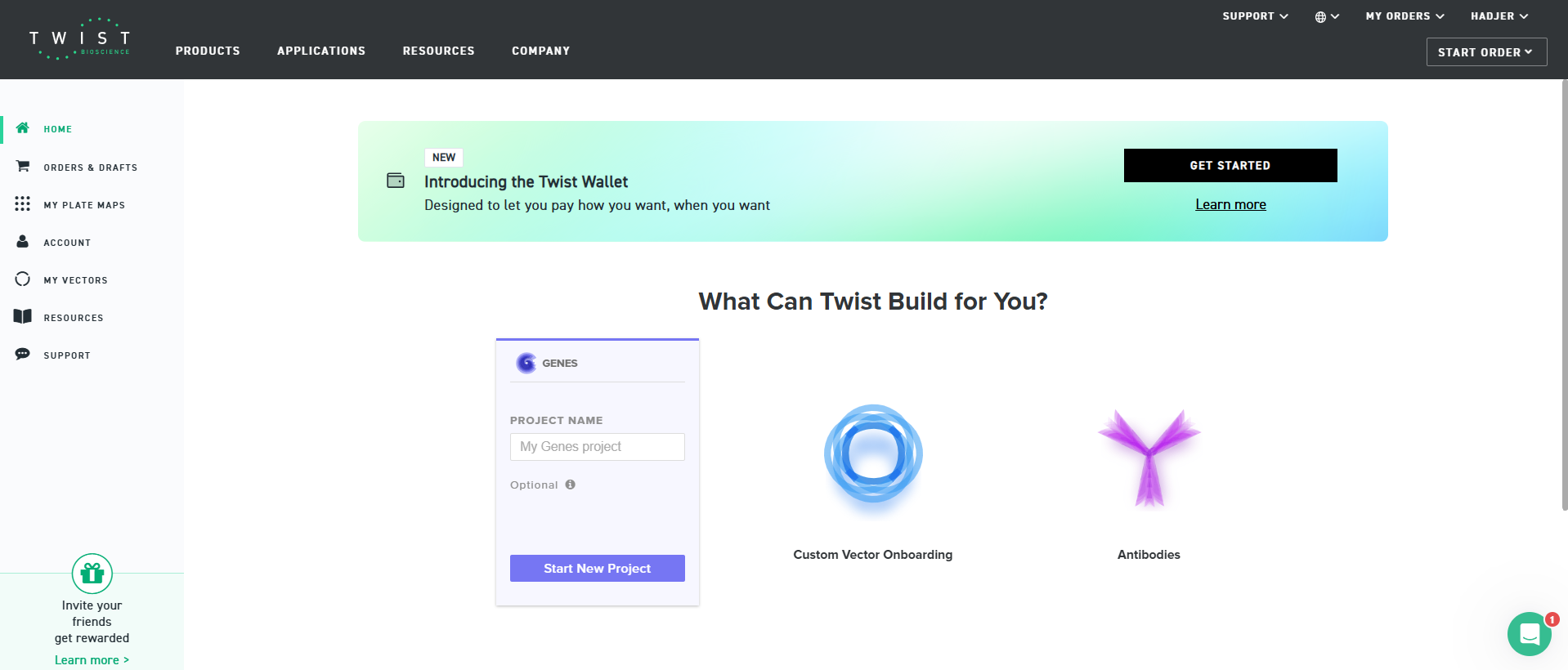
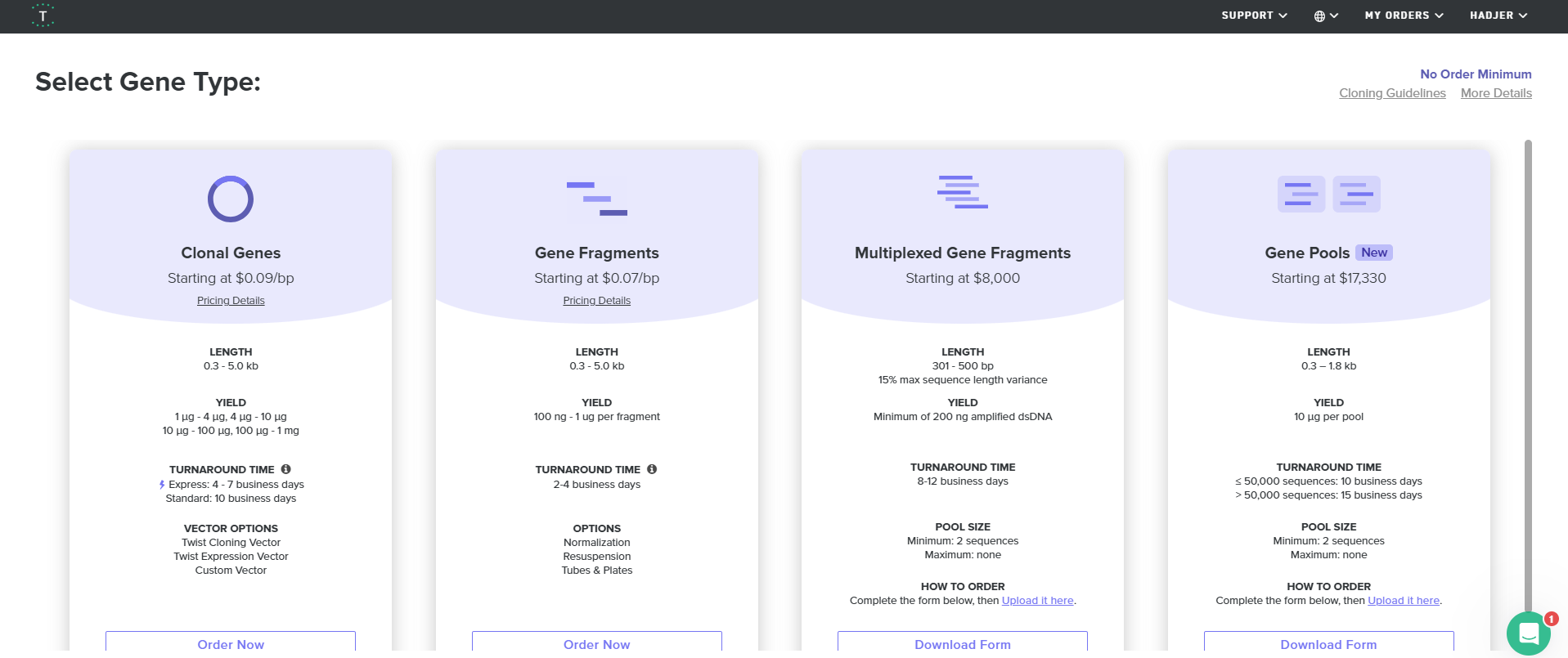
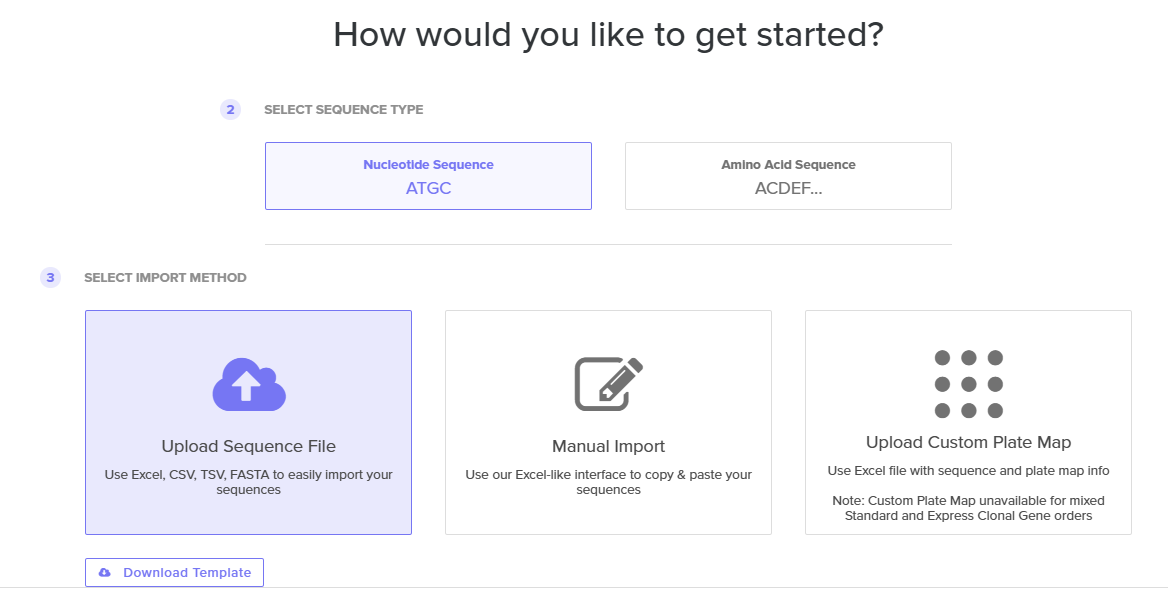
I then uploaded the FASTA files into the Twist Bioscience Platform
using the gene synthesis workflow. The platform automatically analyzed each sequence to evaluate synthesis compatibility, including repetitive regions, GC balance, and sequence complexity.

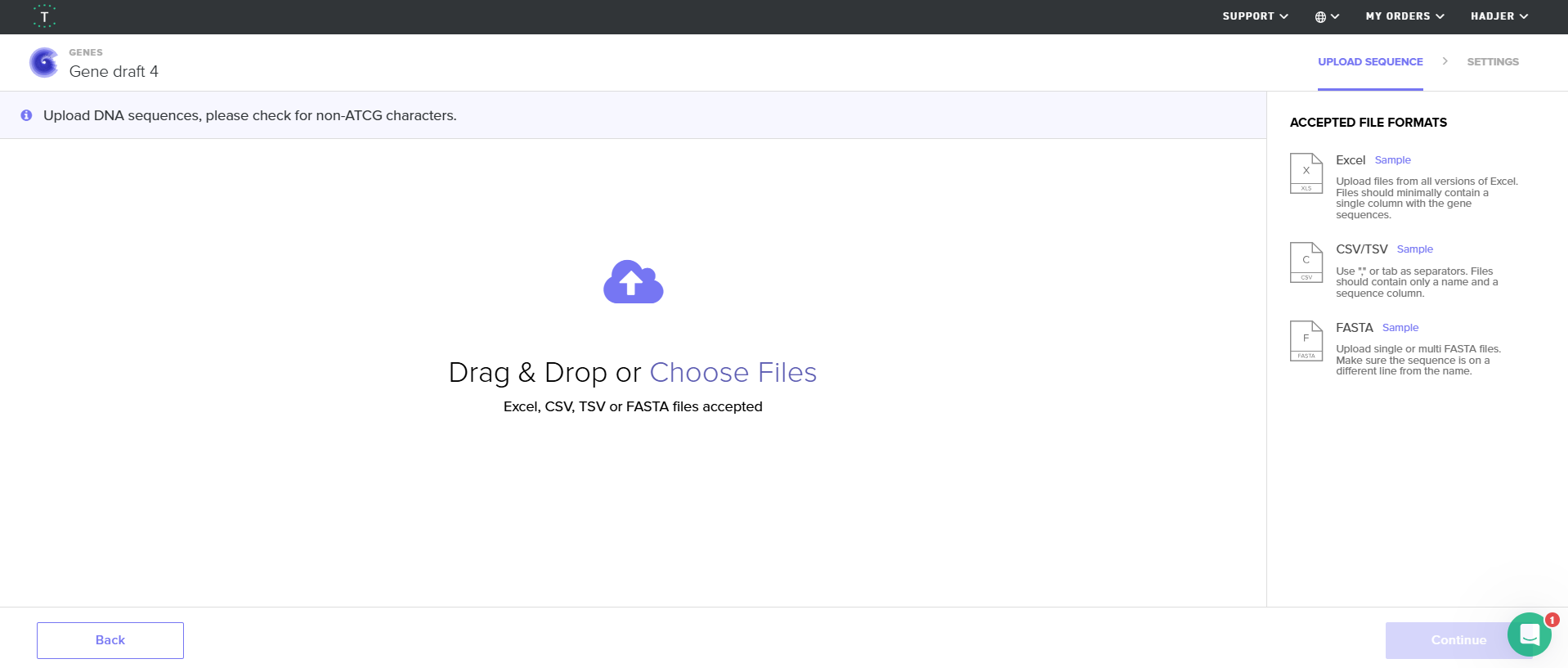
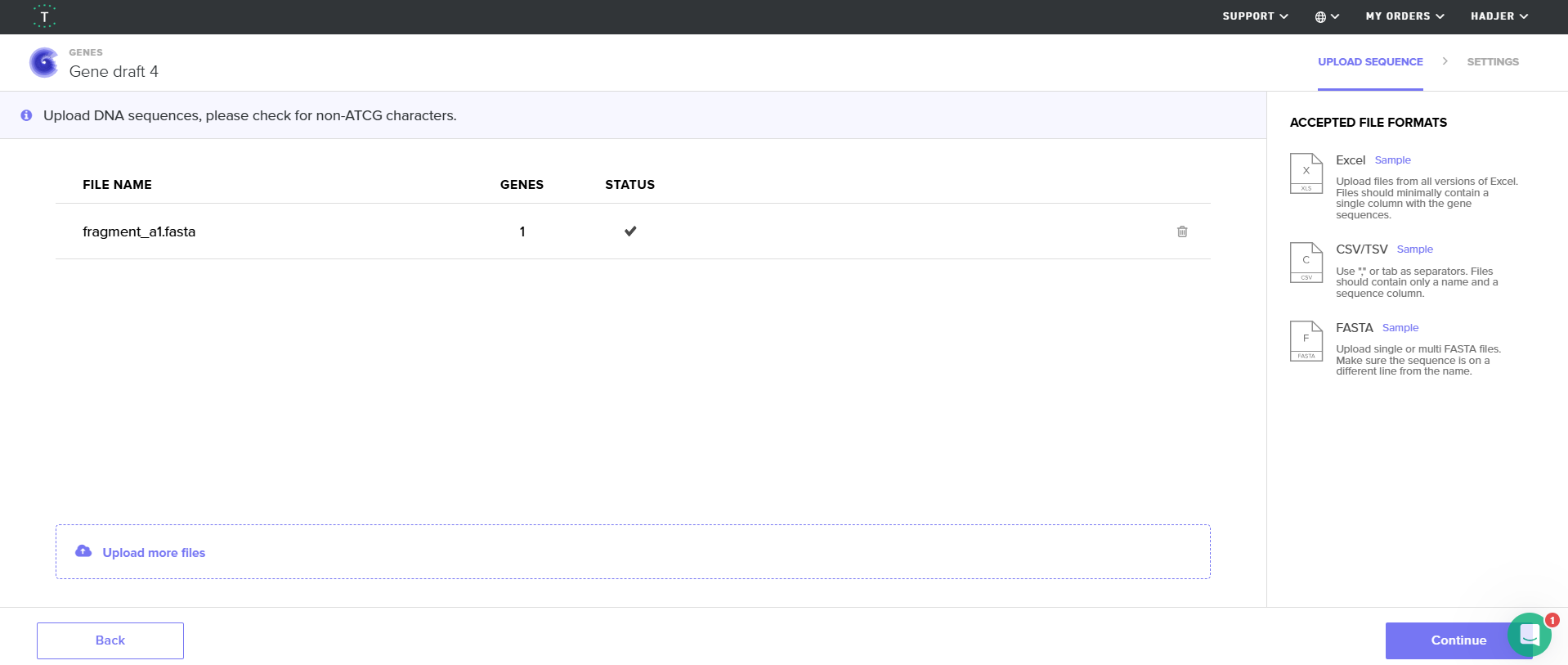
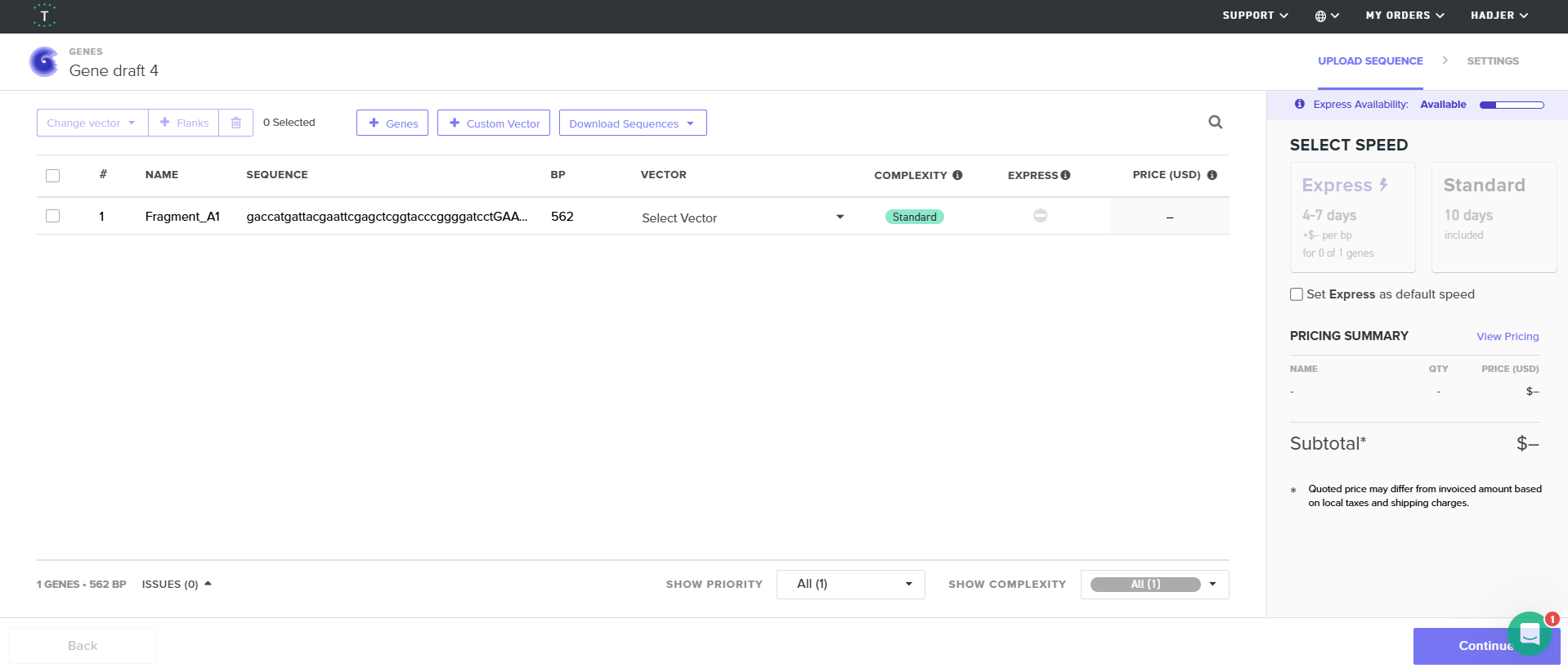
Fragments that failed the screening due to repetitive promoter regions were optimized during the previous phase either by introducing minimal nucleotide modifications in non-functional regions or by splitting the constructs into smaller fragments. After re-uploading the corrected sequences, all fragments were successfully accepted by the Twist algorithm.
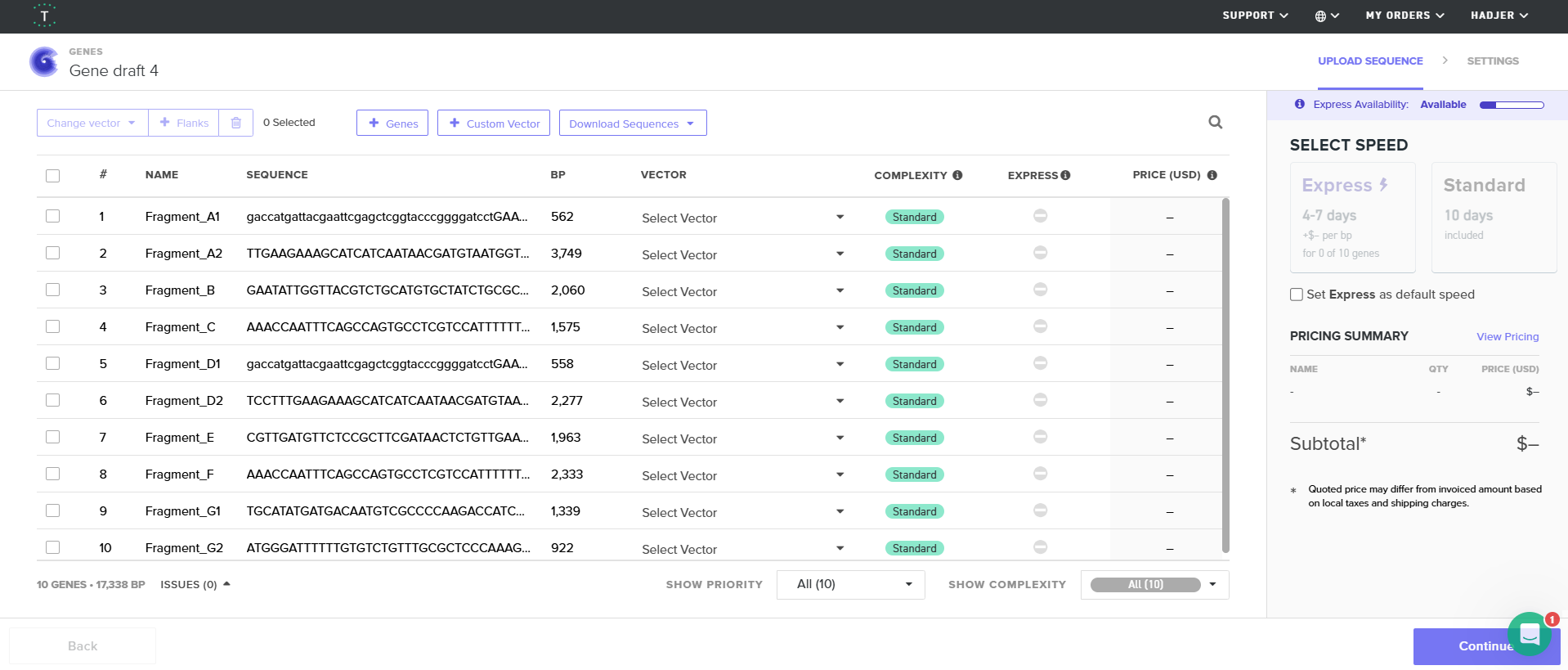
This final simulation confirmed that the complete multicassette constructs were synthesis-compatible and ready for downstream Gibson Assembly and cloning experiments.
The objective of this phase was to simulate the commercial DNA synthesis workflow by exporting the finalized multicassette fragments from Benchling in FASTA format and evaluating their compatibility with the synthesis requirements of Twist Bioscience. This step aimed to verify sequence manufacturability, detect potential synthesis issues such as repetitive regions or sequence complexity, and confirm that all fragments were fully ready for commercial synthesis and downstream Gibson Assembly.