Week 11 HW: Bioproduction and Cloudlabs
1. Contribute at least one pixel to this global artwork experiment before the editing ends on Sunday 4/19 at 11:59 PM EST. A personalized URL was sent to the email address associated with your Discourse account, and you can discuss the artwork on the Discourse. If you did not have a chance to contribute, it’s okay, just make sure you become a TA this fall! 😉
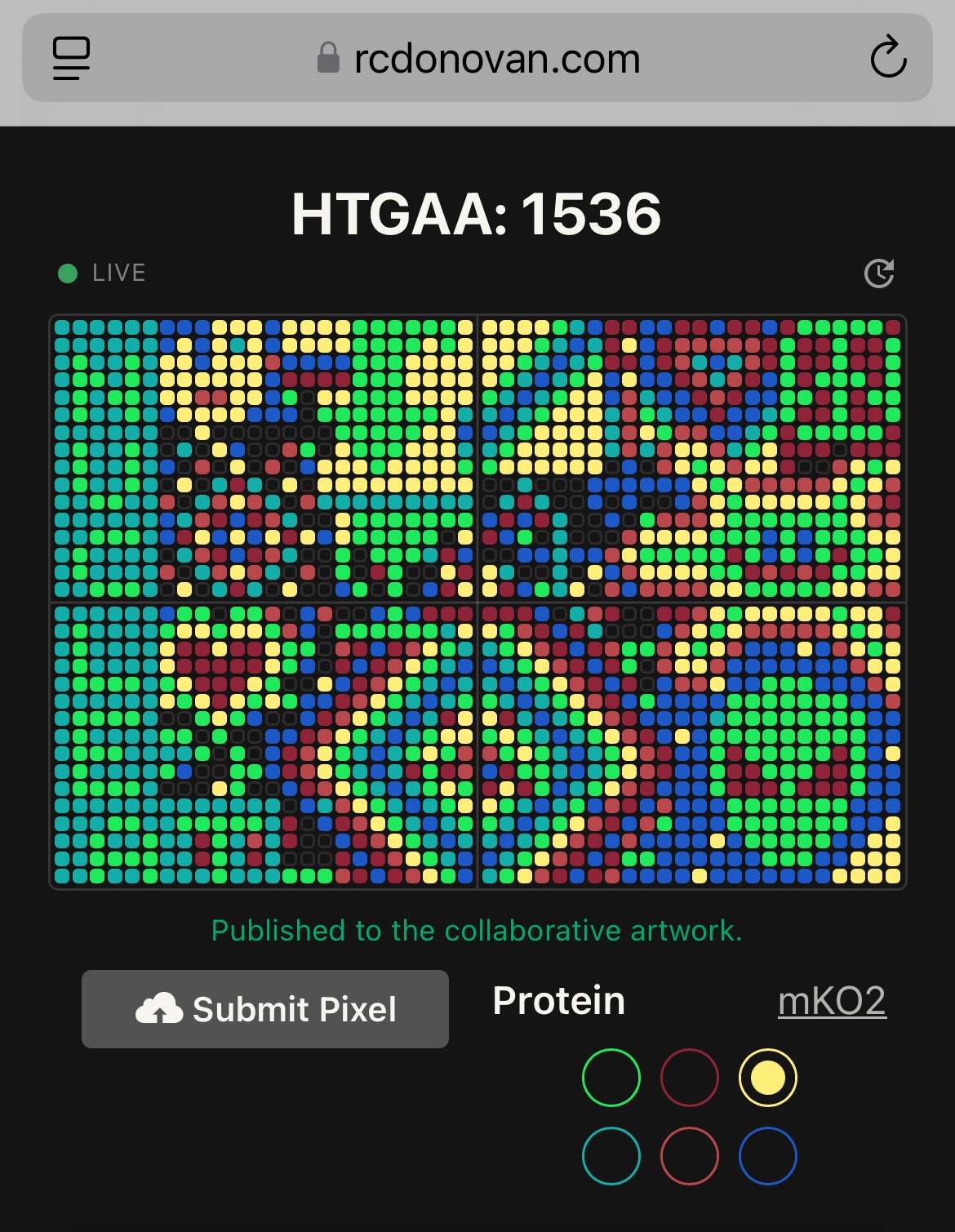
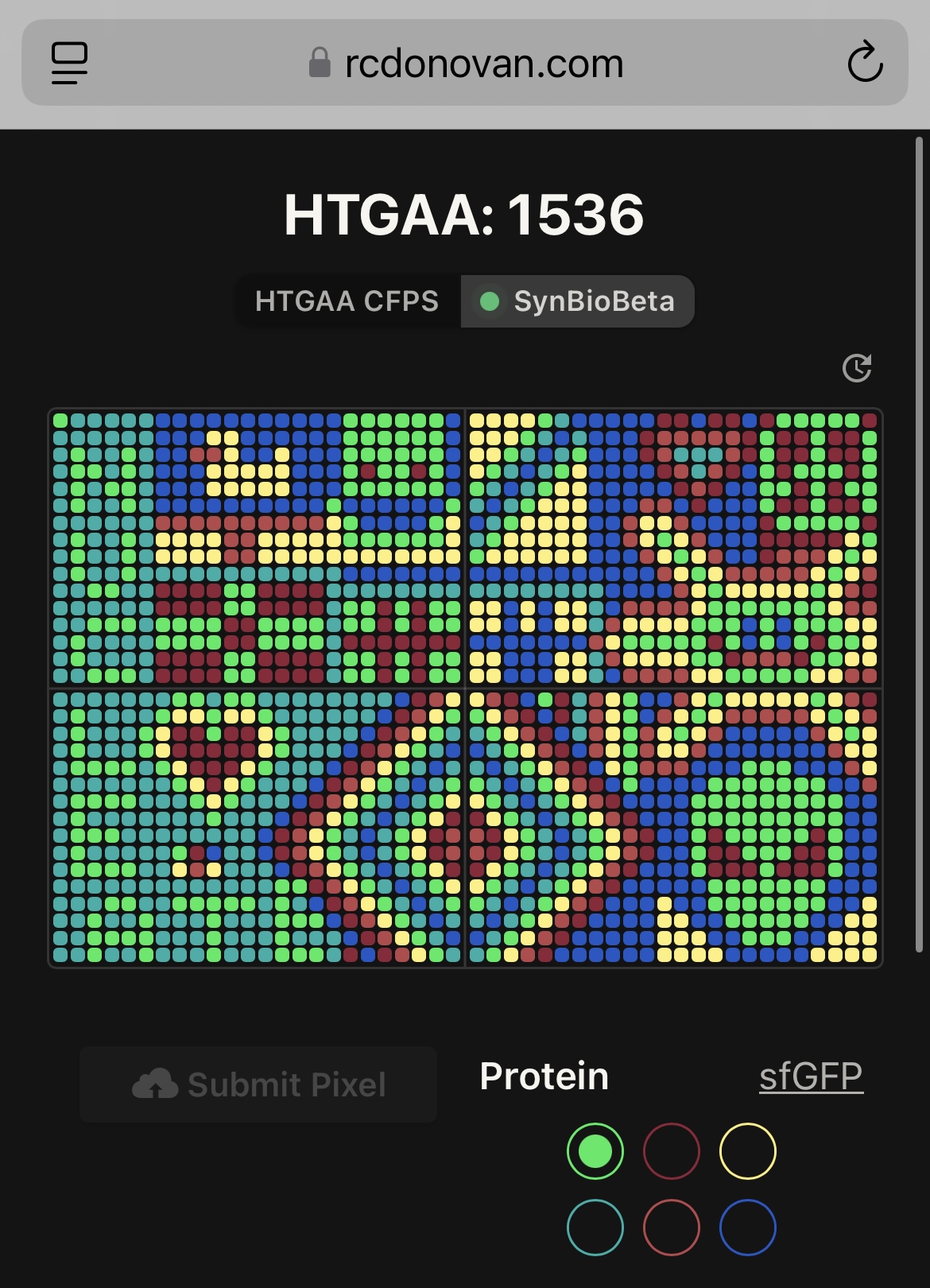
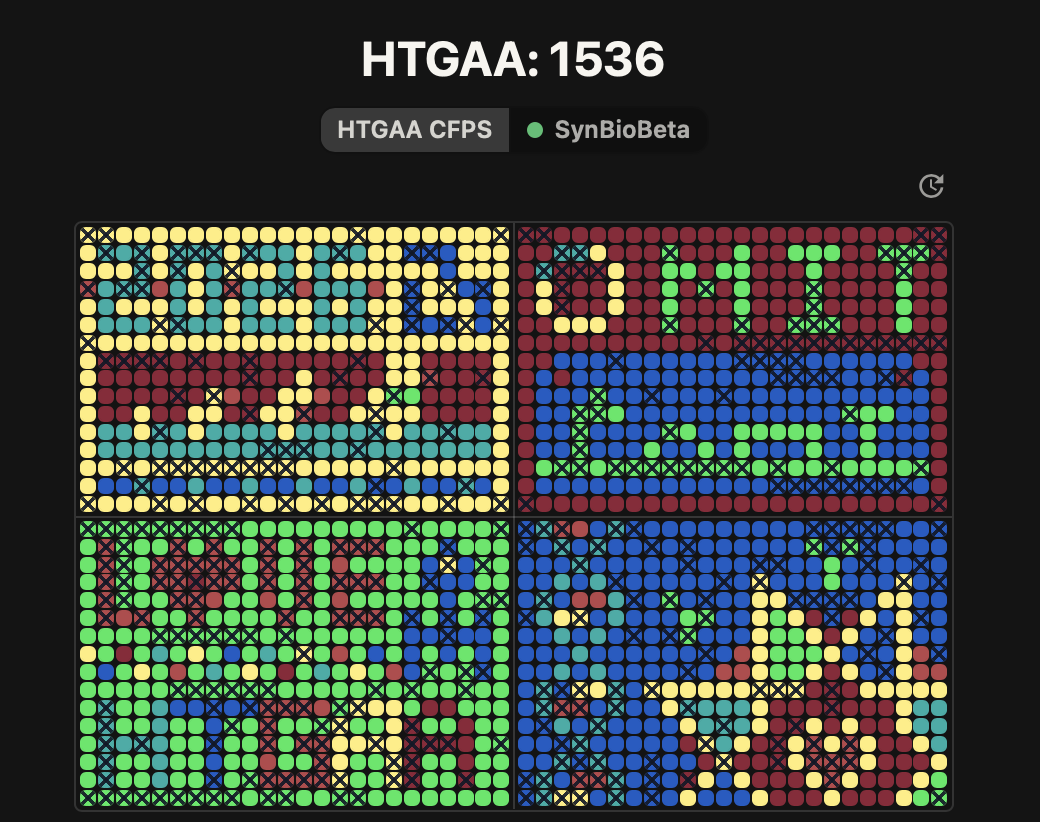
2. Make a note on your HTGAA webpages including: what you contributed to the community bioart project (e.g., “I made part of the DNA on the bottom right plate”) what you liked about the project, and what about this collaborative art experiment could be made better for next year.
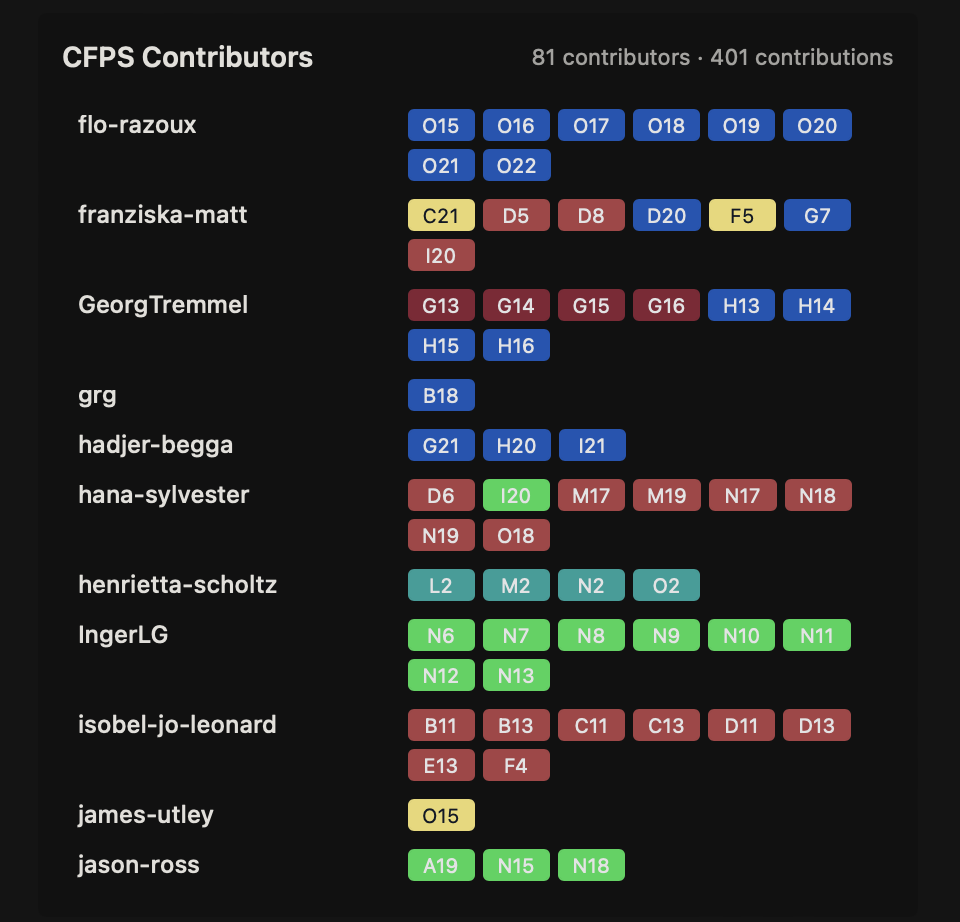
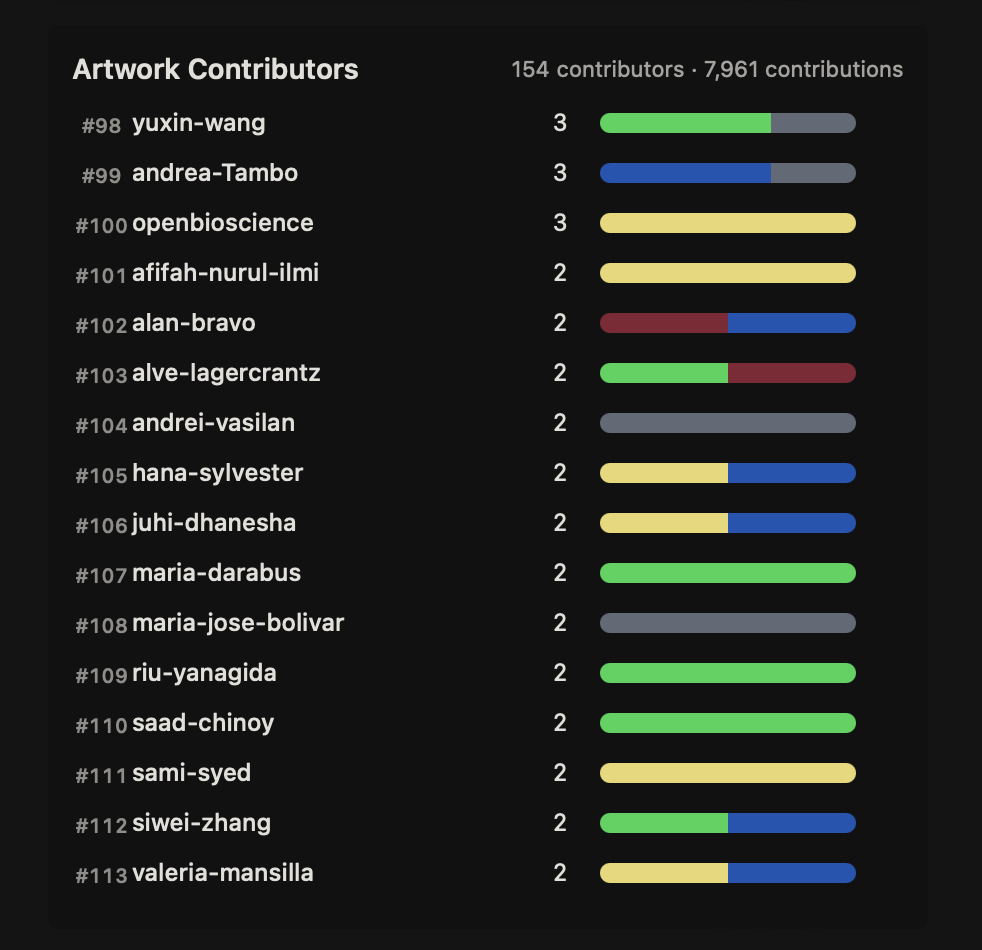
My pixels kept getting coloured over. I know some people complained about the nature of this being a free for all but honestly I found that kind of exciting. Perhaps other people would like for there to be proscribed subsections for each node - the rules of which are clearly delineated.
Personally I liked that we could colour a pixel anywhere. I would however have preferred if the screen/pixels were larger, or rather for there to have been a toggle that made them so. I also think that the time limit until you could add another pixel was unnecessarily long.
A great feature was the time lapse! I think that the cell-Free Rraction composition aspect could have been explained a little better in the lecture because I was adding arbritray amounts of each reagent before I stumbled upon Ronan’s tool and figured out how to use it.
1. Referencing the cell-free protein synthesis reaction composition (the middle box outlined in yellow on the image above, also listed below), provide a 1-2 sentence description of what each component’s role is in the cell-free reaction.
E. coli Lysate
- BL21 (DE3) Star Lysate (includes T7 RNA Polymerase): The lysate provides the necessary components or molecular machinery such as ribosomes, tRNA, translation factors, which are needed for the synthesis of proteins. The T7 RNA Polymerase is necessary for transcribing DNA into mRNA, while the Star lysate lacks RNases which prevents the rapid degradation of mRNA transcripts.
Salts/Buffer
Potassium Glutamate: This helps to maintain the optimial intracellucal ionic strength and osomotic balance which is needed to stabilise ribosomes and enablbe translation in the CFPS. Potassium glutamate is preferential over potassium chloride: the former is better physiological counter-ion which is less inhibitory to protein synthesis.
HEPES-KOH pH 7.5: This acts as a robust chemical buffer to stabilise the reaction’s pH at 7.5, thereby preventing the system from becoming too acidic as metabolic byproducts accumulate as a result of energy generation (owing to the presence of glucose which you will see later on).
Magnesium Glutamate: This supplies the essential magnesium ions which are cofactors for transcription and translation enzymes. Magnesium ions are also structurally critical as they physically hold together the small and large subunits of the ribosome together.
Potassium phosphate monobasic: This component is acidic. In the case that the reaction become too basic, it releases a hydrogen ion to bring the pH back down.
Potassium phosphate dibasic: This is the basic component. If the reaction becomes too acidic (which it does due to glycolosis), it absorbs excess hydrogen ions.
Together these two forms of potassium phosphate work together to form a secondary buffering system, whilst supplying inorganic phosphate. This is an indispendable raw material for the internal metabolic pathways that recycle and phosphorylate nucleoties.
Energy / Nucleotide System
Ribose: This acts as a carbon and energy substrate that feeds into the pentose phosphate pathway. this helps with the regeneration of high-energy molecules which are required to keep transcription and translation going.
Glucose This is the primary metabolic energy source 🍪. The lysate breaks down glucose via glycolysis to generate the ATP needed to continously charge tRNAs with amino acids.
AMP
CMP
GMP
UMP
These are all nucleoside monophosphates (NMPs) which are the basic building blocks for RNA. the cell-free system phosphorylates them into full triphosphates (ATP, CTP, GTP, UTP) which are then used by the T7 RNA polymerase to transcribe mRNA.
- Guanine: It is a purine base precursor (essential part). It feeds intonucleotide salvage pathways to ensure a steady, recycled supply of guanosine nucleotides such as GTP, which are heavily consumed during translation elongation.
Translation Mix (Amino Acids)
- 17 Amino Acid Mix: This provides the standard set of amino acids required by the ribosomes to physically assemble the priamry structure of your target protein.
- Tyrosine: One of the 20 standard amino acids but is added separately (not with the 17). It is added separately as it has very low solubility at neutral pH compared to the other 17 amino acids. By adding it individually, you ensure that it reaches a function concentration without crashing out of the solution.
- Cysteine: One of the 20 standard amino acids but is added separately (not with the 17) as its highly reactive thiol group is prone to oxidation, which can cause it to cross-link into cystine. By keeping it separate, you are keeping it chemically stable until the reaction begins, ensuring proper disulfide bond formation in the target protein!
Additives
- Nicotinamide: This acts as a precursor and protective agent for NAD+ (Nicotinamide Adenine Dinucleotide) and NADH (Nicotinamide Adenine Dinucleotide + Hydrogen) coenzymes. It prevents the degradation of these critical electron carriers, keeping the energy-yielding metabolic pathways active throughout the run.
Backfill
- Nuclease Free Water: This component brings the total CFPS mixture up to its final designated volume without introducing contaminating nucleases (i.e. RNases or DNases) which would otherwise destroy the DNA template or mRNA transcripts.
2. Describe the main differences between the 1-hour optimized PEP-NTP master mix and the 20-hour NMP-Ribose-Glucose master mix shown in the Google Slide. (2-3 sentences)
The 1-hour optimized PEP-NTP master mix contains ready to use nucleotide phosphates such as ATP and GTP, along with PEP which allows for immediate fast-paced protein expression. Whereas, the 20-hour NMP-Ribose-Glucose has simpler building blocks such as nucleoside monophosphates like AMP, alongside glucose and ribose; these rely on the lysate’s internal metabolic pathways to sustainably regenerate energy over a much longer incubation period. To support this long sustained activity, the 20-hour mix has a special potassium phosphate buffering system instead of the additives found in the 1-hour mix such as spermidine, DMSO, and folinic acid.
3. Bonus question: How can transcription occur if GMP is not included but Guanine is?
The E. coli lystate contains active, built-in recycling enzymes which can build GMP from scratch using guanine and ribone, thus enabling transcription to still occur ♻️.
1. Given the 6 fluorescent proteins we used for our collaborative painting, identify and explain at least one biophysical or functional property of each protein that affects expression or readout in cell-free systems. (Hint: options include maturation time, acid sensitivity, folding, oxygen dependence, etc) (1-2 sentences each)
The amino acid sequences are shown in the HTGAA Cell-Free Benchling folder.
Property: Exceptional folding kinetics and stability.
Explanation: sfGFP contains specific mutations that allow it to fold rapidly and correctly without relying heavily on cellular chaperones, making it highly resilient and capable of generating a massive fluorescent signal even in diluted cell-free lysates.
Property: Slow chromophore maturation time and strict oxygen dependence.
Explanation: mRFP1 requires a prolonged chemical maturation period and significant molecular oxygen (O₂) to light up, meaning its fluorescence readout will drastically lag behind actual protein synthesis in a static, long-term cell-free reaction.
Property: High absolute brightness but notable temperature sensitivity.
Explanation: While mKO2 provides an incredibly vivid orange readout, its chromophore folding pathway is highly sensitive to environmental temperatures, meaning variations in your lab’s ambient incubation temperature will directly alter its final fluorescence yield.
I ❤️ this fluorescent protein
Property: High quantum yield but sensitivity to chemical microenvironments (pH changes).
Explanation: mTurquoise2 is one of the brightest cyan reporters available, but because its fluorophore is sensitive to local chemical shifts, it is highly susceptible to premature quenching as metabolic byproducts accumulate in the cell-free mix.
Property: Fast maturation rate and enhanced stability.
Explanation: Engineered as an upgrade to older red proteins like mRFP1, mScarlet_I matures much more quickly and folds efficiently, making it an ideal choice for real-time tracking during long-term cell-free incubations.
Property: Near-UV/Blue emission spectrum.
Explanation: Because Electra2 emits light in the blue spectrum (~456 nm), its primary challenge in a cell-free system is overcoming the high, natural background autofluorescence generated by the E. coli lysate itself, which heavily absorbs and scatters light in the near-UV range.
2. Create a hypothesis for how adjusting one or more reagents in the cell-free mastermix could improve a specific biophysical or functional property you identified above, in order to maximize fluorescence over a 36-hour incubation. Clearly state the protein, the reagent(s), and the expected effect.
I really like the turquoise fluorescent protein so I will make a hypothesis about how to increase its expression.
⚗️°‧🫧⋆.ೃ࿔*:・🐬🗽👗🩴‧₊˚ ⛲️ ‧₊𓏲 ๋࣭ ࣪ ˖🎐 𓆝 𓆟 𓆞 𓆝
I hypothesise that by increasing the concentration of HEPES-KOH (pH 7.5) and Potassium phosphate dibasic I will enhance the chemical buffering capacity of the reaction over the incubation period of 36 hours (as shown for artwork in the Google slide). Doing this will neutralise the excess organic acids like acetate and lactate which are produced over the metabolism of glucose and ribose. This will result in brighter glowing turquiose hopefully 🤞🏼.
3. The second phase of this lab will be to define the precise reagent concentrations for your cell-free experiment. You will be assigned artwork wells with specific fluorescent proteins and receive an email with instructions this week (by April 24). You can begin composing master mix compositions here.
See Part A, Question and Answer 2 above 😃
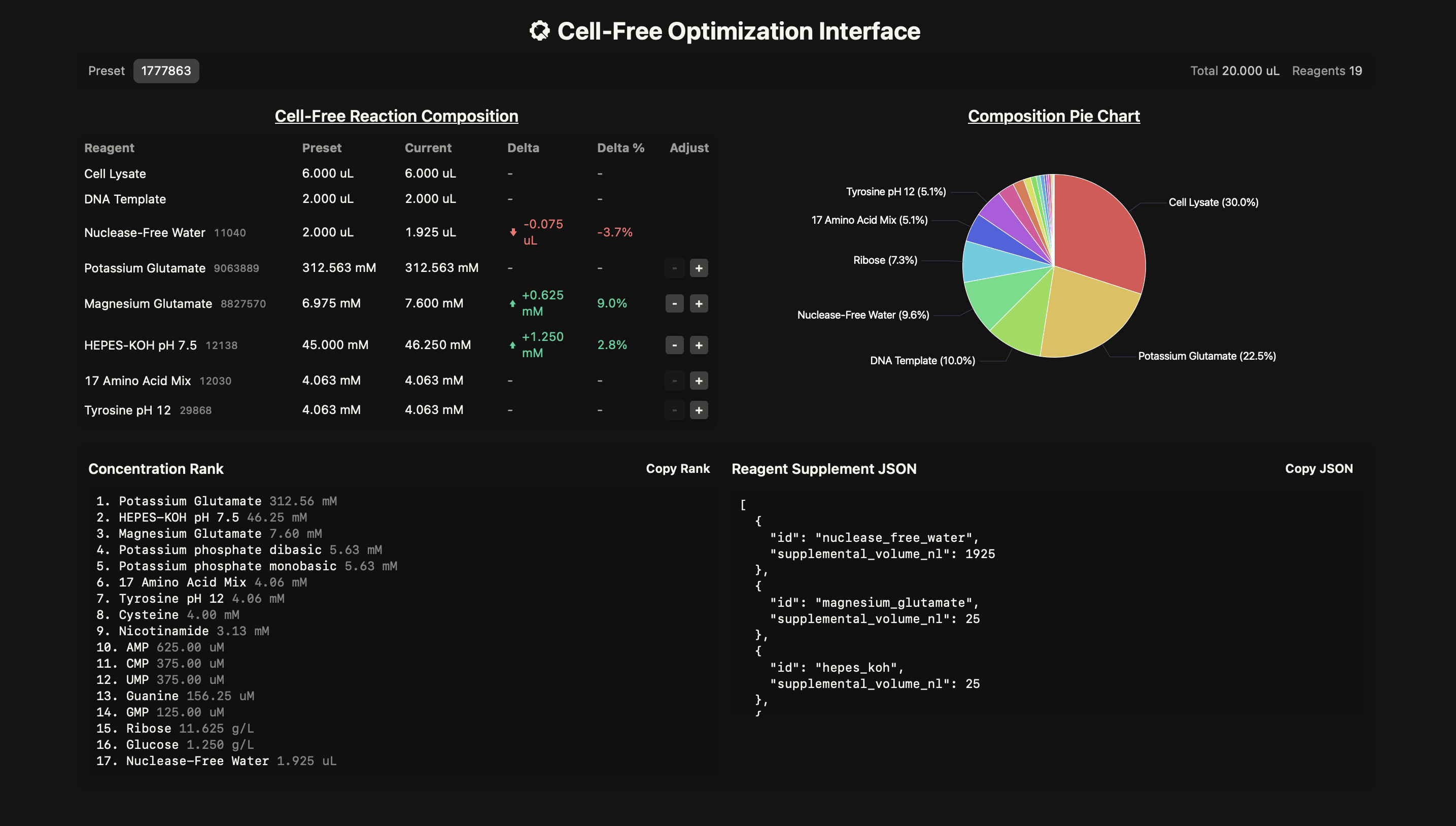
4. The final phase of this lab will be analyzing the fluorescence data we collect to determine whether we can draw any conclusions about favorable reagent compositions for our fluorescent proteins. This will be due a week after the data is returned (date TBD!). The reaction composition for each well will be as follows:
- 6 μL of Lysate
- 10 μL of 2X Optimized Master Mix from above
- 2 μL of assigned fluorescent protein DNA template
- 2 μL of your custom reagent supplements Total: 20 μL reaction
Data not given.
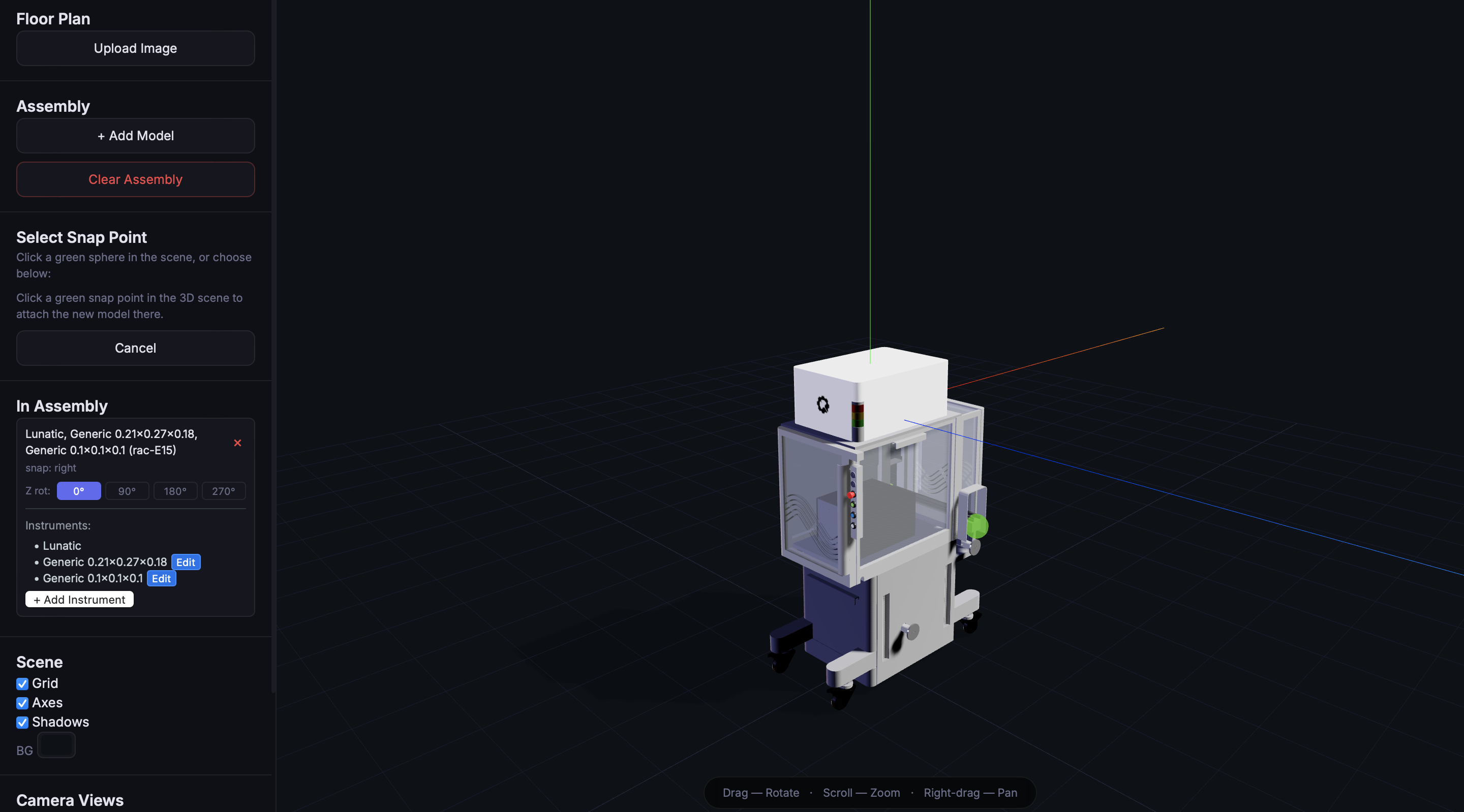
1. Use this simulation tool to create an interesting looking cloud lab out of the Ginkgo Reconfigurable Automation Carts. This is just a minimal implementation so far, but I would love to see some fun designs!
I was listening to this album whilst using the simulation tool. Go to track 4: sporty like a Supra.