Python Script for Opentrons Artwork
Since I am not present to interact directly with the Opentrons output, I thought about why I would want to pipette an image and what that image should represent and decided to use Ndebele bead patterns as inspiration.
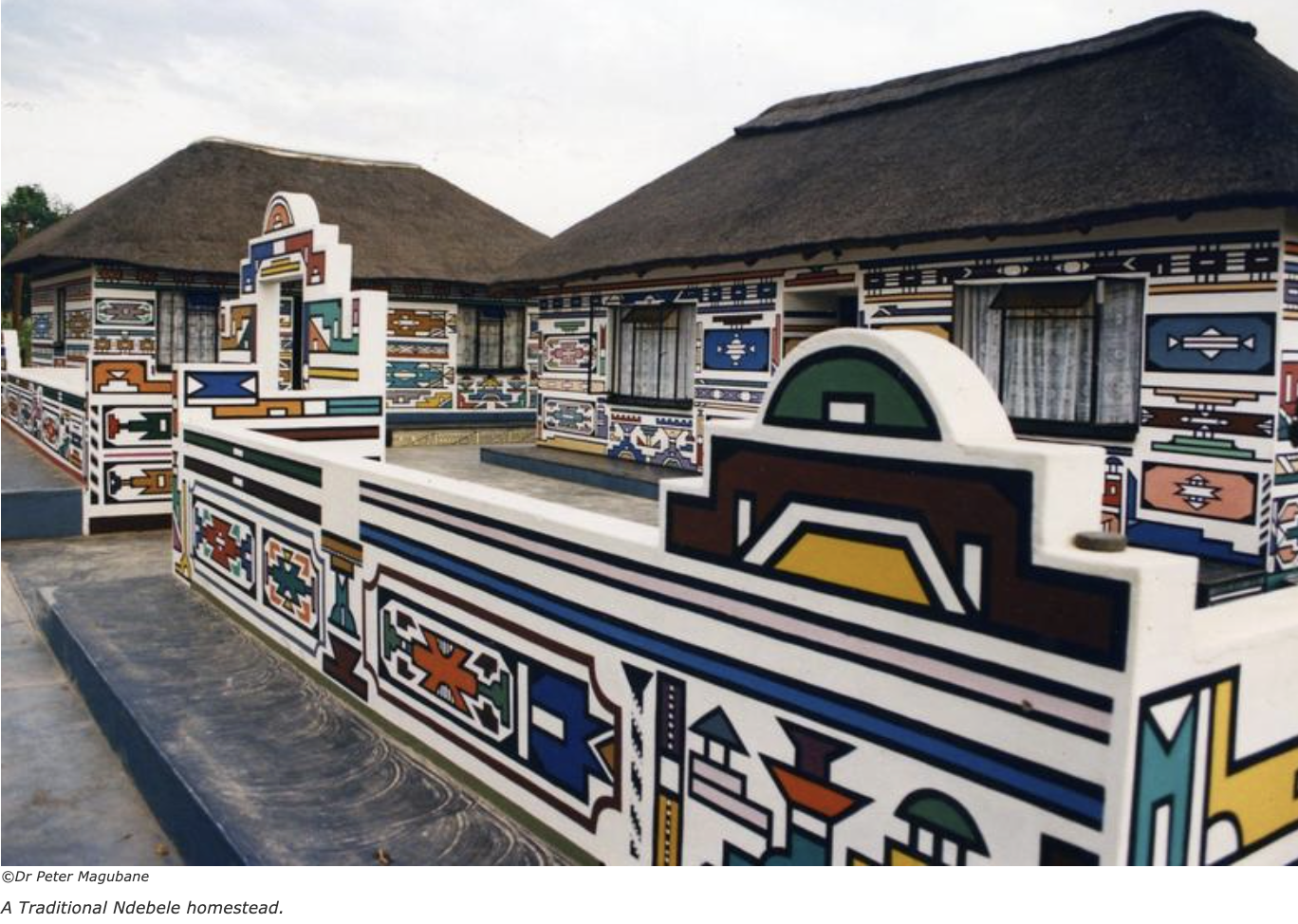
Ndebele bead patterns have a very specific geometric logic. They are built on a grid of “bead units” arranged in bold, angular, symmetric designs. The traditional South Ndebele aesthetic uses high-contrast colors in step-like diagonal and horizontal bands, often with thick outlines and mirrored symmetry.
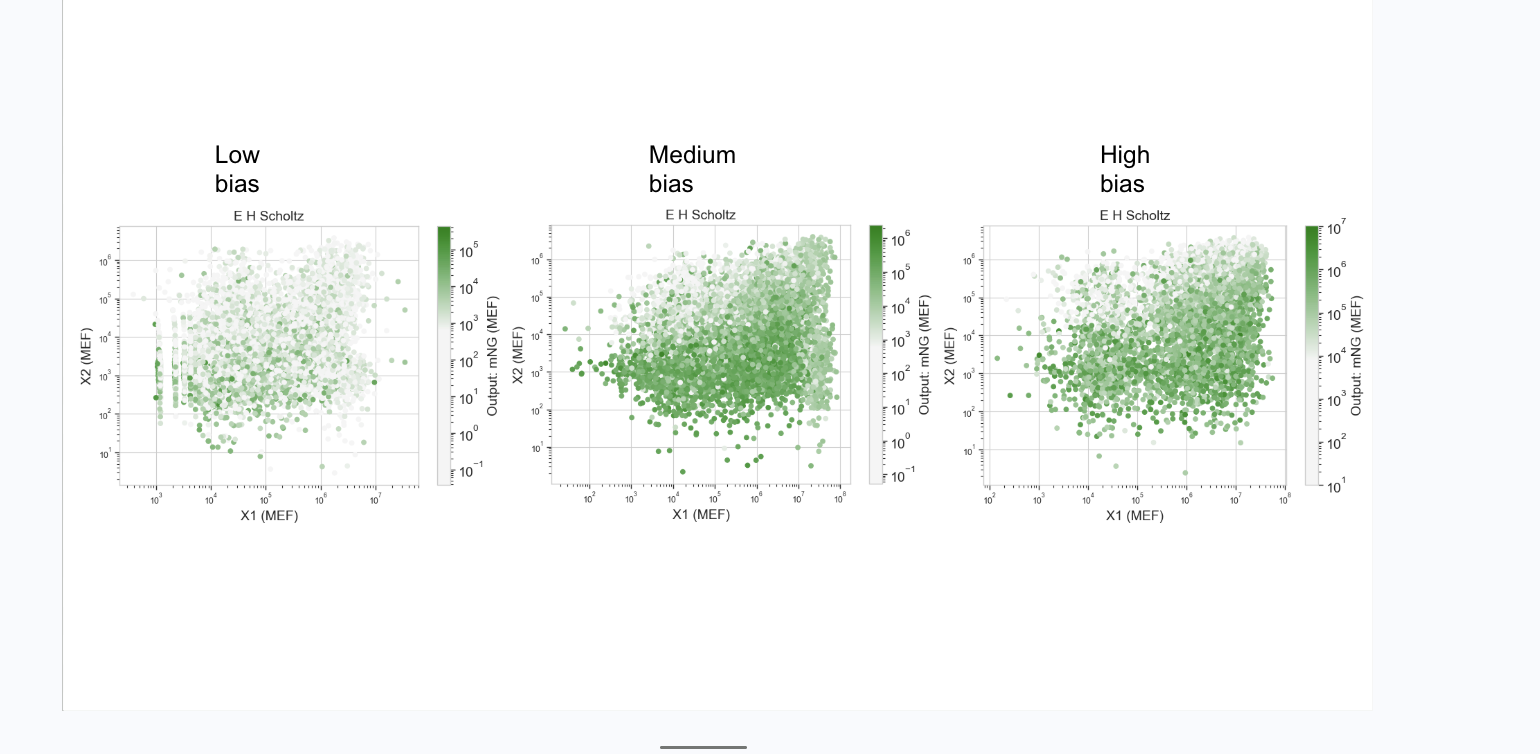
Weiss Lab run of my IANNS biased dependent parallel AND Gate (This was not really the HW question I’m just facinated by AND Gates and did not think mine would be run as we a large cohort, but not many submitted). The results do seem to point to my parrallel expression working for a smooth release of slightly differently weighted levels. Every dot is a human cell!
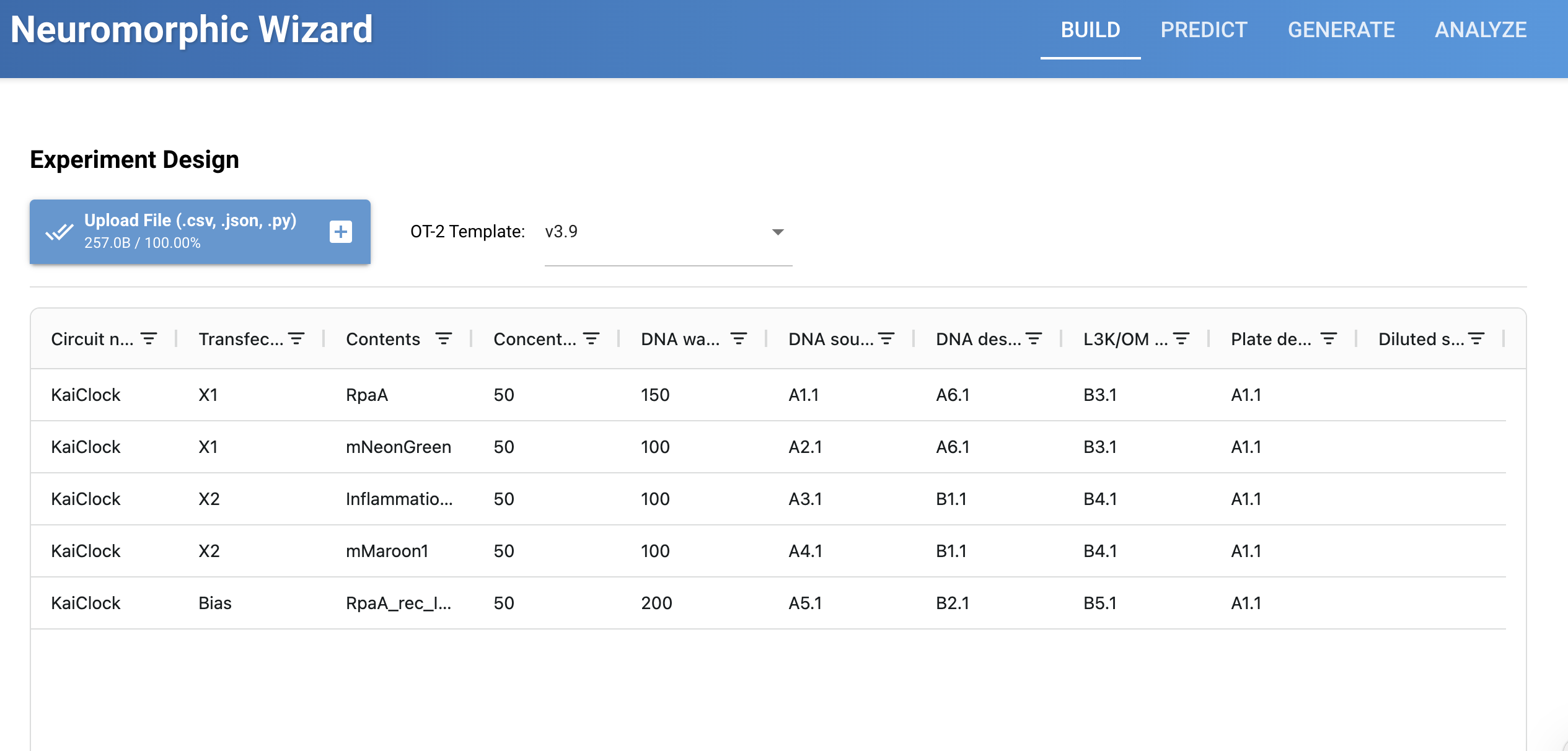
Neuromorphic Wizard test that shows both parts are rising and one slight weighted less and also see what could be ‘drift’
LAB QUESTIONS CELL FREE I answered these in relation to lab document and FP where relevent.
Explain the main advantages of cell-free protein synthesis over traditional in vivo methods, specifically in terms of flexibility and control over experimental variables. Name at least two cases where cell free expression is more beneficial than cell production.
Cell-free systems allow direct control over reaction components without needing viable cells, making them ideal for expressing toxic proteins (like AMPs) and for rapidly iterating fusion protein designs like CBM27_RGD_MaSp1. Specifically chosen to bypass the living cells.
Subsections of Labs
Week 1 Lab: Pipetting
Week 2 Lab: Gel Art
Week 3 Lab: Opentrons
Python Script for Opentrons Artwork
Since I am not present to interact directly with the Opentrons output, I thought about why I would want to pipette an image and what that image should represent and decided to use Ndebele bead patterns as inspiration.
Ndebele bead patterns have a very specific geometric logic. They are built on a grid of “bead units” arranged in bold, angular, symmetric designs. The traditional South Ndebele aesthetic uses high-contrast colors in step-like diagonal and horizontal bands, often with thick outlines and mirrored symmetry.
They are also studied as Ethno mathematics, which often promotes a more humanistic and inclusive perspective on mathematics, focusing on how different groups manage, understand, and navigate their reality.
I found it interesting to bring the mathematical and social aspects of this indigenous knowledge to the biochemical level, as this layering of meaning creates interesting avenues for reflection on various levels.
Example of Ndebele paintings and beadwork:
Python Visuals & Scripts Ex.
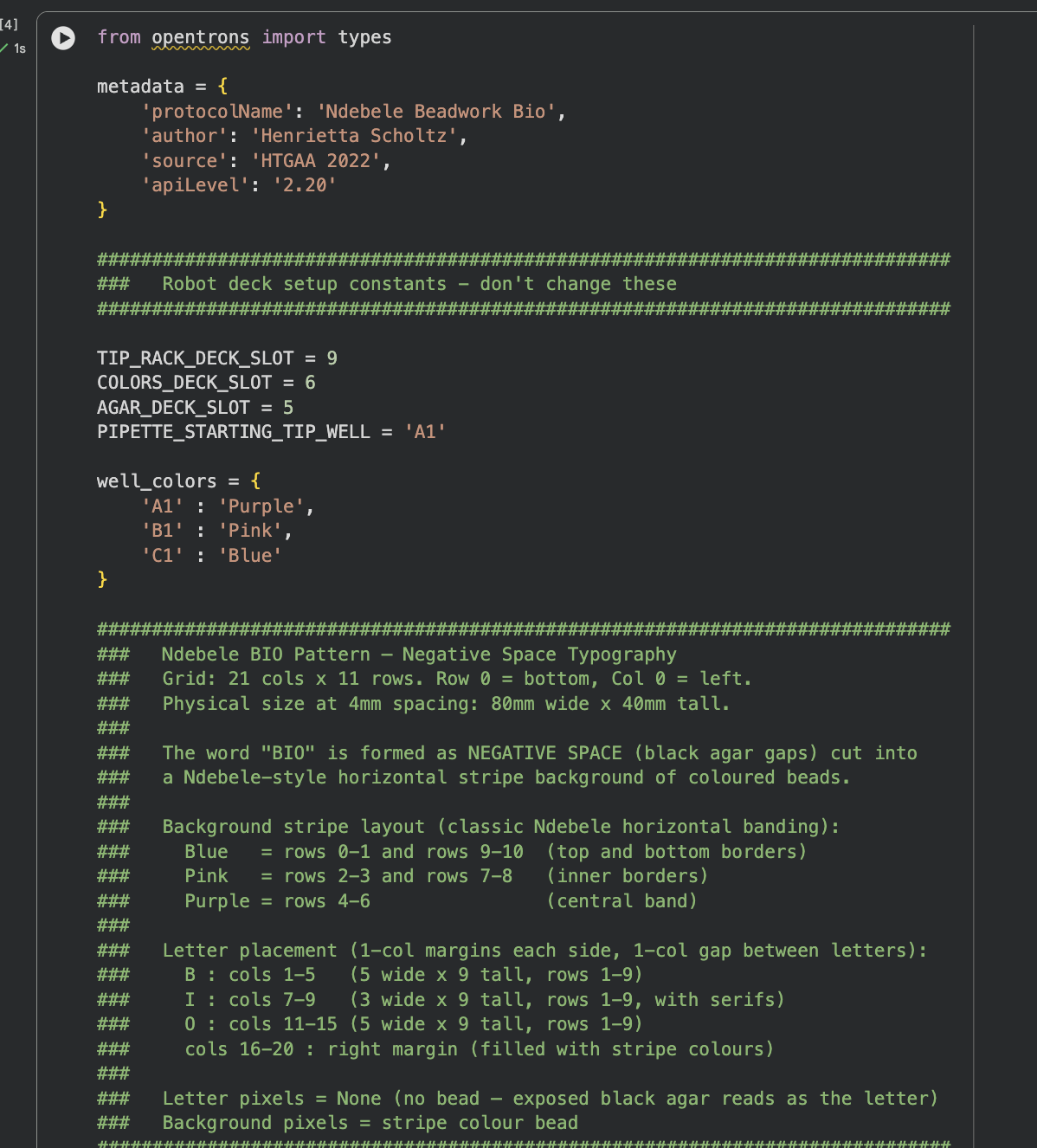
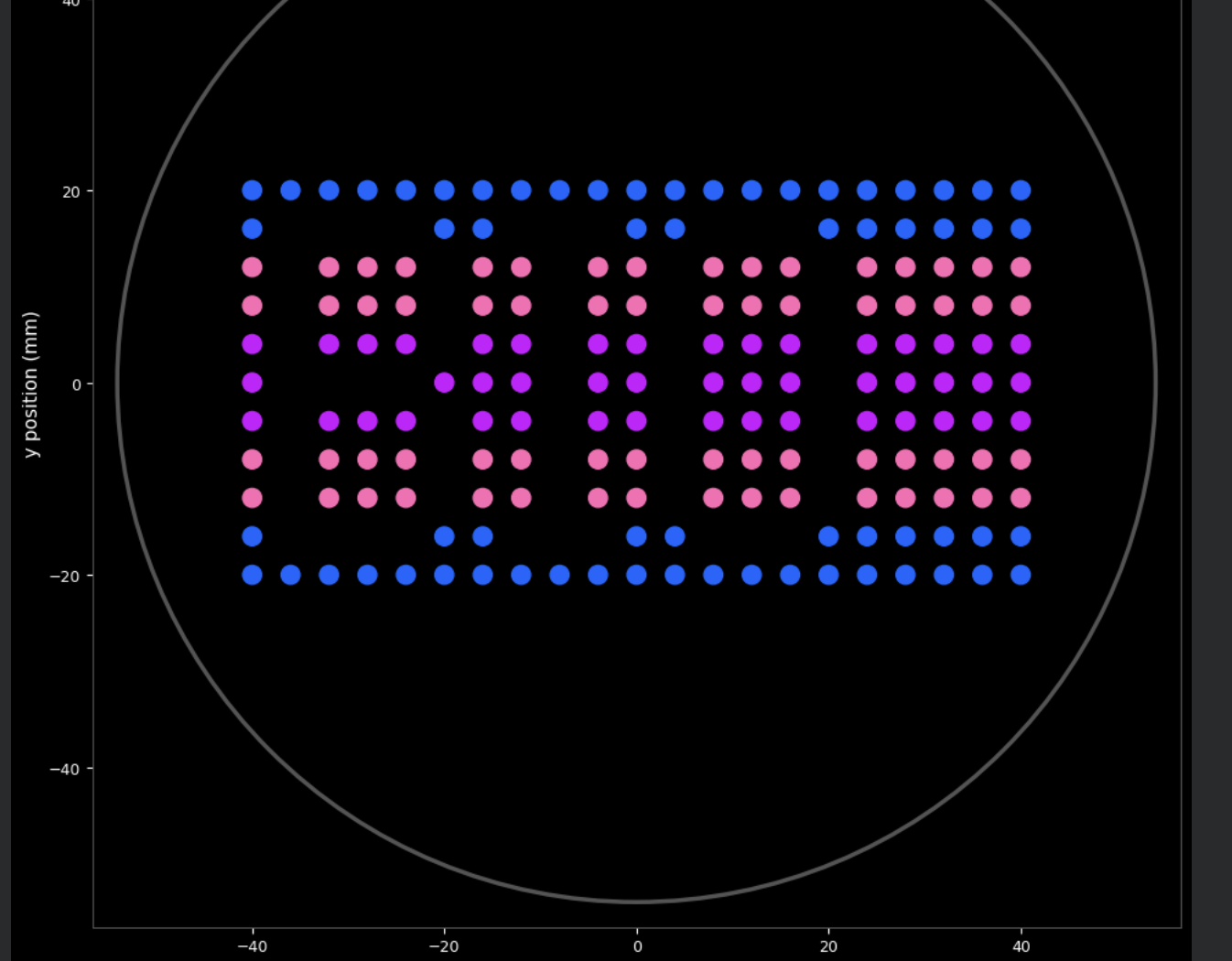
I am not a coder, but playing around with the example scripts, I ended up using Claude to vibe-code the desired patterns and position. It required some debugging and made various output versions.
Although the co-lab script runs without error, I am not sure if this will work on Opentrons.
EARLY VERSIONS BEFORE KNOWING COLOUR AVAILABILITY
Post Lab Homework
Published Paper
A directly relevant paper is Fang et al. (2025) in Nature Communications, which demonstrates circadian-gated gene expression circuits in bacteria, using automated temporal sampling to characterize rhythmic protein output over 24-hour cycles. This paper is not a peripheral reference; it is one of the primary foundational sources for my final project concept and is already cited in my main project documentation. The automation approach used to verify rhythmic expression in that work is precisely what I intend to replicate and extend with the Opentrons platform.
What I Intend to Automate
My project proposes a bacterial AND gate where the antimicrobial peptide Magainin is only expressed when two conditions are simultaneously true: the circadian regulator RpaA is active, and a pathogen signal is present. The core experimental challenge is verifying this gate actually works as designed, which requires sampling bacterial expression levels repeatedly across a full 24-hour cycle, under multiple conditions, without human error or gaps overnight. This is the automation task.
The Opentrons OT-2 would run an unattended 24-hour sampling protocol across three experimental conditions:
RpaA active + pathogen signal present (AND gate should trigger)
RpaA active + no pathogen signal (gate should stay silent)
RpaA inactive + pathogen signal present (gate should stay silent)
At each 2-hour timepoint, the robot samples each culture well, transfers to a measurement plate for fluorescence reading, and replaces the sampled volume with fresh media to keep cultures alive. This builds a full temporal expression profile across all three conditions without any overnight manual intervention.
I would use Claude for the coding and guidance in the technical parts of this.
Why This Automation Matters
The AND gate only has meaning if you can show it is silent when it should be silent and active only at the right circadian phase with the right pathogen or other signal. That requires clean data across all three conditions at every 2-hour window through the night. Manual pipetting at 2am introduces the exact inconsistency that would make the rhythmic signal unreadable. The Opentrons removes that variable entirely.
Future Extensions
If access to Ginkgo Nebula becomes available, the next step would be submitting the AND gate genetic construct for scaled fermentation and characterization; using Nebula’s high-throughput infrastructure to screen circuit variants with different RpaA promoter strengths or pathogen-sensing thresholds, generating the kind of combinatorial data that would take months on a single benchtop robot.
Fang et al. (2025). “Circadian-gated gene expression circuits in bacteria.” Nature Communications
UCSD (2024). “Researchers Rebuild Microscopic Circadian Clock.” University of California San Diego press release
Bilska et al. (2021). “Circadian rhythm in skin barrier function and antimicrobial peptides.” Experimental Dermatology
Software & Tools Used
Google Colab - Python script development and testing for Opentrons protocols
Python - Opentrons protocol scripting and pattern generation
Imgur - Image hosting for project visualization and Ndebele pattern references
Cultural & Mathematical Inspiration
Ndebele bead patterns and geometric design principles
Ethnomathematics - Indigenous mathematical knowledge systems
Traditional South Ndebele aesthetic and symmetry patterns
Project Concepts Explored
Circadian-controlled bacterial pigment systems
Light-responsive color-changing bacteria
UV-protective bioplastic materials with bacterial pigments
Mechanotransduction experiments with bacterial cultures
Bacterial AND gate with circadian gating (RpaA + pathogen signal triggering Magainin expression)
Cost Considerations
Twist Bioscience DNA synthesis pricing
Remote lab assistance availability assessment
UK-based protein order logistics and costs
AI Assistance
Claude (Anthropic) - Code development and technical guidance
Model: Claude Sonnet 4.5
Date(s) used: February, 2026
Tasks: Assisted with Python script development for Opentrons Ndebele pattern generation (“vibe-coding”), debugging protocol scripts and verifying scientific terminology.
Future Platforms
Ginkgo Nebula - Potential platform for scaled fermentation and high-throughput circuit variant screening
Additional Resources
HTGAA final project guidelines and requirements
Twist Bioscience pricing documentation
Remote lab capabilities at available nodes
Opentrons protocol documentation and API reference
Ndebele art and design pattern libraries
Ethnomathematics literature
Acknowledgments
Course instructors
TAs
Ndebele cultural heritage for geometric design inspiration
Week 4 Lab: Protein Part I
*Part of Week 4 Homework/See above
Week 5 Lab: Protein Part II
*Part of Week 5 Homework/See above
Week 6 Lab: Gibson Assembly
Lab questions answered on the Week 6 Homework page.
Week 7 Lab: Neuromorphic Circuits
Weiss Lab run of my IANNS biased dependent parallel AND Gate (This was not really the HW question I’m just facinated by AND Gates and did not think mine would be run as we a large cohort, but not many submitted). The results do seem to point to my parrallel expression working for a smooth release of slightly differently weighted levels. Every dot is a human cell!
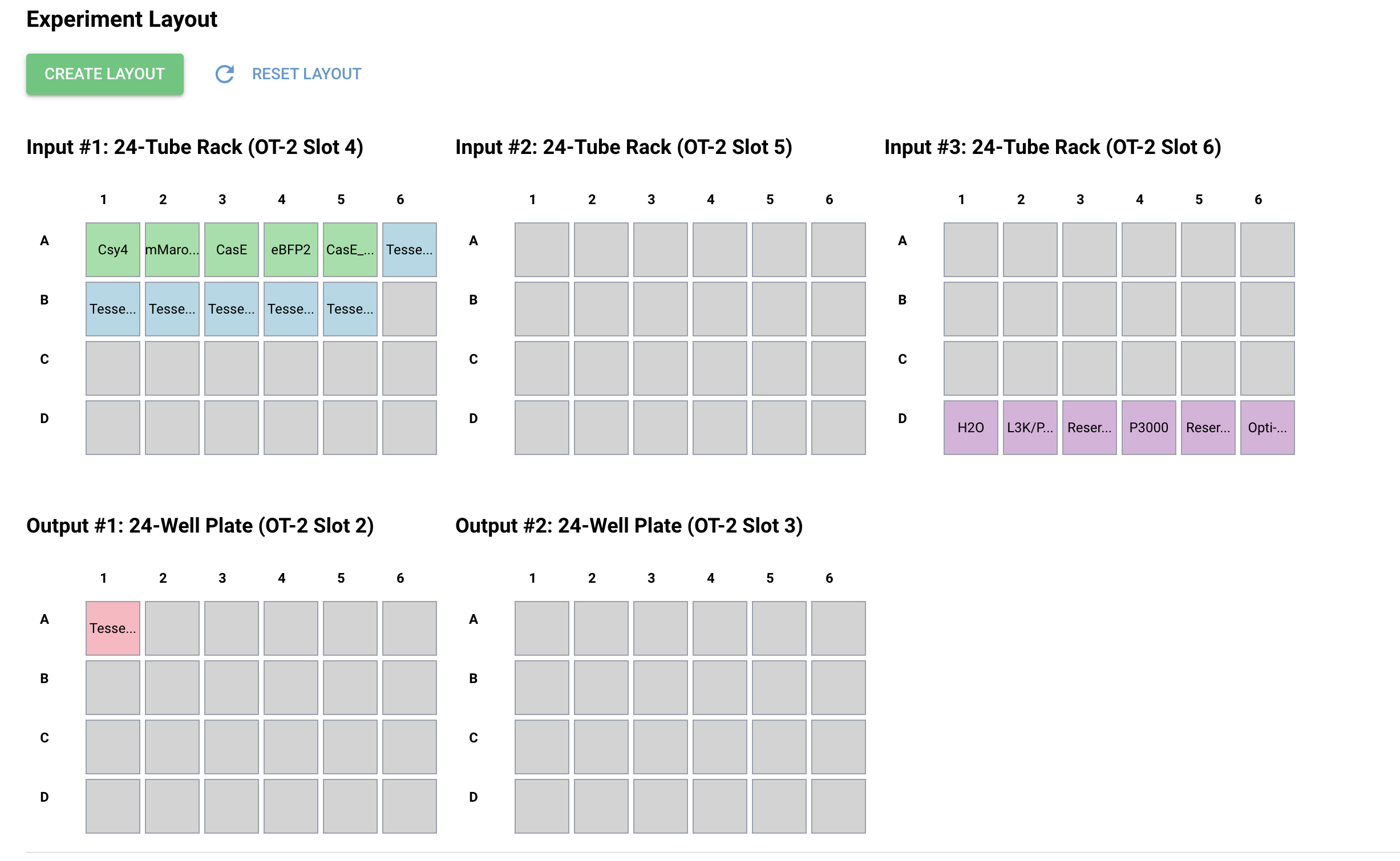
Neuromorphic Wizard test that shows both parts are rising and one slight weighted less and also see what could be ‘drift’
Other IANNS experiments including the Kaiclock using the RpAa promoter
Week 09 Lab: Cell Free
LAB QUESTIONS CELL FREE
I answered these in relation to lab document and FP where relevent.
Explain the main advantages of cell-free protein synthesis over traditional in vivo methods, specifically in terms of flexibility and control over experimental variables. Name at least two cases where cell free expression is more beneficial than cell production.
Cell-free systems allow direct control over reaction components without needing viable cells, making them ideal for expressing toxic proteins (like AMPs) and for rapidly iterating fusion protein designs like CBM27_RGD_MaSp1. Specifically chosen to bypass the living cells.
Describe the main components of a cell-free expression system and explain the role of each component.
A cell-free system contains a cell extract with ribosomes and translation factors, a DNA template, amino acids, an energy regeneration system, and salts/cofactors, each providing the machinery, instructions, building blocks, fuel, and environment needed for protein synthesis.
Why is energy provision regeneration critical in cell-free systems? Describe a method you could use to ensure continuous ATP supply in your cell-free experiment.
ATP is consumed faster than it is naturally recycled, so PURExpress uses phosphoenolpyruvate (PEP) and pyruvate kinase to continuously regenerate ATP from ADP and keep translation running.
Compare prokaryotic versus eukaryotic cell-free expression systems. Choose a protein to produce in each system and explain why.
E. coli-based PURExpress is used for CBM27_RGD_MaSp1 because it needs no glycosylation, while a mammalian cell-free system (e.g. HeLa extract) would be chosen for a protein like human erythropoietin that requires glycosylation to function.
How would you design a cell-free experiment to optimize the expression of a membrane protein? Discuss the challenges and how you would address them in your setup.
For membrane proteins, the main challenge is hydrophobic aggregation requiring lipid nanodiscs or detergents. Main challenge for MaSp1 however is repeat regions are prone to aggregation and beta-sheet stacking, would need to add chaperones like DnaK to the PURExpress reaction to assist correct folding. This will need to be part of my assay protocol.
Imagine you observe a low yield of your target protein in a cell-free system. Describe three possible reasons for this and suggest a troubleshooting strategy for each.
Poor template quality is fixed by re-purifying DNA and optimising concentration; ATP depletion is addressed by increasing PEP; and protein aggregation is reduced by adding protease inhibitors and chaperones.
References:
HTGAA Spring 2026. Week 9 Lab: Cell-Free Systems. Available at: https://2026a.htgaa.org/2026a/course-pages/weeks/week-09/lab/index.html
[Your final project documentation] CBM27_RGD_MaSp1 fusion protein construct design and PURExpress expression protocol, HTGAA Spring 2026.