Projects
Final projects:
- Draft Project Break Down: Abstract, Aims and Planning Previous Iterations: PAH Biosensor Final Project Documentation
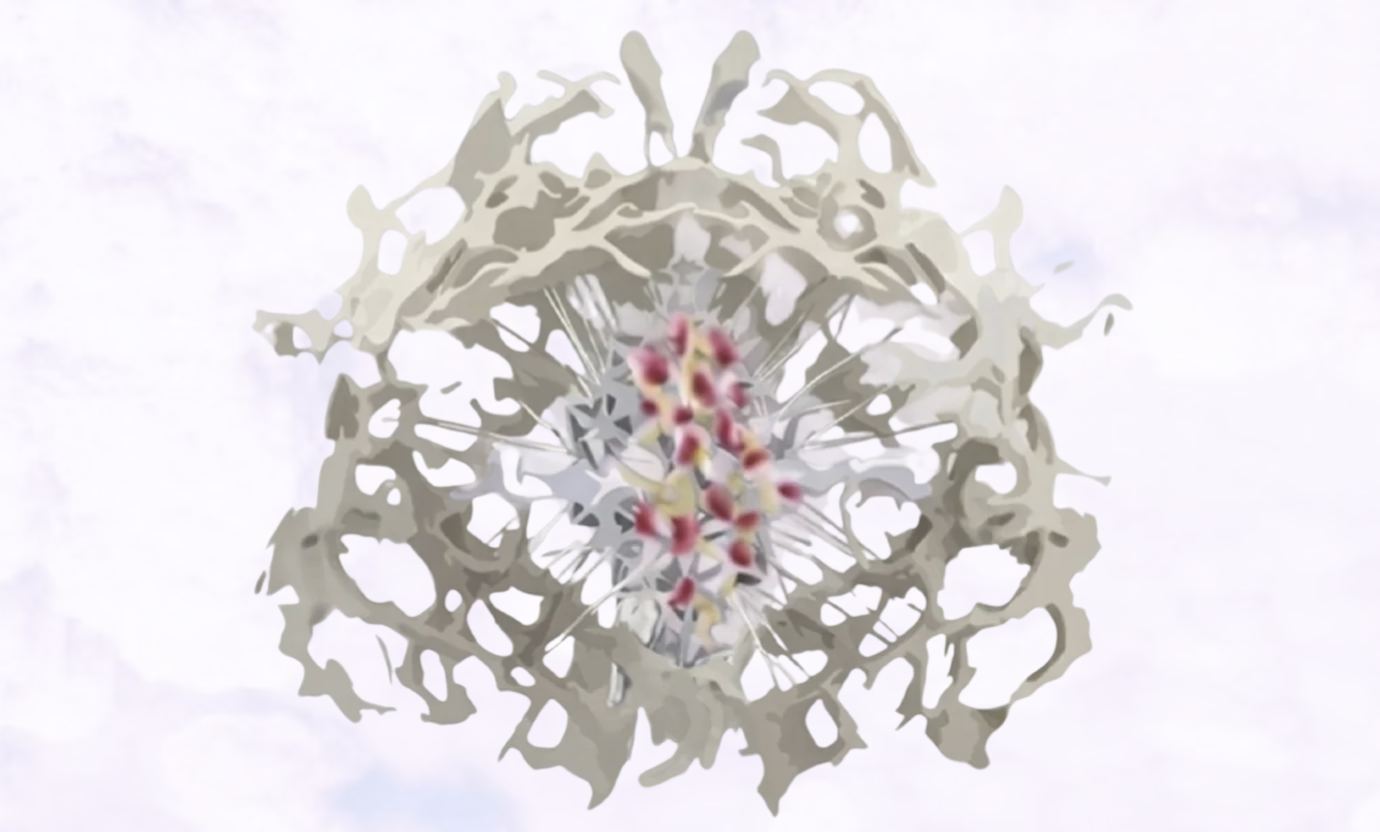
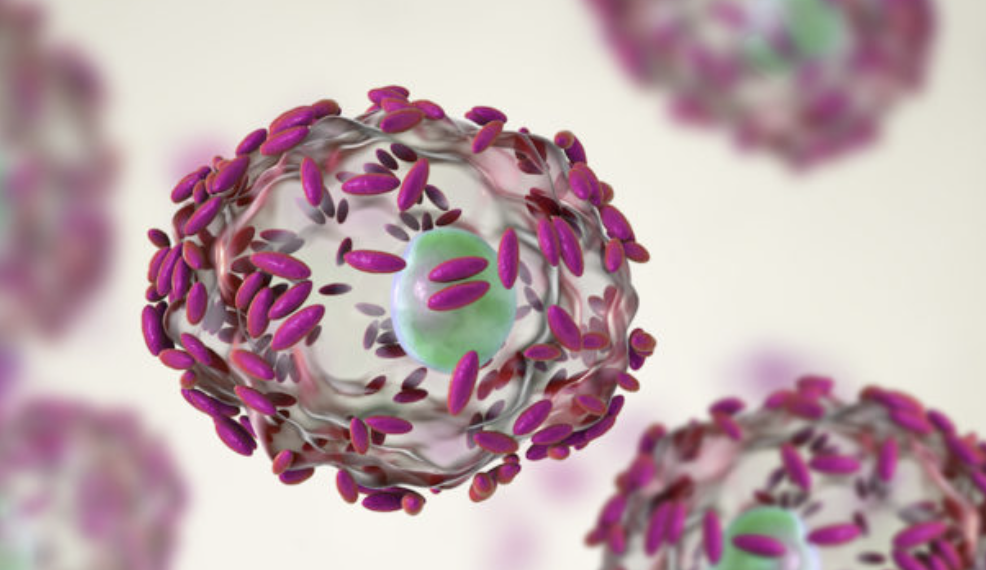

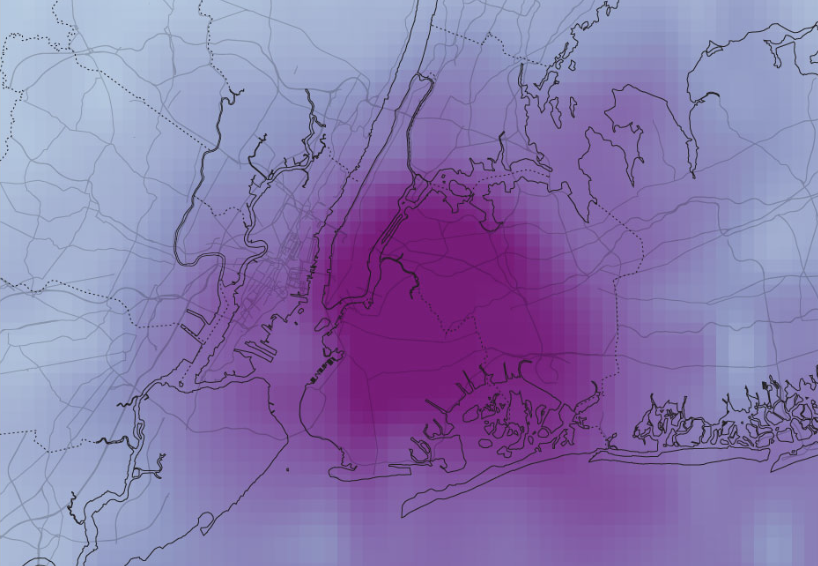
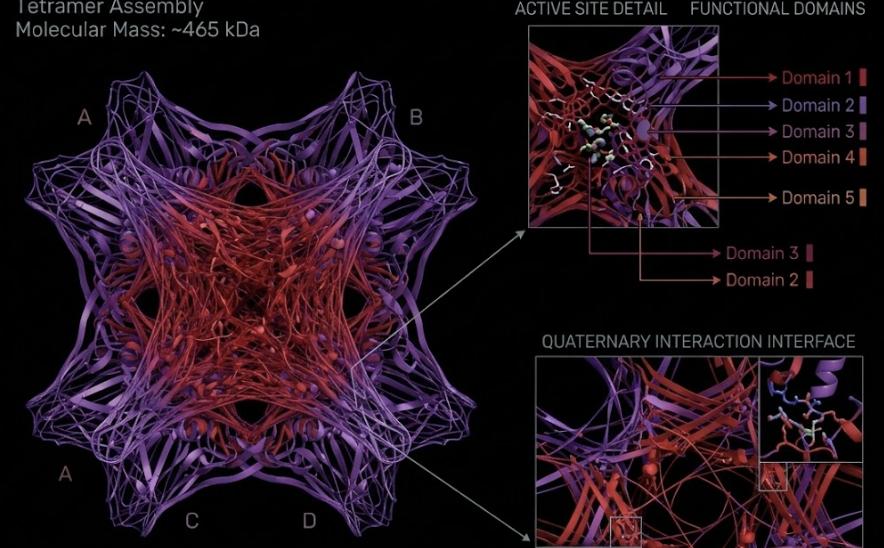
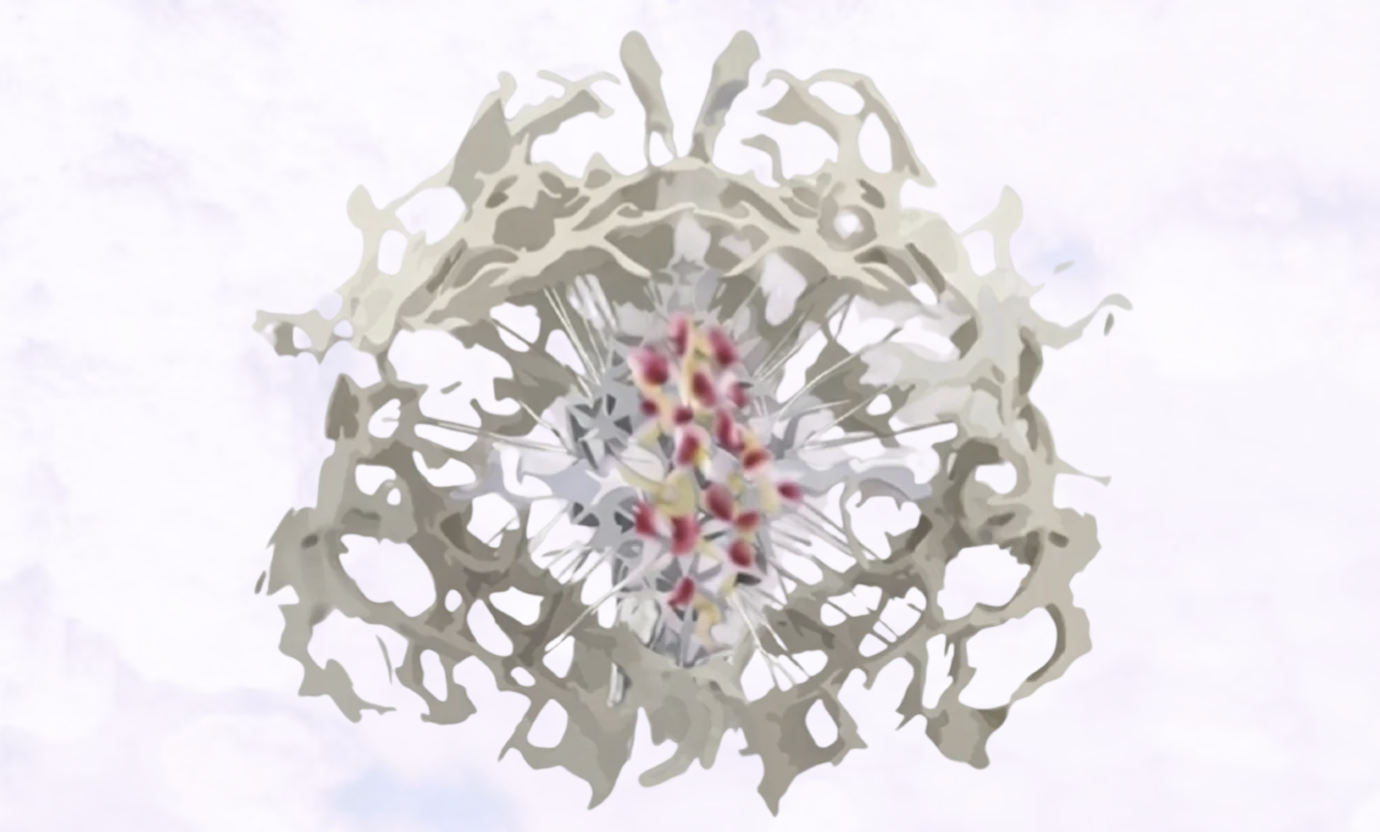

Air pollution is a pervasive oxidative stressor that disproportionately impacts marginalised urban populations, creating a silent crisis of environmental inequality. Current sensing infrastructure often lacks public visibility, leaving the physical toll of poor air quality abstract and unactionable for the communities most affected.
This conceptual project, ALVEOLI envisions a public art installation designed to create awareness and social engagement, addressing the short falls of how environmental data is communicated and experienced.
I aim to develop 3 bio-hybrid sculptures installed in 3 cities globally, translating invisible atmospheric pollutants into a high-contrast visual readout using engineered microbial biosensors.
Aim 1: Optimise and validate an E. coli extract-based cell-free protein synthesis (CFPS) system compatible with σ⁷⁰ bacterial promoters.
Optimise and validate an E. coli extract-based cell-free protein synthesis (CFPS) system using a constitutive σ⁷⁰ promoter–GFP reporter construct to confirm reliable transcription–translation performance and compatibility with downstream biosensor circuitry in a lyophilised CFPS format. Characterise expression kinetics, signal stability and reproducibility across extract batches to establish baseline system performance for zinc-responsive biosensor development.
Aim 2: Design and validate a zinc particulate responsive CFPS biosensor with colorimetric output
Design a zinc particulate-responsive biosensor based on the ZntR/PzntA regulatory system coupled to a colorimetric reporter compatible with E. coli extract-based CFPS.
Construct DNA sequences in Benchling and prepare constructs for synthesis via Twist Bioscience to confirm manufacturability and robustness of the genetic design.
Develop a lyophilisation protocol and test biosensor response under controlled laboratory conditions, characterising detection limits, signal stability, and colorimetric intensity.
Develop and evaluate a particulate capture, ion-release, and sensor activation workflow enabling conversion of PM2.5-associated zinc into detectable Zn²⁺ prior to CFPS activation, with consideration of the aesthetic and practical constraints of integration into a public artwork.
Aim 3: Integrate the zinc biosensor into a deployable sculptural sensing platform and evaluate performance under environmental conditions
Integrate the CFPS zinc biosensor into a 3D-printed sculptural sensing platform incorporating particulate capture, ion release and lyophilised reaction modules.
Evaluate biosensor performance under environmental conditions, including detection limits, response robustness and signal stability relative to environmental air sample processed in lab conditions.
Use experimental data to guide iterative optimisation strategies such as transcriptional signal amplification and the design of specific riboswitches to improve sensitivity to environmentally bioavailable concentrations of zinc particulate matter.
Finalise a comprehensive public installation proposal and prototype for bio-sensing sculptures in different cities, detailing sculpture placement, maintenance and bio-safety protocols and demonstrating the feasibility of integrating scientific bio-sensing with public art to make air pollution inequality visible and socially engaging.
Apply to funding bodies to pursue realisation of a global project.
Evaluate candidate pollutants based on:
Output: justification of final selection
Determine:
Output: selected sensing strategy compatible with CFPS transcription machinery
Establish:
Design validation experiment using a simple reporter construct to confirm:
Output: validate reliable CFPS system
Select based on:
Output: select sensing mechanism
Evaluate based on:
Output: selected reporting cassette
Determine
and draw out circuit logic.
Validate circuit design in silico prior to Twist order:
In Benchling:
Submit sequence to Twist Bioscience
Output: synthesis-ready circuit design
Test under controlled conditions:
Measure:
Evaluate compatibility with freeze-drying workflow.
Output: functional biosensor prototype
Design strategy for converting particulate-associated pollutants into detectable molecular form.
Evaluate:
Output: validated sample preparation workflow
Design integration strategy considering:
Output: deployable sensing sculpture prototype
Test system under real-world conditions:
Measure:
Output: field validation dataset
Use results to refine:
Output: second spiral biosensor design strategy
 Final Project Slide by Isobel Leonard
A biosensor for the simple, colour change based detection of salicylate and naphthalene in the environmental air.
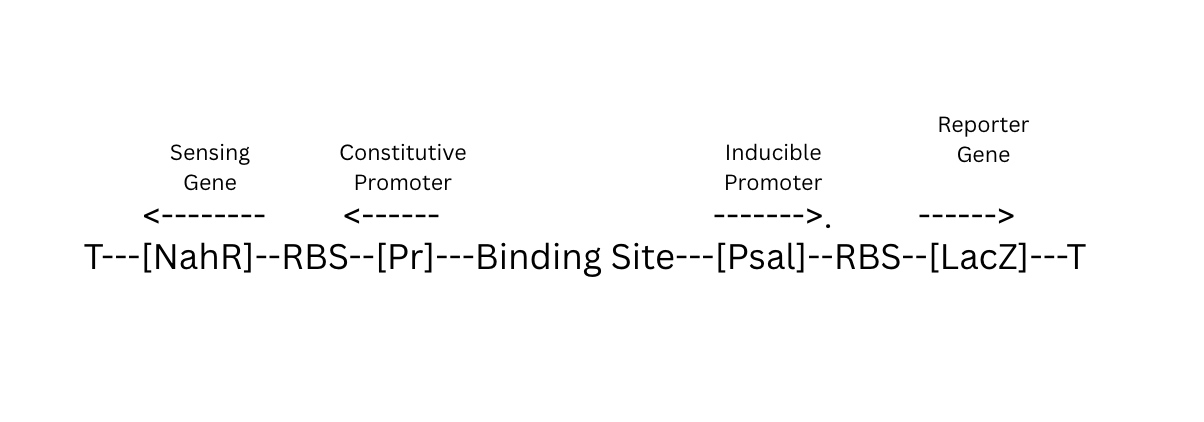
Based on the methodology of Cho et al (2014) and Park et al (2005), using the NahR/Pr/Psal lower operon from Pseudomonas putida’s Napthalene degrading plasmid NH7 and connecting it to the LacZ reporter gene that produces red-ß-D-galactopyranoside, hydrolysed in CPRG to provide a clear visible signal. The operon uses a constitutive promoter Pr and inducible promoter Psal in opposite directions.
I am trying to create a similarly functioning plasmid in Benchling for an in Silico Aim 1 using the digest and ligation assembly tool.
Reference Paper for Methodology on plasmid construction:
Reference paper for Nah/Pr/Psal Operon:
Plasmid diagram from Cho et al 2014:
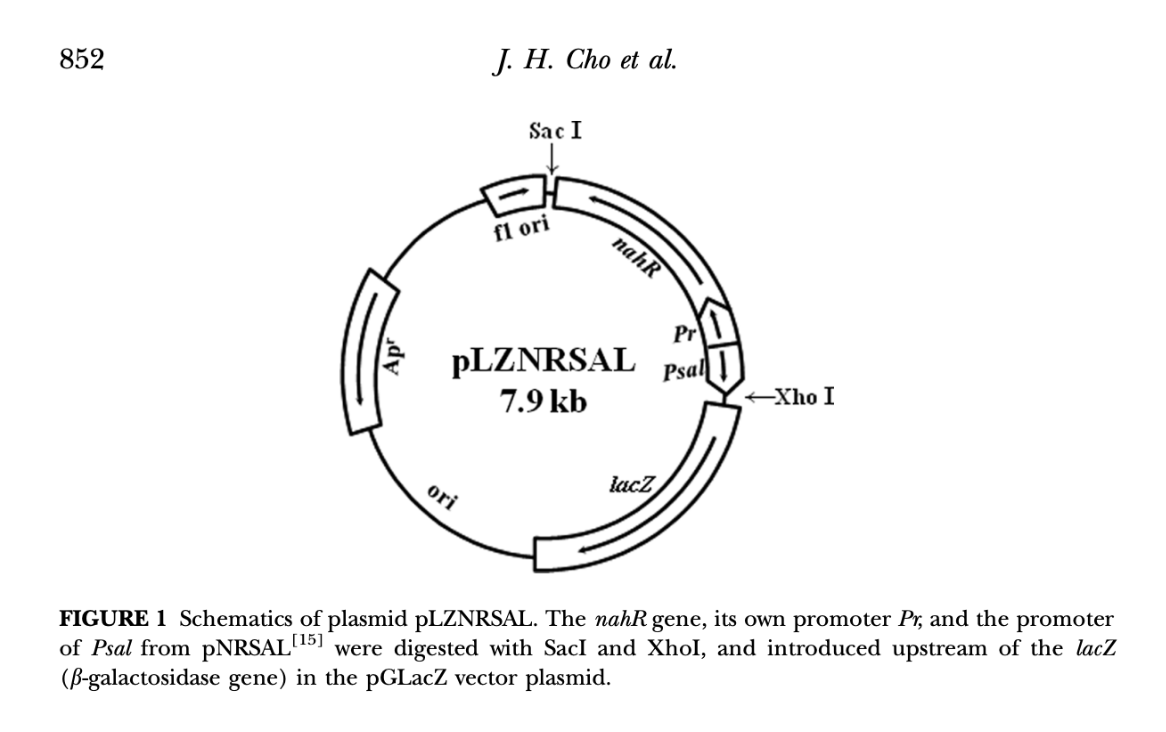
In my attempts to create a similar functioning plasmid in silico I have followed the following workflow and then met some problems!
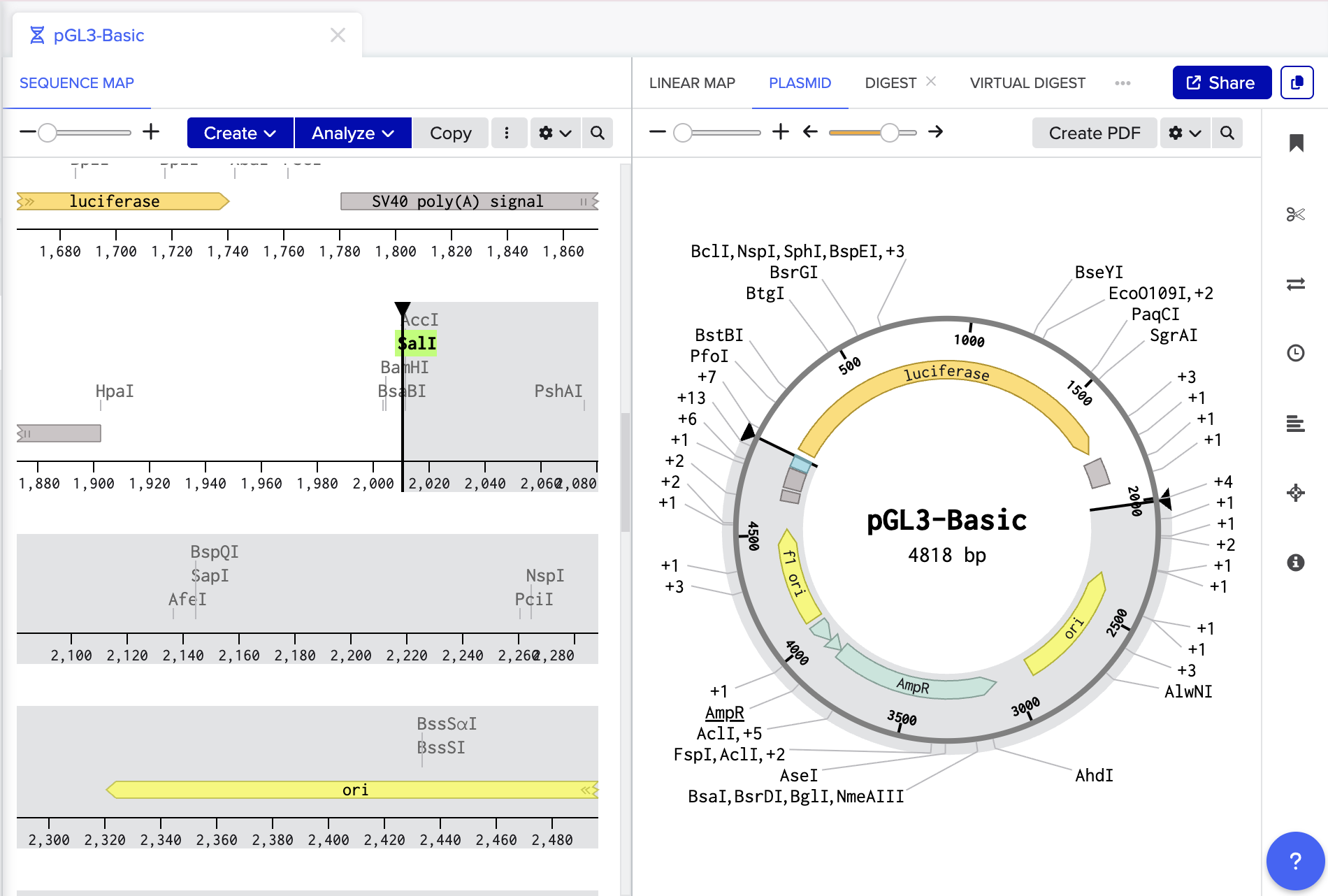
pGL3b basic (2.9kb) digested and linearised with SaII and HindII and Luciferase reporter gene removed.
LacZ fragment from psV-beta-Galactosidase. (3.7 kb)
Cut out with restriction enzymes SaII and HindIII and ligated into pGL3b basic to make plasmid PGLacZ.
Containing nahR/Pr/Psal and I have found variants on the sequence located in these places:
Design and add SacI and Xhol cut sites and ligated into plasmid PGLacZ.
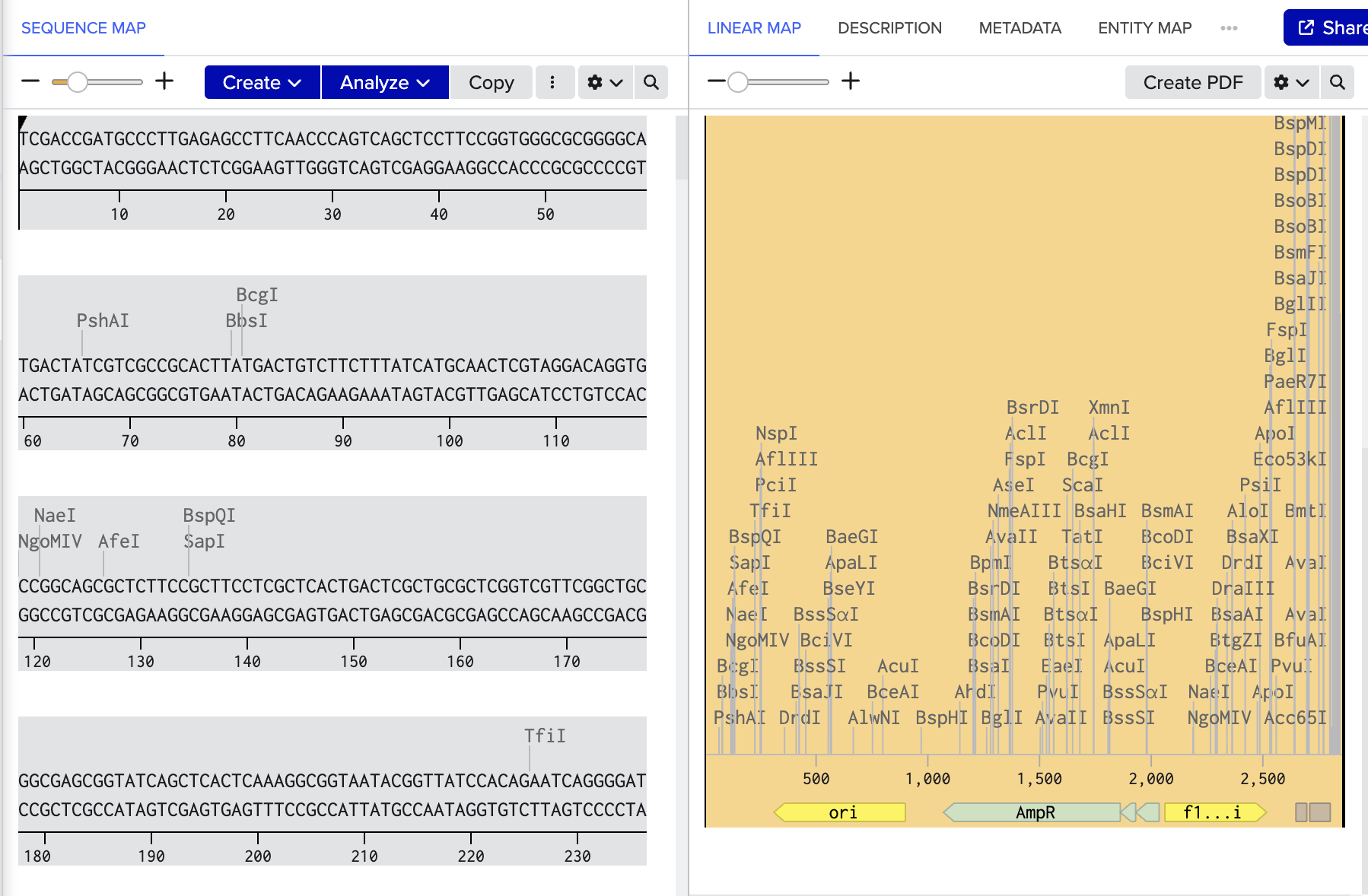
Benchling link: https://benchling.com/s/seq-kf6LTrbodved1t066n13?m=slm-UxQtbtTBRIF5SaInZm2z
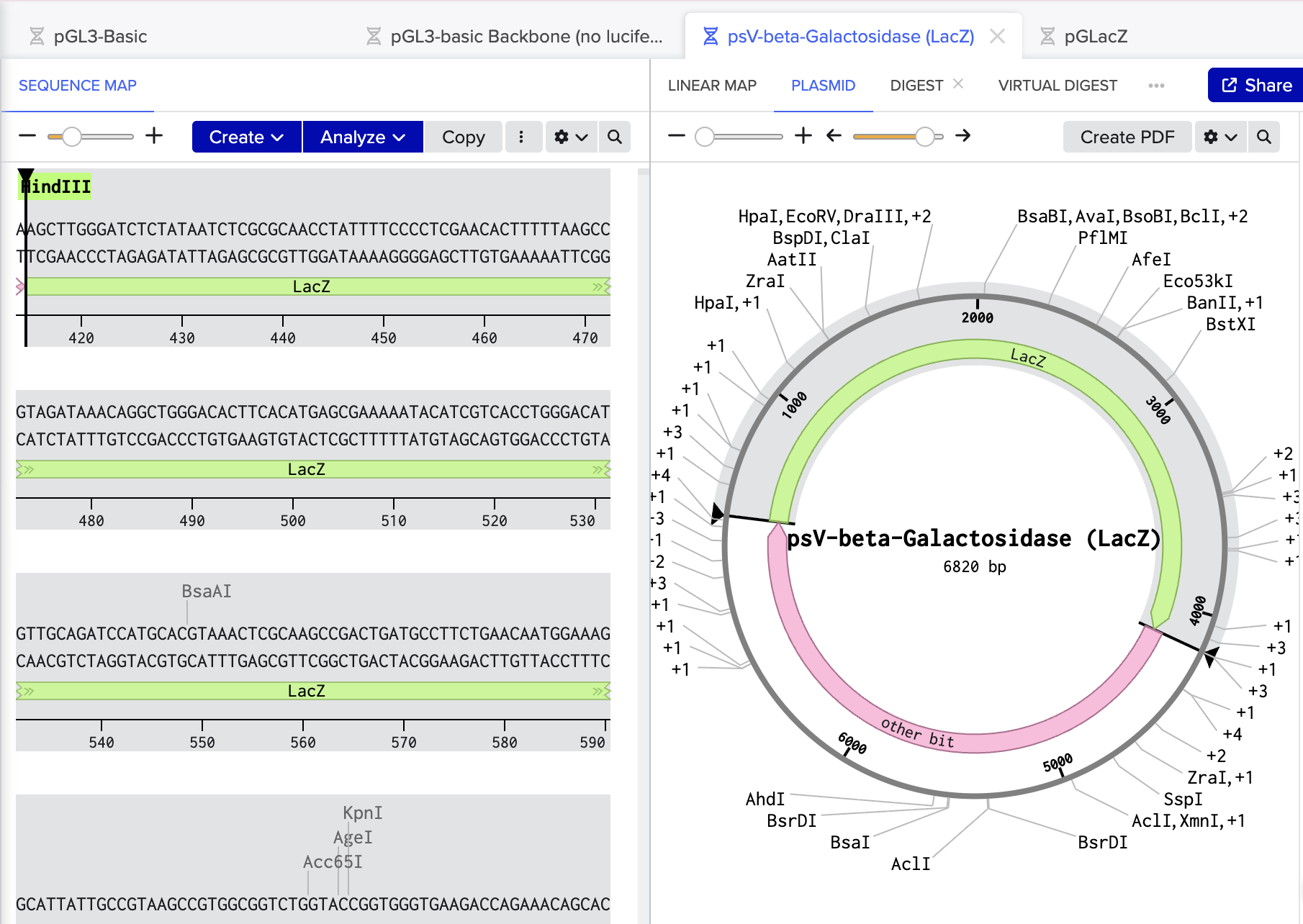
Benchling link: https://benchling.com/s/seq-R5yEkXzifvA87rugfx2z?m=slm-7vqIszJaDNRN5P8LbkGW
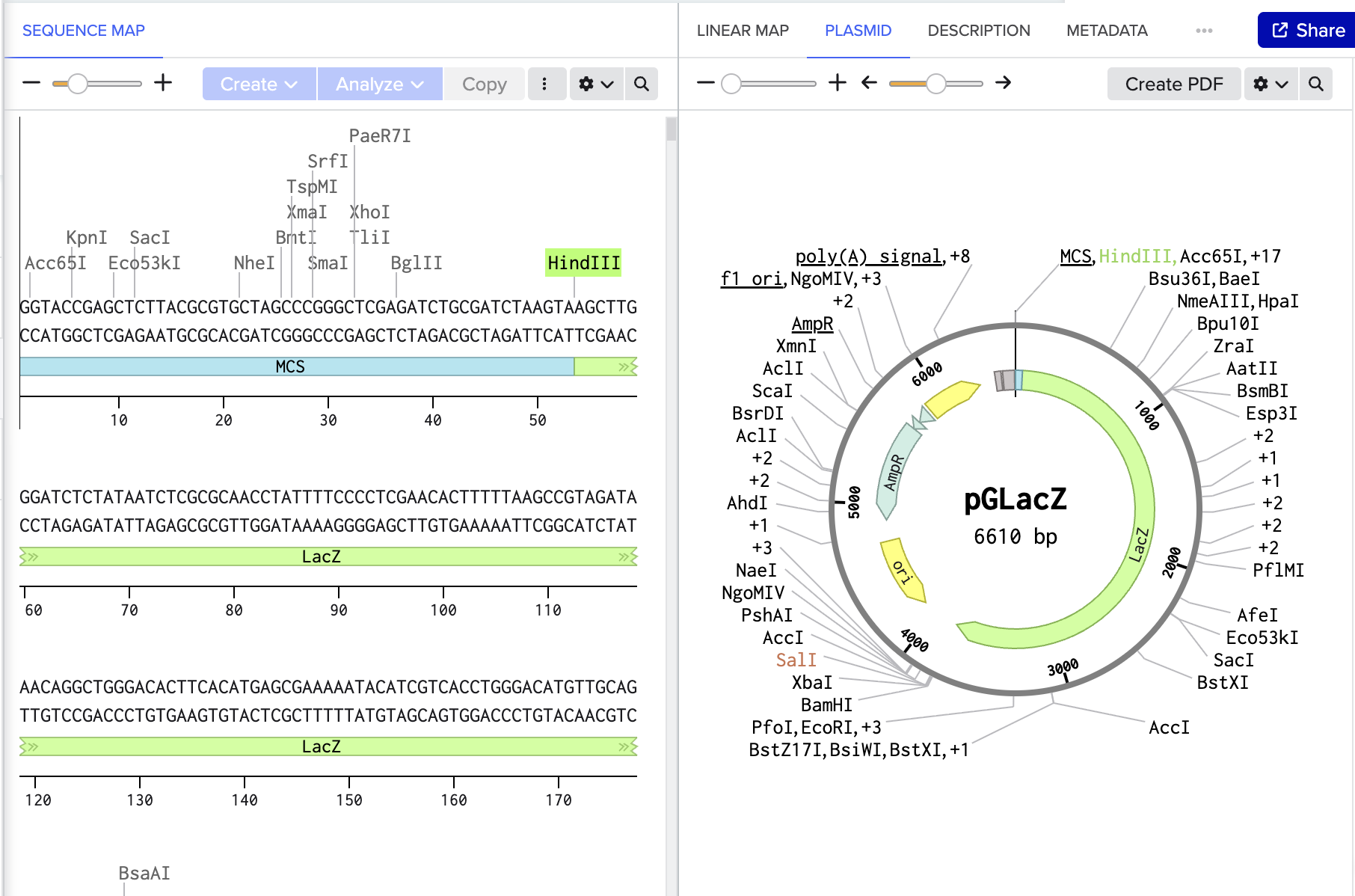
Benchling link: https://benchling.com/s/seq-VPPhB7LPfBWE65dQCNoa?m=slm-IZFORq41ceeD4uLW8Cra
Versions of sequence I have found:
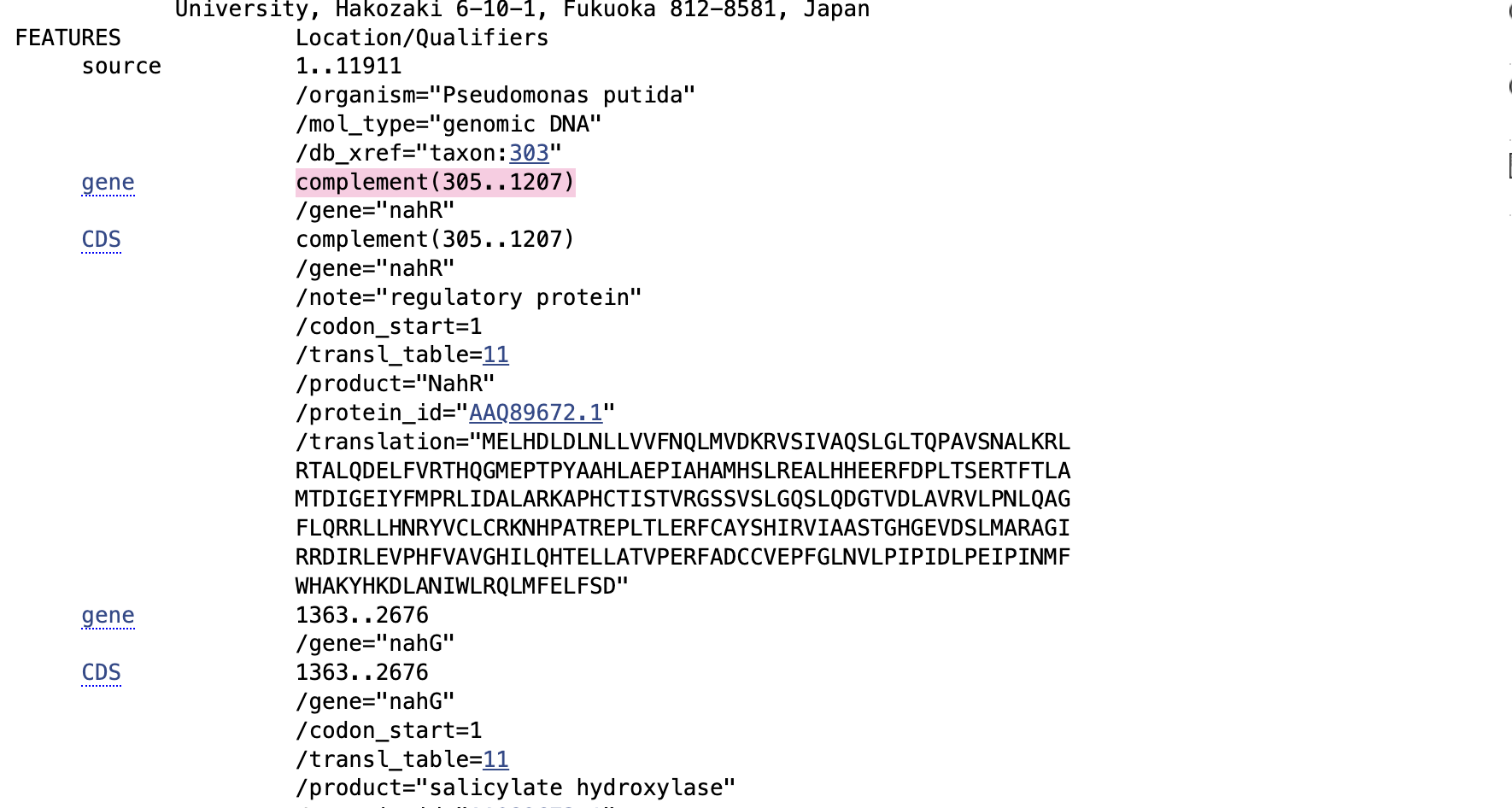
GenBank: AY294313
Here is where I have hit my problems
As there are no annotated and document sequences for each bit of the NahR/Pr/Psal operon e,g NahR gene, Pr Promoter, Psal promoter and the binding sites used, I don’t know which bit of this gene cluster from GenBank AY294313 is the bit I need.
In addition, I don’t know how to check all the bits I need for a functional sensor e.g RBS, Pr promoter, Psal Promoter are all included in the sequence (which they should be) and if they are the right way round and how to annotate them! I’ve been doing my head in a little trying to work it out!
In the Genbank info it says Gene NahR is 305-1207 and the next gene nahG starts at 1363. Meaning the promoters and binding sites must be between 1207 and 1363 but I am unsure how to identify?
I have tried my best to identify parts of the sequence in this benchling file by cross referencing between different versions of the Nah/Pr/Psal sequence across GenBank and iGEM but I don’t think I’m doing well and if this is a good approach:
These two iGEM entries give a bit more info but are different from the GenBank sequence and I still don’t know how to tell where everything is??
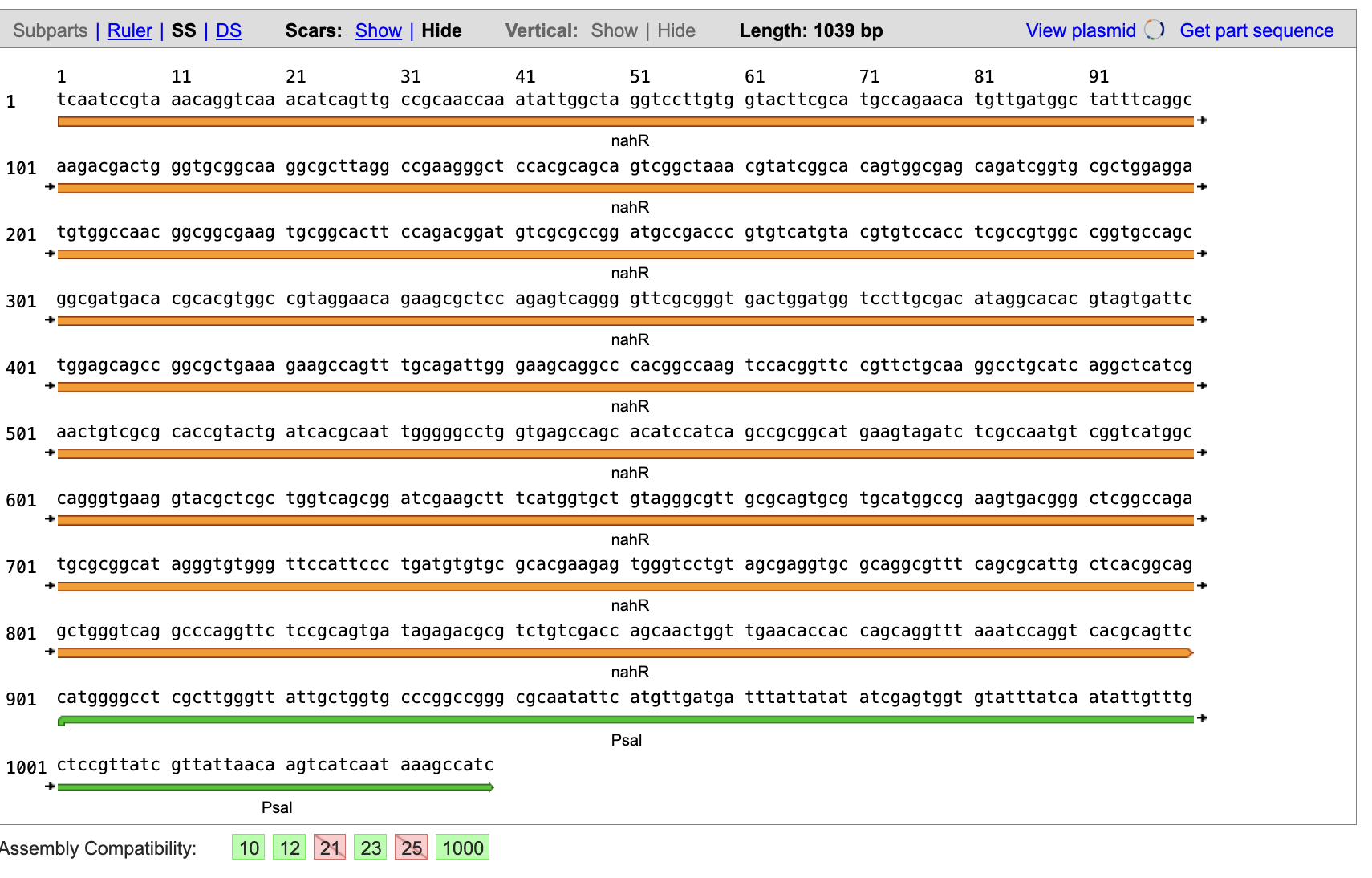
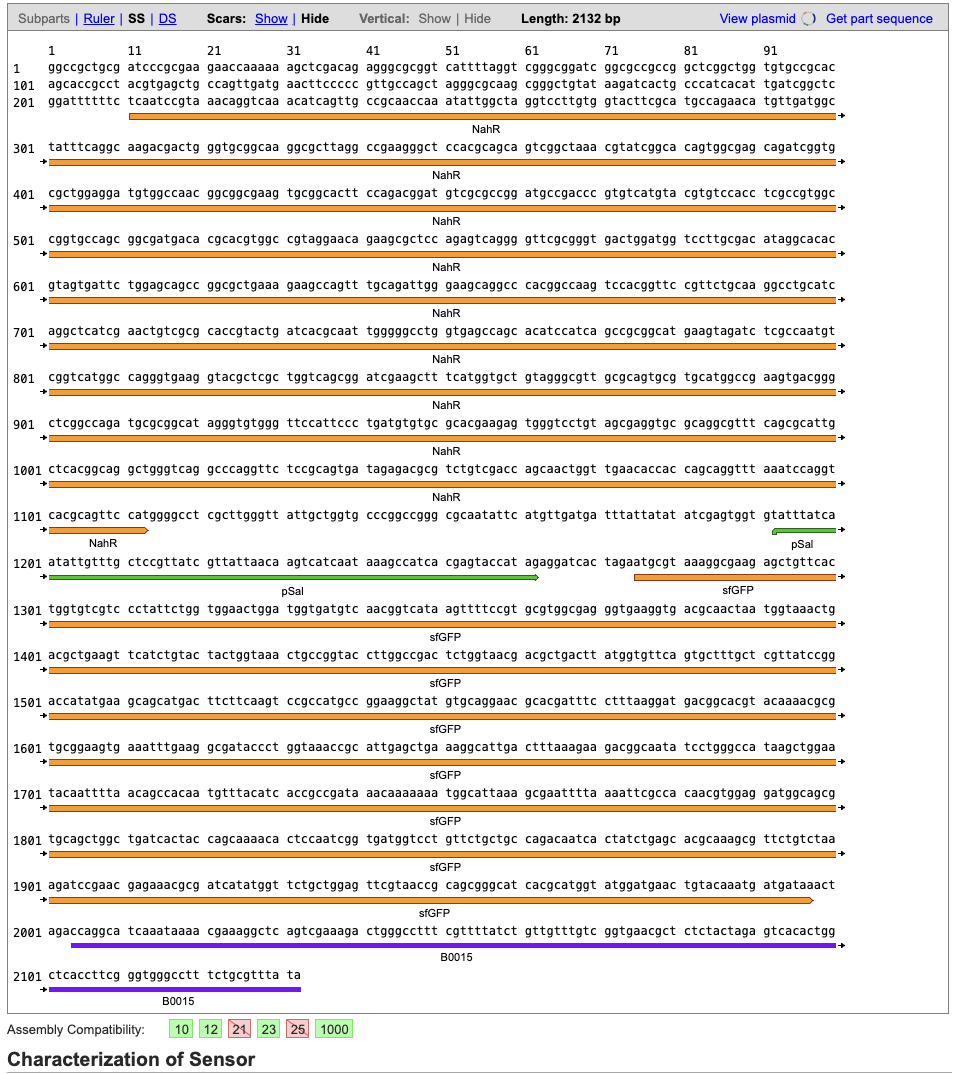
I have the same problem with the LacZ I digested from psV-beta-Galactosidase as although I can see the start and stop codon for the gene, I can’t tell if there is a RBS at the start of the sequence and which one it is?
I don’t know if the problem is that I am taking pieces from different vectors and instead I should try and build the sequence blocks myself with e.g Promoter, RBS, start codon, CDS etc. However, I still have the problem that I am unable to find the sequence for NahR, Pr or Psal promoter within the gene clusters and I wouldn’t know what RBS to use for the LacZ gene.
I have noticed (which is not documented in the paper I am following) that I have 2 SacI cut sites in my new plasmid PGLacZ, because the LacZ I have taken and ligated in has another SacI cut site in it. Meaning that if I were to digest at Xhol and SacI to insert the NahR/Pr/Psal region as described I would get another cut in LacZ.
However, I reason that I can just digest and ligate the pieces in a different order. First digest at Xhol and SacI while the LacZ is not in the backbone. Then digest at HindIII and SalI to remove luciferase and ligate in LacZ.
Is this okay to do??? Or is it better to use Gibson Assembly?? If so how do I design the overlaps for NahR/Pr/Psal so it goes specifically where it needs to go upstream of LacZ.
I am looking into the possibility of innovating with the biosensor by creating a protocol to use the plasmids in a cell free system to create a safer and more stable bio-sensing public sculptures.
I am interested in merging the research I have already done with the research we learnt about in Cell free systems week from these two papers:
Where the possibility of cell free biosensors being 3D printed ina biopolymer matrix for architectural structures is discussed.
Where a cell free system with LacZ and CPRG was successfully designed as a wearable colourmetric bio-sensor.
However, I am a bit stumped on how to create a plasmid design for a cell free system and if the promoters I am using for the NahR operon are compatible with a cell free system as they are from Pseudomonas putida not Ecoli (would it work with Ecoli RNA polymerase or is there such thing as using Pseudomonas putida RNA polymerase in CFPS?). Is this a possible next step or is my goal not compatible?? Is there a way to optimise what I am doing so it would work??
Thank you if you read this far!! :)
˖᯽ ݁˖˖᯽ ݁˖˖᯽ ݁˖˖᯽ ݁˖˖᯽ ݁˖˖᯽ ݁˖˖᯽ ݁˖˖᯽ ݁˖˖᯽ ݁˖˖᯽ ݁˖˖᯽ ݁˖˖᯽ ݁˖˖᯽ ݁˖˖᯽ ݁˖˖᯽ ݁˖˖᯽ ݁˖˖᯽ ݁˖˖᯽ ݁˖˖᯽ ݁˖˖᯽ ݁˖˖᯽ ݁˖˖᯽ ݁˖˖᯽ ݁˖˖᯽ ݁
˖᯽ ݁˖˖᯽ ݁˖˖᯽ ݁˖˖᯽ ݁˖˖᯽ ݁˖˖᯽ ݁˖˖᯽ ݁˖˖᯽ ݁˖˖᯽ ݁˖˖᯽ ݁˖˖᯽ ݁˖˖᯽ ݁˖˖᯽ ݁˖˖᯽ ݁˖˖᯽ ݁˖˖᯽ ݁˖˖᯽ ݁˖˖᯽ ݁˖˖᯽ ݁˖˖᯽ ݁˖˖᯽ ݁˖˖᯽ ݁˖˖᯽ ݁˖˖᯽ ݁
Air pollution is one of the greatest environmental risks to health and a defining issue of environmental inequality. Ambient air pollution was estimated to have caused 4.2 million premature deaths worldwide in 2019, with 89% of these deaths occurring in low- and middle-income countries, particularly within the WHO South-East Asia and Western Pacific regions (WHO, 2024). These statistics demonstrate the unequal distribution of exposure to air pollution and its associated health burdens, characterising a crisis of environmental injustice that requires greater attention (Sager, 2005). Despite this, air-quality monitoring data is often absent, inaccessible or lacking public visibility and is rarely used to promote environmental awareness or social engagement (IQAir, 2026).
To address this gap, ALVEOLI proposes a series of public bio-sensing sculptures installed in cities globally, translating invisible atmospheric pollutants into colorimetric visual outputs using freeze-dried cell-free biosensors embedded within sculptural forms (Nguyen et al., 2021). The project aims to develop a bio-sensing system capable of responding to environmental concentrations of air pollutants while functioning within public artworks to encourage critical engagement with air pollution inequality (Ho et al., 2023).
Within the scope of this course, I designed a cell-free biosensor targeting airborne zinc particulate matter, one of the most abundant anthropogenic trace metals present in fine particulate matter (PM2.5) and a known contributor to respiratory and cardiovascular toxicity (Cooper et al., 2008; Hirshon et al, 2008). The biosensor utilises zinc-responsive regulatory machinery native to Escherichia coli and is expressed in a custom lysate derived from a knockout strain of BL21 (DE3). The genetic construct was designed in Benchling and synthesised through Twist Bioscience as the central focus of Aim 1.
To achieve environmentally relevant detection thresholds, a three-stage optimisation strategy was developed to reduce the biosensor’s limit of detection in line with ambient urban zinc concentrations. Informed by the development of ultra-sensitive whole-cell biosensors for toxic metals by Wan et al. (2019), this strategy outlines three protocols to optimise the zinc particulate cell-free biosensor: receptor concentration tuning (Aim 1b), signal amplification (1c) and plasmid stoichiometry optimisation (1d).
Finally for Aim 1e), I have designed a sculpturally integrated, particulate concentration system intended to concentrate dispersed airborne zinc particulates from ambient urban environments to levels detectable by the optimised biosensor, providing a complete biological–hardware pathway toward the development of a functional prototype and a first step toward making air pollution inequality visible and publicly engaging.

˖᯽ ݁˖˖᯽ ݁˖˖᯽ ݁˖˖᯽ ݁˖˖᯽ ݁˖˖᯽ ݁˖˖᯽ ݁˖˖᯽ ݁˖˖᯽ ݁˖˖᯽ ݁˖˖᯽ ݁˖˖᯽ ݁˖˖᯽ ݁˖˖᯽ ݁˖˖᯽ ݁˖˖᯽ ݁˖˖᯽ ݁˖˖᯽ ݁˖˖᯽ ݁˖˖᯽ ݁˖˖᯽ ݁˖˖᯽ ݁˖˖᯽ ݁˖˖᯽ ݁
The first aim of this project is to design and validate a cell-free biosensor for zinc particulate matter and optimise the construct towards a limit of detection sufficient for ambient urban zinc concentrations. This works alongside the development of a sculpturally integrated particulate concentration system. Aim 1 is subdivided into sections 1a–1e below.

Design regulator and reporter constructs for a Zn²⁺-responsive colorimetric biosensor using zinc regulatory machinery derived from Escherichia coli in Benchling.
Upload the sequence as a clonal gene construct through Twist Bioscience and verify assembly within a pTwist Chlor High Copy vector. Process this as a mock invoice workflow to assess future feasibility of biosensor synthesis and annotate the final construct.
Develop a protocol for the preparation of a complementary cell-free lysate and reaction mastermix.
Establish a validation protocol to confirm Zn²⁺ responsiveness within a custom CFPS lysate and perform a dose–response study to characterise the baseline limit of detection, establishing a benchmark for all downstream optimisation stages.
Design and establish protocols for receptor-density optimisation informed by Wan et al. (2019):
Design and prepare six constitutive T7 promoter variants (two weak, two medium, and two strong, including consensus promoters) driving ZntR expression. Verify all sequences in Benchling and through Twist Bioscience.
Develop a protocol for an automated OT-2 dose–response study to identify the promoter variant that produces the optimal receptor-to-ligand expression balance and maximises biosensor sensitivity.
Further optimise biosensor sensitivity through incorporation of a transcriptional amplification module:
Re-architect the optimal Aim 1b construct into a three-plasmid signal amplification cassette incorporating HrpR/HrpS bacterial enhancer-binding proteins.
Verify all revised constructs in Benchling and through Twist Bioscience to identify potential synthesis or sequence complexity issues.
Design an additional plasmid enabling co-expression of σ⁵⁴ to support amplifier-module transcription and establish a protocol to quantify any resulting shift in biosensor limit of detection.
This stage represents the final genetic optimisation step prior to hardware integration.
This parallel hardware-focused aim addresses the practical requirements of environmental biosensing, including particulate capture, ion release and biosensor activation.
Design a particulate concentration system capable of capturing sufficient PM2.5-associated zinc from dispersed urban air to bring environmentally relevant concentrations within the optimised biosensor’s detection range.
Develop an acidified ion-release and neutralisation strategy capable of converting captured zinc particulate matter into detectable Zn²⁺ ions.
Propose a hardware system capable of reliably transporting liquid samples to biosensor modules in situ and activating a rehydrated biosensor response.
Produce a fully annotated system visualisation integrating biological and hardware components.
The developmental aims focus on prototyping and validating the integrated biological–hardware system under controlled conditions, including:
Prototyping and testing the hardware system, integrating electronics and peristaltic pumps for controlled particulate capture and sample transport.
Re-integrating the LacZ colorimetric reporter in place of the decoupled sfGFP optimisation system developed during Aim 1 and re-validating biosensor function and sensitivity.
Establishing a reproducible lyophilisation protocol and validating biosensor activity following rehydration.
Designing hydrophilic paper-based wicking channels to connect freeze-dried biosensor modules.
Fully validating the integrated system under controlled laboratory conditions and establishing a dose–response protocol to characterise the limit of detection of the complete system.
Stress-testing the fully integrated platform under simulated environmental conditions, including temperature instability, external moisture exposure and the presence of competing analytes.
The visionary aim of ALVEOLI is to deploy bio-sensing sculptures within real environmental conditions to evaluate system robustness and responsiveness to ambient zinc particulate concentrations.
Comparisons between installations in different locations will additionally assess the system’s ability to communicate geographically variable air-pollution inequalities through visible analogue differences in biosensor output, creating an accessible form of environmental cartography and public engagement.
Test the integrated system in urban environments alongside a standard air-sampling control system to evaluate biosensor reliability and responsiveness.
Evaluate system performance in contrasting climatic conditions to assess the deployability of the platform across different countries and environmental contexts, while examining how environmental variation is reflected through differences in biosensor output.
Finalise a working prototype of ALVEOLI alongside a complete installation proposal including biosafety considerations, installation and maintenance protocols, audience interaction and site-specific deployment planning.
Identify and pursue future funding opportunities for the realisation of ALVEOLI installations in cities globally.
˖᯽ ݁˖˖᯽ ݁˖˖᯽ ݁˖˖᯽ ݁˖˖᯽ ݁˖˖᯽ ݁˖˖᯽ ݁˖˖᯽ ݁˖˖᯽ ݁˖˖᯽ ݁˖˖᯽ ݁˖˖᯽ ݁˖˖᯽ ݁˖˖᯽ ݁˖˖᯽ ݁˖˖᯽ ݁˖˖᯽ ݁˖˖᯽ ݁˖˖᯽ ݁˖˖᯽ ݁˖˖᯽ ݁˖˖᯽ ݁˖˖᯽ ݁˖˖᯽ ݁
Air pollution is one of the leading causes of adverse health impacts worldwide, as evidenced by research from the World Health Organization, the European Environment Agency, and the Global Burden of Disease Study (World Health Organization [WHO], 2024; European Environment Agency [EEA], 2025; Cohen et al., 2017). The unequal distribution of air pollution exposure and its associated health impacts between countries is well documented, with evidence suggesting that both the magnitude of inequality and its trajectory are increasing. For instance, the WHO estimated that ambient air pollution caused 4.2 million premature deaths worldwide in 2019, with 89% of these occurring in low- and middle-income countries, particularly in the WHO South-East Asia and Western Pacific regions (WHO, 2024). Moreover, a 2025 study by Sager used economic inequality indices to quantify global inequality in exposure to fine particulate matter (PM2.5), finding that the global PM2.5 Gini coefficient rose from 0.30 in 2000 to 0.35 in 2020, exceeding levels of income inequality in many countries (Sager, 2025).

Despite these well-characterised inequities, air quality data is largely absent, lacking public visibility or access, particularly for communities most effected. This lack of accessibility limits efforts to raise awareness of environmental injustice and to mobilise action (Brooker, 2020; IQAir, 2026; OpenAQ, 2020). Within this context, efforts to expand open air-quality data and develop accessible bio-monitoring systems require greater attention, and it is within this gap that the role of public art and installation becomes significant.
Examples of work that situate this project within contemporary art practice include Michael Pinsky’s immersive installation Pollution Pods, which features five geodesic domes simulating air pollution conditions in cities such as London, New Delhi, São Paulo, and Beijing, aiming to highlight the unequal lived experience of air pollution and its relationship to the climate crisis.

Similarly, The Air of the Anthropocene, a collaborative project between digital artist Robin Price and environmental scientist Professor Francis Pope, uses experimental photography to visualise concentrations of hazardous fine particulate matter (PM2.5) in different cities, making visible the otherwise invisible threat of air pollution.

Finally, Human Sensor, by artist Kasia Molga in collaboration with Invisible Dust, incorporates wearable technology into clothing that responds dynamically to the wearer’s breathing and air pollution data, translating environmental conditions into a live performance context.

Within this context, ALVEOLI sits among a growing body of public artworks at the intersection of biology, data visualisation and art. It uses the public-facing, empathetic and poetic qualities of installation to foreground global disparities in air pollution and to render environmental injustice more visible and materially experienced.

This conceptual and environmental context intersected with what most captured my fascination during the How to Grow Almost Anything course. Originally, I had been interested in bio-hybrid materials that incorporate living engineered cells into non-living substrates, such as the Hybrid Living Materials work by Smith et al. (2019). However, during Week 9 I was introduced to cell-free systems and became particularly drawn to the deployability, adaptability, and increased biosafety of freeze-dried biosensors.

The paper Wearable materials with embedded synthetic biology sensors for biomolecule detection by Nguyen et al. (2019) demonstrates how freeze-dried cell-free synthetic biology systems can be integrated into flexible, wearable and environmentally responsive materials without requiring living engineered cells.

Similarly, the paper Multiscale design of cell-free biologically active architectural structures by Ho et al. (2023) outlines a multiscale approach to integrating CFPS bio-sites into architectural materials and structures. This strongly aligns with my interest in deployable, bio-active sculptures that can sense and interact with their surroundings. Their exploration of scalability, digital fabrication and environmental interaction directly informs my own thinking around how bio-sensing could become embedded within public artworks to make bio-monitoring more accessible, visible, and engaging.
From this research, it became clear that accessible and easily interpretable bio-sensing would become the central focus of my project, emerging from the growing potential of freeze dried, cell-free biosensors.

After reviewing the literature, I selected zinc-containing particulate matter as the target analyte. Zinc is one of the most abundant anthropogenic heavy metals in fine particulate matter (PM₂.₅), originating from industrial combustion, coal and tire burning and non-exhaust traffic emissions (Agency for Toxic Substances and Disease Registry [ATSDR], 2005). Exposure to zinc particulates has been associated with inflammatory responses and oxidative stress, as well as increased hospital admissions related to respiratory and cardiovascular toxicity (Hirshon, 2008).
To develop a zinc biosensor, I next investigated zinc-responsive transcriptional regulators.

The study ZntR is a Zn(II)-responsive MerR-like transcriptional regulator of zntA in Escherichia coli by Brocklehurst et al. (1999) describes ZntR as a Zn²⁺-responsive MerR-family transcriptional regulator controlling expression of the zinc efflux gene zntA in E. coli. ZntR functions in conjunction with the inducible promoter PzntA, whose activity is primarily activated in the presence of Zn²⁺ (Brocklehurst et al., 1999).

For signal output, I selected the CPRG-cleaving LacZ reporter due to its sensitivity, analog readout and prior validation in freeze-dried cell-free systems (Nguyen et al., 2019).
Further, I identified Point-of-care biomarker quantification enabled by sample-specific calibration (McNerney et al., 2019), which demonstrated that both the transcriptional regulator and inducible promoter can function in freeze-dried cell-free TX-TL systems to quantify Zn²⁺ concentrations in human serum. This work established a portable point-of-care sensing platform with a reported detection range of approximately 0–8 µM; however, it did not explicitly report limits of detection or sensitivity in the low micromolar to nanomolar range (McNerney et al., 2019). This leaves unanswered whether the system is sufficiently sensitive for ambient atmospheric zinc concentrations, motivating further design considerations and optimisation of the genetic circuit design.
Subsequently, Cascaded amplifying circuits enable ultra-sensitive cellular sensors for toxic metals demonstrated ultra-sensitive whole-cell biosensors using other MerR-family regulators such as ArsR and MerR. These systems achieved limits of detection in the low-nanomolar range for arsenic and mercury, representing improvements of two to three orders of magnitude. The study introduced optimisation strategies including receptor tuning and incorporation of signal amplification modules to enhance sensitivity. These approaches provide a framework for improving the sensitivity of a ZntR-based biosensor to align with environmentally relevant zinc concentrations and directly inform the DNA circuit design in this project.
Together, this body of research defines the approach for designing and optimising a cell-free biosensor for zinc particulate matter at environmentally relevant concentrations, supporting the deployable public-art context of ALVEOLI.
˖᯽ ݁˖˖᯽ ݁˖˖᯽ ݁˖˖᯽ ݁˖˖᯽ ݁˖˖᯽ ݁˖˖᯽ ݁˖˖᯽ ݁˖˖᯽ ݁˖˖᯽ ݁˖˖᯽ ݁˖˖᯽ ݁˖˖᯽ ݁˖˖᯽ ݁˖˖᯽ ݁˖˖᯽ ݁˖˖᯽ ݁˖˖᯽ ݁˖˖᯽ ݁˖˖᯽ ݁˖˖᯽ ݁˖˖᯽ ݁˖˖᯽ ݁˖˖᯽ ݁
ALVEOLI contributes four distinct novel elements to cell-free biosensing:
ZntR/PzntA biosensor for atmospheric environmental monitoring
First, it is the only proposed system to the author’s knowledge, to adapt a cell free ZntR/PzntA biosensor for airborne zinc particulate monitoring. Existing ZntR-based whole-cell biosensors have been developed for testing aquatic heavy-metal pollution and clinical serum diagnostics, each from controlled liquid-phase samples in laboratory conditions (Babu and Chaudhari, 2012; Watstein and Styczynski, 2017; McNerney et al., 2019). McNerney et al. (2019) extended this to a cell-free colorimetric ZntR diagnostic panel for at-home blood testing, however ALVEOLI focuses on the design and optimisation of a cell free ZntR/PzntA biosensor for the distinct challenge of detecting trace zinc-bearing PM₂.₅ collected from urban air.
Integrated Bio-sensing System
Second, ALVEOLI integrates on-site particulate capture, ion release and activated cell-free sensing into a single deployable apparatus. No prior Zinc sensing system has combined a freeze-dried cell-free zinc biosensor with a physical particulate concentration stage in a portable field-deployable format. This integration enables sampling, concentration, and biosensor activation to occur entirely on-site and in public space without specialist laboratory infrastructure, for the purpose of making the bio-monitoring process visible and accessible.
Sensitivity Optimisation
Third, the project applies sensitivity optimisation strategies: promoter tuning, transcriptional amplification and plasmid ratio optimisation specifically to the ZntR-based biosensor and in a cell-free format for the first time. While similar amplification approaches have lowered arsenic and mercury whole-cell biosensor LODs into the nanomolar range (Wan et al, 2019), they have not previously been adapted to a ZntR system or to a cell-free chassis.
New Application of Cell Free Bio-sensors
Beyond these technical contributions, ALVEOLI extends cell-free bio-sensing into the domain of public engagement and environmental storytelling. The biosensor is embedded within a sculptural artwork whose form and output are designed to make invisible air toxicity accessible and evocative to non-specialist audiences. The combination of cell-free bio-sensing, deployable hardware and creative data visualisation positions ALVEOLI as a wholly novel proposition at the interface of synthetic biology, environmental monitoring and public art.
Impact on Environmental Data Inaccessibility
ALVEOLI directly addresses the critical gap between unequal exposure to air pollution and the limited public visibility/accessibility of environmental monitoring data. Rather than replacing high-cost municipal networks like ICP-MS, the project explores how reference-grade data can be complemented by low-cost bio-sensing and public installations that activate urban spaces as sites of environmental awareness. By situating sensing directly within the community, ALVEOLI’s impact translates environmental health inequalities, which often remain absent, abstract or statistically remote, into accessible, localised and highly visible public knowledge.
Impact on Cross-Disciplinary Technical Practice
The project advances technical practice across synthetic biology, environmental sensing and design by developing an integrated platform that combines particulate capture, cell-free bio-sensing and public-facing hardware within a single deployable artefact. As a proof-of-concept, ALVEOLI investigates whether cell-free biosensors can operate reliably outside conventional laboratory settings when embedded within a public artwork. In doing so, it expands the application potential of cell-free systems, moving them from closed laboratory environments into bio-active public interfaces.
Impact on Environmental Communication Through Public Art
Beyond its technical contributions, ALVEOLI explores new paradigms for communicating environmental data through material experience. By leveraging the evocative qualities and cultural status of public art, complex air quality metrics are rendered legible and compelling to non-specialist audiences. This shift from abstract data to tangible installation creates a powerful framework to stimulate civic dialogue, raise the profile of localised environmental injustice and serve as a catalyst for community-led advocacy.
The deployment of engineered biosensors within the public sphere introduces multi-layered ethical and safety challenges that intersect directly with the core tenets of justice, beneficence, non-maleficence and public responsibility. Driven by the principles of justice and beneficence, the project aims to counter environmental inequality by making invisible air pollution data visible and actionable for marginalised communities. However, executing this public interface safely demands strict adherence to non-maleficence.
Biological Containment
Although utilising a non-replicating, lyophilised cell-free protein synthesis (CFPS) chassis, the reaction lysate inherently contains active genomic and plasmid DNA, RNA polymerases, ribosomes, and metabolic machinery derived from a custom Escherichia coli BL21(DE3) knockout strain. Preventing environmental release and eliminating inadvertent public contact with these biological components is a primary biosafety mandate rooted in non-maleficence. Furthermore, the colorimetric reporter relies on CPRG as a substrate, posing very weak localised chemical exposure risks in the event of containment failure. A critical engineering uncertainty lies in the assumption of absolute structural integrity; unpredictable events such as vandalism or severe weather stress could result in the environmental release of the active lysate and chemical substrates.
Civic Representation
Beyond immediate physical hazards, the principle of public responsibility strictly governs how localised environmental data is visualised and communicated. Framing narratives about host communities without a collaborative methodology introduces ethical risks regarding community consent, data exploitation and semantic misinterpretation. Without careful execution, this can result in extractive research practices that strip affected communities of cultural authorship, inadvertently generating paternalistic or alarmist commentary that violates the ethical mandate of beneficence. This risk is compounded by the technical architecture of the system; because the genetic circuit utilises a highly sensitive analog output, an uncontextualised colorimetric saturation could be easily misinterpreted by non-specialists as an acute public health emergency, triggering public anxiety.
Sequence Screening
To address these ethical and biosafety considerations, all genetic constructs will undergo automated biosecurity screening prior to synthesis through SecureDNA-compliant sequence screening protocols to verify that they do not contain regulated pathogenic sequences, select toxins or recognised dual-use genetic elements. The biological chassis used for lysate production is Escherichia coli BL21(DE3), a widely used laboratory-adapted, non-pathogenic strain derived from the E. coli K-12 lineage and classified for Biosafety Level 1 (BSL-1) work. Under standard laboratory conditions, BL21(DE3) is considered to present minimal risk to human health and the environment when appropriate microbiological practices are followed. All engineered knockout strains will be validated post-construction through colony PCR and DNA sequencing to confirm correct genomic modification and to ensure genetic integrity of the intended design.
Containment
At the hardware level, the deployment apparatus is designed as a sealed dual-containment system intended to isolate all liquid-phase reactions from the external environment while allowing particulate sampling through a filtered air-intake pathway. During active deployment, installations would be supervised by trained personnel to monitor system integrity and prevent vandalism. For longer-term exhibition or archival display active biological components would be chemically inactivated and permanently encapsulated at peak reaction output to prevent unintended exposure or environmental release.
Collaborative Stewardship
To address the ethical principles of justice and social responsibility, ALVEOLI additionally proposes a participatory co-design approach involving local community groups and environmental justice organisations in the contextualisation and presentation of environmental data. Each installation would include interpretive materials developed alongside community stakeholders and environmental groups. Displays would also calibrate the analog colorimetric outputs against standard reference-grade municipal air-quality metrics (e.g. ICP-MS baselines) and information about false positives etc., transforming the sculpture into an objective educational asset for localised self-advocacy.
Finally, fulfilling the ethical mandate of justice requires that the visualisation of structural pollution inequalities is explicitly presented alongside actionable community toolkits, pathways for civic mobilisation and direct avenues for systemic advocacy.
˖᯽ ݁˖˖᯽ ݁˖˖᯽ ݁˖˖᯽ ݁˖˖᯽ ݁˖˖᯽ ݁˖˖᯽ ݁˖˖᯽ ݁˖˖᯽ ݁˖˖᯽ ݁˖˖᯽ ݁˖˖᯽ ݁˖˖᯽ ݁˖˖᯽ ݁˖˖᯽ ݁˖˖᯽ ݁˖˖᯽ ݁˖˖᯽ ݁˖˖᯽ ݁˖˖᯽ ݁˖˖᯽ ݁˖˖᯽ ݁˖˖᯽ ݁˖˖᯽ ݁
In case of loading issues of pdf viewer please see experiment design document here
˖᯽ ݁˖˖᯽ ݁˖˖᯽ ݁˖˖᯽ ݁˖˖᯽ ݁˖˖᯽ ݁˖˖᯽ ݁˖˖᯽ ݁˖˖᯽ ݁˖˖᯽ ݁˖˖᯽ ݁˖˖᯽ ݁˖˖᯽ ݁˖˖᯽ ݁˖˖᯽ ݁˖˖᯽ ݁˖˖᯽ ݁˖˖᯽ ݁˖˖᯽ ݁˖˖᯽ ݁˖˖᯽ ݁˖˖᯽ ݁˖˖᯽ ݁˖˖᯽ ݁
To complete Aim 1, my final goal was to create an initial design proposal for a particulate concentration and delivery system intended to align ambient urban zinc concentrations with the expected detection range of the biosensor.

The system draws inspiration from several intersecting fields:
Wearable and spatially embedded cell-free biosensing systems, such as the freeze-dried biosensor platforms developed by Nguyen et al. (2019) and Ho et al. (2023) (Fig. 1, Fig. 6)
Portable environmental air-sampling technologies including AirPen: A Wearable Monitor for Characterizing Exposures to Particulate Matter and Volatile Organic Compounds by Tryner et al. (2023)(Fig. 2), alongside standard impinger and portable air-pump field sampling systems (Fig. 3)
Automated impinger injection systems described by Schlitt (1997) (Fig. 5)
Distributed electronic and responsive installations in works such as Hylozoic Ground by Philip Beesley (Fig. 7)
Millifluidic and microfluidic living biosensor systems such as Bacterial Shading (2021) by Laura Maria Gonzalez, which integrated photoreceptive E. coli within a fluidic architecture.
The proposed system uses a portable air-sampling pump operating at approximately 2 L/min to draw ambient urban air through a filtered inlet and sterile tubing pathway into a 25 mL liquid impinger. The impinger concentrates airborne particulate matter by bubbling contaminated air through a small liquid volume. As air passes through the liquid, particulate is captured through impaction and diffusion and becomes suspended within the solution, effectively concentrating particulate collected from a large air volume into a comparatively small sample volume for downstream bio-sensing.
The impinger solution contains dilute nitric acid (1–5% v/v), selected to solubilise and ionise zinc-containing particulate into Zn²⁺ ions. The system would remain deployed on-site for approximately 24 hours to accumulate particulate during the sampling phase.

Following collection, the acidic impinger solution would be neutralised through the injection of a buffered solution via a syringe filter and allowed to stabilise for approximately 10 minutes before transfer. An Arduino-controlled peristaltic pump would then transport the sample through sterile Tygon tubing into a custom 3D-printed bio-reaction chamber.
Within the chamber, freeze-dried biosensor modules are embedded within a layered hydrophilic paper wicking network designed to distribute sample liquid evenly across each bio-sensor. Upon hydration, the freeze-dried cell-free systems become active and initiate a bio-sensing response triggered by the presence of Zn²⁺ ions within the collected sample. The biosensor modules are designed as removable and replaceable cartridges, enabling repeated deployment and modular replacement within the reaction chamber.

The proposed workflow is intended to occur entirely on-site as a public-facing environmental sensing installation. Biosensor activation and colourimetric response would be displayed live over an approximately 12-hour period to support public engagement and understanding of the live bio-sensing process. Following activation, the biosensor modules would be chemically inactivated and their colour responses preserved using resin or bio-polymer encapsulation.
The resulting preserved modules, collected from multiple urban locations, would form a distributed material archive or cartography of atmospheric pollution exposure, enabling spatial comparison between cities while provoking public discussion surrounding air quality, environmental sensing, and biological computation.
Various iterations of the sculpture’s design were explored, drawing inspiration from the branching and clustered morphology of pulmonary alveoli, before arriving at the final proposed visualisation:

˖᯽ ݁˖˖᯽ ݁˖˖᯽ ݁˖˖᯽ ݁˖˖᯽ ݁˖˖᯽ ݁˖˖᯽ ݁˖˖᯽ ݁˖˖᯽ ݁˖˖᯽ ݁˖˖᯽ ݁˖˖᯽ ݁˖˖᯽ ݁˖˖᯽ ݁˖˖᯽ ݁˖˖᯽ ݁˖˖᯽ ݁˖˖᯽ ݁˖˖᯽ ݁˖˖᯽ ݁˖˖᯽ ݁˖˖᯽ ݁˖˖᯽ ݁˖˖᯽ ݁
1. Cell-Free Reactions
Cell-free TX–TL techniques were chosen for ALVEOLI because they enable a non-living, biosensing platform that is safe for public-facing deployment, removing risks associated with genetically modified organisms such as replication, survival or environmental release. The system uses a dual knockout BL21(DE3) as the lysate chassis, which retains the native transcriptional and translational machinery required for protein expression, combined with a master mix containing energy sources, amino acids, salts and cofactors to drive reactions in vitro, adapted from Jewett and Swartz (2024)’s long lived and efficient CFPS methodology. This technique also enables freeze-drying and rehydration, allowing the biosensor to be embedded into sculptural structures and withstand the instability of environmental conditions, for on-demand environmental sensing in real-world settings. All DNA design and preparation decisions were made with optimising a cell free reaction in mind.
2. Lab Automation (Opentrons / Liquid Handling Robotics)
Lab automation techniques using an Opentrons OT-2 is incorporated into the downstream experimental protocol of my project to ensure precise and reproducible liquid handling across large-scale 384-well dose-response experiments in Aim 1b. A python script was designed for the Opentron to dispense cell-free reaction mixtures and zinc concentrations across six biosensor variants, each tested over a 13-point zinc gradient with triplicate measurements.
Automation ensured consistent pipetting of master mix, lysate, plasmid-containing source reactions and zinc dilutions, reducing variability and preventing cross-contamination through controlled tip usage. This level of precision was necessary for generating reliable kinetic fluorescence data used to calculate limit of detection across variants. It also enabled execution of high-throughput experimental designs that would not be feasible manually while maintaining the accuracy required for quantitative biosensor optimisation.
˖᯽ ݁˖˖᯽ ݁˖˖᯽ ݁˖˖᯽ ݁˖˖᯽ ݁˖˖᯽ ݁˖˖᯽ ݁˖˖᯽ ݁˖˖᯽ ݁˖˖᯽ ݁˖˖᯽ ݁˖˖᯽ ݁˖˖᯽ ݁˖˖᯽ ݁˖˖᯽ ݁˖˖᯽ ݁˖˖᯽ ݁˖˖᯽ ݁˖˖᯽ ݁˖˖᯽ ݁˖˖᯽ ݁˖˖᯽ ݁˖˖᯽ ݁˖˖᯽ ݁
The aspect of my final project I chose to validate was designing relevant DNA.
Firstly, I designed a two-plasmid regulator–reporter cassette system based on the native E. coli zinc-responsive ZntR/PzntA regulatory network. The regulator plasmid expresses the ZntR transcription factor under a T7 promoter, enabling Zn²⁺-dependent activation of the downstream reporter system. The reporter plasmid places either lacZ or sfGFP downstream of the zinc-responsive PzntA promoter, with sfGFP used during optimisation experiments to enable quantitative fluorescence measurements. Design rationale and circuit architecture are described in Aim 1a. A lysate and TXTL master mix for the expression of the DNA was also defined.
Secondly, the regulator system was expanded by designing five additional regulator plasmids incorporating T7 promoter variants with differing transcriptional strengths to modulate and test ZntR expression levels. The reporter architecture was then further redesigned into a three-plasmid transcriptional amplification cascade incorporating the HrpR/HrpS–PhrpL amplifier module. This required codon optimisation of hrpR and hrpS for E. coli, incorporation of strong double terminators to minimise transcriptional read-through and construction of a σ⁵⁴ expression plasmid containing the native E. coli rpoN gene to support PhrpL transcription in the cell-free system. Further rationale is described in Aim 1b and Aim 1c.
All constructs were designed and annotated in Benchling, where promoter orientation, open reading frames, ribosome binding sites, terminators, plasmid architecture, restriction sites, sequence composition and reading-frame continuity were checked prior to synthesis. Constructs were then imported into Twist Bioscience using the pTwist Chlor High Copy vector and submitted for automated complexity analysis. Twist’s synthesis validation pipeline screened constructs for problematic repeats, secondary structure formation, homopolymers and GC imbalance. All constructs passed these checks as “standard complexity,” validating both sequence integrity and feasibility for downstream DNA synthesis and experimental implementation.
Primers were also designed in silico for the DNA preparation stage of the downstream experimental workflow. For the colony PCR step used to verify successful transformation and confirm the presence of the correct plasmid constructs prior to culturing, I demonstrated rational workflow for primer design and selection using Benchling’s manual primer design tools, followed by secondary structure and thermodynamic analysis using OligoAnalyzer to assess parameters such as melting temperature, dimer formation, and hairpin propensity under PCR conditions (see experimental design Aim 1a).
N.B. Full design rationale, circuit architecture and downstream protocol for testing expression are detailed in Experimental Design Aims 1a–1c. The protocol below briefly covers the design-and-synthesis validation stage.
1.1. Retrieved reference sequences for all functional elements from Databases such as NCIB, iGEM registry of standard registry of parts and peer-reviewed papers and supporting documents.
2.1. Assembled each insert in Benchling following a consistent modular architecture:
promoter → GAATTC spacer (5′ UTR clearance) → RBS → TACTAGAG spacer (RBS–CDS, 8 bp) → CDS → spacer → terminator
2.2. Built the construct series:
2.3. Apply codon optimisation to the heterologous hrpR and hrpS coding sequences for E. coli expression using the Twist tool, maintaining preserved regions whilst adjusting codon usage, then re-inserted the optimised CDSes into the assembled construct.
3.1. Open reading frame (ORF) integrity using the Benchling “Find ORFs” tool to confirm: a single, in-frame ORF per CDS; correct ATG start codon; a single in-frame stop codon; no internal premature stop codons; and ORF length matching the expected reference protein product.
3.2. Confirim promoter orientation and integrity: placed in the correct 5′→3′ orientation relative to its downstream CDS and that regulatory elements.
3.3. Restriction-site analysis: scanned and removed sequences from each insert for internal restriction sites that could conflict with downstream cloning.
3.4. GC composition: verified total GC content within 40–60% and a 50-bp sliding-window GC within 35–65% (Twist synthesis-friendly band).
3.5. Sequence-composition checks: confirmed no homopolymer runs >8 nt and no direct or inverted repeats >20 bp.
4.1. Imported each verified insert into the Twist Clonal Gene Service and paired it with the pTwist Chlor High Copy vector (pUC origin, chloramphenicol selection).
4.2. Submitted constructs to Twist’s automated sequence-complexity analysis, which screened for problematic repeats, secondary-structure formation, homopolymer runs, GC imbalance and synthesis-prohibitive motifs.
4.3. Confirmed all constructs returned a standard complexity classification, validating both sequence integrity and feasibility for downstream DNA synthesis.
4.4. Generated a synthesis invoice for each construct as a mock procurement workflow to assess cost and feasibility of future biosensor synthesis.
4.5. Re-imported the assembled GenBank files from Twist back into Benchling for full annotation and a confirmatory check that the insert was correctly positioned within the backbone.
5.1. Design Experimental protocol for downstream wet-lab validation of the expression of the construct e.g DH5α transformation, colony PCR, endotoxin-free midiprep, Qubit/NanoDrop QC, Sanger sequence verification, CFPS dose–response and LOD characterisation. This is specified in detail in Experimental Design Aims 1a–1c.
DNA construct design was central to my project, which focused on developing and optimising a genetic circuit for atmospheric zinc sensing. Using databases and the Registry of Standard Biological Parts alongside Benchling and Twist Bioscience enabled the design of constructs based on established promoters, reporters and regulatory elements. Benchling was used to design and annotate plasmids, verify promoter orientation and reading frames prior to assessment of synthesis compatibility via Twist submission.
Primer design was also incorporated for colony PCR verification of plasmid constructs. Primers were designed in Benchling and analysed using OligoAnalyzer to assess melting temperature, secondary structures, primer dimers and hairpin formation under PCR conditions. Virtual digest workflows were additionally used to confirm expected amplicon sizes to validate primers for synthesis.
Data was presented in two ways in my final project:
Downstream data analysis protocol for dose response studies, AI simulated dose response curve and LOD for expected results:
For Aim 1a–d, I developed a full data analysis pipeline for how I will process and analyse the collected kinetic fluorescence data generated from zinc dose–response experiments and expected outcomes. This included background subtraction using NTC controls, normalisation across biological replicate plates, fitting four-parameter logistic (4PL) dose–response curves in Python using scipy.optimize.curve_fit, and calculating EC₅₀ and limit of detection (LOD) values with bootstrap-derived 95% confidence intervals. Quality-control gates, including fold-induction thresholds and goodness-of-fit criteria, were also defined to determine whether biosensor variants progressed into subsequent optimisation stages. The data will be analysed and presented on the bases of imporoving sensitivity and lowering the limit of detection. Please see Experiment Design Aim 1a-d for full Data Analysis Protocol.
Predicted biosensor data was additionally modelled using AI-generated simulated dose–response curves to show how promoter engineering and signal amplification is expected to shift the LOD across Aim 1a–d. These simulations were used to visualise expected fluorescence outputs, compare projected dose–response behaviour between constructs and guide interpretation of the quantitative analysis workflow. Please see Experiment Design Aim 1a-d Data Analysis section for more detail.

In silico primer selection and validation
Data analysis was also incorporated into the DNA preparation workflow through in silico primer validation for colony PCR. Primer thermodynamics, melting temperature, hairpin formation and primer–dimer propensity under PCR conditions were analysed using OligoAnalyzer. Simulated PCR and restriction digest workflows in Benchling were then used to generate predicted amplicon fragments from the designed plasmids and primers. The resulting virtual gel electrophoresis output was analysed to confirm expected DNA band separation patterns and verify that the primers would produce the correct amplicon lengths for construct validation following transformation. This demonstrates an in silico data analysis pipeline for a downstream wetlab technique. Please see Experiment Design Aim 1a) for more details and analysis.
Potential limitations in my validation workflow mainly relate to the fact that the project was validated in silico rather than experimentally. Although Benchling, Twist Bioscience, and OligoAnalyzer provide strong predictive validation of sequence integrity and construct design, successful synthesis does not guarantee functional performance in a biological or cell-free context. In particular, promoter strength variability, regulatory crosstalk and resource competition within CFPS systems could significantly alter gene expression dynamics and shift the experimentally observed LOD relative to simulated predictions. To mitigate this, the experimental design incorporated extensive quality-control gates, biological replicates and cross-plate normalisation to improve robustness and reproducibility. A structured QC framework and extensive control panels at each stage enable the systematic identification of failure modes supports iterative refinement within a design–build–test cycle.
Primer validation also remained computational rather than experimental. Although thermodynamic analysis and virtual gel electrophoresis supported successful colony PCR design, off-target amplification, secondary structure formation or inefficient primer binding may still occur in vitro. If such issues arise, they would be addressed through gradient PCR optimisation or primer redesign with adjusted GC content and annealing temperatures.
A further limitation is the increased complexity of the multi-plasmid amplifier system introduced in Aim 1c. Cell-free systems have finite transcriptional and translational capacity, meaning that imbalanced expression of HrpRS, σ⁵⁴ and the reporter cassette could reduce sensitivity or increase background leakiness due to resource competition. To address this, plasmid stoichiometry optimisation was incorporated prior to final construct selection to ensure balanced expression across the cascade. Further optimisation of the CFPS master mix and energy regeneration system may also be required if suboptimal performance is observed experimentally.
A final difficulty in defining my aim 1 was finding reliable and consistent data on ambient urban zinc particulate concentrations, which underpin the detection goals I have set for the biosensor to meet. The target limit of detection was set against literature-derived estimates of airborne zinc, which vary substantially between urban, industrial and background environments and depend heavily on local emission sources such as traffic-related tyre and brake wear. Because the zinc mass expected to accumulate in the impinger is calculated from these estimated ambient concentrations together with assumed sampling flow rate, duration and collection efficiency, there is inherent uncertainty in the concentration ultimately presented to the cell-free reaction. Should real-world atmospheric zinc levels prove lower than estimated in Aim 3, the required LOD would need to be correspondingly lower than currently targeted, and the biosensor may not reach the sensitivity needed to generate a detectable colorimetric output. This could be mitigated in Hardware optimisation in Aim 2 by extending the sampling duration or total air volume to concentrate more zinc into a fixed collection volume, reducing the impinger liquid volume to raise the effective concentration, or further exploiting the Aim 1 signal-amplification strategy developed in Aim 1c to push the detection threshold lower through a design, build, test cycle around environmental conditions.
˖᯽ ݁˖˖᯽ ݁˖˖᯽ ݁˖˖᯽ ݁˖˖᯽ ݁˖˖᯽ ݁˖˖᯽ ݁˖˖᯽ ݁˖˖᯽ ݁˖˖᯽ ݁˖˖᯽ ݁˖˖᯽ ݁˖˖᯽ ݁˖˖᯽ ݁˖˖᯽ ݁˖˖᯽ ݁˖˖᯽ ݁˖˖᯽ ݁˖˖᯽ ݁˖˖᯽ ݁˖˖᯽ ݁˖˖᯽ ݁˖˖᯽ ݁˖˖᯽ ݁
Agency for Toxic Substances and Disease Registry. (2005, August). Toxicological profile for zinc. U.S. Department of Health and Human Services, Public Health Service. https://www.atsdr.cdc.gov/toxprofiles/tp60.pdf
Brocklehurst, K. R., Hobman, J. L., Lawley, B., Blank, L., Marshall, S. J., Brown, N. L., & Morby, A. P. (1999). ZntR is a Zn(II)-responsive MerR-like transcriptional regulator of zntA in Escherichia coli. Molecular Microbiology, 31(3), 893–902. https://doi.org/10.1046/j.1365-2958.1999.01229.x
Brooker, M. (2020, July 9). Unequal access to air quality information. The Ecologist. https://theecologist.org/2020/jul/09/unequal-access-information-about-air-quality
Cohen, A. J., Brauer, M., Burnett, R., et al. (2017). Estimates and 25-year trends of the global burden of disease attributable to ambient air pollution: An analysis of data from the Global Burden of Diseases Study 2015. The Lancet, 389(10082), 1907–1918. https://doi.org/10.1016/S0140-6736(17)30505-6
Cooper, R. G. (2008). Zinc toxicology following particulate inhalation. Indian Journal of Occupational and Environmental Medicine, 12(1), 10–13. https://doi.org/10.4103/0019-5278.40809
Datsenko, K. A., & Wanner, B. L. (2000). One-step inactivation of chromosomal genes in Escherichia coli K-12 using PCR products. Proceedings of the National Academy of Sciences, 97(12), 6640–6645. https://doi.org/10.1073/pnas.120163297
Gireesh-Babu, P., & Chaudhari, A. (2012). Development of a broad-spectrum fluorescent heavy metal bacterial biosensor. Molecular Biology Reports, 39, 11225–11229. https://doi.org/10.1007/s11033-012-2033-x
Hirshon, J. M., Shardell, M., Alles, S., Powell, J. L., Squibb, K., Ondov, J., & Blaisdell, C. J. (2008). Elevated ambient air zinc increases pediatric asthma morbidity. Environmental Health Perspectives, 116(6), 826–831. https://doi.org/10.1289/ehp.10759
Ho, G., Kubušová, V., Irabien, C., Li, V., Weinstein, A., Chawla, S., Yeung, D., Mershin, A., Zolotovsky, K., & Mogas-Soldevila, L. (2023). Multiscale design of cell-free biologically active architectural structures. Frontiers in Bioengineering and Biotechnology, 11, 1125156. https://doi.org/10.3389/fbioe.2023.1125156
Huang, X.-F., He, L.-Y., Hu, M., & Zhang, Y.-H. (2007). Annual variation of particulate organic compounds in PM2.5 in the urban atmosphere of Beijing. Atmospheric Environment, 41(7), 1391–1399.
IQAir Staff Writers. (2026, January 19). Unequal air: How gaps in air monitoring undermine health and justice. IQAir. https://www.iqair.com/gb/newsroom/unequal-air-how-gaps-in-air-monitoring-undermine-health-and-justice
Jewett, M. C., & Swartz, J. R. (2004). Mimicking the Escherichia coli cytoplasmic environment activates long-lived and efficient cell-free protein synthesis. Biotechnology and Bioengineering, 86(1), 1–10. https://doi.org/10.1002/bit.20026
Kim, Y., Choi, H., Shin, W. H., Oh, J. M., Koo, S. M., Kim, Y., Lee, T., Yu, B. J., Park, C. (2021). Development of colorimetric whole-cell biosensor for detection of heavy metals in environment for public health. International Journal of Environmental Research and Public Health, 18(23), 12721. https://doi.org/10.3390/ijerph182312721
McNerney, M. P., Michel, C. L., Kishore, K., et al. (2019). Dynamic and tunable metabolite control for robust minimal-equipment assessment of serum zinc. Nature Communications, 10, 5514. https://doi.org/10.1038/s41467-019-13454-1
McNerney, M. P., Zhang, Y., Steppe, P., Silverman, A. D., Jewett, M. C., & Styczynski, M. P. (2019). Point-of-care biomarker quantification enabled by sample-specific calibration. Science Advances, 5(9), eaax4473. https://doi.org/10.1126/sciadv.aax4473
Nazir, R., Khan, M., Masab, M., et al. (2011). Accumulation of heavy metals (Ni, Cu, Cd, Cr, Pb, Zn, Fe) in soil, water and plants. Journal of Pharmaceutical Sciences and Research, 7(3), 89–97.
Nguyen, P. Q., Soenksen, L. R., Donghia, N. M., et al. (2021). Wearable materials with embedded synthetic biology sensors for biomolecule detection. Nature Biotechnology, 39, 1366–1374. https://doi.org/10.1038/s41587-021-00950-3
Nkwocha, E. E., Pat-Mbano, E. C., & Dike, M. U. (2017). Assessment of heavy metal pollution in the air of an industrial city in Nigeria. Journal of Environmental Studies, 26(4), 1115–1122.
OpenAQ. (2020). Open air quality data: The global state of play 2020. https://documents.openaq.org/reports/Open+Air+Quality+Data+Global+State+of+Play+2020.pdf
Outten, C. E., & O’Halloran, T. V. (2001). Femtomolar sensitivity of metalloregulatory proteins controlling zinc homeostasis. Science, 292(5526), 2488–2492. https://doi.org/10.1126/science.1060331
Patterson, A. T., Piorino, F., Bronovitskiy, S., Godavarti, D., & Styczynski, M. P. (2025). Harnessing plasmid crosstalk in transcription factor mediated cell-free biosensors. bioRxiv. https://doi.org/10.1101/2025.11.11.687754
Smith, R. S. H., Bader, C., Sharma, S., et al. (2019). Hybrid living materials: Digital design and fabrication of 3D multi-material structures with programmable biohybrid surfaces. Advanced Functional Materials, 30(4), 1907401. https://doi.org/10.1002/adfm.201907401
Sun, Z. Z., Yeung, E., Hayes, C. A., Noireaux, V., & Murray, R. M. (2014). Linear DNA for rapid prototyping of synthetic biological circuits in an E. coli–based TX-TL cell-free system. ACS Synthetic Biology, 3(6), 387–397. https://doi.org/10.1021/sb400131a
Tryner, J., Quinn, C., Molina Rueda, E., et al. (2023). AirPen: A wearable monitor for characterizing exposures to particulate matter and volatile organic compounds. Environmental Science & Technology, 57(29).
Watstein, D. M., & Styczynski, M. P. (2018). Development of a pigment-based whole-cell zinc biosensor for human serum. ACS Synthetic Biology, 7(1), 267–275. https://doi.org/10.1021/acssynbio.7b00292
Wan, X., Volpetti, F., Petrova, E., et al. (2019). Cascaded amplifying circuits enable ultrasensitive cellular sensors for toxic metals. Nature Chemical Biology, 15(5), 540–548. https://doi.org/10.1038/s41589-019-0244-3
WHO. (2016). Ambient air pollution: A global assessment of exposure and burden of disease. https://www.who.int/publications/i/item/9789241511353
World Health Organization. (2024, October 24). Ambient (outdoor) air quality and health. https://www.who.int/news-room/fact-sheets/detail/ambient-(outdoor)-air-quality-and-health
Zereini, F., Alt, F., Messerschmidt, J., et al. (2005). Concentration and distribution of heavy metals in urban airborne particulate matter in Frankfurt am Main, Germany. Environmental Science & Technology, 39(9), 2983–2989. https://doi.org/10.1021/es040040t
˖᯽ ݁˖˖᯽ ݁˖˖᯽ ݁˖˖᯽ ݁˖˖᯽ ݁˖˖᯽ ݁˖˖᯽ ݁˖˖᯽ ݁˖˖᯽ ݁˖˖᯽ ݁˖˖᯽ ݁˖˖᯽ ݁˖˖᯽ ݁˖˖᯽ ݁˖˖᯽ ݁˖˖᯽ ݁˖˖᯽ ݁˖˖᯽ ݁˖˖᯽ ݁˖˖᯽ ݁˖˖᯽ ݁˖˖᯽ ݁˖˖᯽ ݁˖˖᯽ ݁
Estimated direct cost for all of Aim 1. All prices in USD and based on standard academic-supplier rates from HTGAA Industry Council Companies where possible.As a in silico, conceptual project, no considerations were really made for saving money :) But if this project were to become real in the future, cost saving changes could be made to the protocol.
| Item | Subtotal |
|---|---|
| Twist clonal gene (Aim 1a baseline) | $830 |
| Twist clonal gene (Aim 1b T7 variants) | $440 |
| Twist clonal gene (Aim 1c amplifier) | $620 |
| Item | Vendor | Cost |
|---|---|---|
| NEB DH5α competent cells | NEB | $230 |
| LB-chloramphenicol plates + broth components | Thermo Fisher | $80 |
| Qiagen EndoFree Plasmid Midi Kit (25 preps) | Qiagen | $480 |
| Qubit dsDNA BR Assay Kit | Thermo Fisher | $310 |
| OneTaq 2× Master Mix (500 reactions, colony PCR) | NEB | $250 |
| Colony PCR primers (approx. 22 oligos) | Eurofin Genomics | $200 |
| Sanger sequencing (~28 reactions) | Azenta/GeneWiz | $170 |
| Agarose, TAE, SYBR Safe, 1 kb DNA ladder | Thermo Fisher | $385 |
| Nuclease-free water | Thermo Fisher | $120 |
| Item | Vendor | Cost |
|---|---|---|
| Knockout strain BL21(DE3) | Academic Exchange | N/A |
| 2× YTPG media components (yeast extract, tryptone, glucose, K-phosphate) | Thermo Fisher | $80 |
| S30 buffer reagents (Tris-acetate, Mg-acetate, K-acetate, DTT) | Sigma | $50 |
| DTT (dithiothreitol) | Thermo Fisher | $60 |
| Liquid nitrogen (lysate flash-freeze) | Institutional | $40 |
| Item | Vendor | Cost |
|---|---|---|
| ATP/CTP/GTP/UTP nucleotide mix, 100 mM each | Thermo Fisher | $180 |
| 20 amino acid mix (CFPS-grade) | Sigma-Aldrich | $260 |
| Phosphoenolpyruvate (PEP), 1 g | Sigma-Aldrich | $90 |
| Folinic acid, 1 g | Sigma-Aldrich | $70 |
| E. coli total tRNA, 100 mg | Sigma/Roche | $260 |
| NAD, 250 mg | Sigma-Aldrich | $50 |
| Coenzyme A (CoA), 100 mg | Sigma-Aldrich | $60 |
| Spermidine, 25 g | Sigma-Aldrich | $30 |
| Putrescine, 25 g | Sigma-Aldrich | $30 |
| Sodium oxalate, 100 g | Sigma-Aldrich | $20 |
| Glutamate salts (K, NH₄, Mg) | Sigma-Aldrich | $40 |
| Coenzyme A (CoA) | Sigma-Aldrich | $50 |
| Item | Vendor | Cost |
|---|---|---|
| ZnSO₄·7H₂O, ACS reagent, 100 g | Millipore Sigma | $35 |
| Trace-metal-grade water, 1 L | Millipore Sigma | $90 |
| Chelex-100 resin, 50 g (trace metal removal) | Bio-Rad | $65 |
| Item | Vendor | Cost |
|---|---|---|
| Greiner 384-well black-well clear-bottom plates (× 50) | Greiner Bio-One | $420 |
| 96-well aluminium block source plates (× 5, for Aim 1b OT-2) | Bio-Rad / Eppendorf | $100 |
| Optical-clear sealing films (100 sheets) | Thermo Fisher | $130 |
| Filtered 10 µL tips (OT-2 + manual, ~3000 tips total) | Mettler Toledo Rainin | $400 |
| Eppendorf tubes (1.5 mL, 50 mL Falcons) | Eppendorf | $80 |
| P10 pipettes | Gilson | $360 |
| Instrument | Cost |
|---|---|
| Spark Fluorescence plate reader | $0 |
| Opentrons OT-2 | $0 |
| Thermocycler | $0 |
| Qubit | $0 |
| NanoDrop | $0 |
| Sonicator | $0 |
| Centrifuges | $0 |
| Test Tubes and Racks | $0 |
| Category | Subtotal |
|---|---|
| DNA synthesis (Twist) | $1890 |
| DNA prep | $2225 |
| Lysate prep | $230 |
| Master mix reagents | $1,140 |
| Zn / trace-metal-free reagents | $190 |
| Plates and consumables | $1,490 |
| Instrument access | $0 |
| Direct cost subtotal | $7165 |
| + 10% contingency | $7881.50 |
| TOTAL ESTIMATED COST | ~$7881.50 |
૮₍。•̀ ﻌ •́。₎ა૮₍。•̀ ﻌ •́。₎ა૮₍。•̀ ﻌ •́。₎ა૮₍。•̀ ﻌ •́。₎ა૮₍。•̀ ﻌ •́。₎ა૮₍。•̀ ﻌ •́。₎ა૮₍。•̀ ﻌ •́。₎ა૮₍。•̀ ﻌ •́。₎ა૮₍。•̀ ﻌ •́。₎ა૮₍。•̀ ﻌ •́。₎ა૮₍。•̀ ﻌ •́。₎ა૮₍。•̀ ﻌ •́。₎ა

In particular to my mentors Inger, Juan Diego and Shanice for sharing their expertise and time with me so generously. Genuinely, would not have gotten to the end without you all. And thank you to the How to Grow team for this amazing opportunity to learn and grow together!
૮₍。•̀ ﻌ •́。₎ა૮₍。•̀ ﻌ •́。₎ა૮₍。•̀ ﻌ •́。₎ა૮₍。•̀ ﻌ •́。₎ა૮₍。•̀ ﻌ •́。₎აฅ^>⩊<^ ฅ૮₍。•̀ ﻌ •́。₎ა૮₍。•̀ ﻌ •́。₎ა૮₍。•̀ ﻌ •́。₎ა૮₍。•̀ ﻌ •́。₎ა૮₍。•̀ ﻌ •́。₎ა૮₍。•̀ ﻌ •́。₎ა