Project Break Down
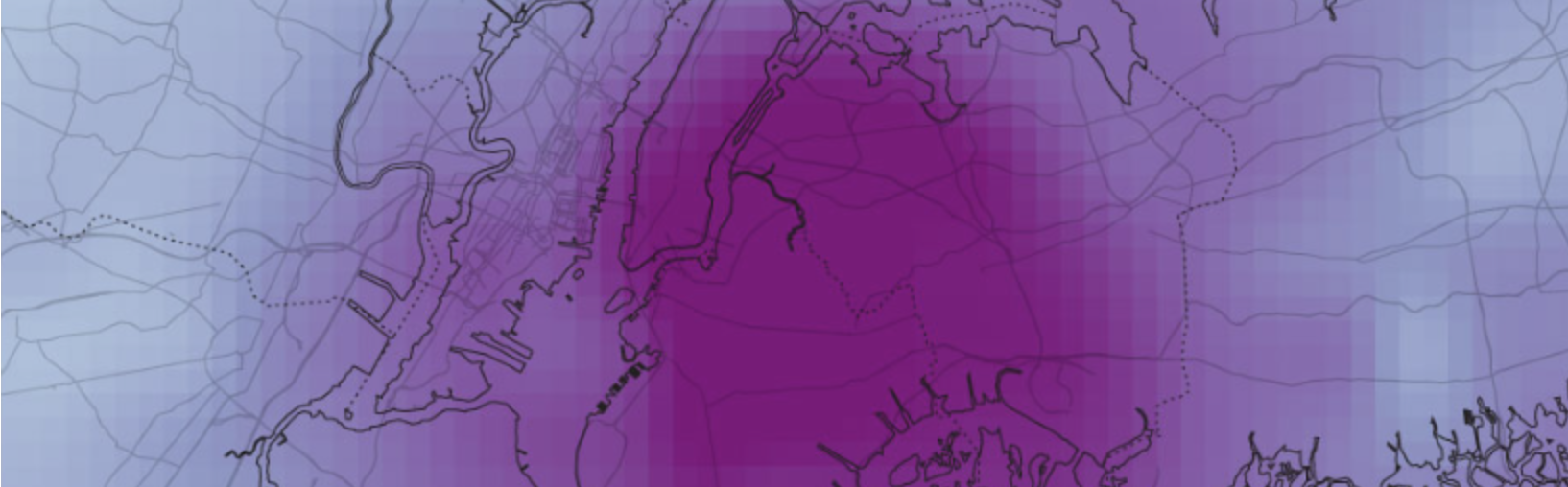
DRAFT ABSTRACT:
Air pollution is a pervasive oxidative stressor that disproportionately impacts marginalised urban populations, creating a silent crisis of environmental inequality. Current sensing infrastructure often lacks public visibility, leaving the physical toll of poor air quality abstract and unactionable for the communities most affected.
This conceptual project, ALVEOLI envisions a public art installation designed to create awareness and social engagement, addressing the short falls of how environmental data is communicated and experienced.
I aim to develop 3 bio-hybrid sculptures installed in 3 cities globally, translating invisible atmospheric pollutants into a high-contrast visual readout using engineered microbial biosensors.
Original Project Proposal Slide:
Final Project Slide by Isobel Leonard ---DRAFT AIMS:
Aim 1: Optimise and validate an E. coli extract-based cell-free protein synthesis (CFPS) system compatible with σ⁷⁰ bacterial promoters.
Optimise and validate an E. coli extract-based cell-free protein synthesis (CFPS) system using a constitutive σ⁷⁰ promoter–GFP reporter construct to confirm reliable transcription–translation performance and compatibility with downstream biosensor circuitry in a lyophilised CFPS format. Characterise expression kinetics, signal stability and reproducibility across extract batches to establish baseline system performance for zinc-responsive biosensor development.
Aim 2: Design and validate a zinc particulate responsive CFPS biosensor with colorimetric output
Design a zinc particulate-responsive biosensor based on the ZntR/PzntA regulatory system coupled to a colorimetric reporter compatible with E. coli extract-based CFPS.
Construct DNA sequences in Benchling and prepare constructs for synthesis via Twist Bioscience to confirm manufacturability and robustness of the genetic design.
Develop a lyophilisation protocol and test biosensor response under controlled laboratory conditions, characterising detection limits, signal stability, and colorimetric intensity.
Develop and evaluate a particulate capture, ion-release, and sensor activation workflow enabling conversion of PM2.5-associated zinc into detectable Zn²⁺ prior to CFPS activation, with consideration of the aesthetic and practical constraints of integration into a public artwork.
Aim 3: Integrate the zinc biosensor into a deployable sculptural sensing platform and evaluate performance under environmental conditions
Integrate the CFPS zinc biosensor into a 3D-printed sculptural sensing platform incorporating particulate capture, ion release and lyophilised reaction modules.
Evaluate biosensor performance under environmental conditions, including detection limits, response robustness and signal stability relative to environmental air sample processed in lab conditions.
Use experimental data to guide iterative optimisation strategies such as transcriptional signal amplification and the design of specific riboswitches to improve sensitivity to environmentally bioavailable concentrations of zinc particulate matter.
Finalise a comprehensive public installation proposal and prototype for bio-sensing sculptures in different cities, detailing sculpture placement, maintenance and bio-safety protocols and demonstrating the feasibility of integrating scientific bio-sensing with public art to make air pollution inequality visible and socially engaging.
Apply to funding bodies to pursue realisation of a global project.
Project Breakdown
AIM 1: Establish and validate a σ⁷⁰compatible E. coli extract-based CFPS system
Step 1 : Identify a suitable air pollution biomarker
Evaluate candidate pollutants based on:
- environmental relevance (urban prevalence, toxicity, manmade)
- expected environmental concentration ranges
- compatibility with transcription-factor sensing systems
Output: justification of final selection
Step 2 : Assess bio-sensing compatibility with CFPS
Determine:
- whether known transcription-factor biosensors exist
- which RNA polymerase recognise promoters
- whether sensing requires cofactors absent from CFPS
- whether the pollutant must be chemically converted before detection
- whether the analyte is stable after particulate capture
Output: selected sensing strategy compatible with CFPS transcription machinery
Step 3 : Define CFPS platform requirements
Establish:
- extract type required
- promoter compatibility constraints
- expected signal strength needed for environmental detection
Design validation experiment using a simple reporter construct to confirm:
- transcription reliability
- translation efficiency
- stability after freeze-drying
Output: validate reliable CFPS system
AIM 2: Design and validate a particulate-responsive CFPS biosensor
Step 4 : Select sensing cassette
Select based on:
- specificity
- compatibility with CFPS
- Sequence availability
Output: select sensing mechanism
Step 5 : Select reporting strategy
Evaluate based on:
- visibility in natural lighting
- compatibility with CFPS
- response speed
- signal amplification potential
- stability over time
- compatibility with field deployment
Output: selected reporting cassette
Step 6 : Design genetic circuit logic
Determine
- promoter strength requirements
- RBS compatibility
- appropriate backbone (copy number, origin)
- Strong terminators
- Spacing
and draw out circuit logic.
Validate circuit design in silico prior to Twist order:
In Benchling:
- annotate promoter regions
- confirm ORF integrity
- Insert orientation
- verify reading frame continuity
- prepare synthesis-ready construct
Submit sequence to Twist Bioscience
Output: synthesis-ready circuit design
Step 7: Validate biosensor performance in CFPS
Test under controlled conditions:
Measure:
- response dynamic range
- detection threshold
- signal stability
- response time
- background expression
Evaluate compatibility with freeze-drying workflow.
Output: functional biosensor prototype
Step 8: Develop particulate capture and ion-release workflow
Design strategy for converting particulate-associated pollutants into detectable molecular form.
Evaluate:
- particulate capture system
- ion extraction chemistry compatibility with CFPS
- buffering requirements
- reaction activation
- deployment practicality
- safety considerations
- aesthetics
Output: validated sample preparation workflow
AIM 3: Integrate biosensor into deployable sculptural sensing platform
Step 9 : Integrate biosensor into sculptural structure
Design integration strategy considering:
- placement
- reagent storage
- environmental protection
- replacement accessibility
- temperature stability
- biosafety containment
- maintenance
Output: deployable sensing sculpture prototype
Step 10 : Evaluate environmental performance
Test system under real-world conditions:
Measure:
- detection reliability
- signal visibility
- environmental stability
- variation across sampling locations
- agreement with environmental monitoring datasets and control air sample
Output: field validation dataset
Step 12 : Identify optimisation pathways
Use results to refine:
- sensing sensitivity (riboswitches)
- signal amplification strategy
- environmental robustness
- deployment workflow
- public interface
Output: second spiral biosensor design strategy
Step 13 : Finalise a complete design proposal and prototype
- Finalise a refined design proposal and working prototype for submission to funding bodies for project realisation.