Week 1 HW: Principles and Practices
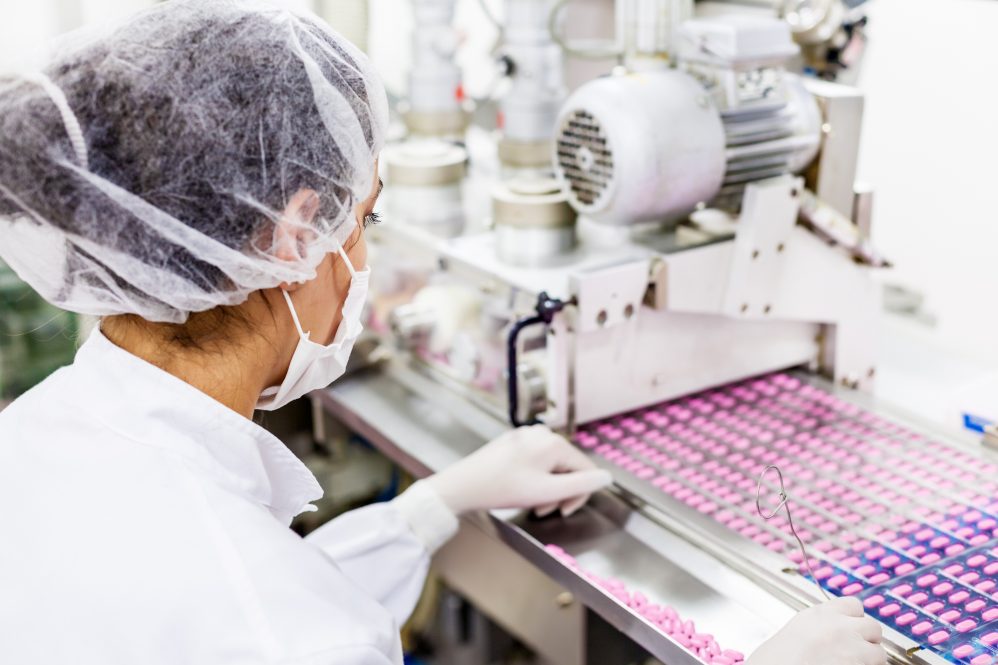
Biological Engineering Application
I am interested in developing genetically engineered microorganisms to produce essential medicines, such as insulin or vaccines. This could be important because access to medicines is limited in many regions due to high production costs. Using engineered microorganisms could reduce costs and improve access to essential treatments.
Ethical and Governance Goals
A key governance goal for this application is preventing harm to people and the environment. This includes ensuring strong biosafety measures to avoid accidental release of engineered microorganisms and maintaining safe and transparent production of medicines.
In addition, ethical governance should promote equitable access to these medicines, so that their benefits are not limited to high-income countries. Together, these goals support a responsible and ethical future for synthetic biology.
Governance Actions
Option 1: Mandatory Biosafety and Containment Standards
This option proposes standardized biosafety and containment requirements for facilities producing medicines with engineered microorganisms. The goal is to prevent accidental release and protect public health and the environment. Academic institutions, companies, and regulators would be responsible for implementation and oversight. While effective safety standards can reduce risk, weak enforcement or overly strict requirements may still lead to accidents or slow research.
Option 2: Regulatory Approval and Oversight for Medical Production
This option strengthens regulatory review before medicines produced using engineered microorganisms are distributed. Government agencies would evaluate production processes and safety data to ensure quality and public safety. Although increased oversight can build trust, excessive regulation may delay access to essential medicines, especially in urgent situations.
Option 3: Incentives for Equitable Access to Medicines
This option uses financial incentives to promote affordable pricing and wider distribution of medicines. Governments and international organizations would support companies that commit to equitable access, particularly in low- and middle-income countries. However, incentives may be insufficient to overcome market pressures, and increased demand could strain production capacity.
| Does the option: | Option 1 | Option 2 | Option 3 |
|---|---|---|---|
| Enhance Biosecurity | |||
| • By preventing incidents | 1 | 2 | 3 |
| • By helping respond | 2 | 1 | 3 |
| Foster Lab Safety | |||
| • By preventing incident | 1 | 2 | 3 |
| • By helping respond | 2 | 1 | 3 |
| Protect the environment | |||
| • By preventing incidents | 1 | 2 | 3 |
| • By helping respond | 2 | 1 | 3 |
| Other considerations | |||
| • Minimizing costs and burdens to stakeholders | 3 | 3 | 1 |
| • Feasibility? | 2 | 2 | 1 |
| • Not impede research | 2 | 3 | 1 |
| • Promote constructive applications | 2 | 2 | 1 |
Conclusion
I would prioritize a combination of Option 1 and Option 2. These options help prevent accidents and ensure that medicines produced using engineered microorganisms are safe. Although increased regulation may slow research and raise costs, it improves biosafety and environmental protection and public trust.