Week 1 HW: Principles and Practices
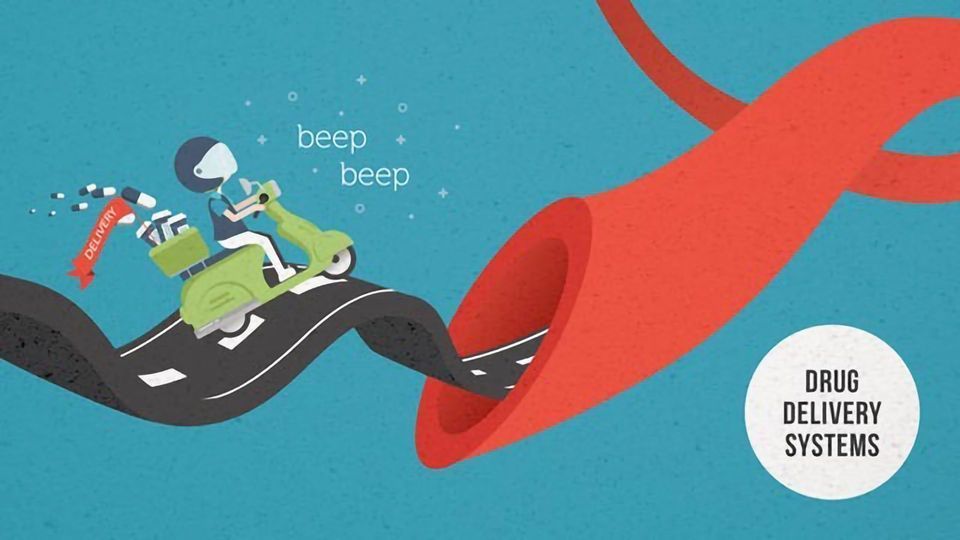
Scale-up of nanocapsules for drug delivery using bacteria as ferritin manufacturers
1. Describe a biological engineering application or tool you want to develop and why.
Biologics are drugs synthesized by living organisms, which have gained more notoriety throughout the years (Walsh, 2018). Cancer drugs and vaccines are some of the achievements scientists have accomplished with biotechnology. This is a novel area with increasing knowledge and endless applications. Currently, iron deficiency is one of the main global issues affecting overall health (Lee et al., 2025). This project aims to develop a drug delivery system using bacteria-made ferritin, given the popularity and extended use of these microorganisms over the years for drug manufacturing (Kulkarni, 2026).
As I entered my senior year in university, I wanted to work on topics related to drug development or delivery, and scaling that process up, which is why I was doing some research for my bachelor’s thesis. However, I ended up reaching a different path due to life, but here I am trying to learn and see how far I can take this idea.
2. Describe one or more governance policy goals related to ensuring this application contributes to an ethical future & prevents harm.
Ensure quality in scaled production: Ensure that the biologic product complies with Good Manufacturing Practices (GMP).
Prevent non-maleficence in biomanufacturing: Avoid harmful use of bioengineered bacteria.
Foster and promote innovation and global access: Enable technology transfer to low-resource settings.
3. Describe at least three different potential governance actions by considering the purpose, design, assumptions, and risks of failures & “success”.
Below is a table with the three main governance actions:
Table 1. Governance actions
| Governance Action | Purpose | Design | Assumptions | Risks & Failures |
|---|---|---|---|---|
| Biologics safeguards | Create biocontainment for bacteria as biological hazards | Entities such as FDA | The safeguards will be effective | Overlooking the safeguards may affect their effectiveness |
| Standardized GMPs | Elaborate guidelines for safe production | QA department staff | Fast implementation and adaptation by companies | High associated costs may create manufacturing monopolies |
| Traceability of biological product | Avoid misuse of the biologic | Molecular signatures | Traceability methods are robust | Mutations in microorganisms may render signatures ineffective |
4. Score each of your governance actions against your rubric of policy goals
Table 2. Scoring
| Does the option: | Biologics safeguards | Standardized GMPs | Traceability of biological product |
|---|---|---|---|
| Enhance Biosecurity | |||
| • By preventing incidents | 1 | 2 | 2 |
| • By helping respond | 2 | 1 | 1 |
| Foster Lab Safety | |||
| • By preventing incidents | 1 | 1 | 2 |
| • By helping respond | 2 | 2 | 2 |
| Protect the environment | |||
| • By preventing incidents | 1 | 2 | 2 |
| • By helping respond | 2 | 2 | 2 |
| Other considerations | |||
| • Minimizing costs and burdens | 3 | 2 | 2 |
| • Feasibility | 2 | 2 | 2 |
| • Not impede research | 2 | 3 | 2 |
| • Promote constructive applications | 2 | 1 | 2 |
| TOTAL SCORE | 18 | 18 | 19 |
5. Based on scores, describe which governance option or combination of options you would prioritize, and why.
After reviewing the different options and their scores, the most reasonable combination of options to prioritize would be Standardized GMPs and Traceability of Biological Products. The former is selected due to its strong impact on both productivity and product quality, as well as its capacity to establish clear guidelines that ensure biological safety for both production staff and consumers. The latter is essential because traceability enables the identification of errors and deviations throughout the production process, allowing them to be corrected in a timely manner and ensuring the ethical and responsible use of this technology.
References
Walsh, G. (2018). Biopharmaceutical benchmarks 2018. Nature Biotechnology, 36, 1136–1145. https://www.nature.com/articles/nbt.4305
Lee, G. R., et al. (2025). Global burden of iron deficiency and its impact on health. Nature Medicine. https://www.nature.com/articles/s41591-025-03624-8
Kulkarni, S. (2026). Engineered microbes as API manufacturers in pharma. Pharma Now. https://www.pharmanow.live/knowledge-hub/research/engineered-microbes-api-manufacturing-pharma