FINAL PROJECT
B. subtilis as a PAH Degrading Bioremediative Paint
Abstract
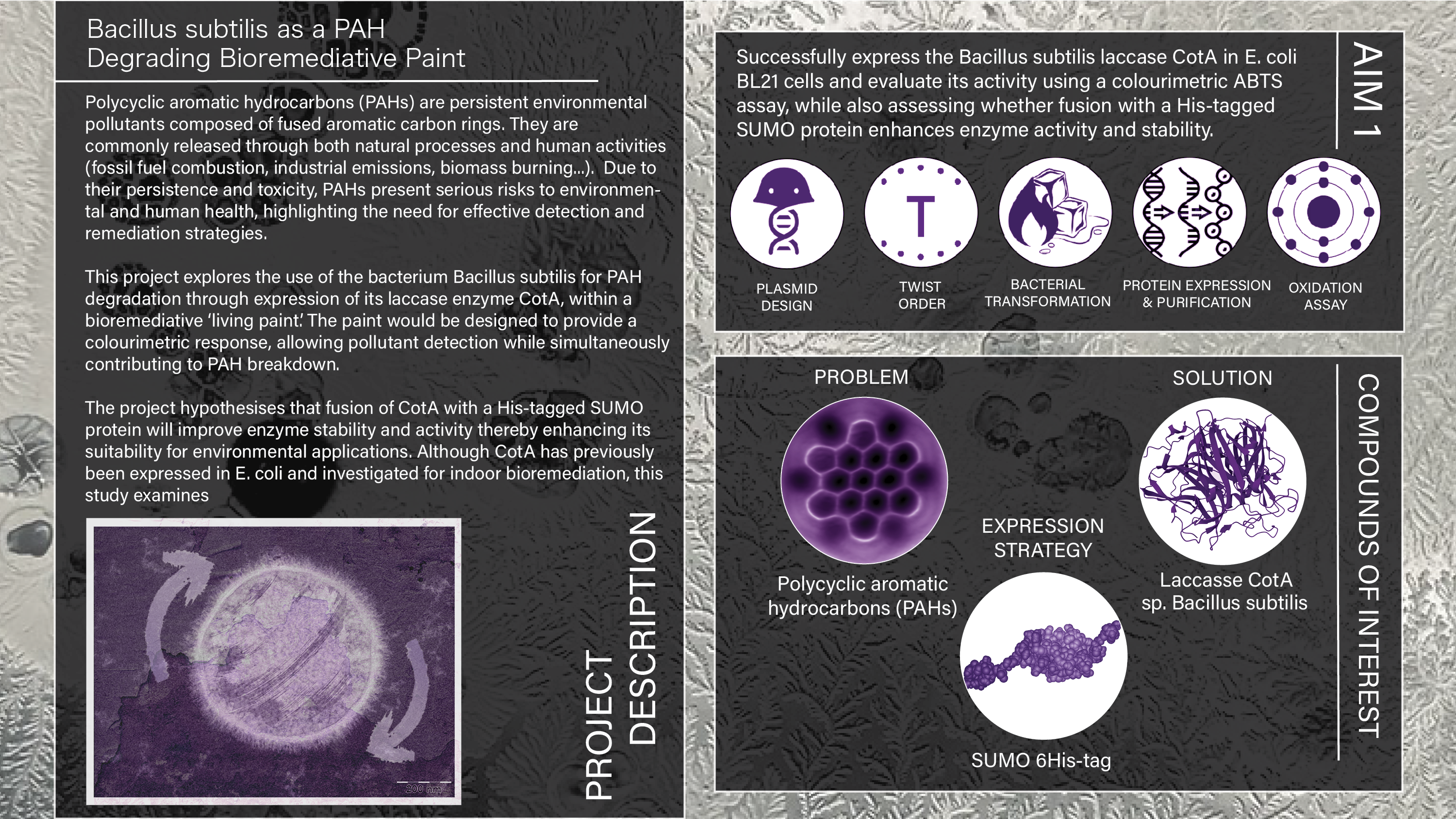
Polycyclic aromatic hydrocarbons (PAHs) are organic compounds characterised by two or more fused aromatic rings composed of carbon and hydrogen. These environmental contaminants are widely found in air, soil, water, sediments, and food, originating from both natural sources (such as wildfires and volcanic activity) and anthropogenic sources (including fossil fuel combustion, industrial processes, and incomplete biomass burning). Due to their environmental persistence and well-documented toxicity, PAHs pose significant risks to both ecosystems and human health, making their detection and remediation an ongoing challenge.
The overall goal of this project is to explore the potential of the bacterium Bacillus subtilis in degrading PAHs through the expression of its laccase enzyme, CotA, within a bioremediative paint system. This system is designed to incorporate a colourimetric output, enabling visualisation of pollutant presence while actively contributing to PAH degradation. When applied to urban surfaces, this living paint aims to function as a self-monitoring and self-remediating interface.
The hypothesis of this project is that fusion of the CotA enzyme with a His-tagged SUMO protein will enhance its stability and activity when expressed in Escherichia coli, improving its performance for potential environmental applications. While CotA has previously been expressed in E. coli and explored in indoor bioremediation contexts, this project investigates whether this modification can further optimise its function for outdoor use.
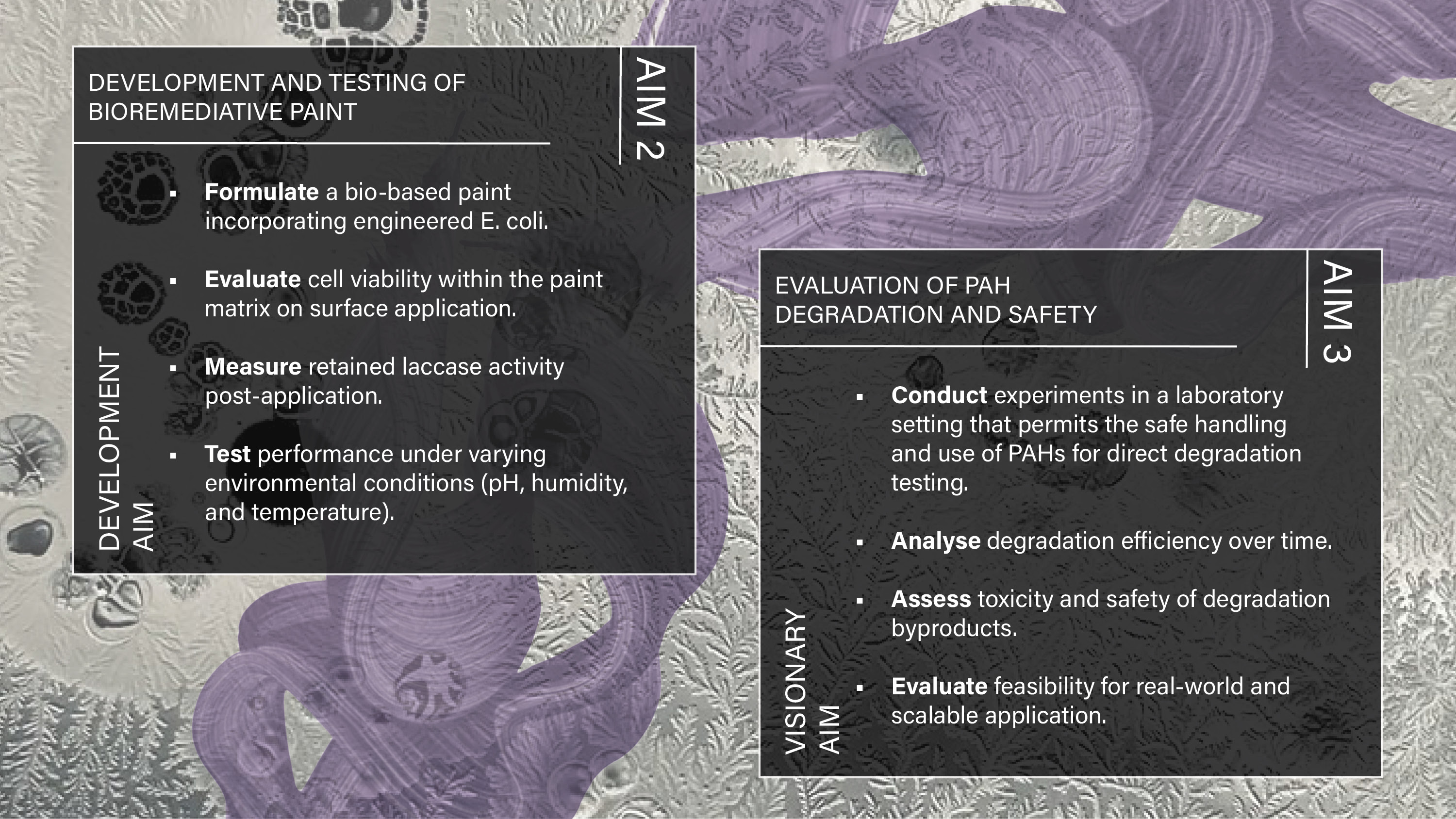
The aims of this project are divided into three key milestones. The first focuses on the expression and activity testing of the SUMO-tagged CotA enzyme in E. coli BL21, using a colourimetric ABTS assay to confirm functionality. Enzyme activity will also be assessed across different temperature conditions to determine optimal operating ranges. The second aim explores the development of a bio-based paint formulation incorporating the engineered bacteria, including further condition testing (pH and humidity), alongside testing cell viability and enzyme activity on surface applications. The third, more exploratory aim, involves evaluating PAH degradation potential and assessing the safety of byproducts, supporting the future development of a deployable and commercially relevant bioremediative paint.
The experimental approach begins with the transformation of E. coli BL21 competent cells using a pET-based plasmid (kanamycin resistance, T7 promoter) encoding the SUMO-tagged CotA enzyme. Following heat shock transformation and selection, protein expression will be induced, and the enzyme will be obtained using a SUMO protease-based purification system. As PAHs are not suitable for initial laboratory assays, ABTS will be used as a synthetic substrate, as it is oxidised by laccases to produce a measurable colour change. Enzyme activity will be quantified using a 96-well absorbance plate reader across varying temperatures, providing a proxy for its potential PAH-degrading capability.
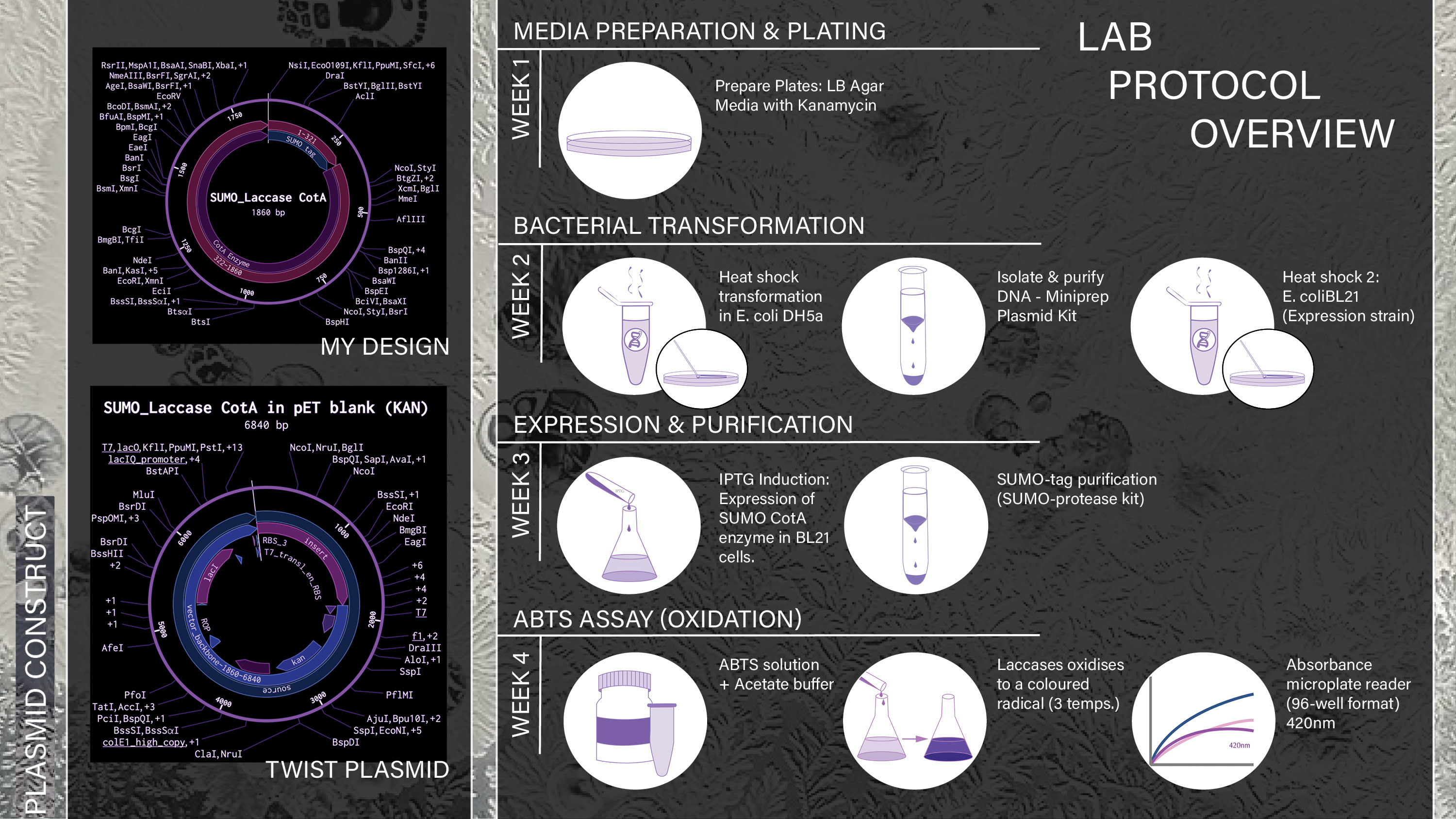
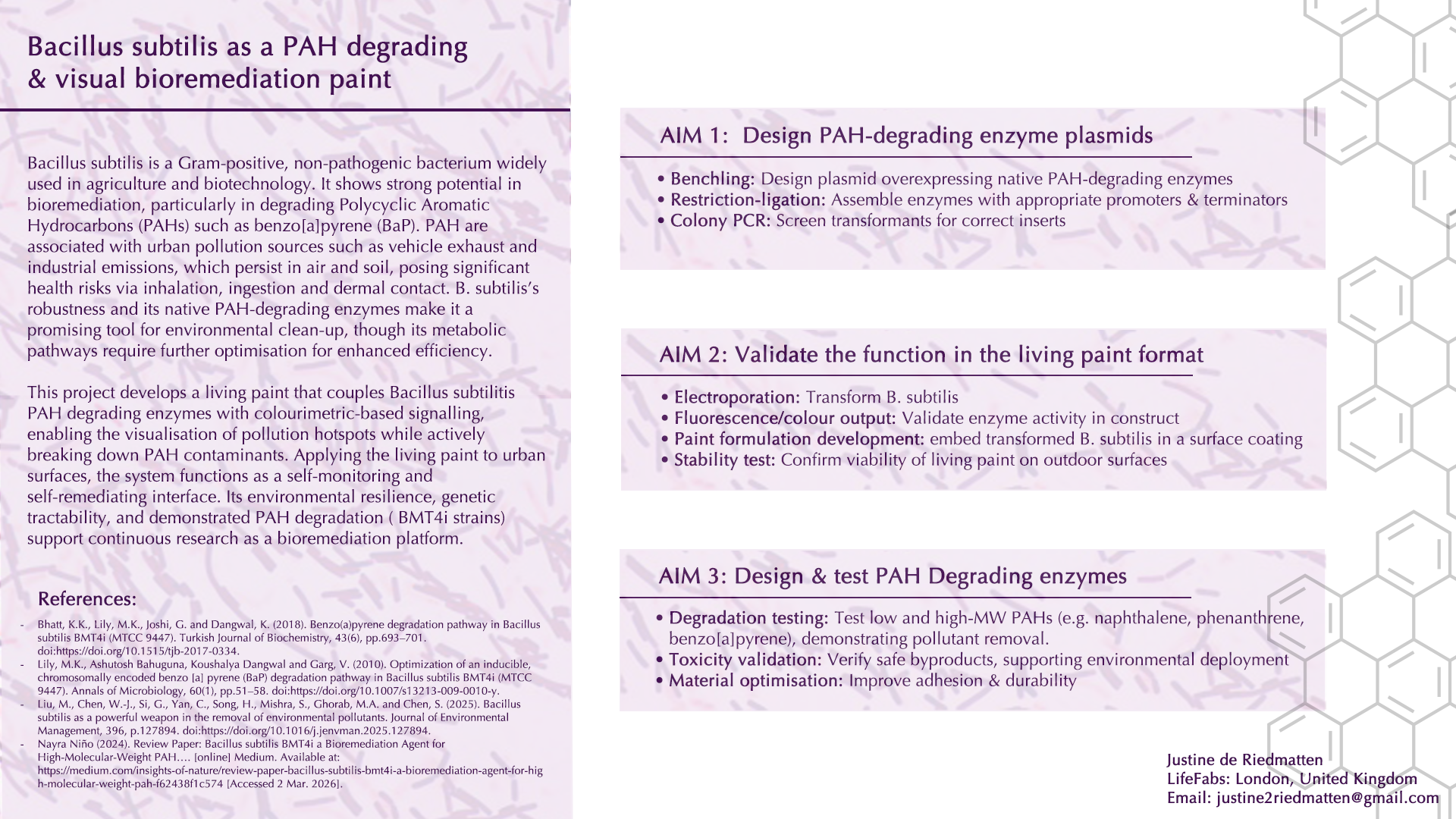
Project Aims
Aim 1: Experimental Aim
The first aim of my final project is to successfully express the Bacillus subtilis laccase CotA in E. coli BL21 cells and evaluate its activity using a colourimetric ABTS assay, while also assessing whether fusion with a His-tagged SUMO protein enhances enzyme activity and stability. To achieve this, a plasmid construct encoding the SUMO-tagged CotA enzyme was designed in Benchling and synthesised via Twist Bioscience using a pET-based expression backbone (kanamycin resistance, T7 promoter). The construct will be transformed into E. coli BL21 competent cells via heat shock, followed by antibiotic selection. Protein expression will be induced, and enzyme activity will be characterised using ABTS oxidation assays measured by a 96-well absorbance plate reader. Enzyme performance will be further evaluated across different temperature conditions to determine optimal activity and stability profiles.
Aim 2: Development Aim
The second aim of this project is to develop a bioremediative paint formulation containing the engineered E. coli cells expressing CotA, and to assess whether the system remains viable and functional when applied to a surface. Following successful confirmation of enzyme expression and activity in Aim 1, this step would focus on adapting the biological system into a usable paint-based format and testing its stability under conditions relevant to outdoor deployment. The aim is to determine whether the living paint can maintain bacterial viability as well as retain enzyme activity, and function as a self-remediating system in outdoor environments.
Aim 3: Visionary Aim
The third aim of this project is to explore the long-term potential of the living paint system as a safe scalable environmental technology for the detection and degradation of PAHs on urban surfaces. If fully realised, this approach could provide a new form of self-reporting and self-remediating material that not only indicates pollution hotspots through a colourimetric response but also actively contributes to contaminant breakdown. This would address a major barrier in environmental bioremediation by combining pollutant sensing and remediation within a single surface-applied platform. In the long term, the project could support the development of responsive building materials and offer a novel experimental framework for integrating synthetic biology with sustainable urban design.
Initial Interest
My project grew out of a particular interest in Bacillus subtilis, which I first explored during a previous biodesign group project. In that work, we investigated soil-dwelling bacteria and their benefits for both soil health and human wellbeing, and used this research to develop an educational game kit designed to teach children about the importance of caring for soil.
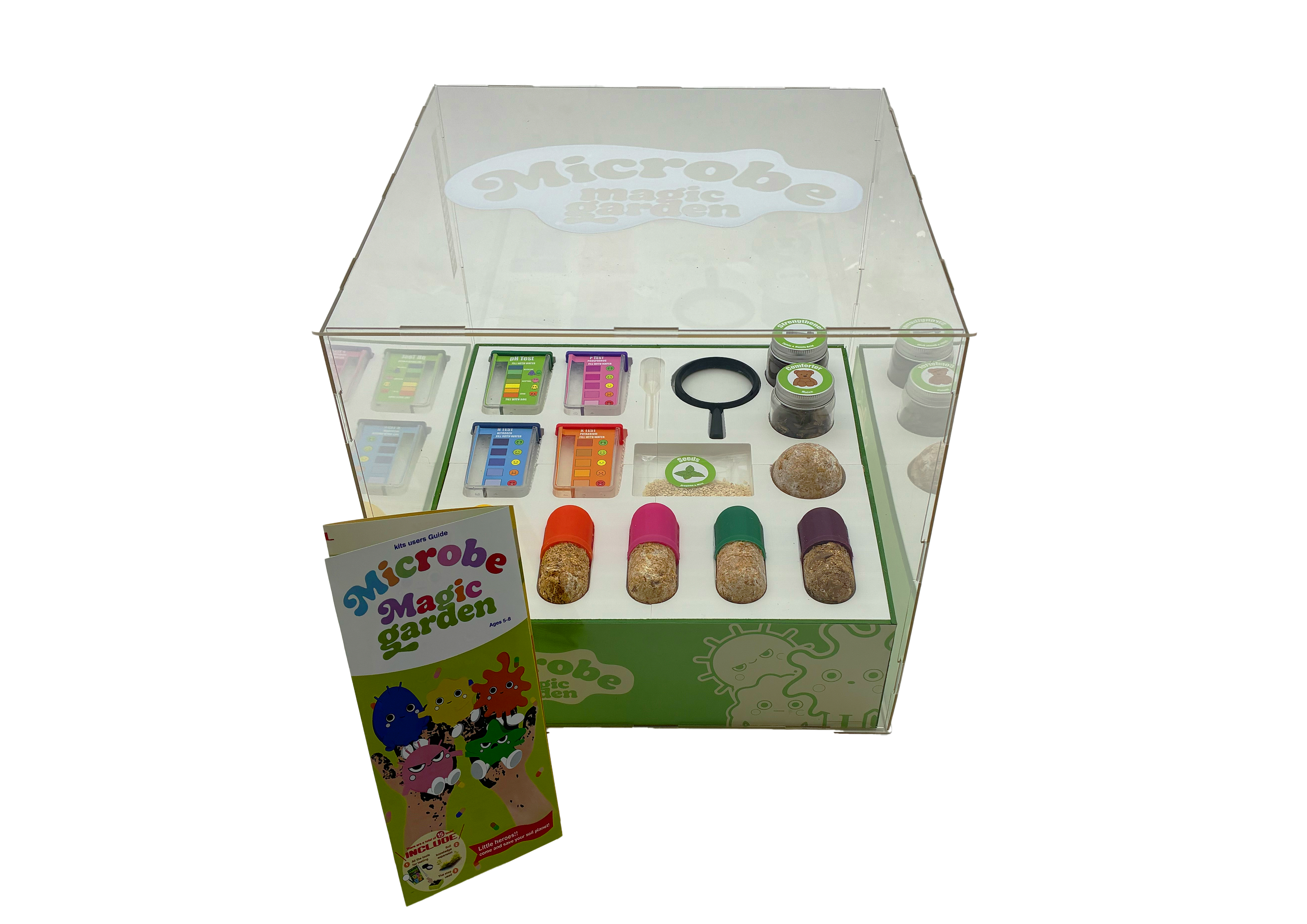
Initial group project with fellow biodesign students: Luiggi Marresse, Qian Qian Yutoung Hou, Christine Xiaoyan Weng, sparked my interest in the potential health benefits of bacteria, more specifically, Bacillus subtilis.
Background
1.Coming across using Bacillus Subtilis as a paint for bioremediation
While exploring ideas for my HTGAA final project, I took a closer interest in these bacteria and came across the paper “The Utilization of Bacillus subtilis to Design Environmentally Friendly Living Paints with Anti-Mold Properties” (Yuval et al., 2024). Because the study focused on exterior applications, I began to question how such a paint would perform in outdoor conditions and what additional capabilities this bacterium might offer as a bioremediative agent. This led me to a broader body of research examining its potential to degrade volatile organic compounds (VOCs), particularly polycyclic aromatic hydrocarbons (PAHs).
Reference: Yuval Dorfan, Avichay Nahami, Morris, Y., Shohat, B. and Kolodkin-Gal, I. (2024). The Utilization of Bacillus subtilis to Design Environmentally Friendly Living Paints with Anti-Mold Properties. Microorganisms, 12(6), pp.1226–1226.
The following are some of my key findings whilst extending my research:
Paper: Bacillus subtilis as a powerful weapon in the removal of environmental pollutants
Reference: Liu, M., Chen, W.-J., Si, G., Yan, C., Song, H., Mishra, S., Ghorab, M.A. and Chen, S. (2025). Bacillus subtilis as a powerful weapon in the removal of environmental pollutants. Journal of Environmental Management, 396, p.127894. doi:https://doi.org/10.1016/j.jenvman.2025.127894.
Paper: Enzymatic Pathways and Mechanisms of Polycyclic Aromatic Hydrocarbon (PAH) Degradation by Bacillus subtilis
Enzymatic Pathways and Mechanisms of Polycyclic Aromatic Hydrocarbon (PAH) Degradation by Bacillus subtilis
Reference:Nayra Niño (2024). Review Paper: Bacillus subtilis BMT4i a Bioremediation Agent for High-Molecular-Weight PAH…. [online] Medium. Available at: https://medium.com/insights-of-nature/review-paper-bacillus-subtilis-bmt4i-a-bioremediation-agent-for-high-molecular-weight-pah-f62438f1c574 [Accessed 2 Mar. 2026].
Paper:Degradation of Benzo [a] Pyrene by a novel strain, Bacillus subtilis BMT4i (MTCC 9447)
Reference:Lily, M.K., Bahuguna, A., Dangwal, K. and Garg, V. (2009). Degradation of Benzo [a] Pyrene by a novel strain Bacillus subtilis BMT4i (MTCC 9447). Brazilian Journal of Microbiology, 40(4), pp.884–892. doi:https://doi.org/10.1590/s1517-83822009000400020.
Future Applications / Research Gap based on literature review:
- Toxicity & safety assessment
- Mineralisation studies
- Metabolic pathway elucidation
- Environmental stability
- Genetic optimisation
Project Proposal: 1st Draft
Project Proposal Slide: Second Draft
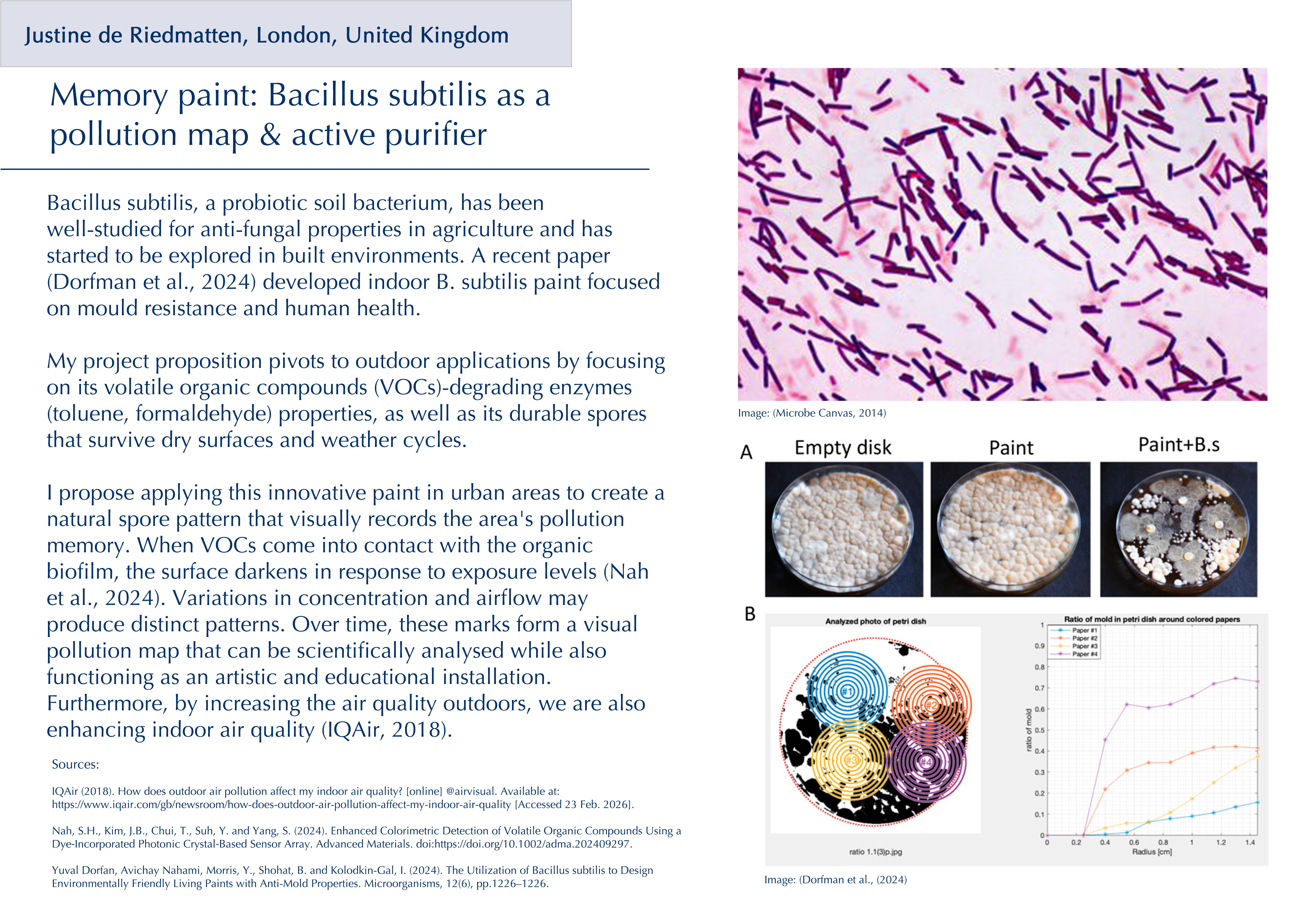
After more research and getting feedback from my node leader, I chose to develop this idea (out of 3) further:
Specific Enzyme Research
I furthered my research to identify the specific enzymes that Bacillus subtilis has that have been studied for their ability to degrade PAH. Through this research, I found two key enzymes:
Enzyme 1: polycyclic aromatic hydrocarbon ring-hydroxylating dioxygenase alpha subunit, partial [Bacillus sp. SB26]
Paper reference: Bhatt, K.K., Lily, M.K., Joshi, G. and Dangwal, K. (2018a). Benzo(a)pyrene degradation pathway in Bacillus subtilis BMT4i (MTCC 9447). Turkish Journal of Biochemistry, 43(6), pp.693–701. doi:https://doi.org/10.1515/tjb-2017-0334.
Enzyme 2: Laccase CotA
Paper reference: NPU CHINA (2022). | NPU-CHINA - iGEM 2022. [online] Igem.wiki. Available at: https://2022.igem.wiki/npu-china/design#gene [Accessed 2 Mar. 2026].
quote from reference: "One study found that laccase CotA from Bacillus subtilis exhibit a higher laccase-specific activity than laccase CueO from Escherichia coli, indicating that CotA is a better candidate for the remediation of PAHs than CueO. This is why we chose laccase cotA from Bacillus subtilis as a member of the ligninolytic enzymes system in our project."
After further research into the individual enzymes, I chose to focus on the CotA laccase due to the stronger body of literature and the number of projects developing plasmid constructs incorporating this enzyme for the bioremediation of PAHs. In addition, E. coli is widely used as a model organism in laboratory settings, and as I was the only in-person student at Lifefabs aiming to explore expression directly in Bacillus subtilis, this provided a practical and well-supported alternative. Previous studies have successfully expressed CotA laccase in E. coli strains, reinforcing its suitability for this approach.
Sequence of Bacillus subtilis strain WD23 laccase (cotA) gene, complete cds (1542bp):
atgacacttg aaaaatttgt ggatgctctc ccaatcccag atacactaaa gccagtacag caatcaaaag aaaaaacata ctacgaagtc accatggaag aatgcactca tcagctccat cgcgatctcc ctccaacccg cctgtgggga tacaacggct tatttccggg gccgaccatt gaggttaaaa gaaatgaaaa cgtatatgta aaatggatga ataaccttcc ttccacacat ttccttccga ttgatcacac cattcatcac agtgacagcc agcatgaaga gcccgaggta aagactgttg ttcatttaca cggcggcgtc acgccagatg acagtgacgg gtatccggag gcttggtttt ccaaagactt tgaacaaaca ggaccttatt tcaaaagaga ggtttatcat tatccaaacc agcagcgcgg ggctatattg tggtatcacg atcacgccat ggcgctcacc aggctaaatg tctatgccgg acttgtcggt gcttatatca ttcatgaccc aaaggaaaaa cgcttaaaac tgccttcaga cgaatacgat gtgccgcttc ttatcacaga ccgcacgatc aatgaggacg gttctttgtt ttatccaagc gcaccggaaa acccttctcc gtcactgcct aatccttcaa tcgttccggc tttttgcgga gaaaccatac tcgtcaacgg gaaggtatgg ccatacttgg aagtcgagcc aaggaaatac cgattccgtg tcatcaacgc ctccaataca agaacctata acctgtcact cgataatggc ggagagttta ttcagattgg ttcagatgga gggctcctgc cgcgatctgt taaactgaat tctttcagcc ttgcgcctgc tgaacgttat gatatcatca ttgacttcac agcatatgaa ggagaatcga tcattttggc aaacagcgcg ggctgcggcg gtgacgtcaa tcctgaaaca gatgcgaata tcatgcaatt cagagtcaca aaaccattgg cacaaaaaga cgaaagcaga aagccgaagt acctcgcctc atacccttcg gtacagcatg aaagaataca aaacatcaga acgttaaaac tggcaggcac ccaggacgaatacggcagac ccgtccttct gcttaataac aaacgctggc acgatcccgt cacagaagca ccaaaagtcg gcacaactga aatatggtcc attatcaacc ccacacgcgg aacacatccgatccacctgc atctagtctc cttccgtgta ttagaccggc ggccgtttga tatcgcccgttatcaagaaa gcggggaatt gtcatatacc ggtccggctg tcccgccgcc gccaagtgaaaaaggctgga aagacaccat tcaagcgcat gcaggtgaag tcctgagaat cgcggcgacattcggtccgt acagcggacg atacgtatgg cattgccata ttctagagca tgaagactatgacatgatga gaccgatgga tataactgat ccccataaataa
BACKGROUND
1. Briefly summarize two peer-reviewed research citations relevant to your research
Paper 1: Butt, T.R., Edavettal, S.C., Hall, J.P. and Mattern, M.R. (2005). SUMO fusion technology for difficult-to-express proteins. Protein Expression and Purification, 43(1), pp.1–9. doi:https://doi.org/10.1016/j.pep.2005.03.016.
This paper reviews how fusing target proteins to the small ubiquitin‑like modifier (SUMO) can dramatically improve their expression, solubility, and stability in both prokaryotic and eukaryotic systems. It explains that SUMO behaves as a well‑folded N‑terminal fusion partner that promotes proper folding and protects proteins from degradation, and that the SUMO tag can be removed very cleanly using a highly specific SUMO protease to regenerate the native N‑terminus. The authors compare SUMO to traditional fusion tags and show that SUMO often outperforms them for “difficult” proteins, making it a powerful general strategy for functional recombinant protein production.
Paper 2:Chemosphere, 148, pp.1–7. doi:https://doi.org/10.1016/j.chemosphere.2016.01.019.
This paper investigates whether recombinant Bacillus subtilis CotA laccase can efficiently oxidise polycyclic aromatic hydrocarbons (PAHs) and how it compares to other bacterial and fungal laccases. The authors express CotA, characterise its laccase activity, and show that it can oxidise a range of EPA‑priority PAHs with relatively high reaction rates and with less dependence on copper supplements than other bacterial laccases. They demonstrate that CotA retains activity over a broad range of pH and temperature, suggesting it is a robust biocatalyst for PAH degradation in environmental conditions. Overall, the study concludes that CotA is a particularly promising bacterial laccase candidate for bioremediation of PAH‑contaminated environments due to its high activity and practical independence from copper under the tested conditions.
2. Explain how your project is novel or innovative.
The novelty of this project lies in applying an N‑terminal SUMO-His fusion tag to CotA laccase from Bacillus subtilis for recombinant expression in Escherichia coli. CotA is generally considered difficult to express and fold correctly in standard bacterial hosts. Whilst His‑tagged CotA and various other fusion strategies have been reported, I found no studies that use a SUMO (or His‑SUMO) tag for CotA in E. coli. By combining the established solubility and folding‑enhancing properties of SUMO with CotA, this project explores a previously unreported expression strategy that could improve yields of active CotA and provide a useful platform for future application studies.3. Explain why your project matters and what impact it could have.
i. What pressing real-world problem does your project attempt to solve?
The project tackles the problem of polycyclic aromatic hydrocarbons (PAHs), which are persistent environmental pollutants composed of fused aromatic carbon rings. They are commonly released through both natural processes (e.g., volcanic eruptions) and human activities (e.g., fossil fuel combustion, industrial emissions, biomass burning). Due to their persistence and toxicity, PAHs present serious risks to environmental and human health, highlighting the need for effective detection and remediation strategies.
ii. Importance of the problem: Why is this problem significant, or what critical barrier to progress in the field does it represent?
The problem is significant due to its effect on planetary health and its presence in water, soil and air. In humans, many PAHs are classified as carcinogens and mutagens. Once inside the human body, metabolic enzymes transform PAHs into reactive epoxides and diol epoxides, which bind to DNA and form DNA adducts, which may trigger mutations and lead to cancer. Additionally, their consumption includes a variety of routes such as inhalation, dermal touch and ingestion.
Their persistence and high accumulation rates due to their lipophilic nature make them a major threat to terrestrial and aquatic life, as high concentrations will disrupt microbial communities, inhibit plant growth and lead to an overall disruption of biodiversity and the metabolic function of local ecosystems.
iii. Broader societal contribution: How could the outcomes of your project benefit society beyond the immediate research context?
Beyond the research context, this project envisions a bioremediative “living paint” that not only contributes to the breakdown of PAHs but also provides a clear colourimetric readout of pollution levels. By targeting PAHs in the air, it addresses a key pathway through which these pollutants enter and circulate within ecosystems. Designed for use in urban environments, such a system could both reduce human exposure to harmful contaminants while also acting as an accessible early‑warning indicator, empowering communities and policymakers to respond more quickly to deteriorating air quality.
iv. Advancement of knowledge or capability: How might the project improve scientific understanding, technical capability, or clinical practice within one or more fields?
Aim 1 of the project may improve scientific understanding and technical knowledge by validating whether a N-terminal SUMO-His tag protein may facilitate expression, stability and activity of the expression of CotA Lacasse for bioremediative applications due to its moderately difficult expression and low yield production. Ultimately, it would generate new data on SUMO-based fusion strategies intended for bioremediation strategies.
The future aims of the project (2 and 3) would extend that molecular knowledge into the technical capability of a living paint through testing it in realistic environmental conditions and the analysis and identification of the by-products. In turn, these outcomes could inform upstream enzyme engineering as well as downstream deployment of bioremediation technologies in outdoor urban environments.
v. Field-level change: If your aims are achieved, how could the concepts, methods, technologies, treatments, services, or preventative approaches used in this field of research change?
The use of Bacillus subtilis in a paint matrix has been explored in indoor settings for the effective treatment of black mould. In contrast, an outdoor living paint system to degrade harmful compounds/pollutants hasn’t been documented, which could change the field in the potential use of CotA Laccases for such an application. Additionally, chemical treatments for certain treatments of PAHs often transfer those pollutants from air to water sources, whilst if this system works, bacteria break down the stable ring structures of PAH down into natural byproducts, resulting in more eco-friendly and effective degradation.
4.Describe the ethical implications associated with your project and identify relevant ethical principles (e.g., non-maleficence, beneficence, justice, or responsibility).
a.First paragraph: Include what ethical implications are involved in your project. Try to suggest ethical the principle(s) you may apply (e.g. non-maleficence, justice)?
This project raises clear ethical questions about safety, responsibility, and fairness in how engineered microbes are used in an outside lab setting. Unintended release into the environment could have potential unknown impacts on human and ecosystem health. This calls for strict non-maleficence and responsibility in both the lab development and testing, as well as the final users and application into the world. Furthermore, the work must prioritise strict risk assessment, biosafety measures, and transparent reporting of limitations as well as benefits.
Additionally, by cross-collaboration of disciplines (microbiologists, chemists, environmental scientists, product designers, policy makers), an improved system can be developed. Lastly, rigorous testing of degradation byproducts for toxicity, careful consideration of where and how such a paint would be deployed, and engagement with stakeholders who might be most affected, such as affected communities of polluted urban areas, are essential for the development of such a project.
b. Describe the measures that should be taken to ensure that your project is ethical (both in how the research is conducted and in its broader implications for society). You may wish to answer the following questions:
i.What action(s) do you propose?
1. Safety and non‑maleficence
2. Risk assessment and responsibility
3. Stakeholder involvement
4. Cross‑disciplinary collaboration and transparency
ii. What are the potential unintended consequences of your proposed actions?
1. Biosafety protocols and genetic safeguards
Even with strict lab protocols and kill switches, containment systems might fail in unexpected conditions (e.g. unexpected weather changes), allowing engineered bacteria to survive or spread beyond intended areas. If safeguards malfunction, the project could still cause ecological disruption.2. Byproduct toxicity testing and risk assessment
Toxicity tests are always limited, so some harmful byproducts might remain undetected until after deployment.3. Stakeholder engagement and public consultations
Public consultations might attract only a narrow group of participants, so some affected communities could remain unheard or unconvinced, creating a false impression. If their feedback is not meaningfully incorporated, this could lead to mistrust or feelings of exploitation.4. Cross‑disciplinary collaboration and open data
While improving transparency, it also increases the risk that others might deploy the technology inappropriately or without the same safety standards.iii. What could you have been wrong (e.g., incorrect assumptions and uncertainties)?
There are several ways my assumptions in this project could be wrong. The SUMO–His–CotA construct may not improve expression, folding, or activity as much as anticipated. Additionally, it could potentially even impair CotA’s suitability for PAH degradation. Furthermore, the assumption that bacterial degradation will oxidise into safe and natural byproducts may be too optimistic if some intermediates turn out to be toxic or persistent.
I also assume at this stage of the project that bacteria will remain contained and functional within the paint matrix, but in practice, they may either die rapidly (reducing effectiveness) or spread beyond intended areas. Similarly, the colour change may not provide a clear, reliable signal of PAH levels, leading to misinterpretation or false reassurance. Finally, I may be underestimating social and regulatory resistance to releasing engineered microbes in public spaces, making the acceptance and deployment more challenging.
iv. What are alternatives to your proposed actions?
If my proposed actions fail, I would like to work more closely with community organisations or NGOs to redesign engagement so that affected groups genuinely shape decisions. If support remained low, I would redirect the concept toward more contained industrial facilities instead of public urban spaces. Lastly, in communicating results, I would publish only safety‑relevant information and laboratory performance data. This would avoid the share of detailed protocols that would enable easy reproduction, leading to unsupervised deployment of the living paint system.
v. Ethics statement:
The project aims to design a living‑paint system that safely reduces PAH air pollution through the rigorous testing of byproducts and biosafety risks, the involvement of affected communities in deployment decisions, and the reporting of methods and limitations transparently.
Experimental Design, techniques, tools, and technology
Bacterial Transformation: Week 1-2
I will start by transforming the Twist-synthesised CotA-SUMO-His plasmid into E. coli DH5α competent cells using a standard heat shock protocol. Transformed cells will be plated on LB agar containing kanamycin to select for colonies carrying the plasmid.
I will then pick several DH5α colonies and grow them in LB + kanamycin to amplify the plasmid for expression. A miniprep kit will be used to isolate plasmid DNA from these cultures, providing clean DNA for transformation into the expression strain (E. coli BL21).
I will transform the verified plasmid into E. coli BL21 competent cells, again using heat shock followed by selection on LB + kanamycin plates. BL21 is chosen because it is a standard host for T7 promoter protein expression.
Expression and Purification: Week 2
I will pick BL21 colonies and grow them in LB + kanamycin, then induce expression of the CotA-SUMO-His fusion using IPTG induction. This step is aimed at producing the SUMO-tagged CotA enzyme inside the BL21 cells.
I will harvest the induced BL21 cultures and use a SUMO-tag purification (His-tag/SUMO protease kit) to yield a purified enzyme preparation suitable for activity measurements.
ABTS Assay under different conditions: Week 3
Once I have the purified CotA‑SUMO enzyme, I will set up a colourimetric ABTS assay to test laccase activity. ABTS will be used as a synthetic, water‑soluble substrate that laccases oxidise to a coloured radical. The resulting colour change will be measured by absorbance using an absorbance microplate reader (96‑well format) at 420 nm in a sodium acetate buffer.
For Aim 1, the assay will be performed at a single, literature‑supported sodium acetate buffer pH, selected based on reported optima for CotA with ABTS. Keeping pH constant in this way will allow me to focus specifically on how temperature affects CotA‑SUMO activity under realistic application conditions.
I will test enzyme activity at three temperatures, 20 °C, 25 °C, and 35 °C, to represent a realistic range for an outdoor paint rather than extreme laboratory optima. This will help indicate whether the SUMO‑tagged enzyme can remain active across temperatures that a bioremediative paint might actually experience, while systematic variation of pH and humidity will be explored in Aim 2.
NOTES - Experimental Plan
For each temperature condition, I will record the change in absorbance over time as ABTS is oxidised, using technical replicates where possible to make the readout more reliable. These measurements will give me a simple activity profile for the CotA-SUMO enzyme across the tested condition, with the main focus on proof‑of‑concept activity rather than full kinetic characterisation. If the SUMO‑tagged CotA consistently produces a clear colour change with ABTS, this will support my hypothesis that the construct is functional and worth developing further and will pay particular attention to conditions that make sense for a future paint application. Overall, the expected outcome is to show that the CotA-SUMO-His enzyme can be expressed in E. coli BL21, enriched using a SUMO‑based purification step, and that it shows measurable laccase‑like activity in a colourimetric ABTS assay under at least some of the pH and temperature conditions I test. Even though I won’t fully optimise the system in this short amount of time, the results should give me a first idea of which conditions support activity and whether they overlap with realistic ranges for a bioremediative paint, and help define clear next steps, such as deeper optimisation.
1. We discussed and practised various techniques related to synthetic biology throughout the semester. Place a check next to the techniques relevant to your project.
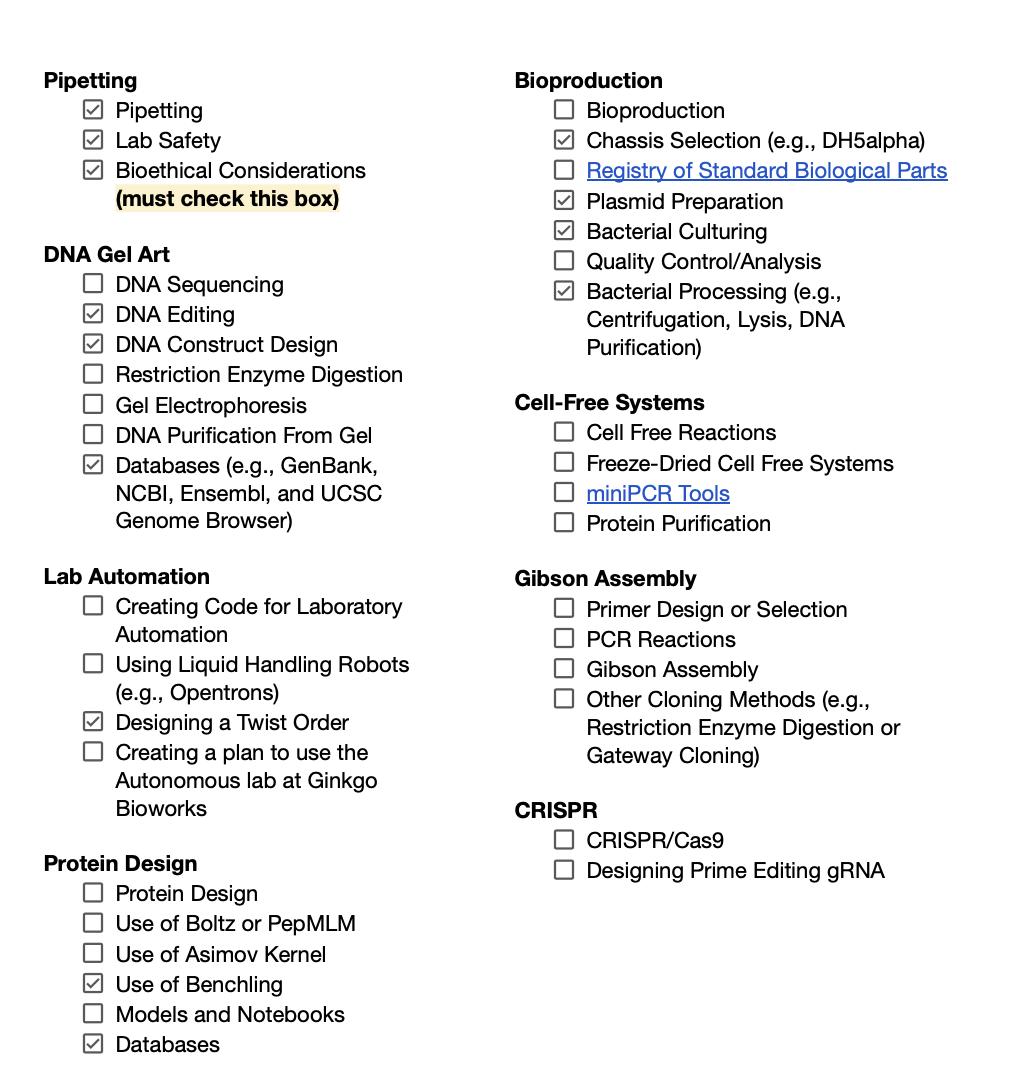
2. Expand upon two techniques you checked in the previous question by describing how you would utilize those techniques in your final project.
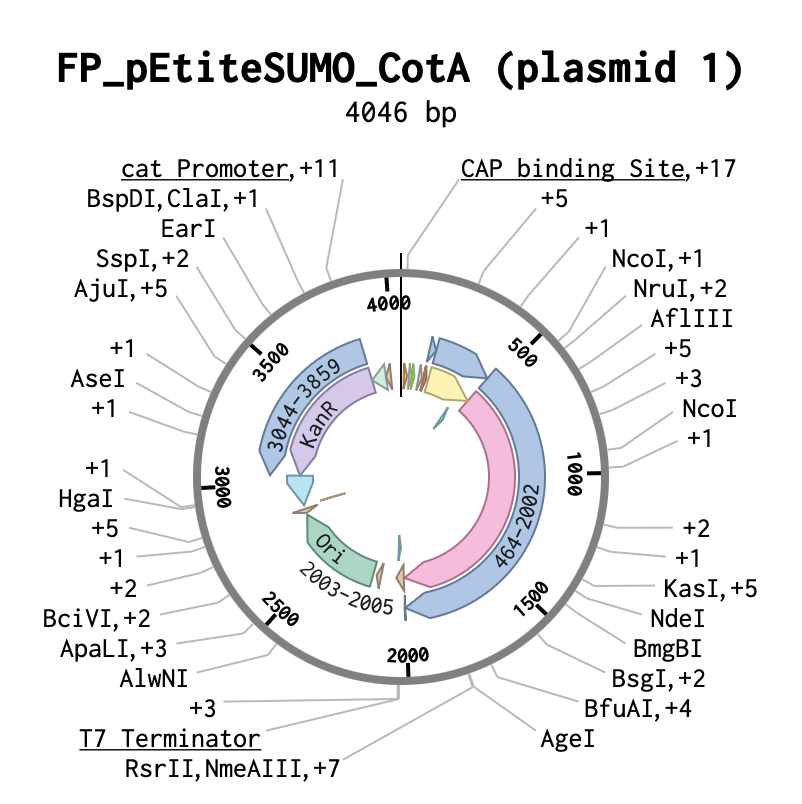
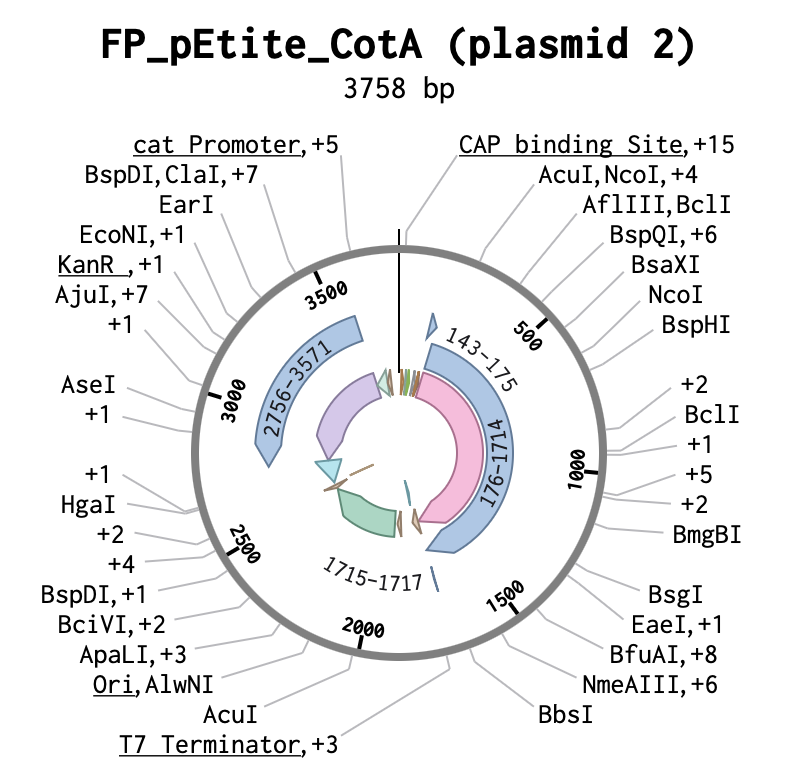
To validate this aspect of my project, I first used DNA construct design tools in Benchling to build a pET‑based plasmid encoding a His‑tagged SUMO–CotA fusion. In Benchling, I designed the coding sequence, promoter and resistance cassette, checked reading frames, and confirmed the presence of key features such as the T7 promoter, SUMO tag, CotA coding region, and His tag.
I also used online sequence databases ( NCBI/GenBank and UniProt) to retrieve and cross‑check the Bacillus subtilis CotA sequence, confirm annotations, and ensure that my design was compatible with expression in E. coli. Based on these designs, I then performed chassis selection by assigning E. coli DH5α for plasmid amplification and E. coli BL21(DE3) as the expression host.
I initially created two plasmids with the backbone on Benchling, one containing the SUMOtag and the other only having CotA Lacasse as a gene of interest:
I then decided to only focus on my desired genes of interest:
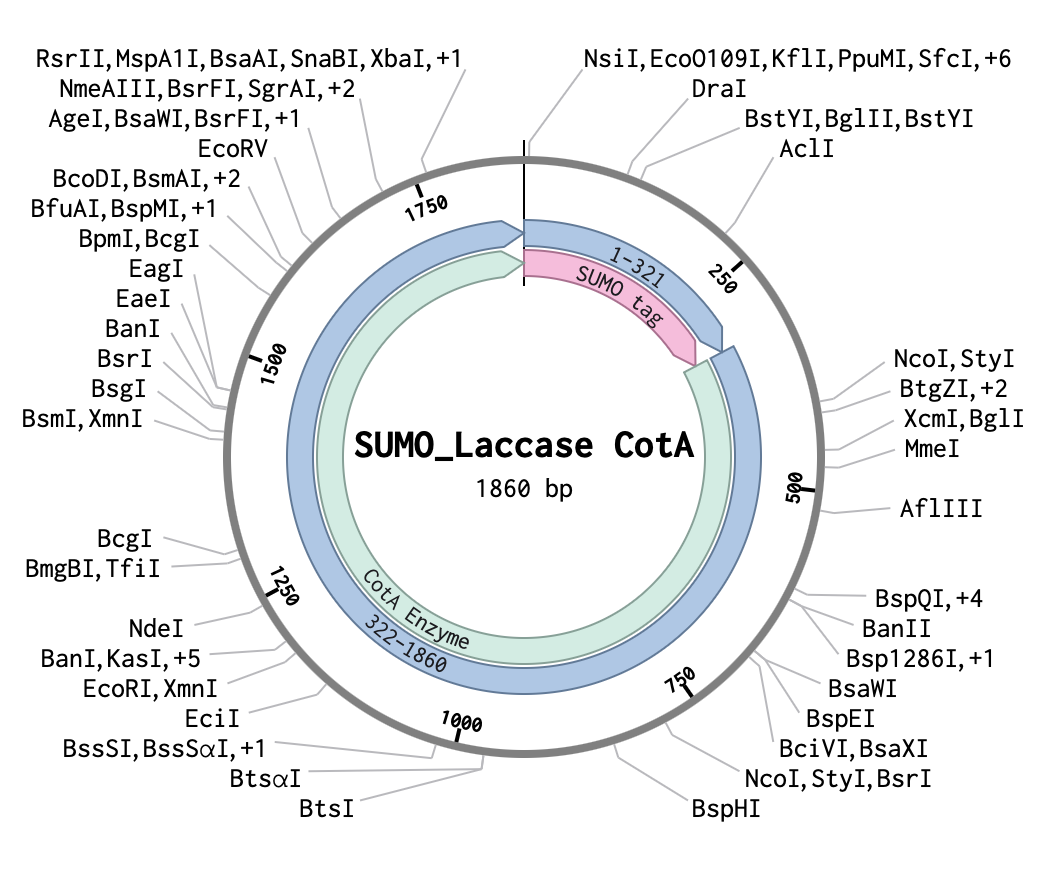
For accuracy, I selected a similar PET-compatible backbone on Twist:
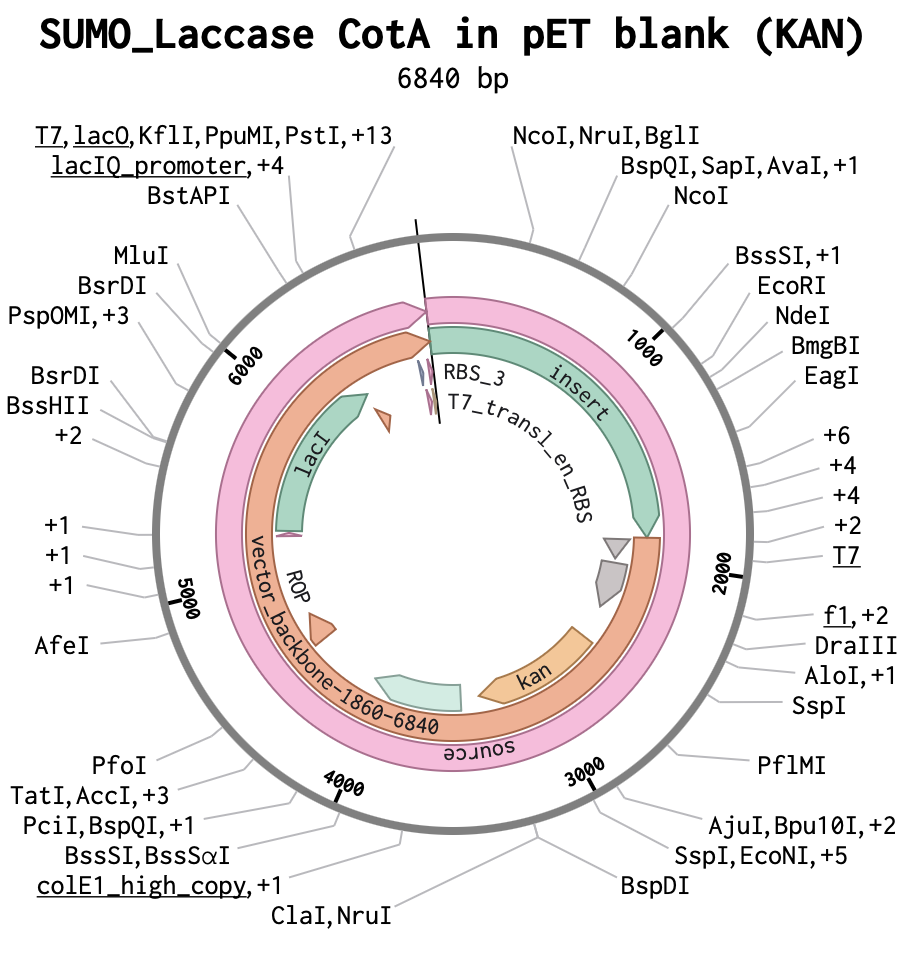
Benchling link to Project development: https://benchling.com/justine_biodesign/f_/Q6rz7UZkjP-laccase-cota-bacillus-s-_-petite-n-his-sumo-kan/
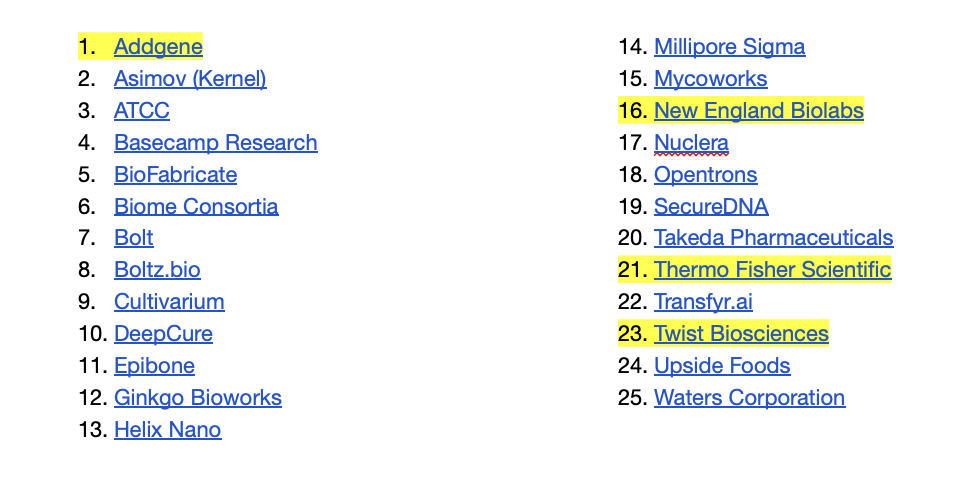
Identify any How To Grow (Almost) Anything Industry Council companies which are associated with your final project
Results & Quantitative Expectations
You are required to validate at least one aspect of your final project aims. This is to ensure that you are able to successfully apply a relevant synthetic biology technique to your project. Include figures if you have them—accuracy is critical in figures, tables, and graphs Here is a non-exhaustive list of acceptable validations:
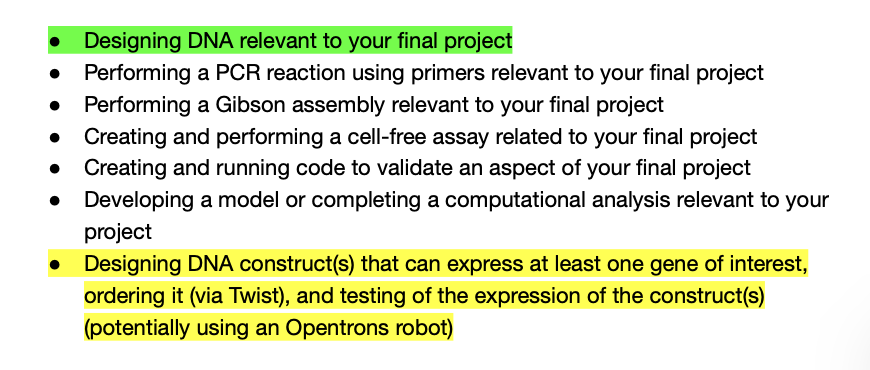
Highlighted in green is what I have been able to validate, whilst yellow is still in progress and will be able to continue developing after Twist order delivery.
What aspect of your final project did you choose to validate?
I chose to validate the expression of the Bacillus subtilis laccase CotA in E. coli BL21 cells and to evaluate its enzymatic activity using a colourimetric ABTS assay. Additionally, validate whether fusion with a His-tagged SUMO protein can enhance the enzyme’s stability and overall activity.
Write down a detailed protocol of how you validated this aspect of your final project.
1. Plasmid Amplification and Verification in DH5α
2. Transformation into BL21(DE3)
3. IPTG-Induced Expression of CotA-SUMO-His
4. Cell Lysis and His-Affinity Purification
4.1 Preparation of Buffers (from Tris Base and NaCl)
All buffers will be prepared from Tris base and NaCl and adjusted to the appropriate pH at room temperature.
Lysis/Binding Buffer
Wash Buffer
Elution Buffer
4.2 Cell Lysis
4.3 Purification of CotA-SUMO-His
4.4 SUMO and His Tag Removal Using the Same Column
5. Preparation of Assay Buffer and ABTS
6. ABTS Activity Assay at 20 °C, 25 °C, and 35 °C
The assay will be performed in a 96-well microplate reader with absorbance.
6.1 Reaction Setup
For a representative well assay (total volume 200 µL):6.2 Absorbance Measurement
7. Data Analysis and Validation
3.What synthetic biology techniques did you utilize in validating this aspect of your final project? You can refer to the list of techniques in question 8.
To validate this aspect of my project, I used a variety of techniques. Starting with DNA construct design for a His‑tagged SUMO–CotA fusion in a pET backbone, using Benchling and databases such as NCBI/GenBank to source and align the Bacillus subtilis CotA sequence and ensure compatibility with E. coli BL21(DE3). I then designed and placed a Twist order for synthesis of the full expression cassette (T7 promoter, SUMO–CotA coding sequence, His tag, and kanamycin resistance), integrating what I had learned about plasmid architecture and expression hosts.
The planned validation workflow combines chassis selection (E. coli DH5α for plasmid propagation and BL21(DE3) for protein expression), bacterial culturing, and bacterial processing steps such as heat‑shock transformation, antibiotic selection, centrifugation, and plasmid minipreps to prepare and verify the construct.
4. You must present data as part of your final project and include some analysis of that data. The data may be collected experimentally in the lab or generated as simulated data (e.g., using the Asimov Kernel or another simulation method).
Whilst I wait to conduct my lab experimentations, I decided to use alphafold to observe its predictions on the folding of the CotA Lacasse from Bacillus subtilis with and without the SUMOtag to evaluate whether it would affect the folding of the CotA.
CotA Lacasse amino acid sequence:
TLEKFVDALPIPDTLKPVQQSKEKTYYEVTMEECTHQLHRDLPPTRLWGYNGLFPGPTIE VKRNENVYVKWMNNLPSTHFLPIDHTIHHSDSQHEEPEVKTVVHLHGGVTPDDSDGYPEA WFSKDFEQTGPYFKREVYHYPNQQRGAILWYHDHAMALTRLNVYAGLVGAYIIHDPKEKR LKLPSDEYDVPLLITDRTINEDGSLFYPSAPENPSPSLPNPSIVPAFCGETILVNGKVWP YLEVEPRKYRFRVINASNTRTYNLSLDNGGEFIQIGSDGGLLPRSVKLNSFSLAPAERYD IIIDFTAYEGESIILANSAGCGGDVNPETDANIMQFRVTKPLAQKDESRKPKYLASYPSV QHERIQNIRTLKLAGTQDEYGRPVLLLNNKRWHDPVTEAPKVGTTEIWSIINPTRGTHPI HLHLVSFRVLDRRPFDIARYQESGELSYTGPAVPPPPSEKGWKDTIQAHAGEVLRIAATF GPYSGRYVWHCHILEHEDYDMMRPMDITDPHK
SUMO-CotA Lacasse amino acid fusion sequence:
GSLQDSEVNQEAKPEVKPEVKPETHINLKVSDGSSEIFFKIKKTTPLRRLMEAFAKRQGK EMDSLTFLYDGIEIQADQTPEDLDMEDNDIIEAHREQIGGTLEKFVDALPIPDTLKPVQQ SKEKTYYEVTMEECTHQLHRDLPPTRLWGYNGLFPGPTIEVKRNENVYVKWMNNLPSTHF LPIDHTIHHSDSQHEEPEVKTVVHLHGGVTPDDSDGYPEAWFSKDFEQTGPYFKREVYHY PNQQRGAILWYHDHAMALTRLNVYAGLVGAYIIHDPKEKRLKLPSDEYDVPLLITDRTIN EDGSLFYPSAPENPSPSLPNPSIVPAFCGETILVNGKVWPYLEVEPRKYRFRVINASNTR TYNLSLDNGGEFIQIGSDGGLLPRSVKLNSFSLAPAERYDIIIDFTAYEGESIILANSAG CGGDVNPETDANIMQFRVTKPLAQKDESRKPKYLASYPSVQHERIQNIRTLKLAGTQDEY GRPVLLLNNKRWHDPVTEAPKVGTTEIWSIINPTRGTHPIHLHLVSFRVLDRRPFDIARY QESGELSYTGPAVPPPPSEKGWKDTIQAHAGEVLRIAATFGPYSGRYVWHCHILEHEDYD
I began by comparing the PDB structure and the predicted alpha fold of CotA Lacasse:
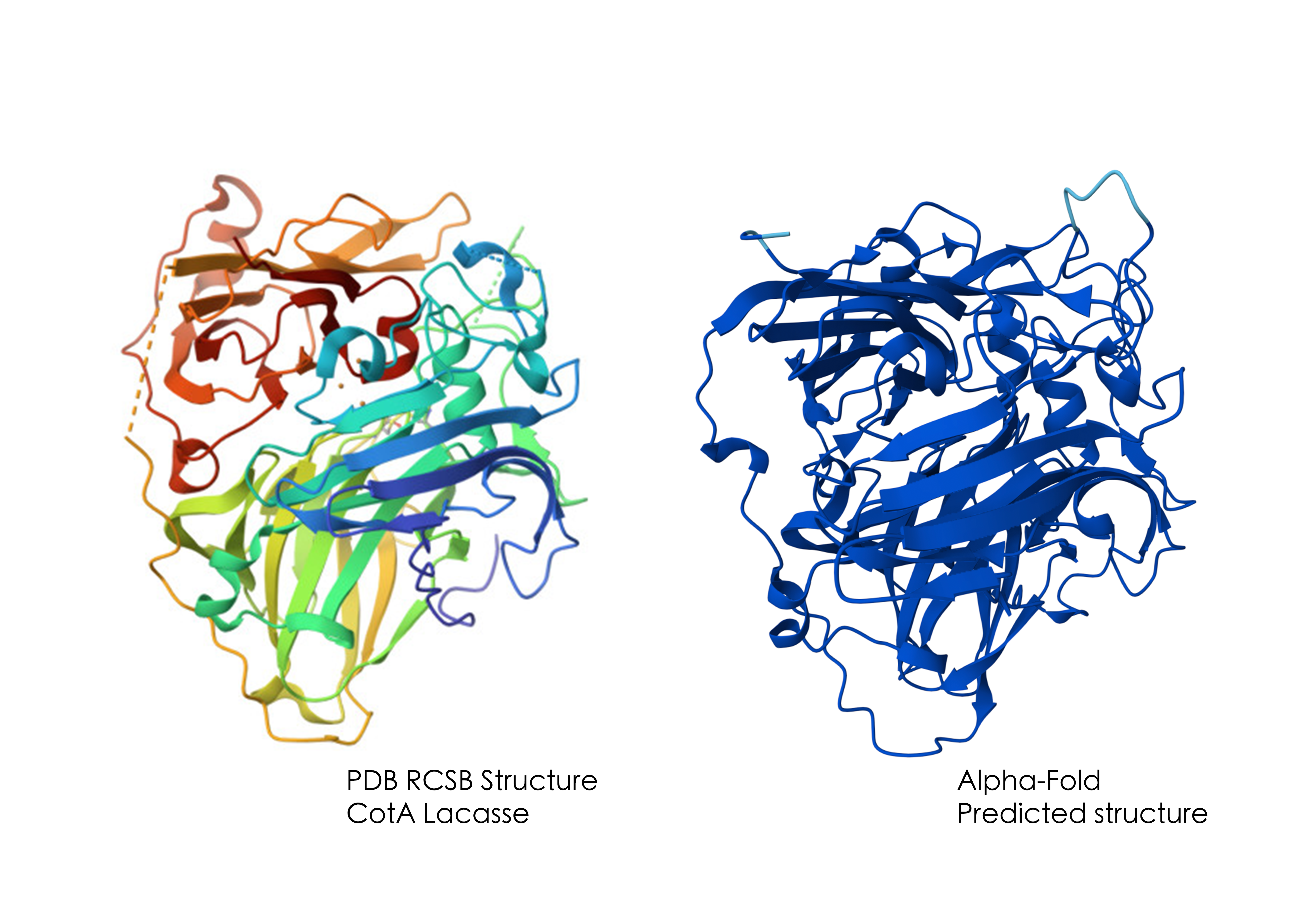
The AlphaFold prediction for CotA closely matches the experimentally determined CotA crystal structure (PDB ID: 7Y8C), supporting the reliability of the model. Additionally, the predicted structure has a high pTM score of 0.98, proving it as a high-confidence model.
I then analysed both the CotA and SUMO-CotA structures from different angles:
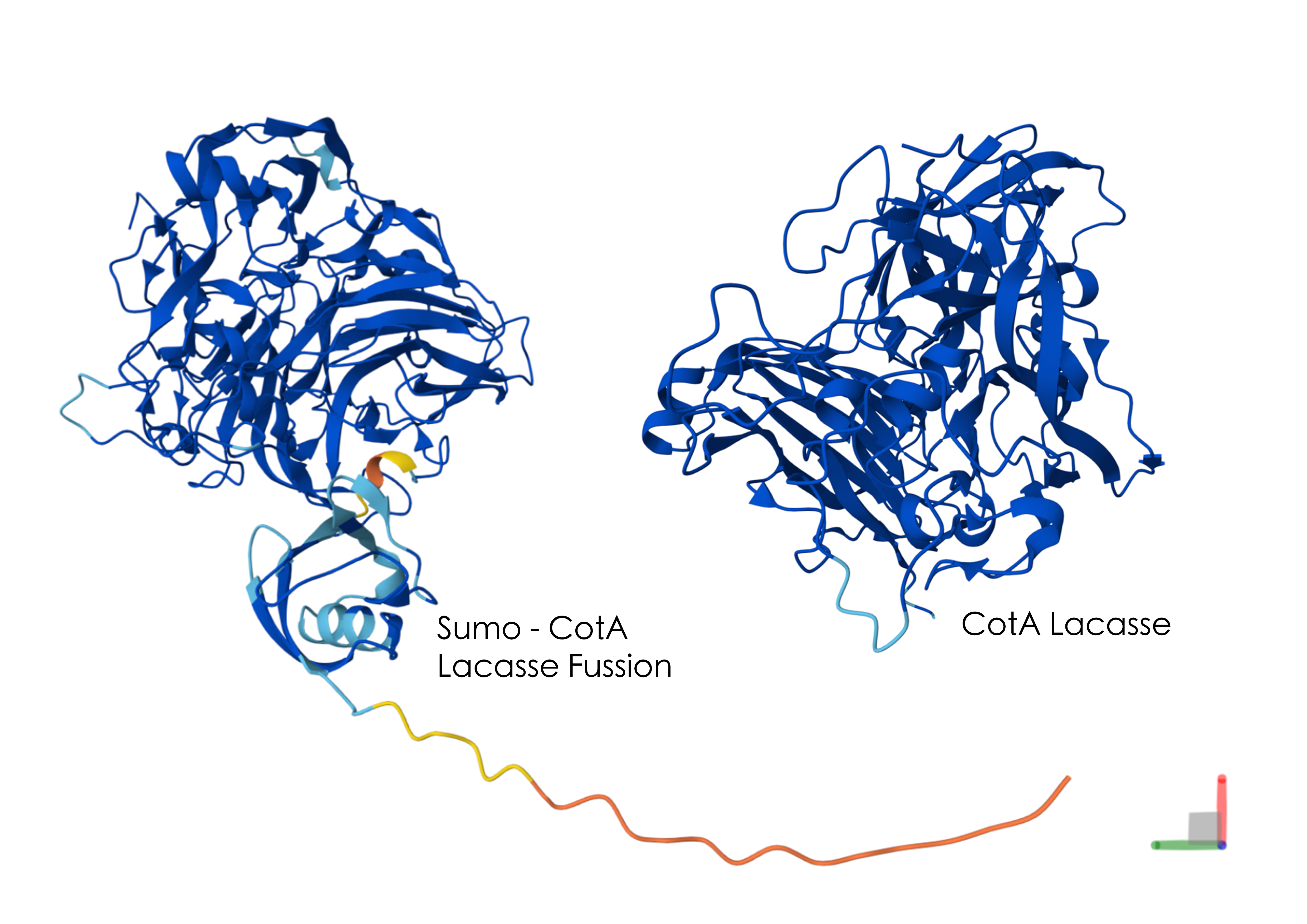
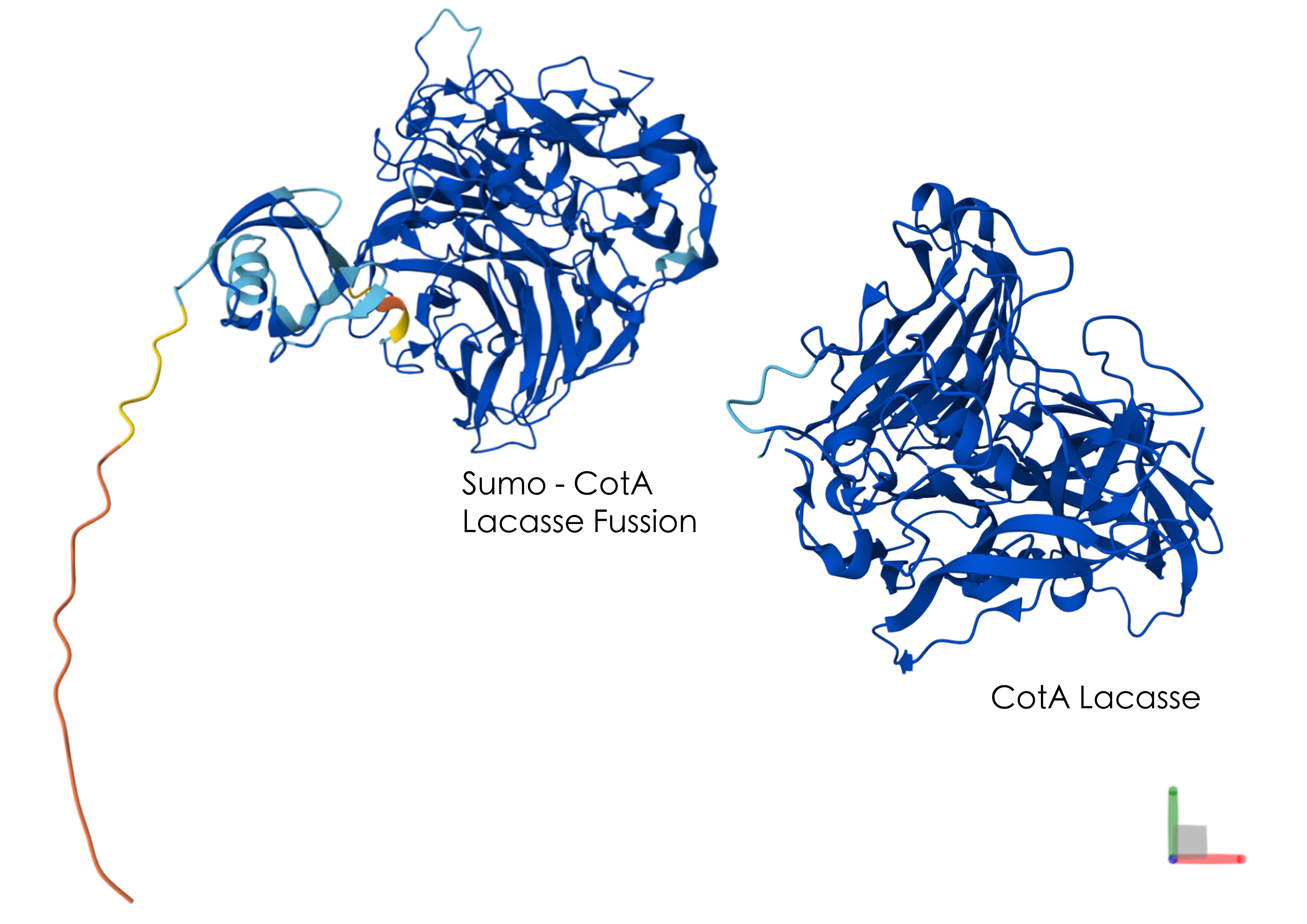
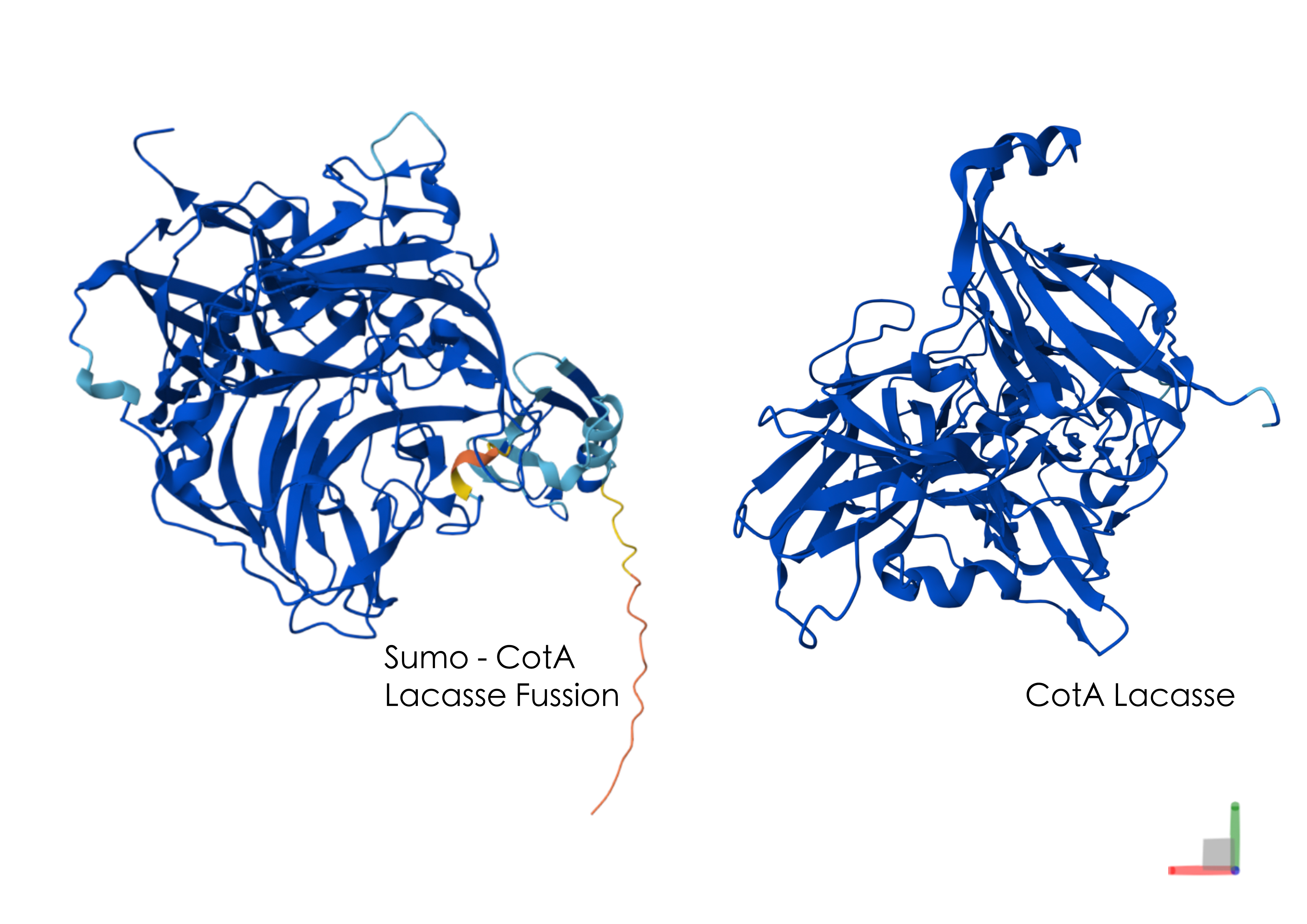
When I modelled the SUMO-CotA fusion as a single polypeptide, the prediction showed the CotA region still forming a globular laccase‑like core, but with an additional N‑terminal corresponding to the SUMO protein. This N‑terminal region appears as a flexible tail and a smaller folded domain attached to CotA. It shows a very low model confidence (orange), indicating that its exact position and conformation are uncertain.
When the CotA portion of the fusion is overlaid with the CotA‑only model, the overall shape is different, suggesting that the tag may alter the relative arrangement of some β‑strands, α‑helices, or domains. Taken together, the models suggest that CotA can still adopt a laccase fold in the presence of the SUMO tag but that the fusion could alter local structure. Because structural prediction alone cannot tell me whether expression, solubility, or activity are improved or disrupted with a SUMO tag, these experimental questions need to be answered through laboratory work.
5. Did you encounter any unexpected challenge(s) when performing your validation? If so, describe the challenge(s) and strategies to overcome it. If not, discuss potential problems, difficulties, limitations, and/or alternative strategies to overcome challenges in your final project.
One of the main challenges I anticipate with my experimental plan is achieving sufficient soluble expression of the CotA‑SUMO‑His fusion in E. coli BL21(DE3). With or without the SUMO tag, the CotA could misfold, which would reduce the amount of active enzyme available for ABTS assays and complicate the interpretation of weak colour changes.
Another likely difficulty is the incomplete binding or elution from the Ni‑NTA column. For example, if the His tag is not fully accessible, it could lead to low recovery and variable protein concentrations between preparations. I may also encounter problems with the ABTS readout, such as high background oxidation, which makes it hard to compare conditions accurately.
To address these possible issues, alternative strategies can be applied:
Additionally, if ABTS signals are weak, I can:
ADDITIONAL INFORMATION
List all references in this assignment (bullet-point list)
Create a supply list and budget for your project (bullet-point list)
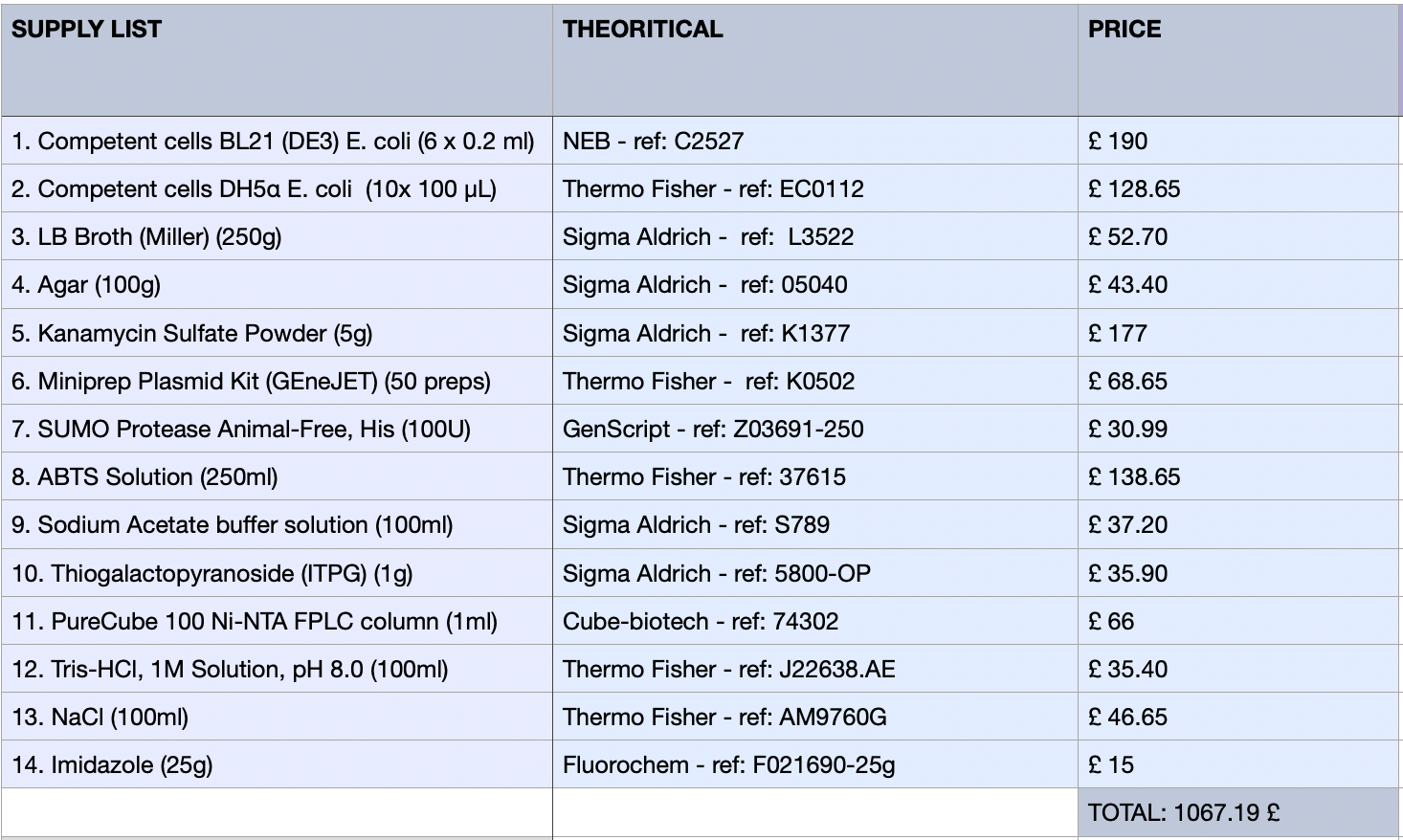
The following table listing my supplies doesn’t take into consideration the delivery fees, division of supplies with other in-person lab students or what may already be available in the lab. Ultimately, the price should be reduced significantly from what is stated below.