Week 1 HW: Principles and Practices
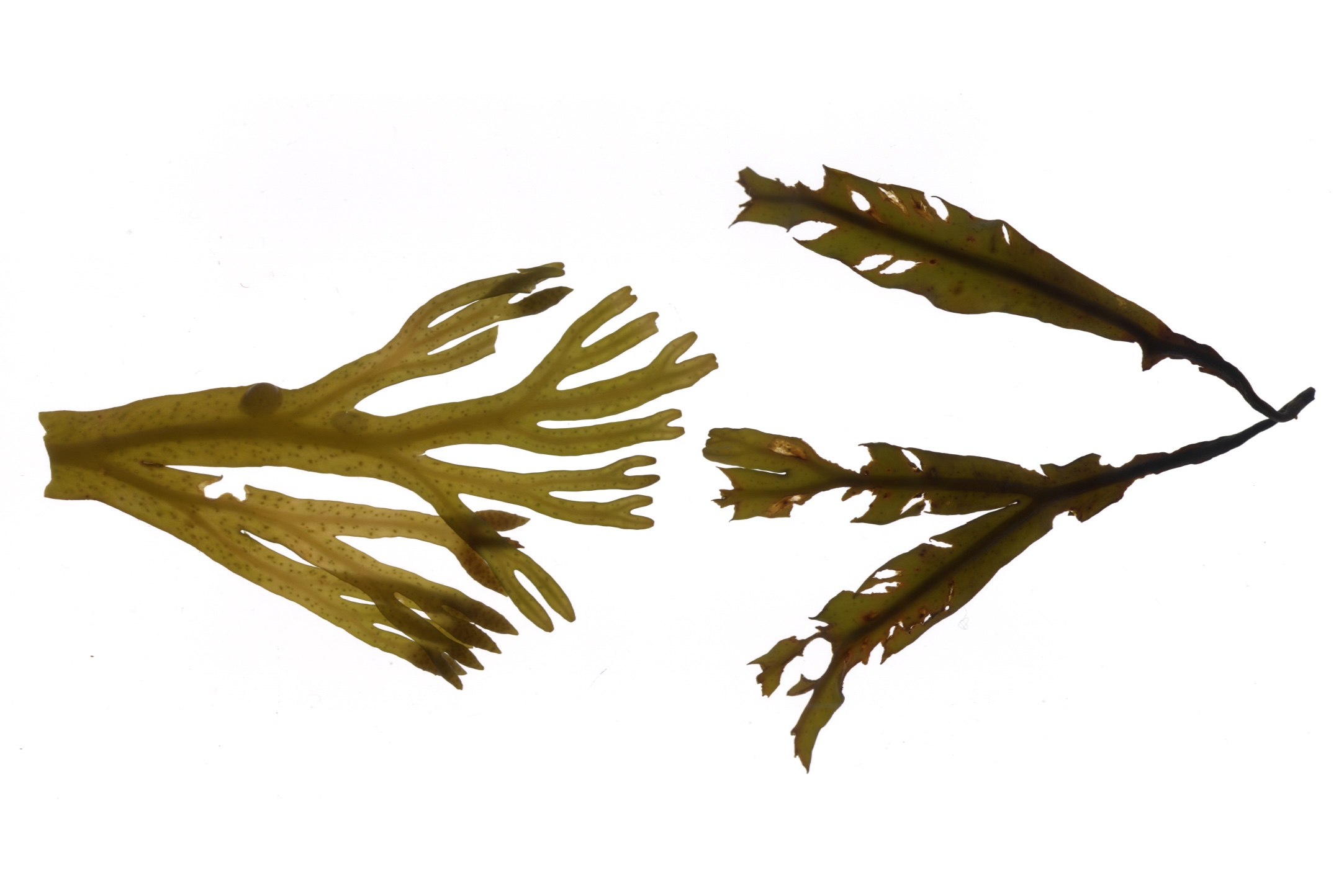
1. First, describe a biological engineering application or tool you want to develop and why. This could be inspired by an idea for your HTGAA class project and/or something for which you are already doing in your research, or something you are just curious about.
I am interested in exploring applications of seaweed for soil remediation in urban environments. The proposed tool incorporates seaweed-derived biochar to reduce contaminant bioavailability, buffer pH, and improve overall soil structure and health.
Why: Soil remediation in urban settings can be expensive, complex, and disruptive. Vacant lots and brownfields are highly contaminated, and remediation can be a logistically difficult process; urban soils are often heterogeneous, containing diverse pollutants. Phytoremediation can be an effective low-cost remediation method in areas of relatively low contamination, but it faces other barriers in complex or highly contaminated soils. Seaweed-derived biochar may be a potential way to complement phytoremediation, by improving soil health while linking coastal and urban systems.
2. Next, describe one or more governance/policy goals related to ensuring that this application or tool contributes to an “ethical” future, like ensuring non-malfeasance (preventing harm). Break big goals down into two or more specific sub-goals. Below is one example framework (developed in the context of synthetic genomics) you can choose to use or adapt, or you can develop your own. The example was developed to consider policy goals of ensuring safety and security, alongside other goals, like promoting constructive uses, but you could propose other goals for example, those relating to equity or autonomy.
Protect the environment -> Prevent environmental harm, Support adaptive/flexible management
Enhance biosecurity -> Prevent incidents, Enable response and accountability
Foster lab and operational safety -> Prevent incidents, Support response mechanisms
3. Next, describe at least three different potential governance “actions” by considering the four aspects below (Purpose, Design, Assumptions, Risks of Failure & “Success”). Try to outline a mix of actions (e.g. a new requirement/rule, incentive, or technical strategy) pursued by different “actors” (e.g. academic researchers, companies, federal regulators, law enforcement, etc). Draw upon your existing knowledge and a little additional digging, and feel free to use analogies to other domains (e.g. 3D printing, drones, financial systems, etc.). Purpose: What is done now and what changes are you proposing? Design: What is needed to make it “work”? (including the actor(s) involved - who must opt-in, fund, approve, or implement, etc) Assumptions: What could you have wrong (incorrect assumptions, uncertainties)? Risks of Failure & “Success”: How might this fail, including any unintended consequences of the “success” of your proposed actions?
Action 1: Sourcing of seaweed Purpose: The diversity of seaweed species means there are a range of sourcing practices. This action would ensure the sourcing does not incite ecological harm or contamination. Design: Actors include environmental agencies and producers. There would need to be distinctions between excess biomass (such as ‘nuisance’ seaweed removed from shores), aquaculture, and other sources. Assumptions: Regulators can define appropriate coastal areas. Risks of Failures & “Success”: Failure: fraud, excluded suppliers. Success: Invasive species of seaweed could grow in demand.
Action 2: Performance assessment and certification Purpose: Prevent greenwashing. Ensure safe usage of materials. Design: Actors include labs and regulators. The certification process could include leachability tests with soil. Assumptions: Lab tests correctly correlate with field performance. Risks of Failures & “Success”: Failure: Certification could be costly. Success: false sense of security.
Action 3: Monitoring, participatory oversight, sustained responsibility Purpose: Create public accountability and visibility of process. Design: Actors include city government, environmental agencies, landowners, community members. The tool could be tested in public contexts such as brownfields, green roofs, and public spaces. Community groups could help define successful results. Assumptions: Participation is meaningful and appealing. Risks of Failures & “Success”: Failure: communities feel burdened and don’t reap the benefits.
| Does the option: | Option 1 | Option 2 | Option 3 |
|---|---|---|---|
| Enhance Biosecurity | |||
| • By preventing incidents | 1 | 2 | 2 |
| • By helping respond | 1 | 2 | 1 |
| Foster Lab Safety | |||
| • By preventing incident | 2 | 1 | 1 |
| • By helping respond | 2 | 1 | 1 |
| Protect the environment | |||
| • By preventing incidents | 1 | 2 | 2 |
| • By helping respond | 2 | 2 | 1 |
| Other considerations | |||
| • Minimizing costs and burdens to stakeholders | 3 | 3 | 3 |
| • Feasibility? | 2 | 2 | 2 |
| • Not impede research | 2 | 2 | 2 |
| • Promote constructive applications | 2 | 2 | 1 |
Pre-lecture questions:
Nature’s machinery for copying DNA is called polymerase. What is the error rate of polymerase?
1 in 10^6
How does this compare to the length of the human genome. How does biology deal with that discrepancy?
Human genome: 3.2 gbp Biology deals with the discrepancy through correcting errors after synthesis.
How many different ways are there to code (DNA nucleotide code) for an average human protein? In practice what are some of the reasons that all of these different codes don’t work to code for the protein of interest?
Average human protein length = 1035 bp = ~345 codons Some of the reasons that all of these different codes don’t work may involve restriction sites and other assembly constraints, translation rate, and mRNA secondary structure
What’s the most commonly used method for oligo synthesis currently?
Phosphoramidite synthesis on solid support
Why is it difficult to make oligos longer than 200nt via direct synthesis?
Exponential yield loss. With increased length comes increased error rates.
Why can’t you make a 2000bp gene via direct oligo synthesis?
This would have an exponential compounding issue with significant errors.
[Using Google & Prof. Church’s slide #4] What are the 10 essential amino acids in all animals and how does this affect your view of the “Lysine Contingency”?
Phenylalanine Valine Threonine Tryptophan Isoleucine Methionine Histidine Arginine Leucine Lysine
This reinforces lysine as an essential amino acid that cannot be coded around – which could be both a constraint and a way to control growth.
Google search prompt: ten essential amino acids in animals; lysine as essential amino acid
Integrative physiology of lysine metabolites Yifan Tan, Maria Chrysopoulou, and Markus M. Rinschen Physiological Genomics 2023 55:12, 579-586
HTGAA Website: I began customizing my website – this is my first time using Markdown 🫨 so I have a lot to learn still!