Week 2 Homework
Week 2 Homework
Documentation
This week I worked on DNA gel art, restriction digests, and DNA design. I designed a gel art pattern, ran the gel in lab, and prepared a Benchling construct for a spider silk equivalent protein.
Part 1: Benchling and In-silico Gel Art
For the in-silico gel art part, I used restriction digests of lambda DNA to plan a gel pattern before running the wet-lab version. The main idea was to use different restriction enzymes to create different DNA fragment sizes, so the bands would appear at different positions in the gel.
Part 2: Gel Art: Restriction Digests and Gel Electrophoresis
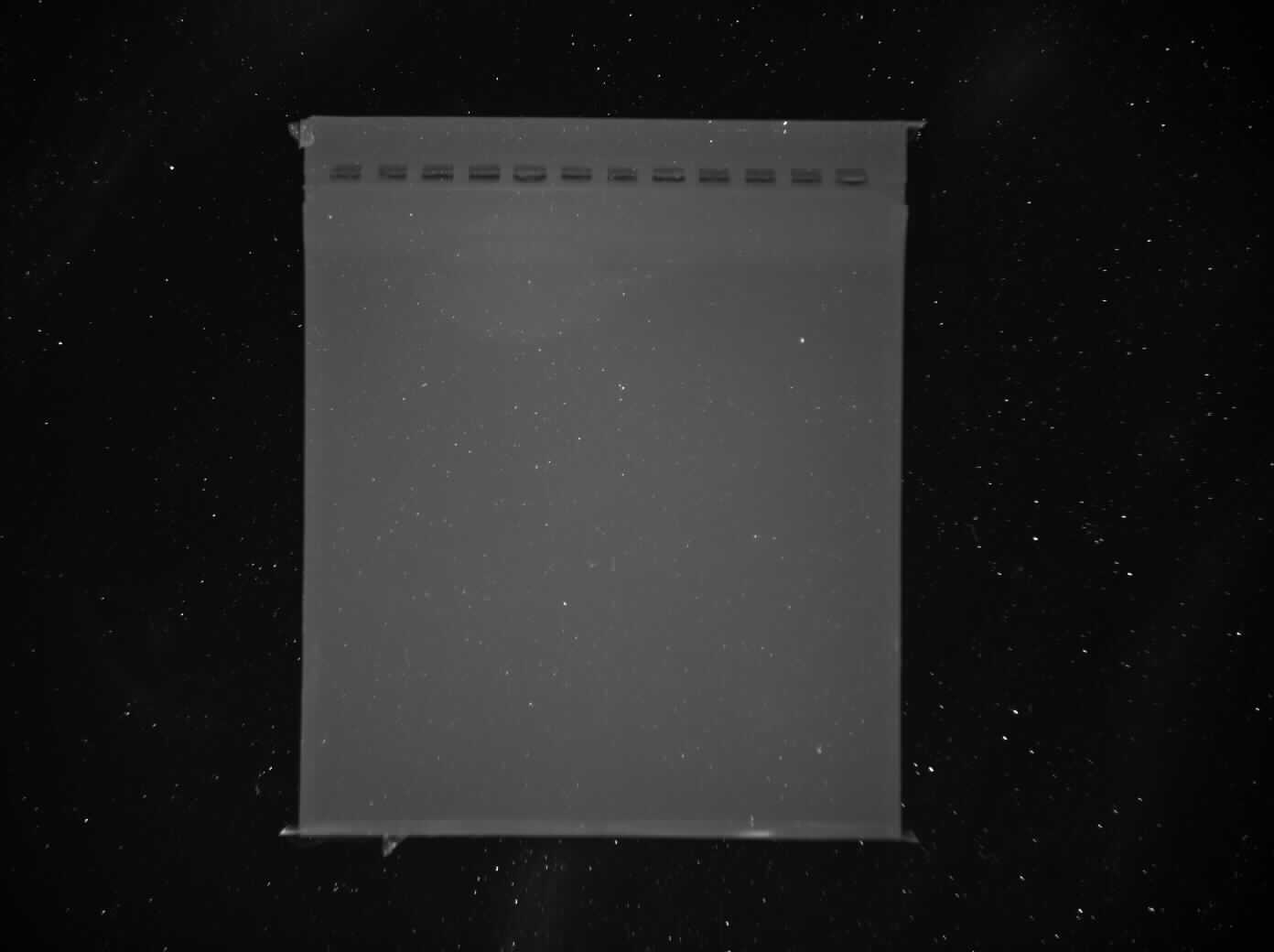
I performed the gel art experiment in lab based on the in-silico design. The gel was cast, the DNA digest samples were loaded, electrophoresis was run, and the gel was imaged.
The final gel image showed the wells clearly, but the band pattern was faint and did not come out very strongly. This could have been due to low DNA concentration, loading issues, imaging exposure, or the fragments not separating visibly enough.
Part 3: DNA Design Challenge
3.1 Choose your protein
I chose a spider silk equivalent protein because my final project is about making synthetic spider silk-like material. Spider silk is interesting because it is strong, lightweight, and could be useful as a biomaterial.
Protein sequence:
MSYQQGQGAGAAAAAAAAAAGGAGQGGYGGLGSQGAGAAAAAAAAAAGGAGQGGYGGLGSQGAGAAAAAAAAAAGGAGQGGYGGLGSQGAGAAAAAAAAAAGGAGQGGYGGLGSQGAGAAAAAAAAAAGGAGQGGYGGLGHHHHHH
3.2 Reverse translation
DNA sequence:
TAATACGACTCACTATAGGGAAAGAGGAGAAAATGAGCTATCAGCAAGGCCAGGGTGCGGGCGCAGCCGCGGCTGCAGCCGCGGCTGCAGCCGGTGGCGCGGGCCAGGGTGGCTATGGCGGCCTGGGCAGCCAGGGCGCGGGTGCTGCAGCCGCGGCTGCAGCCGCGGCTGCAGGCGGTGCGGGCCAGGGTGGCTACGGCGGTCTGGGCAGCCAGGGTGCGGGCGCCGCGGCTGCAGCCGCGGCTGCAGCCGCGGGCGGCGCGGGCCAGGGTGGCTATGGCGGCCTGGGCAGCCAGGGCGCGGGTGCTGCAGCCGCGGCTGCAGCCGCGGCTGCAGGCGGTGCGGGCCAGGGTGGCTACGGCGGTCTGGGCAGCCAGGGTGCGGGCGCCGCGGCTGCAGCCGCGGCTGCAGCCGCGGGCGGCGCGGGCCAGGGTGGCTATGGCGGCCTGGGCCATCATCATCATCATCATTAATAA
3.3 Codon optimization
Codon optimization is needed because different organisms use different codons more often, even when the codons encode the same amino acid. If the DNA uses codons that are rare in the host, the protein may express poorly.
I optimized the sequence for bacterial expression, since E. coli is a common host for producing recombinant proteins. This makes sense for my project because I want to test whether a spider silk-like protein can be expressed efficiently.
3.4 You have a sequence, now what?
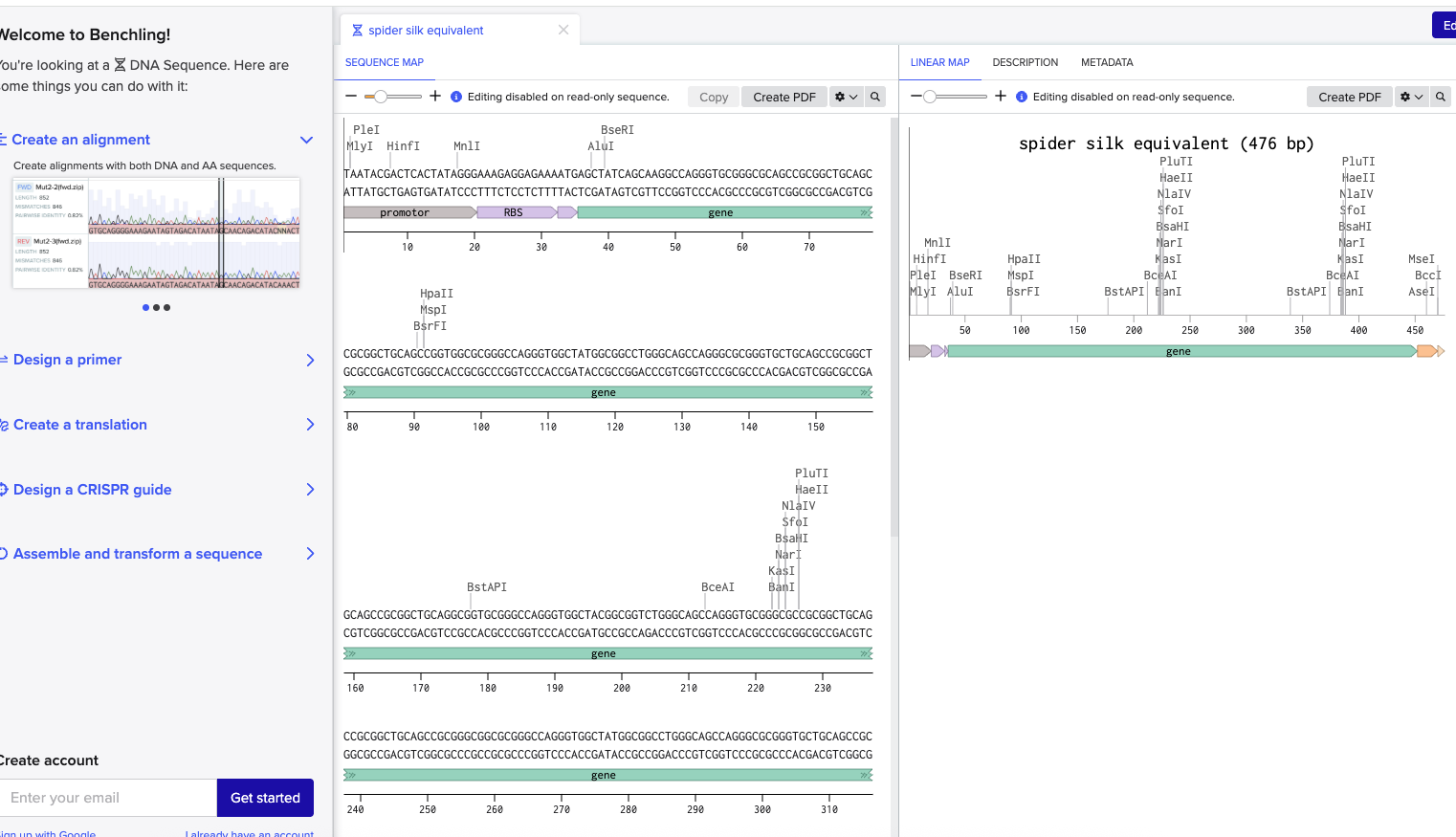
This DNA sequence can be used as an expression construct. The promoter and RBS help start transcription and translation, the coding sequence encodes the spider silk equivalent protein, and the His tag can help with purification.
In a cell-based system, the DNA could be placed in a plasmid and transformed into E. coli. The cells would transcribe the DNA into mRNA and translate the mRNA into protein. In a cell-free system, the DNA could be added directly to a Tx/Tl reaction to produce the protein without living cells.
Part 4: Prepare a Twist DNA Synthesis Order
For this part, I prepared a DNA synthesis design for my final project. I built an annotated Benchling insert fragment for a spider silk equivalent protein. The construct includes a promoter, RBS, coding sequence, His tag, and stop codon.
I used this insert as the basis for a Twist synthesis setup. The goal was to make a construct that could later be used for expression and testing of a synthetic spider silk-like protein.
Part 5: DNA Read/Write/Edit
5.1 DNA Read
I would want to sequence my spider silk equivalent construct to confirm that the ordered DNA matches the design. This is important because the sequence is repetitive, and even small errors could affect expression or the final protein.
I would use Sanger sequencing because this construct is short enough to check with sequencing primers. Sanger sequencing is a first-generation sequencing method. The input would be purified plasmid DNA or a PCR product. The sample would be prepared with a sequencing primer and sent for sequencing.
Sanger sequencing uses DNA synthesis with fluorescent chain-terminating nucleotides. The output is a chromatogram and a DNA sequence, which I would align to my designed construct.
5.2 DNA Write
I would want to synthesize the DNA sequence for my spider silk equivalent protein. This would let me test whether the designed repetitive protein can be produced and eventually assembled into a silk-like material.
I would use commercial DNA synthesis, such as Twist, because it is faster and more reliable than manually assembling the sequence. The basic steps are to design the DNA, codon optimize it, add expression parts, check the sequence, order it, and then test it in cells or a cell-free system.
One limitation is that repetitive DNA can be harder to synthesize accurately. Longer or highly repetitive constructs may also be more expensive or take longer to produce.
5.3 DNA Edit
I would edit an expression host such as E. coli to improve production of spider silk-like proteins. For example, I might reduce protease activity or improve amino acid supply so the host can make more of the recombinant protein.
I would use CRISPR-Cas9 or recombineering for this. The edit would need a target site, a guide RNA, and a repair template. After editing, I would screen colonies and sequence the edited region to confirm the change.
The main limitations are editing efficiency, possible off-target edits, and the fact that improving protein production may require testing several different edits.