Labs

Lab writeups:

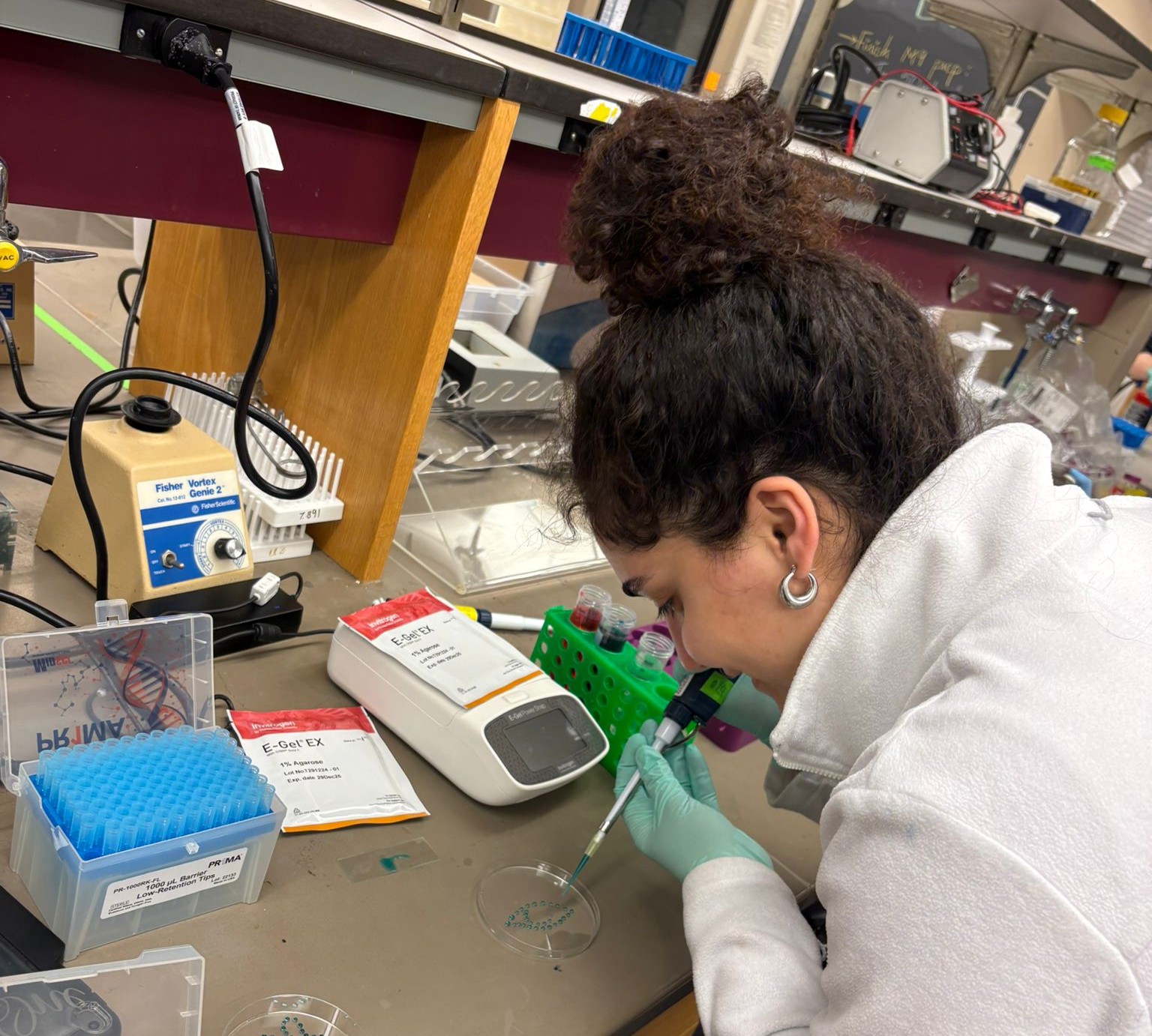
  • Week 1 Lab: Pipetting

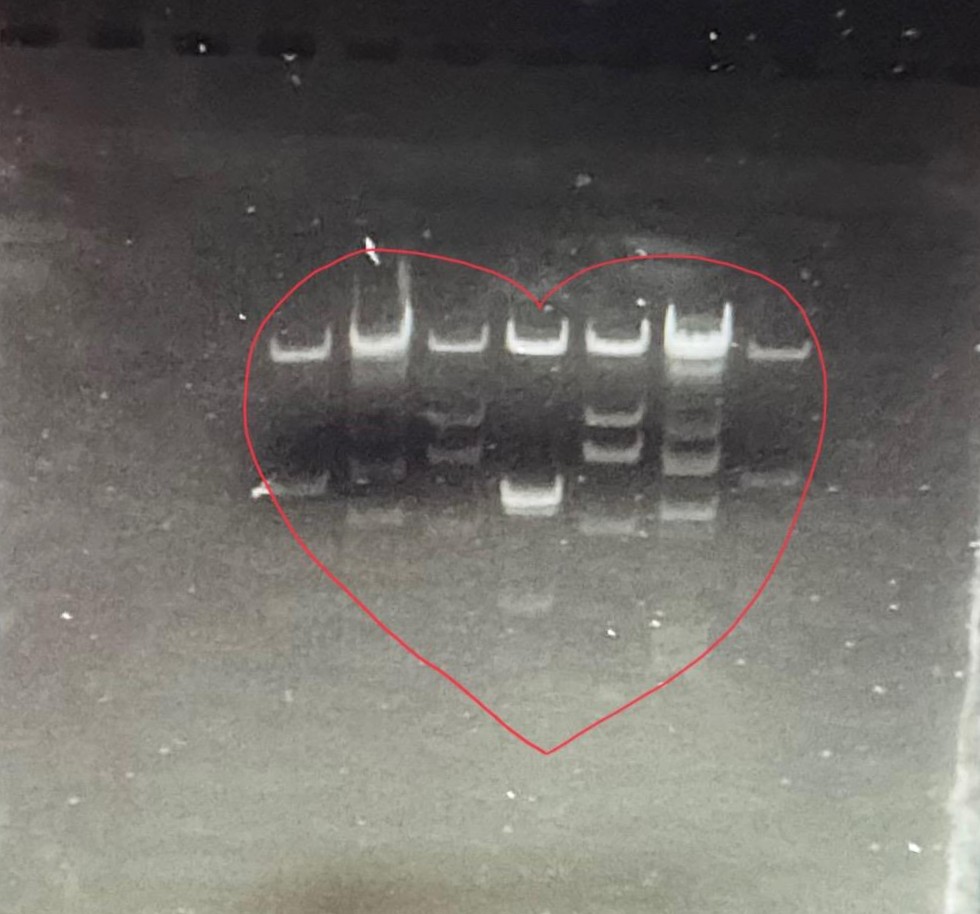
  • Week 2 Lab: Lab DNA Gel Art

    Part 1: Benchling & In-silico Gel Art Part 0a: Designing my Gel Art For this week’s lab, I aimed to create a cool shape that would be easily noticeable and bring a smile to whoever sees it. After thinking through a few ideas, I decided to try creating a rubber duck shape :)

  • Week 3: Lab Opentrons Art

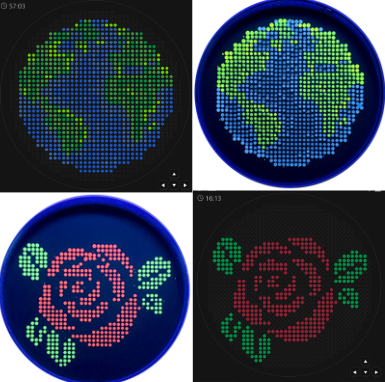
    Python Script for Opentrons Artwork In this week’s lab, we used the Opentrons OT-2 pipetting robot and genetically engineered E. coli bacteria to create bio art on black (charcoal) agar plates! The bacteria were engineered to express fluorescent proteins (such as GFP – Green Fluorescent Protein), allowing them to glow in multiple colors under ultraviolet light.

  • Week 6 Lab: Lab Gibson Assembly

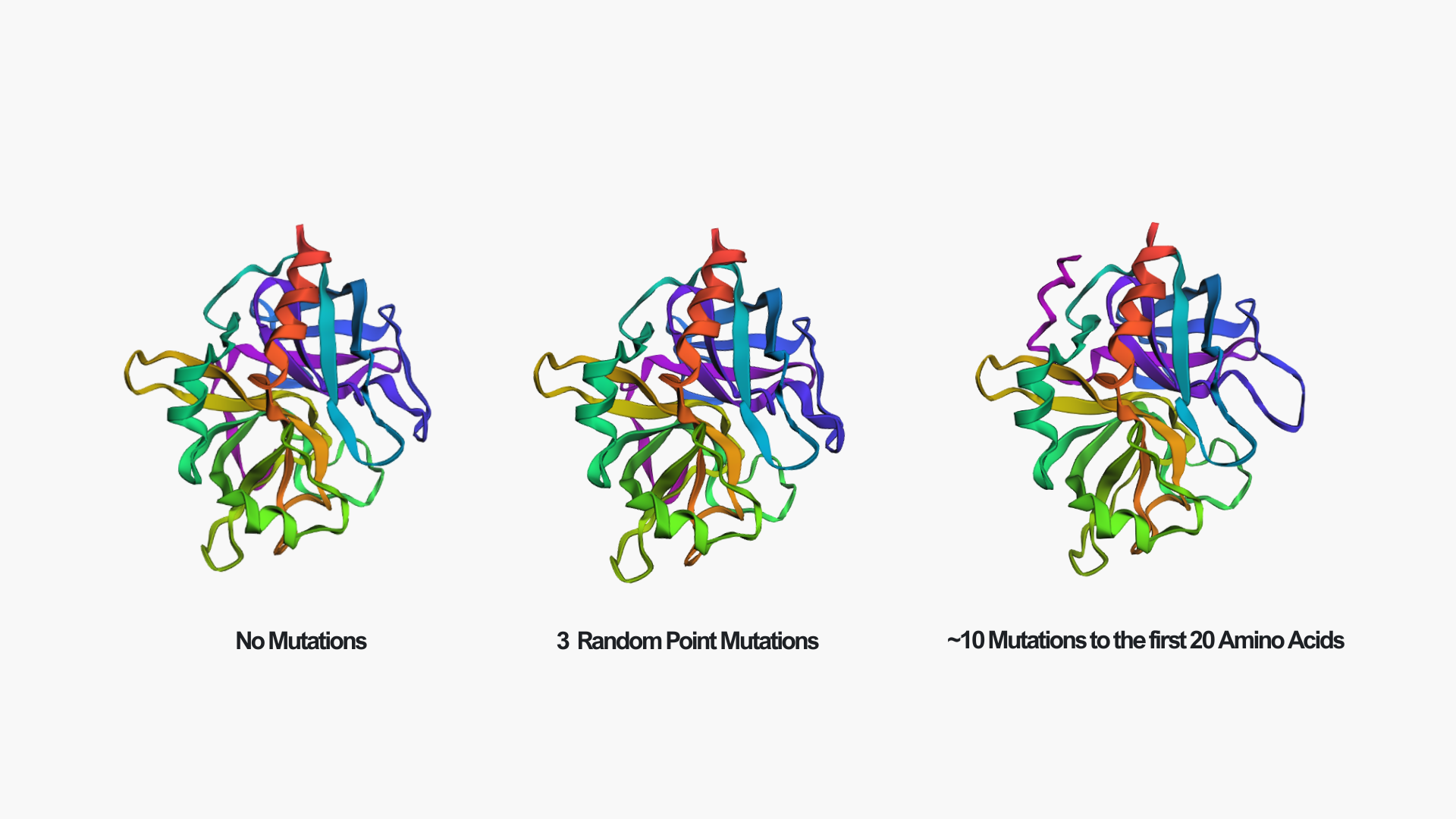
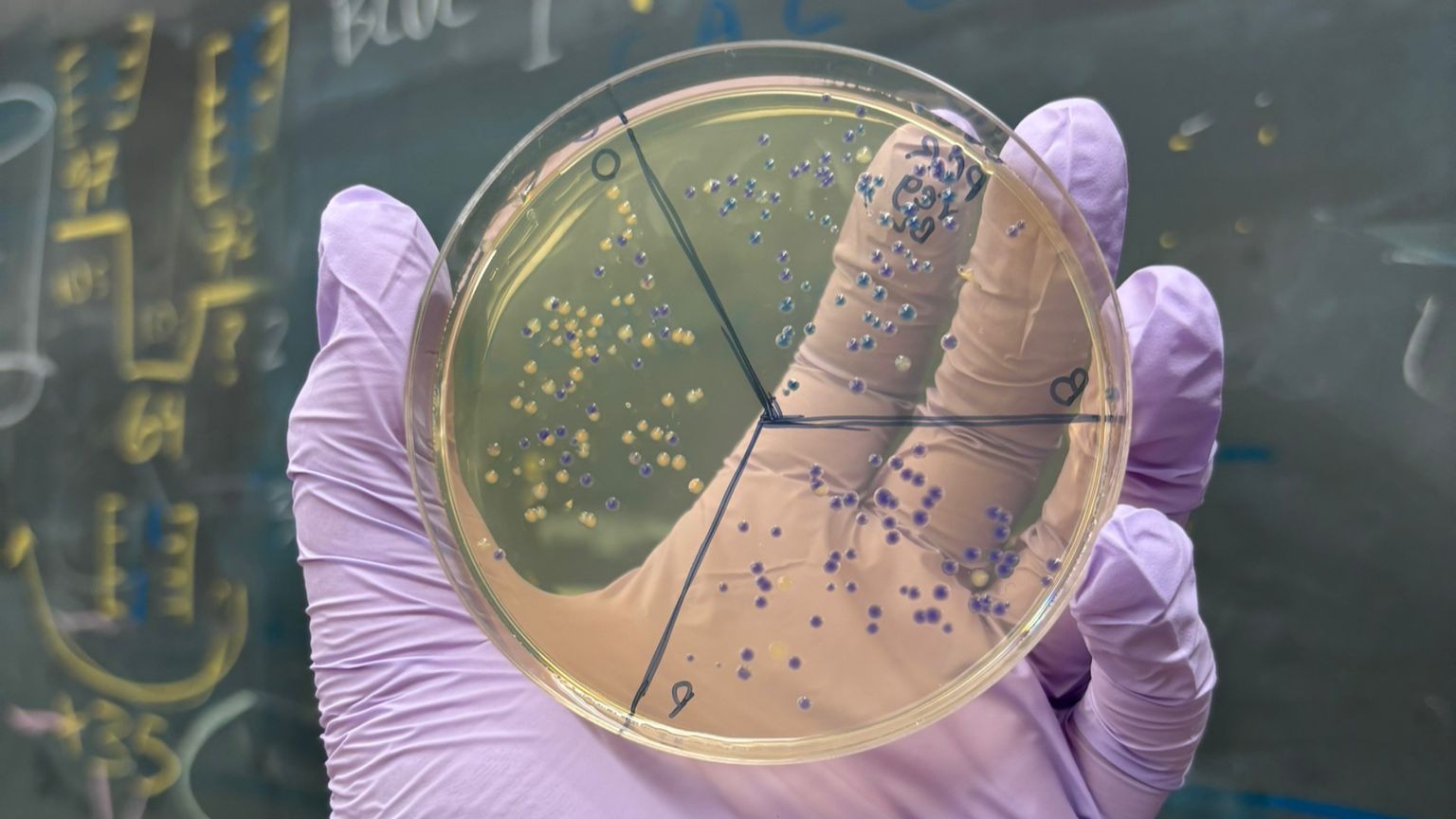
    In this week’s 2-day lab, we learned how to construct a plasmid using Gibson assembly and genetically engineer E. coli. Our goal was to mutate the chromophore of amilCP, a purple chromoprotein originally from the coral Acropora millepora, to generate new color variants. Using PCR with mutation-introducing primers, we modified the gene and assembled it into a plasmid containing the elements needed for replication and expression in bacteria. The plasmid was then transformed into E. coli so the cells could produce the engineered protein.

  • Week 7 Lab: Lab Neuromorphic Circuits and Biomaterials

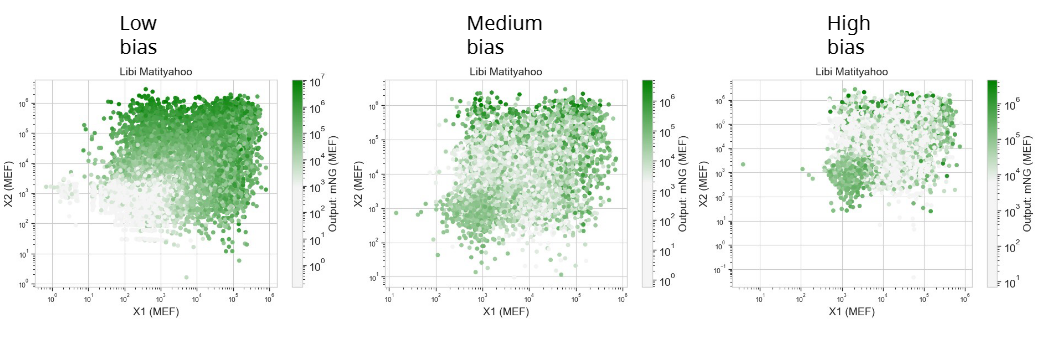
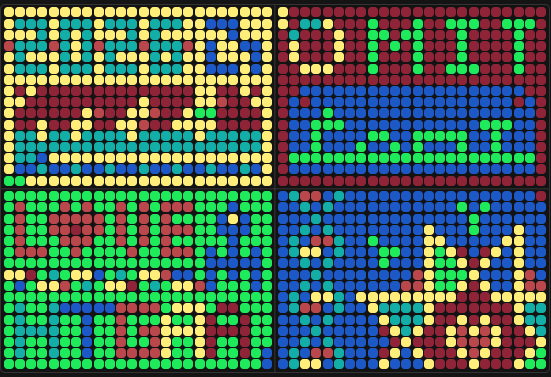
    In this week’s lab, we designed neuromorphic genetic circuits (IANNs) using the Neuromorphic Wizard and learned how intracellular systems can perform analog computations and approximate universal functions. The Opentrons OT-2 then created our designs and transfected them into HEK293 cells in the Weiss Lab. In addition, we worked with mycelium by packing it into molds to grow everyday objects! Neuromorphic Genetic Circuits (IANNs) Initially, I wanted to design a function that would create a diamond shape, but I realized that it was much more difficult than expected to define it mathematically in the first quadrant, and even harder to implement using the Neuromorphic Wizard. I therefore decided to recreate one of the designs presented in lecture by Prof. Ron Weiss, the Dual Region TRBL (Top Right Bottom Left) circuit, in order to better understand the key concepts.