Week 6 HW: Genetic Circuits I
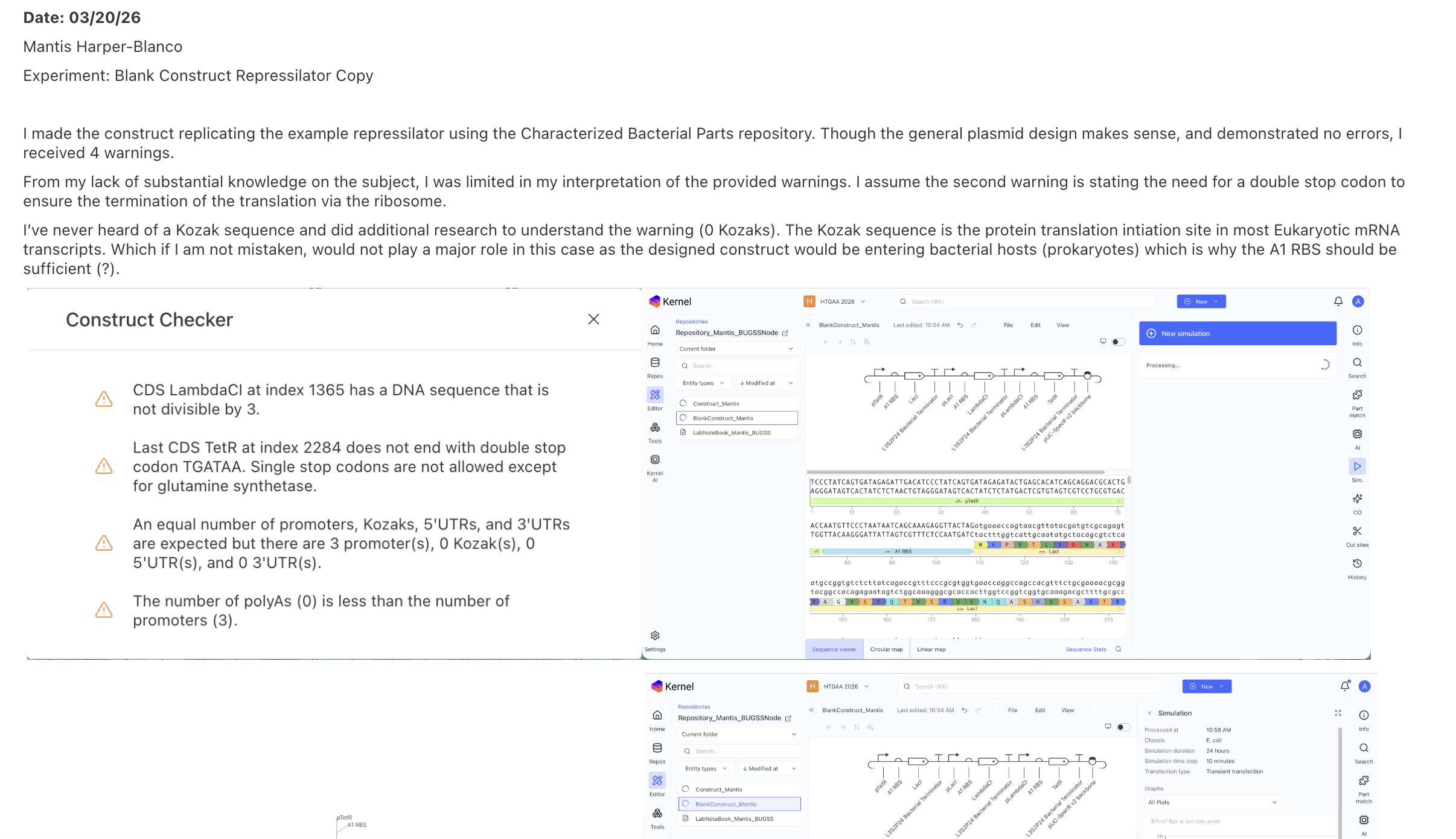
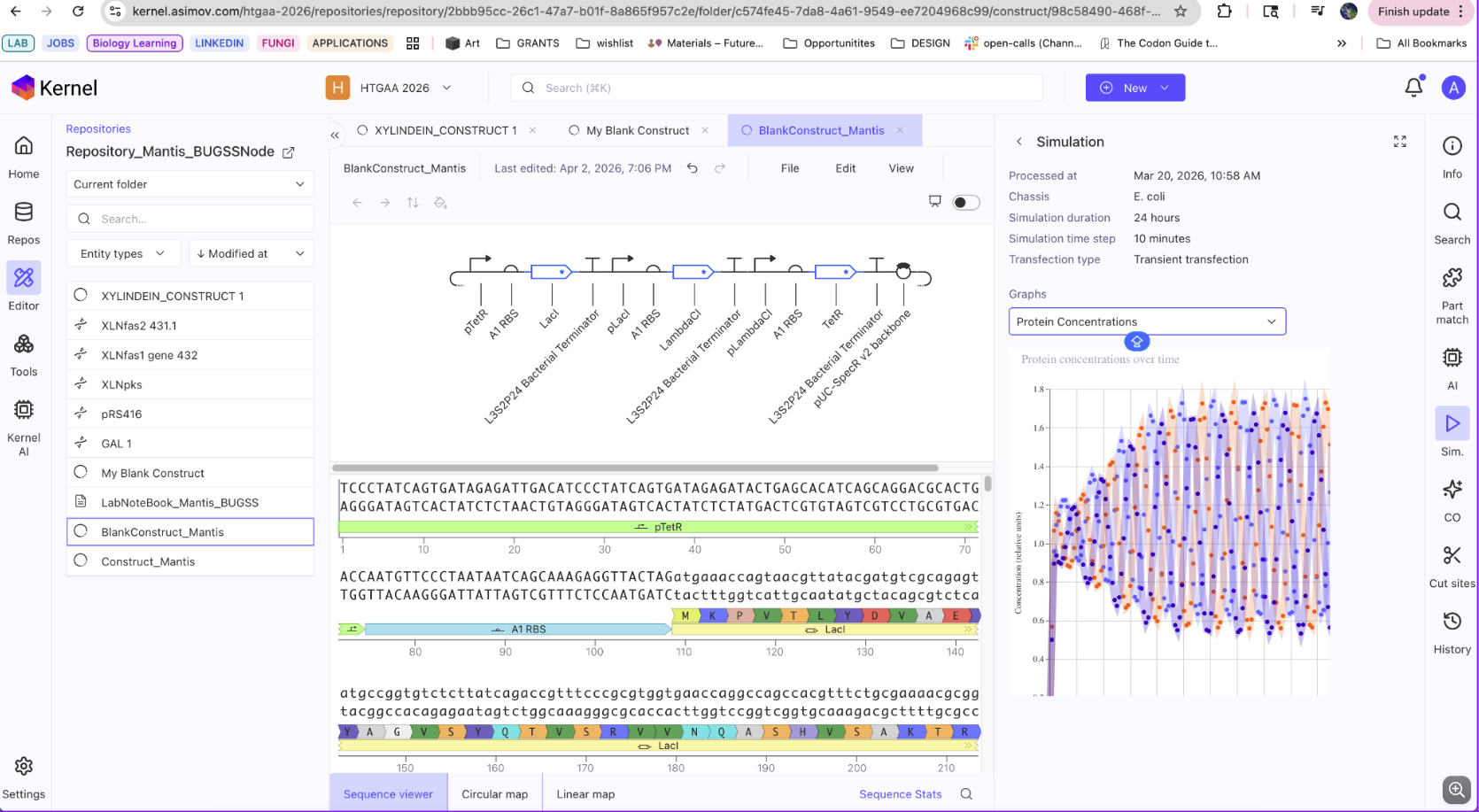
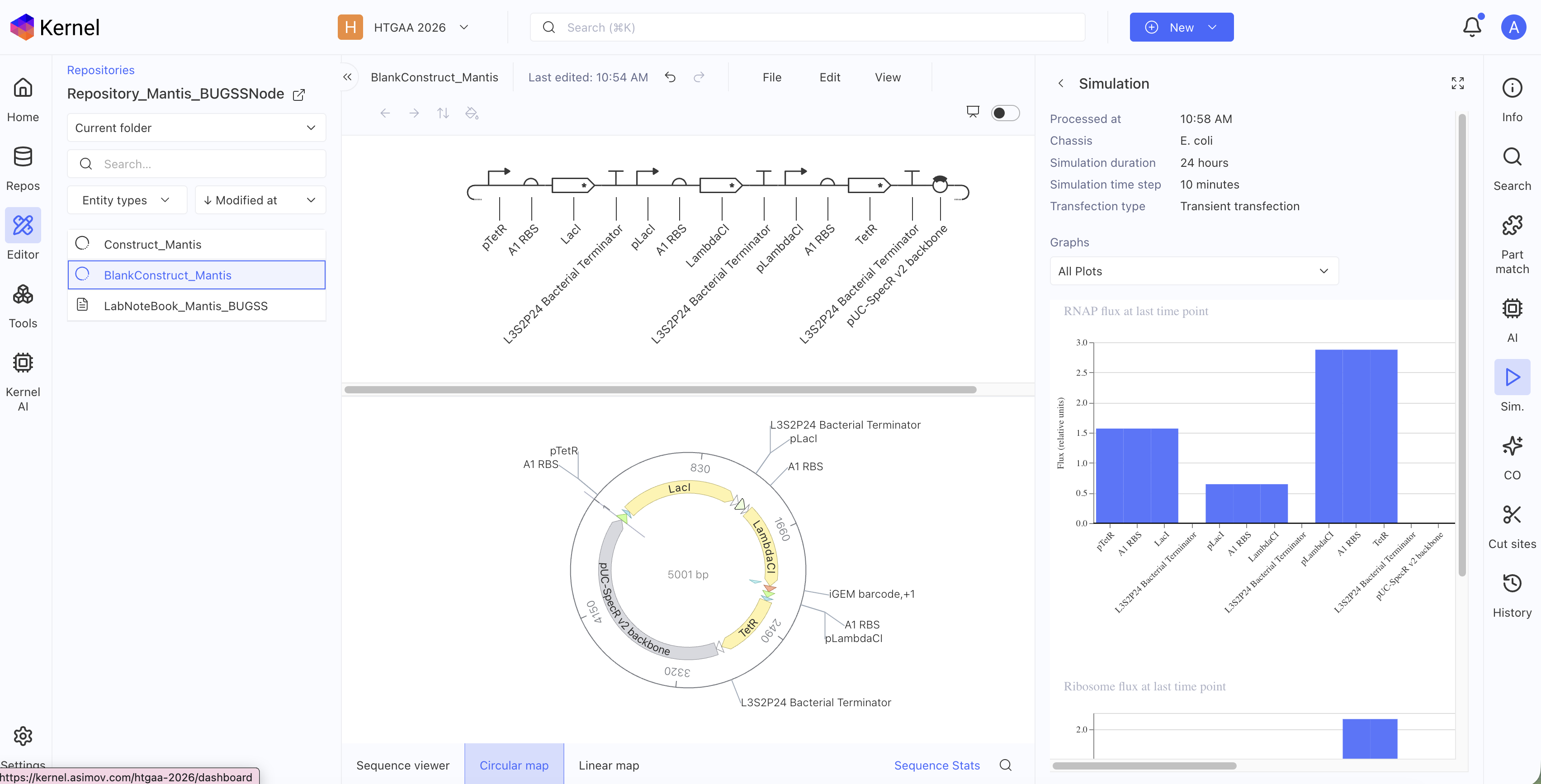
What are some components in the Phusion High-Fidelity PCR Master Mix and what is their purpose?
“Phusion High-Fidelity PCR Master Mix with HF Buffer is a 2X master mix consisting of Phusion DNA Polymerase, deoxynucleotides and reaction buffer that has been optimized and includes MgCl2. All that is required is the addition of template, primers and water.” - NEB
Deoxynucelotides: dTTPs, dTCPs, dTAPs, dTGPs. These are DNA’s building blocks and having these in abundance is necessary when doing a PCR reaction so that when the primers anneal, there are synthesized nucleotides to replicate the strands/specific gene fragment. The Phusion polymerase is an “enzymatic glue” that sticks strands back together. The reaction buffer creates the necessary environment for these reactions to occur. Often times maintaining peach and adding other ions to the solution.
What are some factors that determine primer annealing temperature during PCR?
From information gathered from Integrated DNA technologies, primer annealing temperature is determined by the length and composition of the primers. To calculate the primer annealing temperature (Tm), The needed equation is the following: Ta Opt = 0.3 x (Tm of primer) + 0.7 x (Tm of product) – 14.9. The temperature is also dependent on the GC content of the DNA strands. Due to G-C pairs being bonded by three hydrogen bonds, the temperature needs to be generally higher to ensure effective annealing and specificity.
Ta: Annealing temperature ™ of the Primer: melting temperature of the less stable primer Tm of the product: melting temp of PCR product
There are two methods from this class that create linear fragments of DNA: PCR, and restriction enzyme digests. Compare and contrast these two methods, both in terms of protocol as well as when one may be preferable to use over the other.
Restriction enzyme digests are very site specific (sticky and blunt ends) and depend on restriction sites.
PCR is a method of amplifying segments of DNA using primers and various heat and cooling cycles in a thermocycler. You could use these two methods together by cutting at specific sites using restriction enzyme digestion, and amplify that gene OR amplify the DNA that you then will cut!
However, PCR as a separate cloning method not only amplifies regions but is generally less specific than restriction enzymes. You need less template DNA than for restriction digests.
“PCR cloning is a method in which double-stranded DNA fragments amplified by PCR are ligated directly into a vector. PCR cloning offers some advantages over traditional cloning which relies on digesting double-stranded DNA inserts with restriction enzymes to create compatible ends, purifying and isolating sufficient amounts, and ligating into a similarly treated vector of choice (see insert preparation). With PCR amplification, this cloning technique requires much less starting template materials which include cDNA, genomic DNA, or another insert-carrying plasmid (see subcloning basics). Furthermore, PCR cloning provides a simpler workflow by circumventing the requirement of suitably-located restriction sites and their compatibility between the vector and insert. Nevertheless, there are a number of considerations related to: PCR primers and amplification conditions, the cloning method of choice and the cloning vectors used, and, finally, confirmation of successful cloning and transformation.”
https://www.thermofisher.com/us/en/home/life-science/cloning/cloning-learning-center/invitrogen-school-of-molecular-biology/molecular-cloning/cloning/common-applications-strategies.html#:~:text=and%20sequencing%20method-,PCR%20cloning%20strategies,specific%20amplification%20of%20the%20template. https://www.thermofisher.com/us/en/home/life-science/cloning/cloning-learning-center/invitrogen-school-of-molecular-biology/molecular-cloning/cloning/common-applications-strategies.html#:~:text=and%20sequencing%20method-,PCR%20cloning%20strategies,specific%20amplification%20of%20the%20template.
How can you ensure that the DNA sequences that you have digested and PCR-ed will be appropriate for Gibson cloning?
You want to ensure there aren’t as many consistent overhangs to minimize amplification error in which various/unpreferred regions will be amplified. As asked and implied in the previous questions, ensuring your annealing temperature is accurate and appropriate for both the primer and intended product is essential. Avoid secondary structures such as hairpinning ( which is when a strand anneals to itself!). https://www.addgene.org/protocols/gibson-assembly/
How does the plasmid DNA enter the E. coli cells during transformation?
Plasmid DNA enters E.coli cells during transformation because E.coli, before undergoing transformation, gets treated to become “competent”. The “competency” of a cell is determined by cell wall permeability. Once introduced to heat (heat shock), pores in the cell wall open and allow foreign DNA in its surroundings to enter into the cell.
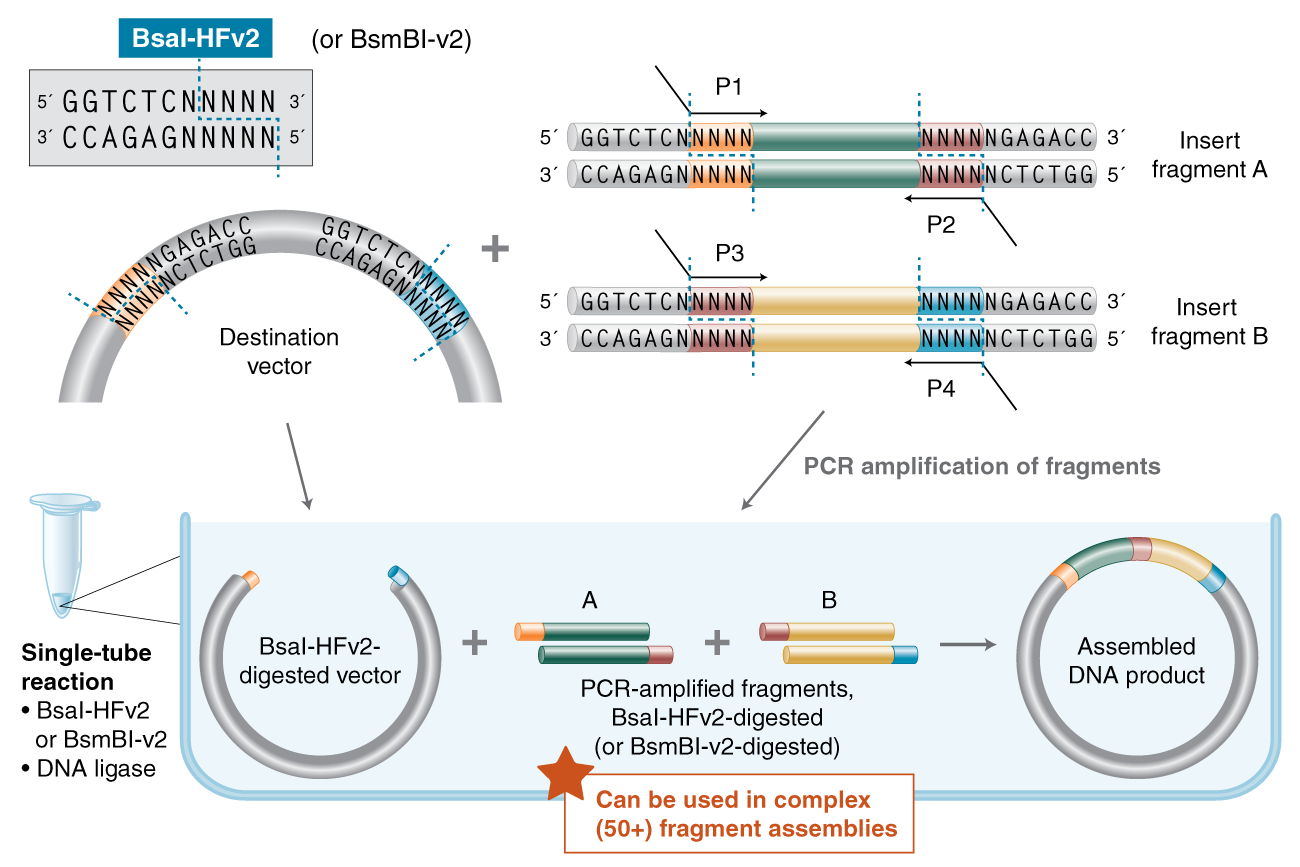
Describe another assembly method in detail (such as Golden Gate Assembly) Explain the other method in 5 - 7 sentences plus diagrams (either handmade or online). Model this assembly method with Benchling or Asimov Kernel!
Golden Gate Assembly uses the unique features of the Type IIS restriction enzymes (example: BsaI). The type IIs restriction enzymes cleave outside of the recognition sequence. This unique ability allows the creation of custom overhangs.
This assembly method happens in a single tube! Add your backbone, enzymes and ligase the the restriction endonucleases will cleave down stream outside of the recognition sites. Not only is this assembly cloning technique efficient, but the amount of DNA fragments is increased and allows for the joining of multiple DNA fragments (50+).
Cloning Techniques Learned:
- In-Fusion cloning
- Ligation Independent Cloning
- Yeast mediated Cloning and Oligonucleotide Stitching
- TOPO cloning
https://bitesizebio.com/26961/cloning-methods-5-different-ways-to-assemble/