Individual Final Project

SilkWire-1: Protein-Based Conductive Biomaterials for Scalable E-Textile Applications
TA Carlos Silveira
SECTION 1: ABSTRACT
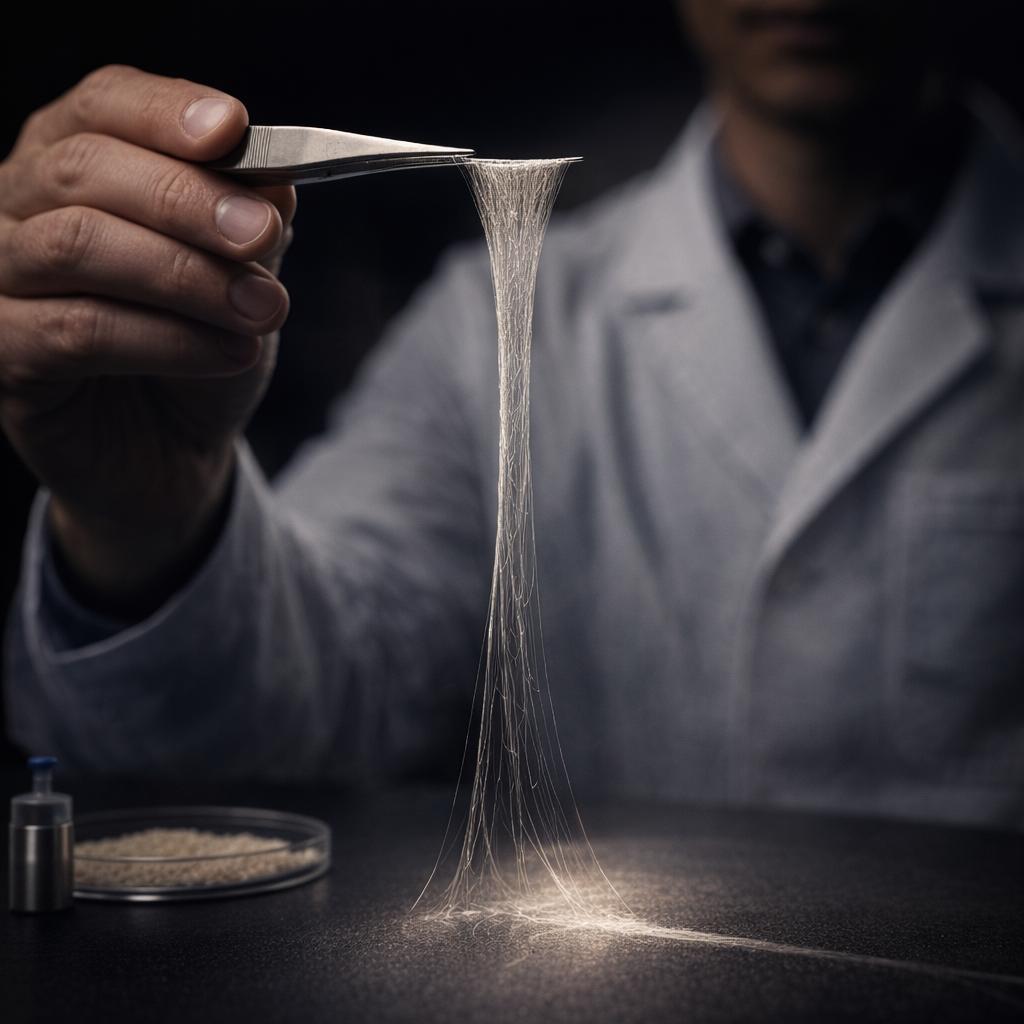
E-textiles are emerging as a transformative platform for wearable health monitoring and human–machine interfaces. However, most current conductive materials used in e-textiles rely on metallic nanowires, carbon nanotubes, or synthetic conductive polymers, which often present limitations including mechanical rigidity, environmental persistence, and poor biocompatibility. This project proposes SilkWire-1, a fully bio-derived conductive biomaterial designed to overcome these challenges through synthetic biology and protein engineering. SilkWire-1 is a rationally engineered chimeric fusion protein that combines the conductive properties of the Geobacter sulfurreducens PilA nanowire protein with the exceptional mechanical strength and flexibility of spider silk. The construct integrates an authentic conductive PilA domain containing the conductivity-enhancing aromatic mutations W51/W57 (sPilA-61-W51W57) fused to an eight-repeat spider silk domain (sSilk-96) through a flexible GSGSG linker. The central hypothesis of this work is that SilkWire-1 can be heterologously expressed in Escherichia coli BL21(DE3), purified using Ni-NTA affinity chromatography, and electrospun into conductive protein nanofibers with measurable electrical conductivity (target ≥0.1 S/cm) and tensile strength compatible with wearable textile integration (target ≥50 MPa). Beyond material development, this project introduces BioTattoo, a proof-of-concept wearable electronic tattoo fabricated entirely from biologically derived conductive protein fibers. Unlike conventional epidermal electronics based on metallic conductive inks, BioTattoo employs electrospun SilkWire-1 nanofibers deposited directly onto the skin using a silk-sericin adhesive matrix, enabling the creation of flexible, biodegradable, and biocompatible electronic circuits. The aromatic π–π stacking interactions introduced by the W51/W57 mutations are expected to support electron transport across the nanofiber network, while the beta-sheet-rich spider silk domain provides mechanical resilience and thermoresponsive behavior. The BioTattoo platform is designed to detect physiological signals including skin temperature, electrodermal activity associated with stress and autonomic arousal, and electromyographic signals from underlying muscles. These biosignals are transmitted through the SilkWire-1 conductive network to a compact Seeed Studio XIAO nRF52840 BLE microcontroller for wireless acquisition and communication. By integrating synthetic biology, biomaterials engineering, and wearable electronics, this project aims to establish a new class of sustainable protein-based conductive materials for next-generation biomedical interfaces and smart textiles.
SECTION 2: PROJECT AIMS
GENERAL
To create a scalable and sustainable protein-base conductive biomaterial for integration into e-textiles or skin electronis applications, leveraging bioengineered electrical functionality to drive innovation in wearable technology.
OE1 — Design of sPilA-61-W51W57 and sSilk-96 domains
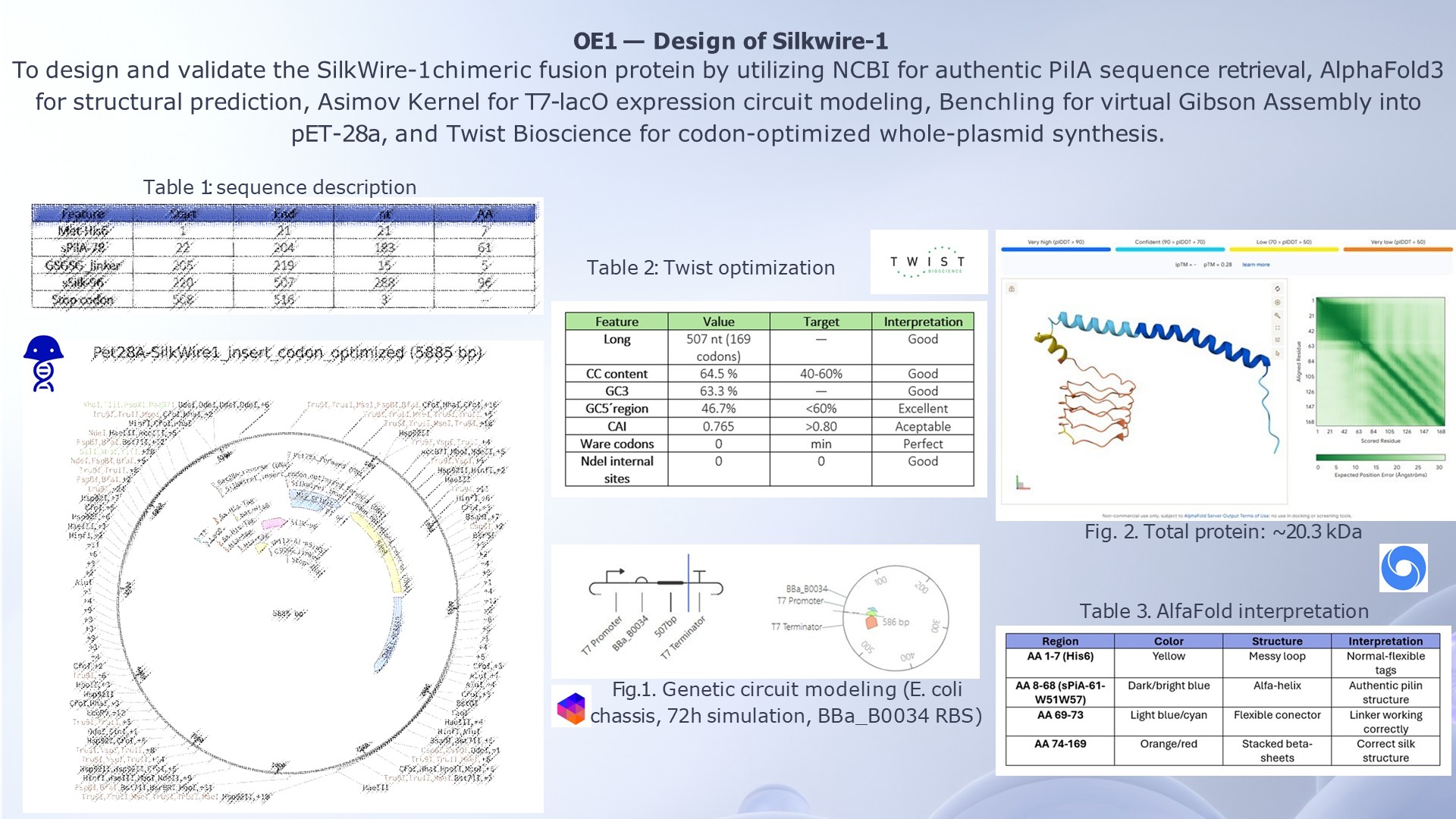
to design and validate the SilkWire-1 chimeric fusion protein by utilizing NCBI for authentic PilA sequence retrieval, AlphaFold3 for structural prediction, Asimov Kernel for T7-lacO expression circuit modeling, Benchling for virtual Gibson Assembly into pET-28a, and Twist Bioscience for codon-optimized whole-plasmid synthesis.
OE2 — Design of SilkWire-1 expression system
To induce expression with IPTG at 20°C, purify SilkWire-1 by Ni-NTA IMAC, and confirm protein integrity, identity, and functionality through SDS-PAGE, Western blot (anti-His6), and a method mass spectrometry pipeline (MALDI-TOF, and LC-MS/MS) to confirm the W51W57 conductivity-enhancing mutations via detection of peptides.
OE3 — Purification protocols and analytical verification
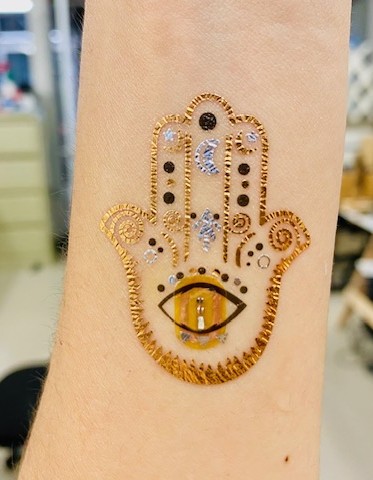
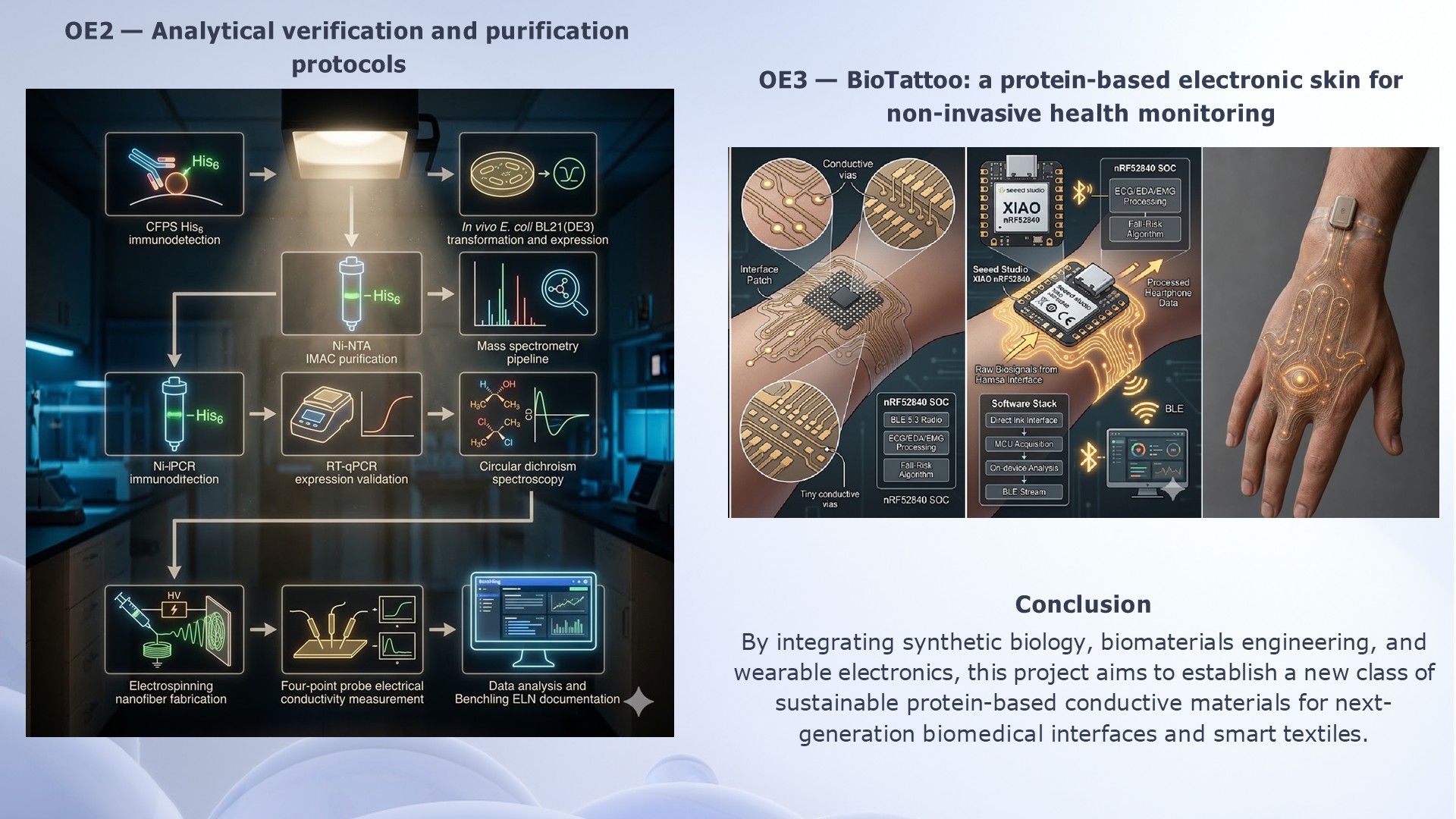
To develop BioTattoo: a protein-based electronic skin in which electrospun SilkWire-1 nanofibers function simultaneously as biocompatible conductive ink, distributed biosensor array, and biodegradable health monitor — patterned directly onto human skin as functional body art, wirelessly connected to a Seeed Studio XIAO nRF52840 microcontroller for real-time physiological signal acquisition.
SECTION 3: BACKGROUND
Geobacter sulfurreducens produces extracellular nanowires composed of PilA pilin subunits that conduct electricity over centimeter distances through a mechanism involving aromatic amino acid (tyrosine, phenylalanine, tryptophan) stacking along the fiber axis, a phenomenon described by Lovley & Walker (2019) in Nature Reviews Microbiology as metallic-like conductivity arising from a protein-based π-π electron network. Critically, the conductivity is intrinsic to the protein fold and does not require exogenous cofactors or chemical doping. Complementarily, Heidebrecht et al. (2015, Advanced Materials) demonstrated that recombinant spider silk proteins (MaSp1/MaSp2-derived) can be expressed in E. coli, self-assembled into fibers via electrospinning, and exhibit tensile strengths exceeding 150 MPa with extensibility up to 35% — mechanical properties unattainable by current synthetic polymers. The knowledge gap lies precisely at the intersection: no published work has combined Geobacter PilA conductivity with spider silk mechanics into a single recombinant fusion protein validated as an e-textile fiber.
1. Significance
The global e-textiles market is projected to exceed $5 billion by 2030, yet it remains dependent on silver nanowires, carbon nanotubes, and conducting polymers — all of which are energy-intensive to produce, difficult to recycle, and potentially cytotoxic. SilkWire-1 addresses this sustainability crisis by proposing a fully bio-derived conductor that can be expressed in microbial fermenters, purified without toxic solvents, and composted at end of life. Beyond textiles, protein-based conductors have potential applications in implantable bioelectronics, neural interfaces, and living biosensors, where biocompatibility is non-negotiable. Success with SilkWire-1 would validate the general principle that protein engineering can replace inorganic materials in electronic applications, opening an entirely new class of sustainable functional biomaterials. Furthermore, the digital-first, cloud-lab-automated workflow demonstrated in this project serves as a replicable template for the HTGAA community and beyond, democratizing access to advanced protein engineering without requiring a physical laboratory.
2. Bioethical Considerations
The recombinant expression of Geobacter PilA-derived sequences in E. coli BL21(DE3) poses minimal biosafety risk, as BL21 is a BSL-1 chassis with no pathogenic potential and the expressed protein is not a toxin, allergen, or self-replicating entity. Cell-free protein synthesis further reduces risk by eliminating any viable organism from the final product. The use of synthetic DNA sequences ordered from Twist Bioscience means that no genomic DNA from Geobacter sulfurreducens (a non-pathogenic soil bacterium) is handled directly. SecureDNA screening protocols, as implemented by Twist Bioscience for all synthesis orders, provide an additional safeguard ensuring the sequences do not encode any harmful biological functions. Intellectual property considerations are addressed by maintaining detailed design records in Benchling with timestamped version control, and all constructs will be deposited in Addgene upon publication.
With respect to responsible implementation, the long-term vision of SilkWire-1 integration into commercial textiles requires engagement with regulatory frameworks governing novel biomaterials in consumer products. Dermal exposure to protein nanofibers carries theoretical allergenicity risks that must be assessed through standardized immunotoxicology studies before any wearable application.
SECTION 4: EXPERIMENTAL DESIGN, TECHNIQUES, TOOLS, AND TECHNOLOGY
Detailed Experimental Plan
- NCBI sequence retrieval. Retrieve G. sulfurreducens PilA mature protein sequence from NCBI Protein (AAR35334.1, 61 AA) and MaSp1 spider silk consensus repeat. Use BLAST to confirm aromatic residue positions F1, F24, Y27, F35, F42. Design W51W57 mutations (F51W, Y57W) to maximize pi-pi stacking and conductivity. Tool: NCBI Protein, BLAST. Expected: FASTA sequences with aromatic residue map confirmed.
- AlphaFold3 structural prediction. Submit individual domains (sPilA-61-W51W57, sSilk-96) and full fusion SilkWire-1 (169 AA) to AlphaFold3 server. Evaluate pLDDT scores per domain. Confirm GSGSG linker flexibility (pLDDT 40-60) and independent domain folding. Tool: alphafoldserver.com. Result: sPilA-61-W51W57 alpha-helix pLDDT >90 (Very High); sSilk-96 beta-sheets pLDDT ~65; pTM=0.28. Domains confirmed independent.
- Asimov Kernel circuit simulation. Model T7 promoter + BBa_B0034 RBS + SilkWire1_CDS (507 nt) + T7 terminator in E. coli chassis. Run 72h simulation, timestep 10 min. Tool: Asimov Kernel. Result: RNAP flux=0.40 (T7 promoter), Ribosome flux=0.315 (BBa_B0034), terminator flux ~0.00. Predicts strong IPTG-inducible expression.
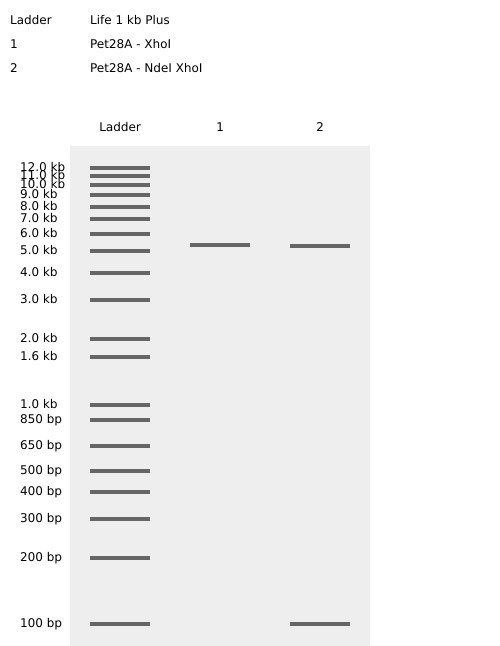
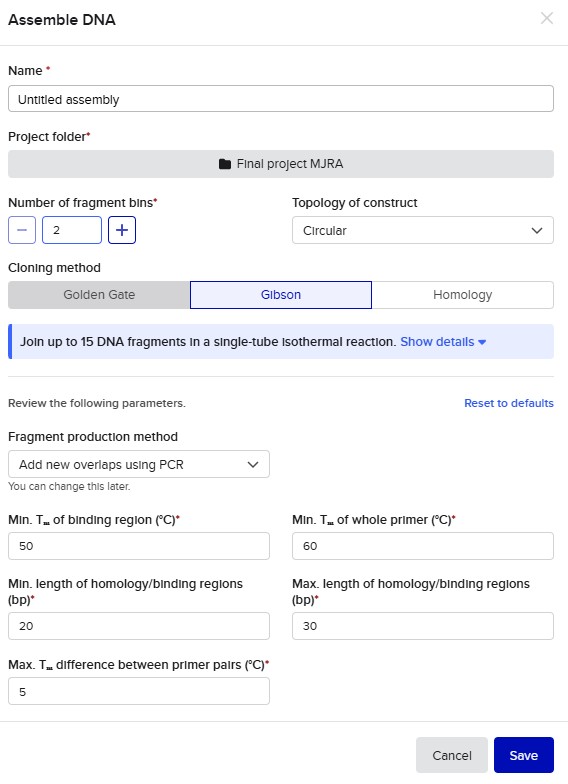
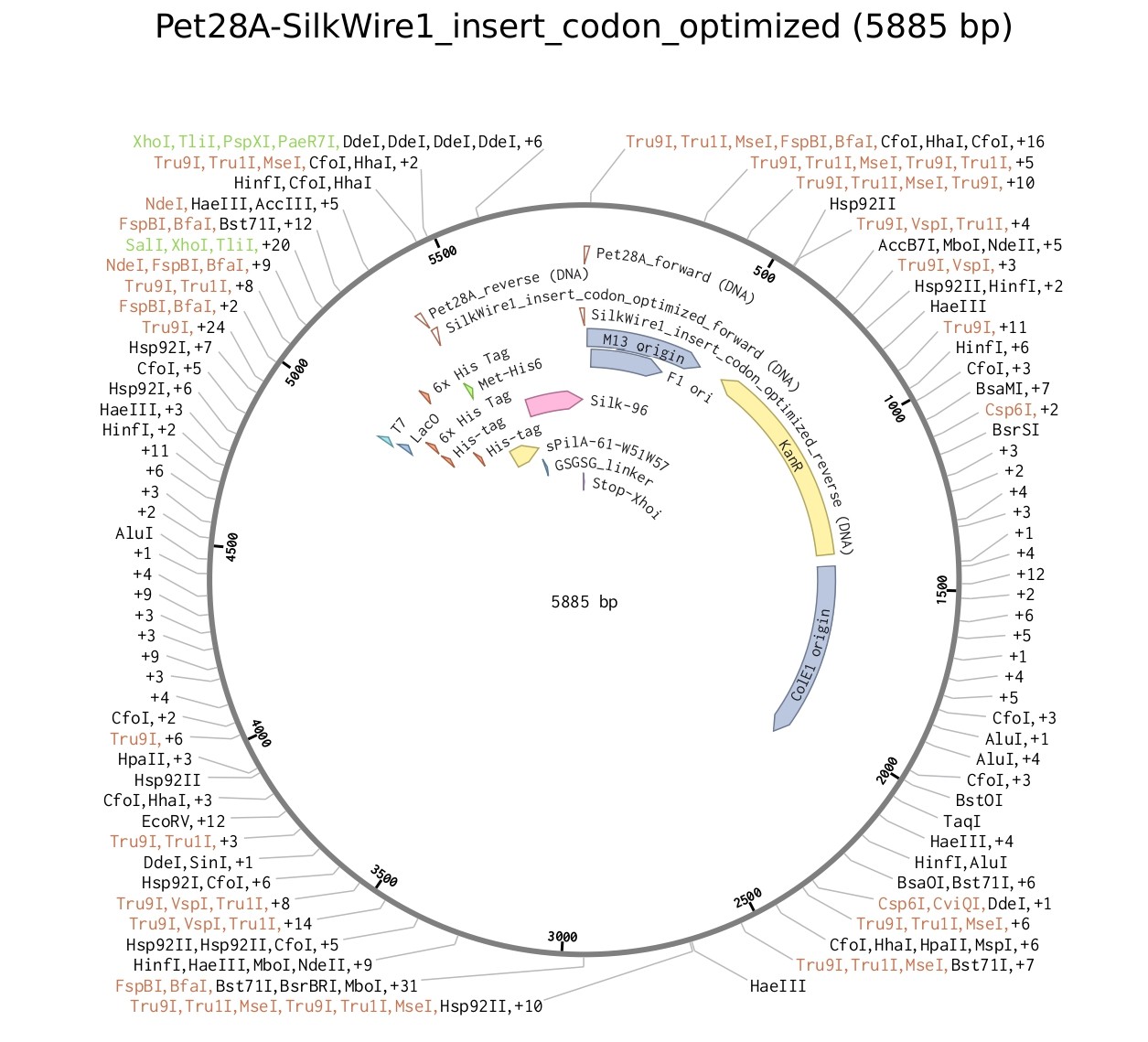
- Benchling virtual Gibson Assembly. Assemble SilkWire-1 insert (NdeI-Met-His6-sPilA61-GSGSG-sSilk96-Stop-XhoI) into pET-28a backbone by Gibson Assembly in Benchling. Verify reading frame, His6 positioning, absence of internal NdeI/XhoI. Final plasmid: pET28a-SilkWire1 (5,885 bp). Tool: Benchling. Export annotated GenBank for Twist order.
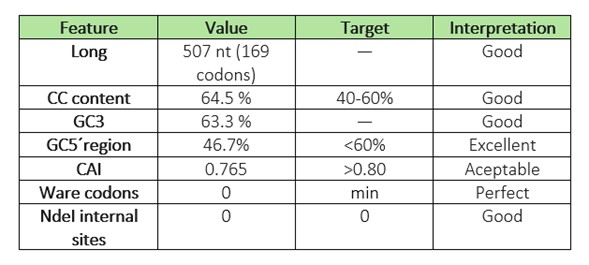
- Twist Bioscience codon optimization and synthesis. Upload SilkWire-1 amino acid sequence to Twist Codon Optimization Tool. Organism: E. coli general (strain 562). Result: 507 nt CDS, CAI=0.765, GC=64.5%, 5’ GC=46.7%, 0 rare codons, no internal restriction sites, Issues: none. Order 3 whole plasmids: pET28a-SilkWire1, pET28a-sPilA61 (control), pET28a-sSilk96 (control).
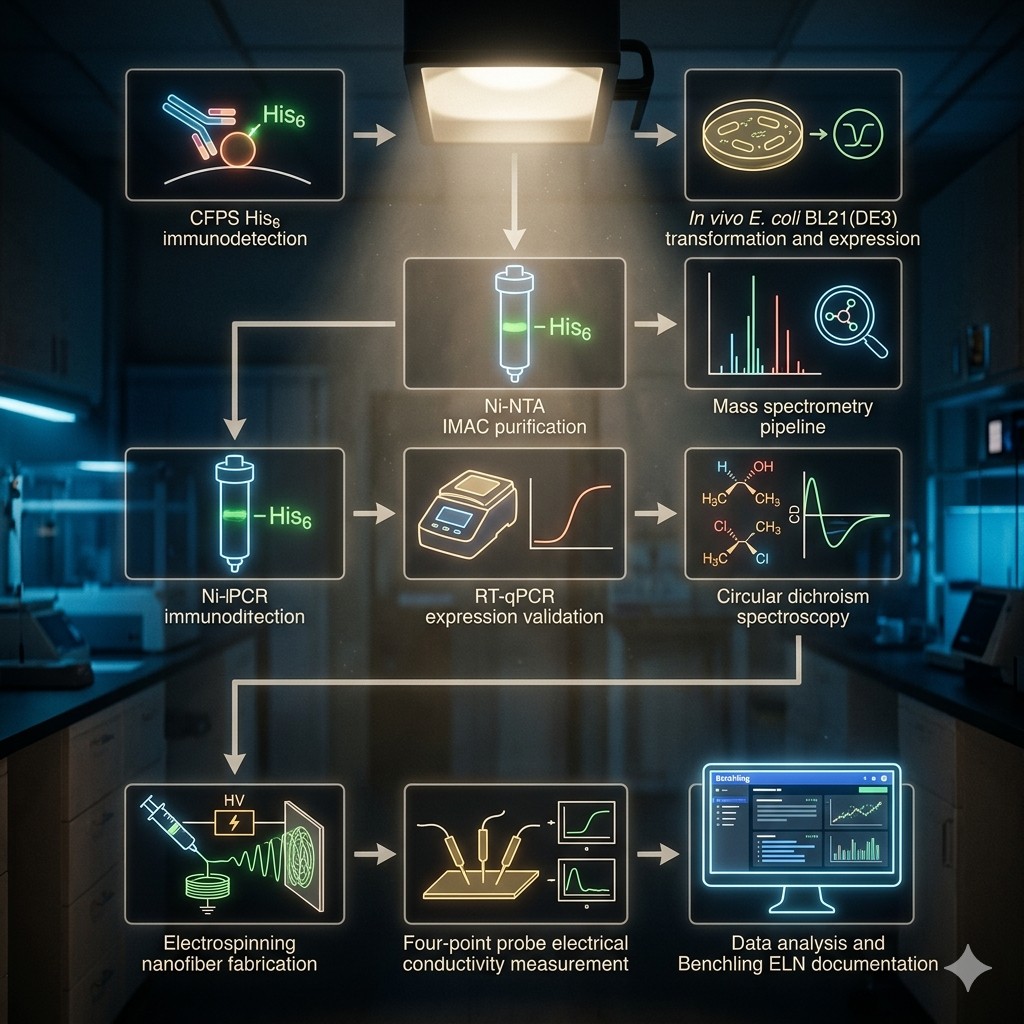
- CFPS His6 immunodetection. Transfer 2 uL per well via Echo525 to dot-blot membrane. Anti-His6-HRP antibody 1:5000. Develop with Pierce ECL. Image on ChemiDoc. Machine: Echo525, Spark Plate Reader. Expected: His6 signal at ~18.6 kDa MW in SilkWire-1 wells; absent in CTL-. Go/no-go decision for in vivo expression.
- In vivo E. coli BL21(DE3) transformation and expression. Transform pET28a-SilkWire1 into BL21(DE3). Culture 50 mL LB+Kan to OD600=0.6 at 37 C. Induce: 0.5 mM IPTG, shift to 20 C x 16h (low temperature prevents silk aggregation). Harvest by HiG Centrifuge. Lyse by sonication in 50 mM Tris pH 8.0, 300 mM NaCl, 10 mM imidazole.
- Ni-NTA IMAC purification. Load soluble lysate onto HisPur Ni-NTA resin (Thermo Fisher). Wash: 20 mM imidazole. Elute: 250 mM imidazole. Dialyze into 50 mM Tris pH 7.5, 150 mM NaCl. Quantify by Bradford assay. Run purity SDS-PAGE (12% gel). Expected: >85% purity, yield >=1 mg/L. Lambda DNA (NEB #N3011) included as gel verification reference.
- Mass spectrometry pipeline — Week 10 HTGAA. Four-method verification: (a) Intact Mass ESI-MS: confirm 18,623 Da full-length protein. (b) MALDI-TOF: sinapínic acid matrix, QC each purification fraction. (c) Tryptic peptide mapping: trypsin digest 37 C x 16h, C18 desalt, LC-MS/MS. Confirm AGGWNTK (W51, 774.4 Da) and AFWMK (W57, 683.3 Da). (d) Full LC-MS/MS database search: >80% sequence coverage, <5% E. coli contaminants. Waters Corporation LC-MS/MS instruments.
- RT-qPCR expression validation. Extract RNA from BL21 at t=0, 2, 4, 8, 16h post-IPTG. Primers designed in Benchling for SilkWire-1 CDS and 16S rRNA (housekeeping). Plate: 96-Armadillo-PCR-AB2396X. Machine: CFX Opus. Expected: >100-fold induction of SilkWire-1 transcript at 4h vs uninduced. Confirms mRNA-level expression.
- Circular dichroism spectroscopy. Record CD spectrum 190-260 nm at 0.2 mg/mL in phosphate buffer. Expected: beta-sheet minimum at 218 nm (sSilk-96) and alpha-helix features at 208/222 nm (sPilA). Compare SilkWire-1 vs individual domains. Confirms both secondary structures maintained in fusion. Waters Corporation CD spectrometer.
- Electrospinning nanofiber fabrication. Prepare SilkWire-1 at 15% w/v in HFIP. Electrospin: 15 kV, 0.5 mL/h flow rate, 15 cm tip-to-collector, aluminum foil collector. Fabricate 1 cm x 3 cm fiber mats. Characterize morphology by SEM (target 200-800 nm diameter). Note: electrospinning performed at contracted facility or physical lab.
- Four-point probe electrical conductivity measurement. Measure conductivity of SilkWire-1 fiber mats using Keithley 2400 SourceMeter. Apply 0-10 V, measure current. Calculate: sigma = I/(V x CF x t). Compare: SilkWire-1 vs sSilk-96 alone (expected ~0 S/cm) vs sPilA-61-W51W57 alone. Target SilkWire-1: >=0.1 S/cm. Confirms functional conductivity of fusion protein nanofiber.
- Data analysis and Benchling ELN documentation. Compile all data in Benchling Electronic Lab Notebook: sequences, plate reader CSV files, gel images, CD spectra, MS data, conductivity I-V curves. Generate Python plots: conductivity comparison, CD overlay, qPCR induction curves, CFPS expression heatmap. Archive GenBank files. Deposit constructs to Addgene. Submit HTGAA final project report.
SECTION 5: Results & Quantitative Expectations
Building SilkWire-1
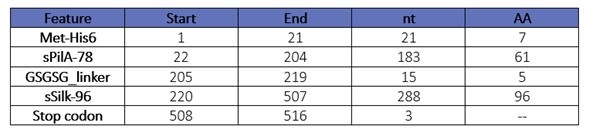
Protein sequence:
NOTE:
The following must be added:
Start: CATATG → NdeI site (contains the start ATG)
End: CTCGAG → XhoI site, after the stop codon
The sPilA-78 domain was designed based on the aromatic core of Geobacter sulfurreducens PilA (UniProt Q74C34), retaining key electron-hopping residues Y27, F51, Y57, and W60 in a codon-optimized synthetic sequence for E. coli expression. The residues F1, F24, and Y27 form the electron transfer backbone through π-π stacking between adjacent PilA subunits. By adding W51 and W57 (tryptophan has the largest aromatic ring of the 20 amino acids), extend that conducting network throughout the entire protein.
Clonning preparation:
pET-28a:https://www.ncbi.nlm.nih.gov/nuccore/OL989373.1?report=genbank
pET-28a is the ideal vector for SilkWire-1
T7 Expression System — High Protein Production pET-28a uses the T7 promoter controlled by the lac operator. This means that protein is only produced when IPTG is added-
His6-Tag Already Included — Easy Purification The vector has a 6xHis-tag incorporated into the MCS. For your OE3 (IMAC purification with Ni-NTA resin), this is essential (the tag is already in the vector).
Kanamycin Resistance Selection marker for transformed bacteria. Compatible with the BL21(DE3) strains.
Compatible with BL21(DE3) The T7 system requires a strain that has the T7 RNA polymerase integrated, such as BL21(DE3). pET-28a + BL21(DE3) is the most widely used combination worldwide for recombinant protein expression.
NdeI/XhoI in the MCS — Directional Cloning The NdeI and XhoI sites precisely flank the insertion site, ensuring that SilkWire-1 is in the correct reading frame with the His-tag.
Gibson Assembly
Twist Codon Optimizer
Using the protein sequence:
Kernel
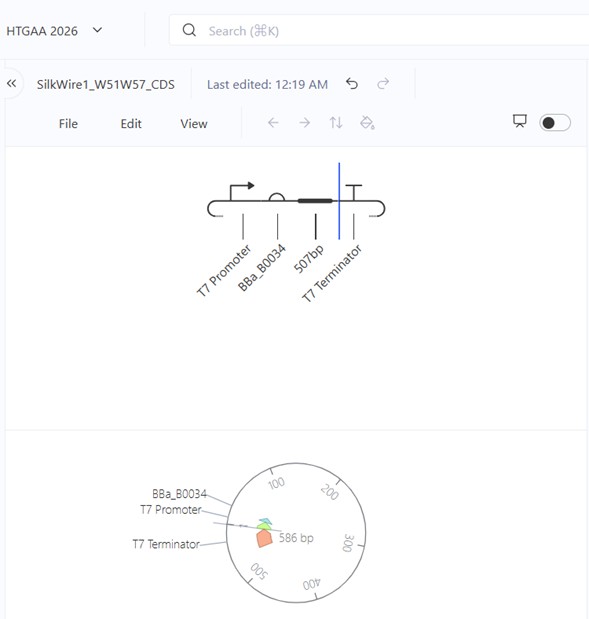
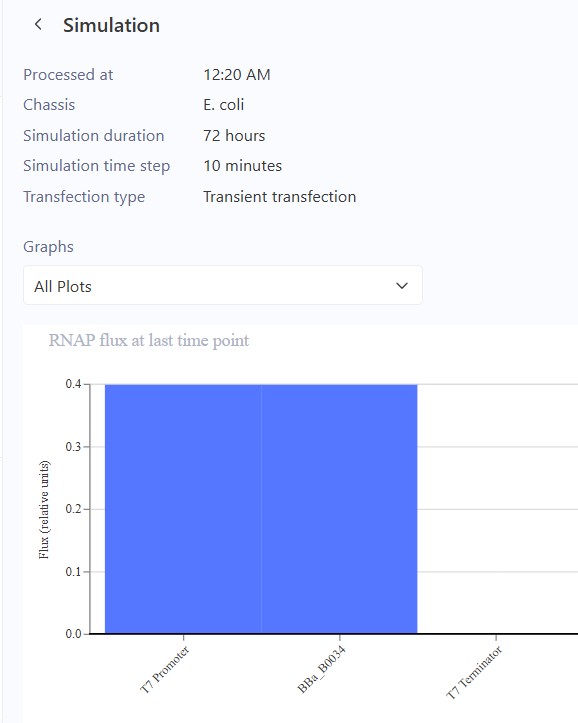
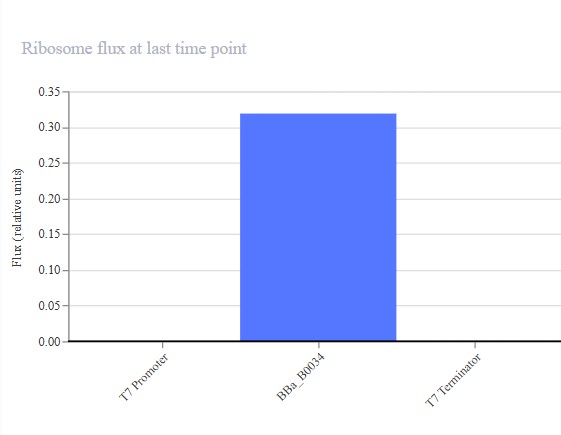
Genetic circuit modeling in Asimov Kernel (E. coli chassis, 72h simulation, BBa_B0034 RBS) predicted a T7 promoter RNAP flux of 0.40 relative units with efficient termination at T7 Terminator (flux ~0.00), and a ribosome flux of 0.315 at BBa_B0034, indicating strong transcription and translation potential for SilkWire-1 expression under IPTG induction.
AlphaFold3 (169 AA)
Using the protein sequence:
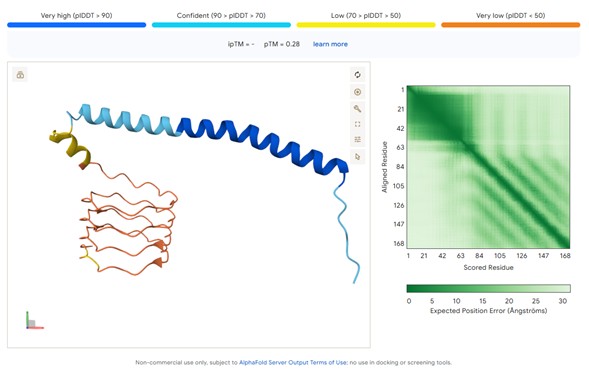
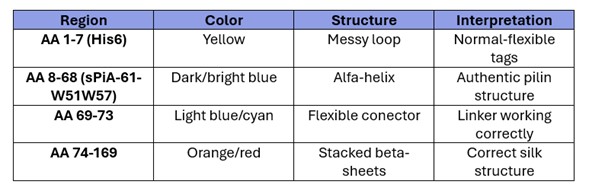
The long, bright blue α helix of sPilA-61-W51W57 confirms that the aromatic residues W51 and W57 are positioned on the surface of the helix — exactly where they are needed for π-π stacking between subunits when the protein is assembled into conductive nanofibers.
SECTION 6: ADDITIONAL INFORMATION
Ideas for possible applications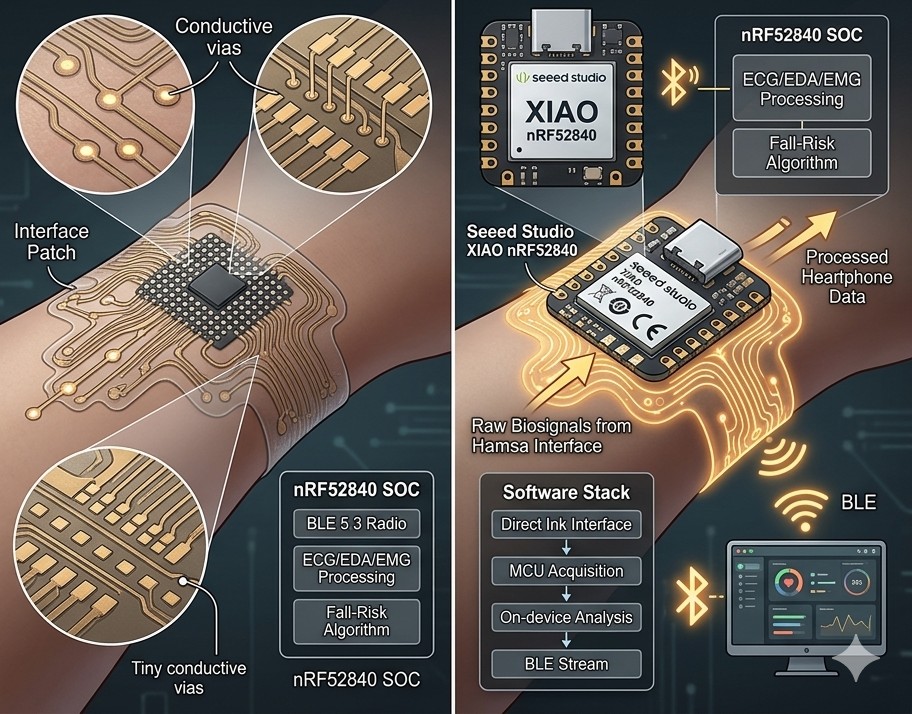


After many ideas, many changes, and much feedback: I did it! Images from the presentation I used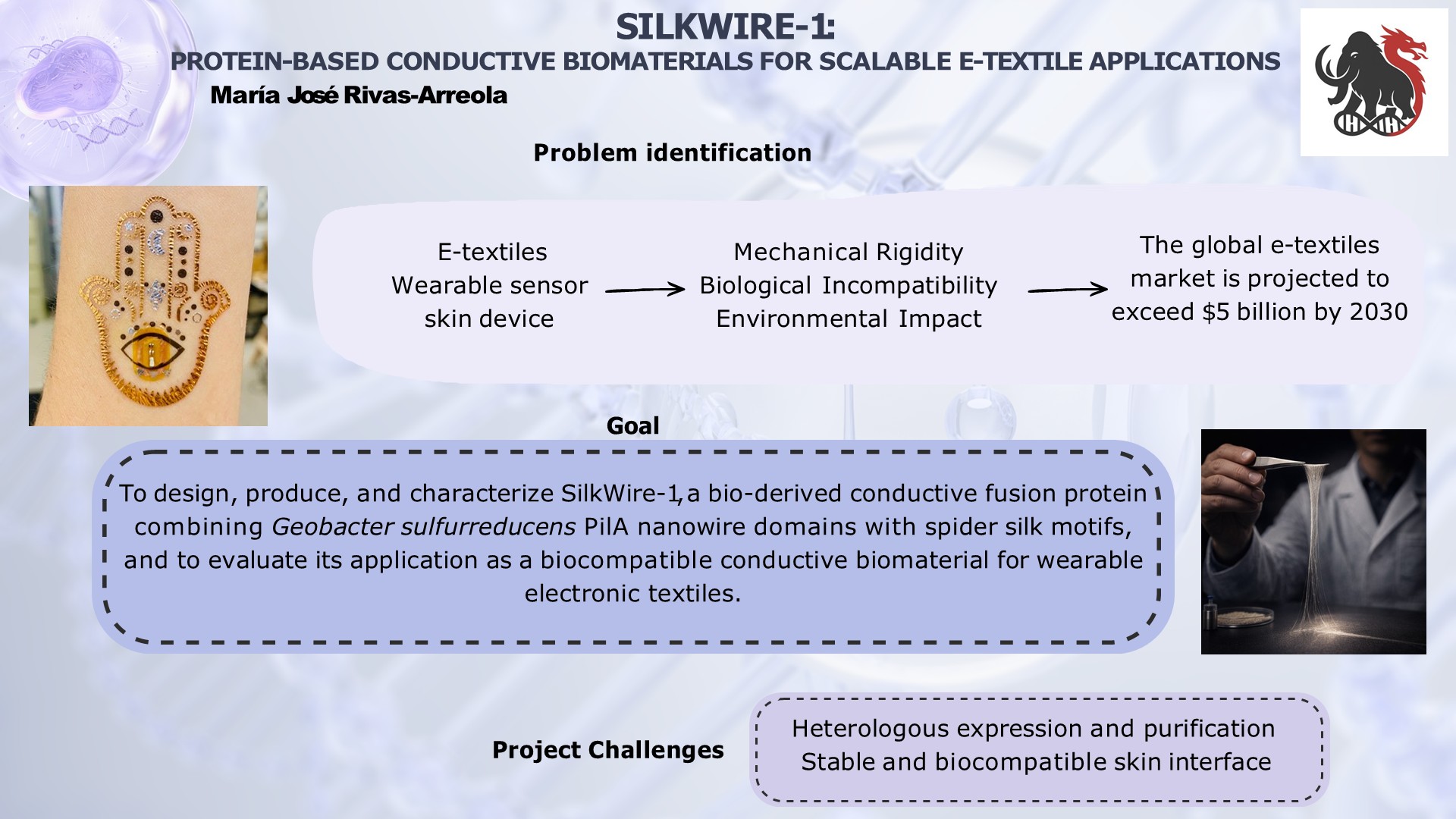
Acknowledgments
Thank you to all the organizers for their commitment, patience, and support, especially during the marathon evaluation session.
Special thanks to Benja, who directs the Synbio lab, because he made all the difference in my final project. His team was incredible!
I could have done better, differently… the important thing is that I stepped out of my comfort zone again and got to experience the wonderful world of synthetic biology firsthand.
References
• Vargas M et al. (2013). Aromatic amino acids required for pili conductivity and long-range extracellular electron transport in Geobacter sulfurreducens. mBio. 4(2):e00105-13. doi:10.1128/mBio.00105-13
• Lovley DR & Walker DJF (2019). Geobacter protein nanowires. Front Microbiol. 10:2078. doi:10.3389/fmicb.2019.02078
• Heidebrecht A et al. (2015). Biomimetic fibers made of recombinant spidroins with the same toughness as natural spider silk. Adv Mater. 27(13):2189-2194. doi:10.1002/adma.201404234
• Jumper J et al. (2024). Accurate structure prediction of biomolecular interactions with AlphaFold3. Nature. 630:493-500. doi:10.1038/s41586-024-07487-w
• Reguera G et al. (2005). Extracellular electron transfer via microbial nanowires. Nature. 435:1098-1101. doi:10.1038/nature03661
• UniProt Q74C34: Geobacter sulfurreducens PilA. https://www.uniprot.org/uniprot/Q74C34
• NCBI GenBank AAR35334.1: PilA pilin protein, Geobacter sulfurreducens PCA. https://www.ncbi.nlm.nih.gov/protein/AAR35334.1
• Twist Bioscience Codon Optimization Tool: https://www.twistbioscience.com/resources/digital-tools/codon-optimization-
• Google. (2026, may 8). Gemini (Versión 1.5 Pro) [Modelo de IA]. https://gemini.google.com/
• AlphaFold3 Server: https://alphafoldserver.com
• Asimov Kernel Platform: https://www.asimov.com/kernel