Week 7 HW: Genetic Circuits Part II: Neuromorphic Circuits
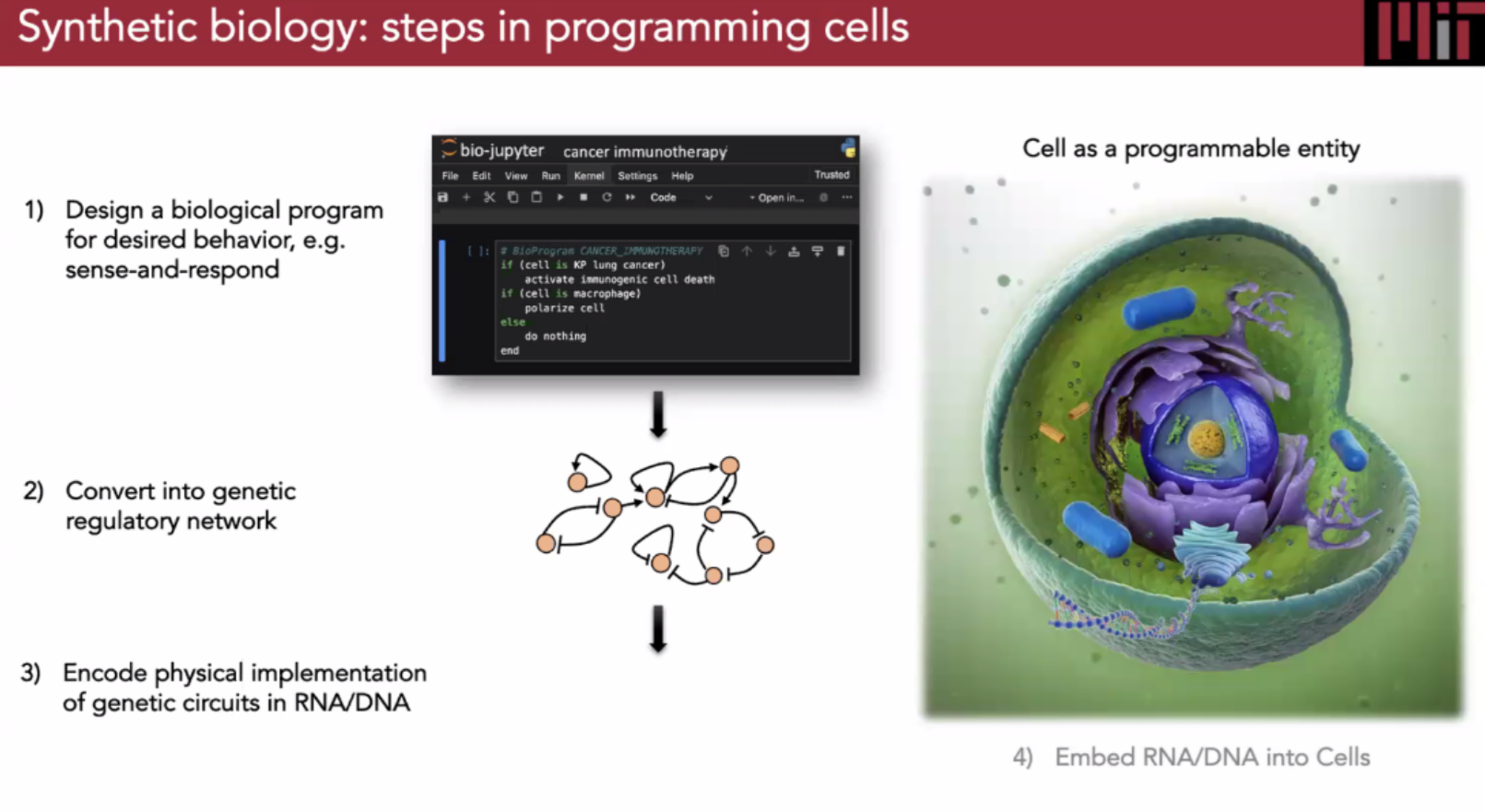
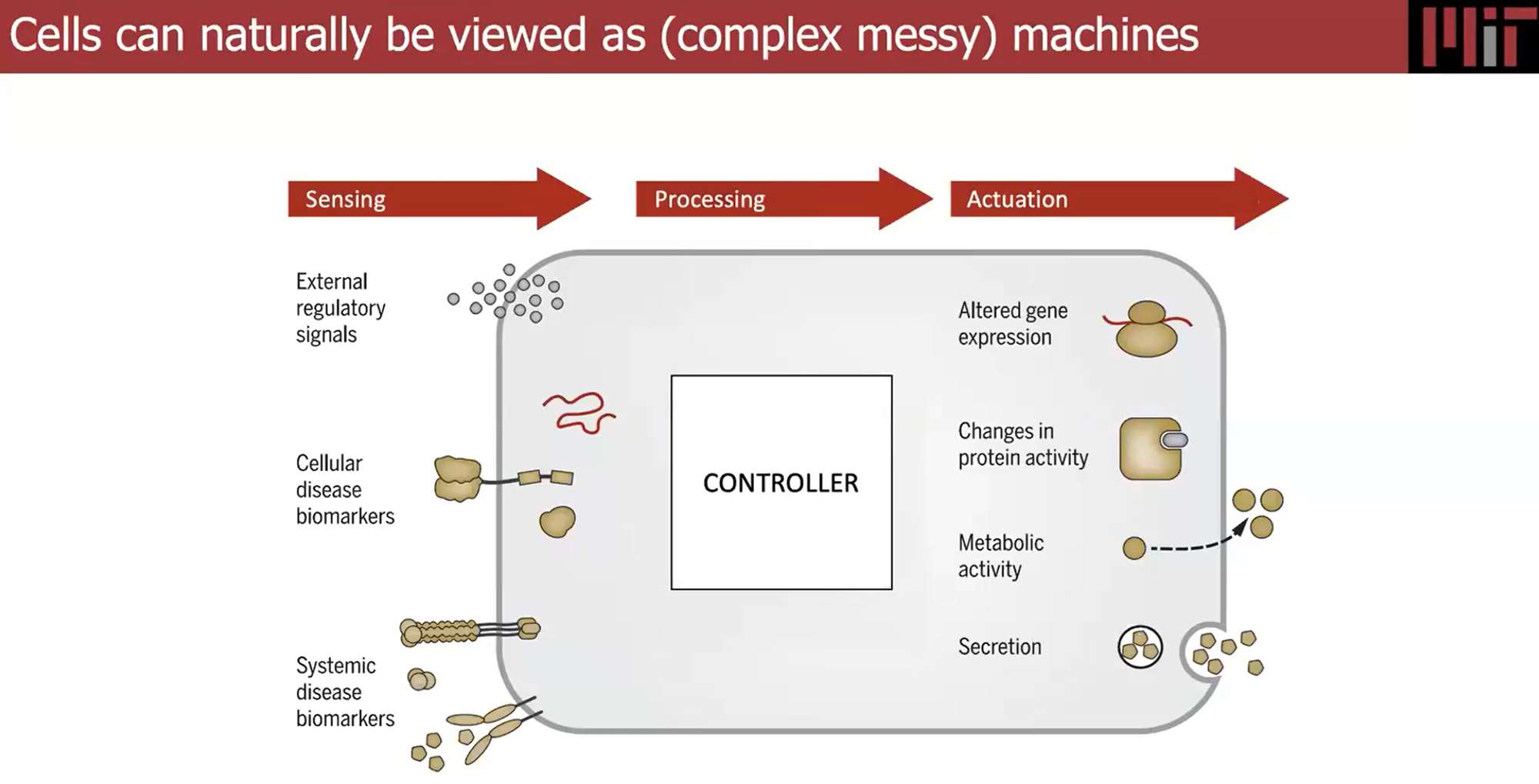
From the lecture with Ron Weiss
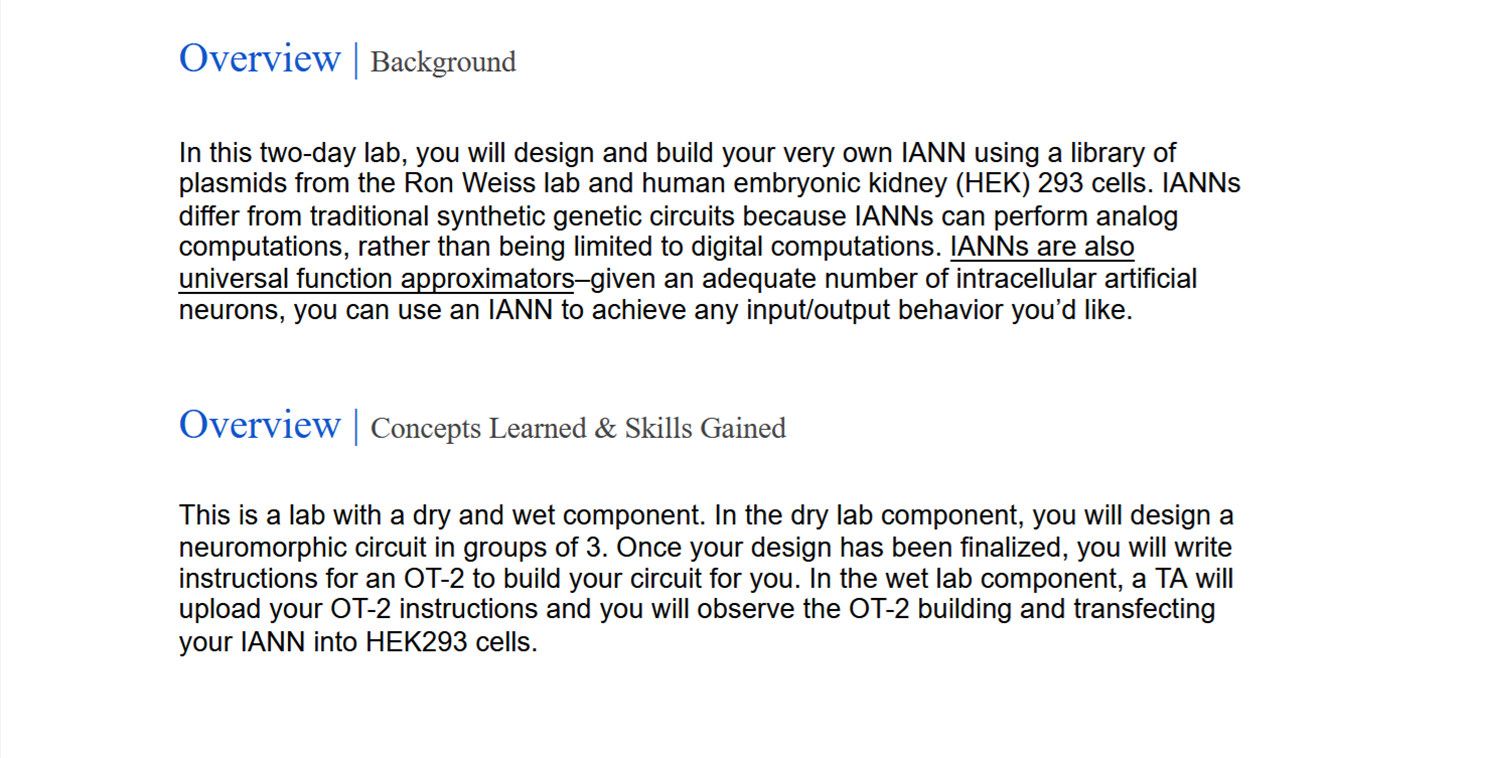
Week 7 Lab - Neuromorphic Circuits - Intracellular Artificial Neural Networks (IANNs)
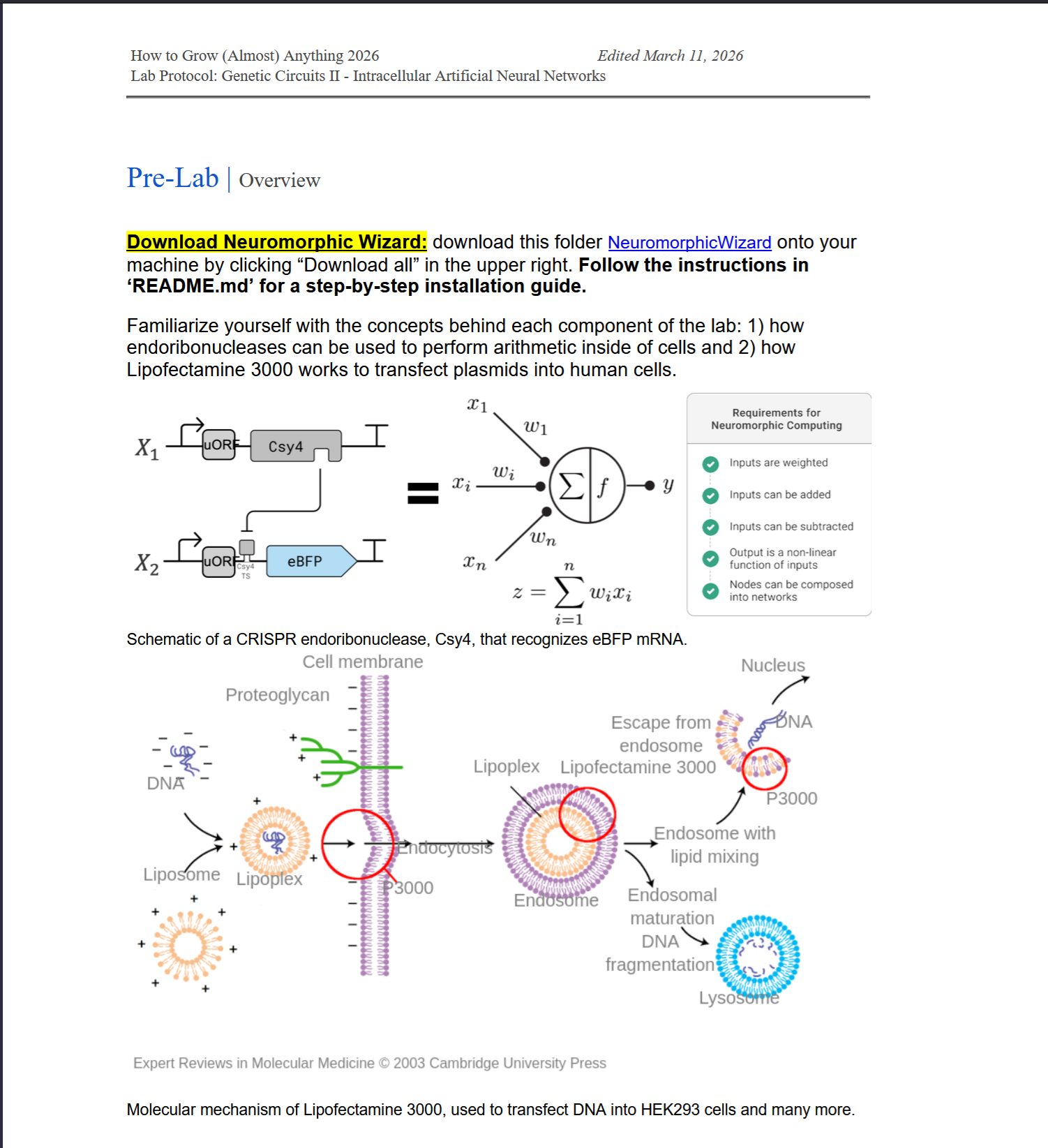
Download Neuromorphic Wizard.
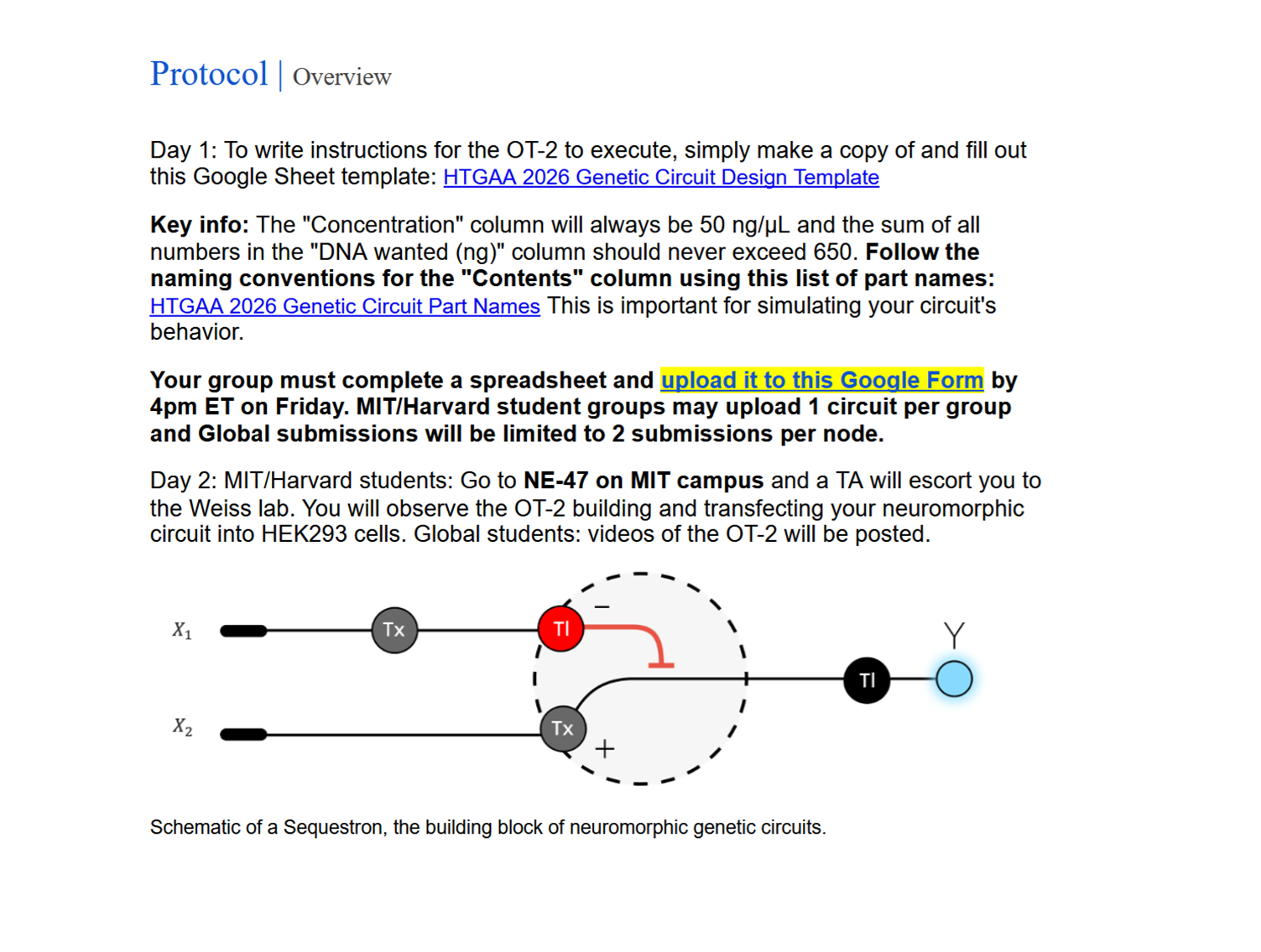
Assignment Part 1: Intracellular Artificial Neural Networks (IANNs)
1. What advantages do IANNs have over traditional genetic circuits, whose input/output behaviors are Boolean functions?
From the lecture with Ron Weiss! Motivation-> need for non digital and non binary biological computing!
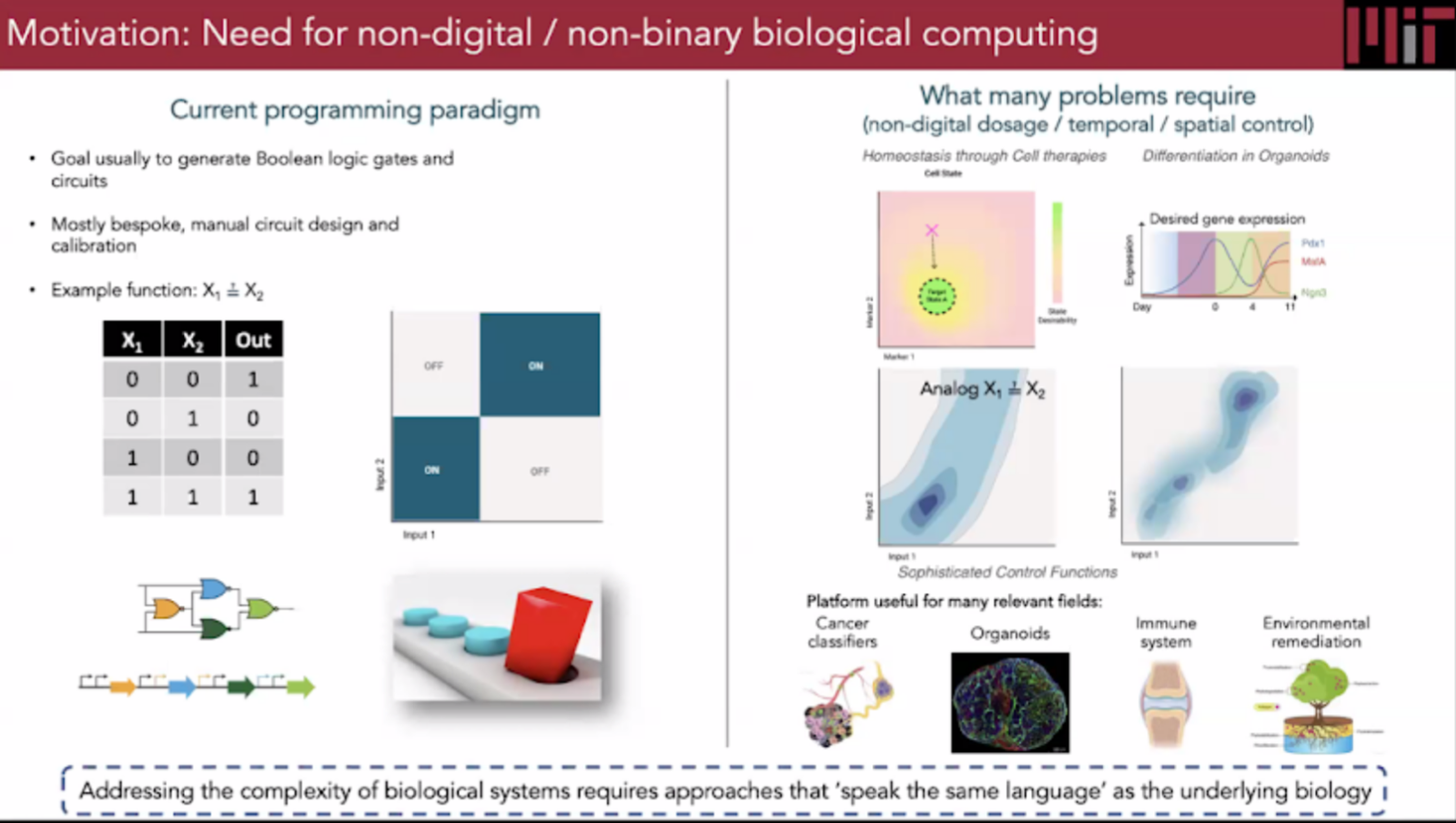
First of all let’s start from what are boolean functions or logic and traditional genetic circuits! The lecture was super interesting but I had to read a looooooot to understand the concept of the week and I am still digesting!
Traditional genetic circuits are the first and most fundamental synthetic circuits created and they carry out binary decision-making with YES/NOT gates. examples- genetic toggle switch, repressilator (oscillator circuit).
While traditional circuits are better for precise, discrete switching, IANNs excel in complex sensing and continuous regulation.
| Feature | IANN | TRADITIONAL GENETIC CIRCUIT |
|---|---|---|
| Input/output | analog (continuous and graded) | ON/OFF, binary/BOOLEAN/0/1 logic |
| Logic | non linear behaviors intracellularly | digital (AND/OR/NOT) |
| Component | Low (higher efficiency) | high, for complex logic of biological systems |
| Robustness | high, handles complexity, efficacy, variability | low (susceptible to noise) |
| Responsiveness | proportional/graded | switch-like |
Sources
Limitations of Boolean Logic : While useful for modeling, the Boolean model is an abstraction. The real biological system is continuous, where protein levels change smoothly over time, rather than switching instantly between 0 and 1.
IANN’s move synthetic biology from simple digital decision-making to sophisticated cellular intelligence, allowing for tasks such as complex classification of metabolic biomarkers and optimized therapeutic responses. Further in Rizik, L., Danial, L., Habib, M. et al. Synthetic neuromorphic computing in living cells. Nat Commun 13, 5602 (2022). https://doi.org/10.1038/s41467-022-33288-8, I read->
2. Describe a useful application for an IANN; include a detailed description of input/output behavior, as well as any limitations an IANN might face to achieve your goal.
I am still interested in HPV detection and therapy. There could be a useful Application for an Autonomous IANN for HPV therapy. The IANN acts as a synthetic “molecular sensor-actuator” within keratinocytes (the target cells of HPV). Its goal is to distinguish between healthy cells, transiently infected cells, and cells with high-risk oncogenic activity, and then trigger apoptosis (programmed cell death) only when the high-risk, cancer-prone state is detected.
Input/Output Behavior
Inputs (Molecular Signatures)
- Input 1 ( x1 - Viral Load): Presence of HPV E6/E7 mRNA (high levels indicate high-risk).
- Input 2 ( x2- Host Differentiation State): Specific markers of suprabasal cells where HPV replicates, such as high p16INK4a expression.
- Input 3 ( x3 - Immune Evasion Status): Low interferon (IFN) response or downregulation of interferon-stimulated genes (ISGs), which is a common strategy of HPV to persist.
IANN Processing: The synthetic network acts as a threshold classifier. It weights the inputs—for instance, giving higher weight to the E6/E7-IFN downregulation combination, which strongly suggests imminent malignant progression.
Outputs (Actuator Response)
- Low-Risk Scenario (Threshold not met): The IANN remains inactive, allowing natural immune clearance.
- High-Risk Scenario (Threshold met): Activation of a synthetic genetic switch that expresses a pro-apoptotic protein (e.g., Caspase-3 or Bcl-2-associated X protein (BAX)), inducing apoptosis in that specific HPV-infected cell.
Limitations and Challenges
Implementing an IANN to achieve this goal faces significant biological and technological challenges:
- Sensitivity and False-Positive Rates: The system must not activate in healthy cells, as excessive, unintentional apoptosis could lead to tissue damage. + Training the network to be highly specific to only oncogenic HPV types (16, 18) is difficult.
- Delivery Mechanism: Getting the engineered DNA or RNA circuits into the cytoplasm and nucleus of the targeted cervical basal cells in vivo is a major bottleneck.
- Signal Noise and Interference: The intracellular environment is crowded and noisy. The IANN’s molecular components (e.g., siRNA) might be degraded by natural cellular processes or interact unintentionally with host pathways (off-target effects).
- Adaptability: If the HPV mutates or the cell changes, the pre-engineered, static IANN cannot “re-learn” or update its weights like a software-based ANN, unlike the immune system.
- Immune Evasion of the IANN itself: The cell’s own immune system might recognize the IANN’s synthetic machinery as foreign (if using protein-based nodes) and destroy it.
Sources
Artificial Intelligence in Cervical Cancer Screening and Diagnosis
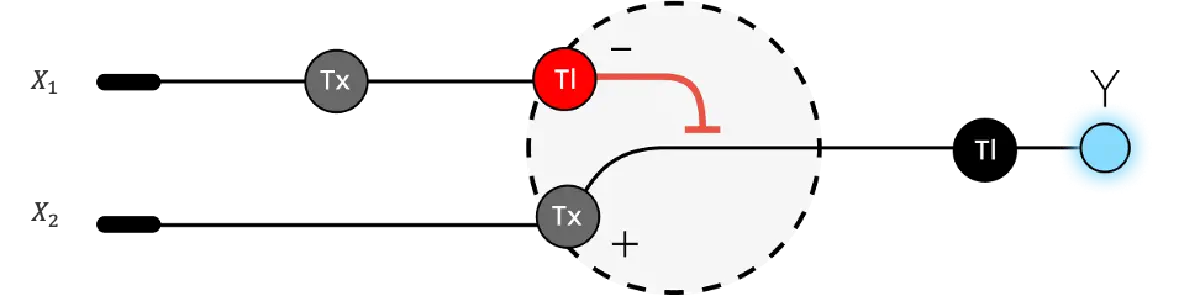
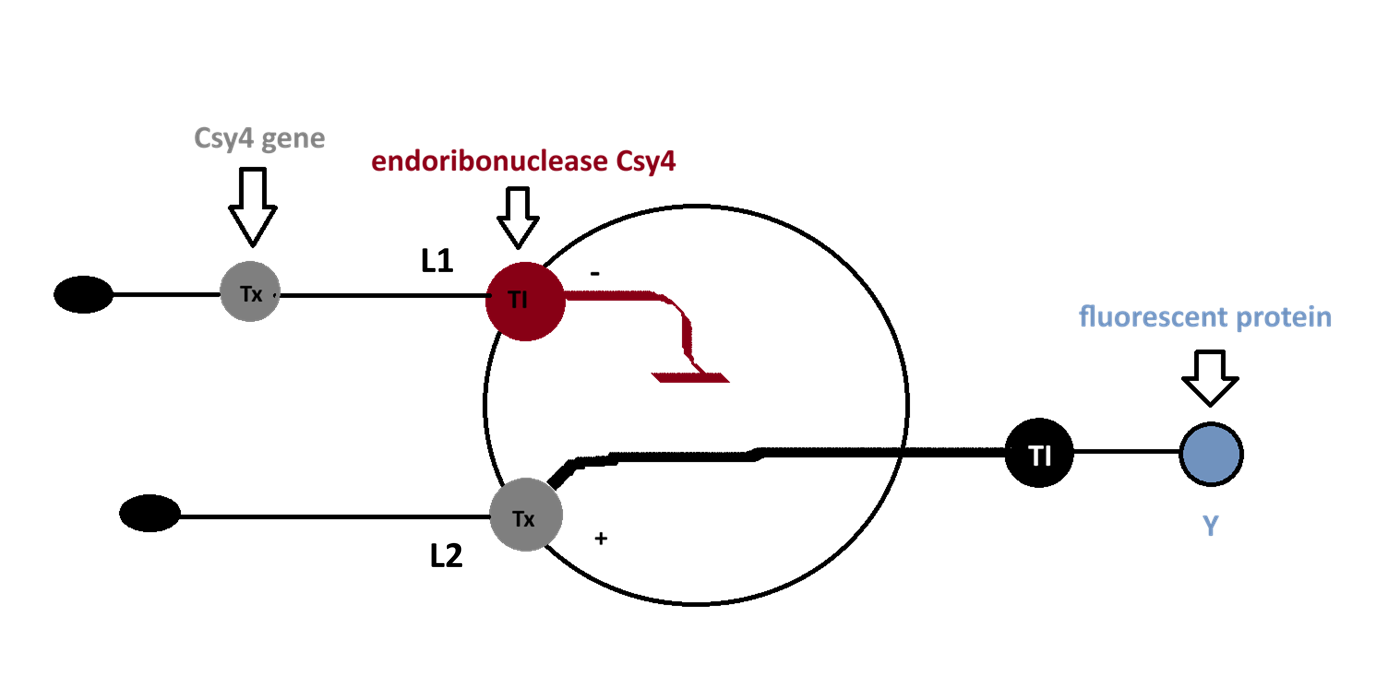
3. Below is a diagram depicting an intracellular single-layer perceptron where the X1 input is DNA encoding for the Csy4 endoribonuclease and the X2 input is DNA encoding for a fluorescent protein output whose mRNA is regulated by Csy4. Tx: transcription; Tl: translation.
Draw a diagram for an intracellular multilayer perceptron where layer 1 outputs an endoribonuclease that regulates a fluorescent protein output in layer 2.
Assignment Part 2: Fungal Materials <3
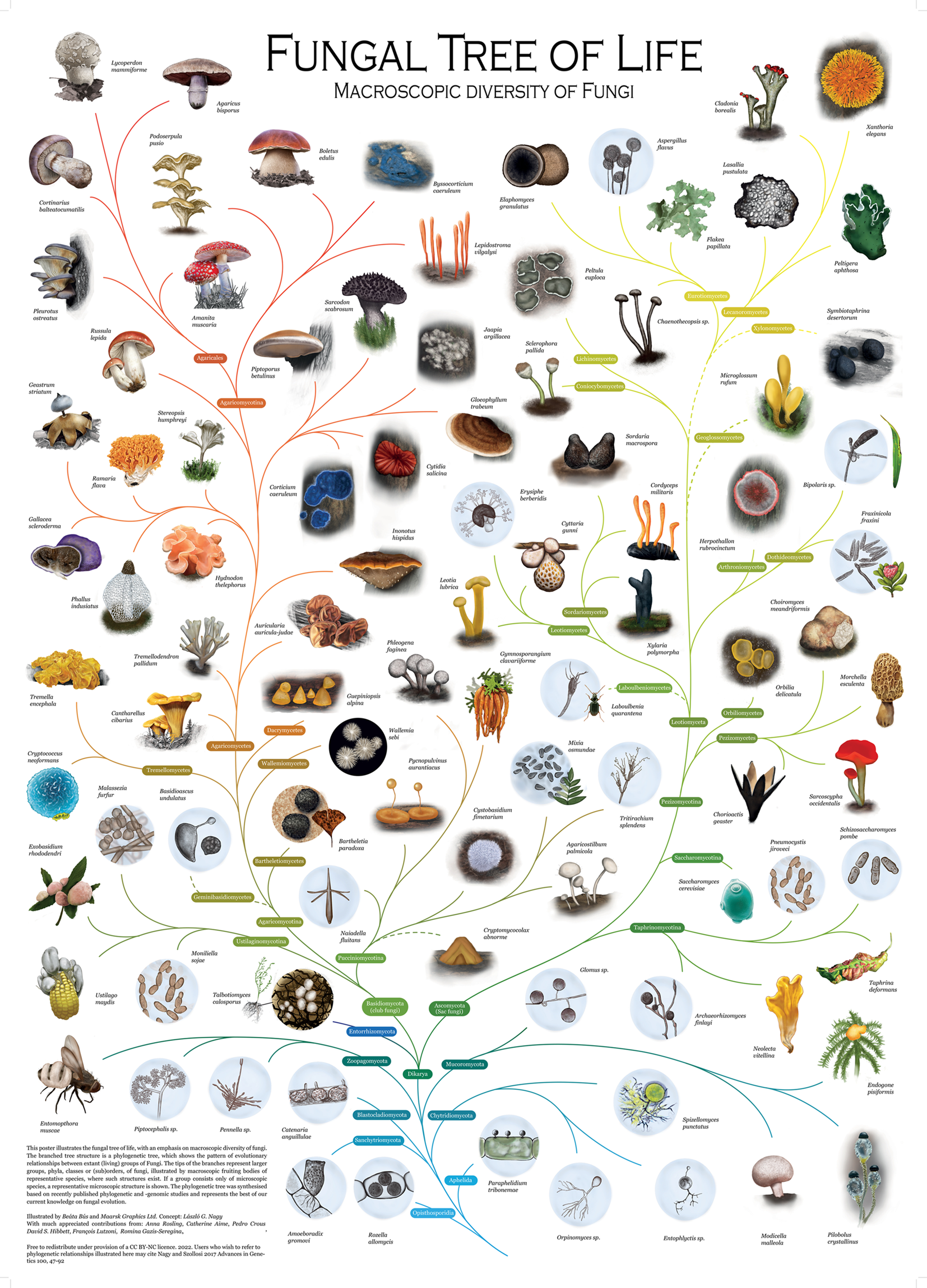
Fungal tree of life, Nagy-Laszlo Lab
1. What are some examples of existing fungal materials and what are they used for? What are their advantages and disadvantages over traditional counterparts?
Fungal materials are biofabricated biocomposite materials that have been colonised by mycelium growth, the roots of filamentous fungi. The raw material/waste is our nutrient substrate as well as a scaffold for the mycelium to grow on. The raw materials can come from agricultural or household waste like straw, coffee grounds, pellets, wood chunks, sawdust, even legumes (look at tempeh), or even plastic. The nutrient medium is not only food to the fungus but it is also a scaffold. Some food is better than others but I believe that you can train your mushrooms to eat anything. Reishi usually grows on rye, Oyster mushrooms on straw or coffeegrounds or paper. Do not forget there are different types of mushrooms and each grows/feeds/prefers different food.
For fungal materials the most commonly used types of fungi are the ones below!
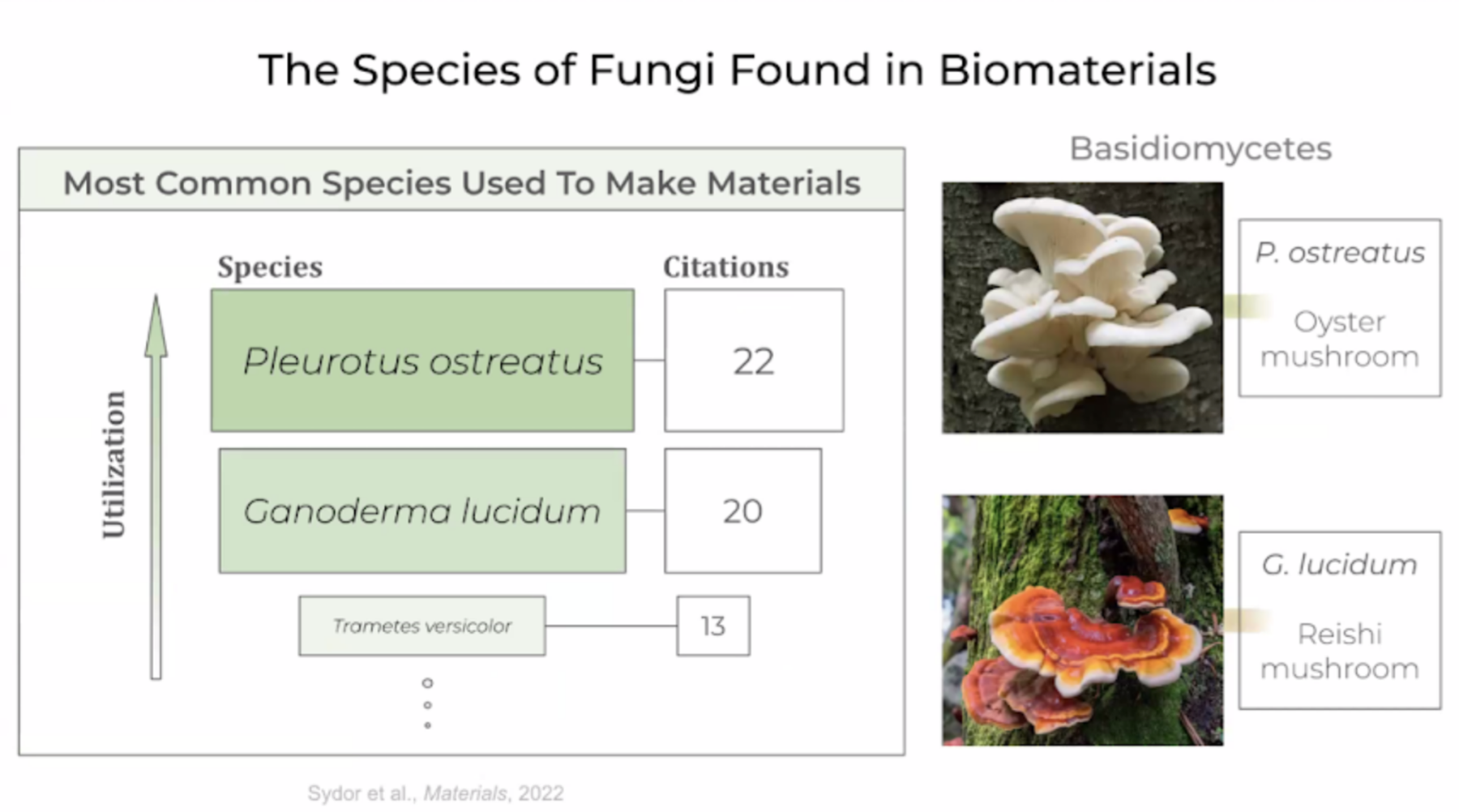
Image from recitation with bioengineer Ren Ramlan on Fungal materials
CLASSIFICATION BASED ON TYPES OF FEEDING
| SAPROPHYTIC (THE DECOMPOSERS) | ENDOPHYTIC (Internal associates) | MYCORRHIZAL (Symbiotic partnership) | PARASITIC (Host feeders) |
|---|---|---|---|
| PLEUROTUS OSTREATUS (Oyster) | Fusarium sp. | Truffles | Cordyceps |
| Shitake | Trichoderma sp. | Chanterelle | Chaga |
| Lions Maine | Phomopsis sp. | Porcini | Honey fungus (armillaria mellea) |
| TYPE | FEEDING BEHAVIOR | HABITAT |
|---|---|---|
| SAPROPHYTIC | Breaks down organic material | Dead wood, soil, leaves |
| ENDOPHYTIC | Internal associate [unclear to me how yet]* | Lives inside plant tissues |
| MYCORRHIZAL | Symbiosis with living roots | Underground |
| PARASITIC | Attacks living host organism | Inside living plants, trees, insects |
*still figuring it out.
For my own final project and my research interest in mycoremediation and plastic degrading fungi I have focused more into SAPROPHYTC NUTRITION and specifically on saprobionts that digest their food externally and then absorb the products.
From Growing a circular economy with fungal biotechnology:the White Paper:
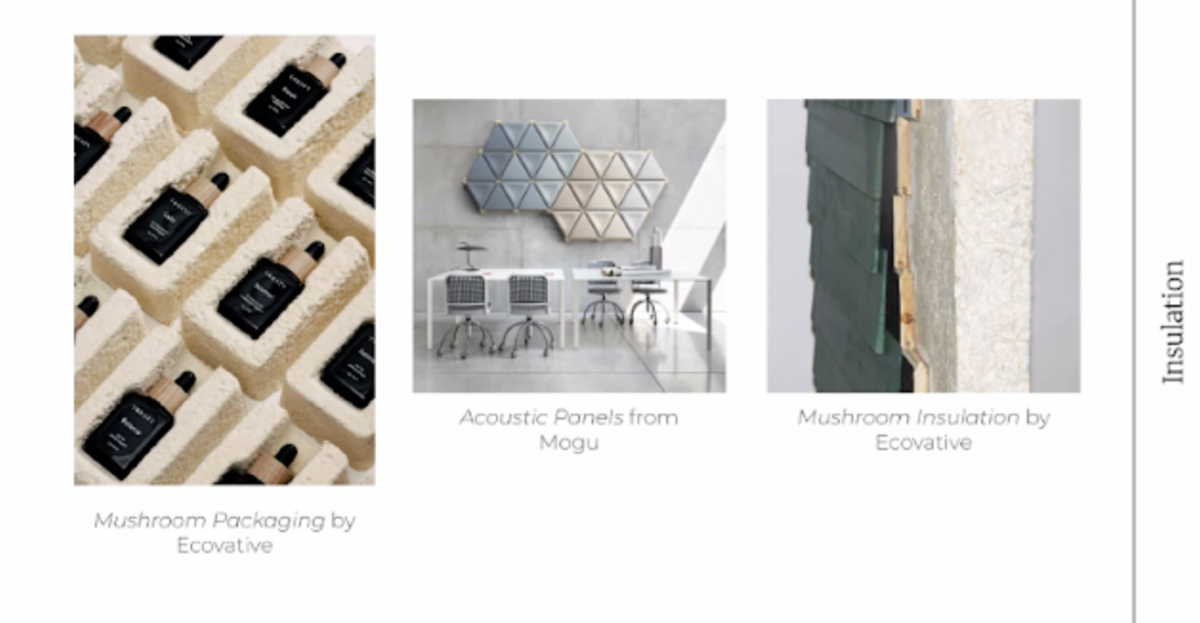
| Applications/Industry | Examples |
|---|---|
| Building and construction | Insulation panels, biobricks |
| Fashion and textiles | Mushroom leather |
| Art, design, stationery | Paper |
| Packaging | Biofoam alternatives |
| Decorative items and interior design | Lampshades, plant pots |
| Sports equipment | Styrofoam alternatives- Surf boards and canoes |
| Biomedical | Fungal textiles - rapid regenerative qualities |
| Food | Tempeh and so much more |
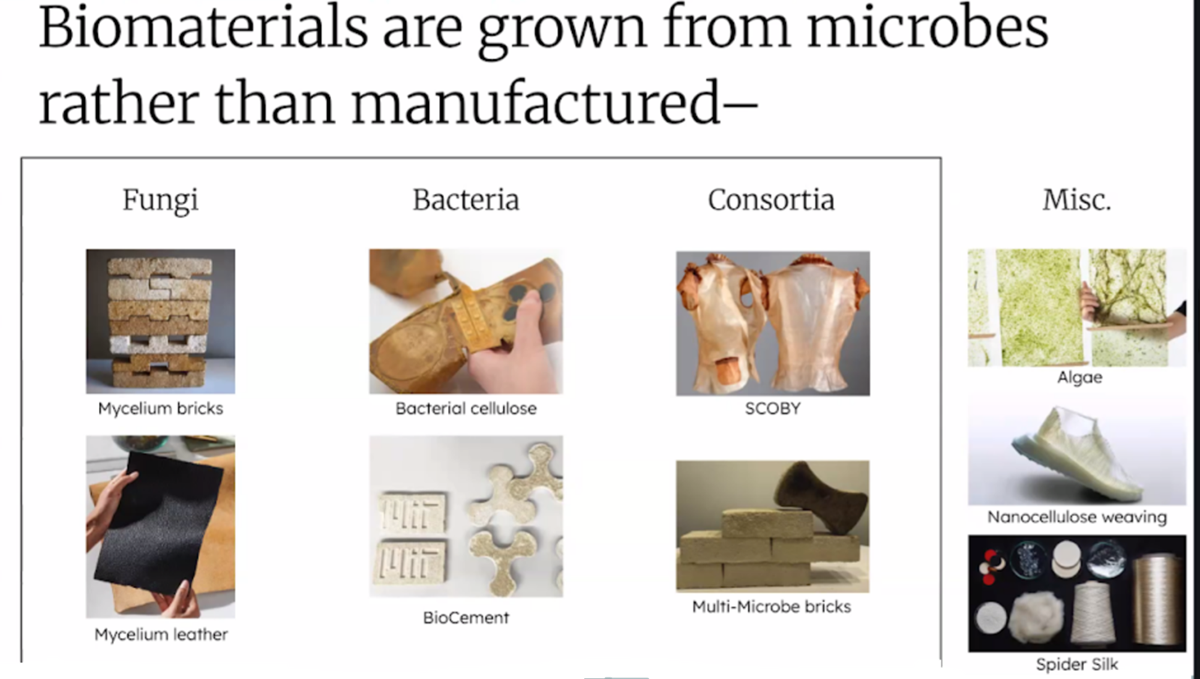
Some screenshots from Ren Ramlans recitation presentation!
Another example of a self healing fungal material from Rens recitation presentation
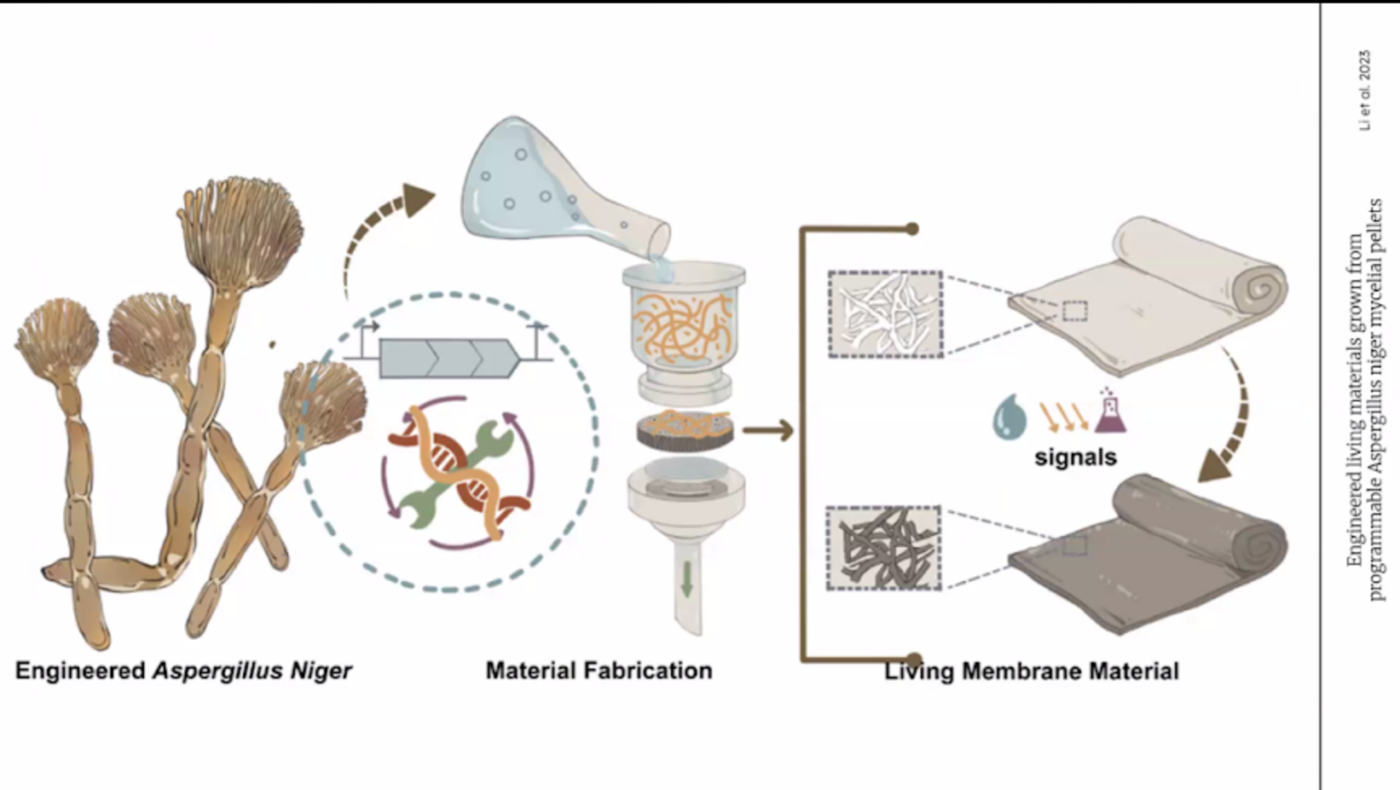
Advantages and Disadvantages
| Advantages | Disadvantages |
|---|---|
| Negative carbon emissions, cultivated with minimal energy | Contamination |
| Natural fire resistance, non toxic combustion | Need specialised knowledge to grow (but not a fancy lab or equipment) |
| Sustainable and circular process | Slow process* |
| Biodegradable | end results/products will not be identical to each other |
| Slow process-grown not manufactured | some shrinkage |
| Long life cycle | |
| One of the most versatile biomaterials ever | |
| renewable source | |
| Lightweight |
Slowness- for me its an advantage because I value slow making and cultivation but it can also seem like a disadvantage to someone who does not understand that biofabrication is a collaboration and co creation process and requires care and patience.
A lot of “disadvantages” on the list above can actually be seen as advantages.
3. What might you want to genetically engineer fungi to do and why? What are the advantages of doing synthetic biology in fungi as opposed to bacteria?
This question right here is THE MOST IMPORTANT ONE FOR ME AND MY FINAL PROJECT!!!! I will try to answer this questions in more depth and add any more research in my final project page during this week.
I am interested in plastic degrading fungi and mycoremediation. I am interested in researching the enzymes that break down plastics in saprophytic fungi and figure out how to train my mushrooms either naturally or with synthetic biology. Certain moulds and fungi have evolved to break down more than agricultural organic sources. Another interest is studying melanin producing fungi for protection from radiation and learning more about protein producing mechanisms by looking into their genome and editing it.
In addition, yeast (saccharomyces cerevisiae) is a type of unicellular, eukaryotic microorganism classified within the Fungi kingdom. It has been often used as a biosensor in modern-day biotechnology. It was the first eukaryote to have its genome sequenced in its entirety in 1996. Along with that advance was the concerted effort to assign functions to all 6000 open reading frames.
The use of yeast in biosensing
Yeast-based biosensors are engineered microorganisms, modified to detect and quantify target compounds, toxins, or environmental pollutants. These biosensors use genetic modifications—such as reporter genes (fluorescence/luminescence) and modified receptors—to produce measurable signals (colorimetry, electrical) upon interaction with specific molecules. They are widely used in environmental monitoring, pathogen detection, and pharmaceutical development due to their ease of culturing and genetic tractability.
I also virtually attended a workshop by artist Mary Maggic who were also on htgaa 2015 on Becoming with fungi where they used remazol blue (endorcrine disrupting chemical) to test the ability of the Schizophyllum commune mushroom for bioremediation. Marry Maggic have also worked with yeast biosensors.
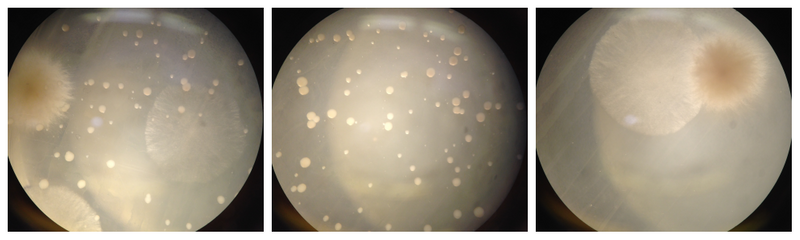
YES-HER YEAST BIOSENSORS-DOES IT SAY (YES) TO (hER)?
Here is a more recent paper on Yeast-Based Biosensors: Current Applications and New Developments. Yeast is also being used in biomerediation:
Sources
Zinjarde S, Apte M, Mohite P, Kumar AR (2014). “Yarrowia lipolytica and pollutants: Interactions and applications”. Biotechnology Advances. 32 (5): 920–933. doi:10.1016/j.biotechadv.2014.04.008. PMID 24780156.
Bankar AV, Kumar AR, Zinjarde SS (2009). “Removal of chromium (VI) ions from aqueous solution by adsorption onto two marine isolates of Yarrowia lipolytica”. Journal of Hazardous Materials. 170 (1): 487–494. Bibcode:2009JHzM..170..487B. doi:10.1016/j.jhazmat.2009.04.070. PMID 19467781.
Soares EV, Soares HM (2012). “Bioremediation of industrial effluents containing heavy metals using brewing cells of Saccharomyces cerevisiae as a green technology: A review”. Environmental Science and Pollution Research. 19 (4): 1066–1083. Bibcode:2012ESPR…19.1066S. doi:10.1007/s11356-011-0671-5. hdl:10400.22/10260. PMID 22139299. S2CID 24030739.
In Rens research she is working with Ascomycota and Basidiomycota are less conducive to existing engineering pipelines.
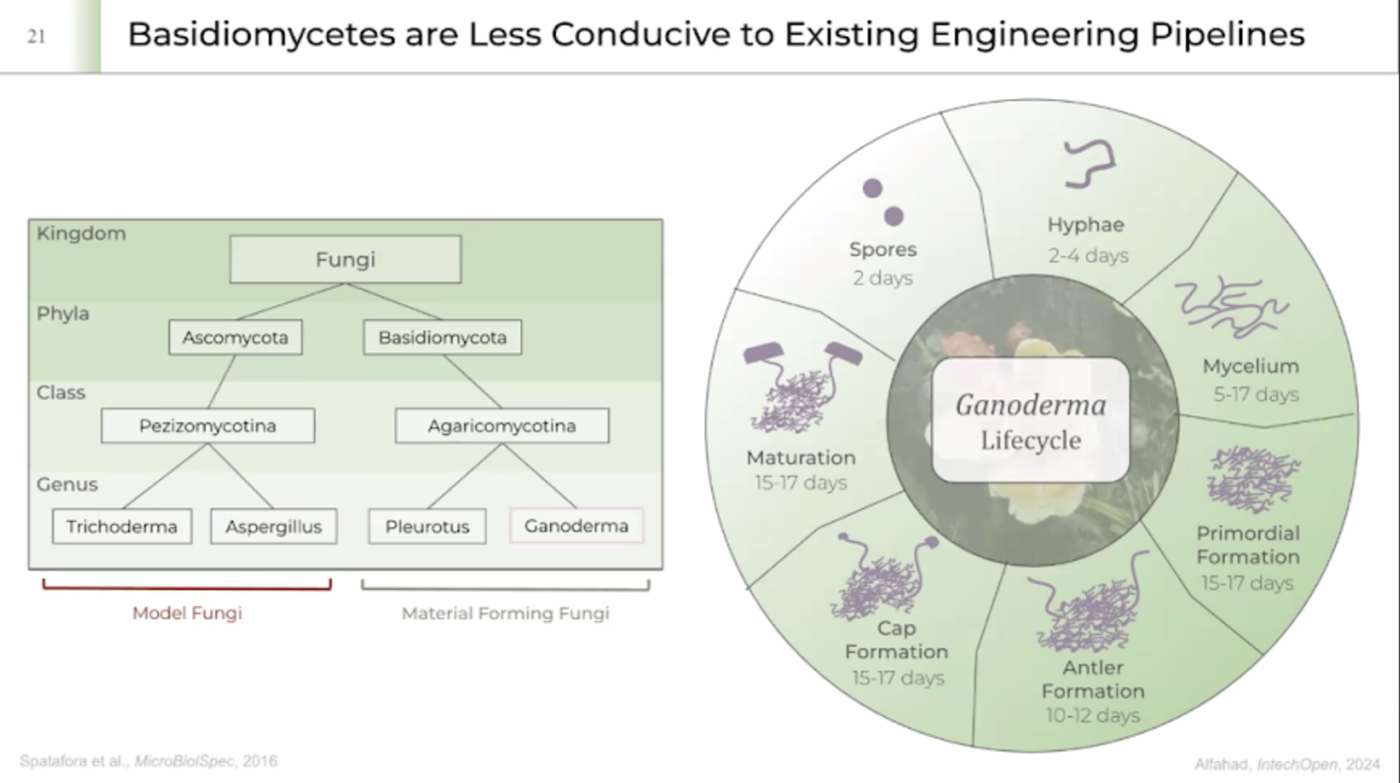
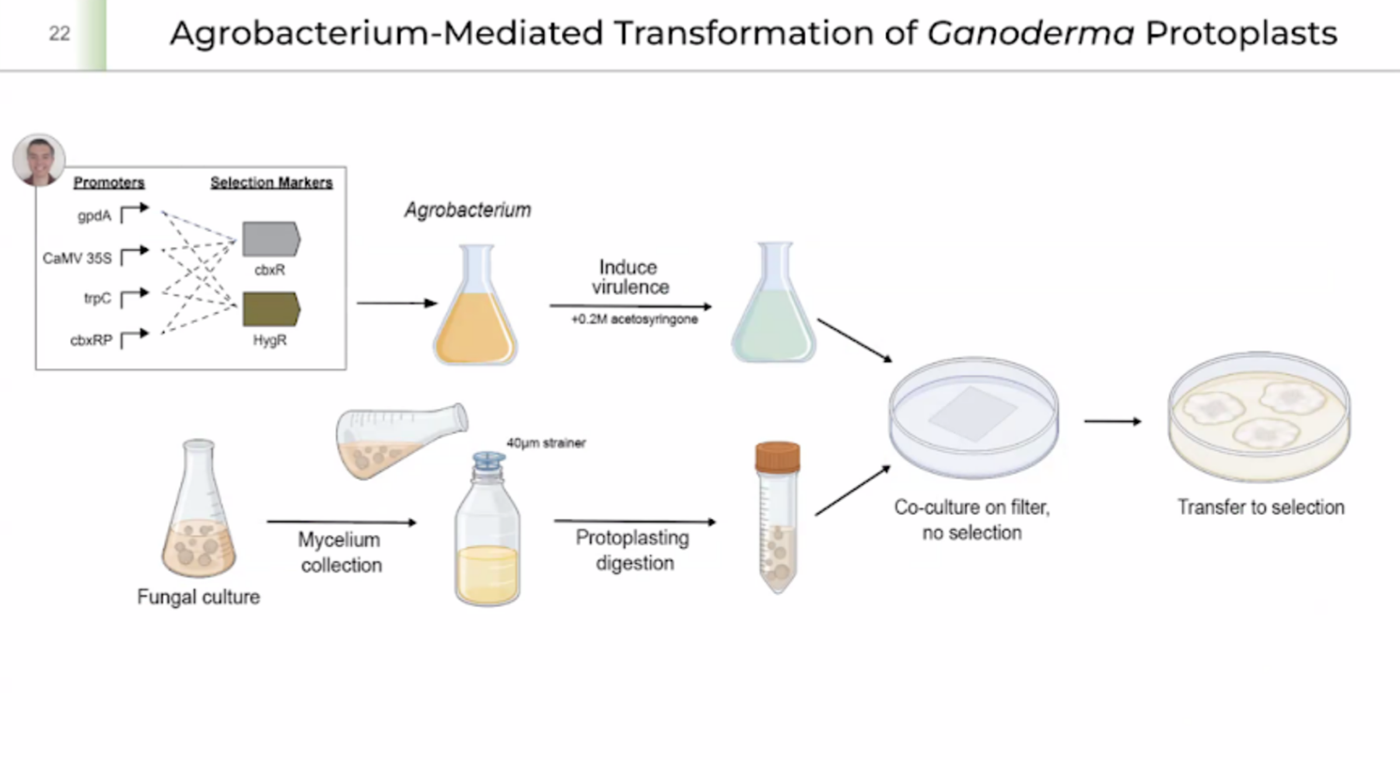
It seems that Agrobacterium is gonna be super important for my own research into how to incorporate synthetic biology in my final project.
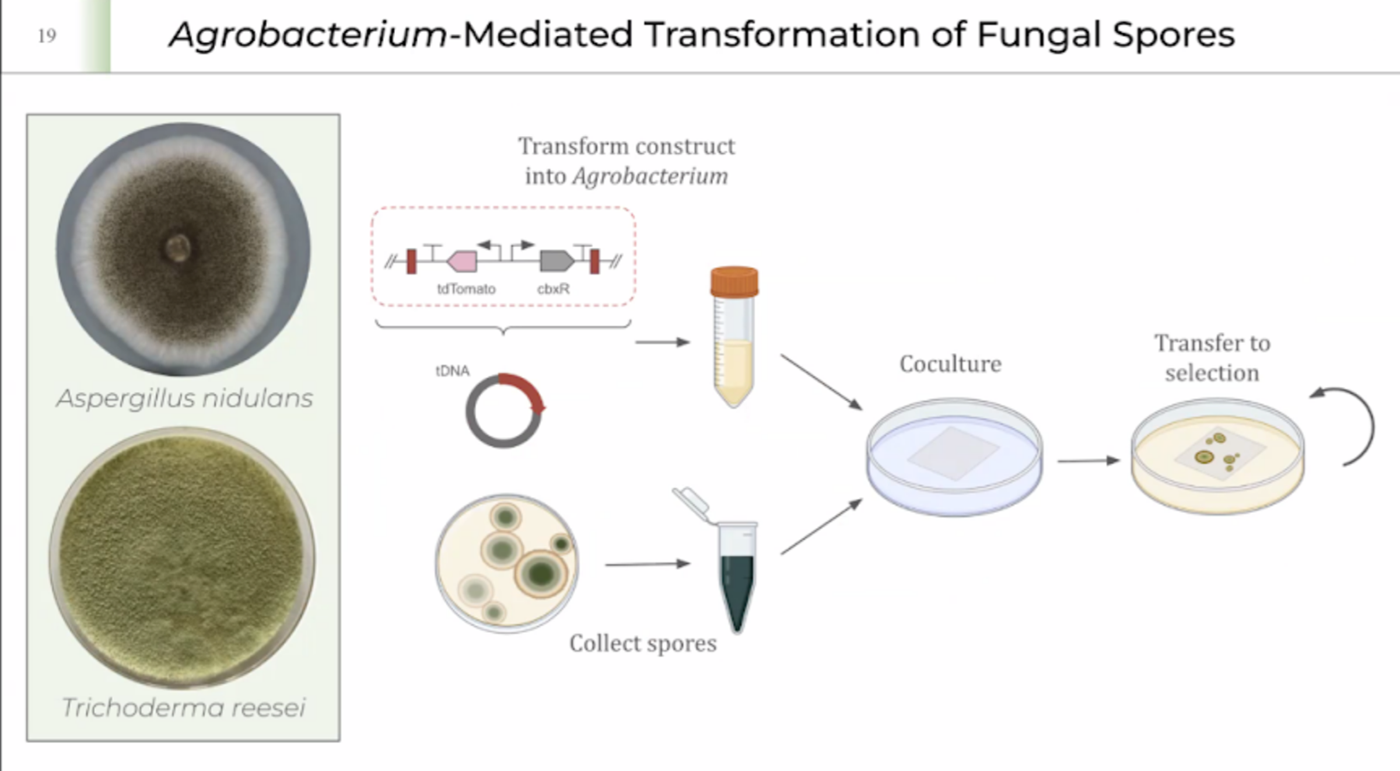
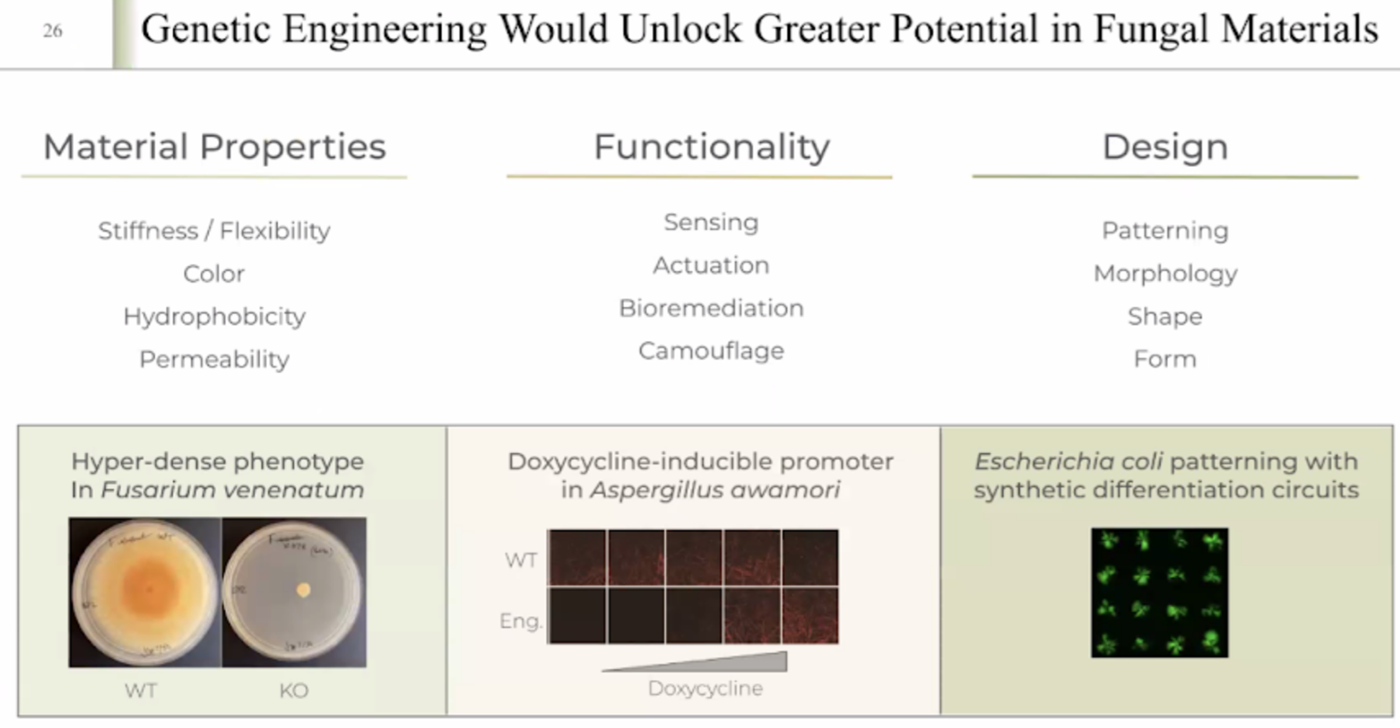
Advantages of doing synthetic biology in fungi as opposed to bacteria
In this paper from 2020:
In Prospects of Fungal Biotechnologies for Livestock Volume 2. Fungal Biology. Springer, Cham., it is being mentioned that “engineered fungi like Aspergillus, Trichoderma, and Saccharomyces are increasingly used to produce valuable biomolecules such as enzymes, insulin, and antimicrobial peptides. These organisms naturally secrete large quantities of proteins, making them particularly attractive for industrial-scale applications”.
In Jo C, Zhang J, Tam JM, Church GM, Khalil AS, Segrè D, Tang TC. Unlocking the magic in mycelium: Using synthetic biology to optimize filamentous fungi for biomanufacturing and sustainability. Mater Today Bio. 2023 there is a good synopsis of how synbio is used on filamentous fungi and while fungi grow slower than bacteria and present challenges in submerged pellet formation, their efficiency as protein factories and ability to produce complex compounds make them better suited for many industrial biotechnology applications.
Previous work with digital fabrication for fungal biocomposites
I have been a big fan of mushroom cloning since 2020. I was introduced to it by Rodolfo Acosta Castro in the Natural Machines program of the School of Machines, Making, and Make Believe in Berlin <3 I was also introduced to AI stuff, python, algorithmic botany and many other amazing stuff during my scholarship in the program.
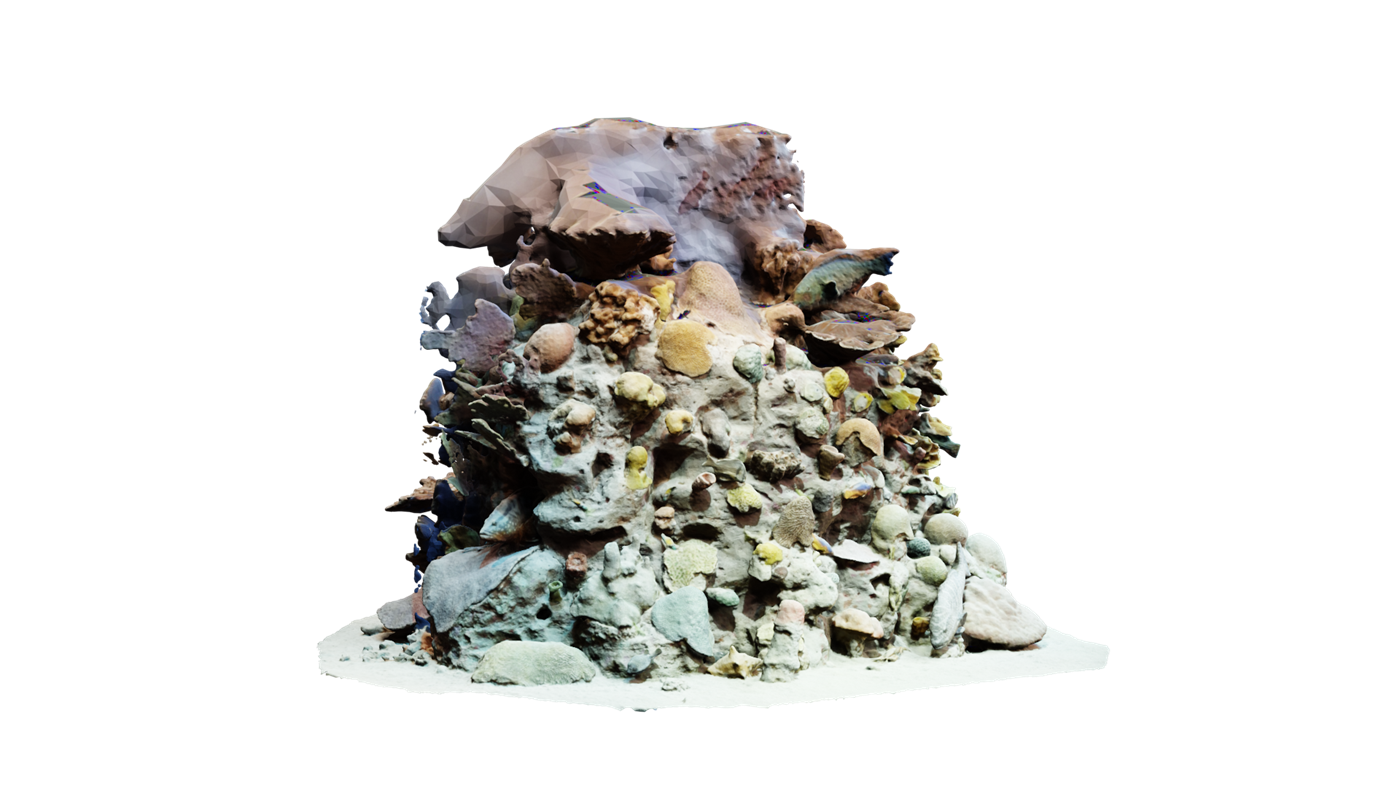
I also worked a lot with 3d photogrammetry and simulating natural systems and I visited the natural history museum and made this model of a reef!
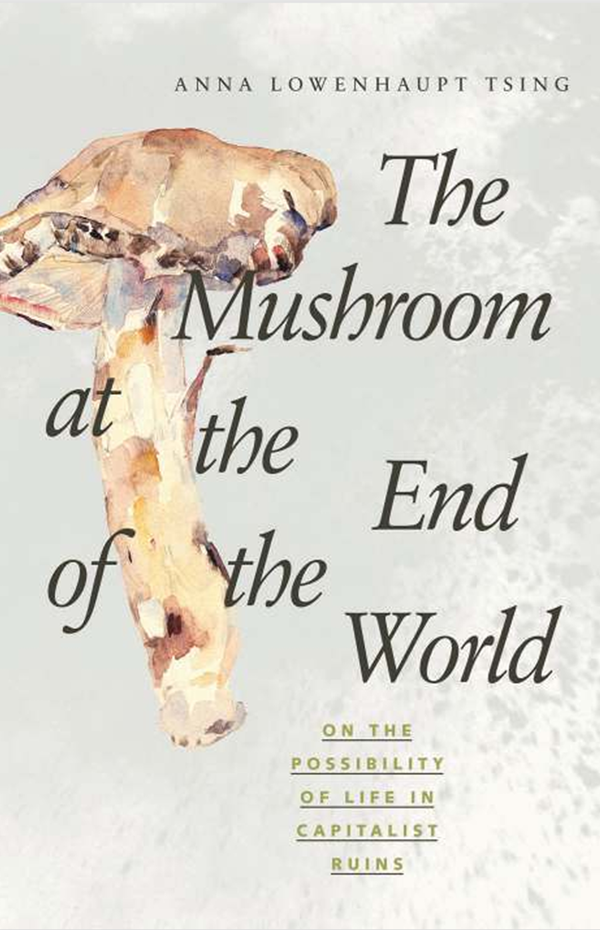
If you are into mushrooms you should read this book!
Fast forward to 2021 in fabricademy I made more can cultivated materials explorations. A few months ago I was invited to talk about my diy biolab and working with living systems in a New European Bauhaus presentation in a local university! Here is my presentation.
Mycelium as scaffold
I have done a lot of experiments with mycelium in the past 5 years! The craziest one was during Textile as scaffold week in Fabricademy in 2022 where I grew epsom crystals on a piece of mycelium biocomposite sample that I fabricated in a workshop earlier that year.
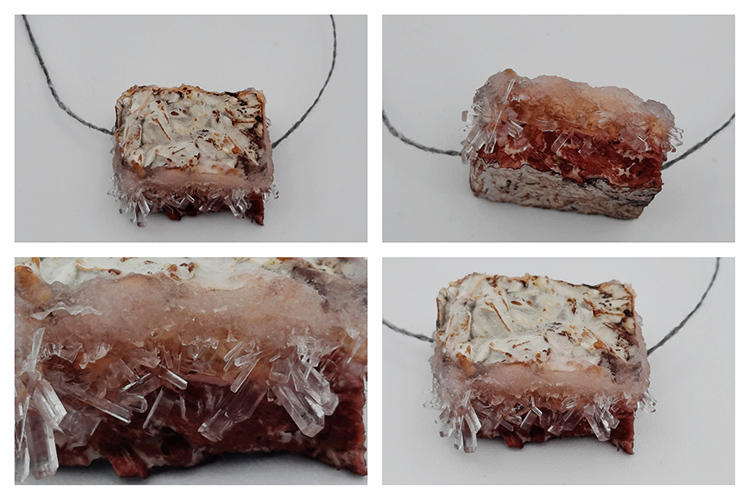
Mushroom cloning, fungal materials protocols and other resources <3
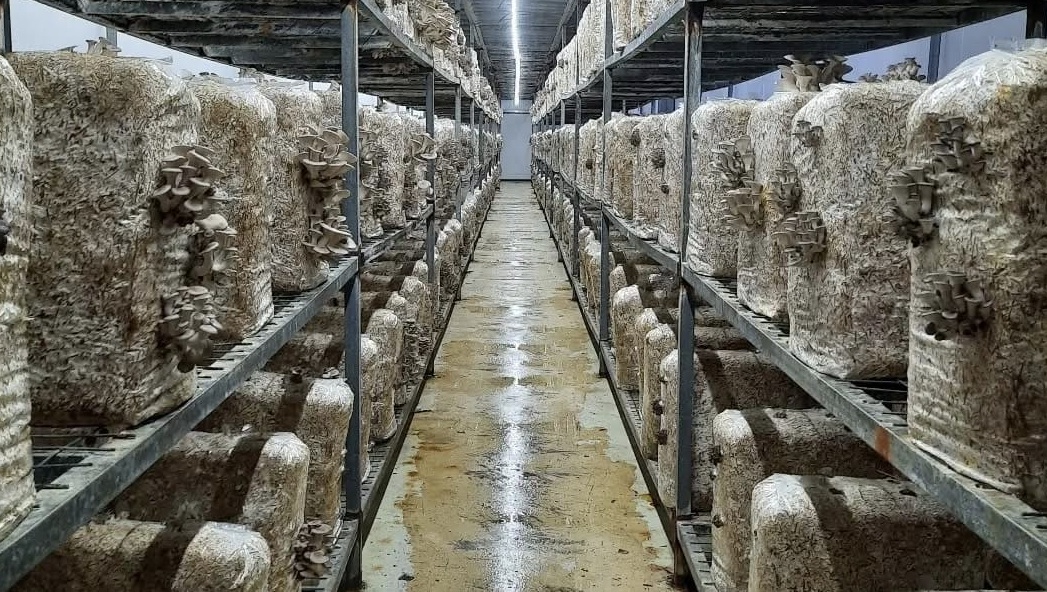
I visited a mushroom factory here in Cyprus a few years ago to get some inoculated substrate for my residency at the Cyprus University of Technology makerspace.
I am here to give you some inspiration before you get deep in mushroom cloning. I hope you enjoy my references.
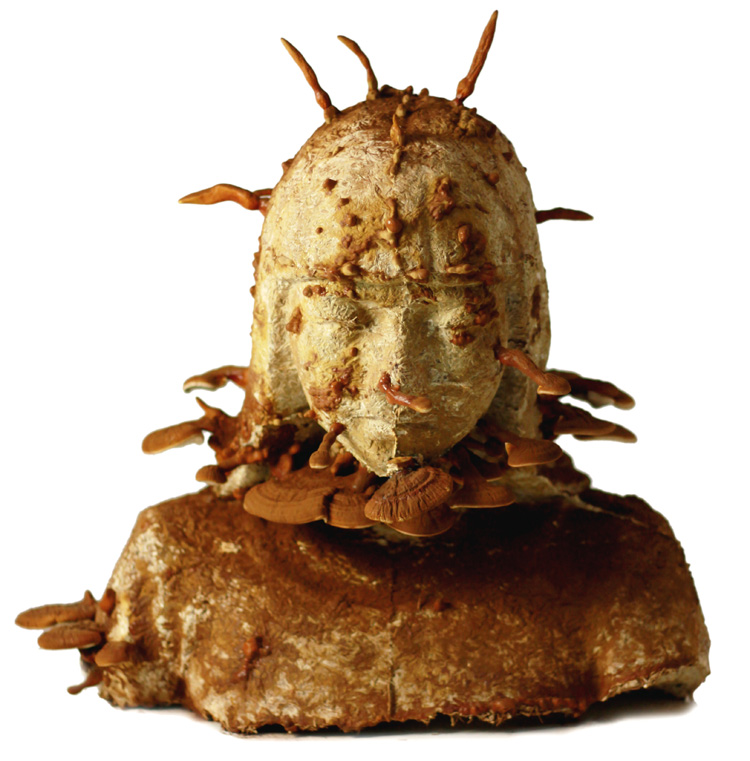
Xiaojing Yan, Lingzhi Girl, 2016-2017, Mycelium, cultivated lingzhi mushrooms and wood chips dimensions variable
Mushroom cloning and fungal materials protocol
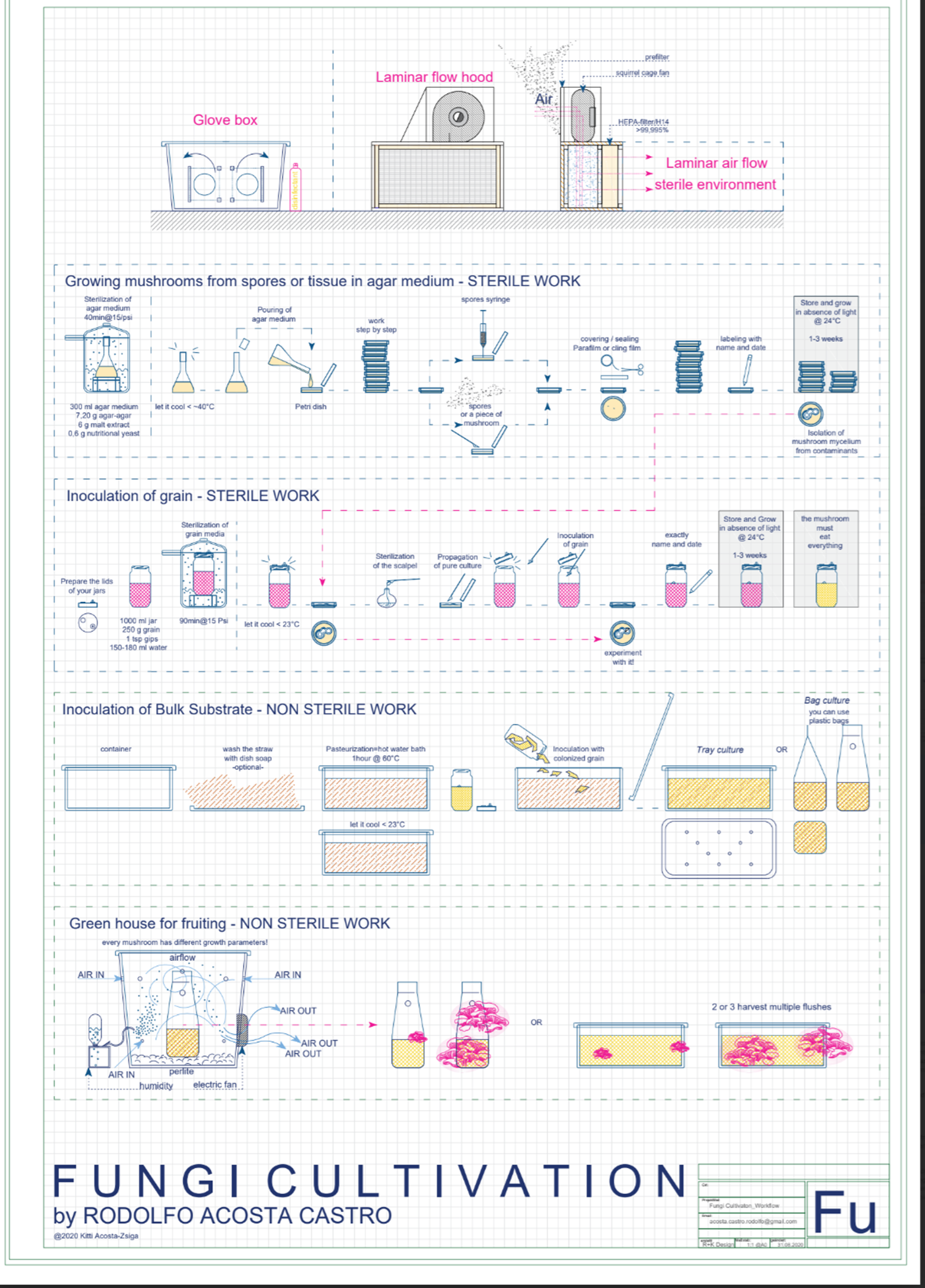
Here you can go on my google drive and view or download the protocol Rodolfo shared with me in better quality!
You can clone any edible mushroom from the supermarket using agar nutrient medium in petri dishes OR you can even clone mushrooms from the supermaket without using agar nutrient medium or petri dishes. Another option for BEGINNERS is to buy something like a Grow-Your-Own kit and also have a look at the molds that come with the kit as it will help you understand how you can make a mold for your biocomposite fungal material <3
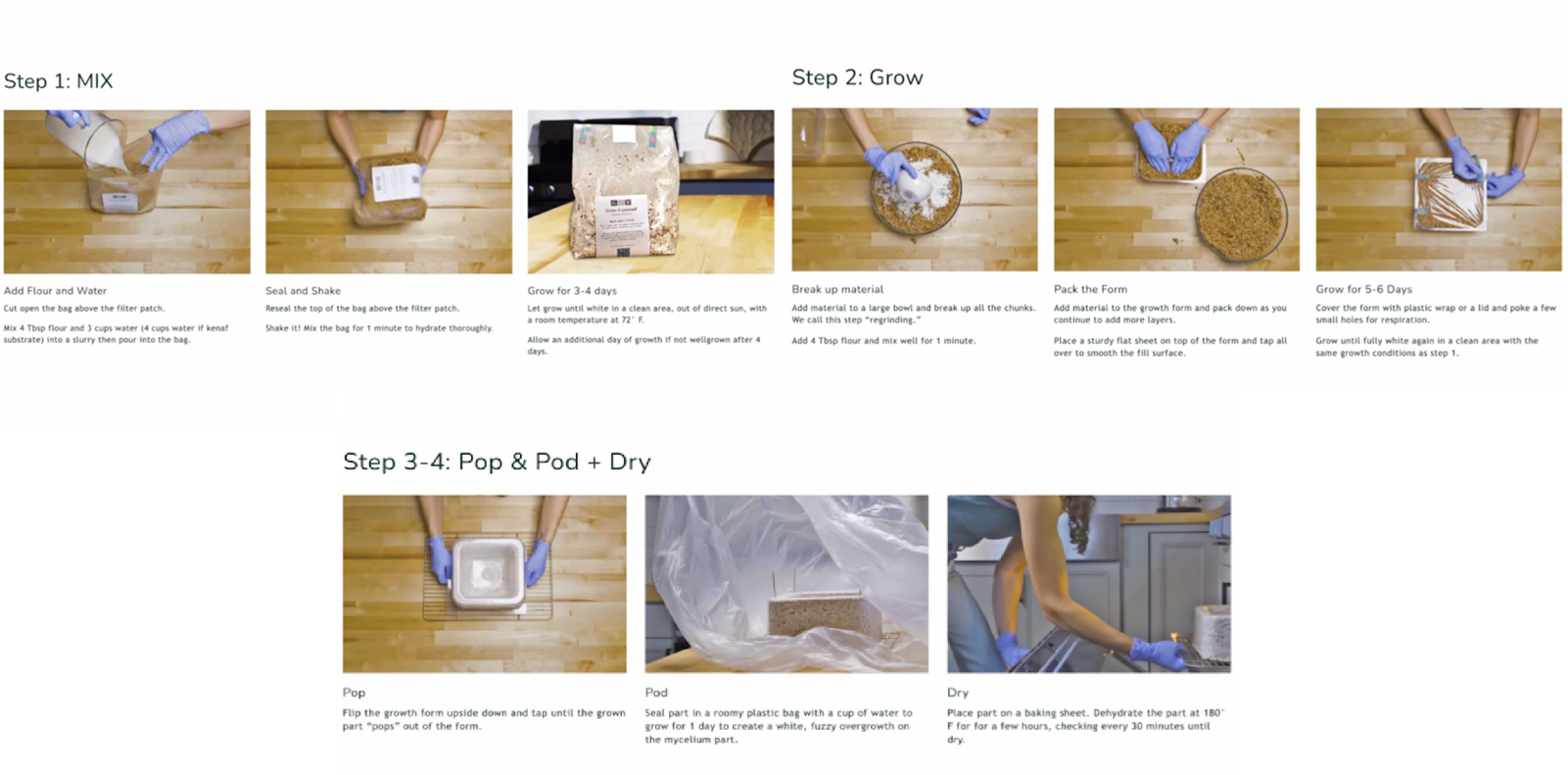
Images from Ren Ramlan recitation on Fungal materials
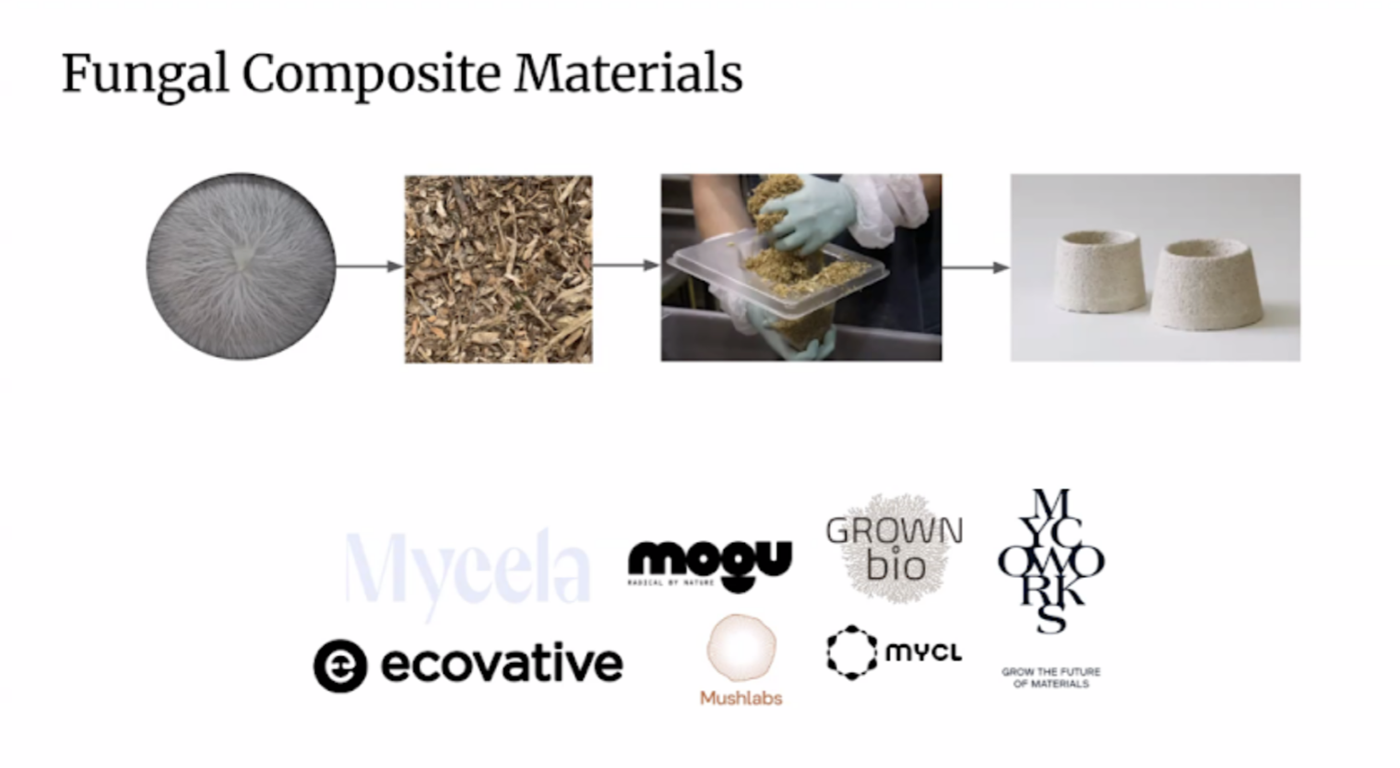
Other DIY RESOURCES
DIY STILL AIR BOX
DIY INCUBATOR
You can find so many out there it is confusing! But here I found an article that has some good ones. You can make an incubator only for petri dish cultivation.
Here is also a video by my friend Dariia at Yane Lab in Dnipro, Ukraine <3
LAMINAL FLOW HOOD
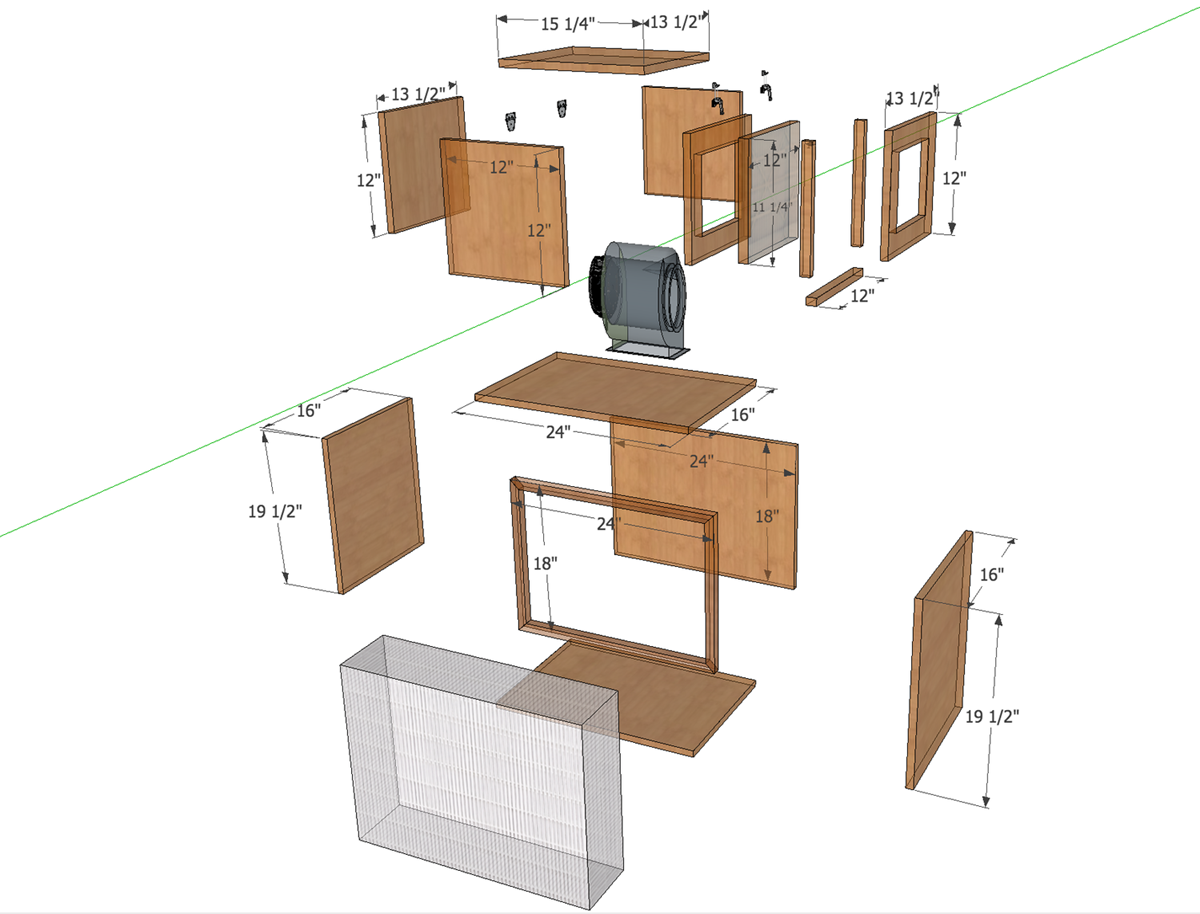
A step by step to create this beautiful portable laminar flow hood! Apart from the Still Air Box method you can also use a lamiral flow hood also inside your box with a HEPA filter.
And here is another step by step instruction manual.
Nutrient medium recipes and intructions
What you will need:
- Mushroom from the supermarket
- Scalpel
- Parafilm to seal your petri dishes
- Sterilised petri dishes
- Pressure cooker to sterilise agar medium and petri dishes (if needed because you might choose to buy presterilised dishes to just pour in your medium into which could be better for a begginer imo)
- Still air box or lateral flow hood
For cloning with agar agar nutrient medium in petri dishes
You can follow Rodolfos protocol above. I am just rewriting it here and adding another resource too. You cannot know if it works until you try it and figure it out but I think both are good.
Rodolfo’s recipe
To make 300 ml agar medium
- 7.2 gr of agar agar
- 6g malt extract
- 0.6 gr of nutritional yeast
For cloning without agar agar nutrient -> using cardboard or any other organic resources/waste
Cloning with Moist Cardboard is a useful technique for outdoor situations or when laboratory equipment is not available.
  + Cardboard Preparation
  Soak the cardboard in boiling water to sterilize it, then let it cool.

  + Placement of Mushroom Tissue
  Place a piece of mushroom tissue between two layers of damp cardboard, then roll it up and place it in a plastic bag.

  + Growth and Transfer
  Let the mycelium develop inside the cardboard. Once it has fully colonized, you can transfer the mycelium to a more nutritious substrate.
How does mycelium grow? What is important for us to know about mycelial growth when designing or fabricating a mold? LIFE CYCLE AND MOLD FABRICATION
LIFE CYCLE
YOU NEED TO STOP THE GROWTH CYCLE OF THE MYCELIUM TO PREVENT FROM FRUITING TO GET A WHITE-ISH BIOCOMPOSITE (DEPENDING ON THE KIND OF STRAIN USED)
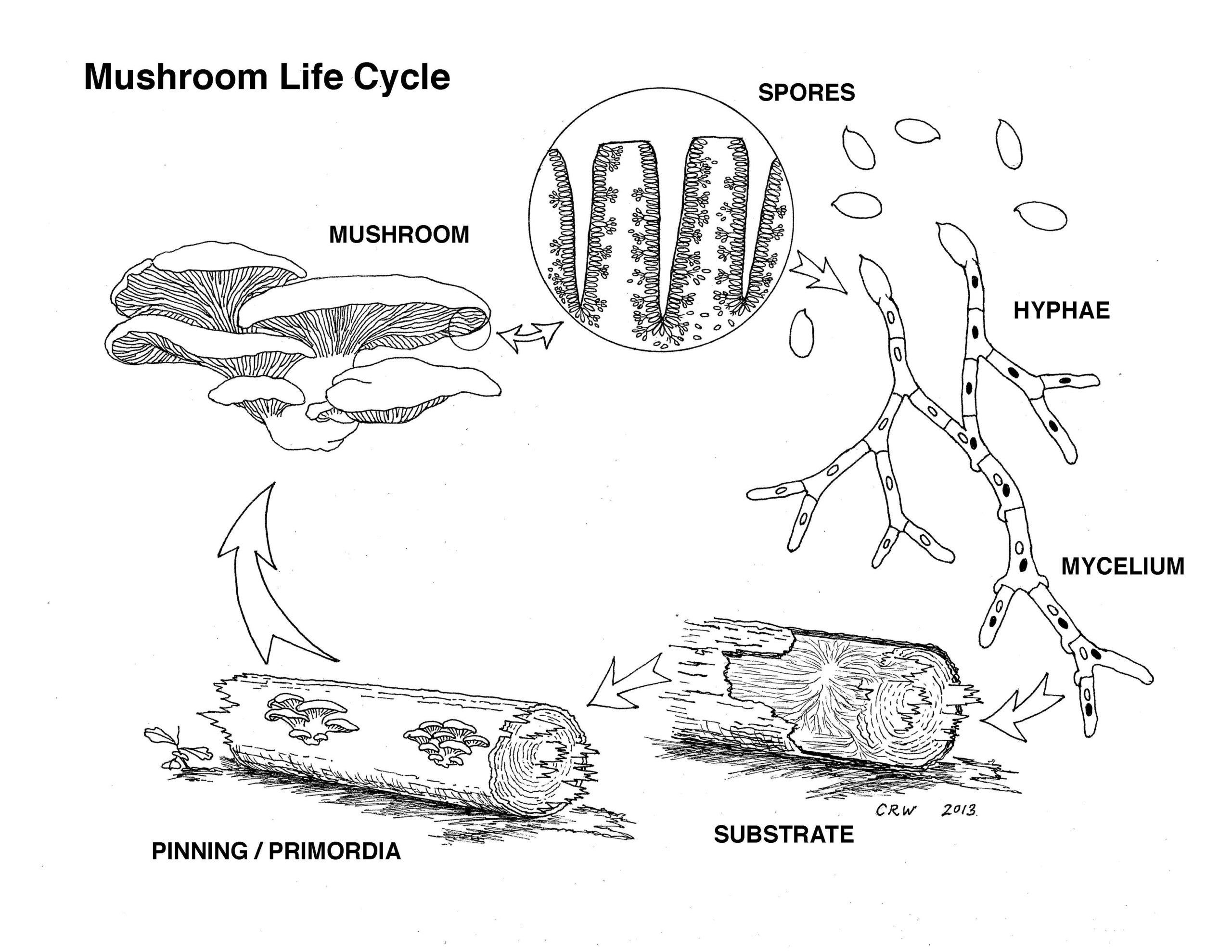
Image and text below from Smallfarms.cornell.edu.
YOUR MYCELIUM NEEDS TO BREATHE!!! FORGET ABOUT FANCY OVERLY DESIGNED DIGITALLY FABRICATED MOLDS AND LOOK FOR MATERIALS AND DESIGNS THAT ALLOW OUR MYCELIUM TO FORM ROOTS
If you ever wondered if there is a simulation of mycelium filamentous growth, there are a few! Also, if you are interested in generative design you can watch some tutorials of Grasshopper, an extension of the program Rhinoceros, which is all about generative design. You can for libraries and ready made definitions to experiment a bit and understand how Grasshopper works and its logic.
Apart from Grasshopper, I found a few cool websites that simulate mycelial growth.
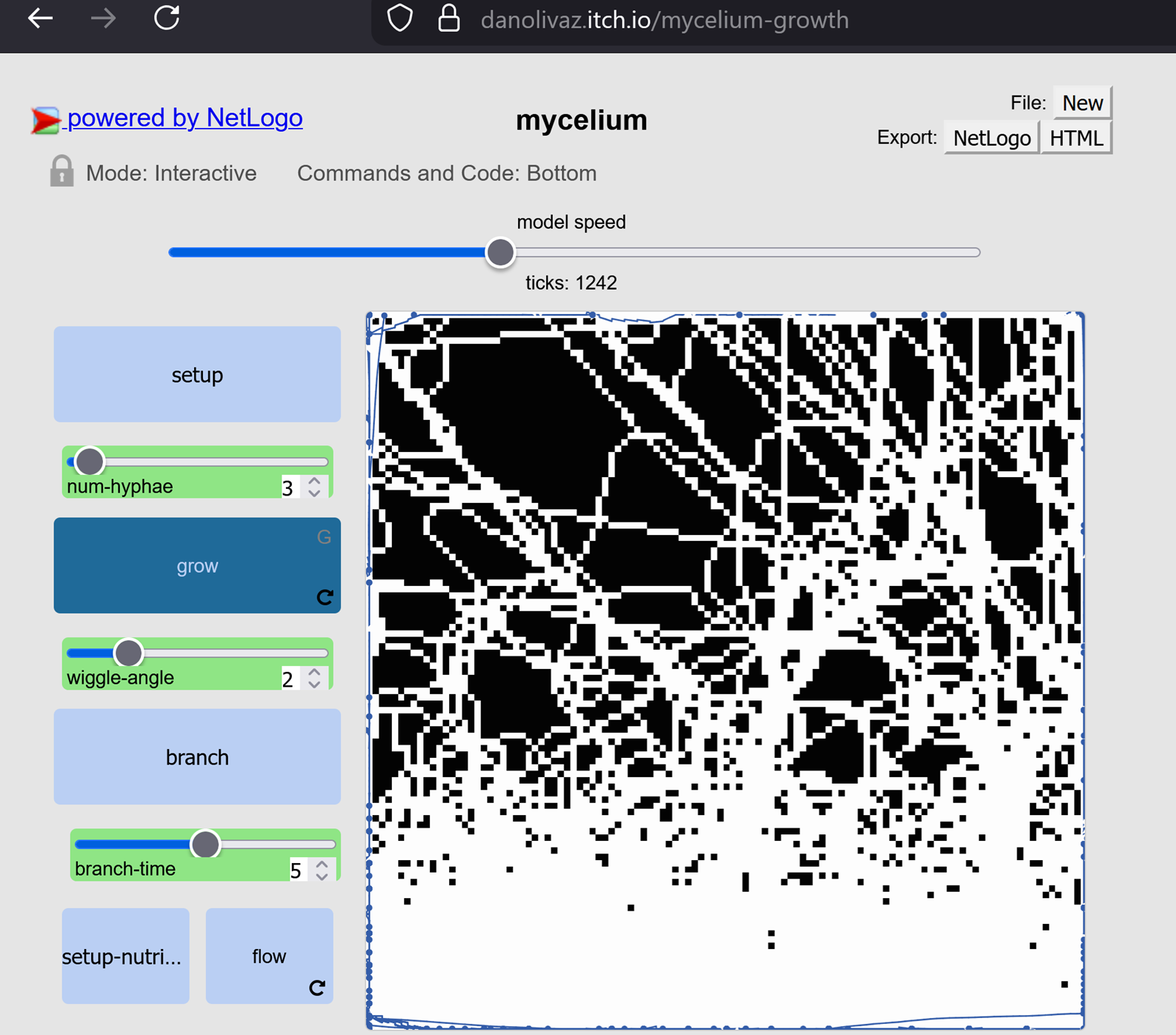
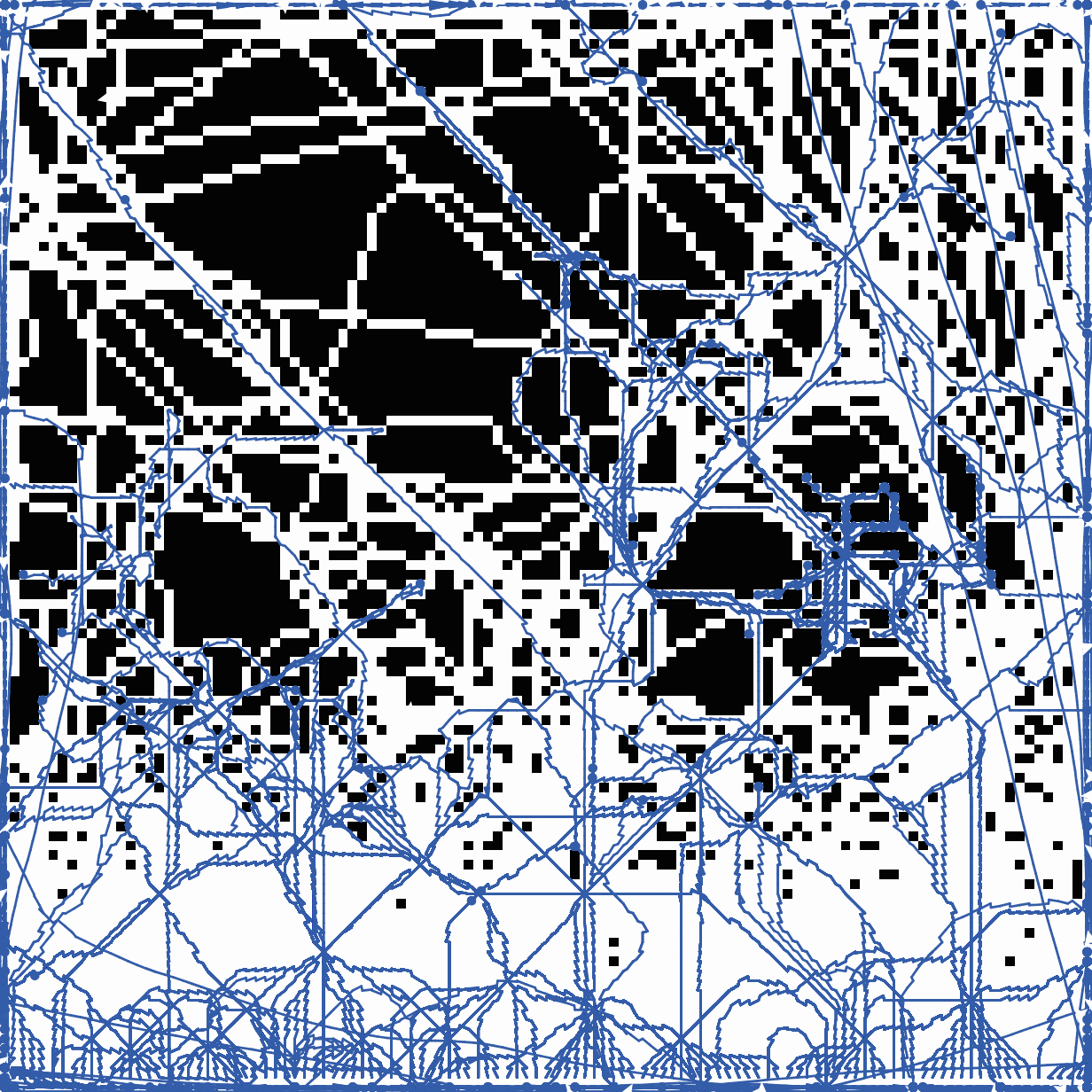
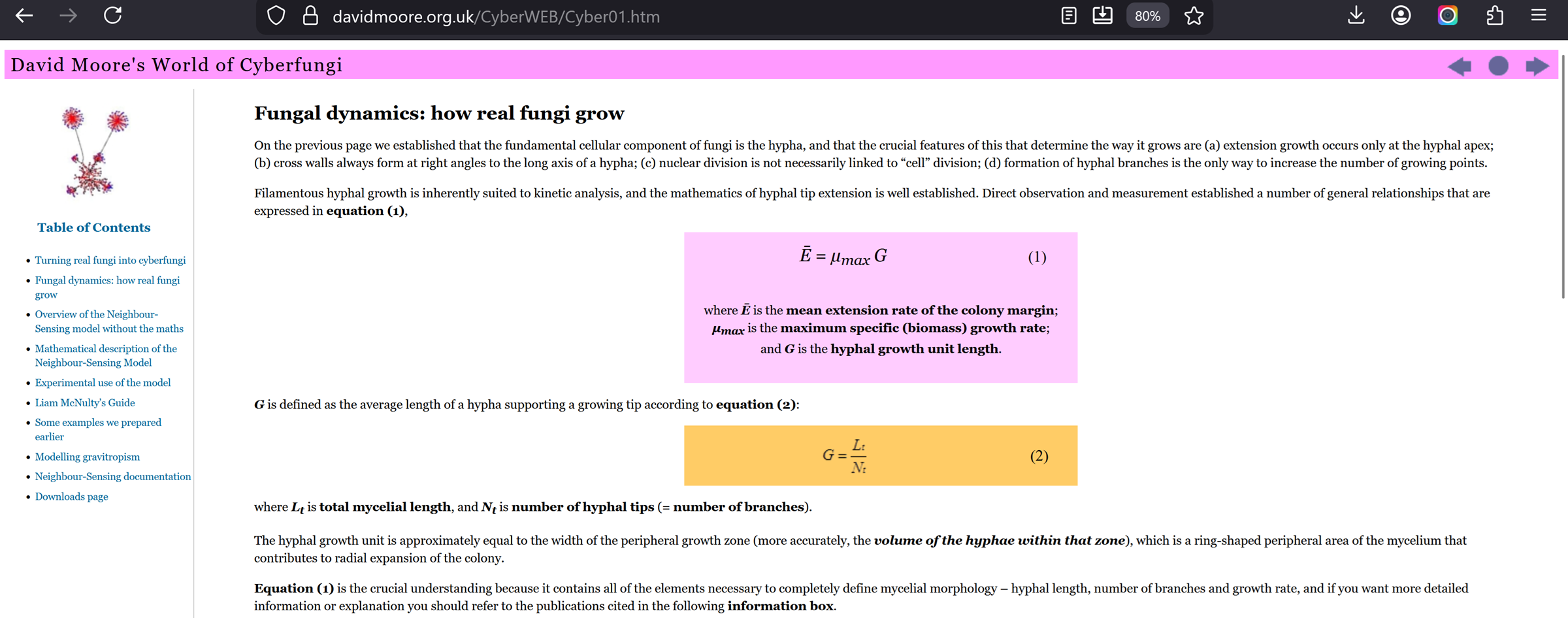
Here is a really cool website that analyzes the algorithim for the growth rate of mycelium.
MOLD FABRICATION FOR FUNGAL MATERIALS/ MYCELIUM BIOCOMPOSITES
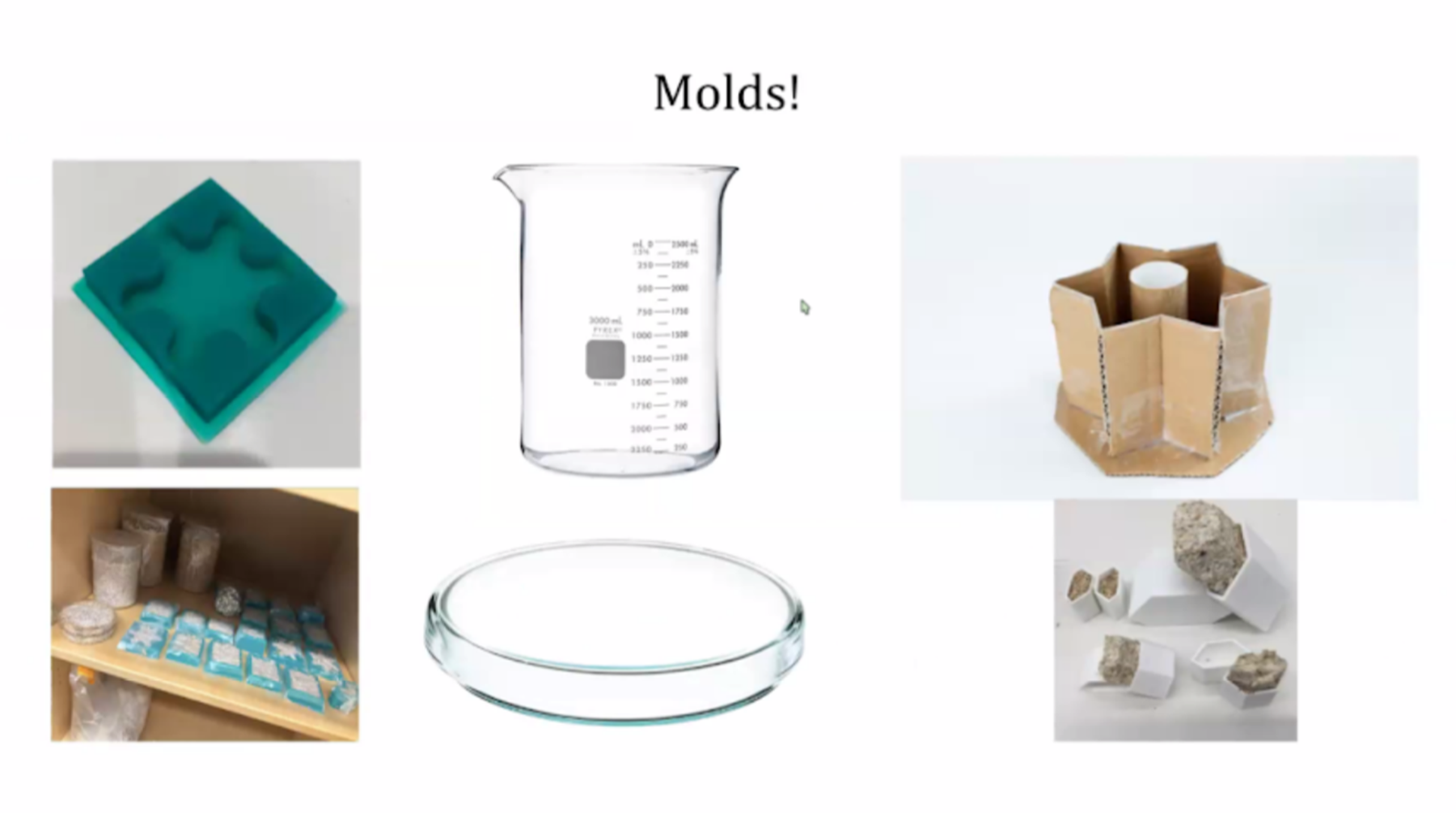
Mold examples screenshot from recitation with Ren Ramlan <3
Tips for your mould
No porous mould materials. Your mould needs to retain moisture, otherwise the mycelium composite will dry out before it has time to grow into the shape of your mould. In addition, porous materials that cannot be sanitised will harbour contaminants such as bacteria and mould spores which will compromise your project. Mycelium also has the ability to penetrate into moulds which are porous. That is why plastic, metal or glass works well, otherwise the mould should be covered with plastic cling film.
Your mycelium needs to breath since takes in oxygen and releases carbon dioxide. If your mould is completely sealed, the mycelium won’t be able to breathe and or grow. To provide controlled airflow, leave small holes or gaps in the mould and cover them with breathable filters, such as micropore tape, to keep contaminants out while still allowing gas exchange.
Start small. Make a small mould first and avoid making your mould very large. After the mycelium has colonised and taken shape, the object must be thoroughly dehydrated to stop growth and preserve it. Very large moulds are harder to dry evenly without specialised equipment, which increases the risk of spoilage or structural failure. If you have a large project in mind, consider creating several smaller, moulds that can be assembled into a larger final structure.
I combined my tips with the tips from here.
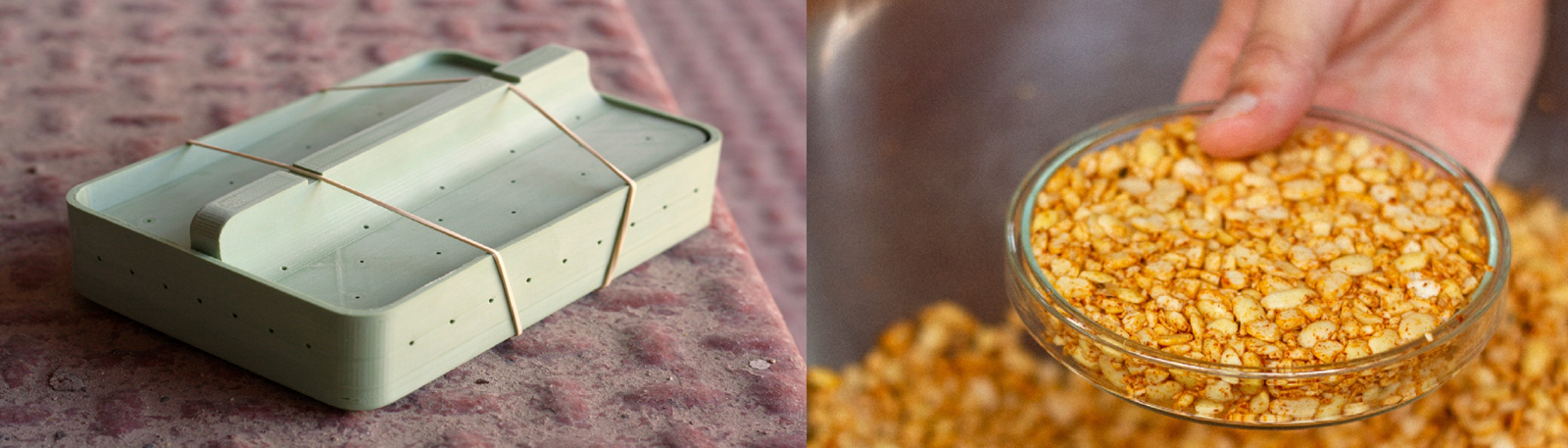
More mold examples like the ones above from Domingo club.
I use Rhinoceros to make a 2d technical drawing and I then extrude the surfaces to make a 3D printed mold but I would advise you to use any type of plastic vacuum formed molds (look for them in things you buy like biscuit packages or other stuff from the supermarket) or a silicone mold for candle making or resin art. Just avoid porous materials for your mold fabrication. You can use a 1 part mold or a mold with more parts. You can use freecad an open source parametric modeler or you can also download some open source designs from places like instructables. You can also use any plastic containers you have available, pack your material and then take another container as your negative part to create a positive negative space to make an object like a plant pot etc.
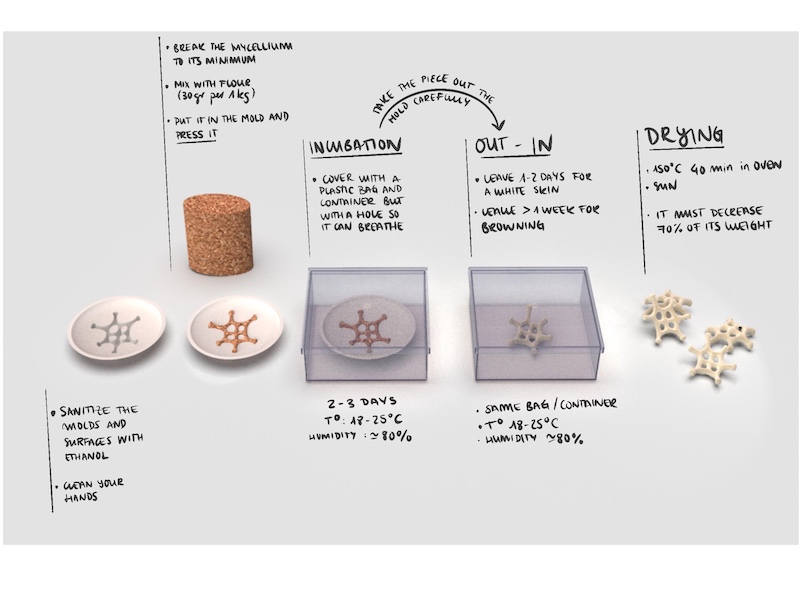
Another really good resource for making mycelium biocomposites is this infographic by my fabricademy peer Elsa Gil.
Assignment Part 3: First DNA Twist Order
- Review the Individual Final Project documentation guidelines
- Submit this Google Form with your draft Aim 1, final project summary, HTGAA industry council selections, and shared folder for DNA designs. DUE MARCH 20 FOR MIT/HARVARD/WELLESLEY STUDENTS -> GOTTA CHECK WITH BIOCLUB
- Review Part 3: DNA Design Challenge of the week 2 homework. Design at least 1 insert sequence and place it into the Benchling/Kernel/Other folder you shared in the Google Form above. Document the backbone vector it will be synthesized in on your website.