Week 3 HW — Lab Automation
Co-Light Molecular Automation Study
Concept
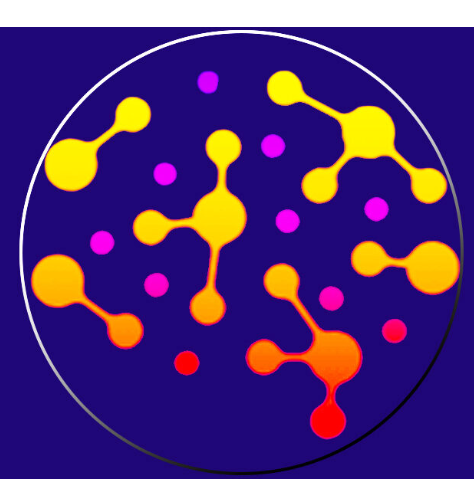
Original visual identity
Code
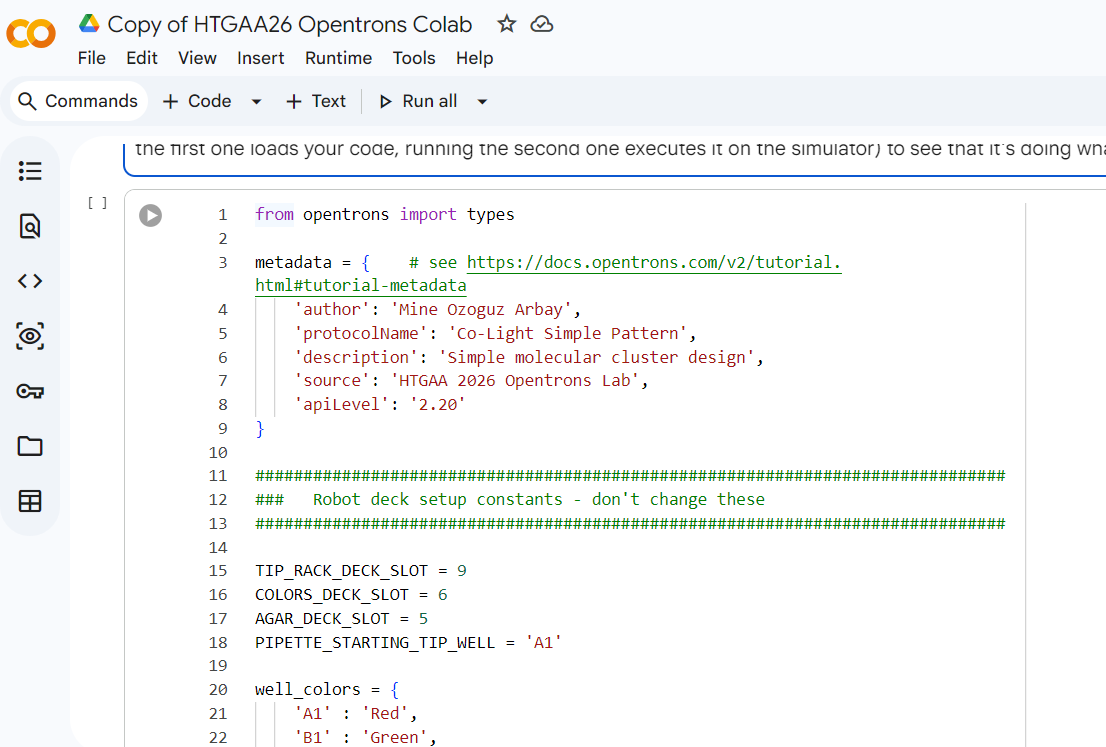
OT-2 Python protocol
Output
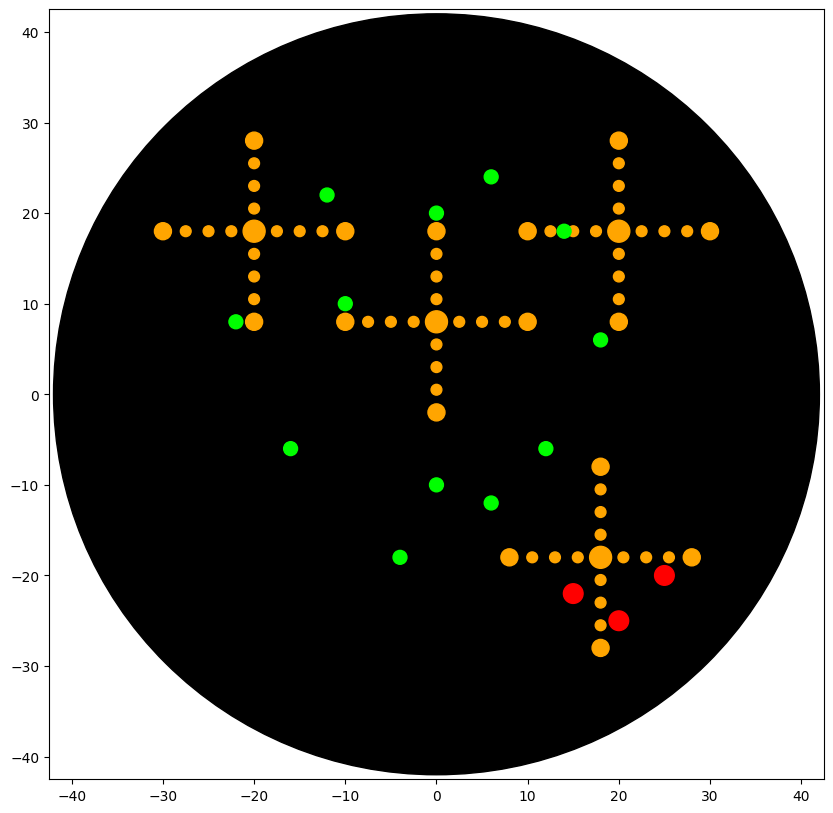
Simulated agar deposition
Post-Lab Questions
1. Example of laboratory automation in biology
One example of laboratory automation using the Opentrons platform is the paper:
AssemblyTron: Flexible automation of DNA assembly with Opentrons OT-2
AssemblyTron is an open-source workflow that uses the Opentrons OT-2 liquid-handling robot to automate DNA assembly processes such as Golden Gate and other cloning workflows. Instead of performing repetitive pipetting steps manually, the robot prepares reaction mixtures, transfers reagents, and organizes samples in plates with high precision.
This approach significantly reduces human error and makes experiments more reproducible. It also allows researchers to run many assembly reactions in parallel, which is particularly useful in synthetic biology where many genetic designs must be tested.
What I find especially interesting about this project is that automation becomes part of the experimental design itself. Researchers can quickly iterate different DNA constructs and test them in a systematic way.
Paper link
https://academic.oup.com/synbio/article/8/1/ysac032/6956284
2. How I would use automation tools in my final project
My final project explores the idea of a bio-responsive living environment, where materials respond to human physiological signals such as body temperature, stress, or heartbeat by changing color, heat, texture, or spatial form.
Although my project is not purely a molecular biology experiment, automation tools could still play an important role in systematically testing biological materials and pigment systems.
If laboratory automation tools were available, I would use them to explore how different biological pigments and biomaterial mixtures behave under controlled conditions.
For example, an automated system could:
- prepare different pigment-producing bacterial cultures
- deposit them on surfaces with controlled spatial patterns
- expose them to different environmental conditions
- measure color changes and material responses over time
Automation would allow these experiments to be repeated many times with slightly different parameters, making it possible to identify stable biological color systems.
Reflection
This exercise helped me understand laboratory automation not only as a technical tool but also as a method for structuring experiments and exploring material systems systematically.
From a design perspective, automation enables a bridge between biological processes and spatial or material design, allowing living systems to be studied and integrated into future responsive environments.
3. Conceptual automation workflow
A possible automated workflow for my project could look like this:
- Prepare different biomaterial or pigment mixtures
- Use automated liquid handling to deposit samples on defined surface coordinates
- Apply environmental or physiological stimuli (temperature, light, humidity)
- Record changes in color, texture, or thermal response
- Compare the results and refine the system
4. Example pseudocode
for each biomaterial condition:
prepare mixture
deposit mixture on defined coordinates
apply stimulus (heat, light, humidity)
record material response
compare color and structural changes
Final Project Ideas
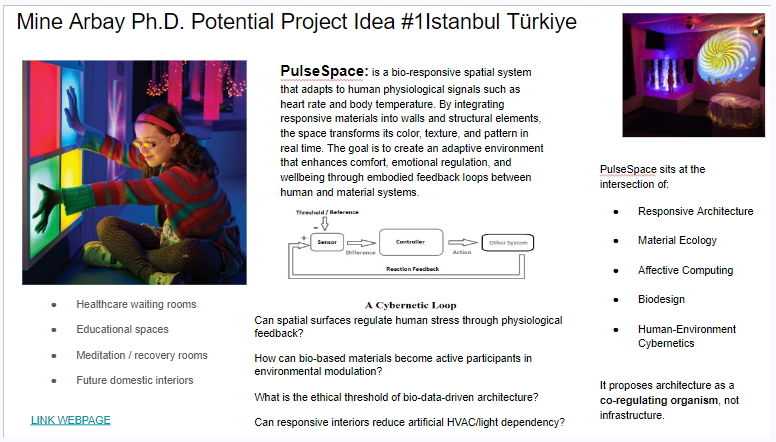
Idea 01 — Bio-Responsive Material Deposition
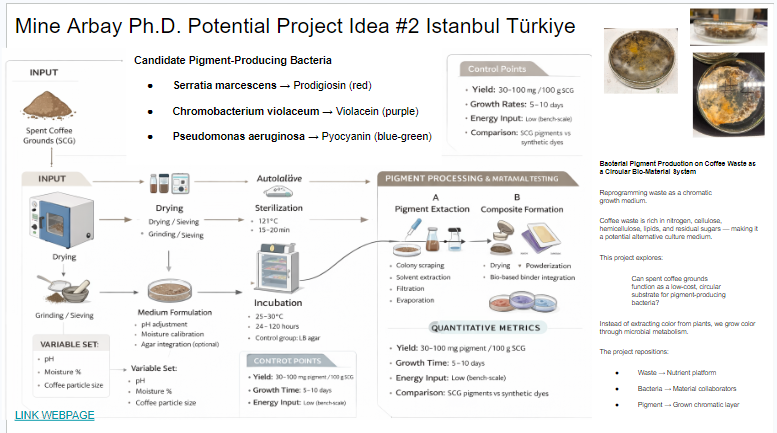
Idea 02 — Automated Living Surface Patterning
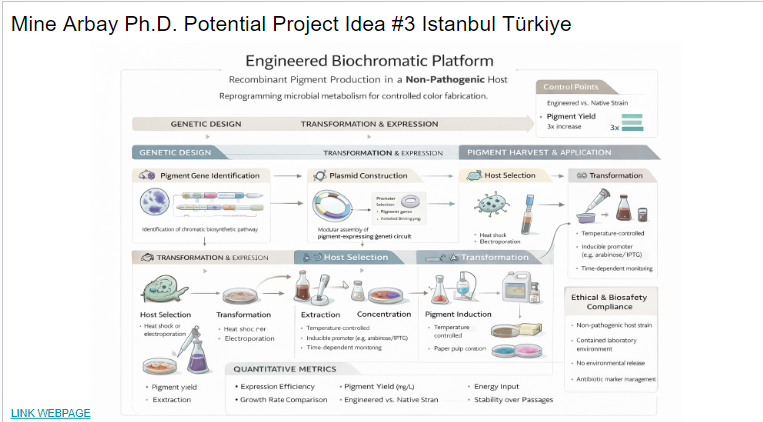
Idea 03 — Physiological Data-Driven Deposition