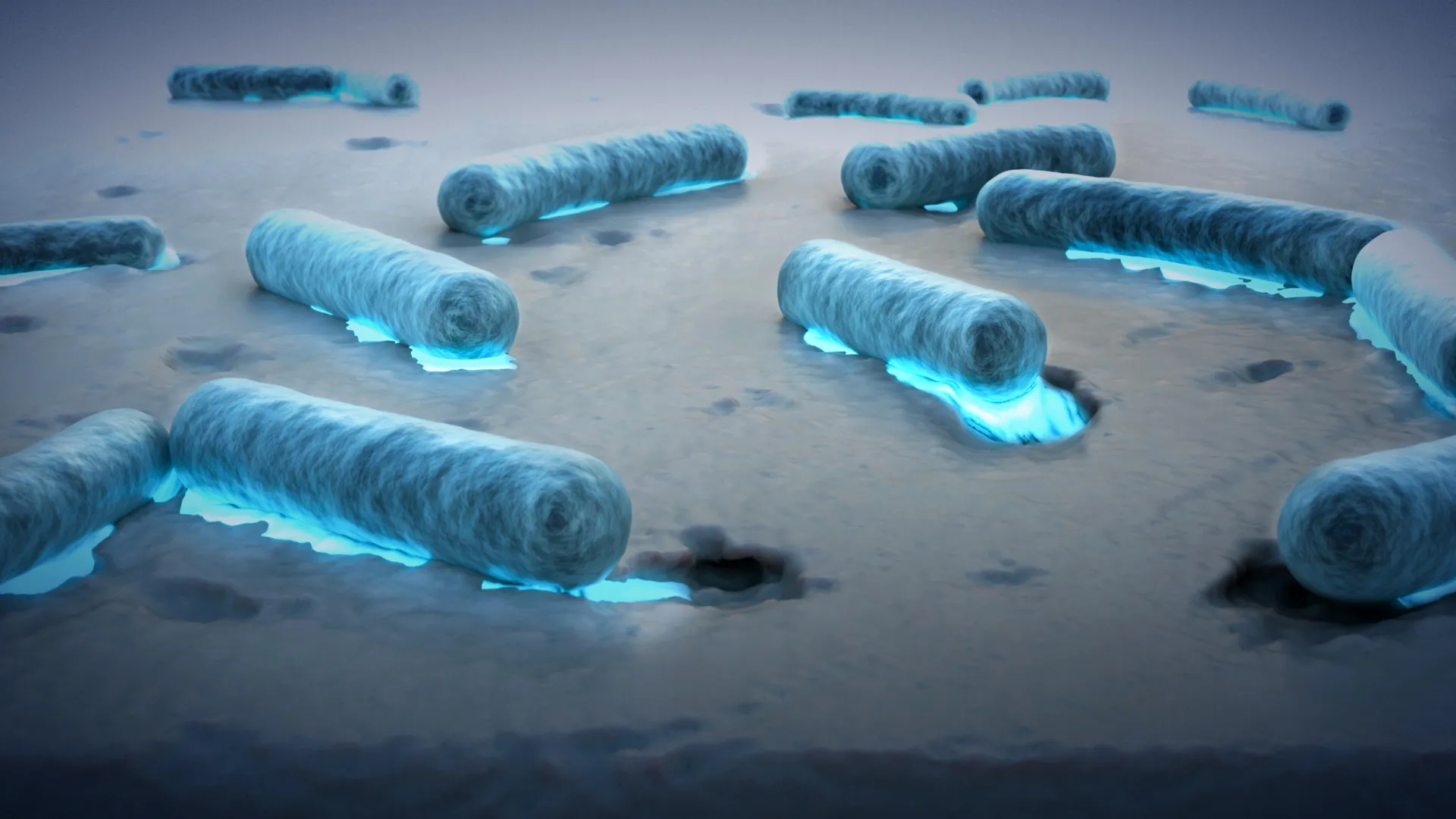
Application/ Tool I propose developing a Genetically Engieered Microorganism (GEM) that does Environmental Cleaning. I am interest in GEM to degrade environmental pollutants such as oil spills, pesticids or heavy metals in soil & water. But among those most alarming problem which needs our attention is plastic waste. Research shows that GEMs that express Polyethylene terephthalate hydrolase (PETase) and Mono(2-hydroxyethyl) terephthalate hydrolase (MHETase) enzymes can degrade i.e. plastic waste in controlled environment (Barclay A, Acharya KR, 2023). PETase first degrades polythylene terephthalate (PET) into Mono(2-hydroxyethyl) terephthalate (MHET) and then MHETase hydolyzes it into terepthalic acid and ethylene glycol monomers. Naturally PETase and MHETase are inefficient, while bioengineering can improve its activity, stability, and temperature tolerance.
Lecture Prep Professor Jacobson DNA polymerase has a raw error rate of ~1:104 nucleotides, which improves to ~1:107 with proofreading. The human genome is ~3*109 base pairs, so many errors would occur per replication without correction. Biology resolves this through mismatch repair and other DNA repair pathways, reducing the final error rate.
Subsections of Homework
Week 1 HW: Principles and Practices
Application/ Tool
I propose developing a Genetically Engieered Microorganism (GEM) that does Environmental Cleaning. I am interest in GEM to degrade environmental pollutants such as oil spills, pesticids or heavy metals in soil & water. But among those most alarming problem which needs our attention is plastic waste. Research shows that GEMs that express Polyethylene terephthalate hydrolase (PETase) and Mono(2-hydroxyethyl) terephthalate hydrolase (MHETase) enzymes can degrade i.e. plastic waste in controlled environment (Barclay A, Acharya KR, 2023). PETase first degrades polythylene terephthalate (PET) into Mono(2-hydroxyethyl) terephthalate (MHET) and then MHETase hydolyzes it into terepthalic acid and ethylene glycol monomers. Naturally PETase and MHETase are inefficient, while bioengineering can improve its activity, stability, and temperature tolerance.
Governance & Policy Goals
The goverance of PETase-expressing plastic-degrading microbes should be guided by three core ethical and policy goals. First, governance should prevent ecological harm from plastic degrading organisms that includes survival prevention of GMEs outside the plastic-rich environments; preventing unwanted degradation of plastic infrastructure; and to prevent gene transfer of PETase to wild microbes. Second, governance should ensure biosafety and controllability i.e. to ensure microbes can be drawn out from the site when needed; to enable post-deployment monitoring; and to assign clear responsibility for environmental outcomes. Third, governance should promote sustainable as well as responsible plastic remediation that includes encouraging deployment in high-impact waste streams; avoiding narrative that justify overproduction of plastic; and supporting circular economy goals rather than greenwashing.
  mindmap
  root((Governance & Policy Goals))
    Prevent Ecological 🌍 Harm
      Prevent out-site survival
      Prevent unintended degradation
      Prevent Gene Transfer
    Ensure Biosafety ☣️
      Reliable shut-down of microbes
      Post-development monitoring & Recall
      Assign Environmental outcomes responsibility
    Promote Sustainability 🌿
      Deployment at high-impact waste streams
      Avoid justification of overproducted plastic
      Support circular economy
Governance Actions
One proposed governance action is the implementation of mandatory metabolic dependency of PETase-expressing microbes, functioning as a technical containment strategy. At present, many engineered plastic-degrading microbes are capable of surviving on alternative carbon sources, which increases the risk of persistence outside intended deployment contexts. This would required that engineered organisms be metabolically rewired so the PET or its degradation by products are their only viable carbon source, thereby limiting survival in non-target environments. This requirement would be enforced as a condition for regulatory approval and verified through standardized testing. However, this approach assumes that metabolic dependencies remain evoluntionarily stable, and it may fail if organisms evolve alternative pathways.
A second governance action would restrict deployment to licensed, semi-contained “plastic bioreactors”, such as recycling facilitied or landfills, rather than open environmental release. This regulatory approach would involve time-limited approvals, mandatory monitoring, and collaboration among environmental agencies, municipalities, and industry partners. While containment is expected to reduce ecological risk, this strategy depends on adequate infrastructure and oversight and could inadvertenly exclude low-resource regions that lack the capacity to implement such systems.
A third governancea action focuses on aligning incentives with net environmental benefit by tying funding and approval decisions to lifecycle plastic reduction rather than enzyme performance alone. Funding agencies and regulators would require lifecycle assessments and public reporting to ensure that PETase-based technologies contribute meaningfully to plastic waste reduction. This approach assumes reliable metrics and consistent enforcement and may slow early-stage research or incentivize strategic reporting rather than genuine environmental impact.
Does the option:
Option 1
Option 2
Option 3
Enhance Biosecurity
• By preventing incidents
1
3
2
• By helping respond
2
1
3
Foster Lab Safety
• By preventing incident
1
2
2
• By helping respond
2
1
3
Protect the environment
• By preventing incidents
3
1
2
• By helping respond
2
1
3
Other considerations
• Minimizing costs and burdens to stakeholders
2
3
3
• Feasibility?
2
2
2
• Not impede research
2
3
2
• Promote constructive applications
2
2
1
Priority Recommendation
Based on the comparative scoring of governance options, a combined approach prioritizing Option 1 and 2 as baseline safeguards is most appropriate for governing PETase-expressing plastic-degrading microbes, with option 3 applied selectively through funding and approval mechanisms. Mandatory metabolic dependency and restricted deployment within licensed, semi-contained bioreactors together provide strong preventive and responsive protections by embedding safety at the design stage while ensuring oversight, monitoring, and accountability during deployment. Lifecycle-based incentives can complement these safeguards by encouraging alignment with broader environmental goals without overemphasizing narrow technical performance metrics. This combined strategy reflects an explicit trade-off between rapid deployment and precaution, as well as between innovation and the costs of regulatory infrastructure, while acknowledging the tension between localized containment strategies and the global scale of plastic pollution. Such a governance framework would be most relevant for adoption by a national environmental protection agency or an international plastics governance coalition, where balancing environmental urgency with biosafety and public trust is a central policy challenge.
Ethical Reflection
The development of PETase-expressing plastic-degrading microbes raises several ethical concerns that became more salient through this analysis. One key concern is that the availablility of biological solutions to plastic waste could inadvertently normalise continued plastic overproduction and overuse, reinforcing the perception that downstream technological fixes can substitute for upstream reduction efforts. Additionally, the environmental deployment of engineered microbes raises questions of consent and participation for communities living near deployment. There is also an ethical risk that responsibility for plastic pollution may shift away from producers and policymakers toward biotechnological interventions, potentially undermining accountability for the systemic drivers of plastic waste. To address these concerns, additional governance actions could include requirements for public disclosure and community engagement prior to deployment, the integration of producer responsibility laws that explicitly link the use of biotechnological remediation to reductions in plastic production, and the development of international norms governing the environmental release of engineered plastic-degrading organisms to ensure consistency, transparency, and shared responsibility across borders.
This assignment was developed with the assistance of an AI language model (ChatGPT, OpenAI) for brainstorming, structuring responses, and editing for clarity.
Week 2 HW: DNA Read, Write & Edit
Lecture Prep
Professor Jacobson
DNA polymerase has a raw error rate of ~1:104 nucleotides, which improves to ~1:107 with proofreading. The human genome is ~3*109 base pairs, so many errors would occur per replication without correction. Biology resolves this through mismatch repair and other DNA repair pathways, reducing the final error rate.
An average human protein ~300 amino acids can be encoded by different DNA sequences due to genetic code degeneracy. In practice, most sequences do not work because of codon usage bias, mRNA secondary structure, GC content constraints, regulatory signal interference, effects on translation speed and protein folding, and cellular toxicity.
Dr. LeProust
The most commonly used method is solid-phase phosphoramidite chemical synthesis.
Each nucleotide-addition step is slightly imperfect, and these small errors accumulate over many cycles, leading to low yield and high error rates for long oligos.
At 2000bp, cumulative coupling inefficiency and chemical side reactions cause the full-length product yield to approach zero, making direct synthesis impractical; intead, genes are assembled from shorter oligos using enzymatic methods.
George Church
The 10 amino acids essential for all animals are methionine, threonine, tryptophan, phenylalanine, leucine, isoleucine, valine, histidine, arginine, and lysine (Berg, JM et al., 2019). Animals lack the metabolic pathways to synthesize these amino acids and must be taken through a dietary sources. This constraint underlies the concept of the “lysine contingency”, which highlights lysine as a particularly limiting amino acid in many cereal-based diets, since staple crops such as maize, rice, and wheat are deficient in lysine relative to animal nutritional requirements (Galili G, 2002). As a result, growth and health in animals can be constrained by lysine availability even when total protein intake is sufficient. The lysine contingency thus illustrates how molecular-level biochemical limitations can shape global food systems, ecological dependencies, and nutritional outcomes, and why biotechnological interventions that enhance lysine availability, such as microbial lysine production or high-lysine crops can have disproportionate impacts on food security and animal productivity.
This assignment was developed with the assistance of an AI language model (ChatGPT, OpenAI) for brainstorming, structuring responses, and editing for clarity.
Part 1: Benchling & In-silico Gel Art
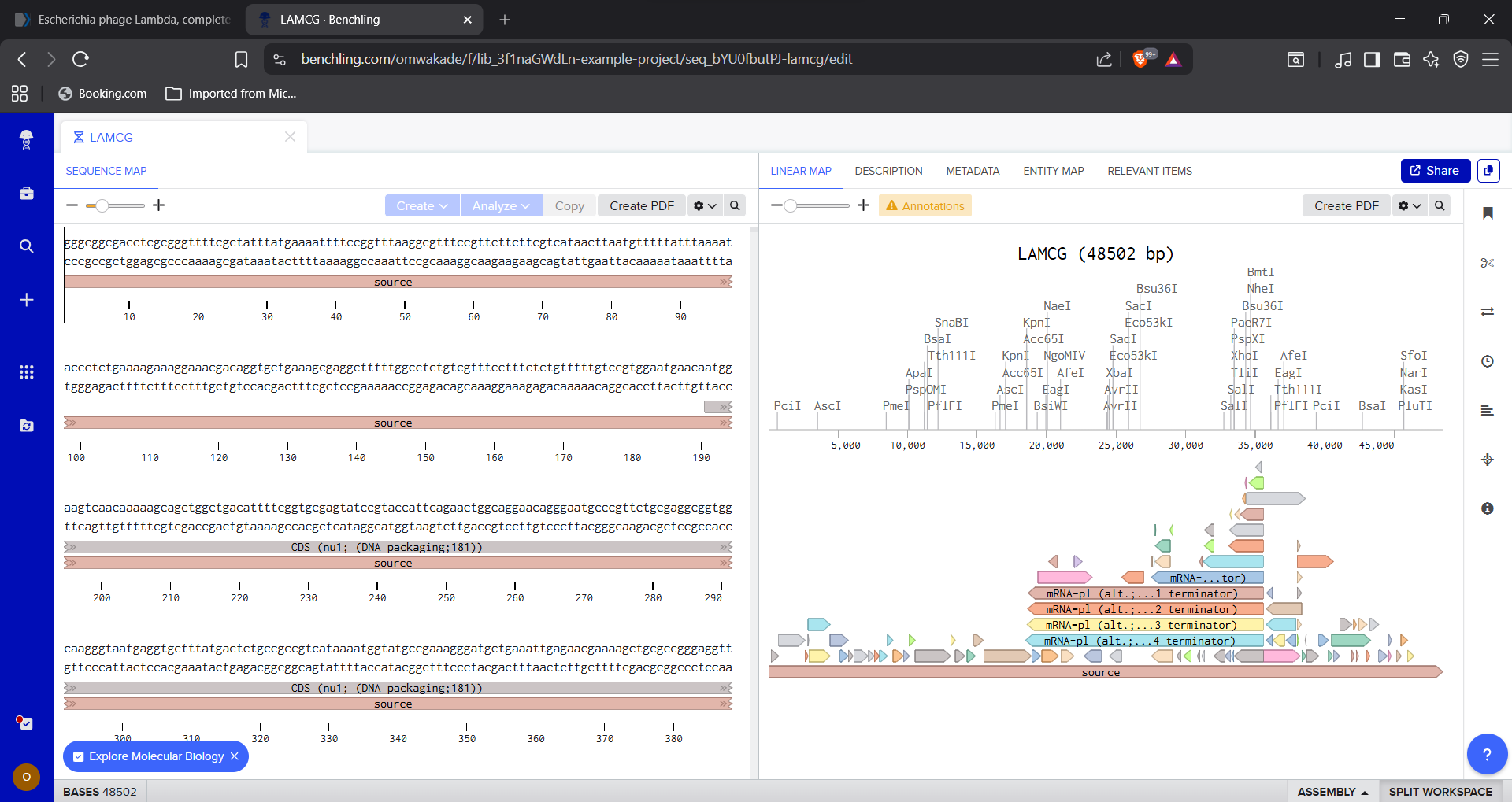
1.1 Importing E.coli phage Lambda Sequence in Benchling
1.2 Restriction Enzyme Digestion
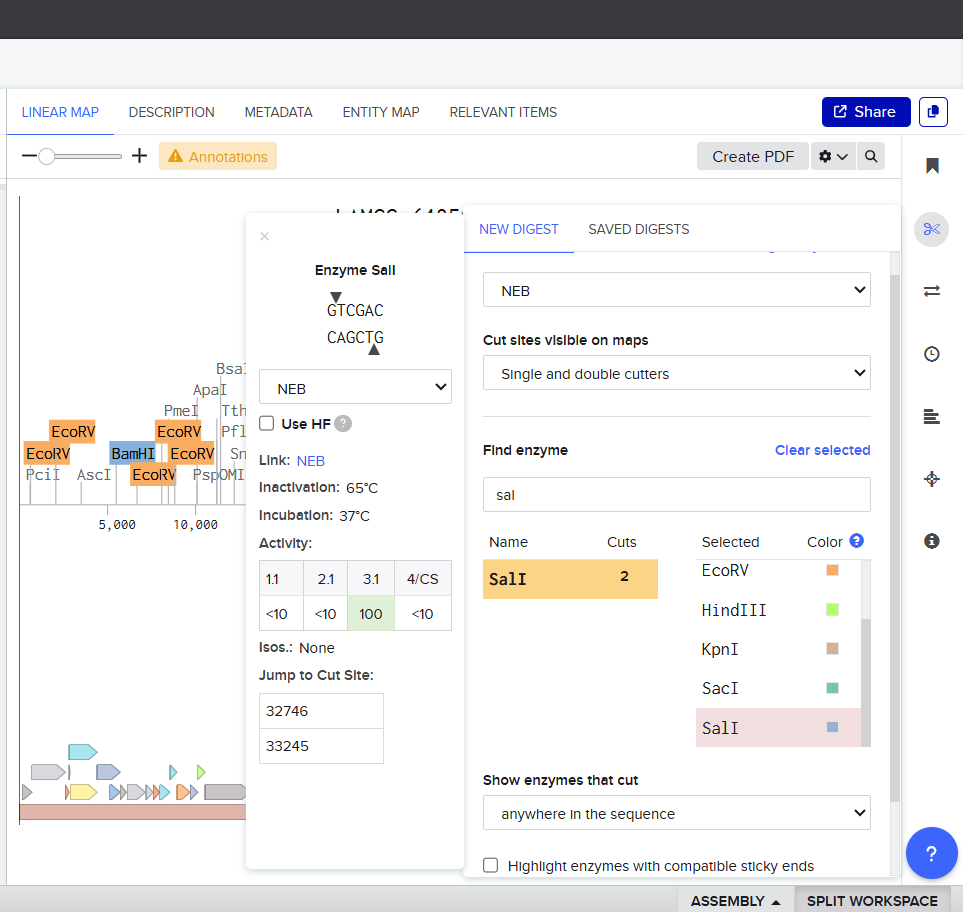
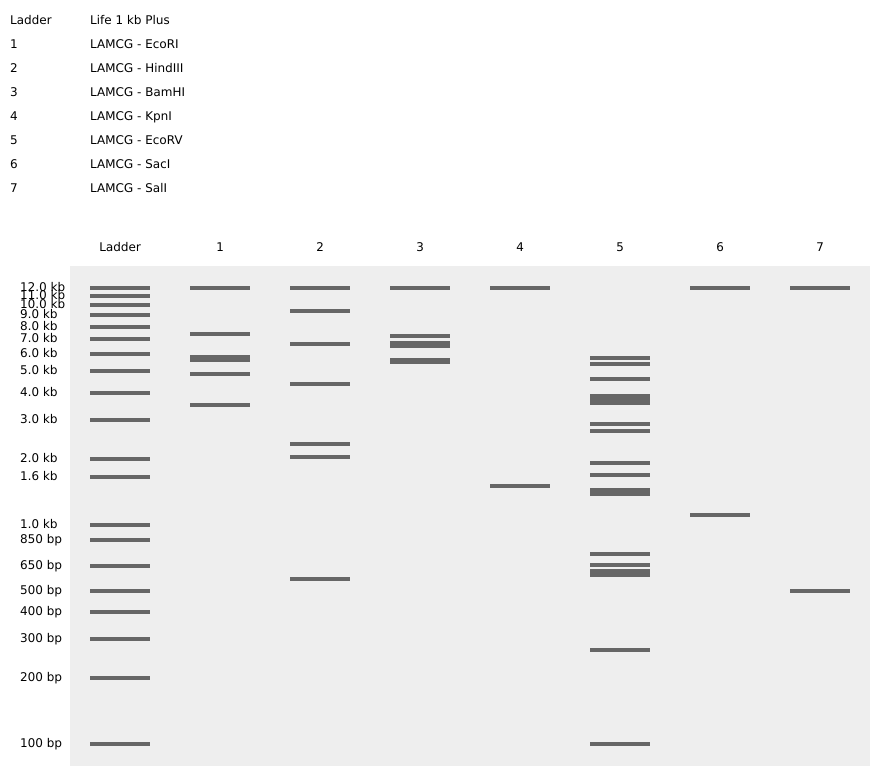
Simulation of Restriction digestion with
EcoRI
HindIII
BamHI
KpnI
EcoRV
SacI
SalI
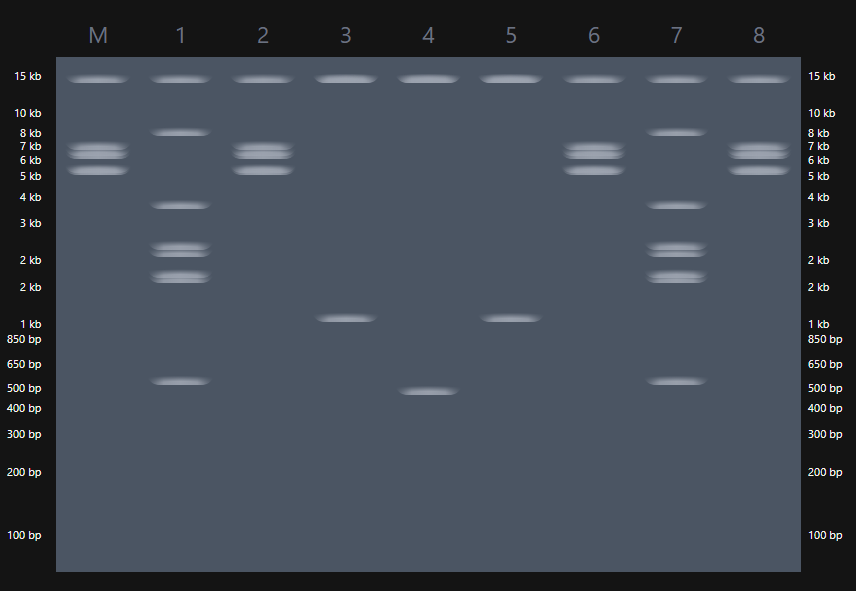
Virtual Gel image
1.3 Gel image iteration using Ronan’s website
1.4 Iteration of Classwork
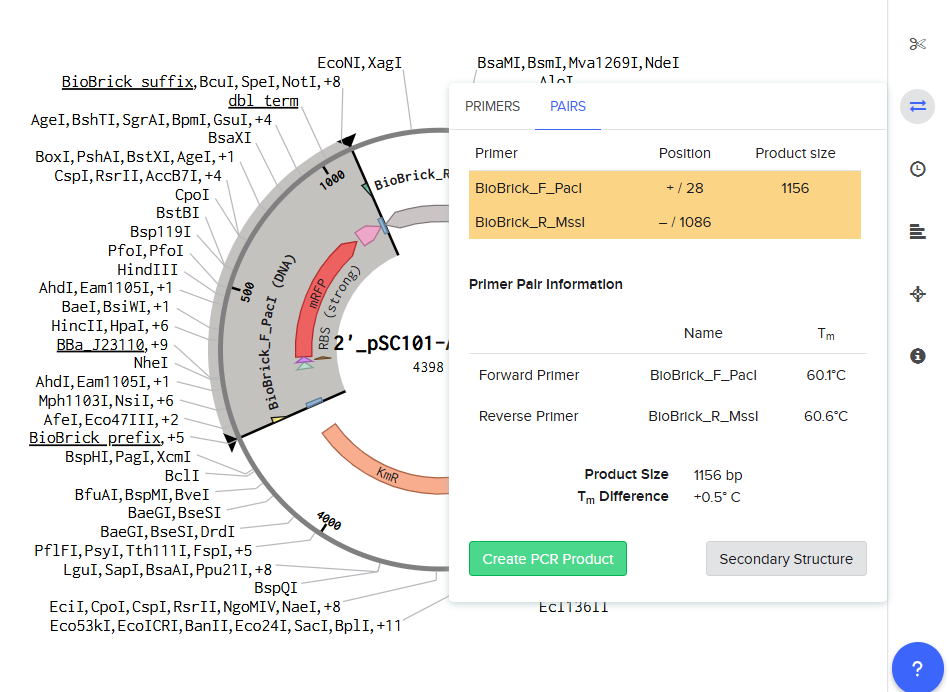
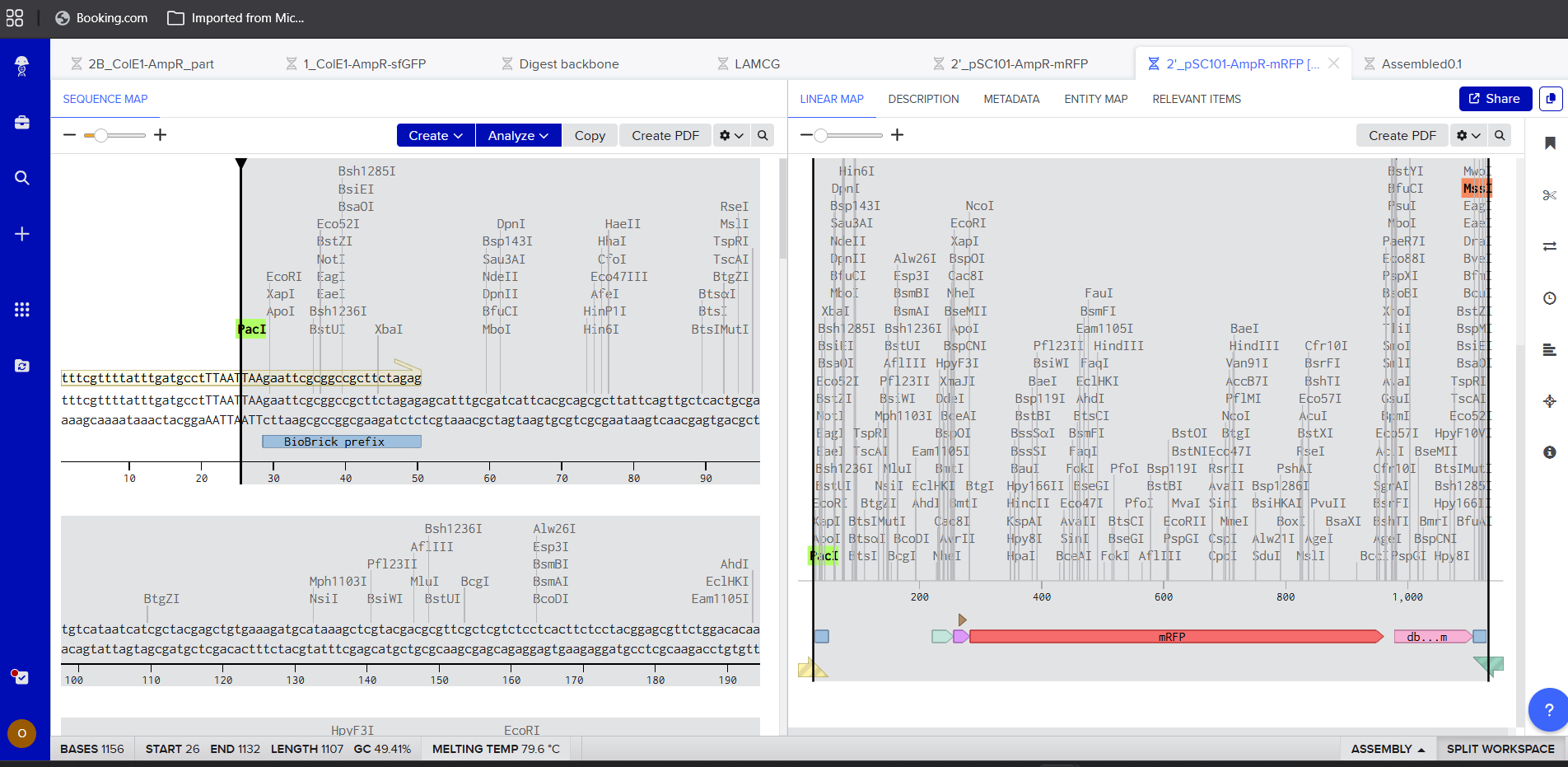
PCR using Benchling
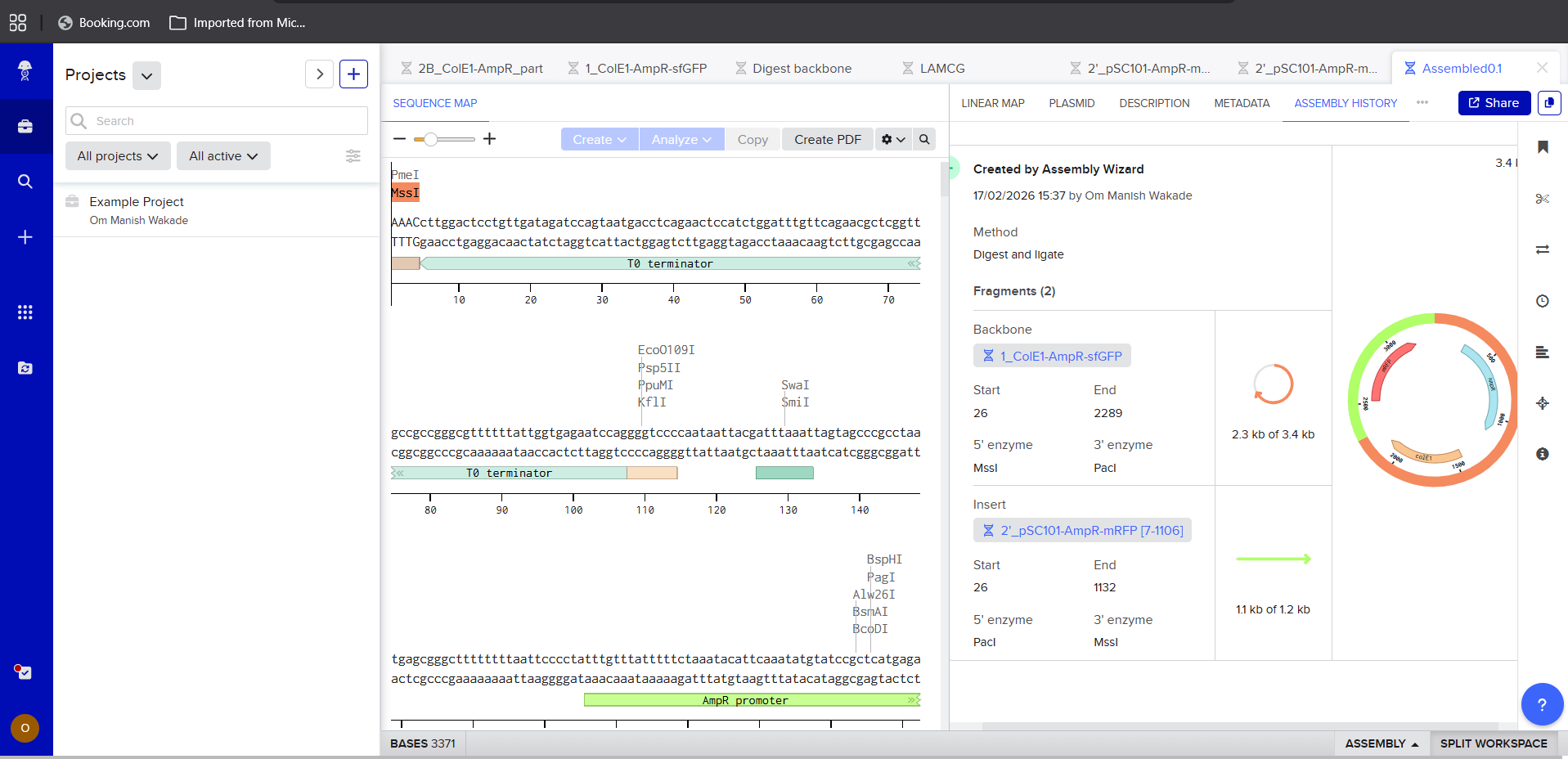
Ligation using Benchling
Part 2: DNA Design Challenge
2.1 Protein Selection
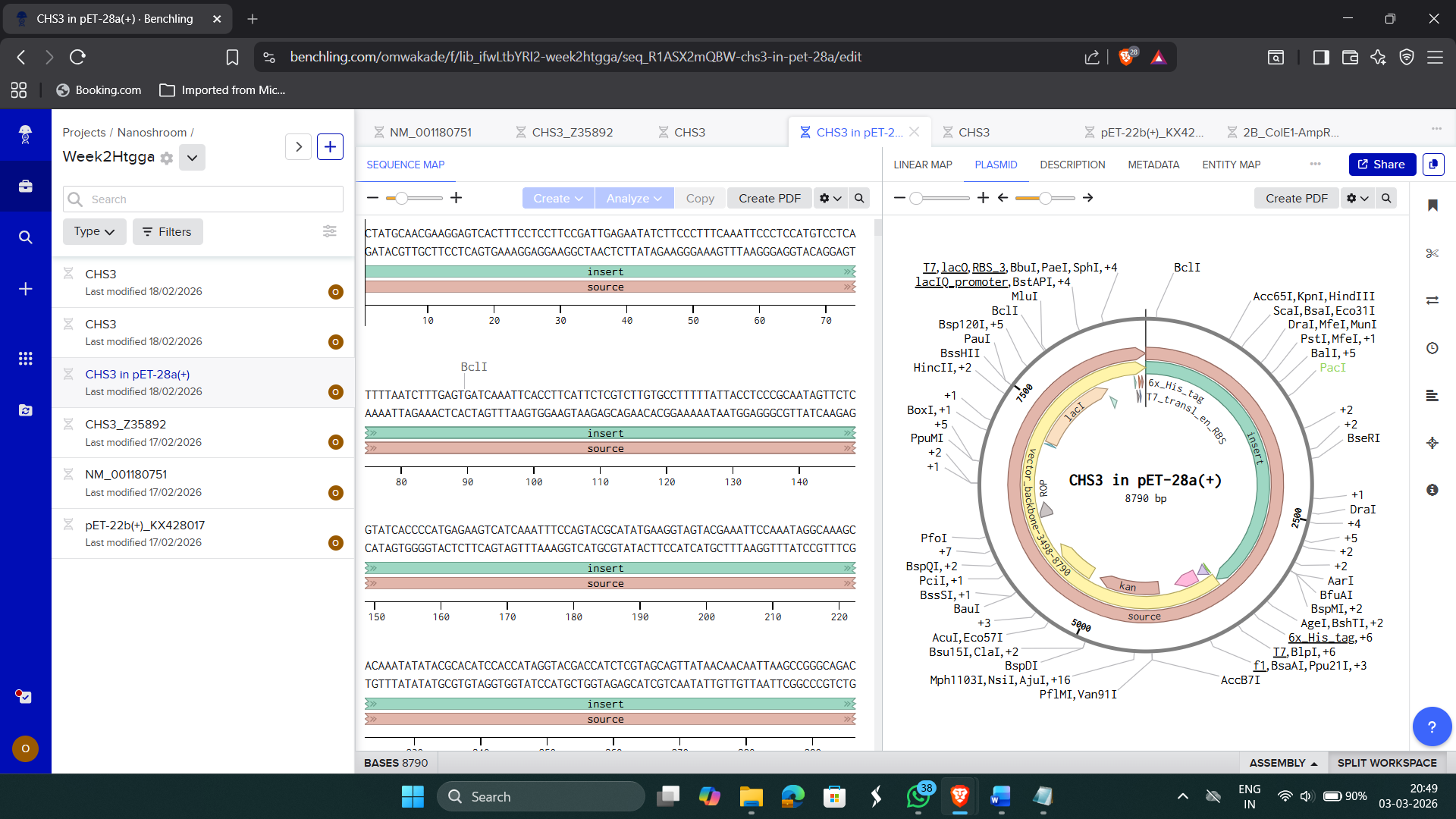
As a protein Chitin Synthase 3 (CHS3) was chosen because it is responsible for synthesizing chitin, a major polysaccharide in fungal cell walls. Engineering bacteria to produce chitin has exciting applications in Biomaterial, Synthetic Biology, and Sustainable Biopolymer Production.