Hi everyone! I’m Rafi. I’m interested in biology research, especially topics related to health and food innovation. I also enjoy learning English and improving my skills little by little, including exploring coding and digital tools. Happy to be here and looking forward to learning and sharing with you all!
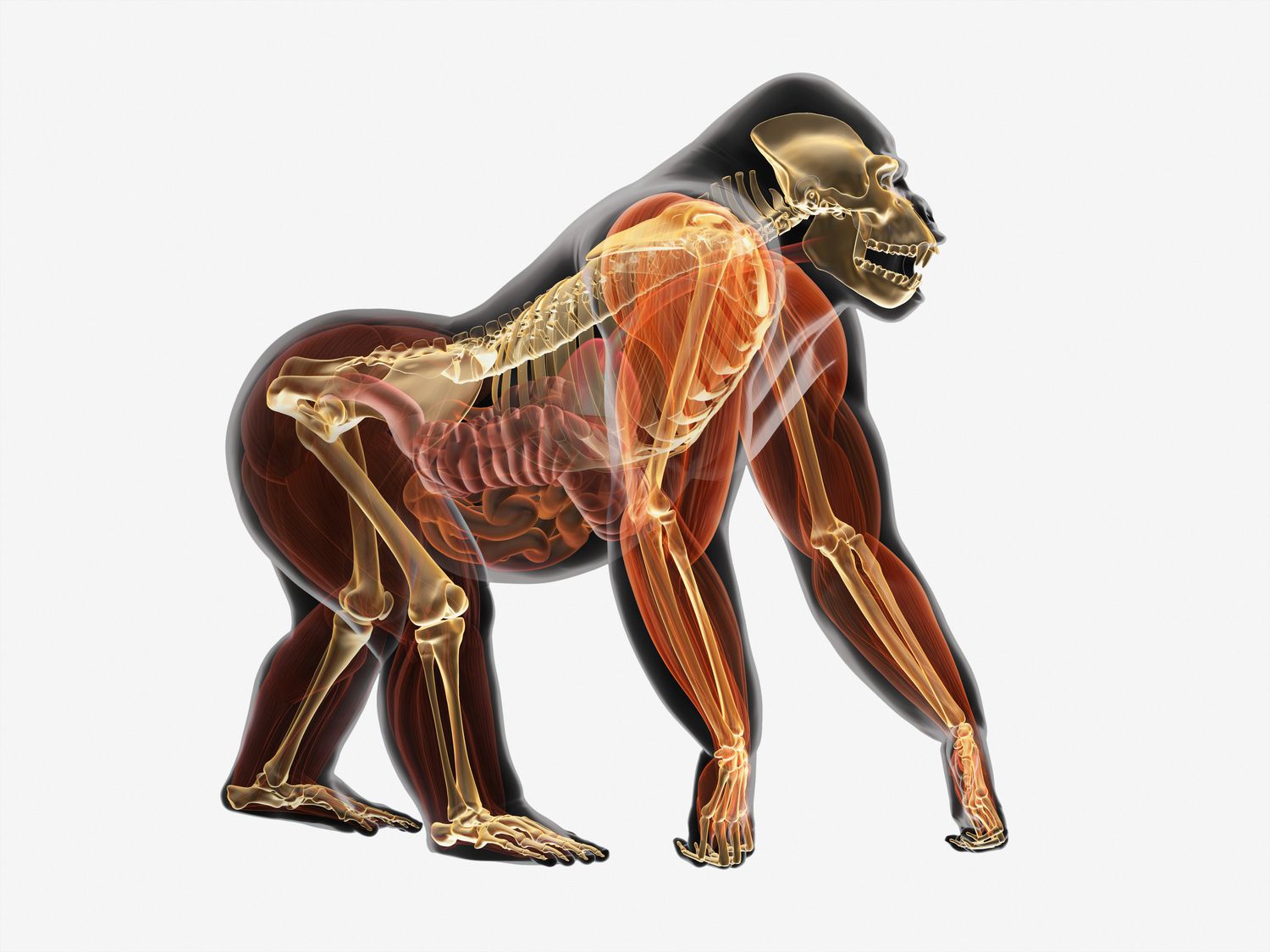
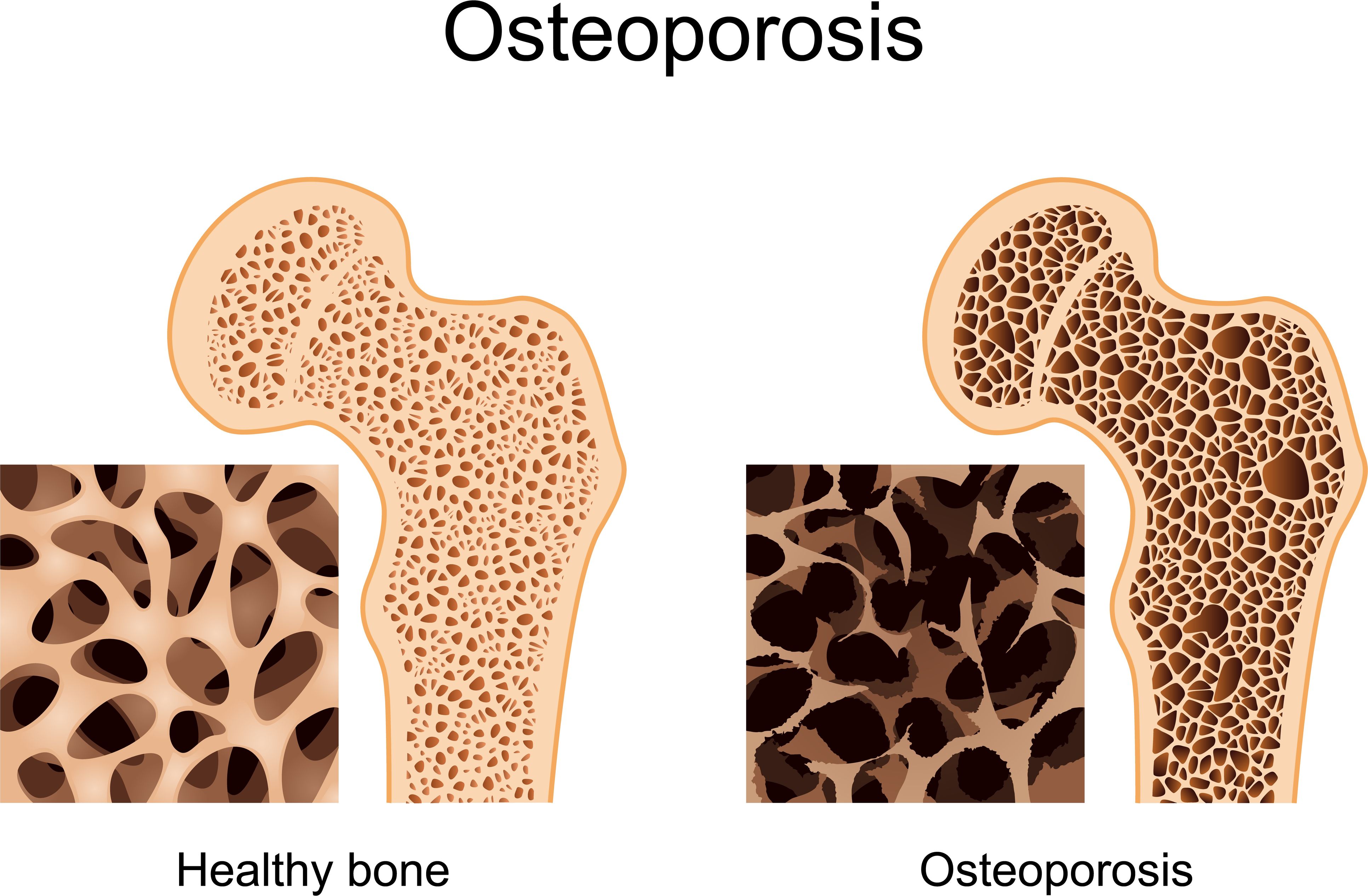
Biological engineering application: injectable nano/micro-scale scaffold based on spider silk This scaffold is designed to be injected locally into areas of cancellous bone that have undergone microarchitectural degradation to support bone regeneration in osteoporosis. Spider silk was chosen because it has high biocompatibility, good mechanical strength, and the ability to support cell adhesion and differentiation. On a nano and micro scale, this scaffold aims to mimic the structure of the bone extracellular matrix, improve trabecular connectivity, and support osteoblast activity without the need for macroscopic bone fractures. This is an additional regenerative therapy.
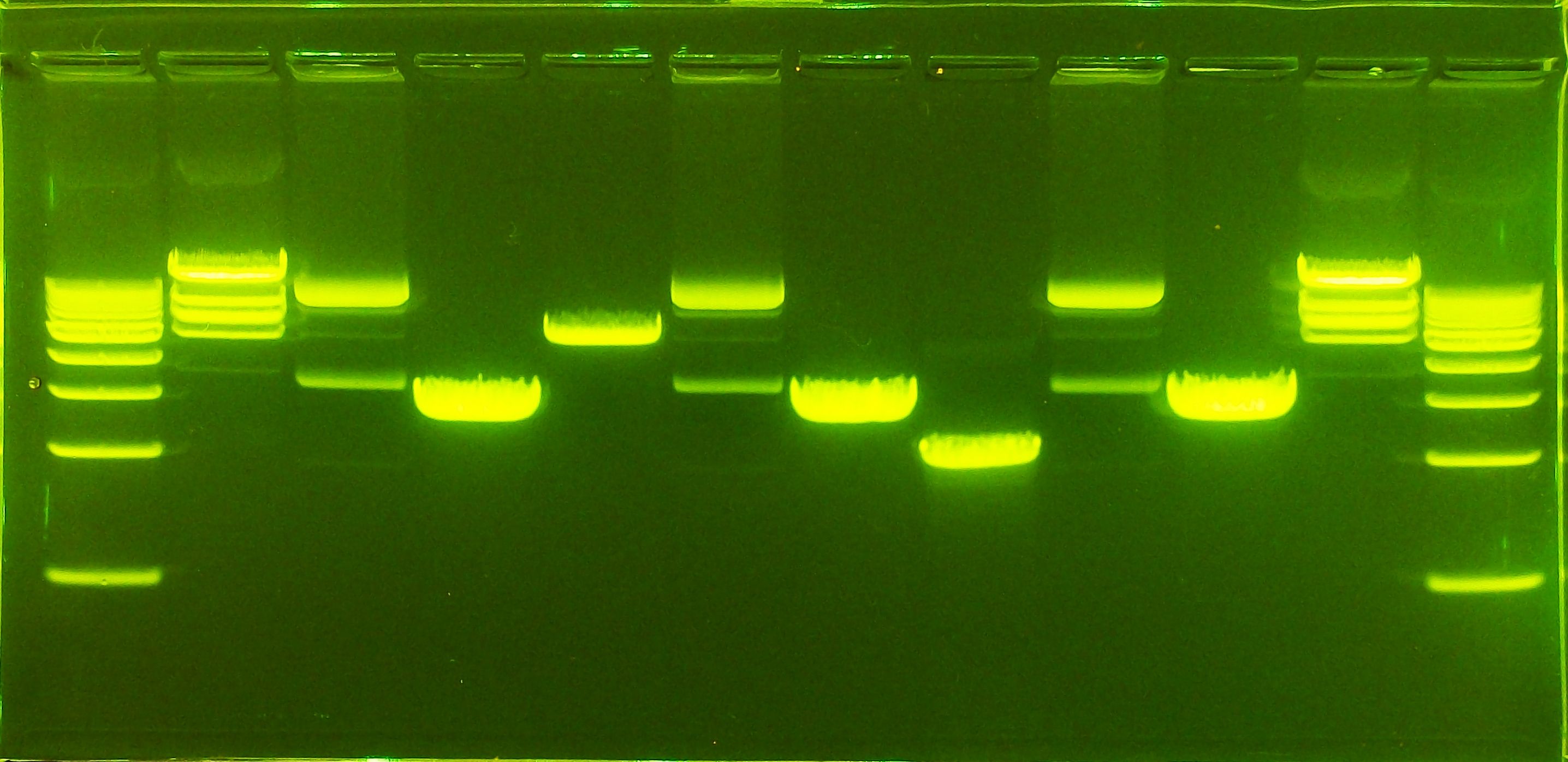
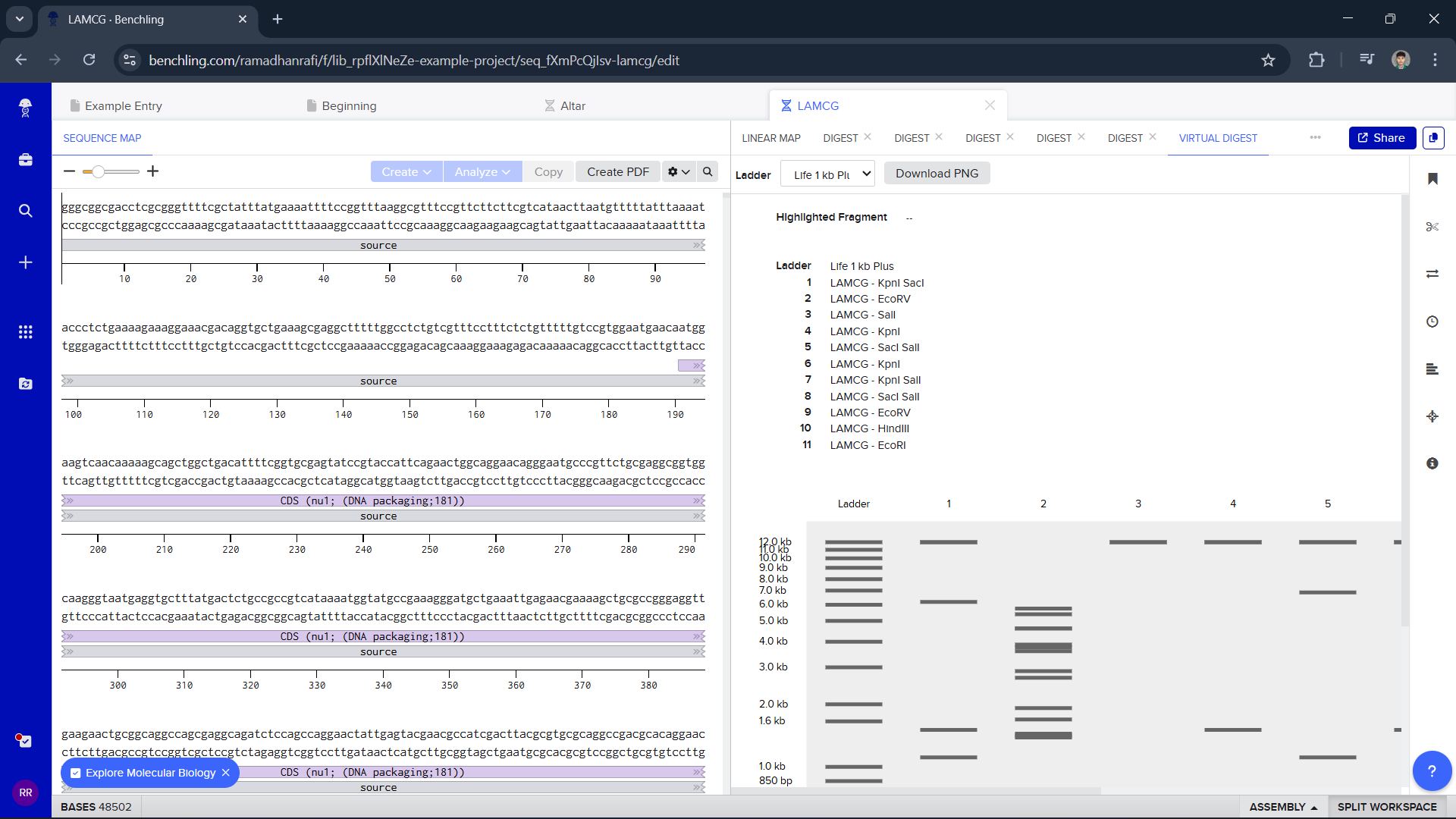
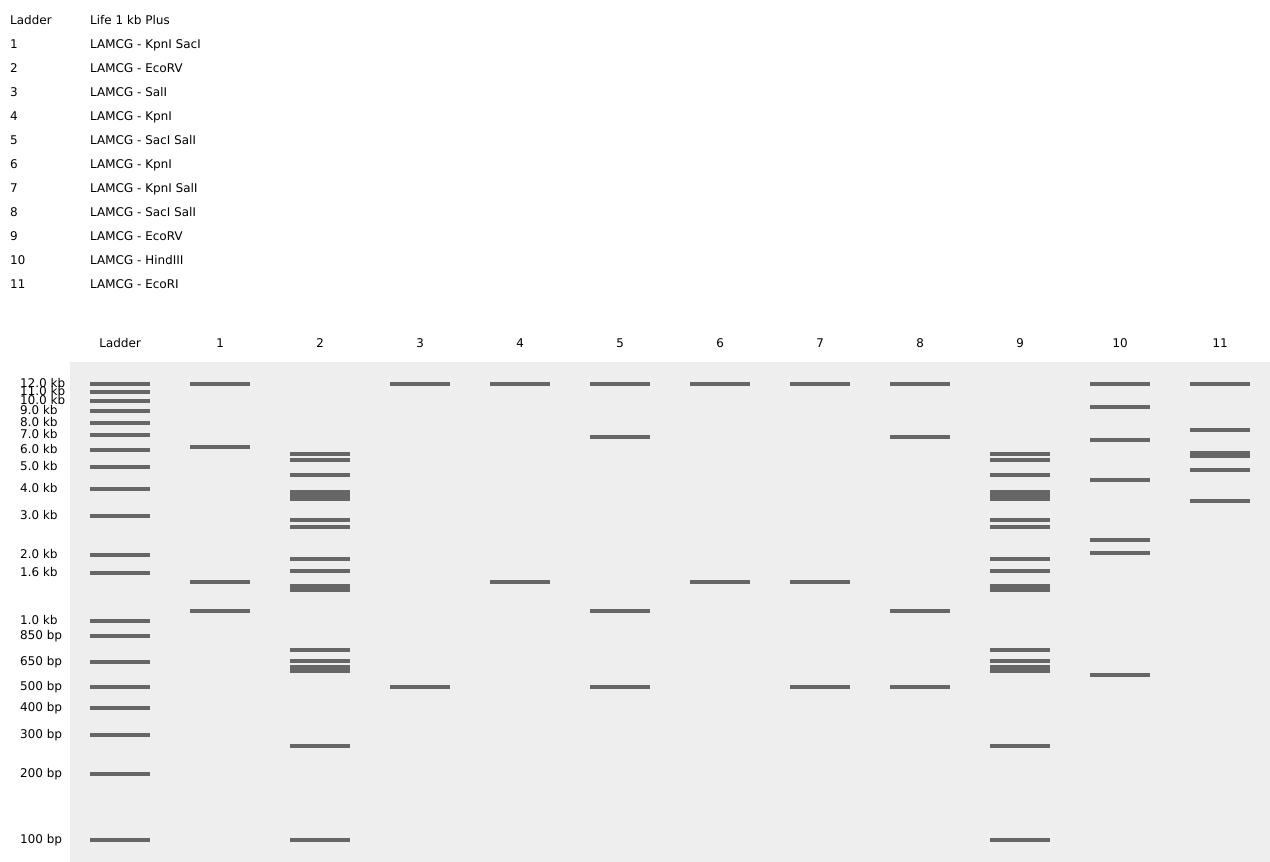
Part 1: Benchling & In-silico Gel Art I was made a random gel art. It took me one hour just to understand and make this lol :v I use several enzymes and this is it
Part 2: Gel Art - Restriction Digests and Gel Electrophoresis I can’t perform this gel art in the lab because I don’t have the tools to make it, but it’s fun to see what I can make :)
Biological engineering application: injectable nano/micro-scale scaffold based on spider silk
This scaffold is designed to be injected locally into areas of cancellous bone that have undergone microarchitectural degradation to support bone regeneration in osteoporosis.
Spider silk was chosen because it has high biocompatibility, good mechanical strength, and the ability to support cell adhesion and differentiation. On a nano and micro scale, this scaffold aims to mimic the structure of the bone extracellular matrix, improve trabecular connectivity, and support osteoblast activity without the need for macroscopic bone fractures. This is an additional regenerative therapy.
Governance/Policy Goals
Ensuring that scaffolds are not toxic, immunogenic, or cause adverse long-term effects, which has been previously studied in preclinical trials.
Preventing excessive use of scaffolds in cases of mild osteoporosis that can be treated with non-invasive therapy.
Establishing clear responsibilities in the design, use, and evaluation of the results of this technology.
Action 1: Mandatory Multi-Level Preclinical Safety Evaluation
Purpose: To ensure the safety of nano/micro scaffolds before use in humans.
Design: Conducted by researchers and research institutions and includes in vitro, in vivo, and material degradation evaluations.
Assumptions: Animal models can represent human responses, and scaffold degradation is consistent and predictable.
Risks of Failure and “Success”
Failure: undetected toxic or inflammatory effects.
Risk of success: overly positive results encouraging premature clinical use.
Action 2: Clinical Indication Guidelines for Injectable Scaffolds
Purpose: To prevent over-treatment and the use of scaffolds in patients who do not need them.
Design: Developed by medical associations and health regulators, establishing moderate-to-severe osteoporosis as an indication.
Assumptions: Physicians will adhere to the guidelines, and osteoporosis diagnoses will be made accurately.
Risks of Failure and “Success”
Failure: Guidelines are disregarded for commercial gain.
Risk of success: Overly restrictive guidelines hinder clinical innovation.
Action 3: Transparency and Reporting of Long-Term Outcomes
Purpose: To ensure accountability and collective learning from successes and failures.
Design: An open post-clinical use reporting system managed by health agencies or regulators
Assumptions: Data is reported honestly and patients are willing to participate in long-term monitoring
Risks of Failure and “Success”
Failure: incomplete or biased data
Risk of success: data is misused for excessive commercial claims
Does the option:
Option 1
Option 2
Option 3
Enhance Biosecurity
1
2
3
• By preventing incidents
• By helping respond
Foster Lab Safety
1
2
3
• By preventing incident
• By helping respond
Protect the environment
1
2
3
• By preventing incidents
• By helping respond
Other considerations
1
2
3
• Minimizing costs and burdens to stakeholders
• Feasibility?
• Not impede research
• Promote constructive applications
The governance action that is prioritized is mandatory multi-level preclinical safety evaluation, because the use of nano materials in the human body carries significant biological uncertainty. Without a strong safety basis, the regenerative benefits of scaffolds cannot be ethically justified. This innovation must also take into account the proportionality of risks and benefits
The relevant audience for my recommendation is at the national and international levels, where this issue can attract global attention because osteoporosis affects almost everyone across the country.
Assignment (Week 2 Lecture Prep)
Homework Questions from Professor Jacobson
Nature’s machinery for copying DNA is called polymerase. What is the error rate of polymerase? How does this compare to the length of the human genome. How does biology deal with that discrepancy?
Answer: The polymerase error rate is the rate of error made by the DNA polymerase enzyme when copying DNA (replication). The effective polymerase error rate is ~1:1000.
The length of the human genome is 3x10⁹, which, when related to error, means that there will be 1 error for every 3x10⁹ bases.
To overcome this, the body uses a layered error control system. DNA polymerase only accepts base pairs with a matching structure, direct proofreading, and mismatch repair by specific proteins, and the cell cycle will be stopped or undergo apoptosis if there is too much damage.
How many different ways are there to code (DNA nucleotide code) for an average human protein? In practice, what are some of the reasons that all of these different codes don’t work to code for the protein of interest?
Answer: Basically, 1 protein/amino acid is encoded by 3 nucleotides. There are a total of 64 codons, where 61 codons encode amino acids and 3 codons are stop codons. All these different codes do not function to encode the desired protein because organisms do not use all codons evenly, the number of tRNA varies for each codon, and the possibility of forming structures that are too stable and splicing signals.
Homework Questions from Dr. LeProust:
What’s the most commonly used method for oligo synthesis currently?
Answer: The most commonly used method for oligonucleotide synthesis today is solid-phase phosphoramidite synthesis, which has been in use since the 1980s and synthesizes DNA in the 3’ → 5’ direction.
Why is it difficult to make oligos longer than 200nt via direct synthesis?
Answer: Oligonucleotides longer than 200 nt are difficult to produce because the longer they are, the more vulnerable and unstable the DNA becomes.
Why can’t you make a 2000bp gene via direct oligo synthesis?
Answer: A 2000bp gene cannot be created through direct oligonucleotide synthesis because the more it increases, the probability of a complete molecule will approach zero, and all molecules will contain more than 1 error, as well as the increasingly expensive purification costs.
Homework Question from George Church:
What are the 10 essential amino acids in all animals and how does this affect your view of the “Lysine Contingency”?
Answer: In animals (including humans), 10 amino acids are generally considered essential, namely Histidine (His), Isoleucine (Ile), Leucine (Leu), Lysine (Lys), Methionine (Met), Phenylalanine (Phe), Threonine (Thr), Tryptophan (Trp), Valine (Val), and Arginine (Arg). In animals, these essential amino acids do not have a complete biosynthetic pathway and must be obtained from food. Essentially, Lysine Contingency designs organisms that are absolutely dependent on external lysine supplementation in order to survive. Thus, organisms that are made dependent on the amino acid lysine will die without an external supply of this amino acid.
Week 2 HW: DNA Read, Write, & Edit
Part 1: Benchling & In-silico Gel Art
I was made a random gel art. It took me one hour just to understand and make this lol :v
I use several enzymes and this is it
Part 2: Gel Art - Restriction Digests and Gel Electrophoresis
I can’t perform this gel art in the lab because I don’t have the tools to make it, but it’s fun to see what I can make :)
Part 3: DNA Design Challenge
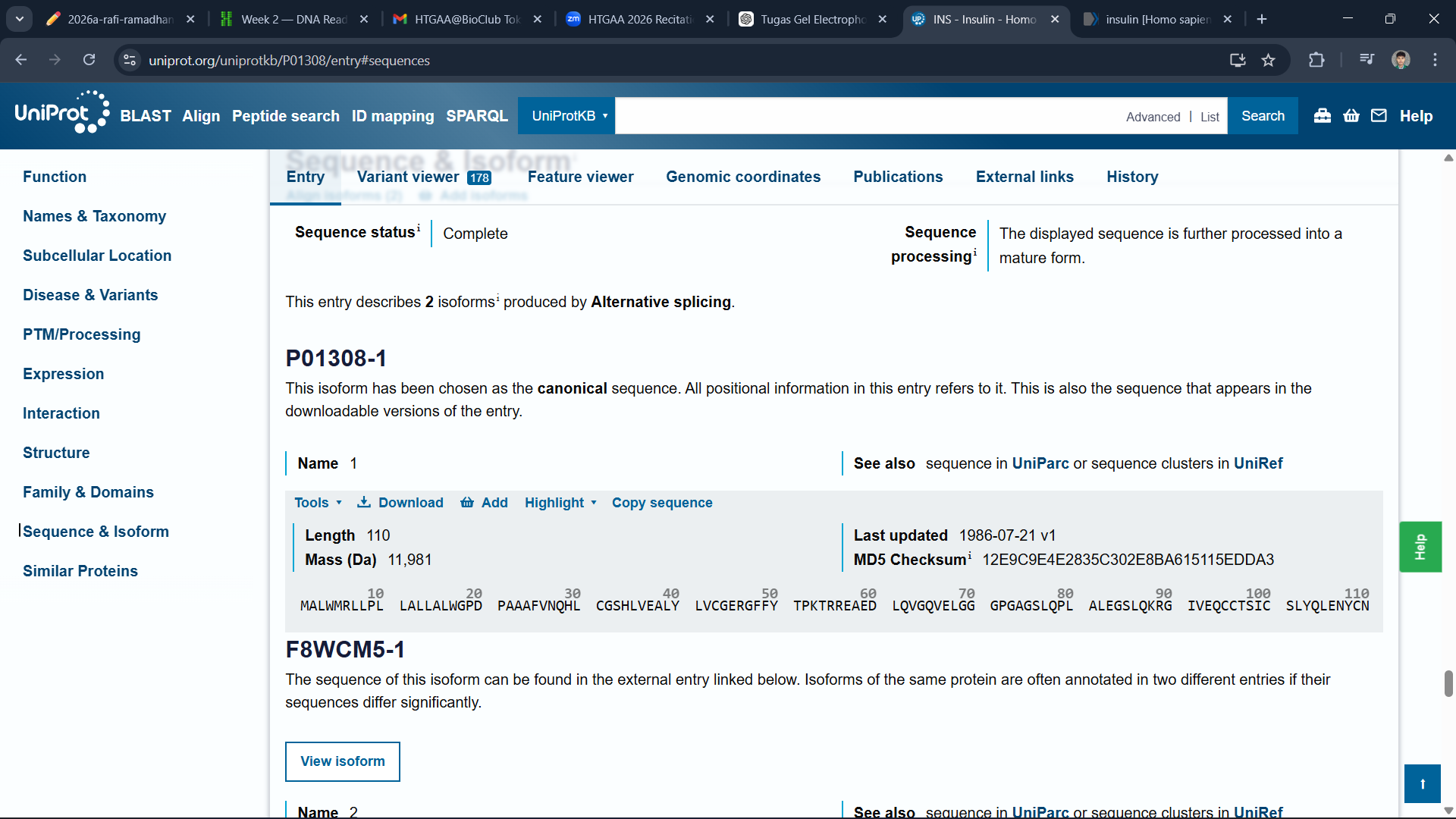
I use Uniprot to get the sequence of the insulin protein
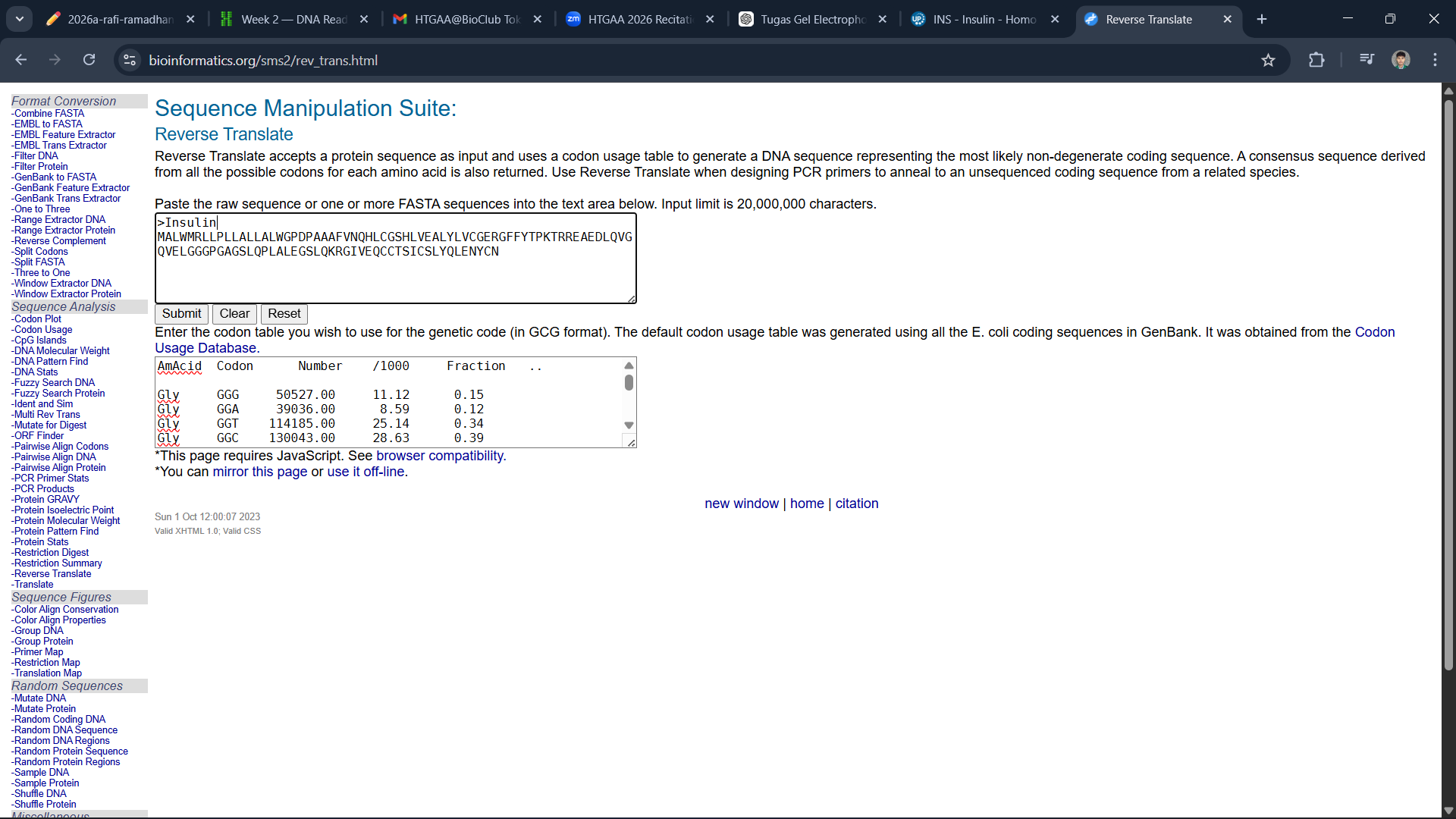
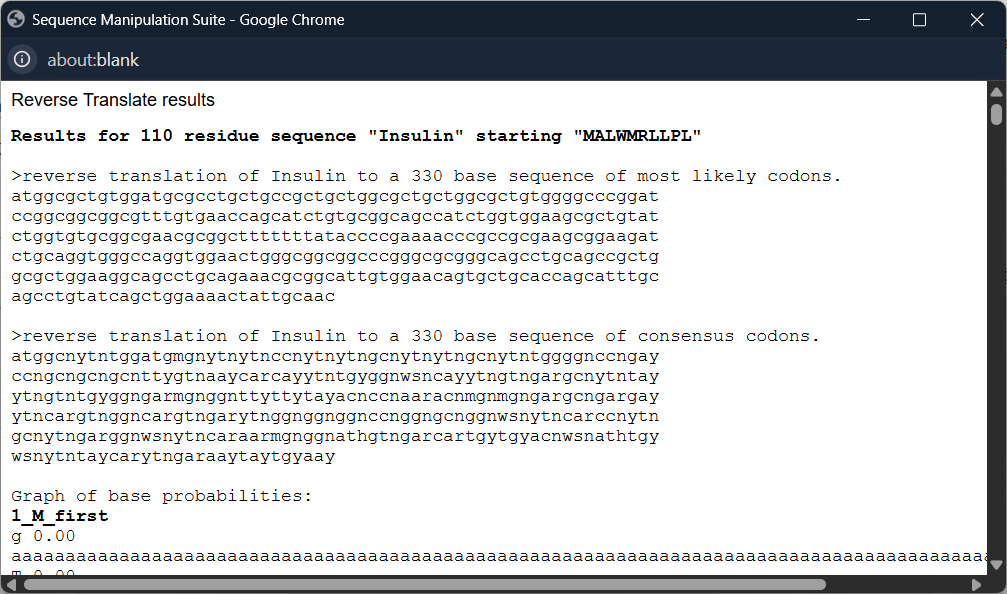
After copying the sequence, I use bioinformatics.org to reverse the protein sequence into a DNA sequence
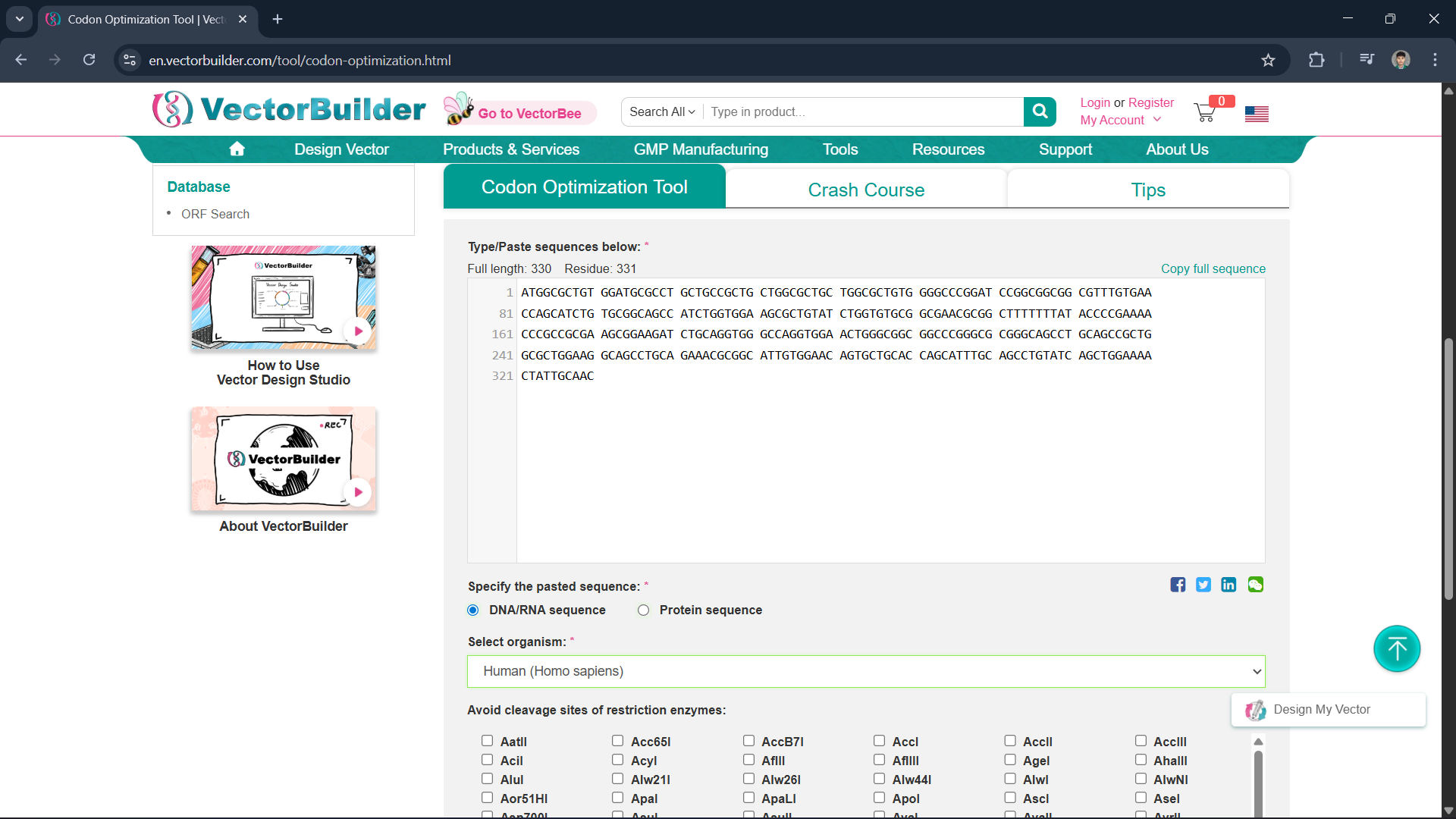
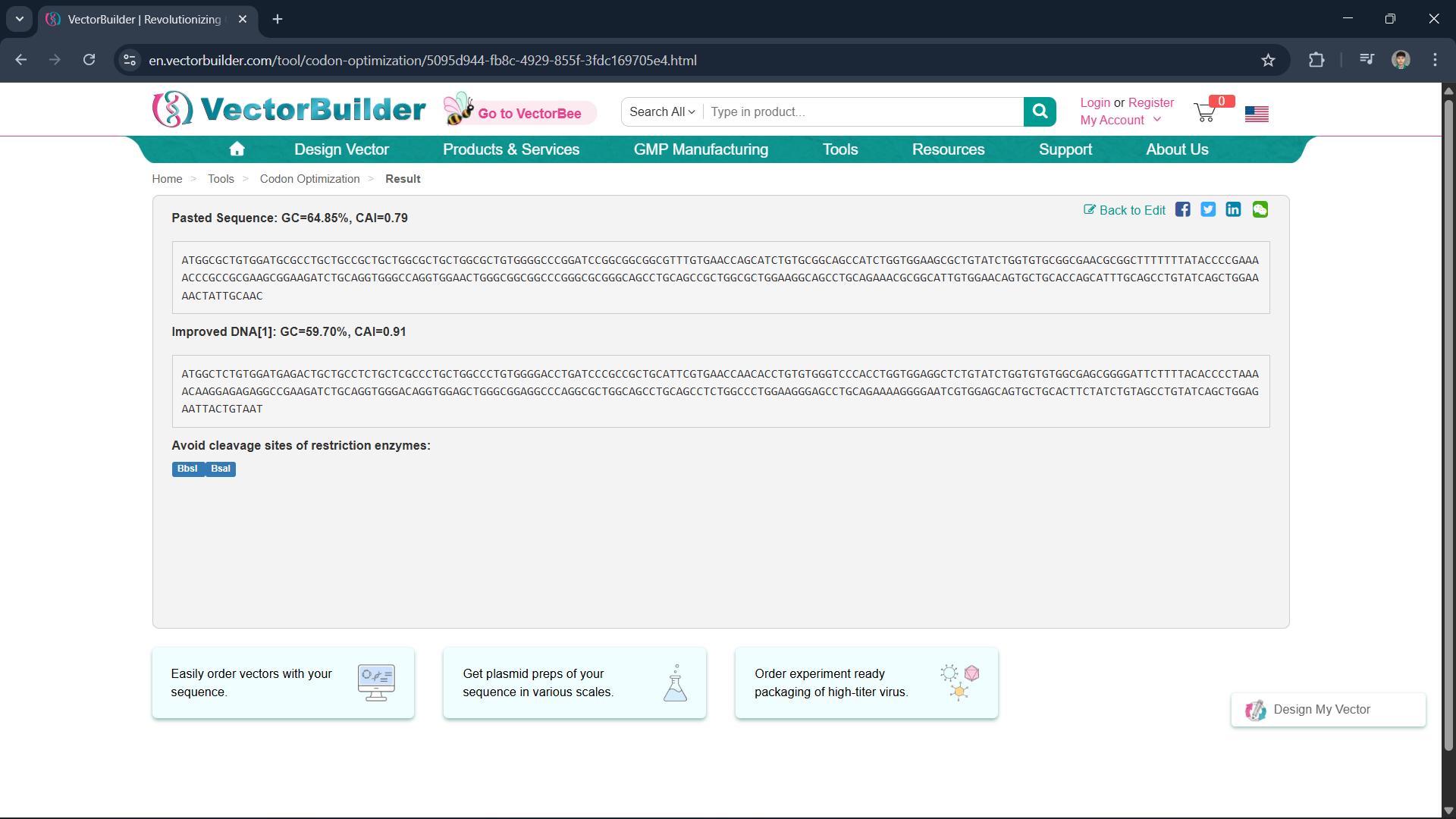
Since all organisms have different codon preferences, I optimized the DNA sequence obtained from Homo sapiens using the VectorBuilder website and excluded the enzymes BsaI, BsmBI, and BbsI.
Insulin protein can be produced from DNA sequences using recombinant DNA technology, either through a cell-based system (E. coli) or a cell-free system. The optimized insulin DNA sequence is inserted into a plasmid. The plasmid is then inserted into E. coli cells and transcribed within the cells by RNA polymerase. Ribosomes then read the mRNA in the form of codons and translate it into amino acid chains. The resulting polypeptide chains then undergo folding and form a complete protein structure.
Part 4: Prepare a Twist DNA Synthesis Order
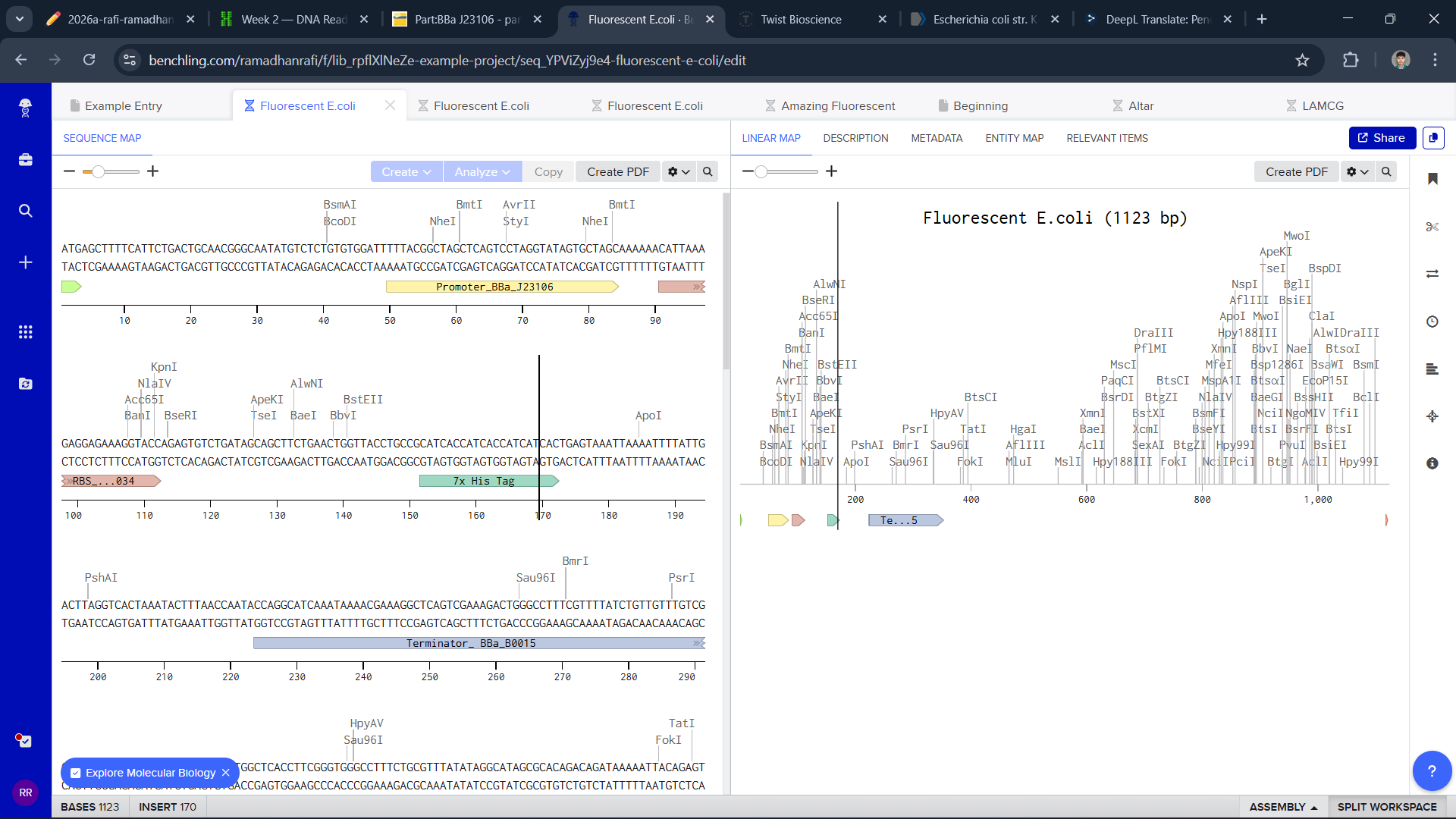
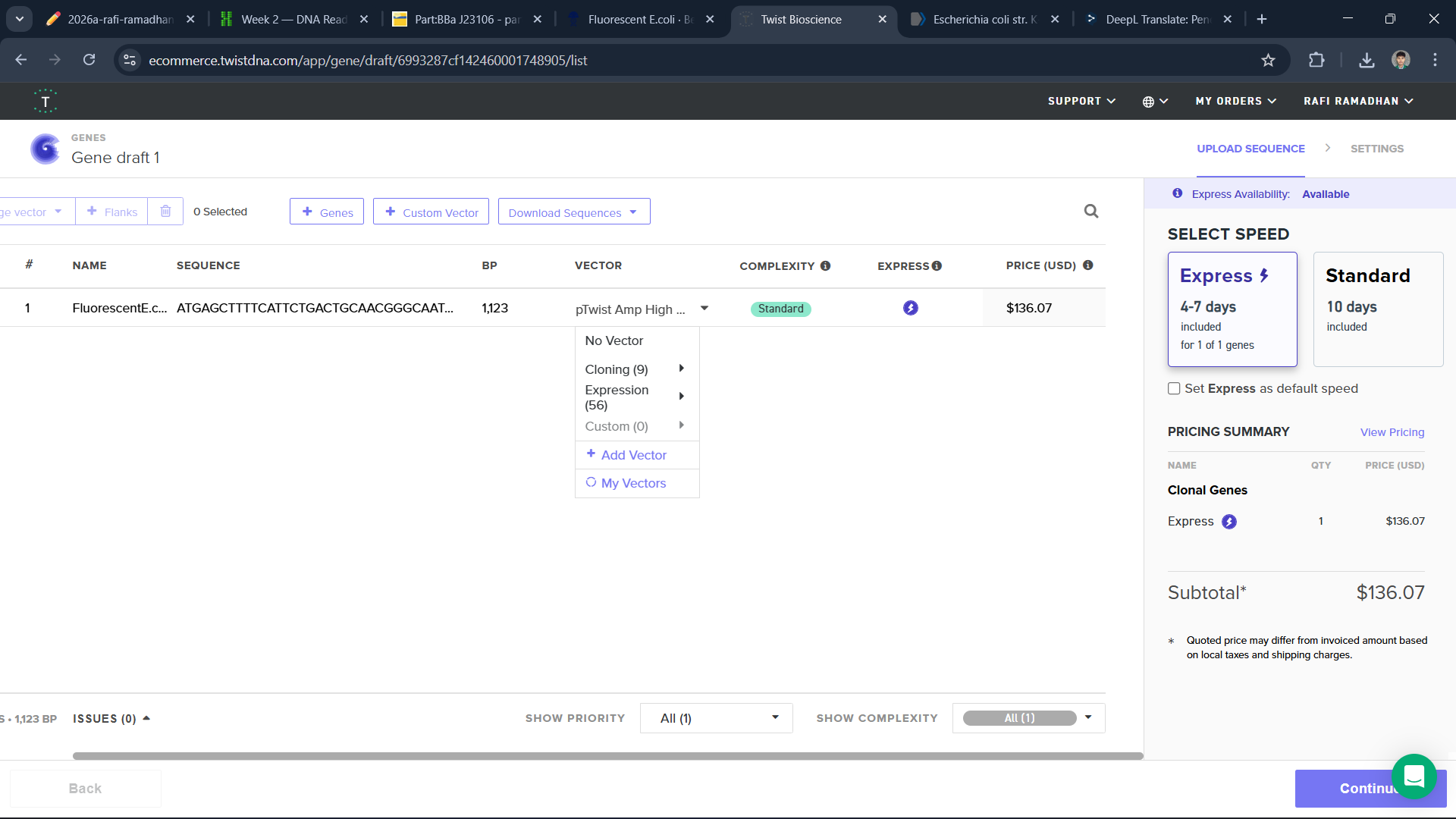
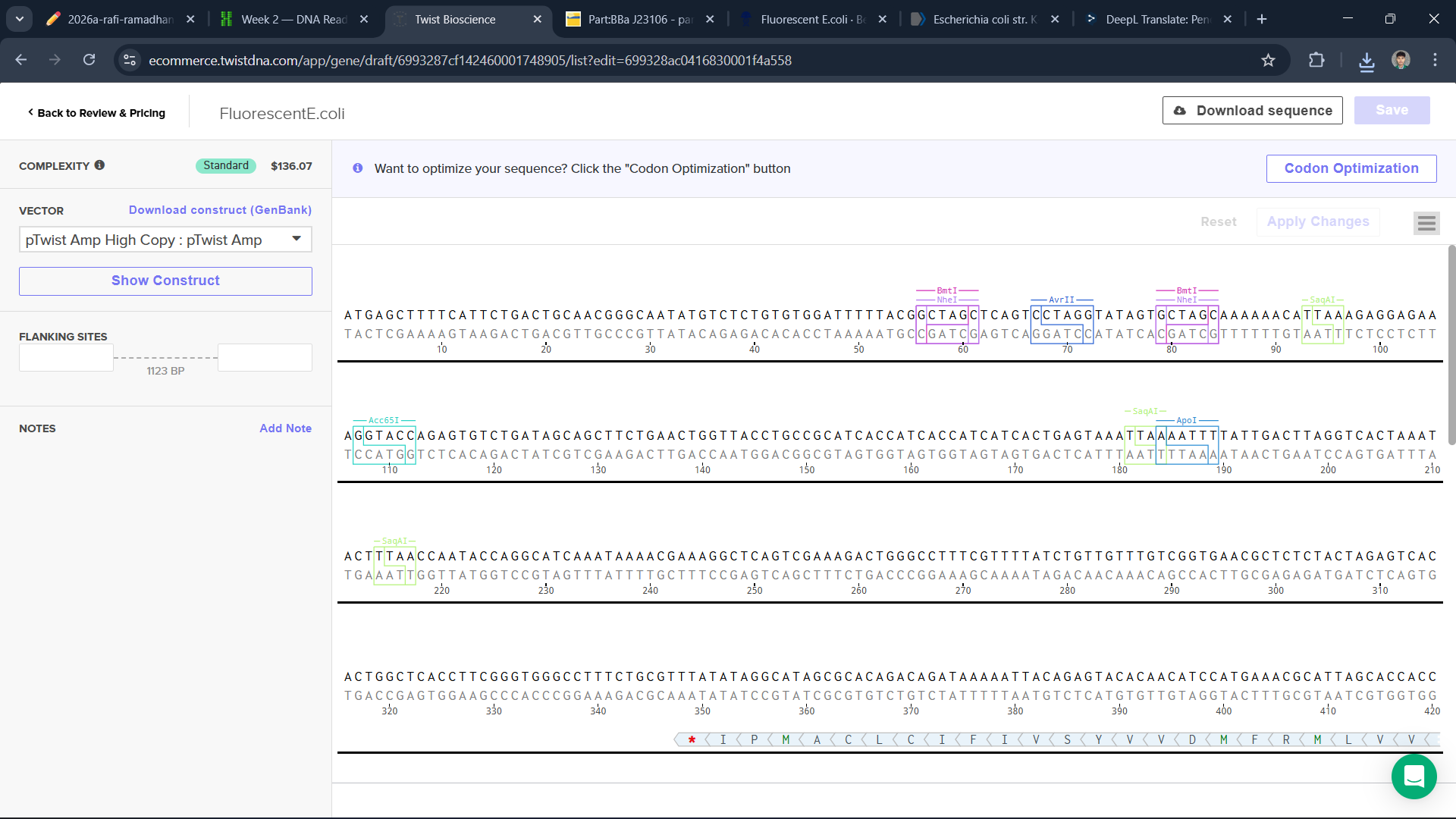
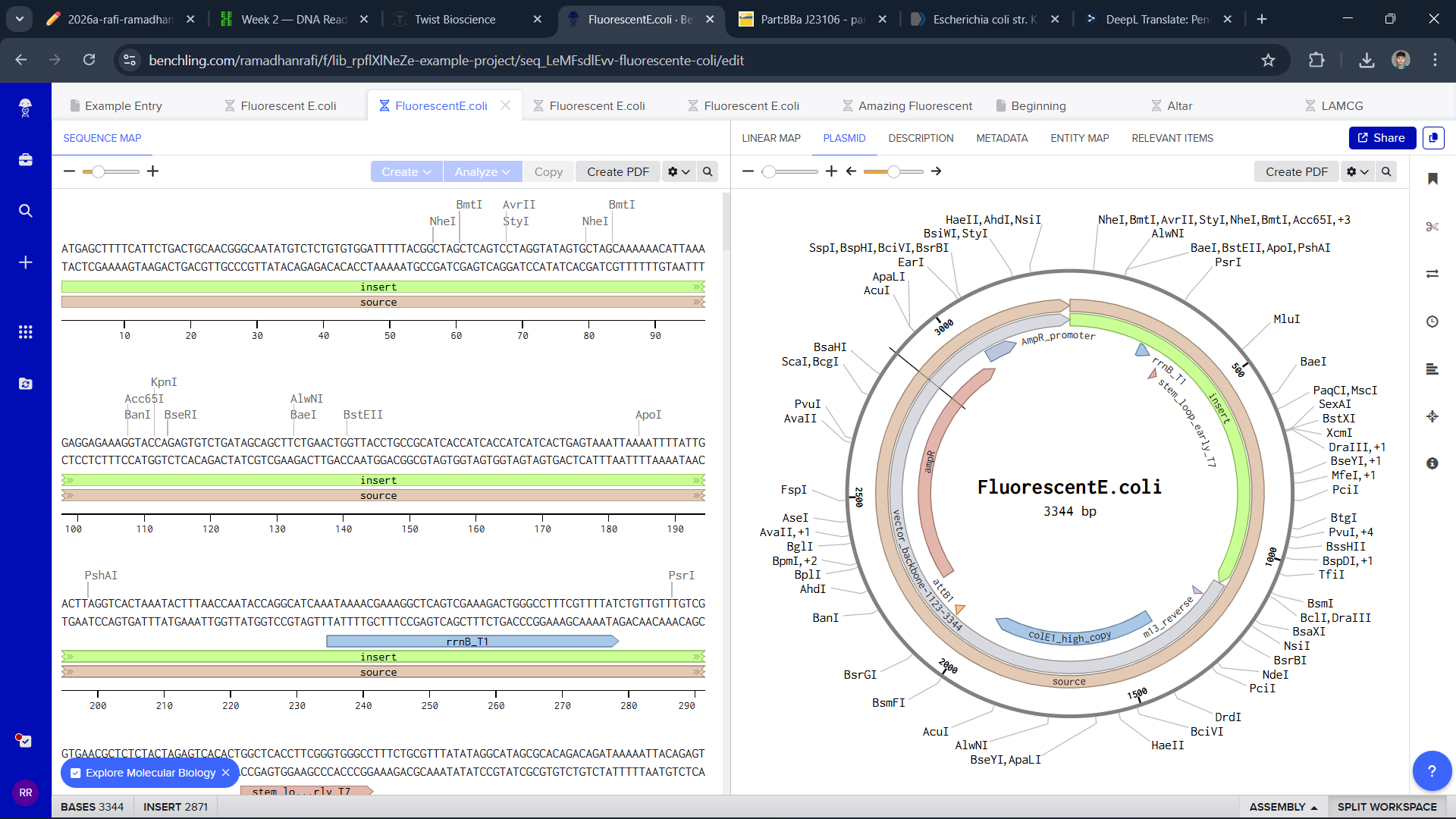
To build a plasmid, I use the sequence of E.coli and edit it in Benchling and Twist
I think this is a good plasmid that I made for the first time
Part 5: DNA Read/Write/Edit
5.1 DNA Read
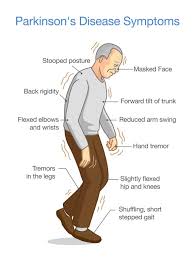
I want to analyze the DNA of the LRRK2 gene associated with Parkinson’s disease in order to identify the mutations that cause the disease and determine the appropriate treatment therapy.
I want to use second-generation technology (Next Generation Sequencing/NGS) because it is widely used and accurate. Here, I will input pure DNA from the extraction, prepare the sample with extraction and PCR amplification, read the bases using software to convert the signals into A, T, C, G, and eventually produce the base sequence output.
5.2 DNA Write
I want to synthesize anti-inflammatory protein expression plasmid DNA for use in nano research. The technology used is chemical DNA synthesis with the following process:
Sequence design on a computer
Base synthesis one by one
Deprotection
Purification
Assembly (if long)
Cloning into a plasmid
5.3 DNA Edit
I really want to try editing the Parkinson’s and Alzheimer’s genes in humans to help people maintain their memory, or perhaps create drought-resistant genes in rice to preserve food supplies. The main editing technology used is CRISPR-Cas9. Guide RNA will detect the target DNA and then CAS9 will cut the DNA and repair the cell, which will then be repaired by the body. Required inputs:
Cas9 plasmid
Guide RNA
Template DNA
Target cells
However, there are several limitations here, namely ethical issues and the extremely high cost involved.