Info As a fully online Committed Learner, I do not have lab access to complete the wet lab portions of this assignment. I document my labs to acknowledge that I reviewed the provided material and answered any required questions on the website.
Info As a fully online Committed Learner, I do not have lab access to complete the wet lab portions of this assignment. I document my labs to acknowledge that I reviewed the provided material and answered any required questions on the website.
This is the link to my Opentrons artwork code.
AI Contributions: I used AI to generate large portions of my code as I am largely unfamiliar with python programming. I used Gemini AI and asked it to integrate my coordinates for my artwork into the code in Colab.
Info As a fully online Committed Learner, I do not have lab access to complete the wet lab portions of this assignment. I document my labs to acknowledge that I reviewed the provided material and answered any required questions on the website. In this case, there were no questions to answer so I only reviewed the material.
Info As a fully online Committed Learner, I do not have lab access to complete the wet lab portions of this assignment. I document my labs to acknowledge that I reviewed the provided material and answered any required questions on the website. In this case, there was a wet lab and a dry lab portion of the lab work. I answered the questions and completed the dry lab work below.
Info As a fully online Committed Learner, I do not have lab access to complete the wet lab portions of this assignment. I document my labs to acknowledge that I reviewed the provided material and answered any required questions on the website. In this case, there were no questions in the Lab work portion so I could not participate in this lab.
Info As a fully online Committed Learner, I do not have lab access to complete the wet lab portions of this assignment. I document my labs to acknowledge that I reviewed the provided material and answered any required questions on the website. In this case, there were no lab work questions. However, the lab document provided an appendix from the Lab work to be used for the homework shown here.
Info This week’s lab was effectively part of the Week 11 Homework. Therefore, I copy and pasted my homework on this webpage.
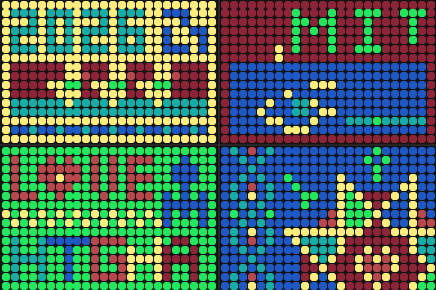
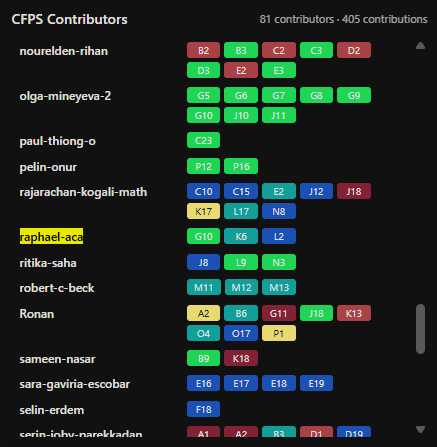
Part A: The 1,536 Pixel Artwork Canvas | Collective Artwork For the artwork, I contributed to four pixels on the DNA strand. I really liked how the whole community came together to work on this one project. It was nice to interact with all the other students in the HTGAA course.
Info As a fully online Committed Learner, I do not have lab access to complete the wet lab portions of this assignment. I document my labs to acknowledge that I reviewed the provided material and answered any required questions on the website. In this case, there was web lab work and questions that were required for Committed Learners to answer which I did below.
Post Lab Questions - Mandatory for All Students Which genes when transferred into E. coli will induce the production of lycopene and beta-carotene, respectively? Introducing the Erwinia herbicola genes CrtE, CrtI, and CrtB into E. coli directs the metabolic conversion of endogenous farnesyl diphosphate into lycopene. To achieve beta-carotene production, the pathway is extended by transferring those same three core genes along with a fourth gene, CrtY, which encodes lycopene β-cyclase to cyclize the terminal groups.
Subsections of Labs
Week 1 Lab: Pipetting
This lab covered standard laboratory practices. The overview of this lab can be found here. I reviewed the source material and concepts from the following links:
As an online student, I could not preform the protocol.
Week 2 Lab: Lab DNA Gel Art
Info
As a fully online Committed Learner, I do not have lab access to complete the wet lab portions of this assignment. I document my labs to acknowledge that I reviewed the provided material and answered any required questions on the website.
Week 3 Lab: Opentrons Art
Info
As a fully online Committed Learner, I do not have lab access to complete the wet lab portions of this assignment. I document my labs to acknowledge that I reviewed the provided material and answered any required questions on the website.
AI Contributions: I used AI to generate large portions of my code as I am largely unfamiliar with python programming. I used Gemini AI and asked it to integrate my coordinates for my artwork into the code in Colab.
Info
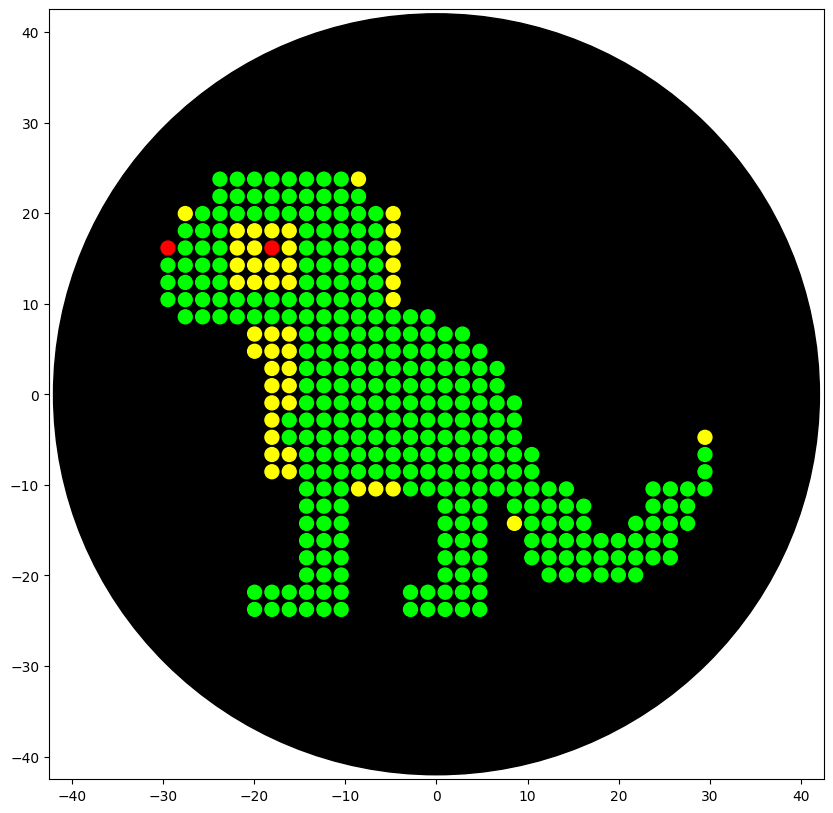
This is a picture of the simulation of my code. It represents what will be printed onto an agar plate when ran on the Opentrons robot.
Info
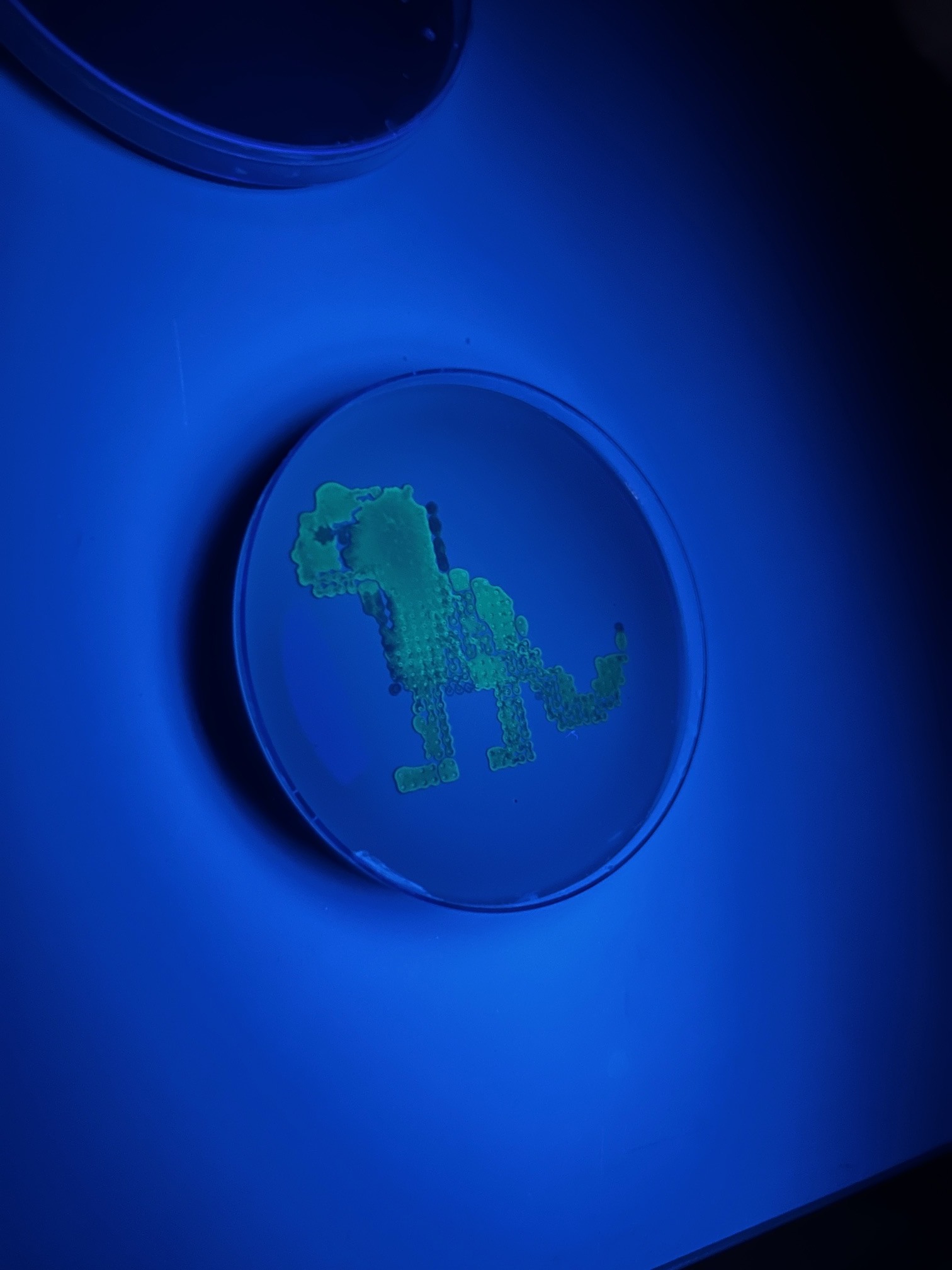
This is a picture of the result of my code being ran on the Opentrons robot at the William & Mary node.
Post-Lab Questions
Find and describe a published paper that utilizes the Opentrons or an automation tool to achieve novel biological applications.
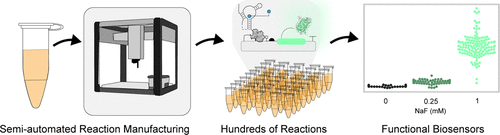
The published paper that I found is titled “Semiautomated Production of Cell-Free Biosensors” (Brown, 2025). In this publication, the researchers develop and demonstrate an automated pipeline using the Opentrons OT-2 liquid handling robot to (mostly) automate and scale the manufacturing of cell-free biosensors. In their pipeline, they used the Opentrons to produce a full 384-well plate of fluoride-sensing biosensors. The researchers had the objective of using the Opentrons OT-2 robot to develop a method capable of high-throughput manufacturing, reduced variability in sensor performance, and accessibility across global labs.
When compared to manually assembled biosensors, the biosensors created by the robot proved to have greater consistency among detection thresholds. This research suggested that facilities or field clinics could use Opentrons robots to assemble diagnostic tests on-demand rather than importing them from outside sources. In addition, the success of this study shows how the cheaper OT-2 robot can be used in replacement of industrial-grade liquid handlers so that the production of synthetic biology-based diagnostics can be done in resource-limited settings.
Write a description about what you intend to do with automation tools for your final project. You may include example pseudocode, Python scripts, 3D printed holders, a plan for how to use Ginkgo Nebula, and more. You may reference this week’s recitation slide deck for lab automation details.
In my final project, I want to use automation tools to reliably produce biosensors and test them. I want to use the Opentrons robot to create multiple samples of protoplast cells altered by CRIPSR/Cas9 to produce a certain biosensor within the cell. These cells would be incubated and grown. Then, in an experiment, the automation tools would expose these cells to pathogens to see if the biosensor is able to reliably detect the presence of the pathogen. The fluoresence created by the biosensor can be measured by PHERAstar.
References
Brown, D. M., Phillips, D. A., Garcia, D. C., Arce, A., Lucci, T., Davies Jr., J. P., Mangini, J. T., Rhea, K. A., Bernhards, C. B., Biondo, J. R., Blurn, S. M., Cole, S. D., Lee, J. A., Lee, M. S., McDonald, N. D., Wang, B., Perdue, D. L., Bower, X. S., Thavarajah, W., … Lucks, J. S. (2025). Semiautomated Production of Cell-Free Biosensors. ACS Synthetic Biology, 14(3), 979-986. https://doi.org/10.1021/acssynbio.4c00703.s001
Week 4 Lab: Protein Design Part I
Info
This lab is effectively integrated into the homework portion of week 4. The lab work is documented here.
Week 5 Lab: Protein Design Part II
Info
This lab is effectively integrated into the homework portion of week 4. The lab work is documented here.
Week 6 Lab: Gibson Assembly
Info
As a fully online Committed Learner, I do not have lab access to complete the wet lab portions of this assignment. I document my labs to acknowledge that I reviewed the provided material and answered any required questions on the website.
In this case, there were no questions to answer so I only reviewed the material.
Week 7 Lab: Neuromorphic Circuits
Info
As a fully online Committed Learner, I do not have lab access to complete the wet lab portions of this assignment. I document my labs to acknowledge that I reviewed the provided material and answered any required questions on the website. In this case, there was a wet lab and a dry lab portion of the lab work. I answered the questions and completed the dry lab work below.
Pre-Lab | Overview
In the first part of the lab, I had to download and install NeuromophicWizard and familiarize myself with endoribonuclease arithmetic and the use of Lipofectamine 3000.
Background
In this two-day lab, you will design and build your very own IANN using a library of plasmids from the Ron Weiss lab and human embryonic kidney (HEK) 293 cells. IANNs differ from traditional synthetic genetic circuits because IANNs can perform analog computations, rather than being limited to digital computations. IANNs are also universal function approximators–given an adequate number of intracellular artificial neurons, you can use an IANN to achieve any input/output behavior you’d like.
Concepts Learned & Skills Gained
This is a lab with a dry and wet component. In the dry lab component, you will design a neuromorphic circuit in groups of 3. Once your design has been finalized, you will write instructions for an OT-2 to build your circuit for you. In the wet lab component, a TA will upload your OT-2 instructions and you will observe the OT-2 building and transfecting your IANN into HEK293 cells.
Protocol
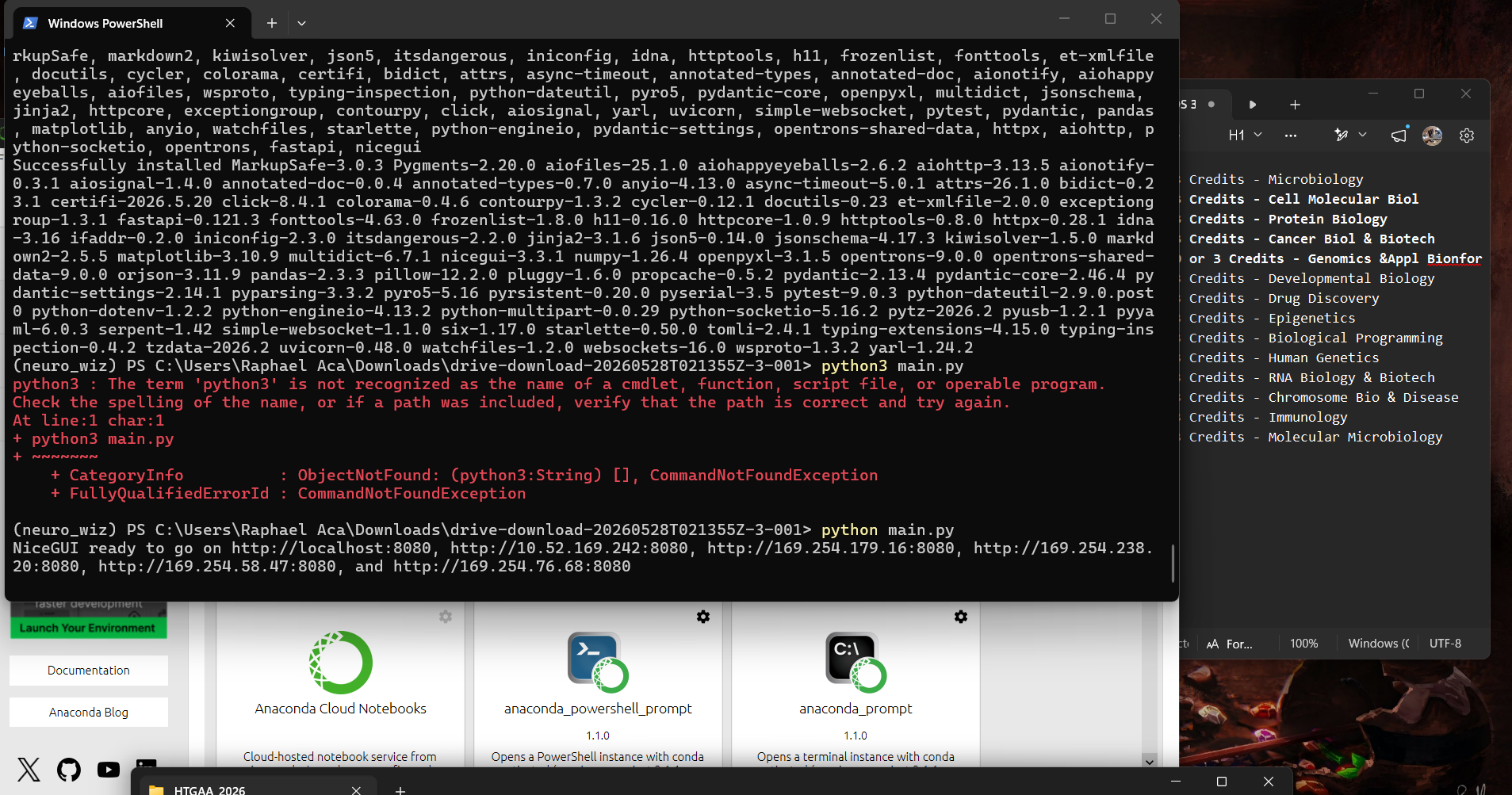
Then, I went through the process of downloading Anaconda and the NeuromorphicWizard.
Using the provided template, I created the table shown below which I used in NeuromorphicWizard:
Then, I designed the experiment layout shown below:
When the simulation was run, it returned the results shown in this file. After all this, I submitted my experiment design to the Google Form.
Week 9 Lab: Cell-Free Systems
Info
As a fully online Committed Learner, I do not have lab access to complete the wet lab portions of this assignment. I document my labs to acknowledge that I reviewed the provided material and answered any required questions on the website.
In this case, there were no questions in the Lab work portion so I could not participate in this lab.
Week 10 Lab: Mass Spectrometry
Info
As a fully online Committed Learner, I do not have lab access to complete the wet lab portions of this assignment. I document my labs to acknowledge that I reviewed the provided material and answered any required questions on the website. In this case, there were no lab work questions. However, the lab document provided an appendix from the Lab work to be used for the homework shown here.
Week 11 Lab: Introduction to Cloud Laboratories
Info
This week’s lab was effectively part of the Week 11 Homework. Therefore, I copy and pasted my homework on this webpage.
Part A: The 1,536 Pixel Artwork Canvas | Collective Artwork
For the artwork, I contributed to four pixels on the DNA strand. I really liked how the whole community came together to work on this one project. It was nice to interact with all the other students in the HTGAA course.
To make this collaborative art experiment better for next year, the art canvas could be made to be bigger.
Part B: Cell-Free Protein Synthesis | Cell-Free Reagents
Referencing the cell-free protein synthesis reaction composition (the middle box outlined in yellow on the image above, also listed below), provide a 1-2 sentence description of what each component’s role is in the cell-free reaction.
E. coli Lysate
BL21 (DE3) Star Lysate: Provides the core cellular translation machinery, including ribosomes, tRNAs, and aminoacyl-tRNA synthetases, alongside natively expressed T7 RNA Polymerase to drive robust transcription from T7 promoter-contained DNA templates.
Salts/Buffer
Potassium Glutamate: Serves as the primary intracellular monovalent salt to maintain optimal ionic strength and osmotic balance required for stable protein-nucleic acid interactions during translation.
HEPES-KOH pH 7.5: Functions as a zwitterionic biological buffer to maintain a stable, physiological pH profile throughout the duration of the metabolic incubation.
Magnesium Glutamate: Supplies critical divalent magnesium cations (Mg2+) necessary to stabilize ribosome structure, facilitate codon-anticodon base pairing, and serve as an enzymatic cofactor.
Potassium phosphate monobasic & Potassium phosphate dibasic: Forms a secondary buffering system that stabilizes pH while supplying an inorganic phosphate pool essential for continuous nucleotide recycling and energy regeneration.
Energy / Nucleotide System
Ribose: Acts as a fundamental sugar precursor used by the lysate’s salvage pathways to synthesize the ribose rings required for fresh nucleotide generation.
Glucose: Serves as the primary carbohydrate energy source, fueling endogenous glycolytic pathways within the lysate to regenerate ATP and GTP over extended incubation times.
AMP, CMP, GMP, UMP: Function as monophosphate nucleotide building blocks that are enzymatically phosphorylated by the system into active nucleoside triphosphates (NTPs) for mRNA transcription.
Guanine: Provides a supplementary purine nucleobase resource to prevent guanosine nucleotide depletion during long-term transcriptional operations.
Translation Mix (Amino Acids)
17 Amino Acid Mix: Supplies the foundational, balanced pool of standard amino acid building blocks required for ongoing polypeptide chain elongation.
Tyrosine: Added individually to circumvent solubility limits at neutral pH, ensuring sufficient availability of this hydrophobic residue for complete protein translation.
Cysteine: Supplemented separately to offset rapid chemical oxidation in cell-free systems, preserving the thiol groups necessary for proper disulfide bond formation and protein folding.
Additives
Nicotinamide: Functions as a precursor and stabilizer for nicotinamide adenine dinucleotide (NAD/NADH) cofactors, protecting the internal metabolic networks driving energy regeneration from degradation.
Backfill
Nuclease Free Water: Serves as the high-purity solvent matrix to adjust total reaction volumes without introducing foreign nucleases that could degrade DNA templates or mRNA transcripts.
Describe the main differences between the 1-hour optimized PEP-NTP master mix and the 20-hour NMP-Ribose-Glucose master mix shown in the Google Slide above.
The 1-hour optimized master mix relies on pre-supplied nucleoside triphosphates (NTPs) and phosphoenolpyruvate (PEP) to provide immediate energy and building blocks for rapid transcription and translation. In contrast, the 20-hour optimized master mix switches to simpler, cost-effective precursors—nucleoside monophosphates (NMPs), ribose, and glucose—utilizing endogenous cellular enzymes in the lysate to sustainably regenerate energy and nucleotides over an extended incubation period. Additionally, the 20-hour mix adjusts salt concentrations (such as lower HEPES-KOH and slightly higher magnesium) and eliminates short-term additives like spermidine, cAMP, and folinic acid in favor of nicotinamide to support long-term metabolic stability.
Bonus question: How can transcription occur if GMP is not included but Guanine is?
Even without pre-added GMP, transcription can still occur because the E. coli lysate contains active, endogenous salvage pathway enzymes. The system utilizes hypoxanthine-guanine phosphoribosyltransferase (HGPRT) to attach a ribose-5-phosphate group from the available carbohydrate pool directly onto the free Guanine base, synthesizing GMP de novo. Once GMP is formed, native nucleotide kinases sequentially phosphorylate it into GDP and then into GTP, providing the necessary guanosine triphosphates required by the RNA polymerase to synthesize mRNA.
Part C: Planning the Global Experiment | Cell-Free Master Mix Design
Given the 6 fluorescent proteins we used for our collaborative painting, identify and explain at least one biophysical or functional property of each protein that affects expression or readout in cell-free systems. (Hint: options include maturation time, acid sensitivity, folding, oxygen dependence, etc) (1-2 sentences each)
Fluorescent Protein
Biophysical / Functional Property Affecting Expression or Readout
sfGFP
Superfolder GFP features enhanced folding kinetics and structural stability that allow it to mature extremely rapidly and express efficiently even when fused to poorly soluble target proteins.
mRFP1
This first-generation monomeric red fluorescent protein suffers from a relatively slow maturation time and lower quantum yield, often requiring longer incubation periods in cell-free systems to reach detectable signal thresholds.
mKO2
Monomeric Kusabira Orange 2 exhibits strict oxygen dependence for its chromophore maturation, meaning its orange readout can be severely limited in high-density or poorly aerated cell-free reaction drops.
mTurquoise2
This cyan variant possesses an exceptionally high quantum yield and high photostability, providing a very bright and reliable fluorescent readout even at lower protein expression levels.
mScarlet_I
Engineered for superior brightness, mScarlet_I features an accelerated maturation rate compared to older red variants, making it ideal for real-time tracking of transcription-translation kinetics.
Electra2
Optimized specifically for rapid-response assays, Electra2 undergoes remarkably fast protein folding and chromophore maturation, allowing almost immediate detection after translation begins.
Create a hypothesis for how adjusting one or more reagents in the cell-free mastermix could improve a specific biophysical or functional property you identified above, in order to maximize fluorescence over a 36-hour incubation. Clearly state the protein, the reagent(s), and the expected effect.
Hypothesis: Supplementing the master mix with a 1.5x higher concentration of nicotinamide and slightly increasing the dibasic potassium phosphate ratio to stabilize a higher pH will maximize mKO2 fluorescence over a 36-hour incubation. Nicotinamide will sustain the long-term metabolic energy pathways needed for continuous translation, while the optimized phosphate buffer will prevent reaction acidification. This stable environment ensures the translation machinery remains active long enough to support the slow, oxygen-dependent chromophore maturation required by mKO2.
The second phase of this lab will be to define the precise reagent concentrations for your cell-free experiment. You will be assigned artwork wells with specific fluorescent proteins and receive an email with instructions this week (by April 24). You can begin composing master mix compositions here.
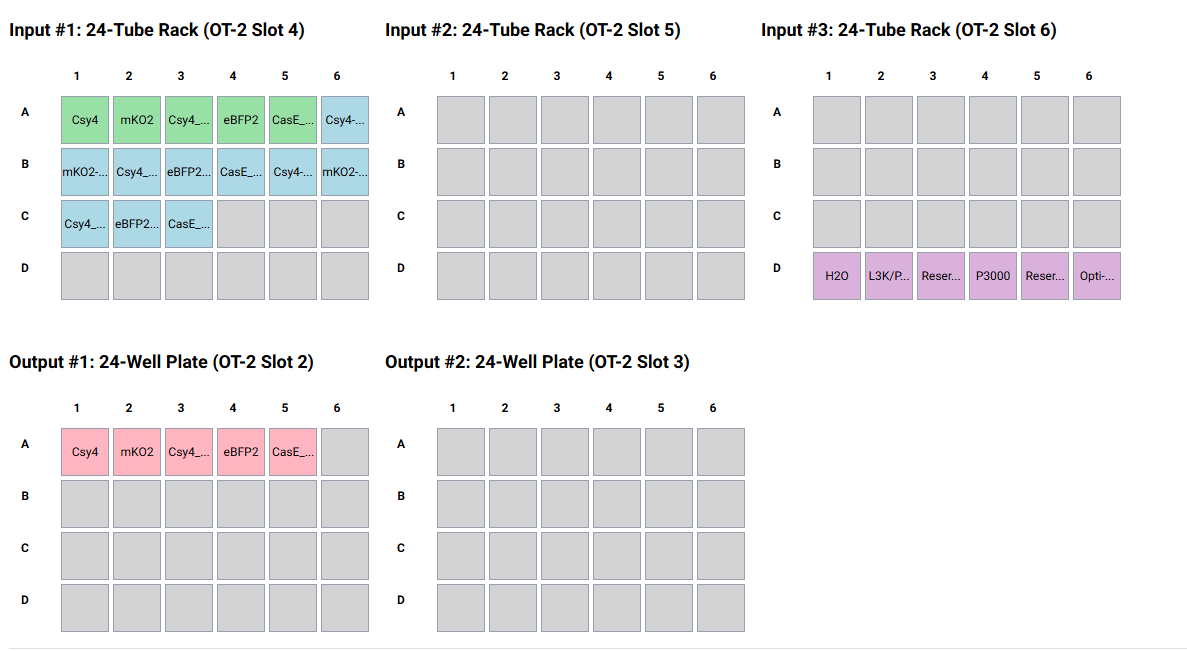
I composed master mix compositions in the given website as shown below.
Part D: Build-A-Cloud-Lab | (optional) Bonus Assignment
This was optional and skipped.
Week 12 Lab: Bioproduction of Beta-Carotene and Lycopene
Info
As a fully online Committed Learner, I do not have lab access to complete the wet lab portions of this assignment. I document my labs to acknowledge that I reviewed the provided material and answered any required questions on the website.
In this case, there was web lab work and questions that were required for Committed Learners to answer which I did below.
Post Lab Questions - Mandatory for All Students
Which genes when transferred into E. coli will induce the production of lycopene and beta-carotene, respectively?
Introducing the Erwinia herbicola genes CrtE, CrtI, and CrtB into E. coli directs the metabolic conversion of endogenous farnesyl diphosphate into lycopene. To achieve beta-carotene production, the pathway is extended by transferring those same three core genes along with a fourth gene, CrtY, which encodes lycopene β-cyclase to cyclize the terminal groups.
Why do the plasmids that are transferred into the E. coli need to contain an antibiotic resistance gene?
Plasmids must carry an antibiotic resistance gene (such as chloramphenicol resistance) to serve as a selective marker during cultivation. Growing the bacteria in media containing the antibiotic ensures that only cells that actively retain the plasmid can survive, preventing plasmid loss over multiple generations and suppressing the growth of contaminating organisms.
What outcomes might we expect to see when we vary the media, presence of fructose, and temperature conditions of the overnight cultures?
Shifting incubation temperatures between 30°C and 37°C alters metabolic rates, where 30°C often optimizes heterologous enzyme folding while 37°C maximizes biomass growth rates. Varying the basal medium from LB to richer 2YT supplies a denser nutrient pool for higher biomass accumulation, while supplementing with fructose bypasses standard catabolite repression to boost recombinant pathway fluxes and overall pigment yields.
Generally describe what “OD600” measures and how it can be interpreted in this experiment.
OD600 measures optical density by quantifying the amount of light scattered at a wavelength of 600 nm by a liquid bacterial culture. In this experiment, it provides a rapid estimate of bacterial cell density, which serves as a baseline value to normalize total pigment extraction absorbance data against the concentration of biomass.
What are other experimental setups where we may be able to use acetone to separate cellular matter from a compound we intend to measure?
Acetone’s ability to lyse cell membranes and precipitate proteins while solubilizing lipophilic small molecules makes it ideal for extracting hydrophobic compounds across biology. It is frequently used to isolate chlorophyll from plant tissue, extract lipids from yeast cells, or recover secondary hydrophobic metabolites and small-molecule drugs from microbial pellets.
Why might we want to engineer E. coli to produce lycopene and beta-carotene pigments when Erwinia herbicola naturally produces them?
E. coli is a highly optimized industrial host with fast replication kinetics, thoroughly mapped genetics, and scalable fermentation protocols. Engineering it allows for significantly higher metabolic yields, simpler downstream purification processes, and avoids the challenges of optimizing growth parameters for less characterized wild-type organisms.
Post Lab Questions - For Committed Listeners Only
Let’s get in touch with our metabolic pathway. What are the enzymes of the carotene pathway? Within this pathway, which is the rate determining step (the step that takes the longest)? Which enzyme is responsible for this step?
The biosynthetic pathway includes geranylgeranyl pyrophosphate synthase (CrtE), phytoene synthase (CrtB), phytoene desaturase (CrtI), and lycopene β-cyclase (CrtY). The rate-limiting bottleneck of the network is the multiple desaturation steps that convert colorless phytoene into pink-red lycopene, a process catalyzed entirely by the CrtI enzyme.
The first thing to do is to decide what organism you are going to use for this (E. coli or S. cerevisiae) for production. Which would you choose and why (emphases on production differences)?
E. coli is the ideal choice here because it supports incredibly rapid doubling times, features highly efficient transcription-translation coupling, and accommodates straightforward plasmid-based expression without requiring genomic integration. While S. cerevisiae excels at processing complex eukaryotic post-translational modifications or membrane-bound enzymes, E. coli provides a faster, higher-yield expression platform for these specific bacterial carotenoid enzymes.
What is the function of a promoter? What types of promoters do we have?
A promoter is a regulatory DNA sequence located upstream of a gene that provides a specific recruitment site for RNA polymerase to initiate transcription. Promoters generally fall into two categories: constitutive promoters, which drive continuous gene transcription at a fixed rate, and regulated promoters, which can be dynamically activated or suppressed by transcription factors.
If we wanted to turn off the transcription of a gene in response to a metabolite, what type of promoter would be most useful? What if we wanted this to increase in the presence of the metabolite?
To shut down gene transcription in response to an accumulating metabolite, a repressible promoter is required. Conversely, to activate or increase gene transcription upon the addition or detection of a target metabolite, an inducible promoter must be integrated into the construct design.
Now choose one of the genes of the metabolic pathway previously described (Carotene/lycopene) and choose one enzyme to make an expression construct. What promoter could you use for this? Why did you choose it?
I would pair the rate-limiting CrtI gene with an IPTG-inducible lac promoter (or T7 promoter). This choice allows the culture to build up substantial cellular biomass during an uninduced growth phase before adding the chemical trigger, preventing early pathway enzyme accumulation from overstressing the cell or stunting growth.
What is the origin of replication? What types of origin of replication do we have?
The origin of replication (ori) is the specific DNA sequence on a plasmid where host replication machinery binds to initiate plasmid duplication, effectively dictating its copy number within the cell. Origins are categorized by copy number into low-copy (e.g., pSC101), medium-copy (e.g., p15A), and high-copy types (e.g., pUC).
(Extra) What are compatibility groups?
Compatibility groups classify plasmids based on their specific replication and partitioning mechanisms. Two plasmids belonging to the same compatibility group cannot stably coexist inside the same bacterial cell because they compete for the exact same replication machinery, eventually causing one to be lost during cell division.
Now for the previously chosen promoter and gene what will be the best origin or replication?
A medium-copy origin like p15A is the best fit for the inducible CrtI construct. It maintains a stable, moderate plasmid presence inside the cell that generates high levels of transcript upon induction without overwhelming the host’s metabolic machinery or causing structural plasmid instability.
Elaborate further on other bioparts like RBS, terminators, operators you would use for a correct design and further bioproduction?
The construct requires a strong Ribosome Binding Site (RBS), such as an optimized Shine-Dalgarno sequence, positioned upstream of the start codon to ensure efficient translation initiation. Downstream of the stop codon, a rho-independent terminator loop is essential to form a hairpin structure that releases RNA polymerase cleanly, ensuring transcript stability and protecting downstream plasmid components.
What are aptamers and riboswitches and how can they be used for metabolic tuning or engineering in prokaryotes?
Aptamers are structured RNA domains that fold to bind specific small molecules, and riboswitches are cis-regulatory elements containing these aptamer domains embedded within an mRNA transcript. In prokaryotes, they can be engineered into 5’ untranslated regions to dynamically modulate translation or transcription in direct response to intracellular metabolite concentrations, enabling real-time feedback loops.
Now what approach can be used to join all these parts together? Make a quick analysis of their sequence in search of possibilities (search for restriction sites, etc)
Golden Gate Assembly using Type IIS restriction enzymes (like BsaI or BsmBI) is the most efficient choice. Type IIS enzymes cleave outside of their recognition sites to generate unique, non-palindromic sticky overhanging sequences, allowing multiple sequence parts to be assembled seamlessly in a single, scarless reaction.
Try to elaborate further on a biosynthetic pathway you would want to engineer in E. coli for production of a metabolite or product. What use could this bio-product have? Imagine dream applications!!!
A dream application would be engineering the metabolic pathway for crocetindialdehyde and associated glycosyltransferases into E. coli to bioproduce crocin, the highly valuable antioxidant and water-soluble carotenoid pigment typically harvested from saffron. Producing crocin via scalable bacterial fermentation would lower production costs for natural food colorants and therapeutic antioxidants, offering an eco-friendly alternative to traditional agricultural harvesting.