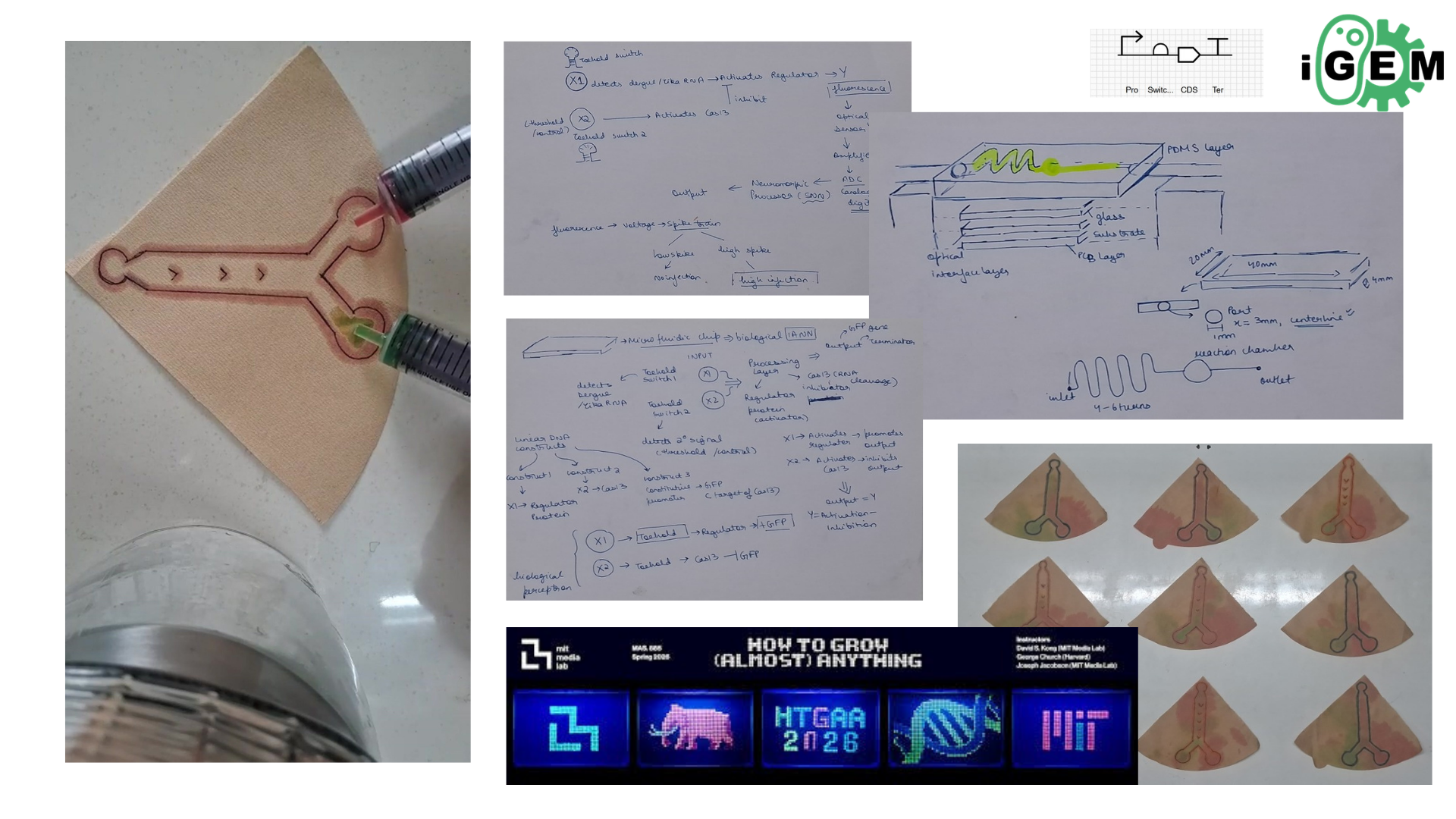
Initially worked upon three different ideas:
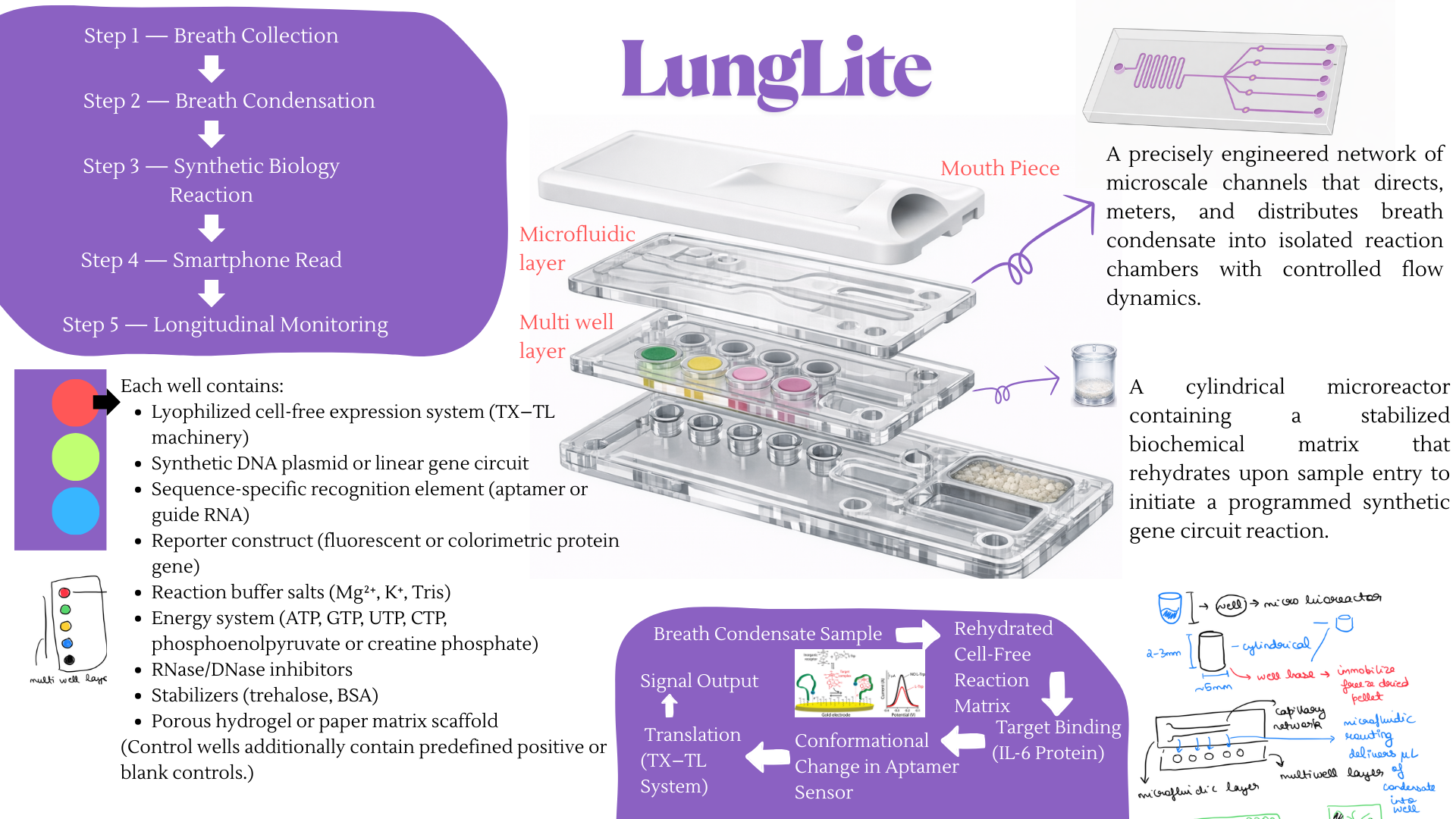
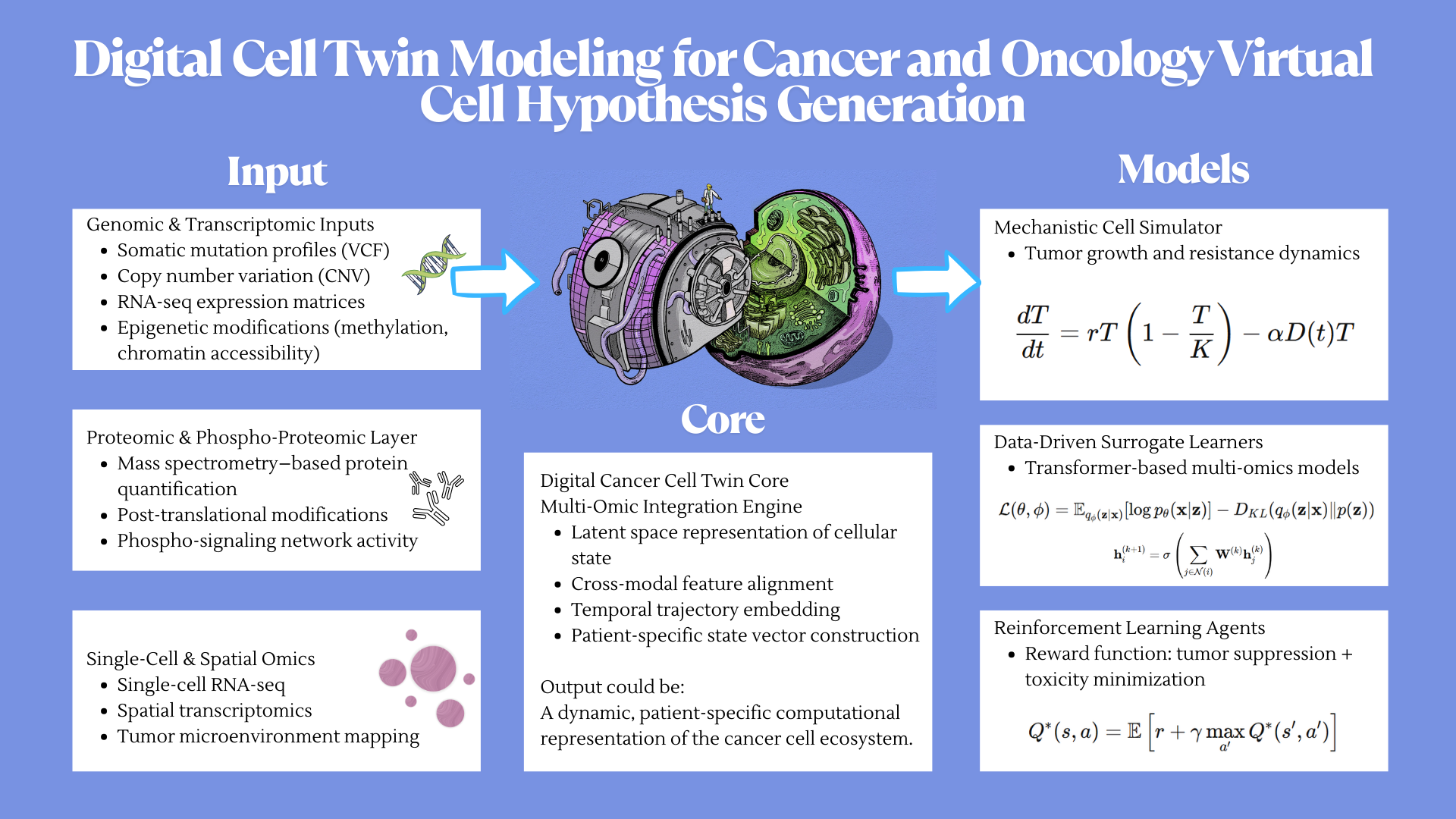
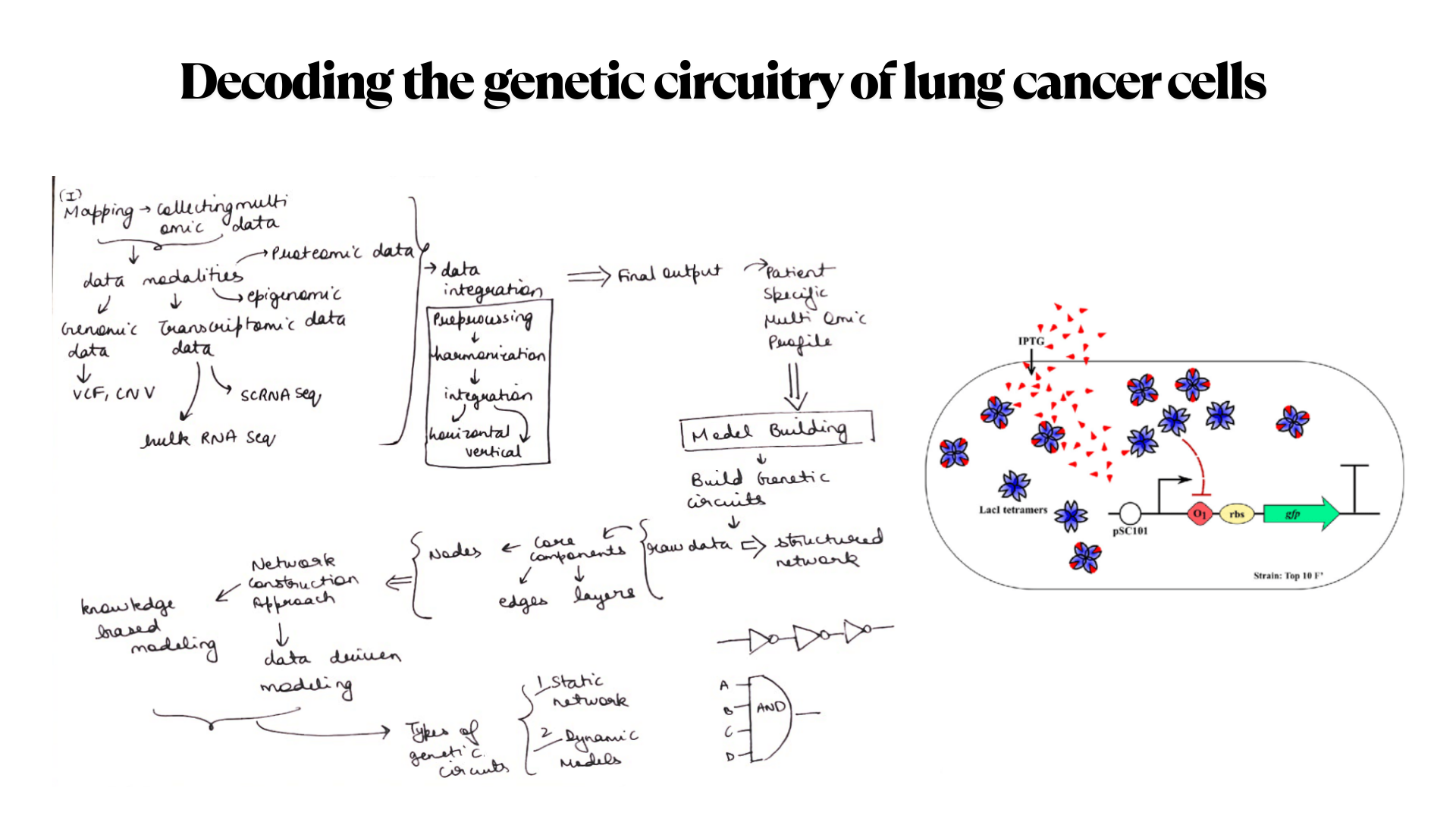
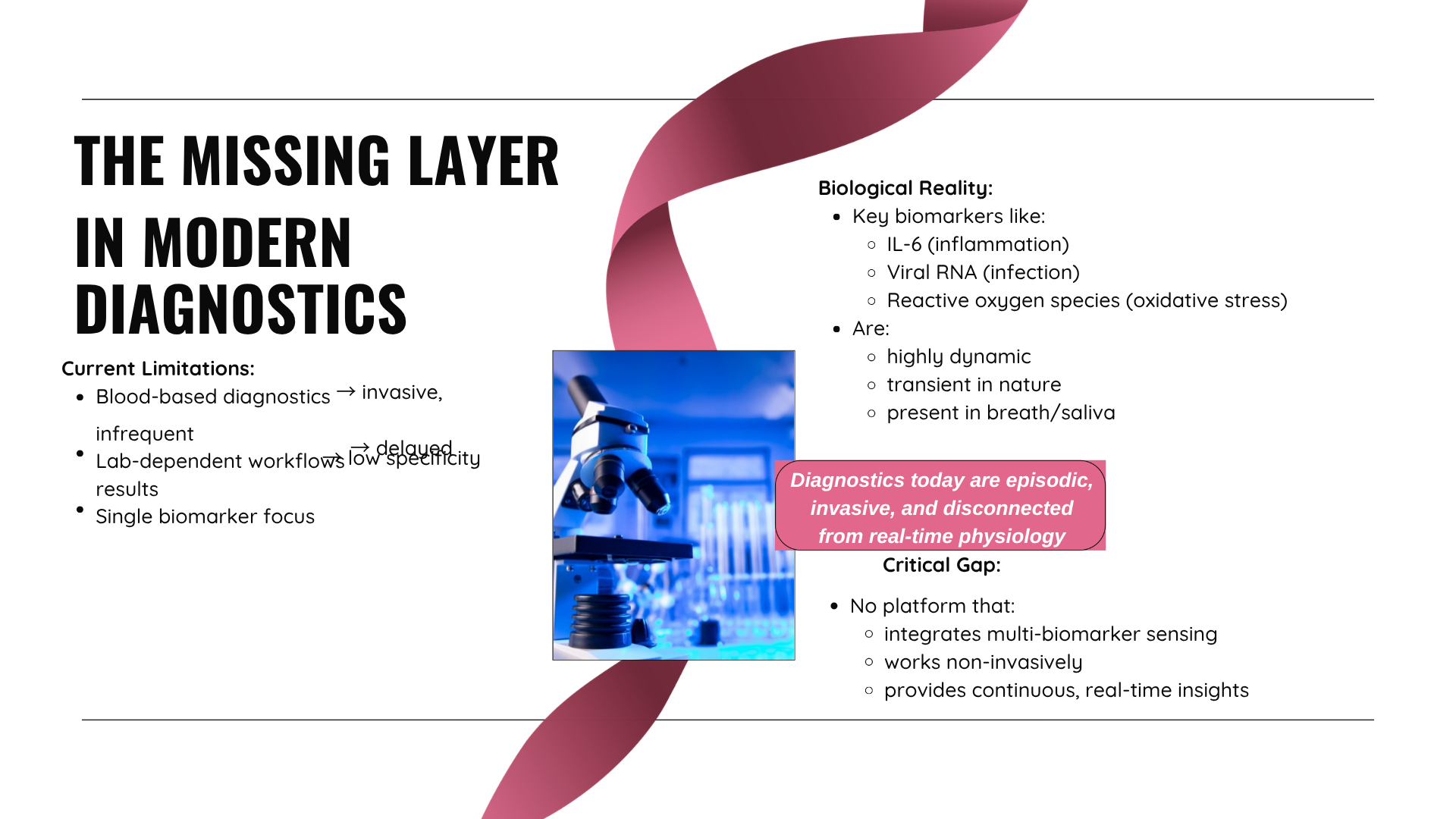
Idea 1 Breathe based diagnositc device Idea 2 Digital Cell Twin Modeling for Cancer and Oncology Virtual Cell Hypothesis Generation Idea 3 Decoding the genetic circuitry of lung cancer cells Later finalized to go with idea number one i.e Real time diagnostic system for lung health monitoring.
Group Formed Proposal: https://docs.google.com/document/d/1ENvPHhRbBgtl0ERrfqmomJKxPg68nfvCugrPQrDdM7o/edit?tab=t.0 Documentation: https://pages.htgaa.org/2026a/ritika-saha/homework/week-05-hw-protein-design-part-ii/index.html By: 2026a-nourelden-rihan, 2026a-ritika-saha, 2026a-rahul-yaji, 2026a-keerthana-gunaretnam
We decided to focus on the main area of increasing the stability of the MS2 phage lysis protein L, with a possible secondary goal of reducing the dependency on host DnaJ, while still maintaining the lysis action. The tools AlphaFold, Clustal Omega, BLAST, ESM, and ESMFold were discussed. BLAST can pull out homologous lysis proteins from the databases. Clustal Omega can create MSAs to identify essential L48-S49 residues, and the pore-forming regions that must not be mutated. ESM can create mutation heatmaps, which can guide the use of ESMFold to obtain highest score foldings in mutatable regions. AlphaFold Multimer predicts whether the subunits of our protein can successfully create a pore in the host membrane, and also to check whether N-terminus can break the interaction with DnaJ. We also identified a few pitfalls, with majors ones dealing with limited training datasets, that may not be properly aligned towards creating a transmembrane lysis protein. Some other pitfalls include the lack of proper annotations for amurins; the possibility of an over-stable protein to form non-functional aggregates; and the vulnerability of modified protein to host proteases.
Subsections of Projects
Individual Final Project
Initially worked upon three different ideas:
Idea 1 Breathe based diagnositc device
Idea 2 Digital Cell Twin Modeling for Cancer and Oncology Virtual Cell Hypothesis Generation
Idea 3 Decoding the genetic circuitry of lung cancer cells
Later finalized to go with idea number one i.e Real time diagnostic system for lung health monitoring.
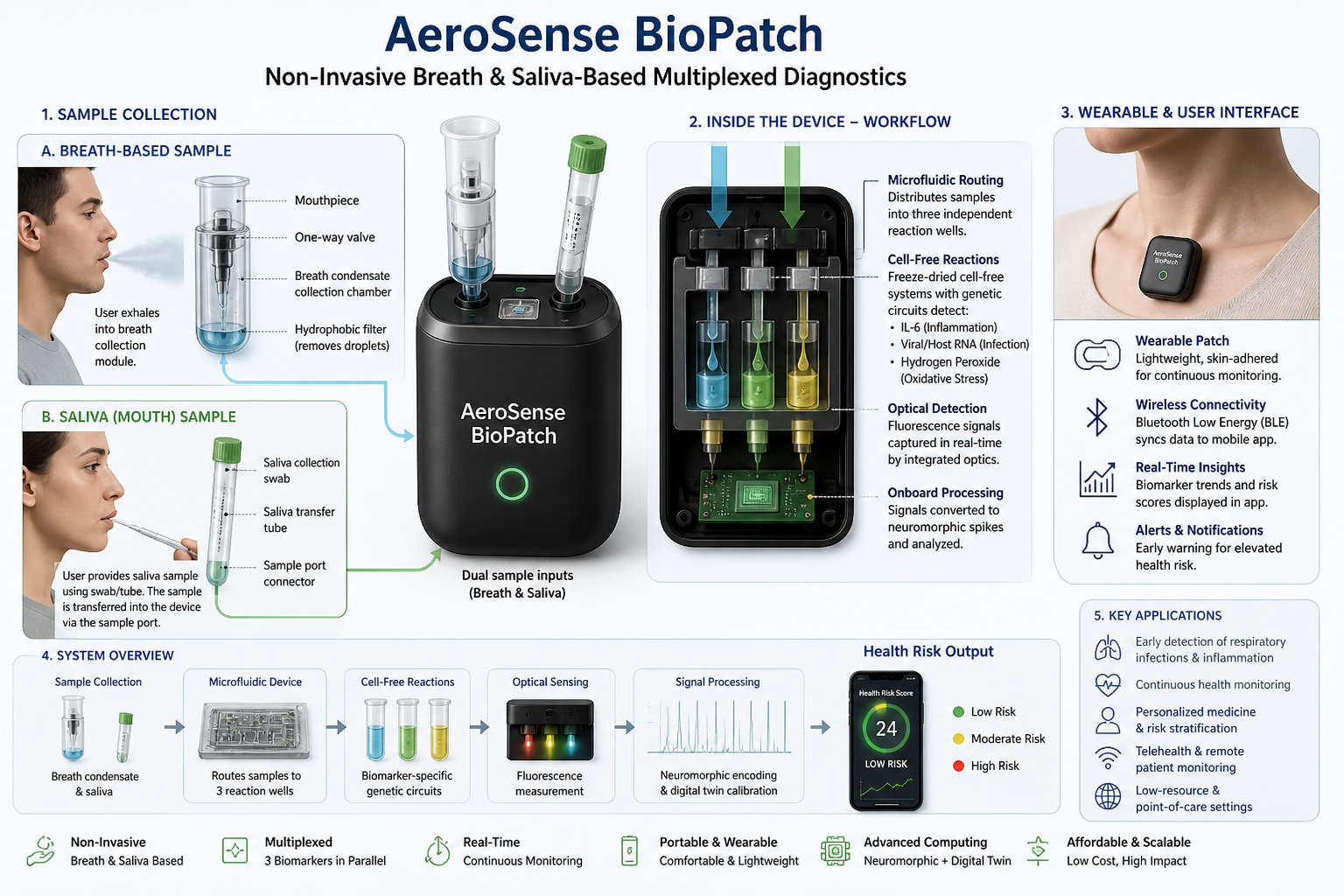
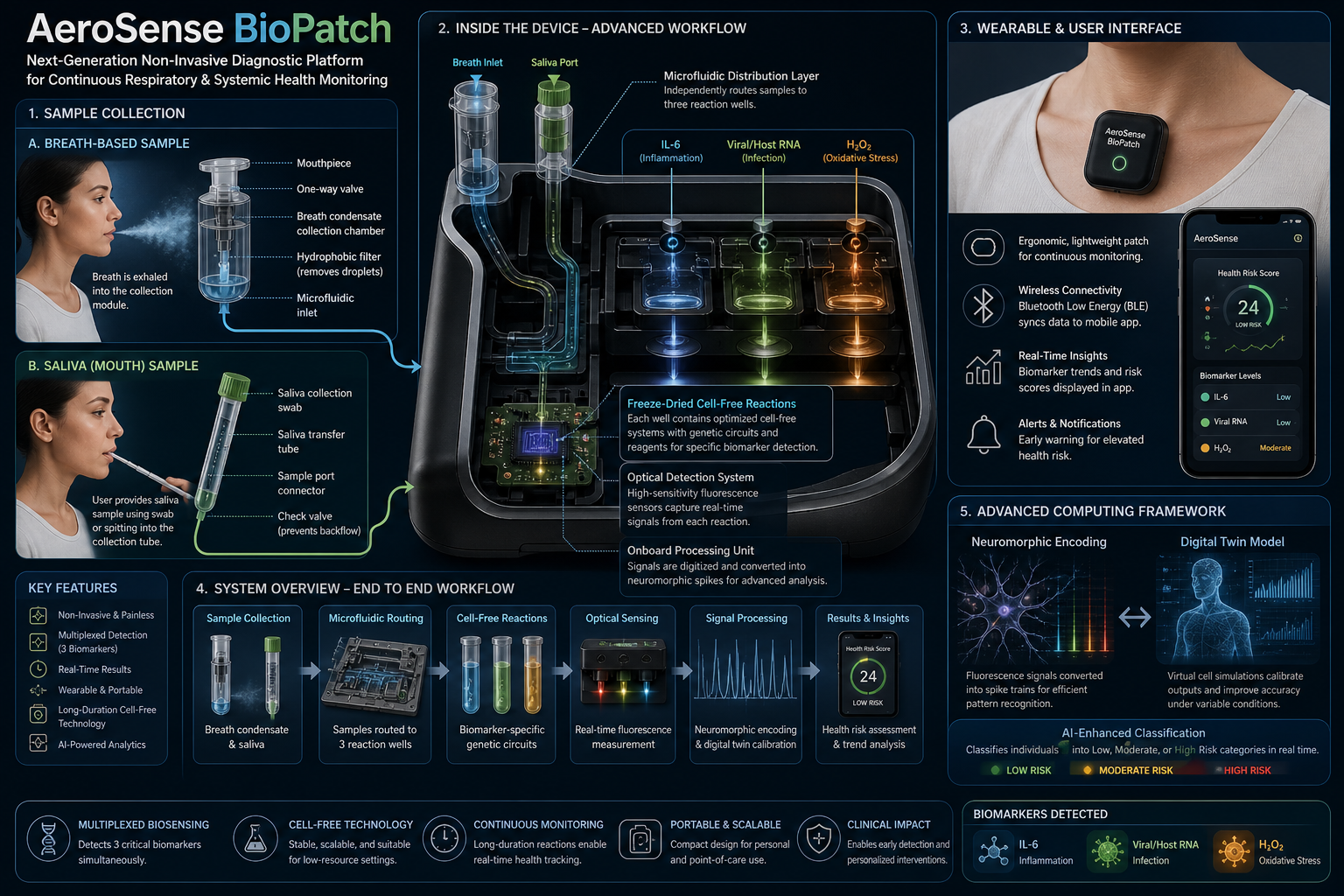
This project proposes the development of a fully integrated, non-invasive diagnostic platform that leverages microfluidics, synthetic biology, and advanced computational modeling to enable real-time health monitoring from breath condensate or saliva. The first aim focuses on the design, fabrication, and validation of a multilayer microfluidic device capable of precisely routing small-volume biological samples into three spatially isolated reaction wells. Each well contains a lyophilized, cell-free transcription–translation (TX–TL) system engineered with synthetic genetic circuits tailored to detect specific biomarkers: interleukin-6 (IL-6) as an indicator of inflammation, viral or host RNA signatures for infection profiling, and hydrogen peroxide as a marker of oxidative stress. Upon rehydration by the incoming sample, these systems initiate programmable biochemical reactions that produce distinct fluorescence outputs. The microfluidic architecture ensures controlled flow dynamics, minimizes cross-contamination, and enables multiplexed biochemical sensing within a compact, portable format. An integrated optical sensing layer captures fluorescence emissions and converts them into quantifiable signals, forming the basis for downstream analysis.
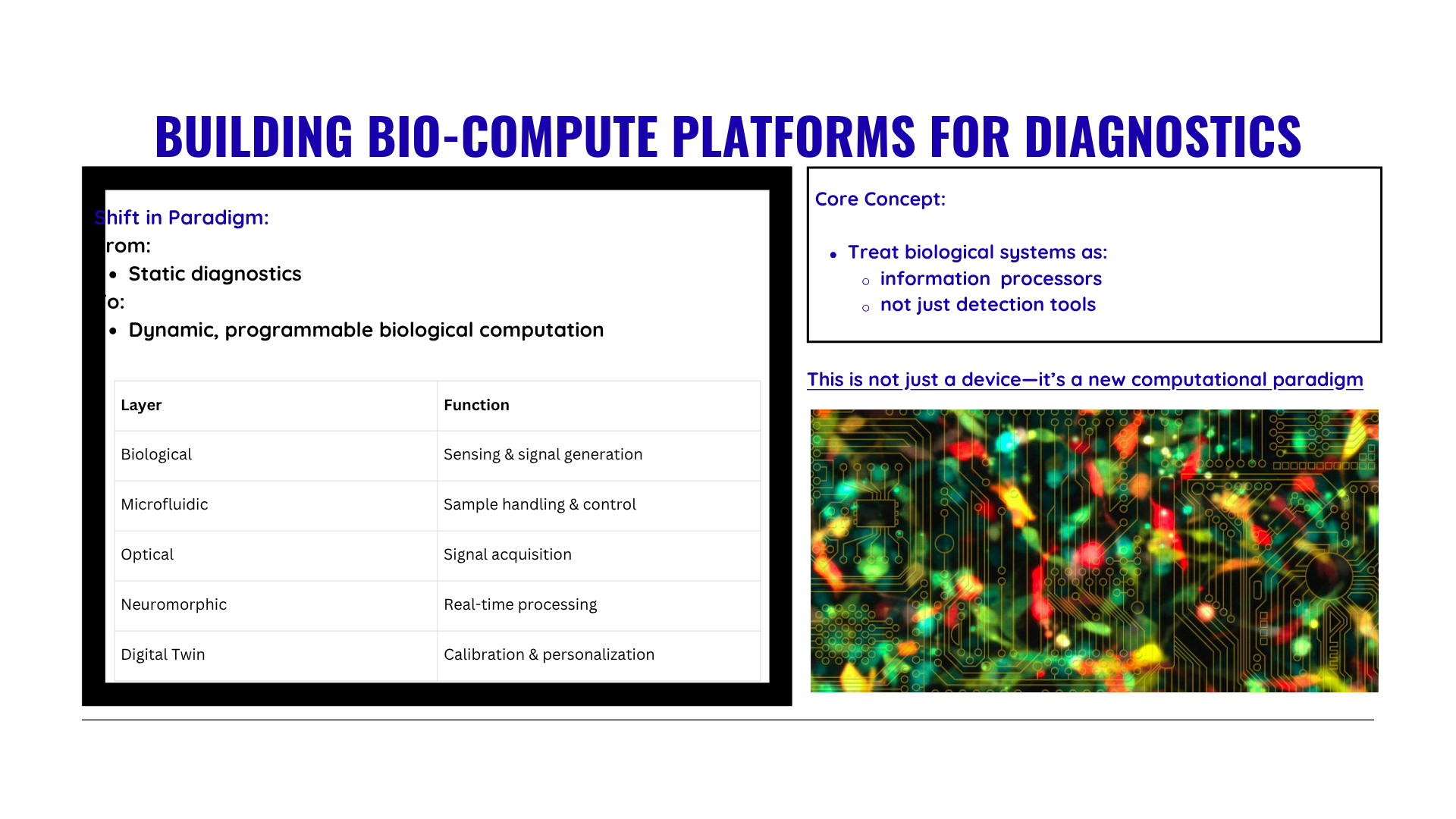
The second aim advances the platform by introducing a computational signal processing framework that transforms fluorescence-derived optical signals into neuromorphic spike trains. This bio-inspired encoding strategy mimics neuronal firing patterns, enabling efficient, event-driven data representation and processing. To address variability inherent in breath and saliva sampling—such as fluctuations in biomarker concentration, humidity, and collection efficiency—the system incorporates a digital twin model grounded in virtual cell simulations. This model replicates the kinetics of the cell-free gene expression systems under varying conditions, allowing for dynamic calibration and normalization of sensor outputs. By integrating experimentally derived data with predictive simulations, the framework enhances both sensitivity and specificity, enabling robust interpretation of weak or noisy biological signals. The coupling of synthetic biology outputs with neuromorphic computation represents a novel paradigm for biosensing, bridging biochemical processes with adaptive, intelligent data processing.
The third aim synthesizes these components into a unified diagnostic platform capable of classifying individuals into clinically relevant health risk categories in real time. By combining multiplexed biomarker detection with computationally enhanced signal interpretation, the system provides a holistic assessment of respiratory and systemic health. The non-invasive nature of breath and saliva sampling enables frequent, longitudinal monitoring without discomfort or risk, making the platform particularly suitable for early disease detection and preventive care. The integration of microfluidics, programmable biology, and digital modeling establishes a scalable and portable solution that could be deployed in point-of-care settings or for at-home monitoring. Ultimately, this project aims to transform diagnostic practices by enabling continuous, personalized health surveillance, reducing reliance on centralized laboratory testing, and facilitating timely clinical intervention.
Description:
Synthetic DNA construct encoding a T7 promoter-driven gene expression cassette for cell-free system applications. The construct includes a regulatory 5′ UTR containing an aptamer-based RNA structure, ribosome binding site (RBS), reporter gene (sfGFP), and transcription terminator. Designed for in vitro transcription-translation (TX-TL) systems and biosensing applications.
SECTION 1: ABSTRACT
Respiratory diseases and systemic inflammation are often diagnosed only after symptoms become severe, limiting opportunities for early intervention. This project addresses the need for a real-time, non-invasive diagnostic platform capable of continuously monitoring key biomarkers in breath condensate or saliva. The overall purpose is to develop a microfluidic, cell-free biosensing system that integrates synthetic biology with computational signal processing to enable early disease detection.
The central hypothesis is that combining optimized cell-free gene expression systems with biomarker-specific genetic circuits and computational signal interpretation will enable sensitive, real-time detection of disease-relevant molecules. The project focuses on three biomarkers: IL-6 (inflammation), viral/host RNA (infection), and hydrogen peroxide (oxidative stress). Specific aims include designing a microfluidic device with independent reaction chambers, optimizing cell-free reactions to maximize fluorescence output, and developing a neuromorphic signal processing framework calibrated with a digital twin model.
Methods include DNA construct design (T7-driven sfGFP reporter with aptamer regulation), cell-free transcription-translation (TX-TL) optimization, microfluidic integration, and fluorescence-to-signal conversion. The expected outcome is a scalable, portable diagnostic system capable of continuous health monitoring, with potential applications in early disease detection, personalized medicine, and low-resource healthcare settings.
SECTION 2: PROJECT AIMS
Aim 1: Experimental Aim
The first aim of my final project is to design and validate a microfluidic device that enables controlled entry of breath condensate or saliva samples into three independent reaction wells, each containing a freeze-dried cell-free gene expression system engineered with specific genetic circuits to detect IL-6, viral/host RNA, and hydrogen peroxide, producing distinct fluorescence outputs measurable via an integrated optical sensing layer.
Aim 2: Development Aim
The second aim is to develop an integrated signal processing framework that converts fluorescence-derived optical signals into neuromorphic spike trains and calibrates them using a digital twin model based on virtual cell simulations, improving sensitivity, specificity, and robustness to sampling variability.
Aim 3: Visionary Aim
The third aim is to establish a fully integrated, non-invasive diagnostic platform that combines synthetic biology, microfluidics, and neuromorphic computing to classify individuals into health risk categories in real time, enabling continuous and personalized monitoring of respiratory and systemic health.
SECTION 3: BACKGROUND
Literature Context
Cell-free systems have become powerful tools for diagnostics due to their programmability and portability. Several studies have demonstrated that freeze-dried TX-TL systems can detect viral RNA and environmental signals outside of laboratory settings. Additionally, certain studies have shown that optimizing energy systems (e.g., glucose and ribose) significantly improves protein yield and reaction duration in cell-free systems.
Despite these advances, current systems often lack long-term stability, multiplexing capability, and integration with computational frameworks. This project addresses these limitations by combining multi-biomarker detection, optimized reaction chemistry, and real-time signal processing.
Multiplexed detection of multiple biomarkers in parallel
Biochemical optimization (Mg²⁺, glucose, nucleotides) for long-duration expression
Additionally, the use of a digital twin model to interpret biological signals introduces a novel interface between synthetic biology and computational modeling.
Impact
This project targets the major challenge of early detection of respiratory and systemic diseases. Current diagnostics are often invasive and episodic, missing dynamic changes in patient health. By enabling continuous monitoring, this system could transform healthcare toward preventive and personalized medicine.
The platform could be deployed in low-resource settings due to its portability and low cost, improving global health equity. It also reduces reliance on centralized laboratories and enables rapid response to infectious disease outbreaks. Scientifically, this work advances synthetic biology by demonstrating how biochemical tuning and computational integration can enhance system performance.
Ethical Implications
This project raises ethical considerations related to data privacy, accessibility, and responsible deployment of diagnostic technologies. The principle of beneficence applies, as the system aims to improve early detection and health outcomes. However, justice must be ensured so that such technologies are accessible across socioeconomic groups and do not exacerbate healthcare disparities.
To ensure ethical implementation, safeguards must be established for data security and informed consent, especially when continuous monitoring is involved. Potential unintended consequences include overdiagnosis or anxiety due to continuous health tracking. To mitigate this, the system should be used as a decision-support tool rather than a standalone diagnostic, and results should be interpreted alongside clinical expertise. Regulatory oversight and transparent validation are essential to ensure safety and reliability.
SECTION 4: EXPERIMENTAL DESIGN
DNA Construct (Benchling Design)
T7 Promoter
5′ UTR with aptamer-based regulatory element
Ribosome Binding Site (RBS)
sfGFP reporter gene
Transcription terminator
This design enables biomarker-responsive translation control, where the aptamer regulates expression based on target molecules.
Signal processing → improved classification accuracy
Techniques Used
✔ Cell-Free Systems
✔ DNA Construct Design
✔ Microfluidics
✔ Lab Automation
✔ Data Analysis
✔ Bioethical Considerations
Technique Expansion
Cell-Free Systems
Used to express reporter proteins in a controlled environment. Enables rapid testing and optimization without living cells.
DNA Construct Design
Used to engineer biomarker-responsive circuits using aptamers and regulatory elements controlling sfGFP expression.
SECTION 5: RESULTS & VALIDATION
Validation
I validated my project by designing and optimizing a cell-free sfGFP expression system with enhanced reagent composition to maximize fluorescence output.
Protocol
Prepare optimized master mix
Add lysate, DNA, supplement
Incubate at 30°C
Measure fluorescence over 36 hours
Techniques Used
Cell-free reactions enabled rapid testing of protein expression. DNA design ensured efficient transcription and translation. Optimization of Mg²⁺ and glucose improved yield. Fluorescence measurement provided quantitative validation.
We decided to focus on the main area of increasing the stability of the MS2 phage lysis protein L, with a possible secondary goal of reducing the dependency on host DnaJ, while still maintaining the lysis action.
The tools AlphaFold, Clustal Omega, BLAST, ESM, and ESMFold were discussed.
BLAST can pull out homologous lysis proteins from the databases.
Clustal Omega can create MSAs to identify essential L48-S49 residues, and the pore-forming regions that must not be mutated.
ESM can create mutation heatmaps, which can guide the use of ESMFold to obtain highest score foldings in mutatable regions.
AlphaFold Multimer predicts whether the subunits of our protein can successfully create a pore in the host membrane, and also to check whether N-terminus can break the interaction with DnaJ.
We also identified a few pitfalls, with majors ones dealing with limited training datasets, that may not be properly aligned towards creating a transmembrane lysis protein.
Some other pitfalls include the lack of proper annotations for amurins; the possibility of an over-stable protein to form non-functional aggregates; and the vulnerability of modified protein to host proteases.