Week 7 HW: Genetic Circuits II
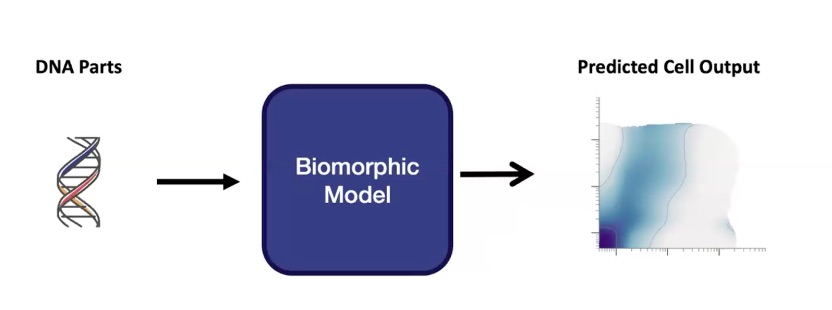
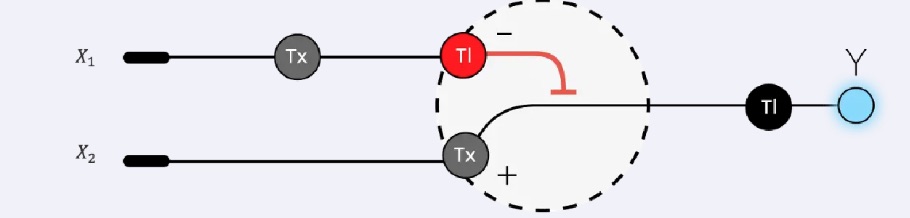
Traditional genetic circuits based on Boolean logic work in a binary way, where genes are basically either on or off. In contrast, IANNs use analog signalling, meaning they can process information in a more continuous and brain-like way. Instead of just sensing whether a signal is there or not, they can also respond to how strong the signal is, which is important because biological systems are noisy and constantly changing.
One major advantage of IANNs is that they allow much finer control over gene expression instead of relying on strict thresholds. They are also more robust to stochastic biological noise, making them better suited to real cellular environments. Unlike simple AND/OR logic gates, IANNs can integrate and weight multiple inputs at the same time, similar to artificial neural networks, allowing for much more complex decision-making. They can also perform these functions with fewer genetic components, which reduces metabolic burden on the cell. Overall, IANNs are more flexible, scalable, and capable of handling complex biological tasks than traditional Boolean genetic circuits.
One useful application of an IANN would be cancer detection and targeted therapy. In the lecture, Rob Weiss discussed using around 10 different biomarkers to identify whether a cell is cancerous, which I found incredibly inspiring because it highlights how future cancer therapies could become far more precise and intelligent. Detecting cancer often depends on recognising complex patterns between many biomarkers rather than relying on a single signal, and this is where IANNs become especially powerful. They could process combinations of RNA expression, protein levels, mutations, and metabolic signals simultaneously to identify more nuanced cancer signatures that traditional genetic circuits might miss.
The output of the system could then trigger a therapeutic response only when the overall cellular profile strongly matches a cancerous state. For example, the circuit could activate apoptosis-inducing genes, release immune-signalling molecules, or express fluorescent markers for detection. Because these systems can integrate and weight multiple biological signals continuously, they could potentially reduce false positives and distinguish cancer cells from healthy cells more accurately. Rob Weiss also mentioned the possibility of tailoring these genetic networks to specific tumour profiles or patients in the future, allowing for even more targeted treatments.
However, there are still limitations. Biomarker expression is noisy and variable, making it difficult to perfectly tune the system across different cells and environments. Delivering these genetic circuits safely into the body and preventing unintended activation in healthy tissue also remains a major challenge. In addition, larger and more complex networks may place metabolic burden on the cell and become harder to engineer reliably.
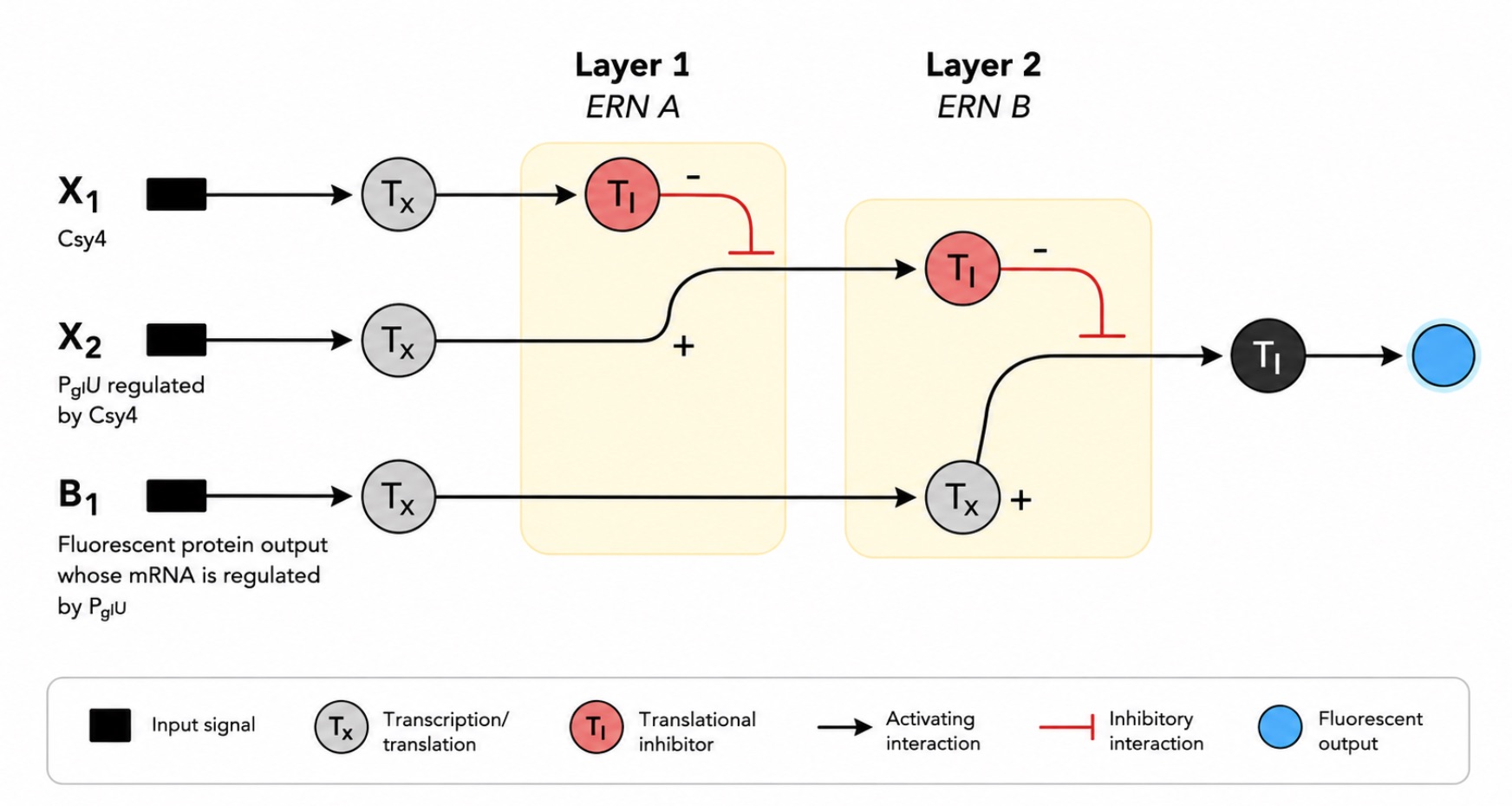
Draw a diagram for an intracellular multilayer perceptron where layer 1 outputs an endoribonuclease that regulates a fluorescent protein output in layer 2.
Examples of fungal materials include mycelium-based composites and biocement. Mycelium materials are already being used for sustainable packaging, insulation, furniture, leather alternatives, and experimental building materials. In class, Renn also talked about her work with NASA exploring mycelium-based space habitats, which I thought was incredibly cool. The idea is that astronauts could potentially grow building materials directly in space instead of transporting heavy construction materials from Earth. Honestly, one day I would love to have space mushroom farmer as my LinkedIn title xD.
One of the main advantages of fungal materials is that they are biodegradable, sustainable, and can often be grown from agricultural or food waste. They are lightweight, easy to shape, and provide good thermal and acoustic insulation. Compared to traditional materials, they also tend to have a much lower environmental impact and require less energy to produce.
However, there are still limitations. Fungal materials are often weaker and more brittle than conventional materials like plastics, concrete, or metals. They can also be difficult to scale consistently because biological growth is sensitive to environmental conditions such as temperature and humidity. In addition, growing these materials takes time, making production slower than traditional manufacturing methods.
One interesting goal would be to genetically engineer fungi to produce stronger, more flexible, and programmable materials that could be used in things like textiles, wearable technology, furniture, or even durable building components. Right now, many mycelium-based materials are lightweight and sustainable but can still be brittle compared to traditional materials. By modifying how the fungal cell wall is formed or introducing proteins that alter the mechanical properties of the mycelium network, it may be possible to create fungal materials with tunable strength, elasticity, or even responsive behaviours. I also think it would be fascinating to engineer fungi that could self-repair damage or adapt to different environmental conditions, especially for applications like sustainable architecture or even future space habitats.
One major advantage of using fungi for synthetic biology instead of bacteria is that fungi naturally grow as large interconnected networks of mycelium, making them much better suited for producing macroscopic structures and materials. Bacteria are generally better for producing small molecules or chemicals, whereas fungi can physically grow into complex 3D forms. Fungi can also grow on inexpensive agricultural waste and be shaped directly in moulds during growth, making fabrication relatively sustainable and low-cost. In addition, fungi are eukaryotic organisms, meaning they can carry out more complex post-translational modifications and biological processes than bacteria, which can be useful for engineering advanced material properties.