Week 3 Lab Automation
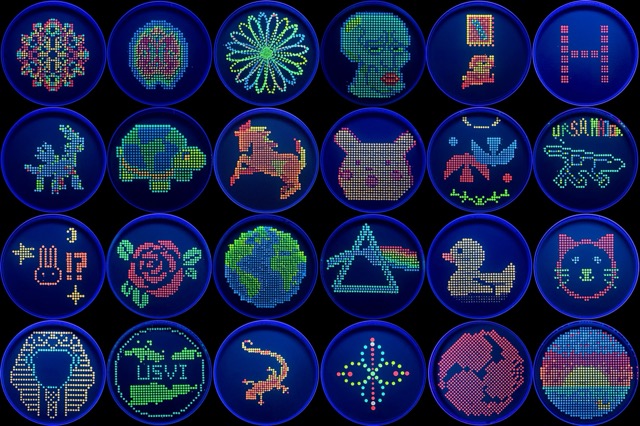
In Lab 3 I learnt about Opentrons and how lab automation can turn biology into something creative and visual. We used the Opentrons OT-2 pipetting robot to precisely deposit genetically engineered E. coli onto black charcoal agar plates. These bacteria were engineered to express fluorescent proteins in different colors, so when the plates were placed under UV light, the patterns we programmed glowed brightly.
It was a cool mix of automation and biology. Instead of manually pipetting, we let the robot handle the precise liquid handling, which made it possible to create detailed, glowing bio-art designs. It felt like combining coding, synthetic biology, and art into one project, and it gave a glimpse of how automation can scale up much more serious biological experiments too.
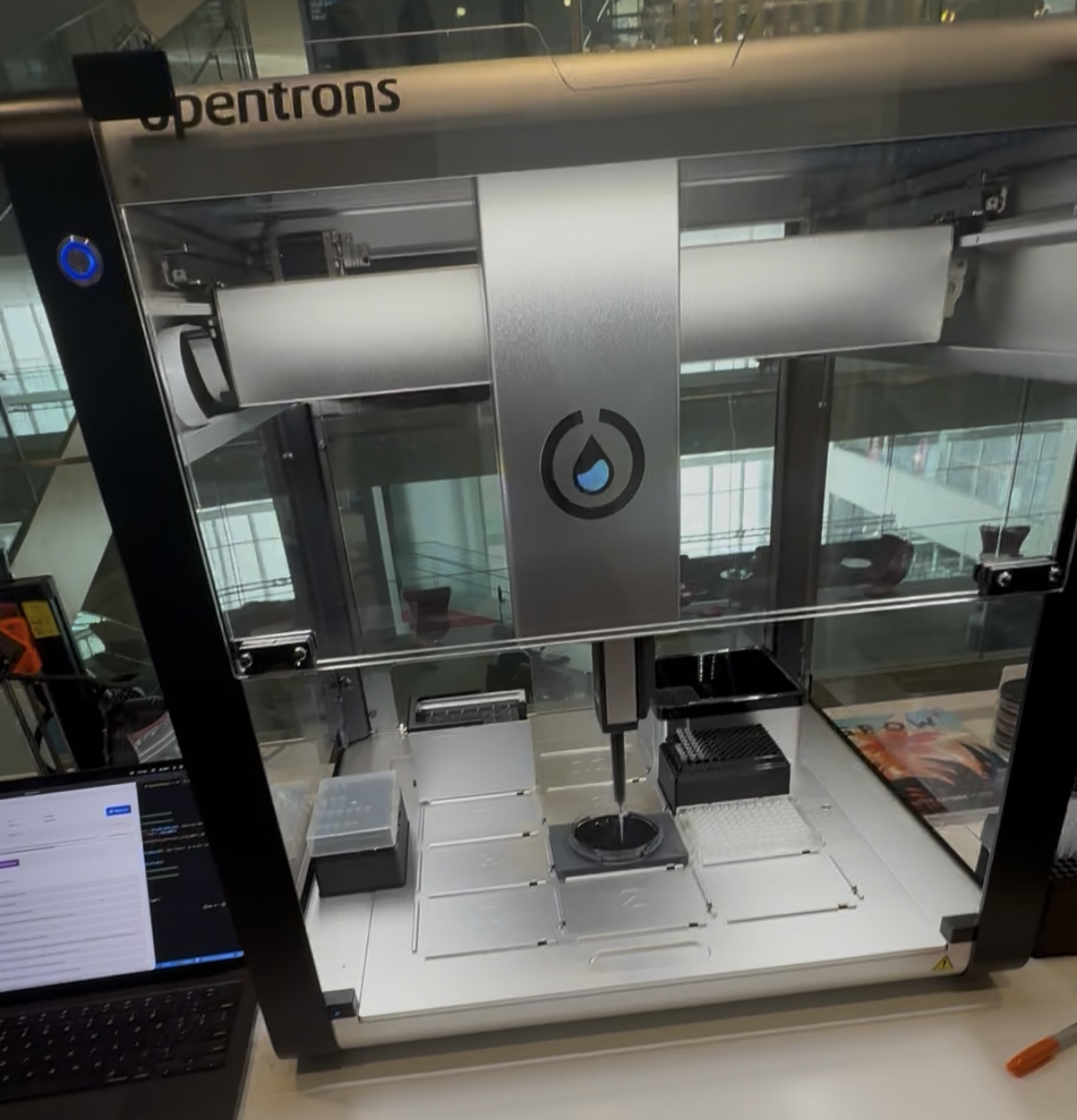
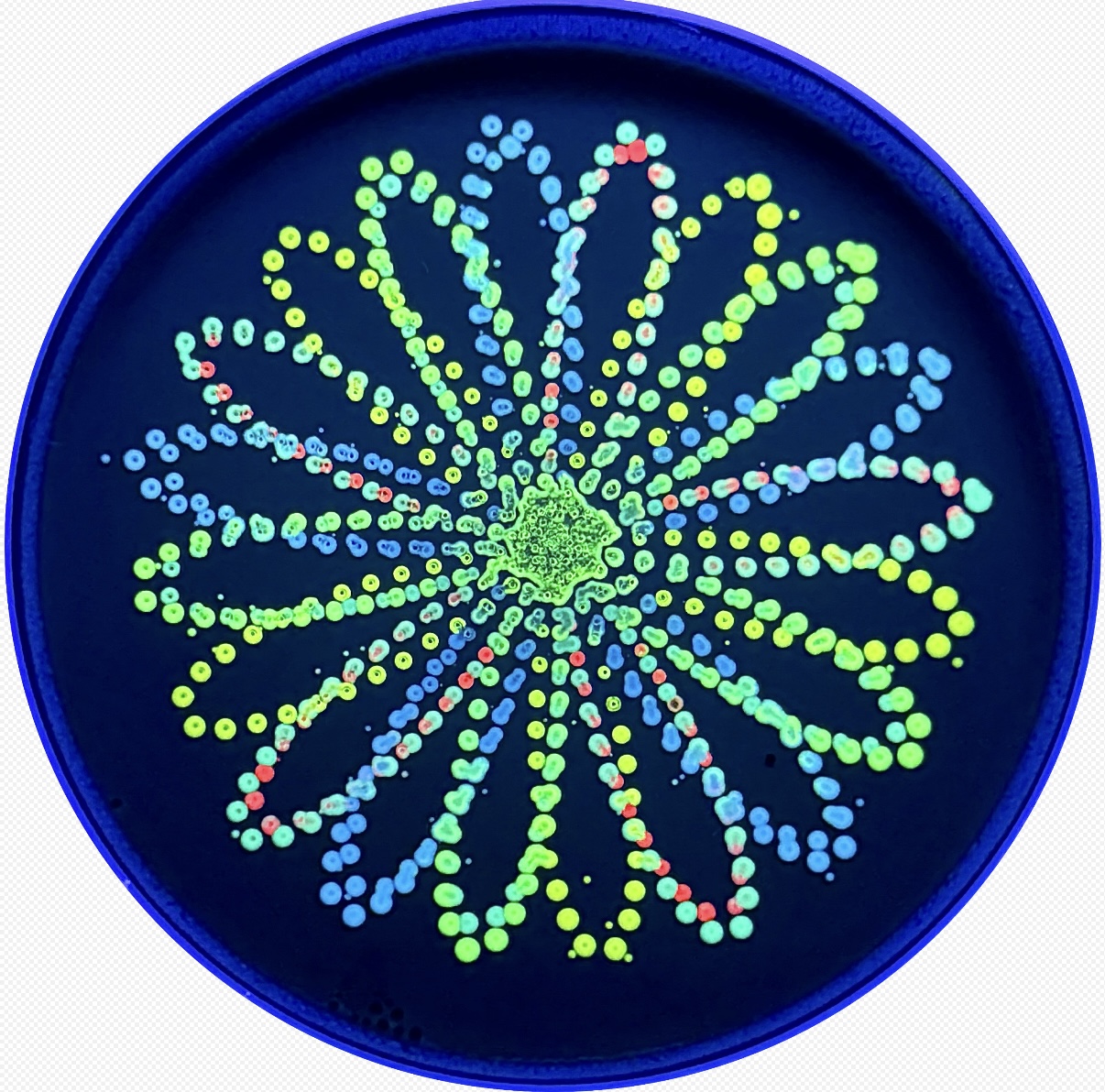
We learned how to use the Opentrons Python API to write a protocol, essentially a set of instructions that controls the robot’s pipettes. Instead of manually pipetting, we defined coordinates, volumes, and movement steps in code so the robot could deposit liquid precisely into specific wells to create a defined pattern.
Also we could simulate the protocol before running it on the actual robot. This let us preview how the design would look, check for mistakes, and adjust the pattern in software first.
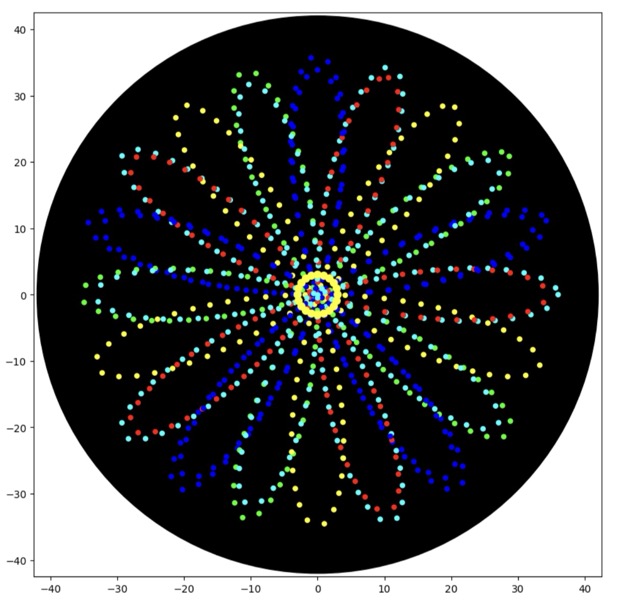
https://opentrons-art.rcdonovan.com/
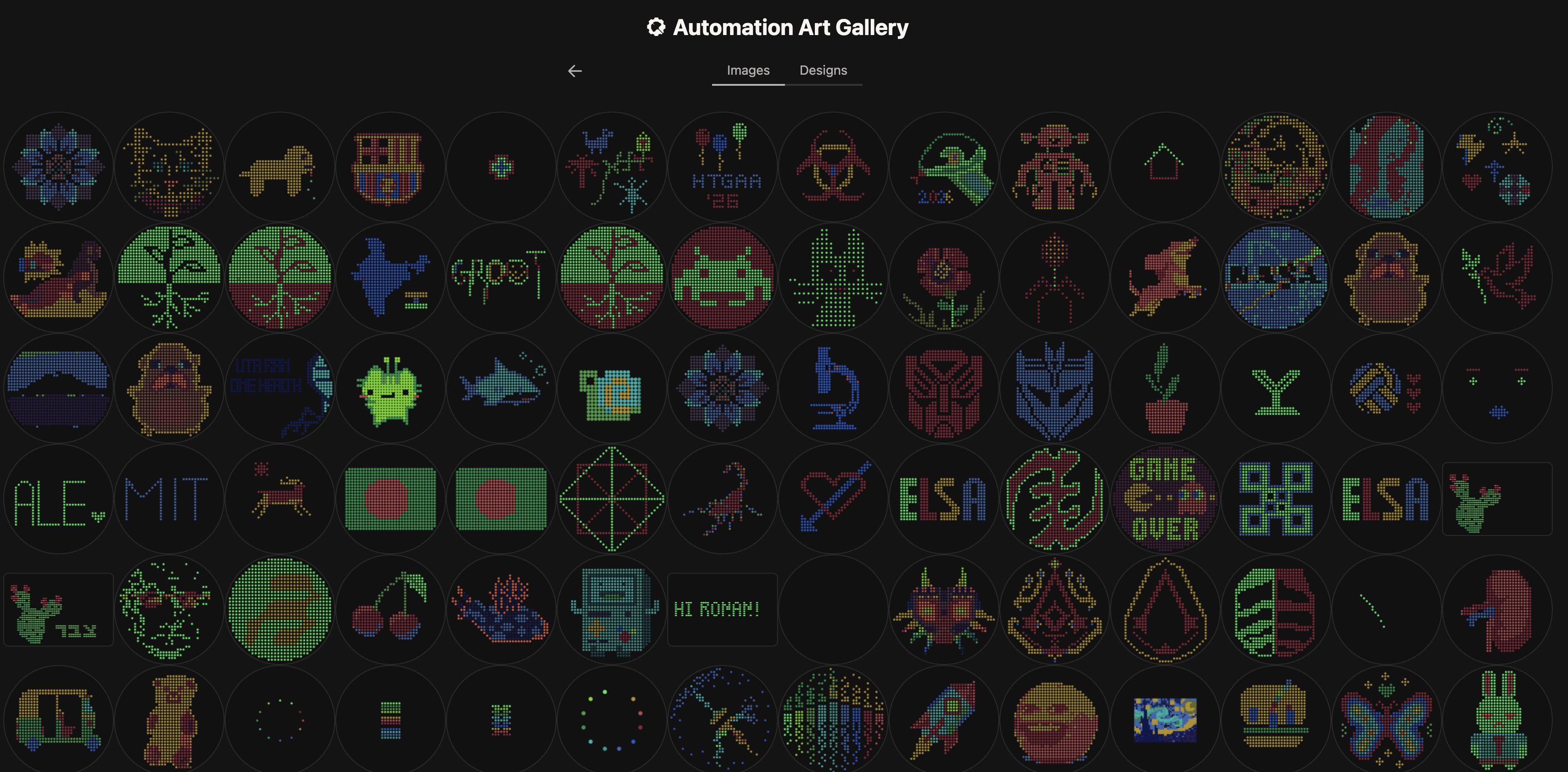
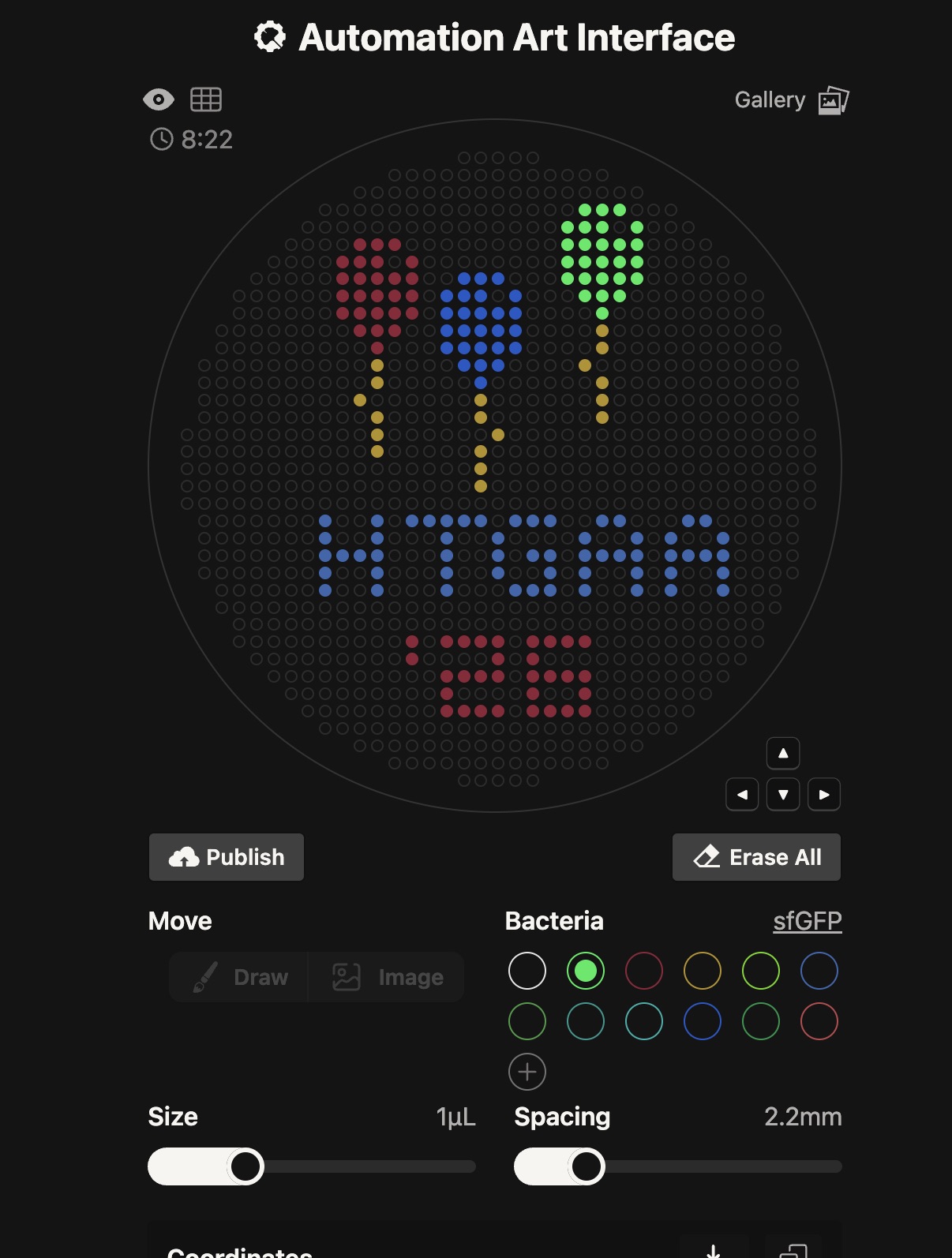
One of the coolest parts of this lab was using Opentrons Art, a tool built by TA Ronan that turns lab automation into a creative platform. Instead of writing everything from scratch in Python, this interface dramatically simplifies the workflow for creating agar-based designs. You can literally paint directly onto a virtual plate or upload an image, and the tool converts it into a protocol-ready layout for the robot.
What makes it profound is it’s become a living archive of art created by HTGAA students over time. It transforms a liquid-handling robot into a medium for expression, blending synthetic biology, automation, and visual design!
- Write a description about what you intend to do with automation tools for your final project. You may include example pseudocode or Python scripts, procedures you may need to automate, 3D printed holders you may need, and more.
I want to use the Opentrons to prototype my bio-self healing blanket idea by automating two core parts of the project. First, I could screen different conditions that encourage biological mineralization or coating formation on scaffold materials. Second, I could test simplified self-healing systems where engineered cells or cell-free reactions deposit repair material in response to specific chemical damage signals. The robot is useful because it can run large combinatorial matrices of pH, ions, nutrients, and precursor concentrations with precision and consistency, and it can repeat dosing, media swaps, and sampling over time without constant manual pipetting.
In the first automated pipeline, I would distribute different mineralization conditions across a multiwell plate containing scaffold coupons. At set times, the Opentrons would refresh media, add precursor doses, and take small aliquots for downstream measurements. In the second pipeline, I would generate gradients of damage cues such as ionic strength or pH and then introduce cells plus repair precursors to see whether deposition localizes to the most damaged regions. This becomes a fast, reproducible way to test both the “architect” build phase and the “maintenance crew” repair phase of the concept.
- Find and describe a published paper that utilizes the Opentrons or similar automation tools to achieve novel biological applications (eg automated PACE)
The paper DNA-BOT: a low-cost, automated DNA assembly platform for synthetic biology shows how researchers used an Opentrons OT-2 robot to automatically assemble DNA instead of doing everything by hand. They built 88 different genetic constructs in parallel, mixing and matching promoters and genes to explore lots of combinations quickly and cheaply. The big takeaway is that you don’t need an expensive biofoundry anymore a relatively affordable lab robot can handle high-throughput DNA building for everyday research labs.