Week 7: Neuromorphic Circuits and Mycelium
This two-day lab became a major source of inspiration for my final project!
Using a library of plasmids from the Ron Weiss Lab and HEK293 cells, we designed and built an intracellular artificial neural network (IANN). Unlike traditional synthetic genetic circuits that are largely limited to digital logic, IANNs can perform analog computation and act as universal function approximators, meaning that with enough intracellular artificial neurons they can generate highly complex and tunable cellular responses.
This directly inspired my project’s broader goal of combining externally controlled inputs, such as magnetic-field-guided receptor activation, with neuromorphic circuits to create more adaptive and dynamically programmable cellular systems.
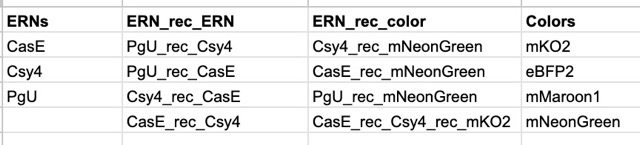
Here were all the components we had available to us for the experiment.
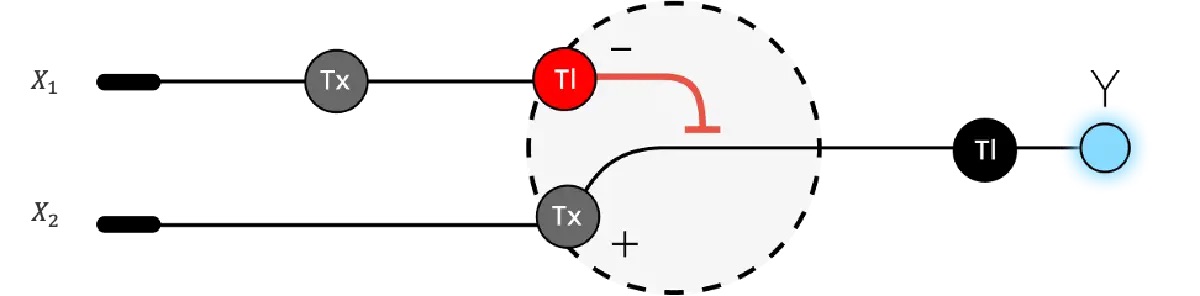
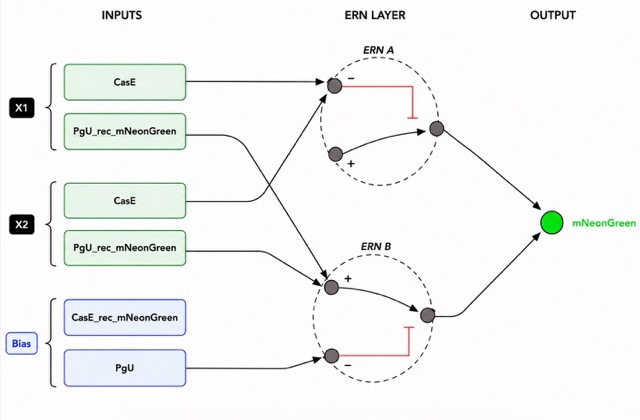
Here is the circuit architecture I designed to run in the neuromorphic wizard:
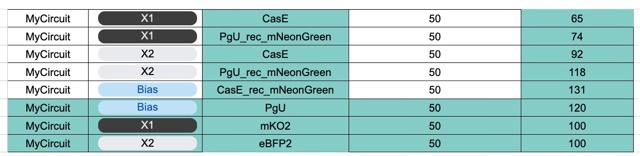
The "Concentration" column will always be 50 ng/μL and the sum of all numbers in the "DNA wanted (ng)" column should never exceed 800.
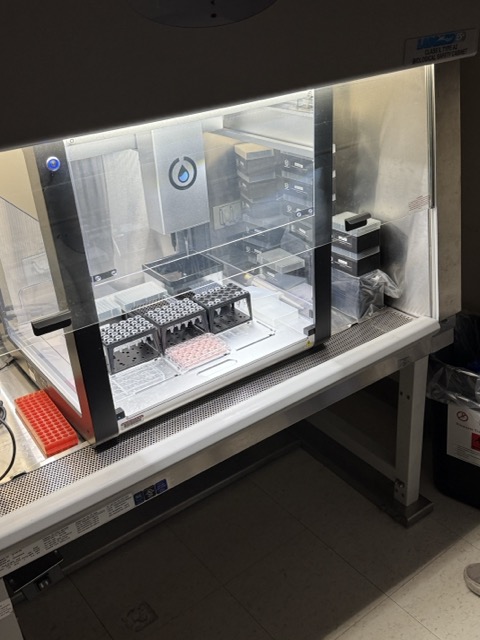
On day 2, we visited the Weiss Lab, where Evan initiated the Opentrons workflow used to assemble our neuromorphic circuits. We also observed immortalized human cells under the microscope, which provided a firsthand introduction to experimental mammalian cell biology and the cellular systems underlying these genetic circuits.
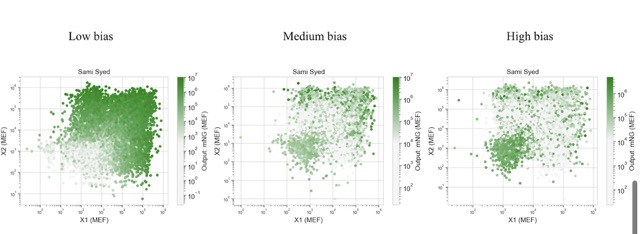
Here was the results we obtained:
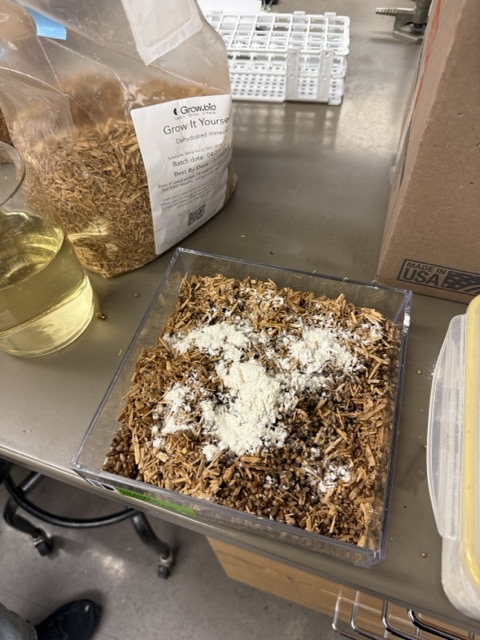
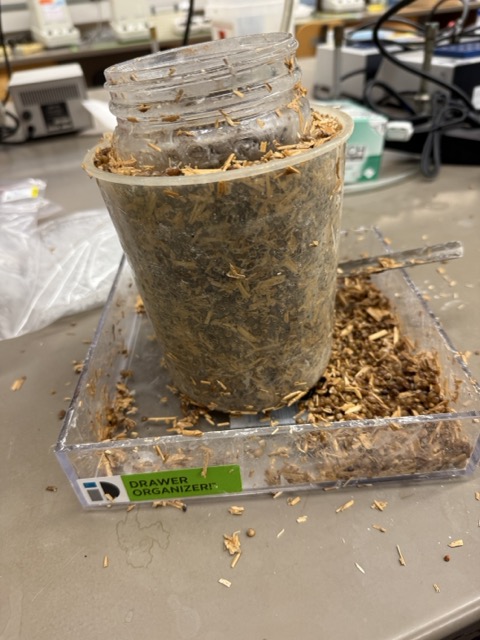
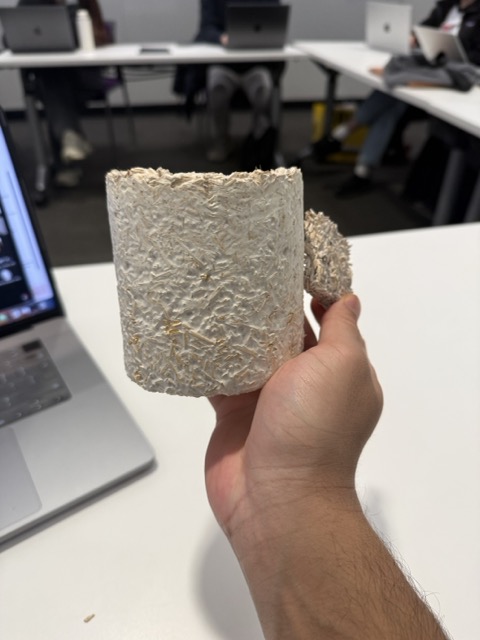
In the spirit of how to grow, we actually grew something too - mycelium biomaterials following this set of instructions with Ren!