Week 3 HW: Lab Automation
This page tackles all homeworks of week 3.
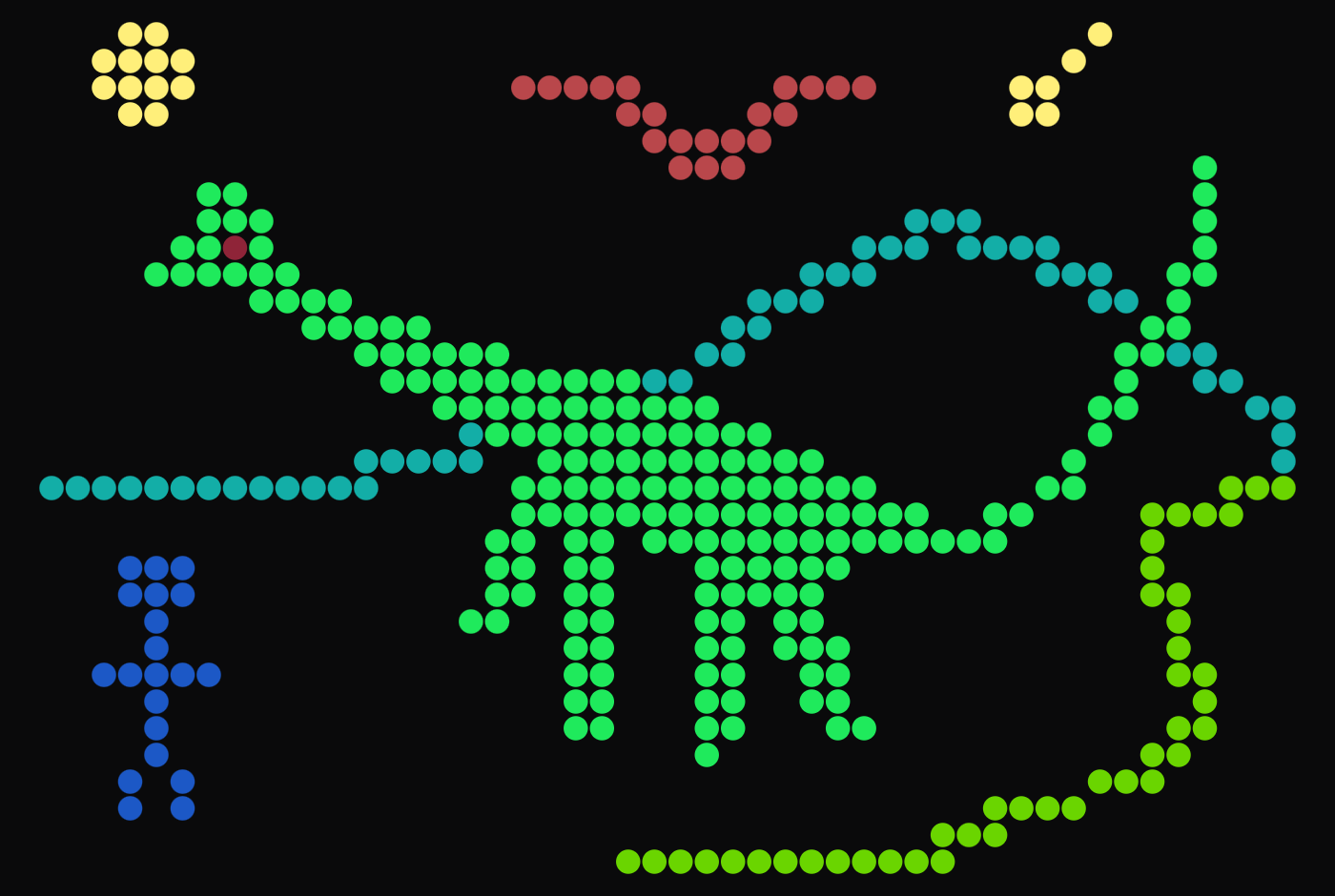
- Artistic Design Generation:
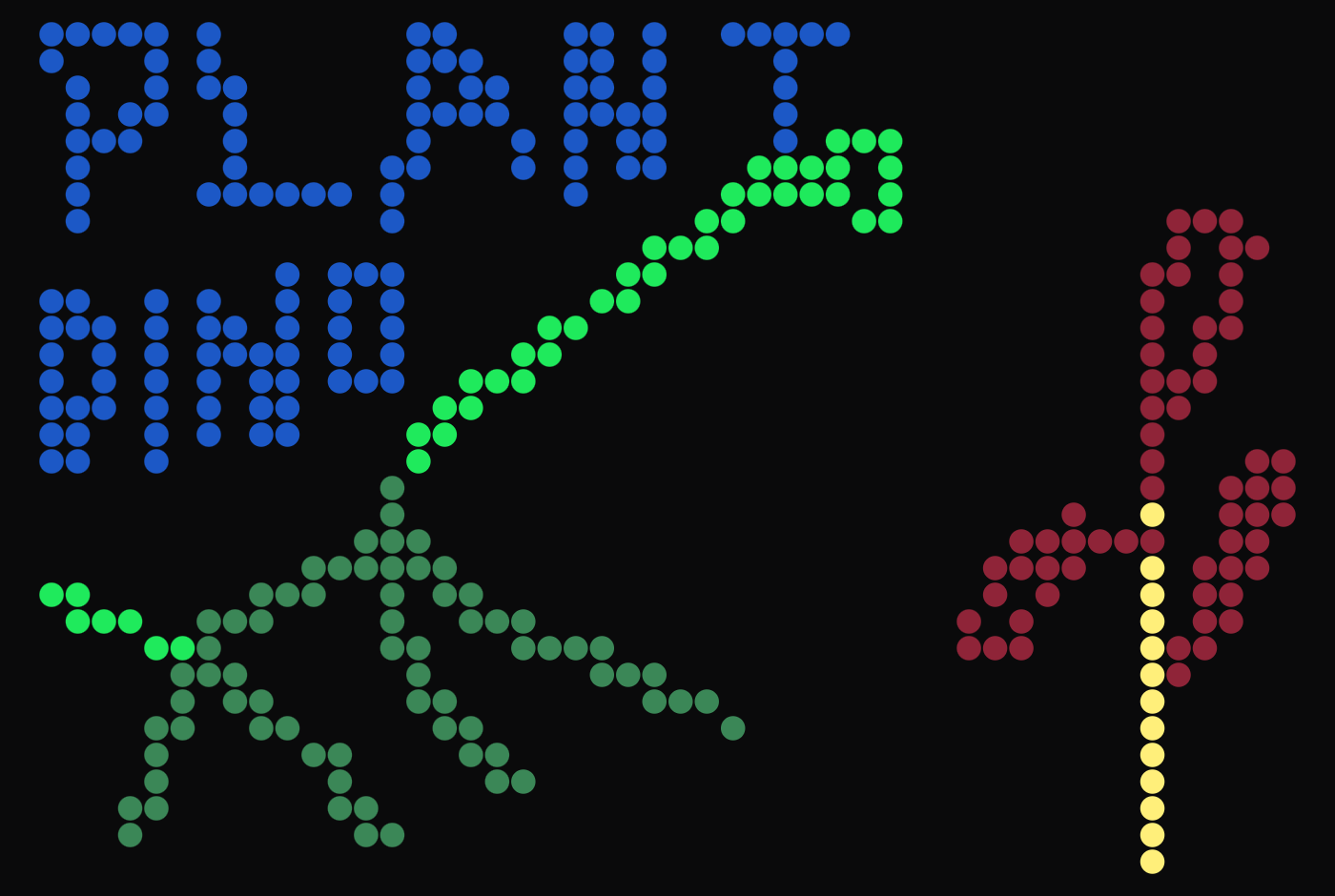

Image generated in my collab notebook is of lower quality.
Find and describe a published paper that utilizes the Opentrons or an automation tool to achieve novel biological applications.
The Million Molecule Challenge by Ora Biomedical aims to find the best combination-drugs for enhancing C. Elegans longevity. They developed an autonomous lab that can capture this data continuously throughout the worm’s lifespan (and the worm with the longest healthspan makes its combinatorial drug intervention win). This can be extended to larger lifeforms with novel automations.
(Post this point, I have had to use AI help extensively for my homeworks, as almost everything is brand new to me.)
Final Project Automation Strategy
For my final project investigating co-translational folding differences between wild-type and retro-proteins (GB1/Ubiquitin), precision and reproducibility are critical. Because I am testing how environmental factors (like temperature gradients and microgravity) affect folding pathways, doing this manually would introduce high pipetting variance and human error. I plan to automate the sample preparation and expression phases using the following three approaches:
1. Ginkgo Nebula (Cloud Lab) for Thermal Gradient CFPS To rigorously test my hypothesis regarding temperature-dependent final states (and simulated global warming effects), I will use the cloud lab to run a high-throughput cell-free protein synthesis (CFPS) array.
- Echo Liquid Handler: Transfer specific molarities of wild-type and retro-DNA templates into a 384-well plate.
- Bravo/Multiflo: Dispense the CFPS lysate and energy master mix into all wells to initiate translation.
- PlateLoc: Seal the plate to prevent evaporation.
- Inheco Thermocyclers: Incubate different zones of the plate at precise, distinct temperature brackets (e.g., 25°C, 30°C, 37°C, 42°C) simultaneously.
- PHERAstar: Read initial baseline fluorescence/absorbance if tagged, before routing the plates to downstream purification.
2. Automated Tryptic Digestion for LC-MS/MS (Opentrons OT-2) To confirm the primary structure and sequence inversion, the proteins must be digested into peptide fragments for tandem mass spectrometry. Tryptic digestion is highly sensitive to enzyme ratios and timing.
- I will script an Opentrons OT-2 protocol to automate the addition of denaturation buffers, DTT (reduction), IAA (alkylation), and Trypsin.
- The robot will handle the precise micro-volume washing and desalting steps on a magnetic module before LC-MS/MS injection, ensuring my bottom-up peptide mapping is perfectly standardized.
3. Custom 3D Printed Microfluidic Holders for Microgravity For the space-based cell-free expression chambers, standard well plates cannot be used due to fluid behavior in zero gravity. I will design and 3D-print a custom hardware holder (compatible with automated liquid handler decks on Earth) that securely locks down sealed, microfluidic cell-free chips. This allows the robots to prepare the space-bound assays perfectly before they are shipped to the ISS.
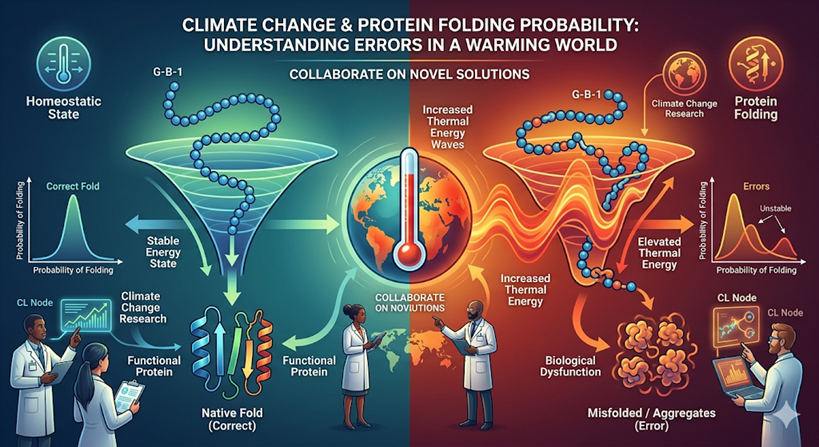
UPDATE: These are my final individual project slides, which I actually presented during the Global Committed Listeners Online Spree (please comment your thoughts, or reach out if you wish to collaborate).