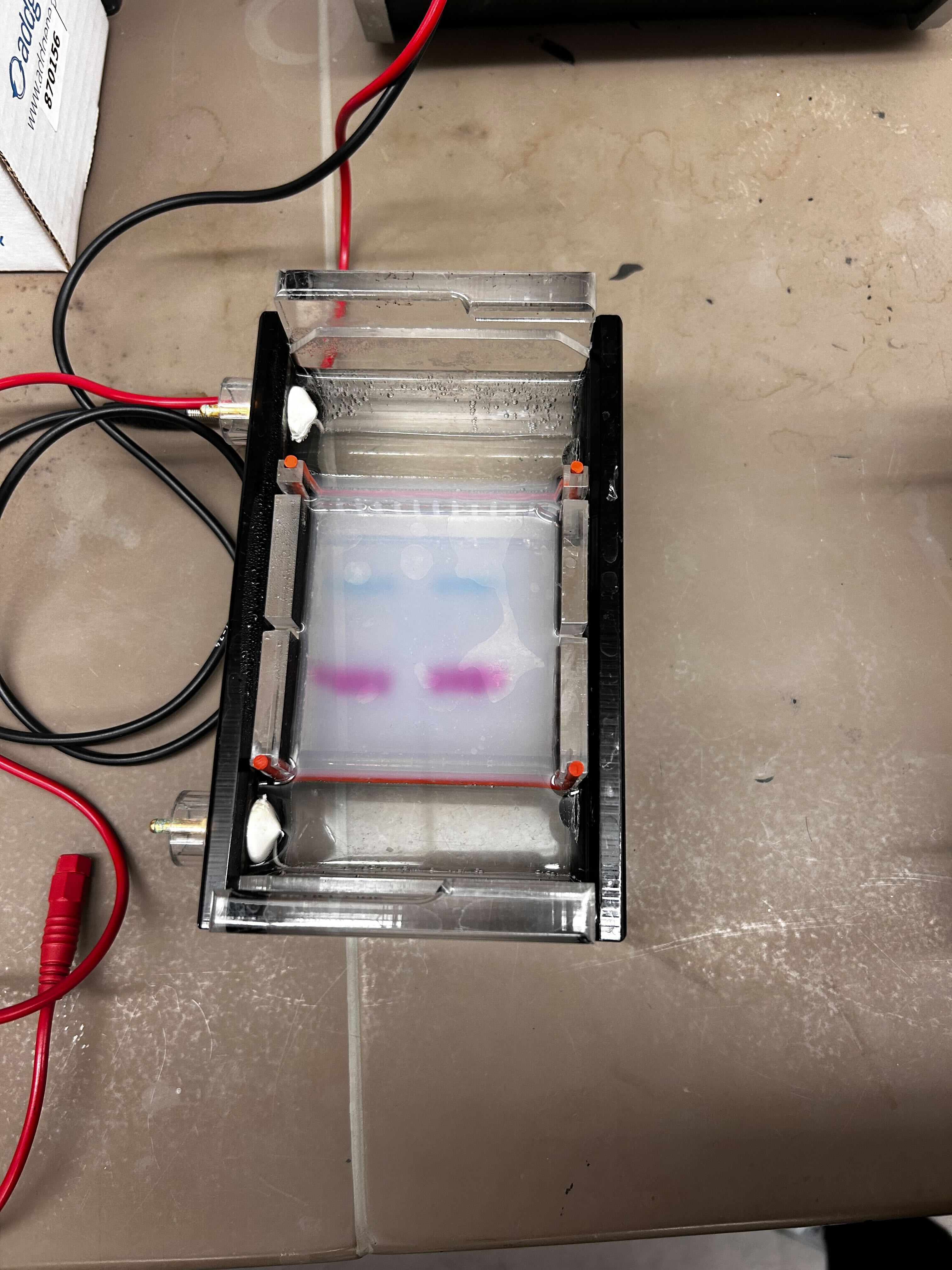
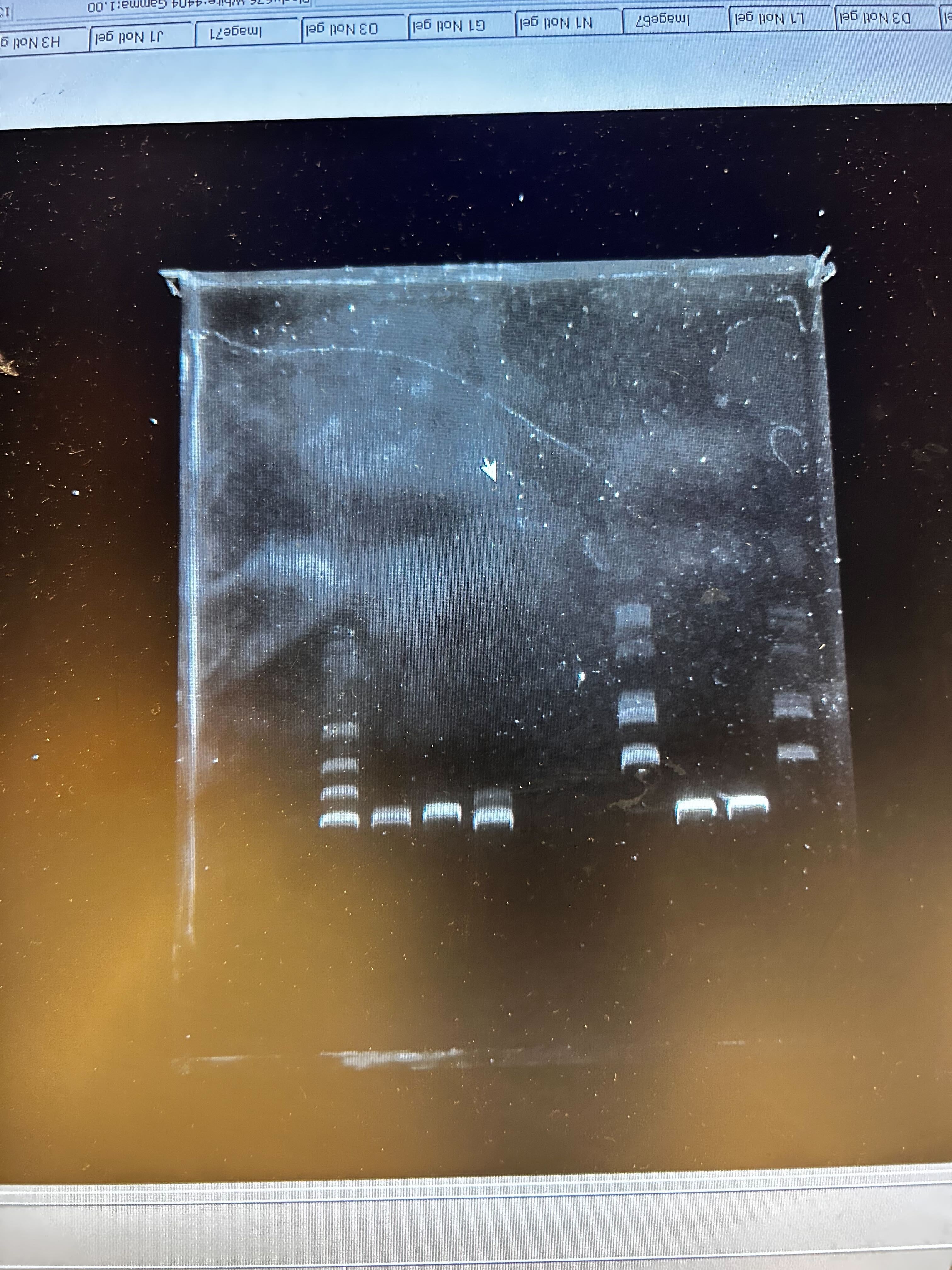
Gel Electrophoresis Designs Our group set out to make a design with the letters “HA”, standing for the name of one of our group members, Hines Alayah. We somehow ended up with “LU” instead. Sometimes biology happens by accident, so we have decided that “LU” stands for Love U.
A few photo highlights below.
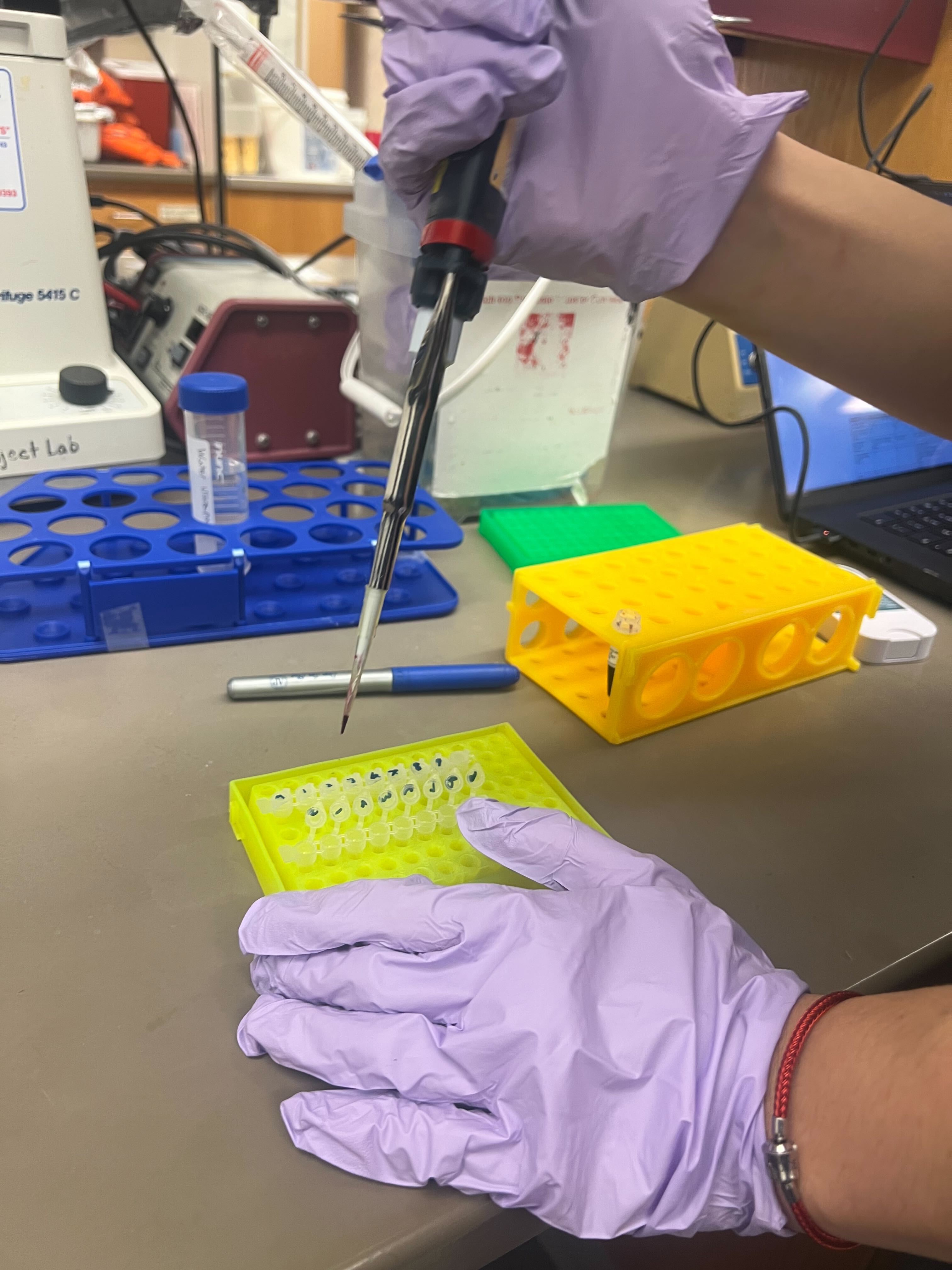
Loading the restriction enzymes into the lanes.
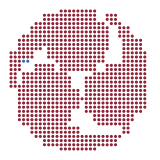
Opentrons Designs I tried to push Opentrons to the limit and chose a fairly hard design: the Mitsudomoe, a traditional Japanese family crest (Kamon) associated with my family. The result didn’t come out particularly clean, but with higher resolution and non-sequential pipetting (for speed) it would be more tractable.
Reference design and Opentrons version:
Lab Automation Find a published paper that uses Opentrons or another automation tool for a novel biological application. The paper I chose is AssemblyTron: flexible automation of DNA assembly with Opentrons OT-2 lab robots, by Bryant et al., published in Synthetic Biology (2023). The authors developed an open-source Python package called AssemblyTron that connects j5 DNA assembly design software to an Opentrons OT-2 liquid handling robot, allowing users to go from a digital DNA design to a physically assembled construct with minimal hands-on work.
Gibson Assembly Lab This week we performed a Gibson Assembly to clone chromophore-mutant inserts into the mUAV backbone. A few photo highlights from the lab.
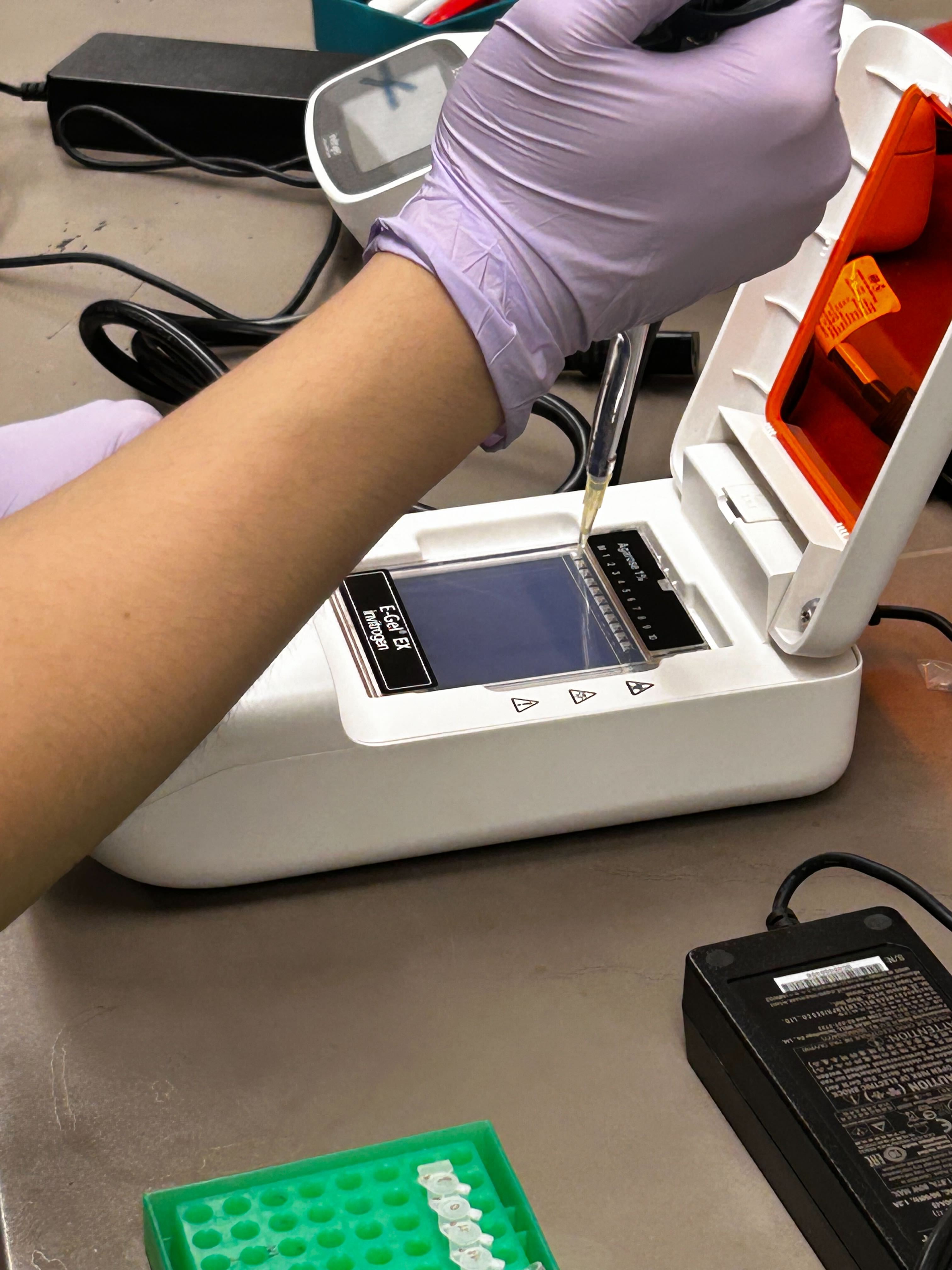
Setting up the PCR reactions: pipetting primers, template, and master mix into tubes. Loading samples into the E-Gel EX Invitrogen cassette for gel electrophoresis.
This week we designed a 2-layer intracellular neural network circuit and simulated its behavior. Our team designed a comet. The heatmap of the circuit’s predicted output across X1 and X2 input space produced a comet-shaped gradient: high expression concentrated in the low-X1 / low-X2 corner, with a tail fading diagonally across the landscape.
Circuit design spreadsheet. Our poly-transfection mix with Csy4, CasE, mNeonGreen, and fluorescent markers.
Lab Day at Waters Immerse Schematic of the Waters LC-MS instrument setup. Our roadmap for the day’s experiments. The team suited up in lab coats and safety goggles at the Waters facility. Benchside doodle. Someone’s artistic interpretation of the day’s science between runs.
Our group set out to make a design with the letters “HA”, standing for the name of one of our group members, Hines Alayah. We somehow ended up with “LU” instead. Sometimes biology happens by accident, so we have decided that “LU” stands for Love U.
A few photo highlights below.
Loading the restriction enzymes into the lanes.
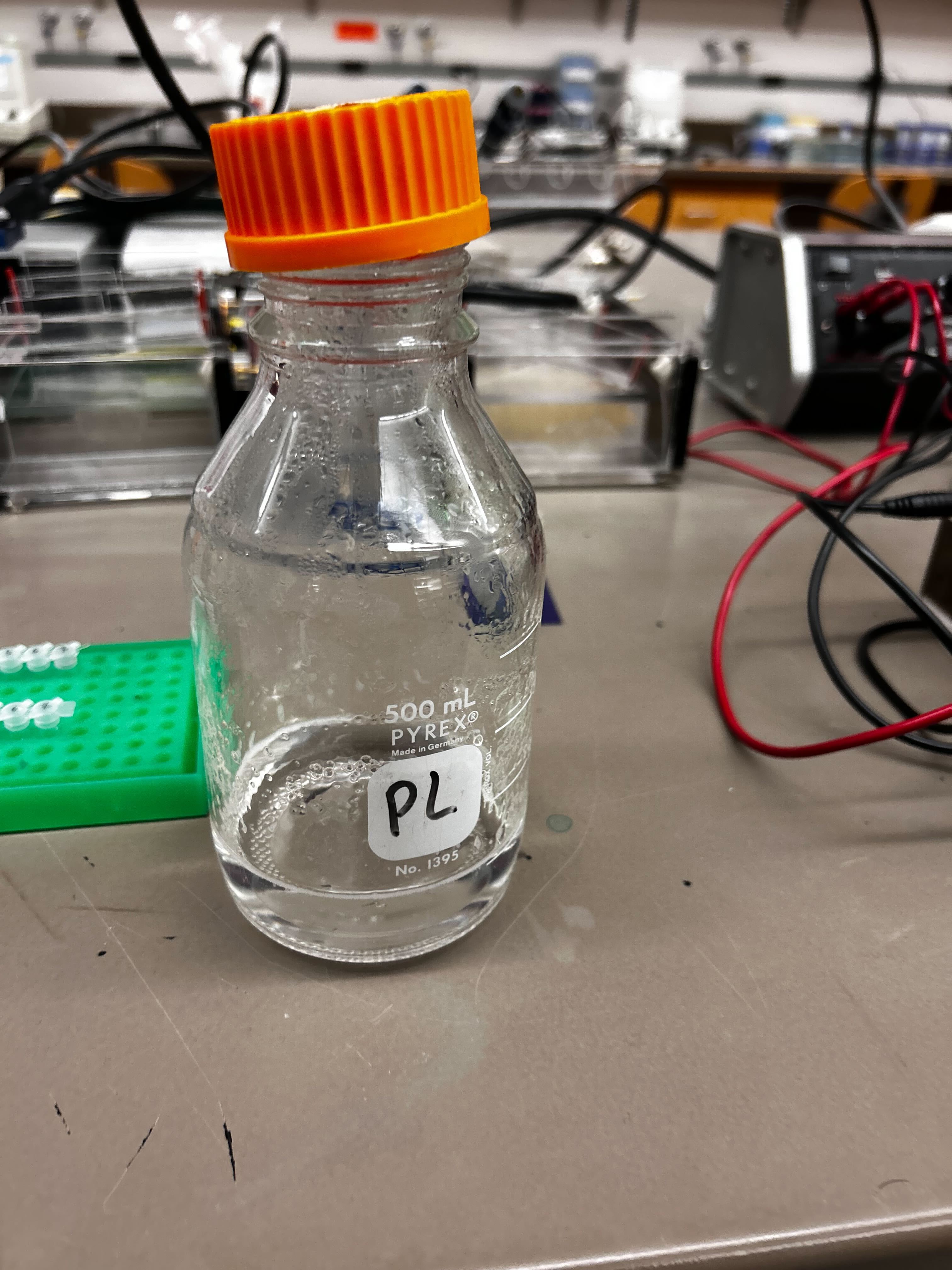
Preparing the buffer.
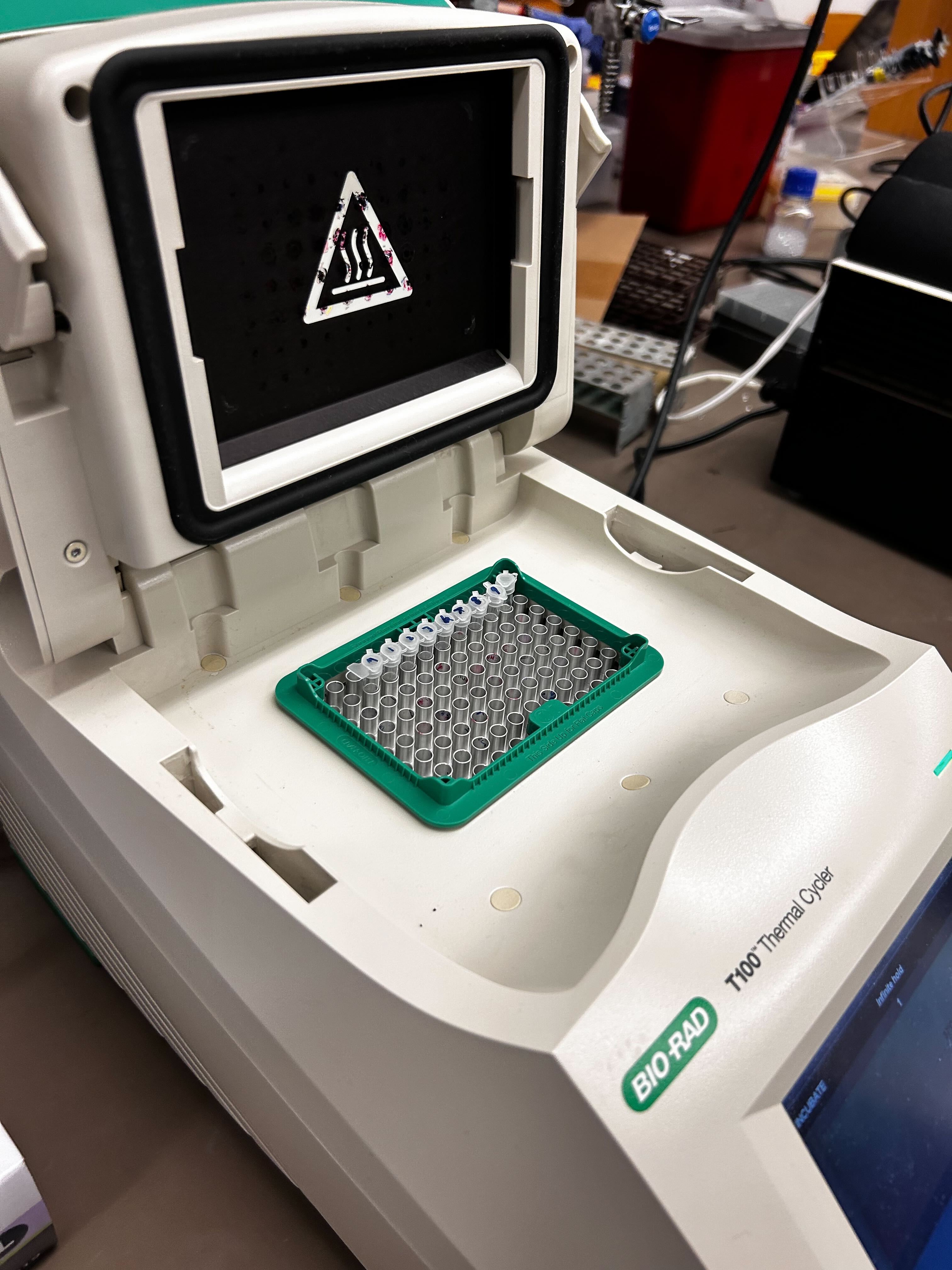
Performing PCR.
Pipetting the dye.
Separation of the dye through the gel.
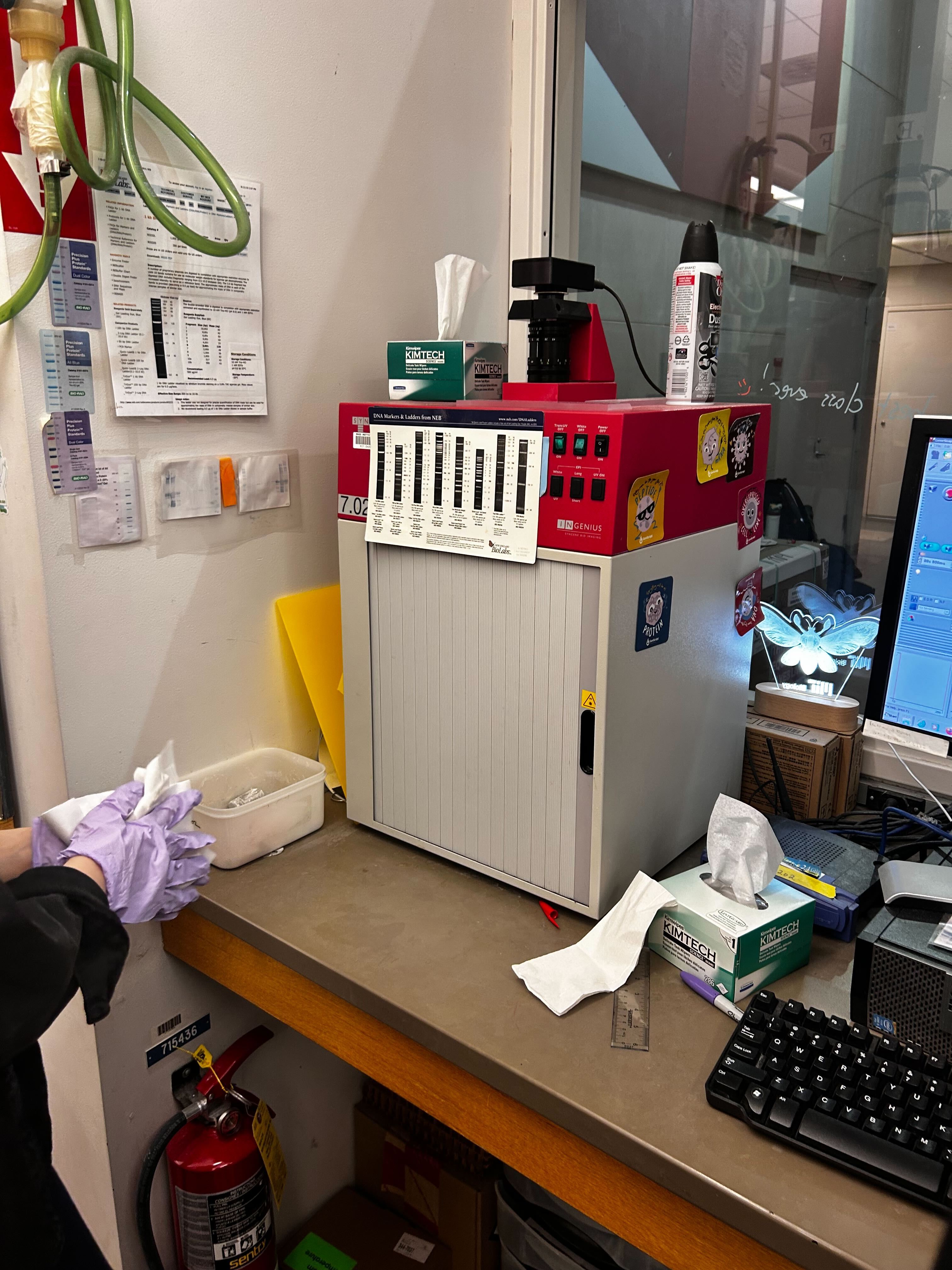
The gel imager.
Result!
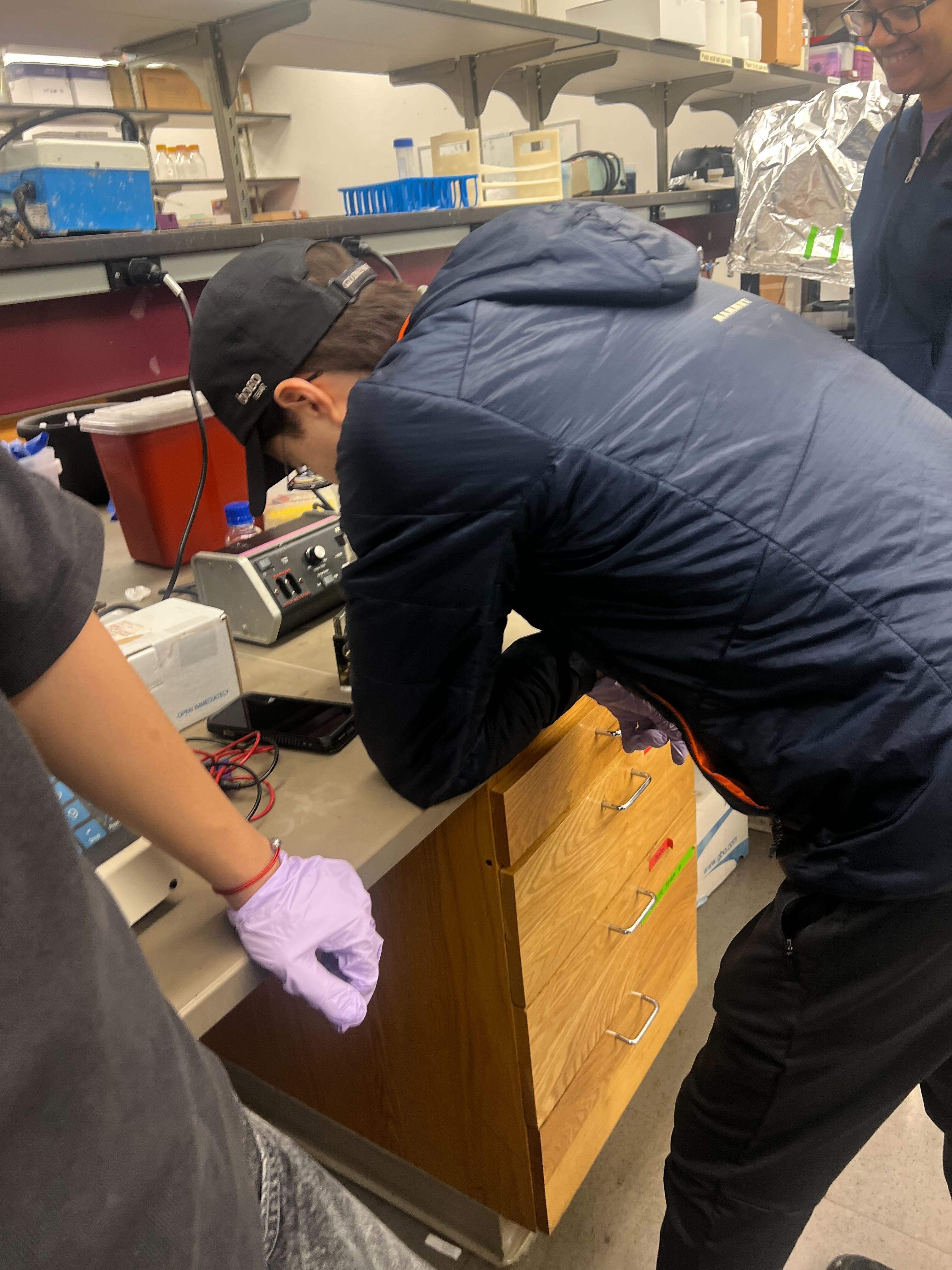
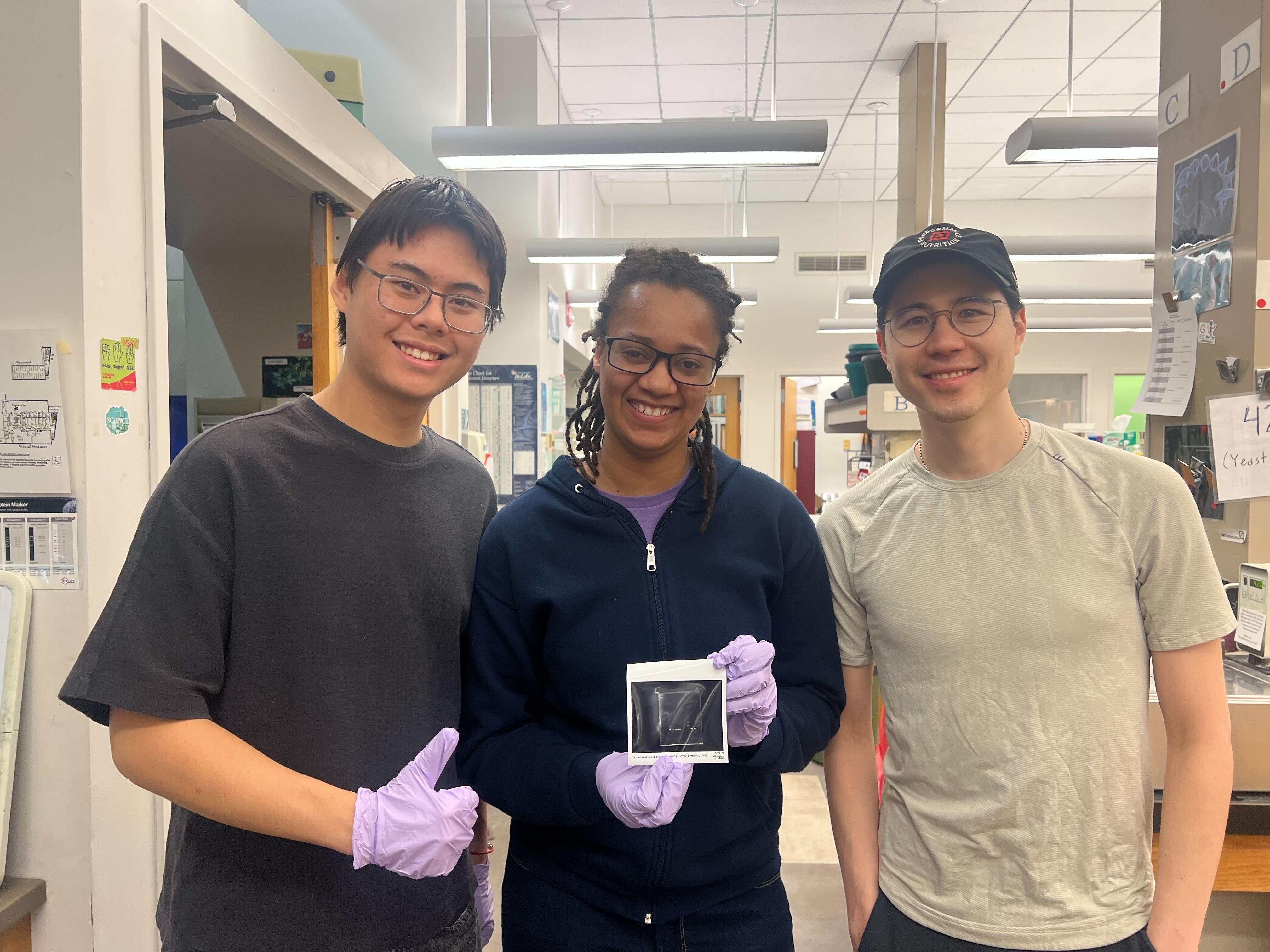
The team.
Week 3 Lab: Lab Automation
Opentrons Designs
I tried to push Opentrons to the limit and chose a fairly hard design: the Mitsudomoe, a traditional Japanese family crest (Kamon) associated with my family. The result didn’t come out particularly clean, but with higher resolution and non-sequential pipetting (for speed) it would be more tractable.
Reference design and Opentrons version:
Lab Automation
Find a published paper that uses Opentrons or another automation tool for a novel biological application.
The paper I chose is AssemblyTron: flexible automation of DNA assembly with Opentrons OT-2 lab robots, by Bryant et al., published in Synthetic Biology (2023). The authors developed an open-source Python package called AssemblyTron that connects j5 DNA assembly design software to an Opentrons OT-2 liquid handling robot, allowing users to go from a digital DNA design to a physically assembled construct with minimal hands-on work.
What makes this paper compelling is that it automates the entire Build step of the Design-Build-Test-Learn cycle, traditionally the most manual and error-prone part. AssemblyTron handles PCR setup (including calculating optimal annealing temperature gradients), DpnI digestion, and final multi-fragment assembly on the OT-2. The authors validated the system by performing Golden Gate assemblies and in vivo assemblies of four-fragment chromoprotein reporter plasmids, achieving fidelity comparable to manual assembly. They also demonstrated automated site-directed mutagenesis. The key takeaway is that affordable, open-source automation can make DNA assembly more reproducible, less wasteful, and accessible to labs without expensive biofoundry infrastructure.
What I intend to do with automation tools for my final project.
In general, I want to use my adaptive AI system for scientific discovery at a small scale, something realistic as a final project given the resources we have from Twist and Ginkgo Bioworks.
Idea 1: Promoter design for maximum expression. I would order oligos from Twist, clone them into reporters, and observe expression in E. coli. Fluorescence intensity would be the reward signal. Two rounds may be feasible.
Idea 2: In silico validation only. The most feasible version is to ditch the lab-in-the-loop entirely by performing validation in silico. This also allows much more complex protein designs since we are no longer constrained by what is physically feasible to test on the project budget.
Idea 3 (the dream version, not feasible in this timeframe). Use the system to discover higher-order transcription factor combinations that forward-program iPSCs into a target cell type. The computational engine uses Bayesian optimization to predict TF combinations, balancing exploration and exploitation based on experimental results. To handle the cloning overhead, I would outsource synthesis of polycistronic lentiviral transfer vectors to Ginkgo Bioworks’ Nebula platform, which algorithmically assembles the DNA and returns plasmids in a 96-well format. Each vector can carry 3 to 4 TFs linked by 2A peptides, and co-transduction with multiple vectors allows testing of even larger combinations.
The OT-2 would automate lentivirus production by dispensing transfection reagent into arrayed HEK293T packaging cells, harvesting viral supernatant, and transducing iPSC cultures. The robot would also handle the post-transduction media schedule. Because lentivirus integrates into the genome, TF expression is sustained throughout the differentiation window without repeated dosing. At the endpoint, high-content phenotypic imaging quantifies differentiation efficiency in each well, and the data feeds directly back into the Bayesian model to predict a more refined batch of TF cocktails for the next automated run.
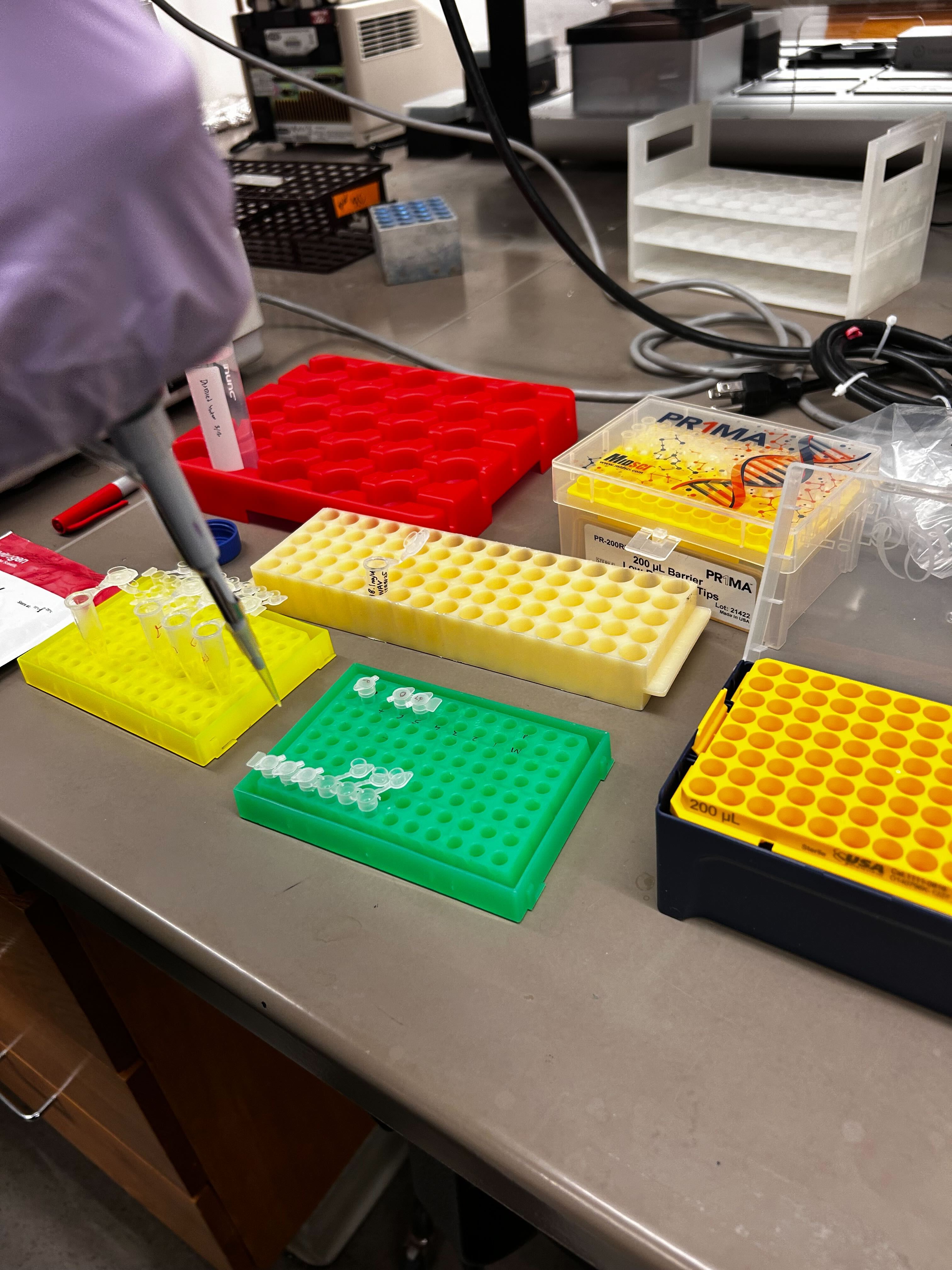
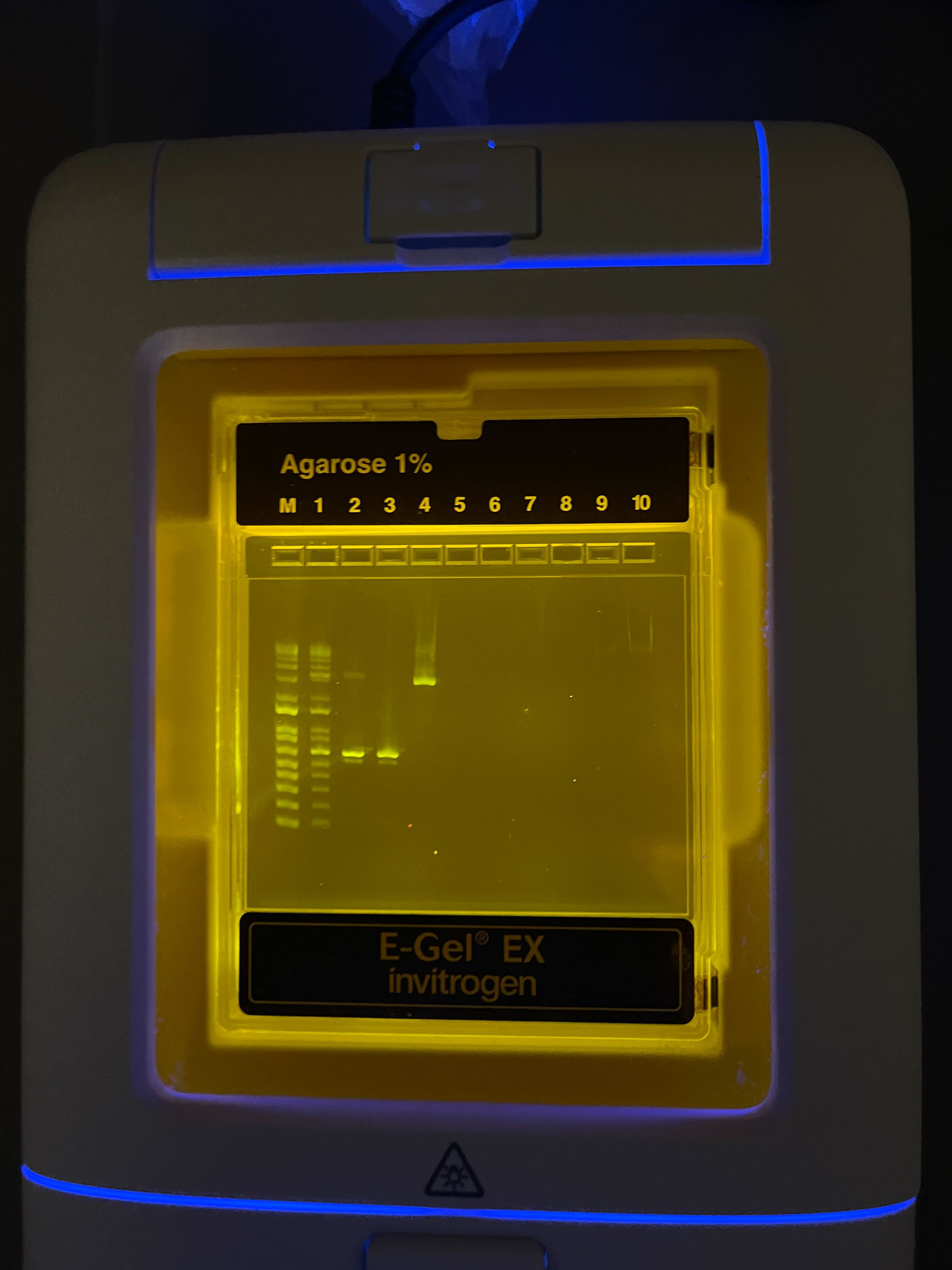
This week we performed a Gibson Assembly to clone chromophore-mutant inserts into the mUAV backbone. A few photo highlights from the lab.
Setting up the PCR reactions: pipetting primers, template, and master mix into tubes.
Loading samples into the E-Gel EX Invitrogen cassette for gel electrophoresis.
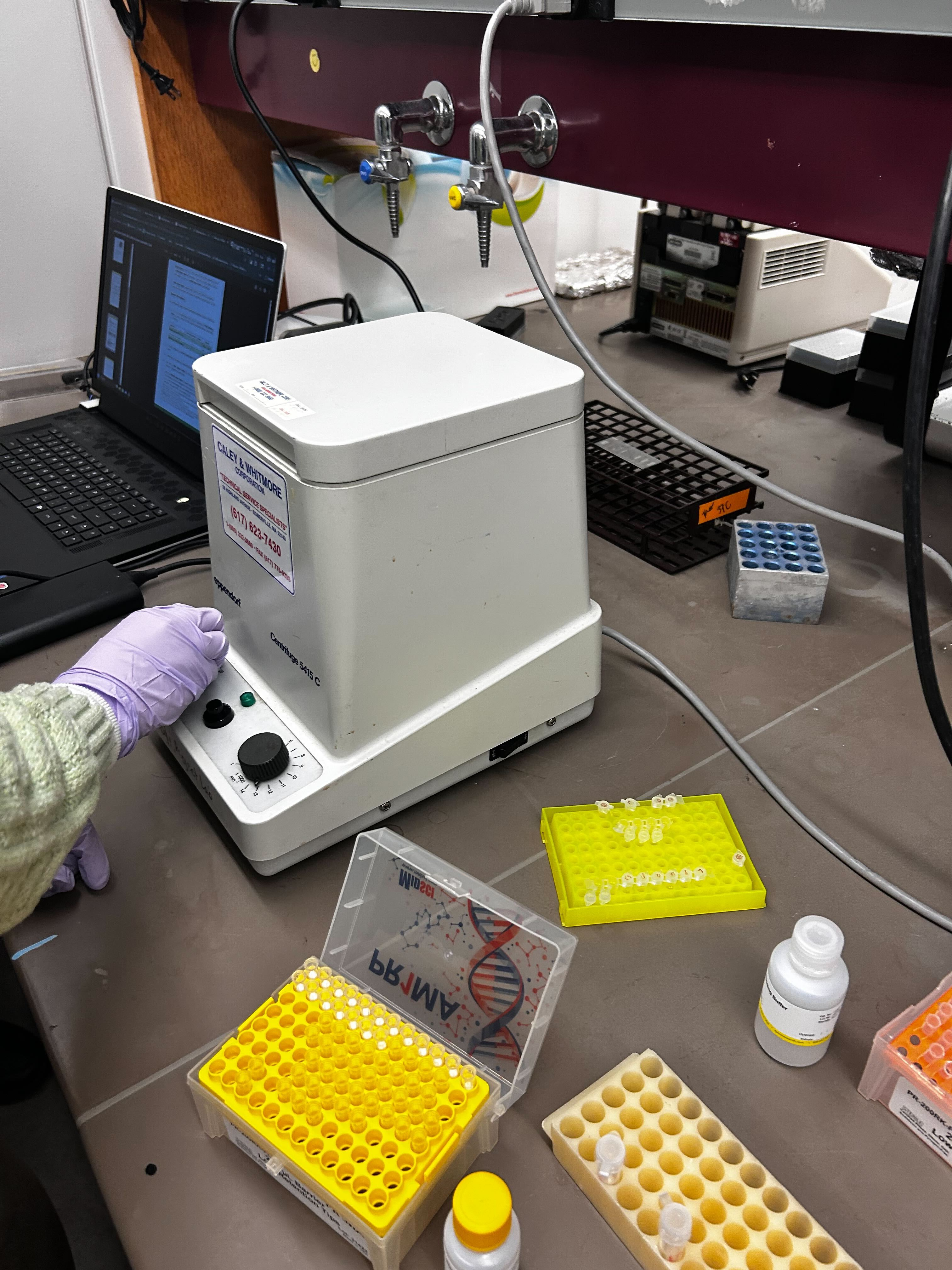
Miniprep station: spinning down cultures to extract plasmid DNA.
Gel results: checking PCR product sizes on the 1% agarose E-Gel.
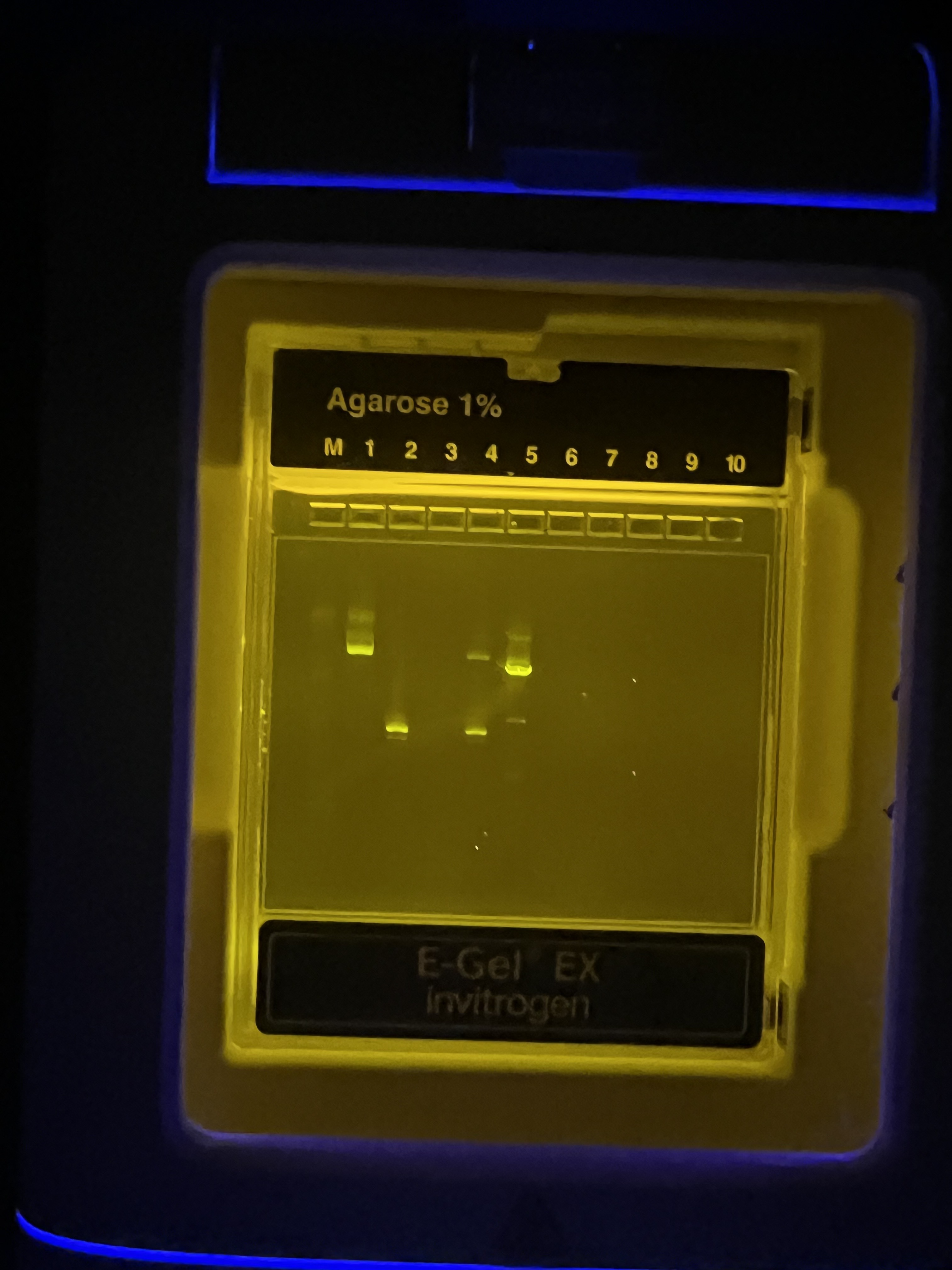
Our gel after DpnI digestion and cleanup. Bands are visible in lanes 1 and 4.
Week 7 Lab: Genetic Circuits Part 2
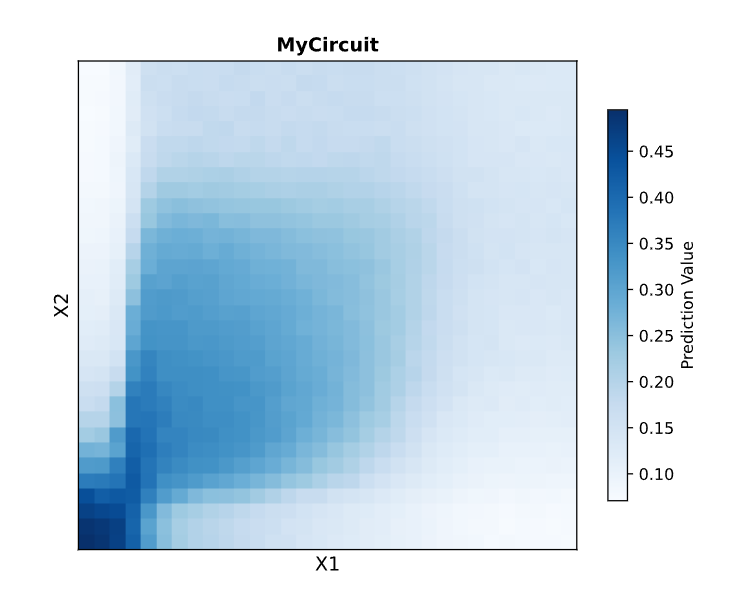
This week we designed a 2-layer intracellular neural network circuit and simulated its behavior. Our team designed a comet. The heatmap of the circuit’s predicted output across X1 and X2 input space produced a comet-shaped gradient: high expression concentrated in the low-X1 / low-X2 corner, with a tail fading diagonally across the landscape.
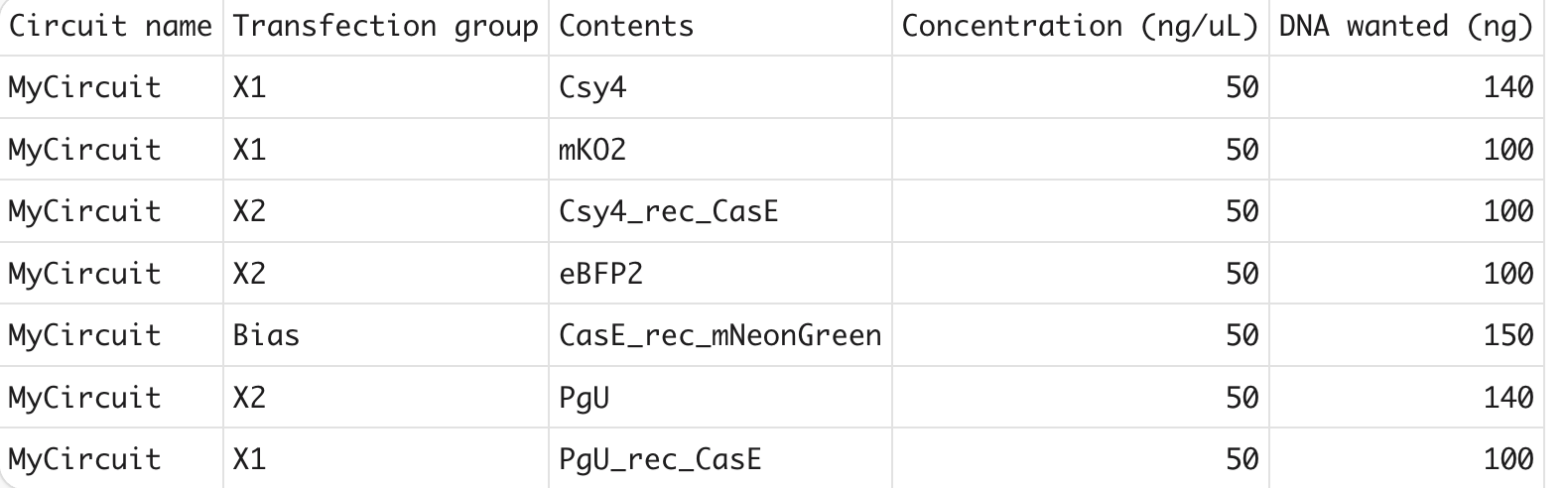
Circuit design spreadsheet. Our poly-transfection mix with Csy4, CasE, mNeonGreen, and fluorescent markers.
Simulation output. The “comet” heatmap showing predicted mNeonGreen expression across X1 and X2 input doses.
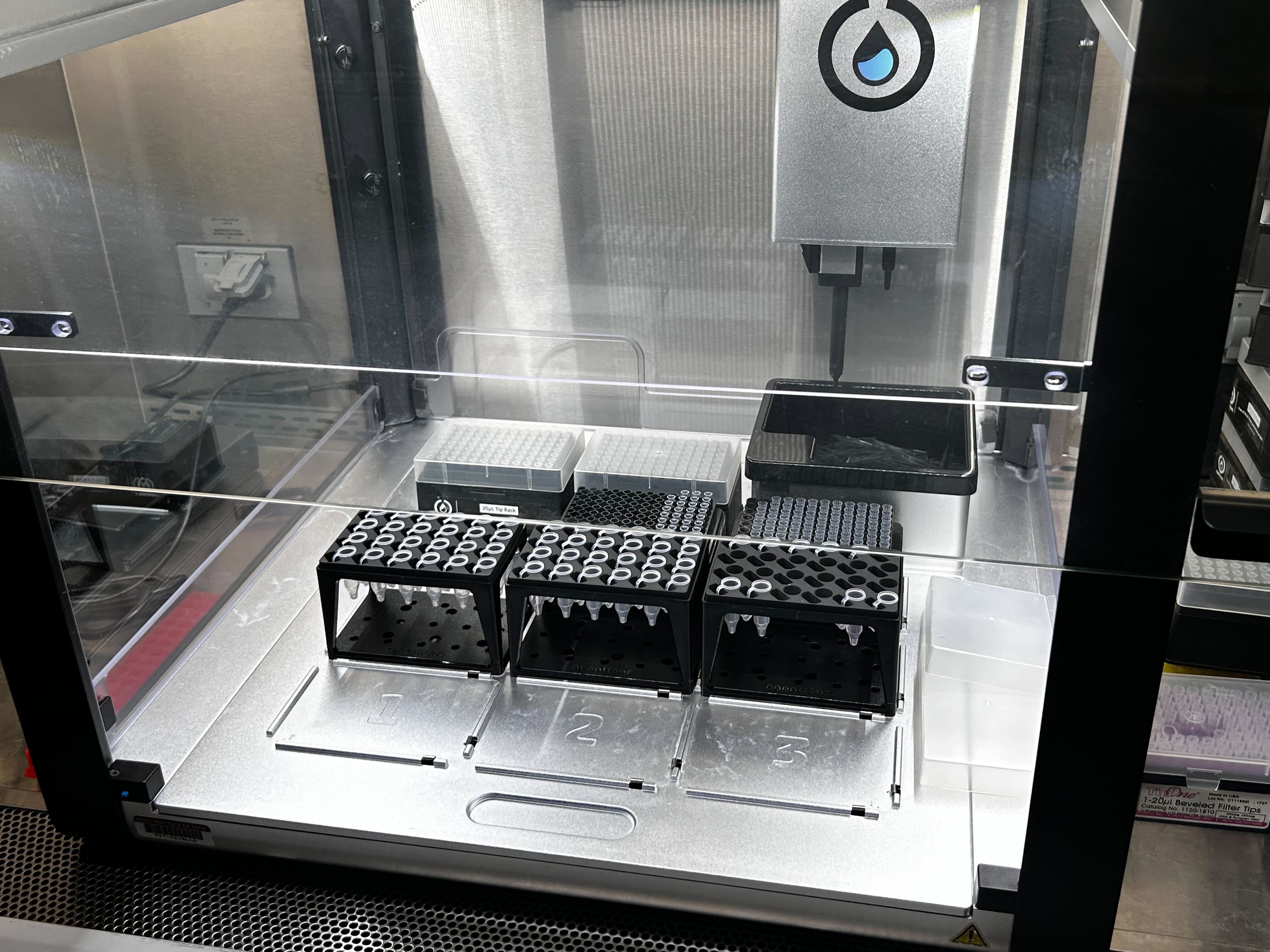
Opentrons deck. Loaded with tube racks and tip boxes for automated transfection mix preparation.
Week 9 Lab: Cell-Free Systems
Writeup pending.
Week 10 Lab: Advanced Imaging
Lab Day at Waters Immerse
Schematic of the Waters LC-MS instrument setup. Our roadmap for the day’s experiments.
The team suited up in lab coats and safety goggles at the Waters facility.
Benchside doodle. Someone’s artistic interpretation of the day’s science between runs.
Live view of the mass spec software. Visualizing the capillary tip during a run on the Waters system.