Hi! Happy to have you here! I am an undergraduate student in Biotechnology, currently fascinated by Oncology and Synthetic Biology! Apart from the biological sciences, I enjoy reading books, stargazing, traveling, watching documentaries and engaging in thoughtful discussions. P.S.: I can theoretically fly an airplane, thanks to the amount of air crash investigations I have watched. :)
Few other things about me: My current-favourite book series: A Good Girl’s Guide to Murder by Holly Jackson. My all time favourite song: Ek Dil Ek Jaan by Shivam Pathak.(Do give it a listen!) My favourite food: I have a soft spot for Rasam with lentils, served with rice and potato curry (For those who are new, you can imagine rasam as a soup.)
Question 1: First, describe a biological engineering application or tool you want to develop and why. This could be inspired by an idea for your HTGAA class project and/or something for which you are already doing in your research, or something you are just curious about.
DNA is the rulebook of life! Imagine it as small lego pieces, building up the entire empire of a human body. But, what if we can pick out the lego pieces and assemble them in different, never-thought-before ways, to unlock new functions and outcomes ?! This is the potential of engineering synthetic genetic circuits! I am intrigued by the possibility of engineering our desired outcome by designing genetic circuits that can alter or control it.
Pre-Lecture Prep
Homework Questions from Professor Jacobson:
1 Machinery of nature, for copying DNA is called polymerase. What is the error rate of polymerase? How does this compare to the length of the human genome. How does biology deal with that discrepancy?
The error rate for the error correcting polymerase is approximately 1 in 10^6 base pairs. The human genome is about 3 billion base pairs in lenght, meaning that without correction, a single round of replication can result in approximately 3000 errors per cell division.
Part 0: Basics of Gel Electrophoresis Attend or watch all lecture and recitation videos. Optionally watch bootcamp.
Status: Completed.
Part 1: Benchling & In-silico Gel Art See this week’s lab protocol “Gel Art: Restriction Digests and Gel Electrophoresis” for details.
Overview:
1 Make a free account at benchling.com
2 Import the Lambda DNA.
3 Simulate Restriction Enzyme Digestion with the following Enzymes:
a EcoRI
b HindIII
c BamHI
d KpnI
e EcoRV
f SacI
g SalI
4 Create a pattern/image in the style of Paul Vanouse’s Latent Figure Protocol artworks.
5 You might find Ronan’s website a helpful tool for quickly iterating on designs!
Assignment: Python Script for Opentrons Artwork I used the GUI coordinates to prepare this code:
Post Lab Questions: One of the great parts about having an automated robot is being able to precisely mix, deposit, and run reactions without much intervention, and design and deploy experiments remotely.
Part A: Conceptual Questions 1. How many molecules of amino acids do you take with a piece of 500 grams of meat? (on average an amino acid is ~100 Daltons)
On average, if we assume that 25% of meat is protein, then we would be taking 500*0.25 = 125 g of protein intake. With an average of 100 Da per amino acid as it’s molecular weight, the total number of moles of amino acids become 1.25 moles. Multiplying with the Avagadro’s number, we get roughly seven hundred fifty-two sextillion (7.528 * 10^23) molecules !!
SOD Peptide Design from Pranam Superoxide dismutase 1 (SOD1) is a cytosolic antioxidant enzyme that converts superoxide radicals into hydrogen peroxide and oxygen. In its native state, it forms a stable homodimer and binds copper and zinc. Mutations in SOD1 cause familial Amyotrophic Lateral Sclerosis (ALS). Among them, the A4V mutation (Alanine → Valine at residue 4) leads to one of the most aggressive forms of the disease. The mutation subtly destabilizes the N-terminus, perturbs folding energetics, and promotes toxic aggregation. Your challenge: a. Design short peptides that bind mutant SOD1. b. Then decide which ones are worth advancing toward therapy.
DNA Assembly 1. What are some components in the Phusion High-Fidelity PCR Master Mix and what is their purpose?
Standard Phusion 2X Master Mix contains the following essential components:
Phusion High-Fidelity DNA Polymerase: A specialized, proofreading enzyme coupled to a processivity-enhancing domain. Its purpose is to catalyze DNA synthesis with high speed and extremely low error rates. dNTPs (dATP, dCTP, dGTP, dTTP): The nucleotide building blocks required by the polymerase to synthesize the new complementary DNA strands. Phusion HF Buffer: An optimized reaction buffer containing MgCl2. Magnesium (Mg2+) acts as an important cofactor for the DNA polymerase enzyme, stabilizing the reaction and facilitating the smooth incorporation of dNTPs. 2. What are some factors that determine primer annealing temperature during PCR?
Intracellular Artificial Neural Networks (IANNs) What advantages do IANNs have over traditional genetic circuits, whose input/output behaviors are Boolean functions? IANNs outperform traditional Boolean circuits by using sophisticated, brain-like processing, with significant molecular noise reduction. Their pros include analog integration, noise filtering, pattern recognition and efficiency.
By processing continuous chemical gradients compared to “on/off” signals, thus allowing cells to respond to the exact intensity of a stimulus. By integrating multiple signals, they are more robust against the random molecular fluctuations (noise) seen of the cytoplasm. IANNs can identify complex biomarker signatures, without needing a high number of logic gates. They can achieve higher computational power with fewer genetic parts, reducing the metabolic burden on the host. Describe a useful application for an IANN; include a detailed description of input/output behavior, as well as any limitations an IANN might face to achieve your goal.
Explain the main advantages of cell-free protein synthesis over traditional in vivo methods, specifically in terms of flexibility and control over experimental variables. Name at least two cases where cell-free expression is more beneficial than cell production. Flexibility and Control: Since there is no cell membrane, the system is an open environment, where we can directly manipulate concentrations of substrates, add non-canonical amino acids, or introduce specific inhibitors/activators with no worries about cellular transport or toxicity. Case 1: Toxic Proteins: Many proteins, such as antimicrobial peptides or certain enzymes, are lethal to host cells. CFPS allows the production of these proteins. Case 2: Rapid Prototyping: In vivo methods need time-consuming cloning, transformation, and cell culture. CFPS use’s linear DNA as a template, reducing the time from days to hours. Describe the main components of a cell-free expression system and explain the role of each component. Cell Extract (Crude Lysate): It contains ribosomes, aminoacyl-tRNA synthetases, translation factors, and tRNAs. Energy and Buffer Systems: This includes ATP and GTP , an energy regeneration substrate (like Phosphoenolpyruvate), and essential ions (Mg2+ and K+) to maintain enzymatic activity and pH. Genetic Template and Building Blocks: DNA provides the instructions, while the 20 standard amino acids provide the raw material for the protein chain. Why is energy provision regeneration critical in cell-free systems? Describe a method you could use to ensure continuous ATP supply in your cell-free experiment. Protein synthesis is energetically expensive. ATP is consumed rapidly for amino acid activation and ribosome movement, and it is also naturally degraded by other enzymes in the extract.
Final Project For your final project: Please identify at least one (ideally many) aspect(s) of your project that you will measure. It could be the mass or sequence of a protein, the presence, absence, or quantity of a biomarker, etc. Please describe all of the elements you would like to measure, and furthermore describe how you will perform these measurements. What are the technologies you will use (e.g., gel electrophoresis, DNA sequencing, mass spectrometry, etc.)? Describe in detail.
The 1,536 Pixel Artwork Canvas | Collective Artwork While I don’t exactly remember what I did in the artwork, since I forgot to note it down, I remember making 2-10 edits in the artwork. It took me a little too much time to understand what was exactly happening, but I loved the whole project and the experience of doing it.
Subsections of Homework
Week 1 HW: Principles and Practices
Question 1: First, describe a biological engineering application or tool you want to develop and why. This could be inspired by an idea for your HTGAA class project and/or something for which you are already doing in your research, or something you are just curious about.
DNA is the rulebook of life! Imagine it as small lego pieces, building up the entire empire of a human body. But, what if we can pick out the lego pieces and assemble them in different, never-thought-before ways, to unlock new functions and outcomes ?! This is the potential of engineering synthetic genetic circuits!
I am intrigued by the possibility of engineering our desired outcome by designing genetic circuits that can alter or control it.
My (Initial) Vision: I would like to build a multi-input theragnostic circuit for ovarian cancer, given the fact that, inspite of being the one of the deadliest gynaecological cancers, it does not have a means for early detection, leading to late diagnosis and poor outcomes.
Where would it operate? The circuit can be delivered directly to cancer cells, by nanoparticles or viral vectors. Where is it meant to be used? Upon successful testing in laboratories and passing clinical trials, it can be used as a part of clinical cancer treatments.
Desired Characteristics:The gene circuit must be able to… 1 Take in multiple inputs. 2 Detect the condition and inform us upon detection. 3 Inform us if the condition is not detected. 4 Secrete/produce chemicals that slow down/aid in the slowing down of the progression of the condition.
Question 2: Describe one or more governance policy goals related to ensuring this application contributes to an ethical future & prevents harm.
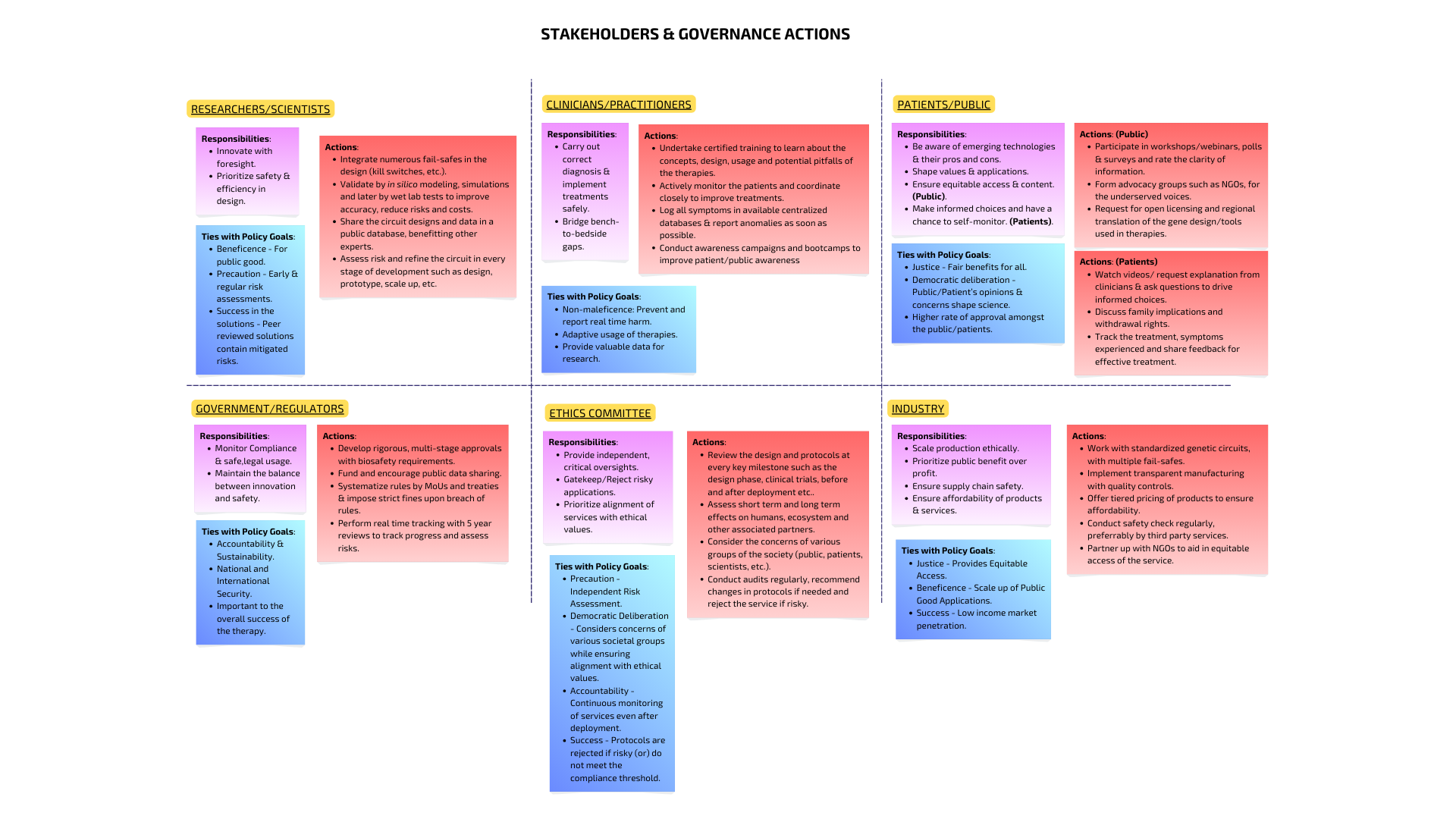
Some governance policy goals are described below. For others, kindly refer to the attached image!
Goal 1: Precaution/ Biosecurity Rigorous audits of safety during each phase of design, validation and implementation, offers a high chance of mitigating risks and evaluating the feasibility of the therapy. Here’s how it might look: Researchers and Industries can incorporate multiple fail-safes combined with regular safety monitoring to make the therapy harmless, incase it fails to perform. Ethics Committee can provide an independent review of the therapy at each stage, critically assessing designs and recommending changes to reject risky therapies and promote the safe designs. Government/Regulators can assess the design by subjecting it to tiered evaluations and systematize rules for such services, ensuring national security and safety. Clinicians can verify the diagnosis multiple times before prescribing the treatment ensuring that it is the right fit for the patient.
Goal 2: Transparency Transparency in the design of the circuit, the protocols adopted and the data used can bring safety improvements and enable collective oversight. Here is how it might look: Researchers can share the data after screening in public databases, enabling other experts to spot missed flaws, improve the protocols and design or even create new knowledge based upon this data. Clinicians logging symptoms in centralized/ government enabled databases with real time tracking, can aid in efficient treatment along with eaarly detection of abnormalities. Public rating of the information clarity and consideration of public concerns by ethical committees can drive faster improval and a high acceptance rate from the public. Patients can also be enabled to make informed choices, when they are clear in how their data is being used and how the therapy works.
Goal 3: Equitable Access This goal ensures that the therapy reaches to all populations, avoiding unreasonable risk burdens on some/vulnerable groups. Here are some ways it can occur: Industry can offer tiered pricing for different populations while also partnering with advocacy groups such as NGOs, to reach a large and wider market. The government can mandate tiered pricing from industries, set price caps on services or offer subsidies by which they can reach out to low income populations. Fun fact: Singaporean government already does this by subsidizing 75% of the gene therapy costs by bulk deals! The public can request regional translations of the materials and aid in equitable access.
Question 3: Describe at least three different potential governance actions by considering the purpose, design, assumptions, and risks of failures & “success”. Draw upon your existing knowledge and a little additional digging, and feel free to use analogies to other domains such as 3D printing, drones, financial system, etc. Purpose: What is done now and what changes are you proposing? Design: What is needed to make it “work”? Consider the actor(s) involved - who must opt in, fund, approve, or implement? Assumptions: What could you have wrong? Incorrect assumptions? Uncertainties? Risks of Failures & Success: How might this fail, including any unintended consequences of the “success” of your proposed actions?
Action 1: Incorporation of Multiple (atleast 2) Fail-Safes Purpose: To prevent the activation of circuit outside specific conditions, preventing harm, contamination and weaponization. Design: A proposed method is to include a light inducible activation/inactivation. We can also design circuits which stops gene expression if proteins/markers belonging exclusively to healthy cells are detected. Assumptions: Independent kill switches, No cross reactions, function reliably in lab and in vivo conditions. Risks of Failure: Failure of one or both kill switches. Failure to activate or inactivate circuits by light when needed. Failure to choose exclusive proteins belonging to only healthy cells. Success: Key switches activate as intended. Inactivation in healthy cells as intended. Reliable and predictable behaviour in lab and in vivo conditions.
Action 2: Public Database Purpose: Collective safety debugging enabling global experts to spot missed flaws and enable transparency, preventing bioweaponization. Design: Centralized registry with tiered access where non-sensitive designs are public and risky sequences are screened. Assumptions: Responsible actors, Biosecurity screening networks, Safety as transparency are balancedly prioritized. Risks of Failure: Misuse of the database leading to weaponization. Success: Less/No Biosecurity incidents. Peer improvements leading to improval of therapy protocols and design. High public acceptance and approval rates.
Action 3: Tiered Pricing Purpose: Tiered pricing enables quality care for all populations of the society, regardless of their incomes and other differences. Design: Indutry partnerships with NGOs, Government enforced bulk deals and subsidies and encouragement by ethical committees to develop community beneficial plans can be useful. Assumptions: Industry prioritizes health and accepts low margins, Global coordination of governments. Risks of Failure: Unofficial sources release the therapy designs and services. Corporate pressure causes price cap weakening by the government. Therapy quality degrades in accordance to the prices fixed. Success: Significant low income market penetration within a short time span (e.g. 5 years) Therapy is considered a public good and not a luxury.
Please refer to the other governance actions in the image!
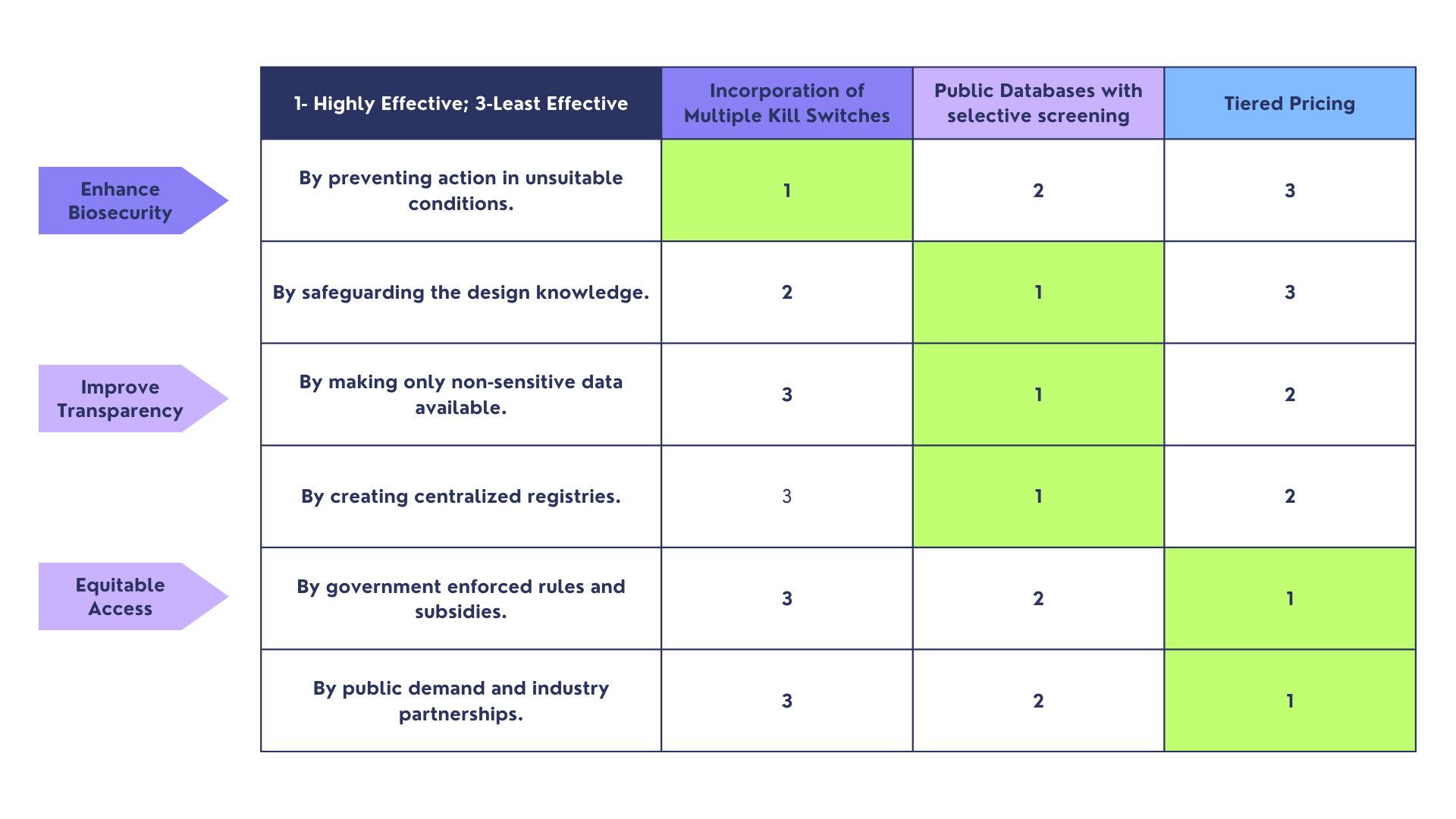
Question 4: Score each of your governance actions against your rubric of policy goals.
Question 5: Based on scores, describe which governance option or combination of options, you would prioritize, and why. Outline any trade-offs you considered as well as assumptions and uncertainties. Think about your audience - very local (MIT, Cambridge Mayoral Office), to national (President or Head of a Federal Agency), to international (United Nations Office of the Secretary-General)
Based on the table, I would prioritize incorporation of multiple kill switches for enhancing biosecurity, creating public databases with selective screening to achieve biosecurity and improve transparency and opt for tiered pricing to ensure equitable access of the therapy to all.
1 Canva - For preparing the Stakeholders & Governance Actions chart and Ranking chart. 2 Pinterest - For obtaining the Cover Images. 3 Perplexity AI - To understand the questions & their concepts, and for refining answer phrases. (Ethics in biology is a very new area for me, so I used AI to understand the field, concepts and given questions. I also used AI to polish the answers and ensure usage of correct terminology. However, the essence of the answer was not prepared using AI.) Prompt Used: I want to explore ethics and governance policies for a novel genetic circuit design. However, I am a beginner to these fields. Give me a general overview of the subject and give me examples of concepts to begin with, and also tell me the ways in which I can structure a writeup.
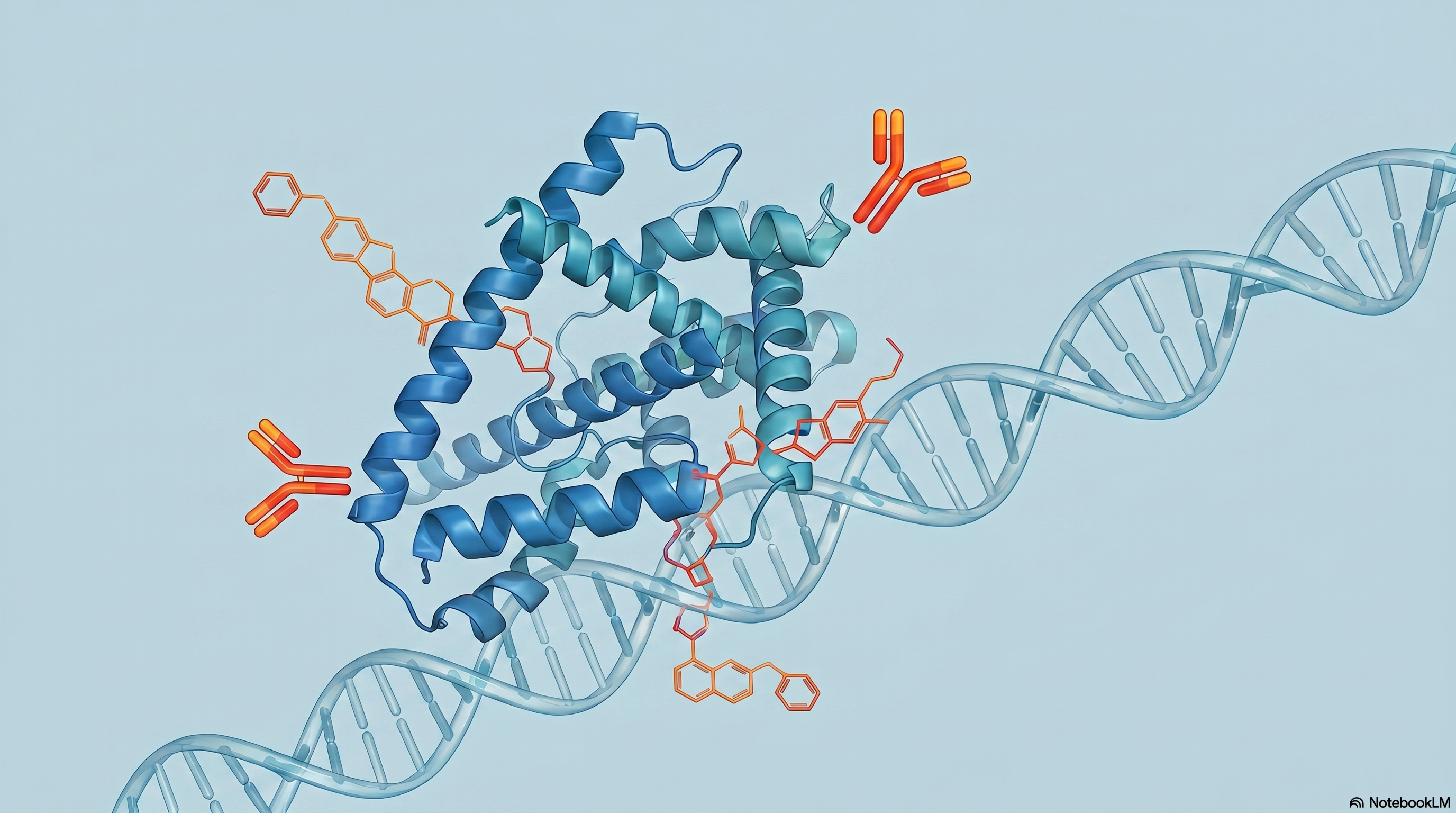
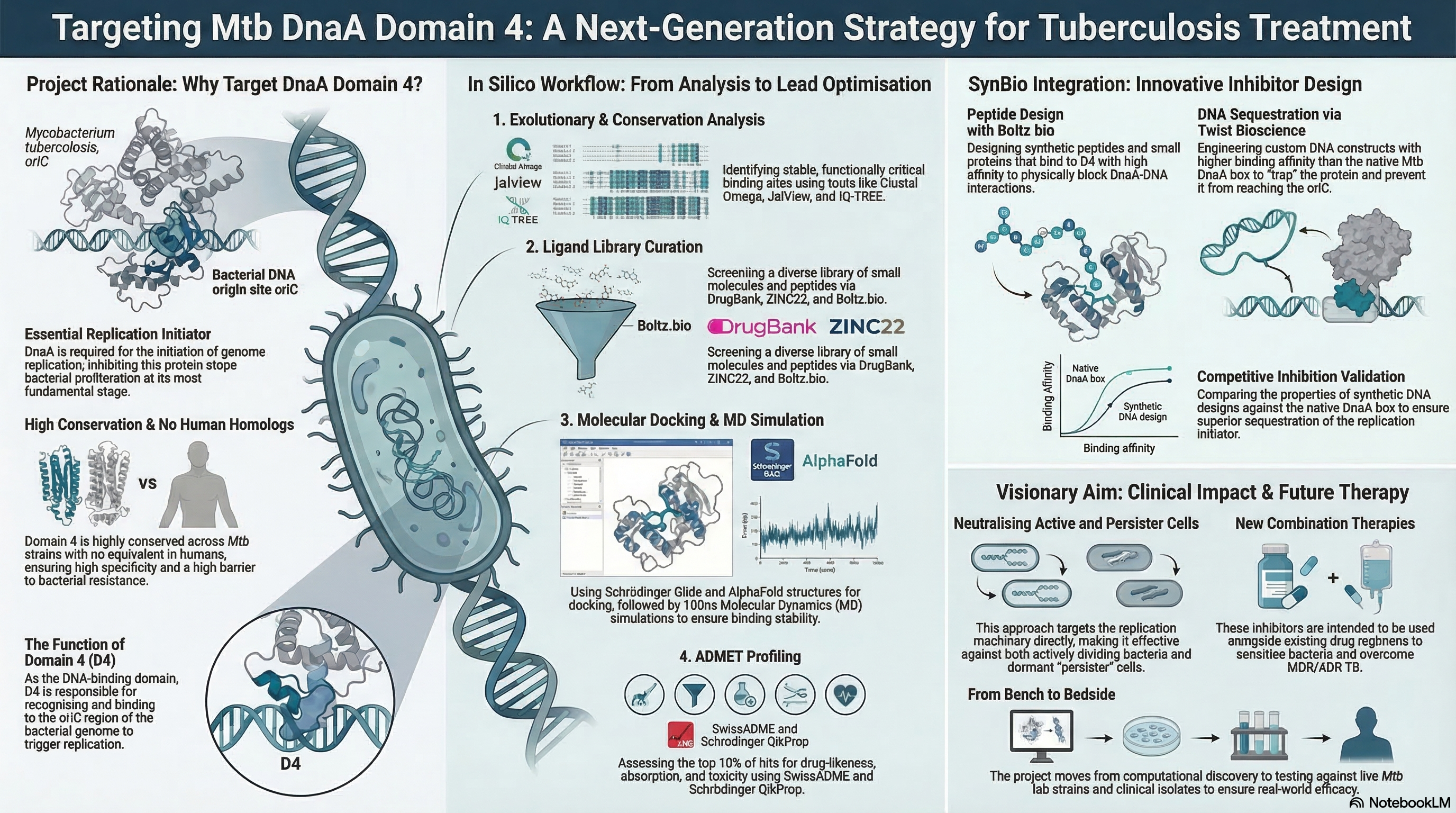
Targetting Mycobacterium tuberculosis DnaA Domain 4 for novel antitubercular drug discovery using an in silico approach This image was generated with the help of NotebookLM AI tool.
Abstract Tuberculosis is one of the leading causes of death in the world, which is caused by Mycobacterium tuberculosis. A lot of struggles exist in treating TB, mainly due to persisters and drug resistance in TB. Currently many strategies are being researched to improve the treatment effectiveness and efficiency. My project aims to target a particular domain from a new protein from M. tuberculosis and find potential inhibitors against it to contribute to TB treatments. My protein of choice is DnaA, the essential replication initiator in M.tuberculosis. This underexplored, biologically validated protein is particularly exciting, given that it is essential for replication of the genome and has no known human homologs, thus targeting a protein where developing resistance could be difficult and have minimal to no off target effects. The domain of choice is Domain 4 - the DNA binding domain, chosen for the same features: essential and highly conserved.
Targetting Mycobacterium tuberculosis DnaA Domain 4 for novel antitubercular drug discovery using an in silico approach
This image was generated with the help of NotebookLM AI tool.
Abstract
Tuberculosis is one of the leading causes of death in the world, which is caused by Mycobacterium tuberculosis. A lot of struggles exist in treating TB, mainly due to persisters and drug resistance in TB. Currently many strategies are being researched to improve the treatment effectiveness and efficiency. My project aims to target a particular domain from a new protein from M. tuberculosis and find potential inhibitors against it to contribute to TB treatments. My protein of choice is DnaA, the essential replication initiator in M.tuberculosis. This underexplored, biologically validated protein is particularly exciting, given that it is essential for replication of the genome and has no known human homologs, thus targeting a protein where developing resistance could be difficult and have minimal to no off target effects. The domain of choice is Domain 4 - the DNA binding domain, chosen for the same features: essential and highly conserved.
The key steps of this project include:
Evolutionary and Conservationary Analysis of the protein
Curation of a ligand library
Docking ligands to target protein
Molecular Dynamics Simulations
ADMET Profiling
Lead Optimization of Hits.
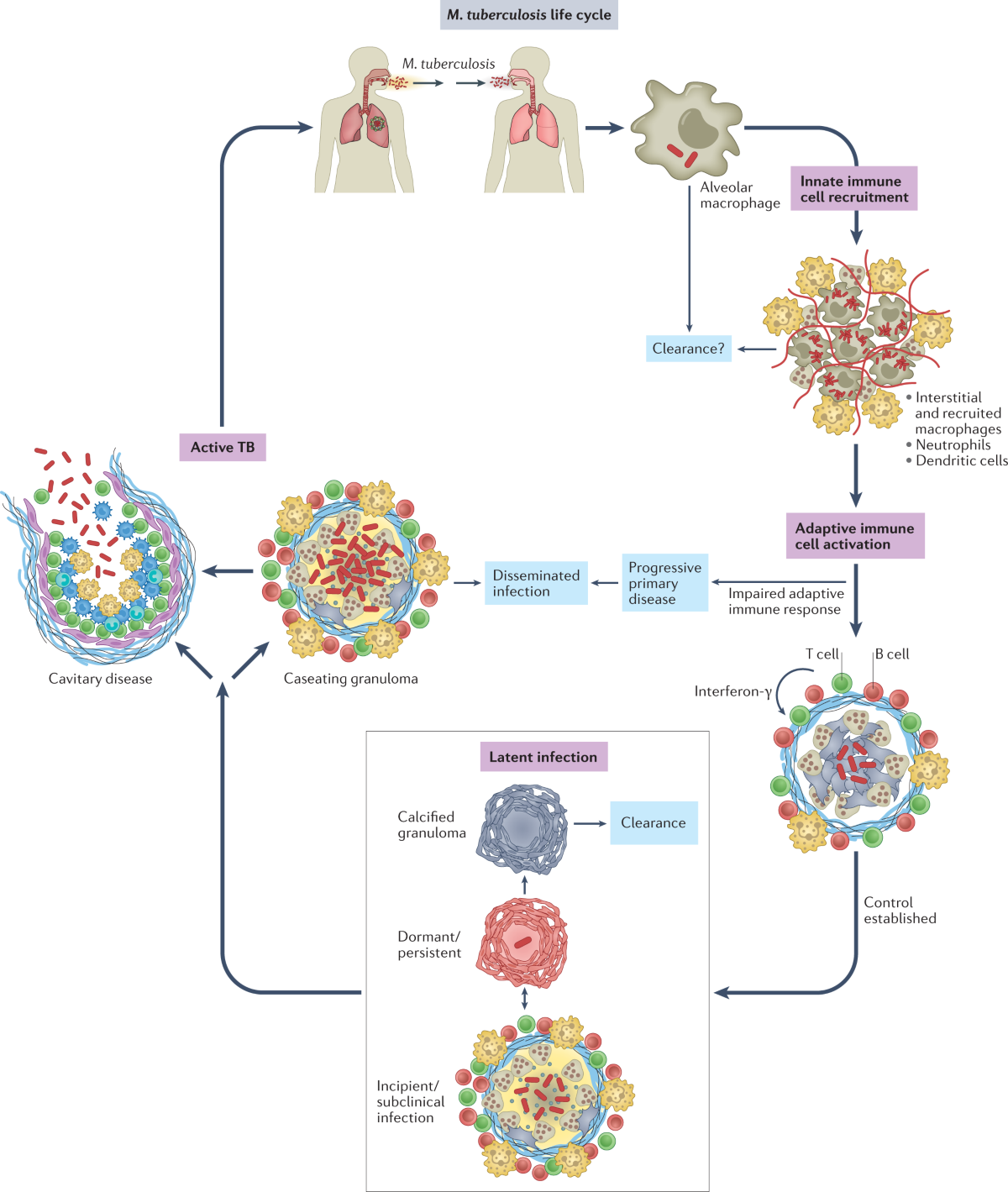
This image was created with the help of NotebookLM AI tool.
Milestones include
Screen and rank potential inhibitors for domain IV via molecular docking using the PDB structure.
Spot optimal conformations with favorable interactions for hits using MD simulations.
Assess drug-likeliness of hits through ADMET filtering and perform lead optimization of hits.
Analyze and report how leads can result in replication inhibition in silico.
Project Aims
Aim1: Experimental Aim:
The aim of my project is to discover potential inhibitors for the Domain 4 (D4) of Mtb.DnaA by utilising a standard drug discovery workflow while also incorporating synthetic biology principles such as protein design and DNA editing and design. Aim 2: Developmental Aim:
To implement the best hits obtained from the computational workflow in live M.tuberculosis bacteria,synthesizing the hits and using them against live M.tuberculosis (first lab strains, and if successful, progress to clinical isolates) to test their efficacy and develop them further depending on results. Aim 3: Visionary Aim:
If fully realized, this inhibitor can be made into a drug, which can then be used in combination therapies against TB. It can work on both active and persister cells alike, inhibiting replication initiation and stopping proliferation, and also sensitising them to existing drug regimens.
Background
This project aims to explore an underexplored, biologically validated target in M.tuberculosis and if fully realized, it could lead to the formation of new combination therapies that can target DnaA along with other proteins to effectively neutralize the bacterium in host. It will also be relatively hard to gain resistance against this inhibitor, because the protein is highly conserved and any mutations in D4 can be difficult or lethal to the bacteria, since that would directly impact the affinity of DNA binding and ultimately replication initiation. Thus it can be very effective against latent infections and MDR/XDR TB. Upon the success of the first aim of this project, it can be taken forward and developed by experts to obtain a drug that can bring about massive progress in clinical treatments, taking this research from bench to bedside for the betterment of patients.
Ethical Implications:
This project, while focused on targeting the DnaA for therapeutic benefit, is within a dual-use framework where obtained insights into inhibitor design could be misapplied. Examples include:
Facilitating resistance or unintended biological disruption.
By adhering to strict institutional biosafety protocols, ensuring secure handling of computational and experimental data, limiting distribution of sensitive details, and maintaining a clear therapeutic intent aligned with biosecurity norms, we can reduce risks and effectively mitigate them while preserving the scientific value.
The project also prioritizes ethical integrity through citation practices, transparent and responsible use of AI-assisted tools, and the generation of reproducible, unbiased data for computational modeling, supported by institutional oversight and guidelines from global organisations like the WHO. Its broader implications are in contributing to effective tuberculosis therapies and ensuring that advancements are communicated responsibly and translated well, thus supporting scientific progress and societal well-being.
Experimental Design, Techniques, Tools and Technology
Curate a ligand library including small molecules and designed peptide, DNA constructs. (Drugbank, Boltz, Twist Bioscience, ZINC22)
Dock them against the target domain’s PDB structure and Alphafold structure. (Schrodinger Glide, Diffdock)
Perform MD simulation on the top 10% hits. (Desmond, Gromacs)
Perform ADMET profiling for the top 10 % hits in MD simulations. (SwissADME, Schrodinger Qikprop)
Perform lead optimization (if time permits) (Schrodinger)
Analyze how this can be further refined and developed.
Protocol for Protein Binder Design:
Through the BoltzBio platform, target protein to be input and active site residues to be specified.
Select the type of binder: peptide, antibody or nanobody. (I chose nanobody binders)
Provide specifications for the type of nanobody binders to be designed including motifs to include/exclude, etc..
Run the experiment.
Gather the top designs and evaluate their properties.
Protocol for DNA Design:
Obtain sequence of the wild-type DnaA-box DNA sequence, which is complexed with the ligand.
Mutate the sequence using random mutagenesis tools.
Redock the wild-type and mutated DNA sequences back to the protein target.
Analyze the binding affinities and properties of the docked structures to identify a mutated sequence with better binding affinity than the original DNA.
Techniques Relevant to my project
Bioethical Considerations
DNA Editing
DNA Construct Design
Databases
Plasmid Preparation
Quality Control/ Analysis
Designing a Twist Order
Protein Design
Use of Boltz/PepMLM
Description of 2 techniques relevant to my project:
I would use Protein Design, to design synthetic peptides or small proteins, that can bind to the D4 of DnaA instead of small molecules with high affinity to inhibit DnaA-DNA interactions.
I would use DNA Editing and Construct design to design a DNA which would have a higher binding affinity to the DBD than the M.tuberculosis’s DnaA box, which can sequester the DnaA, preventing it from binding to the oriC region.
HTGAA Industry Council Companies Involved:
Boltz.bio
Twist Bioscience
Kernel Asimov
Results and Quantitative Expectations
Validation
I choose to validate the DNA design part of my project. I will do this by designing the molecule, obtaining its properties and comparing it with that of the MtDnaA box to see if it will have a relatively better binding affinity to inhibit DnaA D4. The synbio techniques I used in this validation are DNA Editing and Constructing and Databases.
The protocol will involve, designing the DNA, performing protein-DNA docking with both the designed and the wild-type DNA as ligands and finally, interpreting the results to analyze for better binding affinities of the designed DNA with respect to that of the wild-type DNA.
Potential problems during validation include docking of constructs into a dynamic target, which is mistakenly assumed to be static, solvent and ion interference, cross reactivity testing. They can be overcome by using MD refinement for at least 100ns, performing MM-PBSA calculations and reverse docking respectively.
Results
The results of this research, focused on targeting the Domain IV of the Mycobacterium tuberculosisDnaA protein, are summarized in the following subsections:
1. Evolutionary & Conservation Analysis
Domain IV (the DNA-binding domain) exhibited an exceptionally high average conservation score of 10.67 out of 11, significantly higher than the overall protein average of 9.876.
Analysis identified a “Pathogenic Core” (including M. tuberculosis and M. bovis) with nearly zero divergence, indicating intense evolutionary pressure to maintain replication fidelity.
The DNA-recognition residues in the helix-turn-helix motif were found to be identical across the entire genus, validating Domain IV as a stable target for broad-spectrum intervention with a low risk of resistance.
2. Binding Site Prediction
The research identified a hydrophilic, shallow DNA-binding pocket defined by eight critical residues: Pro434, Lys436, Ala441, Arg444, Gln445, Arg468, Thr472, and Tyr475.
Lys436 and Tyr475 were prioritized as the most vital targets because they provide the base selectivity required for the protein to recognize the chromosomal origin of replication (oriC).
3. Molecular Docking & Small-Molecule Hits
Virtual screening identified five high-affinity compounds with binding energies ranging from -10.805 to -14.99 kcal/mol.
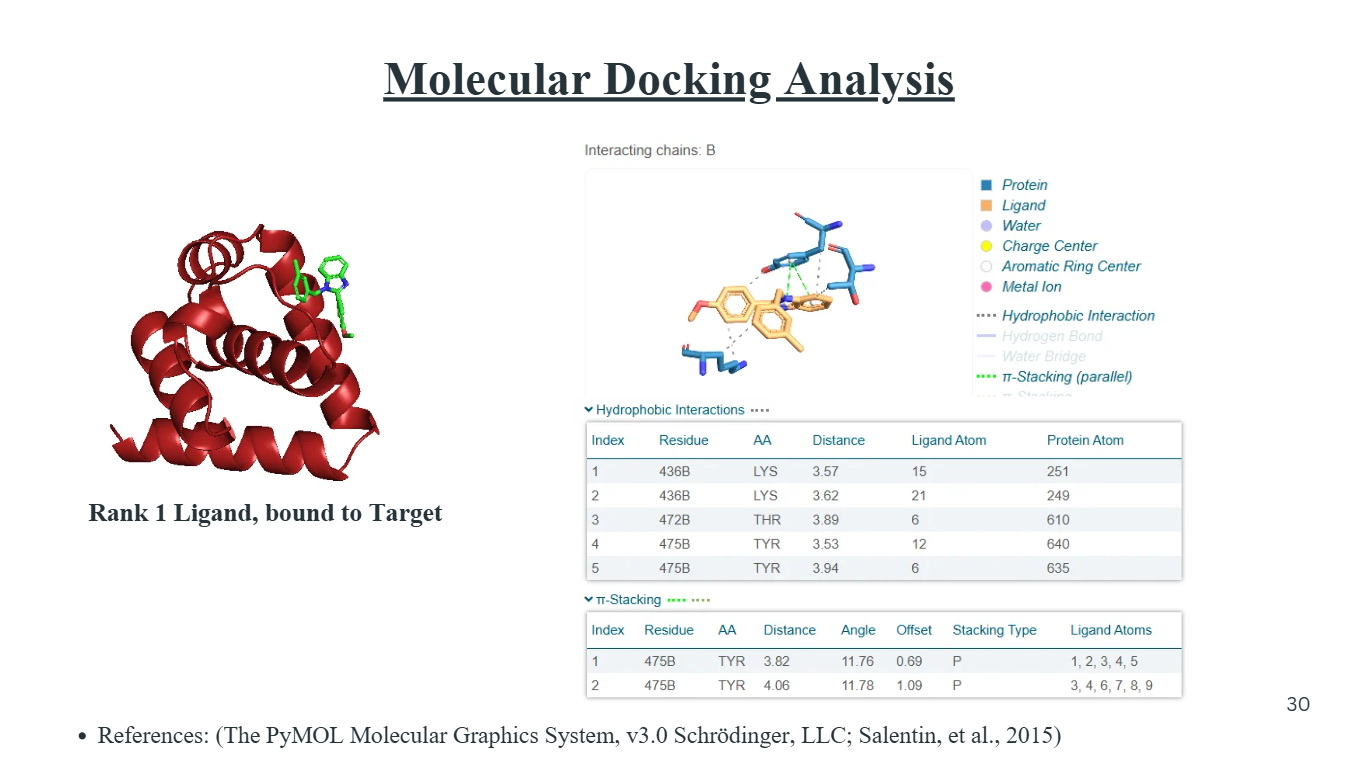
Compound 1 was the most potent binder (-14.99 kcal/mol), utilizing five hydrophobic interactions and parallel pi-stacking with Tyr475.
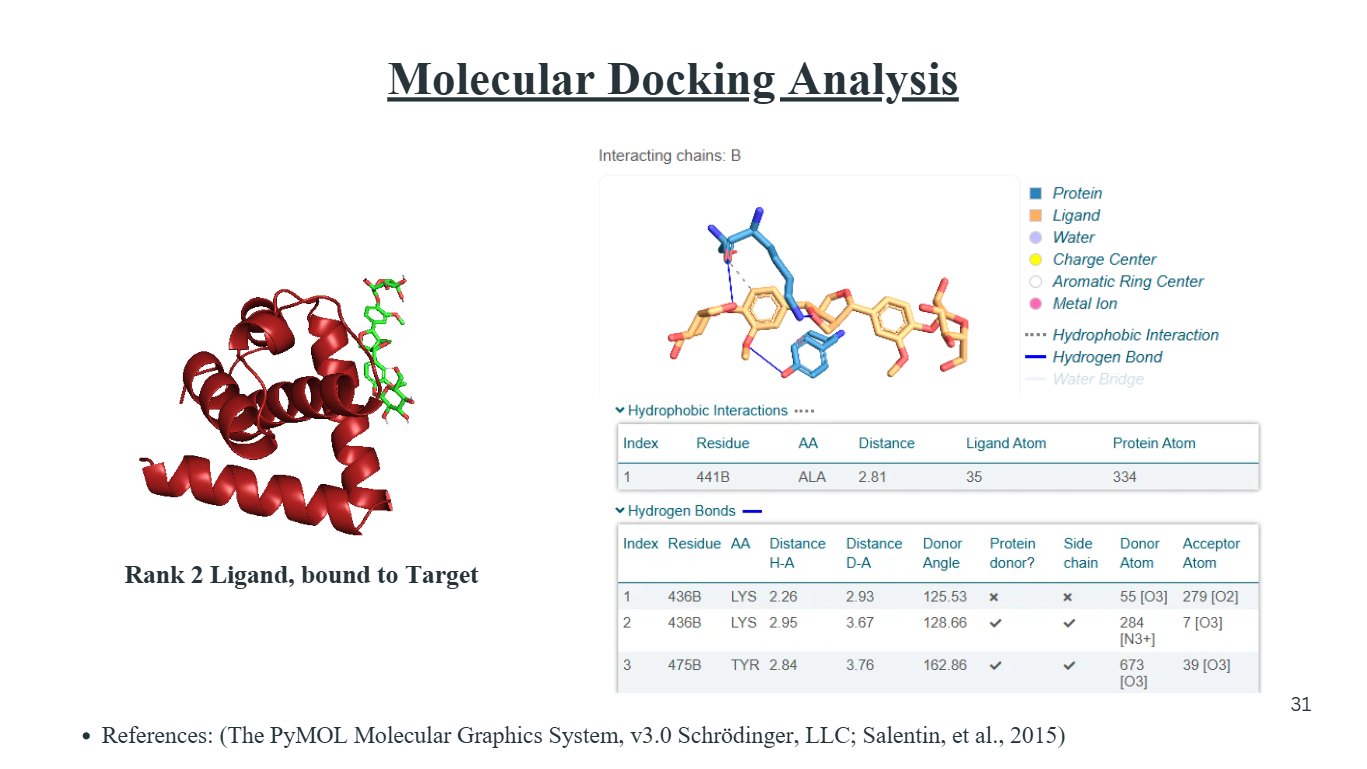
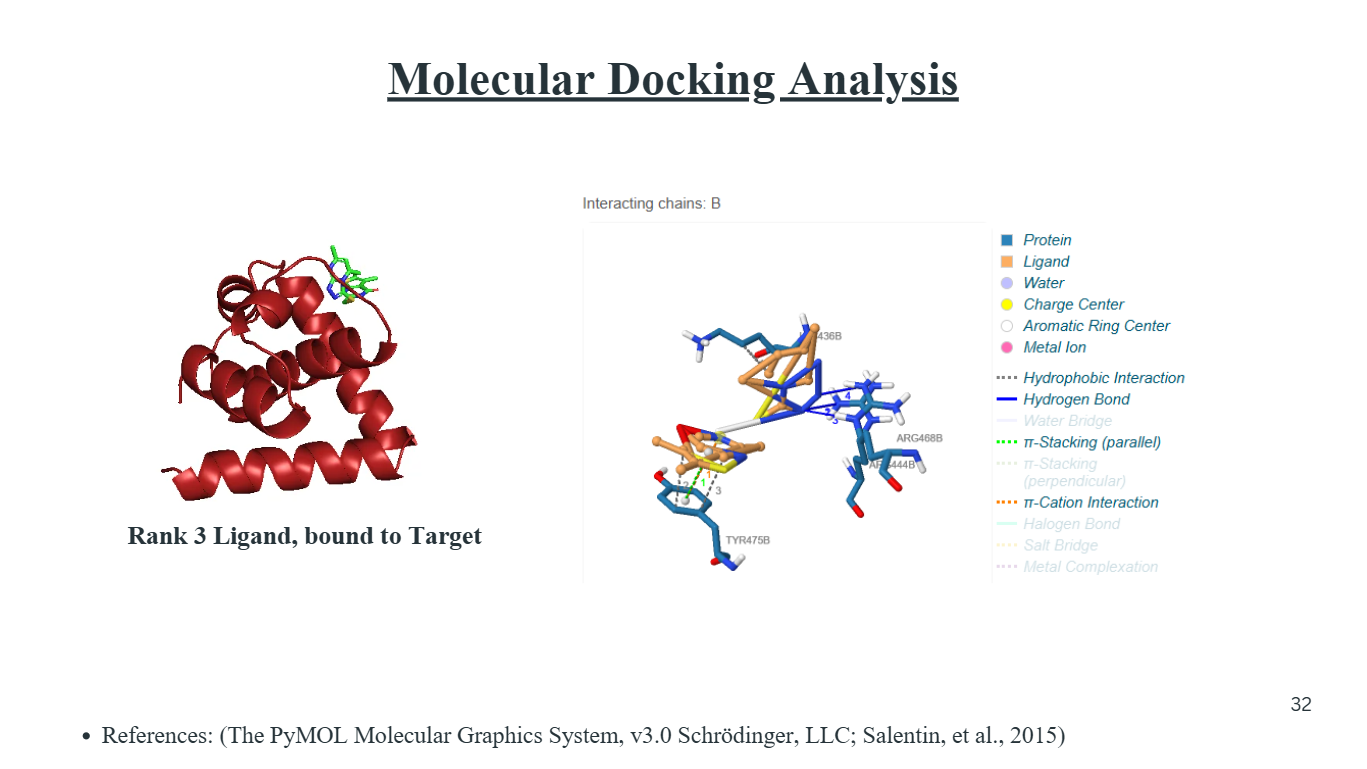
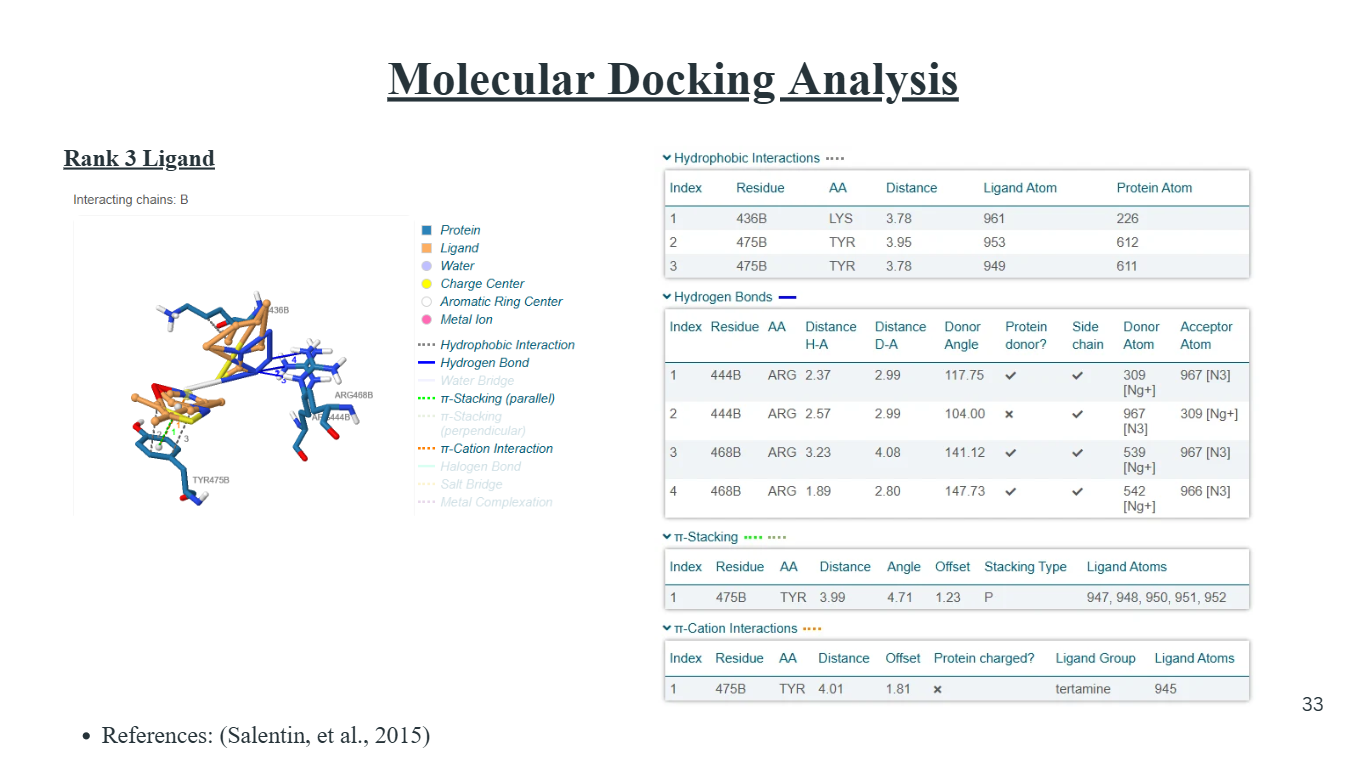
The identified hits effectively target the key base-selective residues (Lys436 and Tyr475) via hydrogen bonding and pi-stacking, acting as competitive inhibitors to block replication initiation. The top 3 protein-ligand complexes and their interactions are shown below:
Top 1 rank ligand complex
Top 2 rank ligand complex
Top 3 rank ligand complex
4. ADMET Profiling & Safety Filtering
From an initial 235 docking hits, 20 compounds were prioritized based on their pharmacokinetic and safety profiles.
Two primary candidates were identified as the most viable, showing zero Lipinski violations, low cardiotoxicity risk, and favorable metabolic profiles.
Despite having the highest affinity, Compound 1 was reclassified to Tier 4 (Moderate Risk) due to specific pharmacokinetic flags compared to Tier 3 candidates.
5. De novo Nanobody Design
Addressing the challenges of targeting a flat DNA-binding interface, 14,235 potential ligands were designed using BoltzBio.
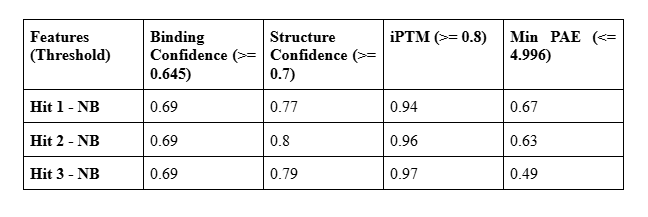
The screening process successfully narrowed the library to 11 top-ranked nanobodies (116–121 amino acids long) that surpassed rigorous structural success thresholds.
These nanobodies are designed to achieve complete replication arrest by effectively masking the essential residues Lys436 and Tyr475.
The parameters of the top 3 binders are shown here:
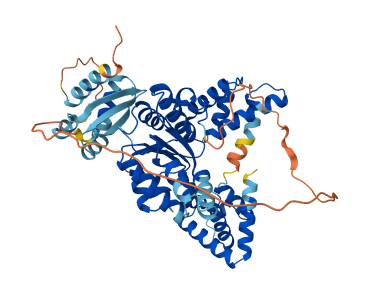
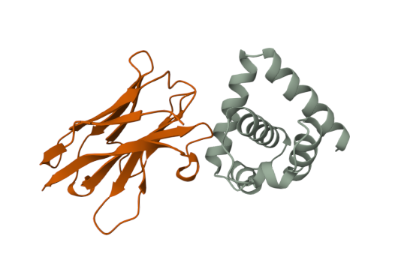
The top binder is shown below:
The orange protein is the designed binder, whereas the grey protein is the target.
6.DNA Designs
DNA decoys were engineered to target the DnaA Domain IV, with the top-ranked design achieving a robust PyDockDNA score of -93.383 driven by strong electrostatics.
The most optimal configuration utilizes a 45-bp mutated DnaA box featuring three tandem repeats integrated into the pMV261 plasmid vector.
This strategy competitively sequesters the initiator protein, effectively preventing oriC recognition and inducing complete chromosomal replication arrest.
This image is a snapshot of the docking results obtained.
References
Alsayed SSR, Gunosewoyo H. Tuberculosis: Pathogenesis, Current Treatment Regimens and New Drug Targets. Int J Mol Sci. 2023 Mar 8;24(6):5202.
Bahuguna A, Rawat DS. An overview of new antitubercular drugs, drug candidates, and their targets. Med Res Rev. 2020; 40: 263-292. https://doi.org/10.1002/med.21602
Cagiada M, Bottaro S, Lindemose S, Schenstrøm SM, Stein A, Hartmann-Petersen R, et al. Discovering functionally important sites in proteins. Nat Commun. 2023 Jul 13;14(1):4175.
Goverdhan Lanka, Darakhshan Begum, Suvankar Banerjee, Nilanjan Adhikari, Yogeeswari P, Balaram Ghosh, Pharmacophore-based virtual screening, 3D QSAR, Docking, ADMET, and MD simulation studies: An in silico perspective for the identification of new potential HDAC3 inhibitors, Computers in Biology and Medicine, Volume 166, 2023, 107481, ISSN 0010-4825, https://doi.org/10.1016/j.compbiomed.2023.107481.
Hansen FG and Atlung T (2018) The DnaA Tale. Front. Microbiol. 9:319. doi: 10.3389/fmicb.2018.00319
Palomino, J. C., & Martin, A. (2014). Drug Resistance Mechanisms in Mycobacterium tuberculosis. Antibiotics, 3(3), 317–340.
Tsodikov, O. V., & Biswas, T. (2011). Structural and thermodynamic signatures of DNA recognition by Mycobacterium tuberculosis DnaA. Journal of molecular biology, 410(3), 461–476. https://doi.org/10.1016/j.jmb.2011.05.007
Mohammadnabi N, Shamseddin J, Emadi M, Bodaghi AB, Varseh M, Shariati A, Rezaei M, Dastranj M, Farahani A. Mycobacterium tuberculosis: The Mechanism of Pathogenicity, Immune Responses, and Diagnostic Challenges. J Clin Lab Anal. 2024 Dec;38(23):e25122. doi: 10.1002/jcla.25122. Epub 2024 Nov 26. PMID: 39593272; PMCID: PMC11632860.



.png)
.png)