Class Assignment Project Idea Chronic wounds and surgical site infections affect millions of patients and cost heathcare systems tens of billions of dollars annually, yet closure devices often remain as passive stitches that do not actively orchestrate local immunity or regeneration [1][2].
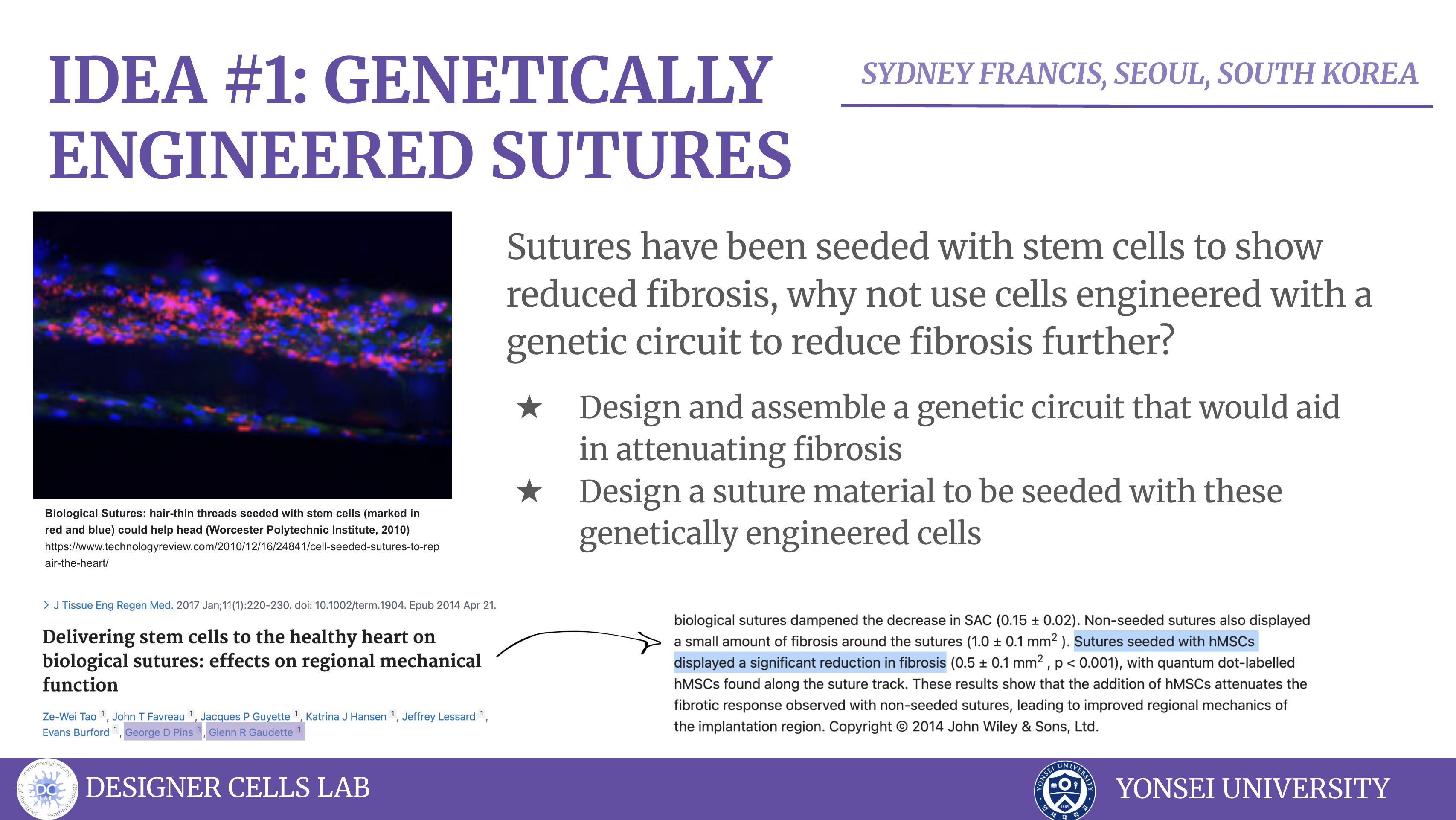
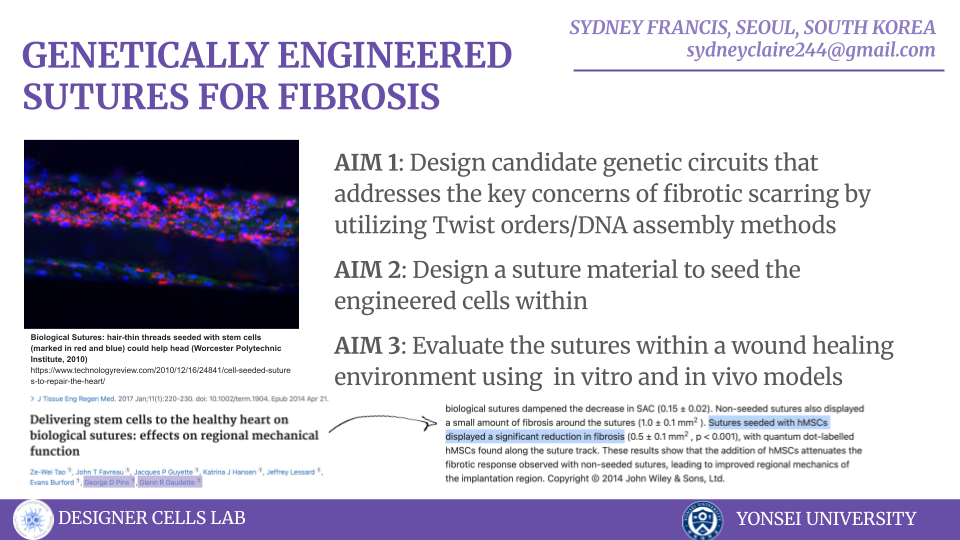
Drug-eluting sutures have shown that suture material can safely deliver local therapeutics, but current designs provide only finite, non-adaptive release of single agents such as antibiotics or growth factors [3][4]. Cell-filled sutures packed with mesenchymal stem cells already demonstrate that viable cells can be integrated into suture structures and enhance healing, but these cells are unmodified and lack controllable, multi-functional outputs [5]. Separately, engineered combinatorial cell devices in fiber-like formats can secrete optimized cocktails of growth factors to accelerate wound and bone repair, but they are not load-bearing sutures and do not address infection or scar modulation at the incision line [6].
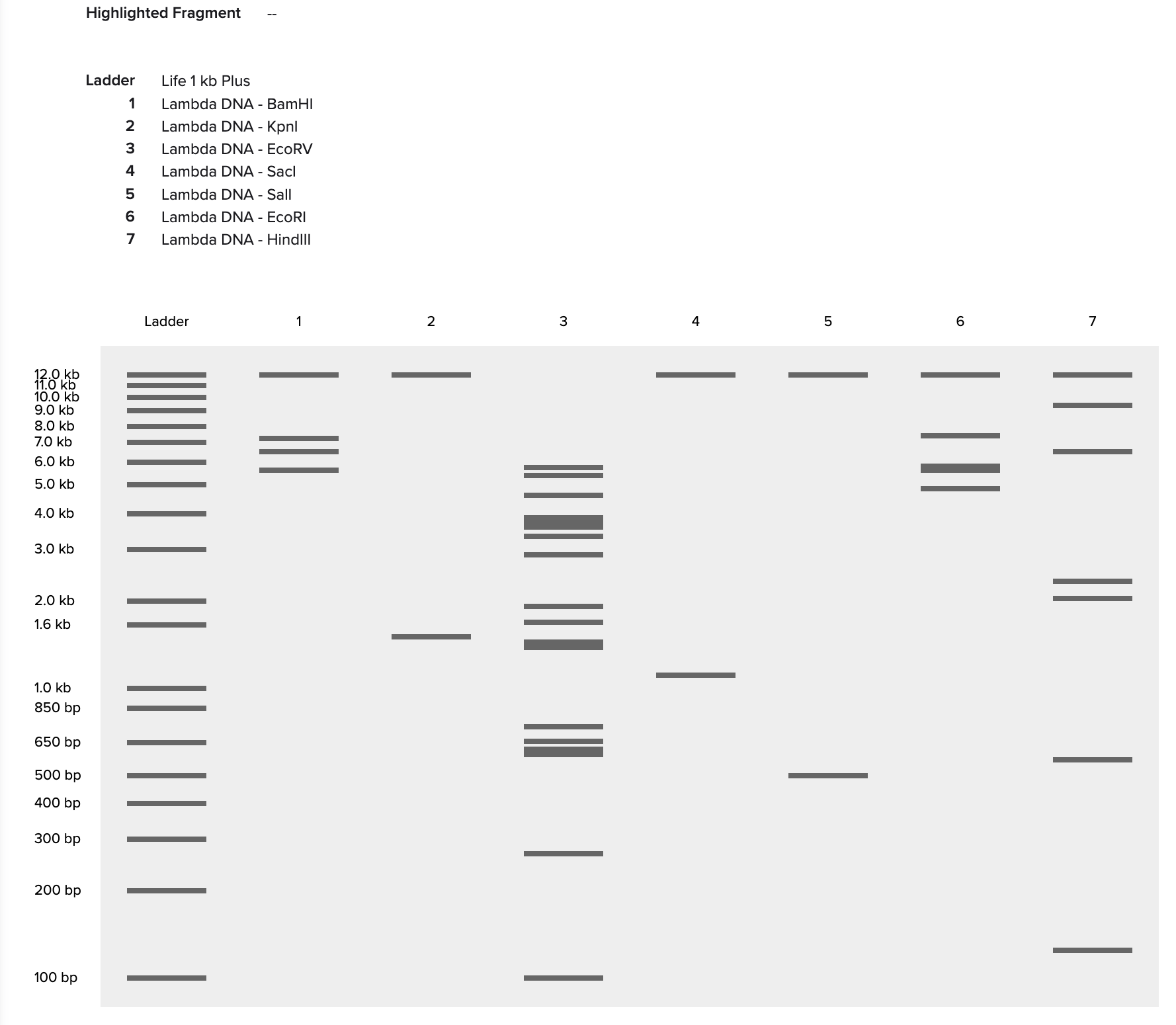
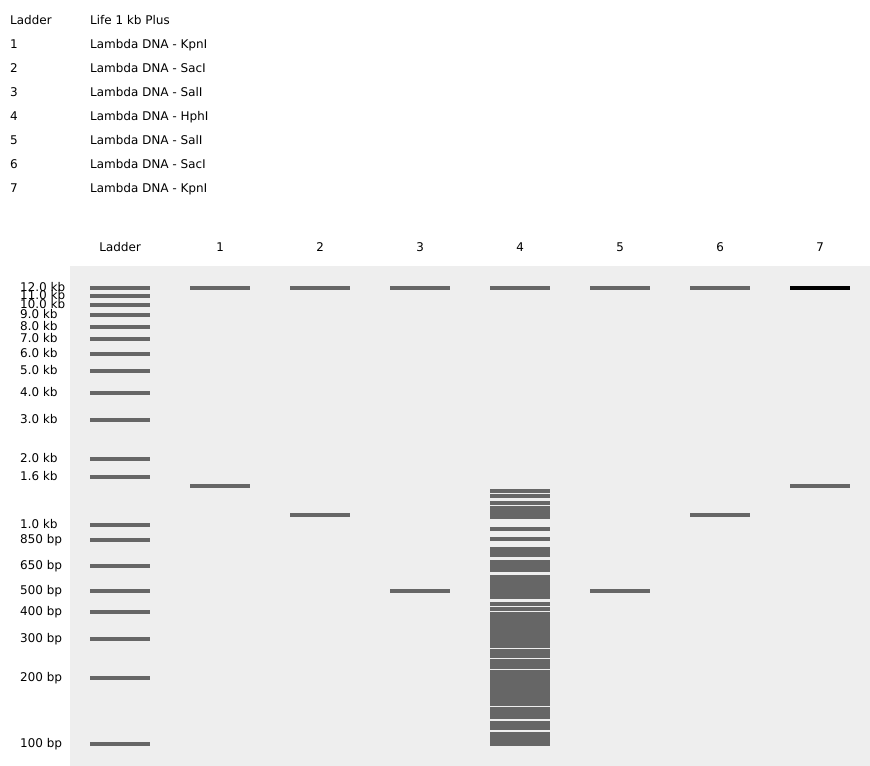
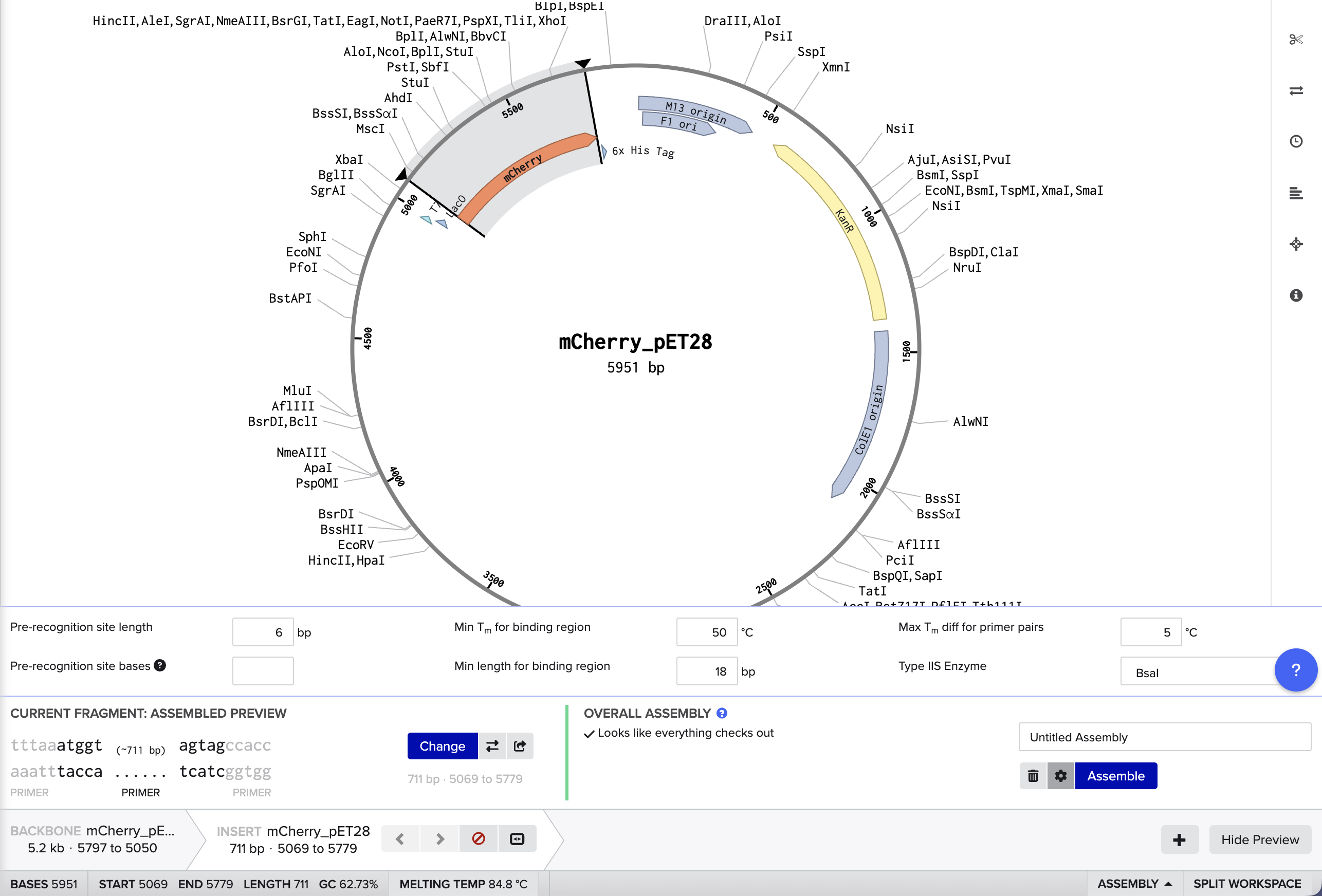
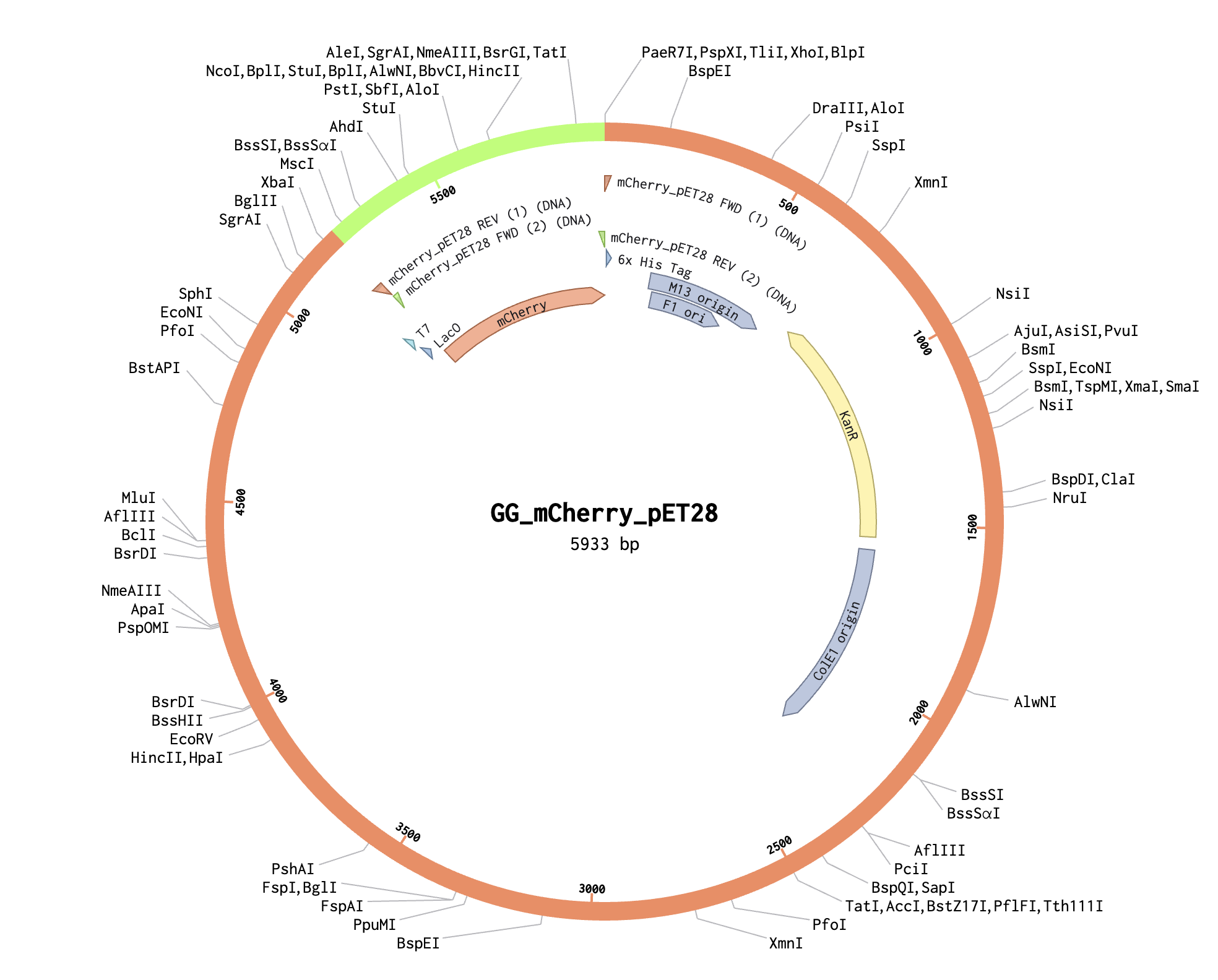
Benchling and In-Silico Gel Art Simulate Restriction Enzyme Digest I found this process quite intuitive, as I’ve done similar simulations with the application SnapGene, but it was interesting to notice the small interface differences between the two!
Chronic wounds and surgical site infections affect millions of patients and cost heathcare systems tens of billions of dollars annually, yet closure devices often remain as passive stitches that do not actively orchestrate local immunity or regeneration [1][2].
Drug-eluting sutures have shown that suture material can safely deliver local therapeutics, but current designs provide only finite, non-adaptive release of single agents such as antibiotics or growth factors [3][4]. Cell-filled sutures packed with mesenchymal stem cells already demonstrate that viable cells can be integrated into suture structures and enhance healing, but these cells are unmodified and lack controllable, multi-functional outputs [5]. Separately, engineered combinatorial cell devices in fiber-like formats can secrete optimized cocktails of growth factors to accelerate wound and bone repair, but they are not load-bearing sutures and do not address infection or scar modulation at the incision line [6].
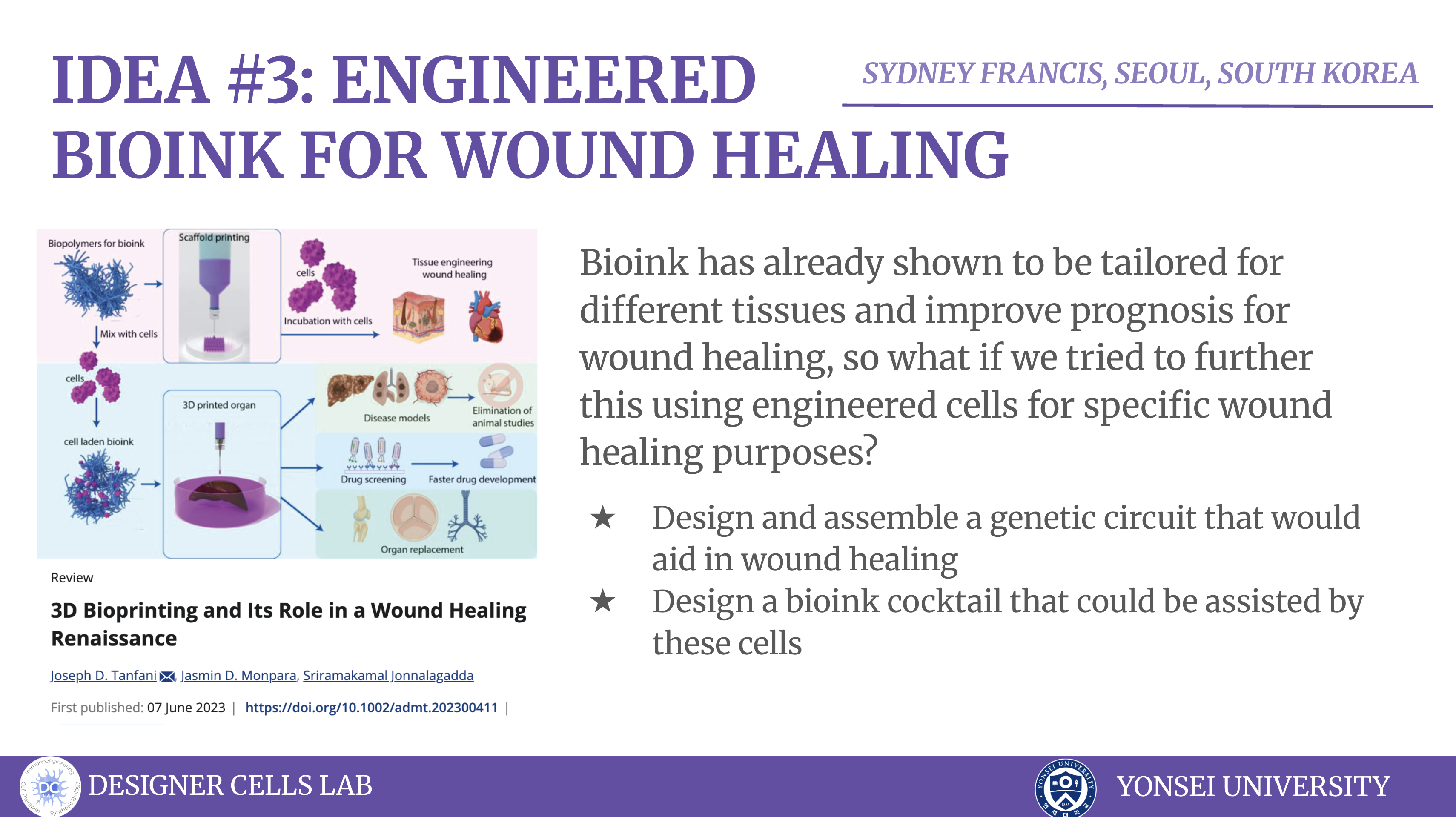
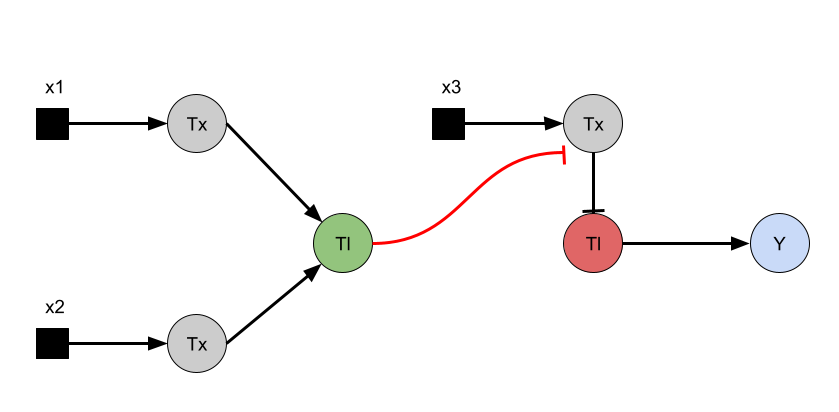
In a separate project, I explored how patient skin cells (such as fibroblasts) could be engineered to express a genetic circuit that could counteract the persistent inflammation of chronic wounds, sense a biomarker indicative of the end of the inflammatory wound healing phase, and then kickstart the proliferation phase sequentially.
I want to use a similar premise to propose a hollow, bioabsorbable suture that houses genetically engineered cells programmed to sense wound and infection cues to secrete combinations of pro-regenerative and antimicrobial factors over the critical healing window. This would transform sutures from a passive mechanical closure tool into an adaptive, living therapeutic that directly tackles both impaired healing and scarring in a way that current drug-eluting or cell-based sutures cannot.
Governance/Policy Goals
Enhance Biosecurity
Introducing genetically modified living materials into the body always poses the risk of unintended side effects in terms of how that newly modified
Escape and persistence of engineered cells
Genetically engineered cells have the potential to leak from the suture material during deegradation, which may cause the migration of these cells to other unintended areas of the body
Unintended immune suppression hotspots
One potential application of the seeded engineered cells is to assist in the healing of chronic wounds, which would require the secretion of anti-inflammatory genes/cytokines. In this case, it could potentially host an environment that is susceptible to tumor growth due to the prevention of the body’s natural protection mechanisms becoming temporarily reduced
Foster Lab and Patient Safety
By preventing incident
Informed patient consent
Adverse events
Protect the Environment
Wasted suture material
As this suture material would contain a living cellular component, the wasted material would need to be properly disposed of through the right channels
Resistance ecology
As the suture material could aim to reduce microbial infection, this could lead to an inadvertent resistance issue through evolution (similar to antibiotic resistance) and should be thoughtfully considered
Other Considerations
Equal access
Not impede research
Promote constructive applications
Potential Governance Actions
Specialized biosafety and clinical training track for “living implant” users
Purpose:
Researchers and clinicians complete general biosafety and surgical training, but there is no standardized curriculum for working with engineered living impants
Establish a dedicated training a certification program for labs and clinicians who design, manufacture, or implant living sutures, similar to specialized credentialing for radiation safety or gene therapy administration
Design:
Government entities would implement a standardized curriculum and requirement for all individuals working with living material users
Universities, hospitals, and organizations could develop modules on containment of genetically engineered materials, safety functions and limitations, proper disposal methods and would need to require completion from designated users
Assumptions:
Assumes that the training would be taken seriously by all parties involved
Assumes that institutions have the resources to implement this level of training
Risks of Failures and Success:
Training can easily devolve into people trying to just “pass a quiz”
Small or underprivileged institutions may not be able to support the certification
Credentials could become a bottleneck in care, limiting broader patient impact
Mandatory standardized labeling and risk communication for living sutures
Purpose:
Implanted devices and sutures often have minimal patient-facing documentation and many patients do not know exactly what materials are being used
Require clear, standardized labeling and risk summaries for any engineered-cell stuure, both on packaging for clinicians and in take-home materials for patients, similar to medication guides for high-risk drugs
Design:
Government entities should define a standardized material and one-page explanation that should include that the suture is living/engineered, intended benefits, key unknowns, possible risks, and recommended follow-up durations
Medical professionals should ensure that patients receive and acknowledge these materials during consent and discharge
Assumptions:
Assumes patients will read and understand the materials
Assumes that clinicians will consistently use and explain documents instead of just handing them over
Assumes that simple language used for materials can convey the complex biological concepts utilized
Risks of Failures and Success:
Overly technical language may confuse or scare patients without helping them to make an informed decision
If the material emphasizes uncertainty too strongly, clinicians may avoid using the sutures due to patient refusal or anxieties, even when risk-benefit is favorable in high-need cases
Open safety data and pre-registration for living-suture research
Purpose:
Clinical trials are often pre-registered, but preclinical work, especially in industry, can remain proprietary and negative results are frequently unpublished
Require prospective registration and open reporting of both clinical and key preclinical studies involving engineered-cell sutures, including negative or inconclusive safety findings
Design:
Academic and industrial labs should register protocols in public or semi-public databases and post summaries of the key findings, including failures
Government or regulatory safety boards should aggregate data and identify patterns which can be communicated to different programs and companies
Assumptions:
Assumes companies will accept some loss of competitive secrecy for safety transparency
Assumes public reporting can be done in ways that protect intellectual property while still being meaningful
Risks of Failures and Success:
Compliance may be partial, some negative preclinical findings could stay hidden in internal reports
Low-quality data could mislead more than inform
Highly publicized early safety issues, even if fixable, could dissolve public trust in otherwise promising tools
Governance Actions vs Policy Goals
Researchers
Medical professionals
Government Entities (Ex: FDA)
Patients
Enhance Biosecurity
• Escape and persistence of engineered cells
3
1
2
n/a
• Unintended immune suppression hotspots
1
3
2
n/a
Foster Lab and Patient Safety
• By preventing incident
3
2
1
4
• Informed patient consent
4
1
2
3
• Adverse events
3
2
1
4
Protect the environment
• Wasted suture material
3
2
1
4
• Resistance ecology
3
2
1
4
Other considerations
• Equal access
3
2
1
n/a
• Not impede research
2
1
2
• Promote constructive applications
1
2
3
4
1= most responsibility, 4=least responsibility
Lecture 2 Preparation Questions
Questions from Professor Jacobson
The error rate for DNAP is 106 (about 1 in 1 million). Since the human genome is roughly 3.2 x 10⁹ bp, this means that there would be around 3,200 errors each time a genome copy is made. However, nature is able to combat these errors due to its error correction mechanisms, such as the MutS repair system.
If we assume that an average human protein has 375 amino acids [7], and there are about three codons that code each amino acid, then there are roughly 10180 ways to code for the average human protein. However, some of these codings could be invalid if they don’t have a proper start codon, if they have unstable mRNA, or if they produce a misfolded protein.
Questions from Dr. LeProust
Currently, the method typically used for oligo synthesis is solid-phase phosphoramidite chemistry, where the 5’ end of the previous nucleotide is protected and as phosphoramidites are added (modified versions of each nucleotide), the 5’ end is exposed, allowing the next base to couple, and then the resulting 5’ end is protected once again while an oxidizing solution stabilizes the bond that was just formed, repeating the process until one obtains the desired oligonucleotide [8].
Oligos longer than 200bp are typically too difficult to synthesize due to an accumulation of impurities that significantly decreases the yield [9].
Coding a gene over 2000bp by oligo synthesis would also be difficult due to exponentially decreasing yields over a certain threshold and difficulty with purifying the final product.
Questions from George Church
In response to question #2
The NA:NA code relies on pairing G to C and pairing A with T (or U in RNA). This then is translated in the AA:NA code as a three bp long codon that translates to one of the twenty amino acid, and this ultimately results in amino acids that can be coded by multiple codon sequences. In order to create an AA:AA code, which would represent protein-protein interactions, I would anticipate the need to consider 3D structure as well as properties of each of the AAs. For example, a positively charged amino acid, like histamine, would ultimately pair best with a negatively charged amino acid, such as glutamic acid. Since there are multiple amino acids with these properties, the code would not have a singular outcome, like NA:NA, but this code could then be further optimized through the 3D structure complemtarity [10][11].
Week 2: DNA Read, Write, and Edit
Benchling and In-Silico Gel Art
Simulate Restriction Enzyme Digest
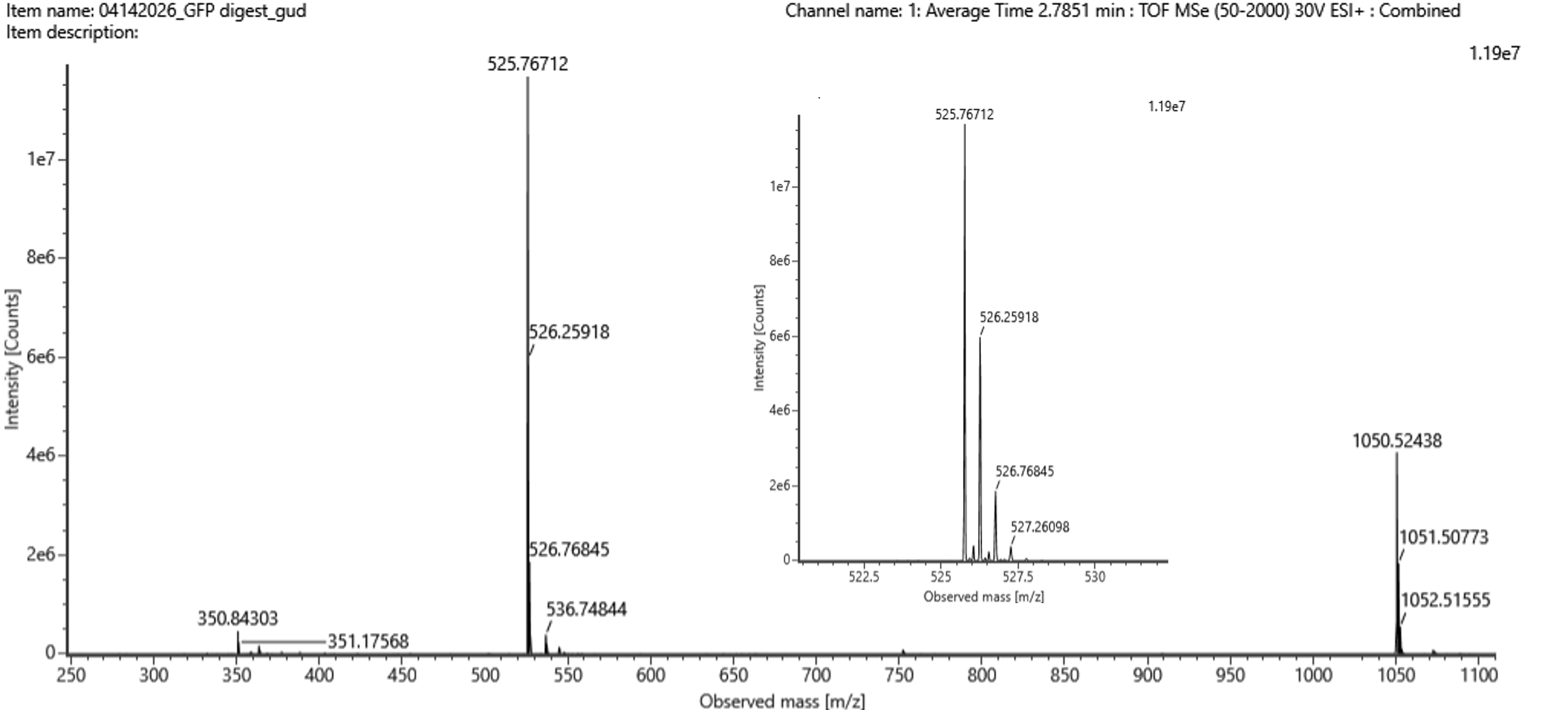
I found this process quite intuitive, as I’ve done similar simulations with the application SnapGene, but it was interesting to notice the small interface differences between the two!
Pattern in the style of Paul Vanouse
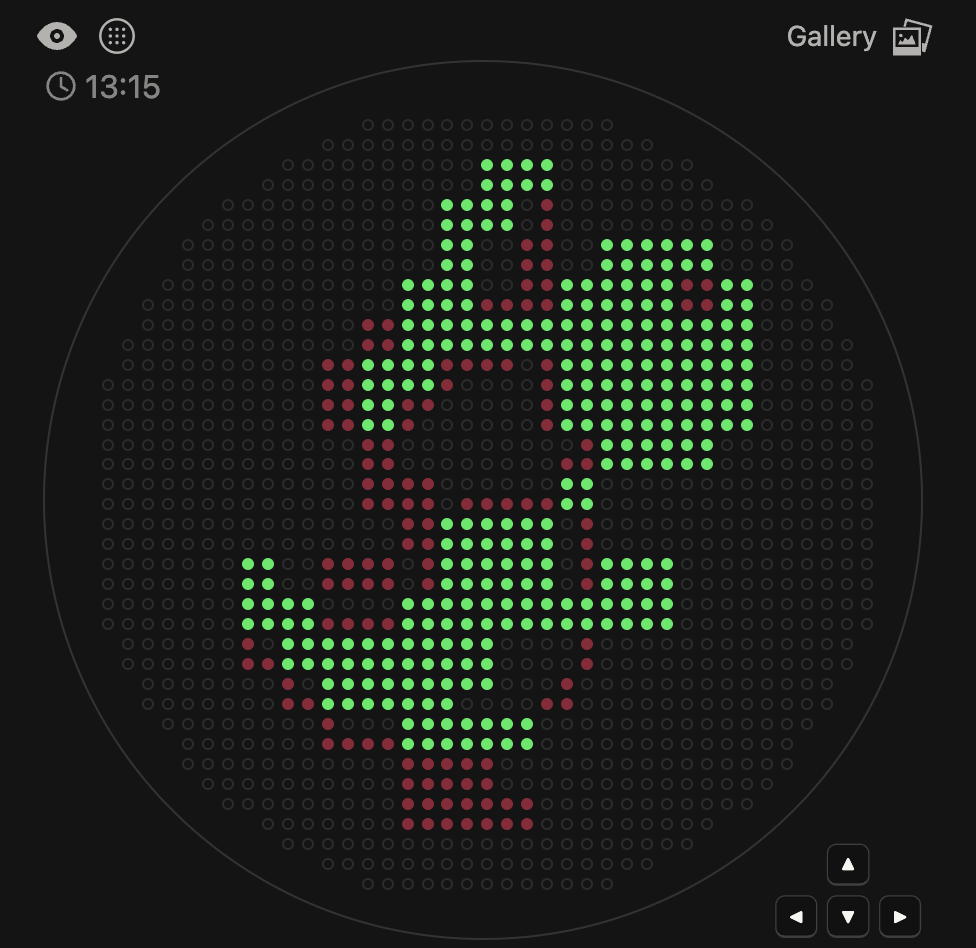
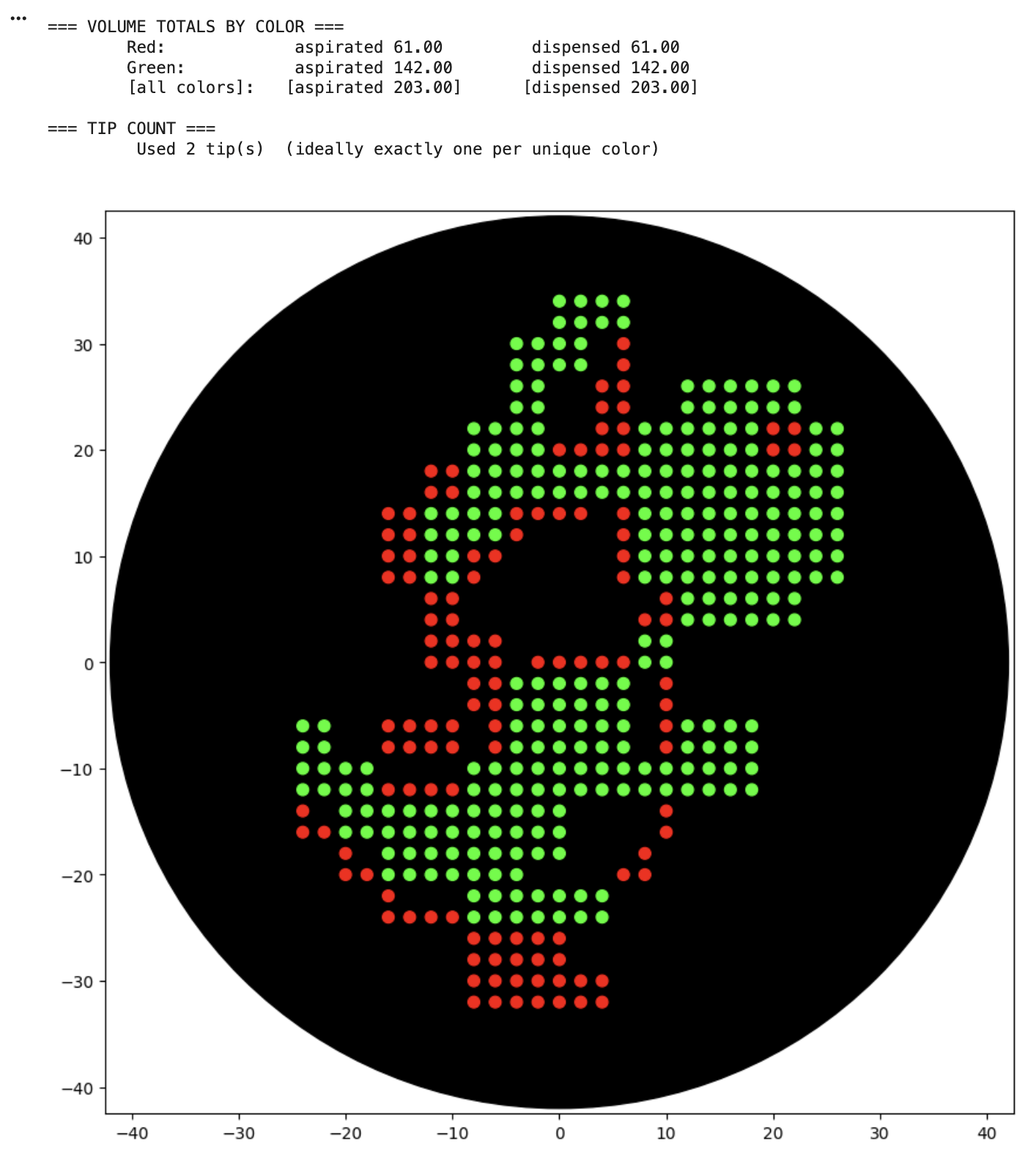
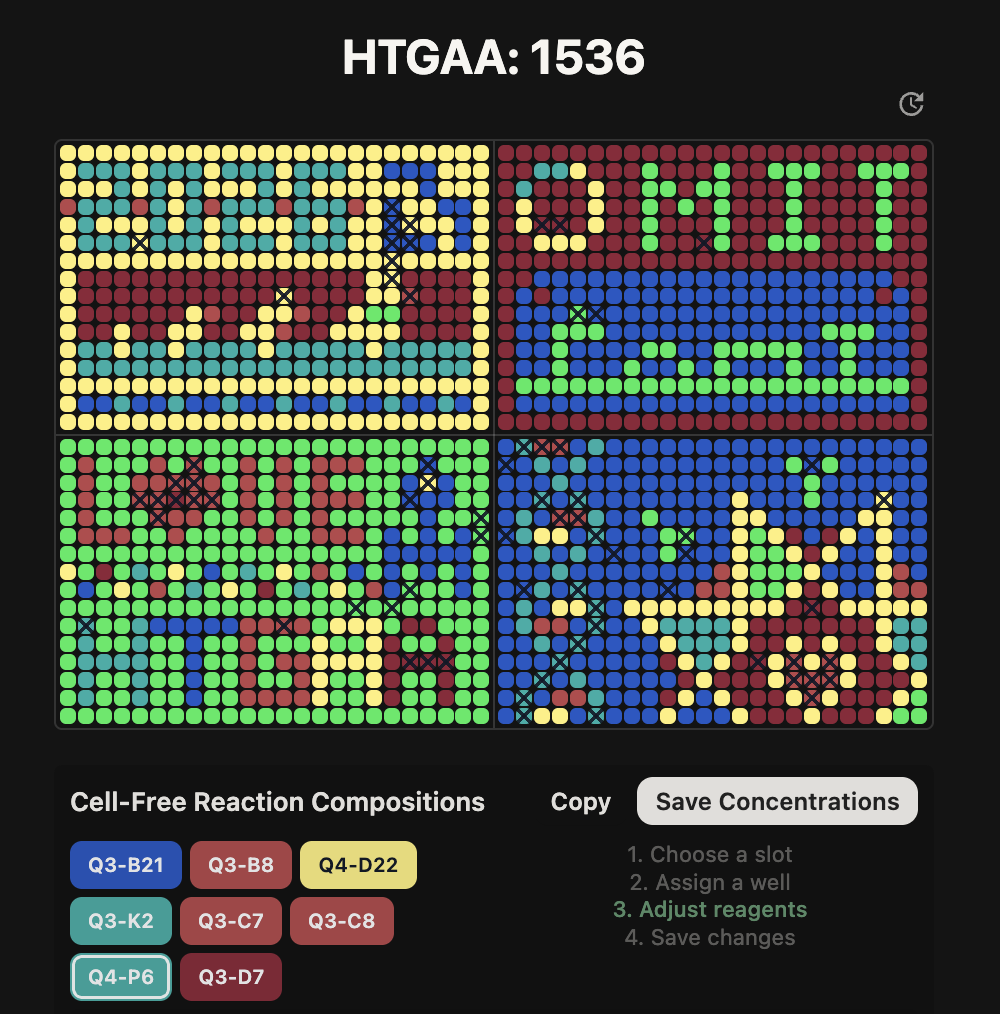
I attempted to make a “Y” for Yonsei, but it turned out to be more difficult than I expected and this was the closest I ended up getting… Huge respect to the people who were able to make a more comprehensive image like the ones that spell MIT!
DNA Design Challenge
My Chosen Protein
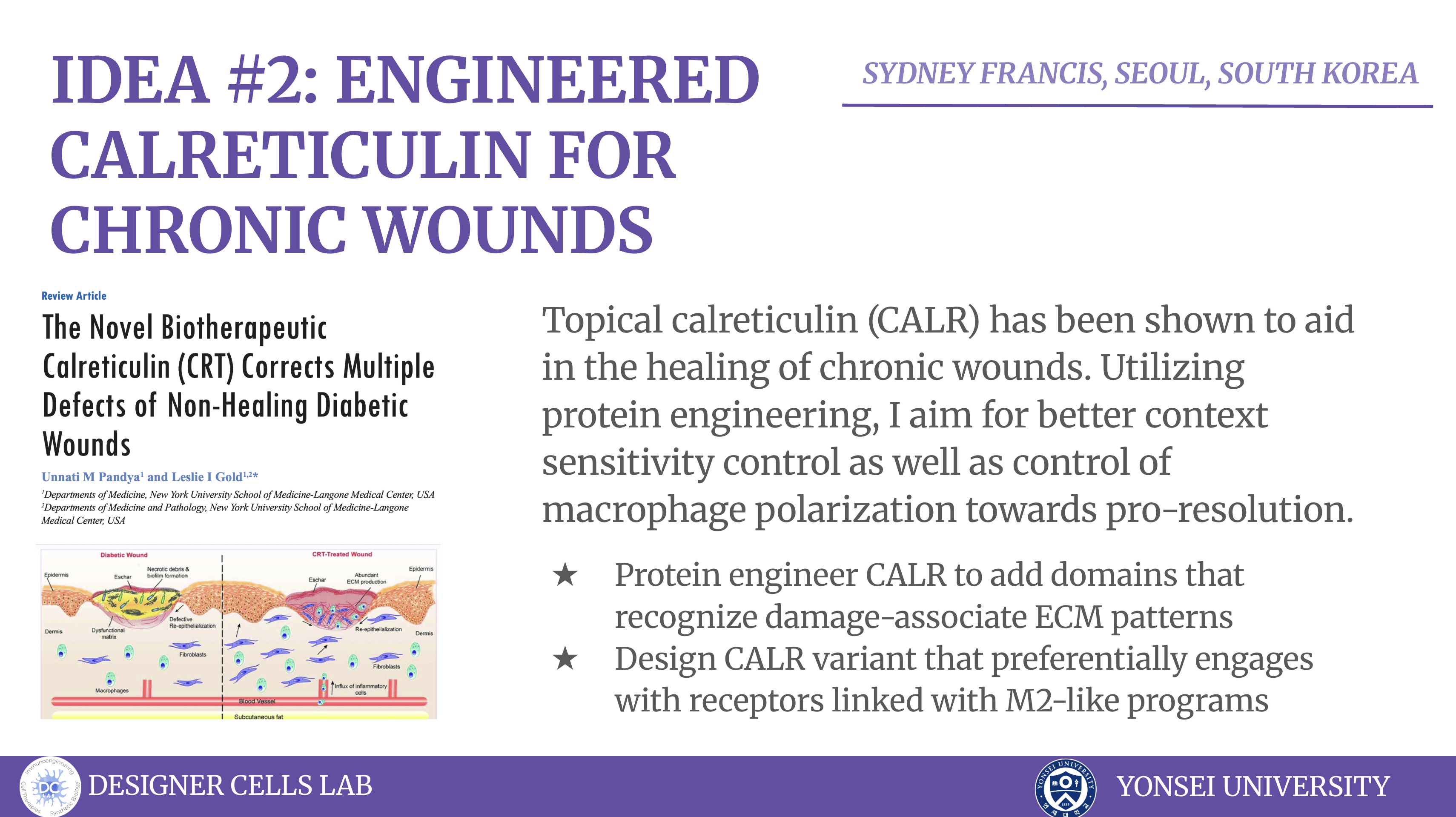
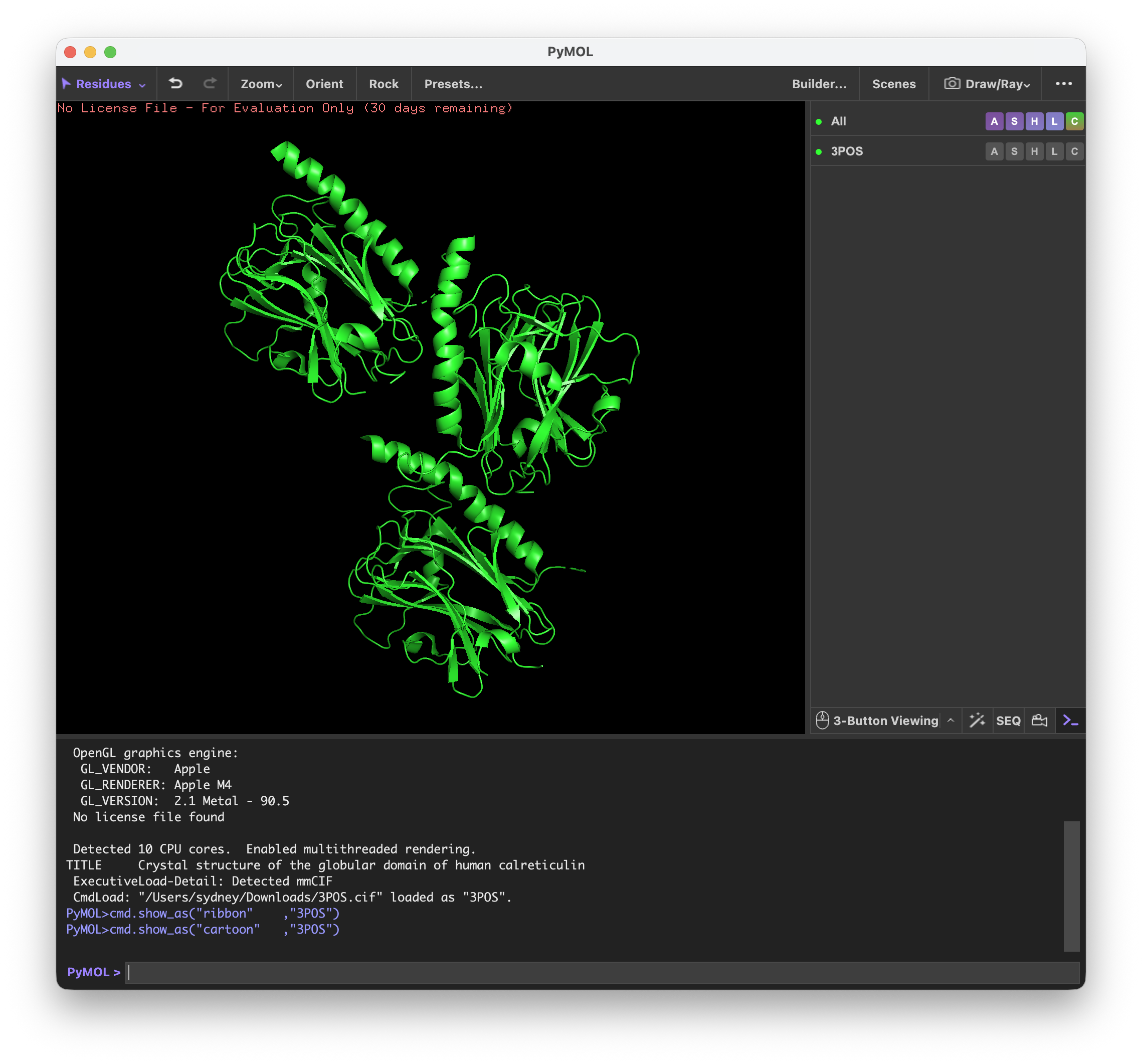
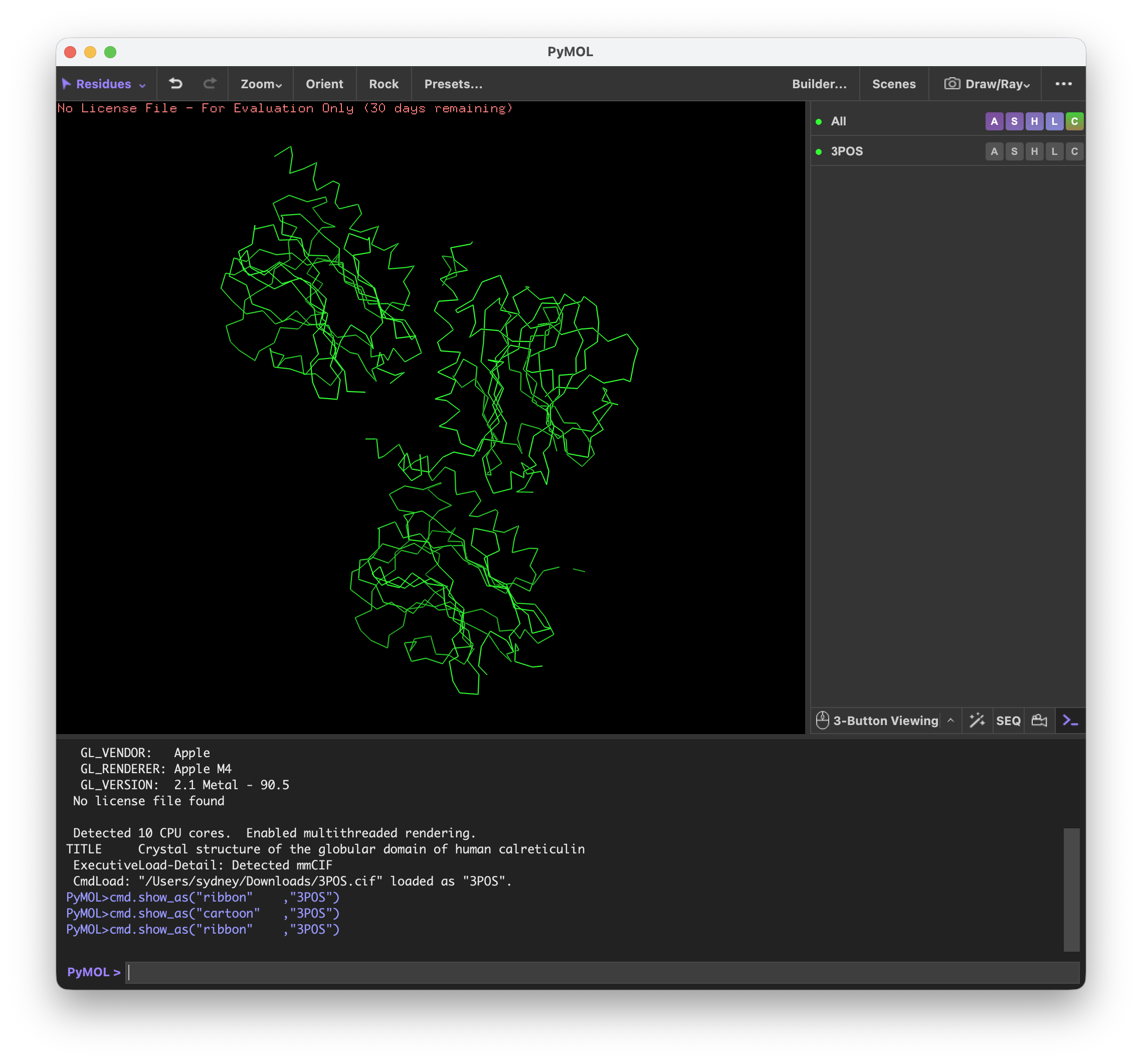
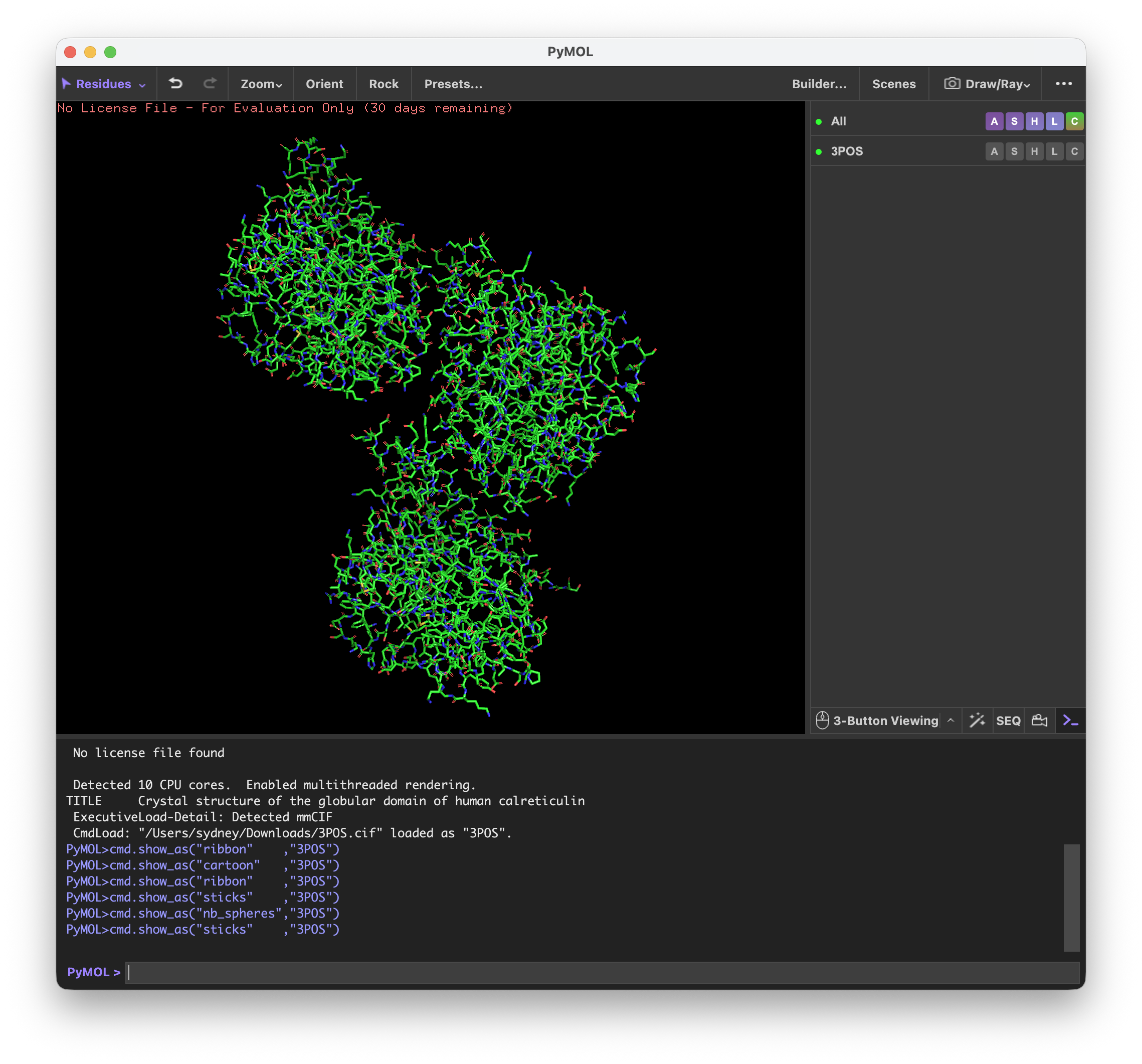
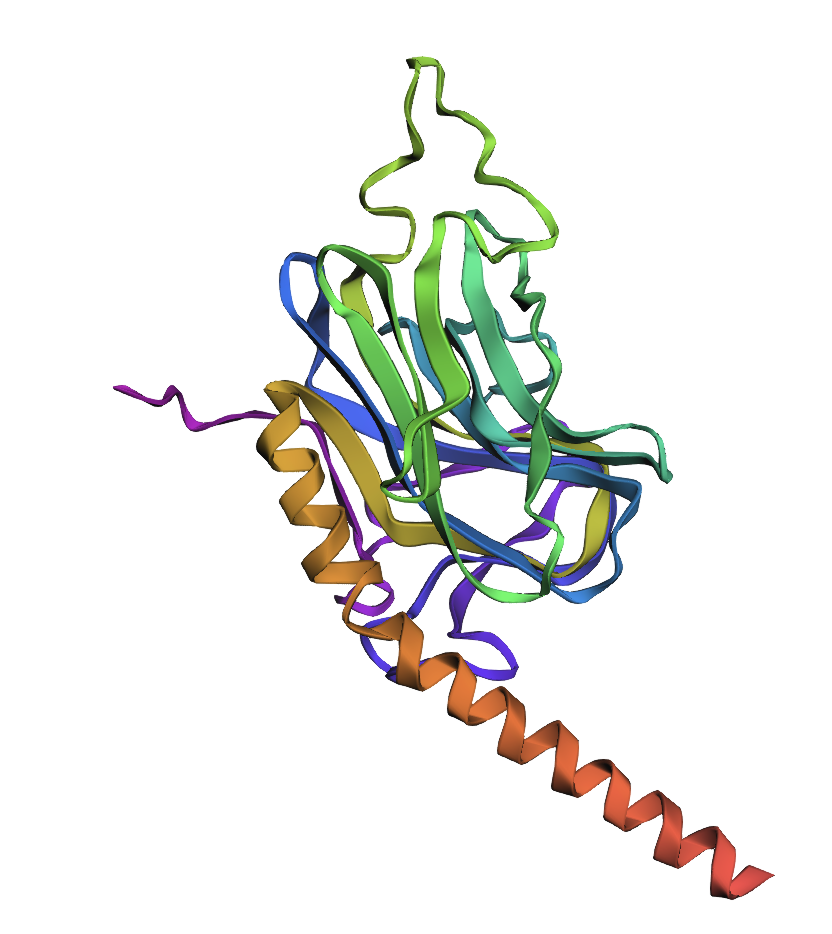
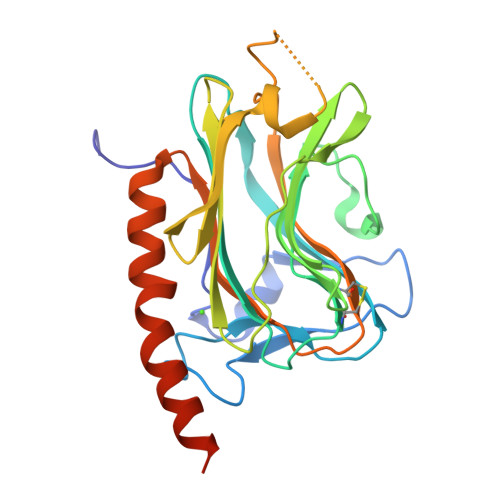
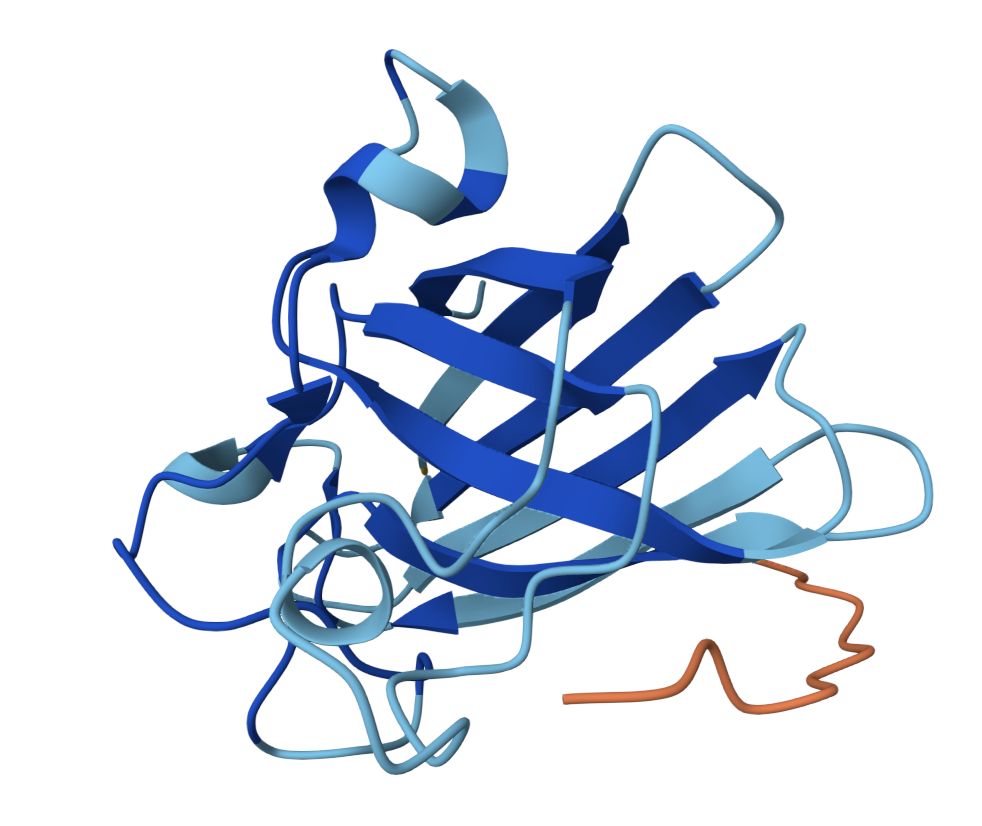
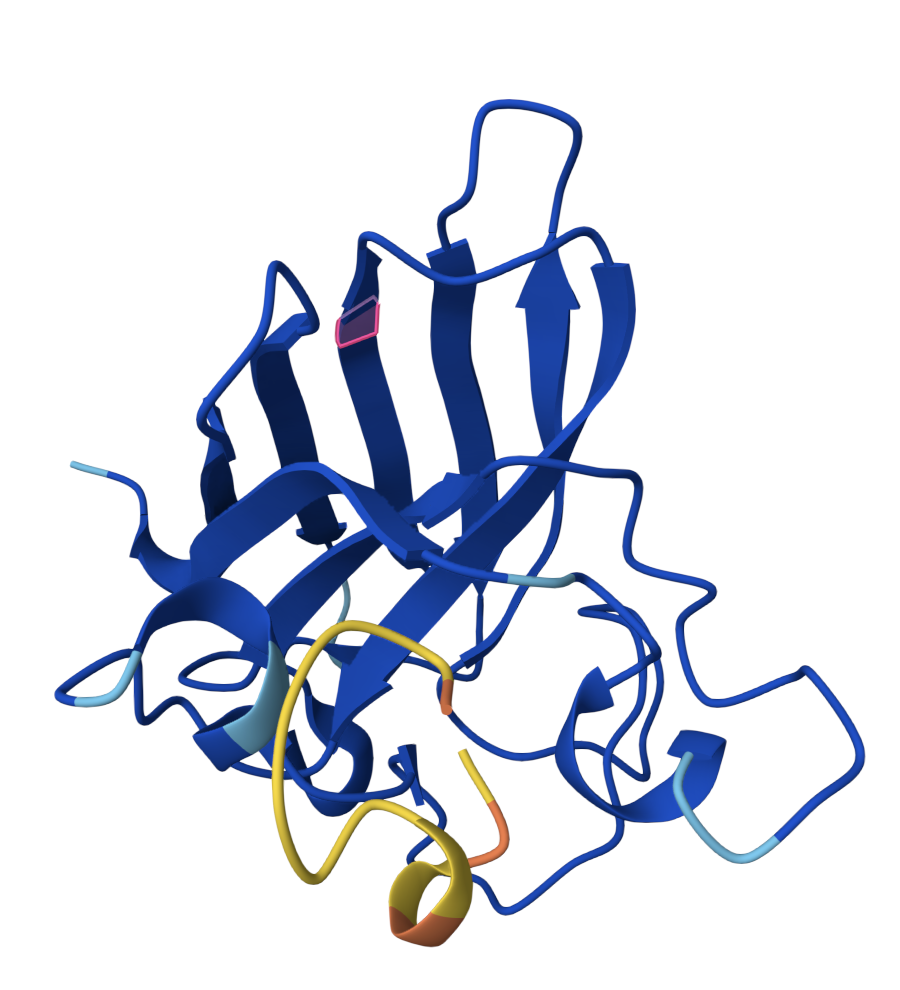
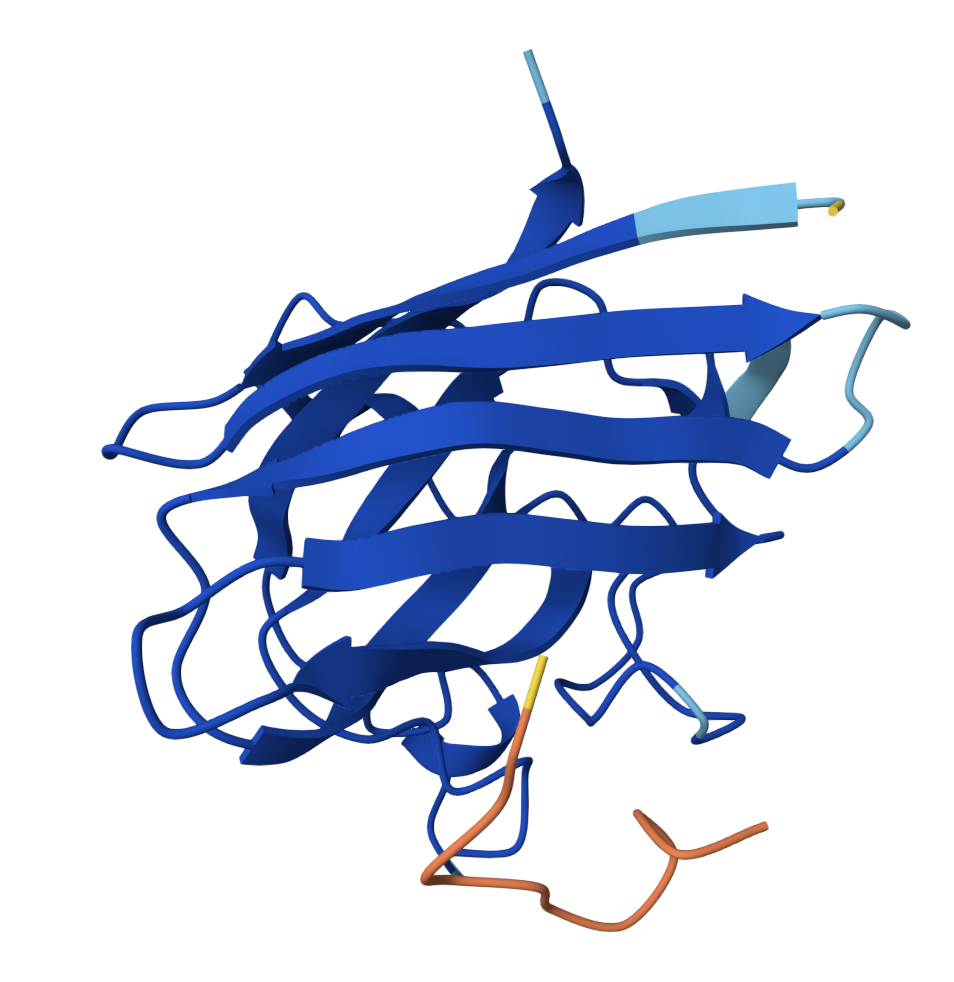
I chose to explore Calreticulin (CALR) as my protein of interest for this week due to its role as a pro-healing cue in wound healing[1]. CALR typically serves to support the progression through the four wound healing phases (hemostasis, inflammation, proliferation, and remodeling) [2], which is classically disrupted during chronic wounds [3].
Codon optimization is essential to ensuring the proper and efficient protein expression of a given protein within a specific organism. Typically, different organisms favor different codons that ultimately encode the same amino acid [7], which is why optimizing to the specific organism you intend to use to produce the protein verifies that frequently used codons are encoded instead of rarely used ones within your expression host of choice[8].
In this case, I think that the most applicable technology to produce CALR would be to use HEK293T cells. These cells are human derived and are quickly replicable, meaning that they would be able to prouduce this protein with great efficiency.
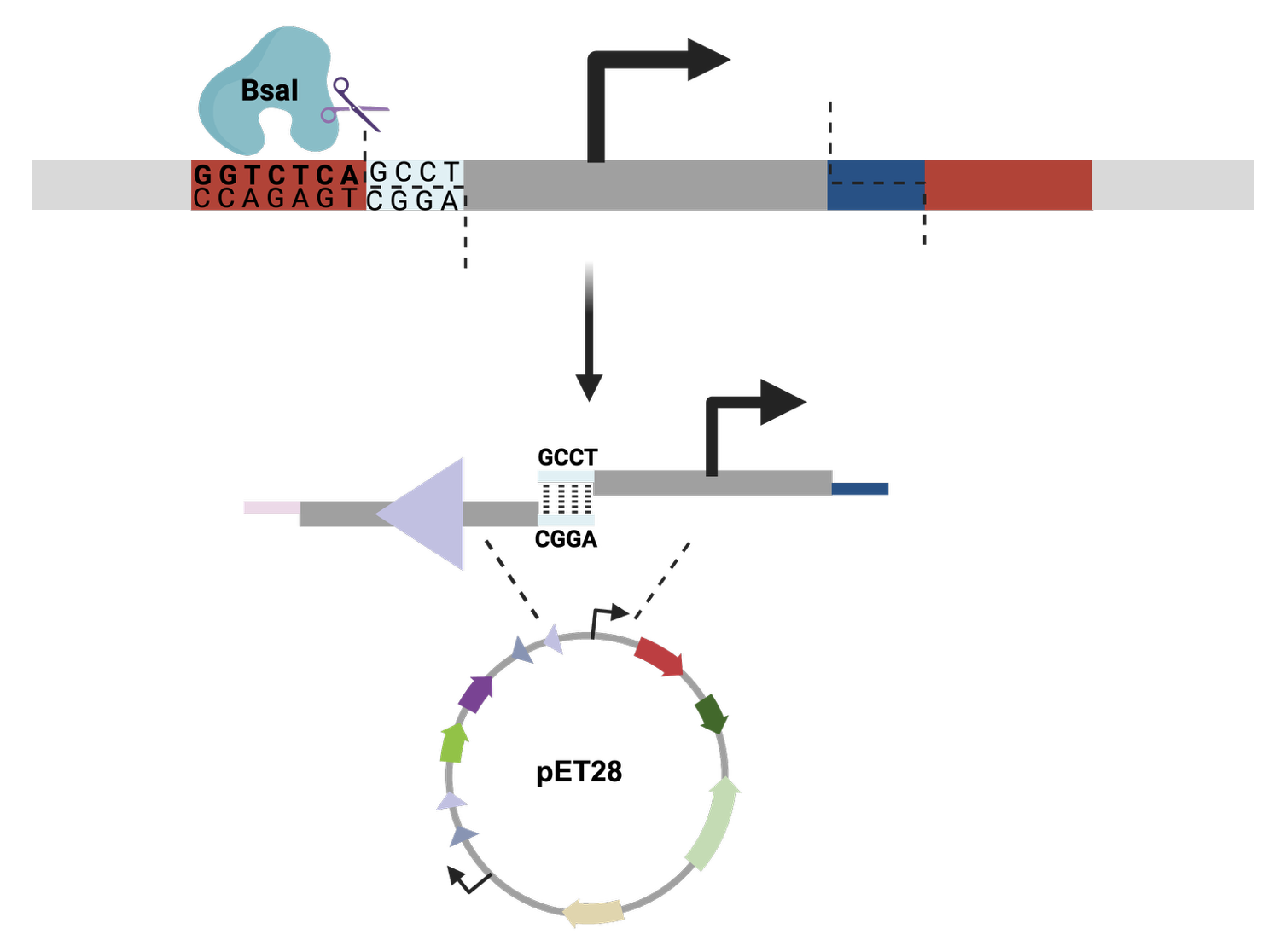
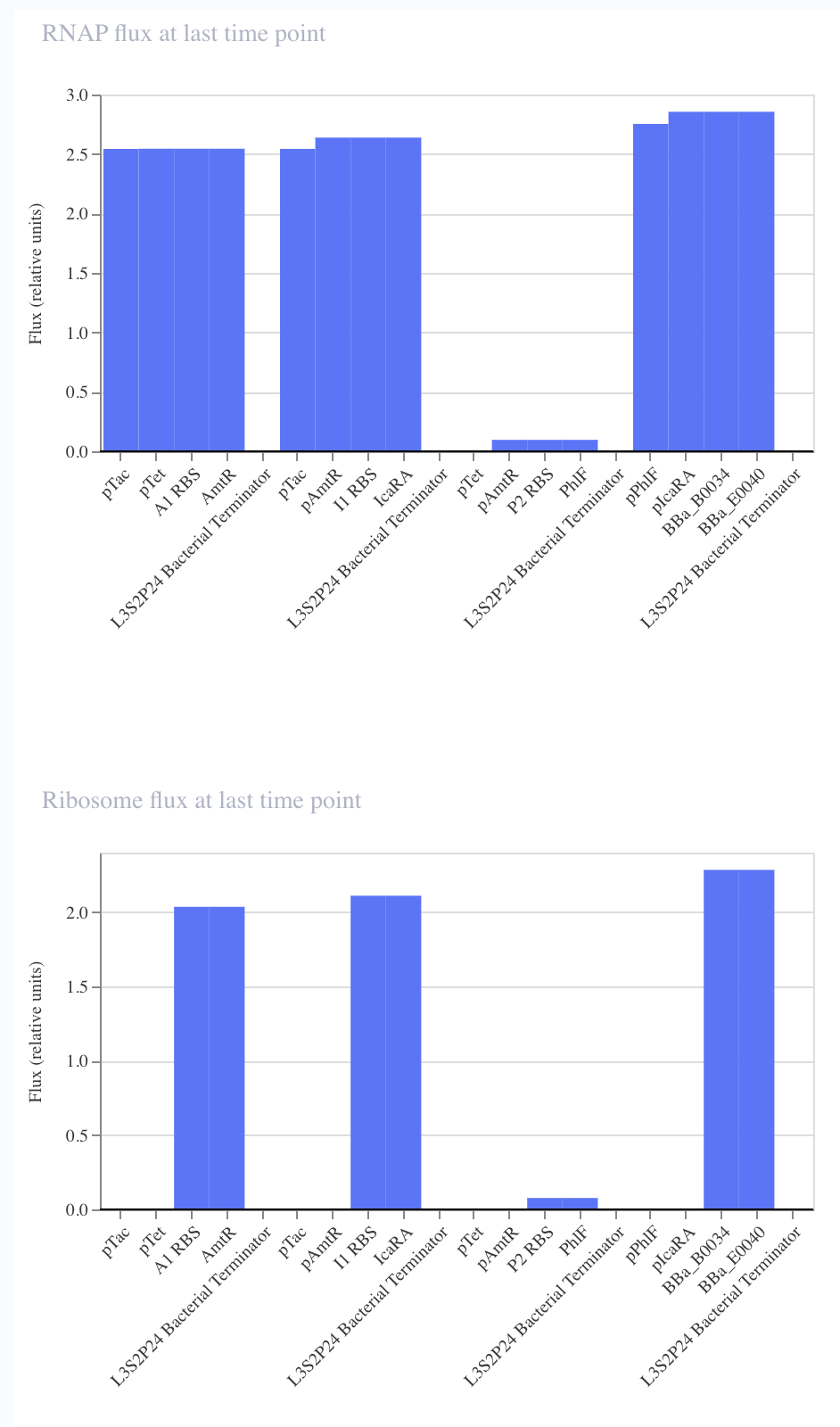
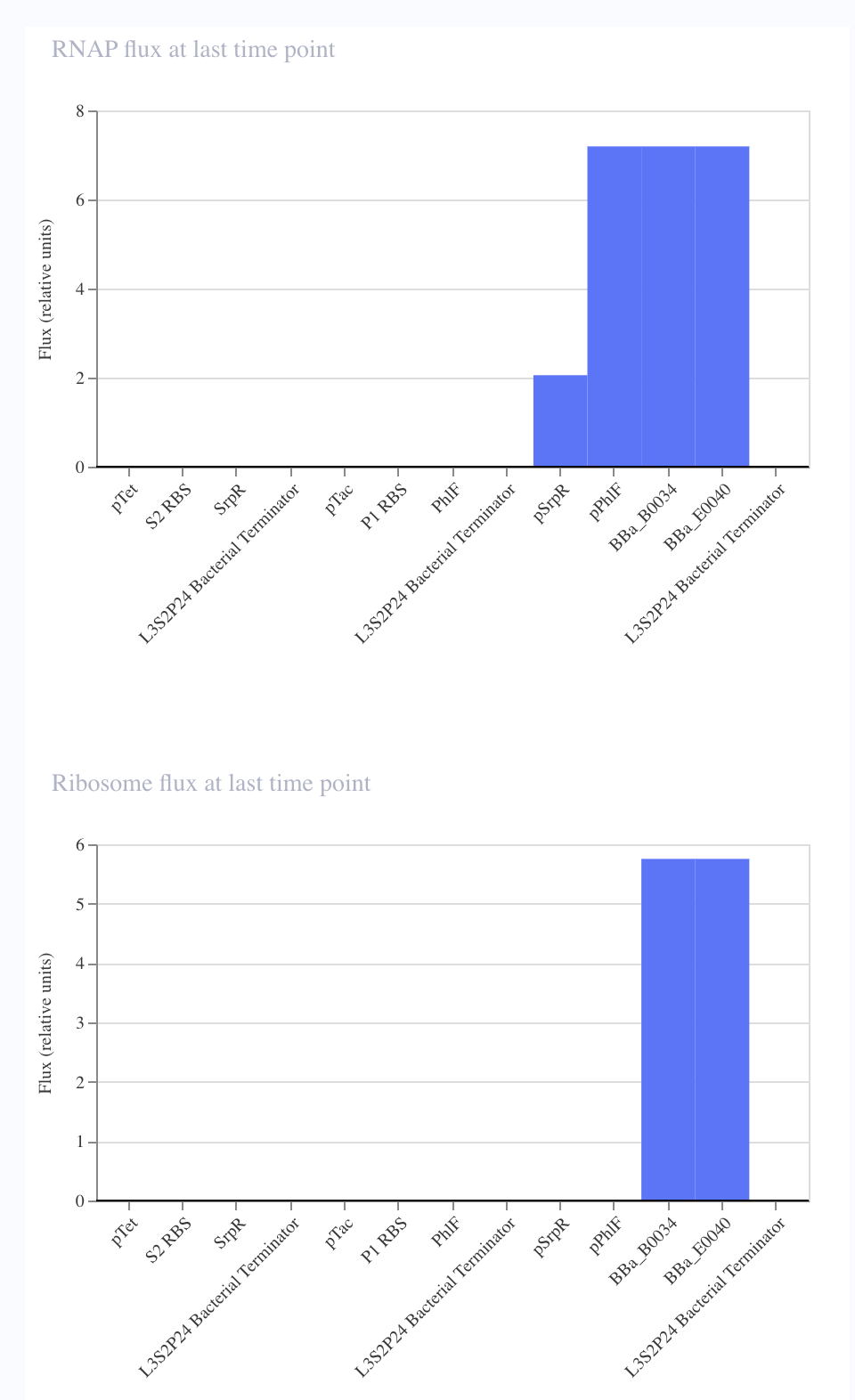
In order to do this, first I would need to clone my protein insert into a mammalian expression vector with a strong promoter, which would then be tranfected into the HEK293T cells (for example, by lipofection). Within the cells, the RNAP recognizes the promoter and would transcribe the plasmid into RNA. This mRNA would then be translated into protein by the ribosome.
Prepare a Twist DNA Synthesis Order
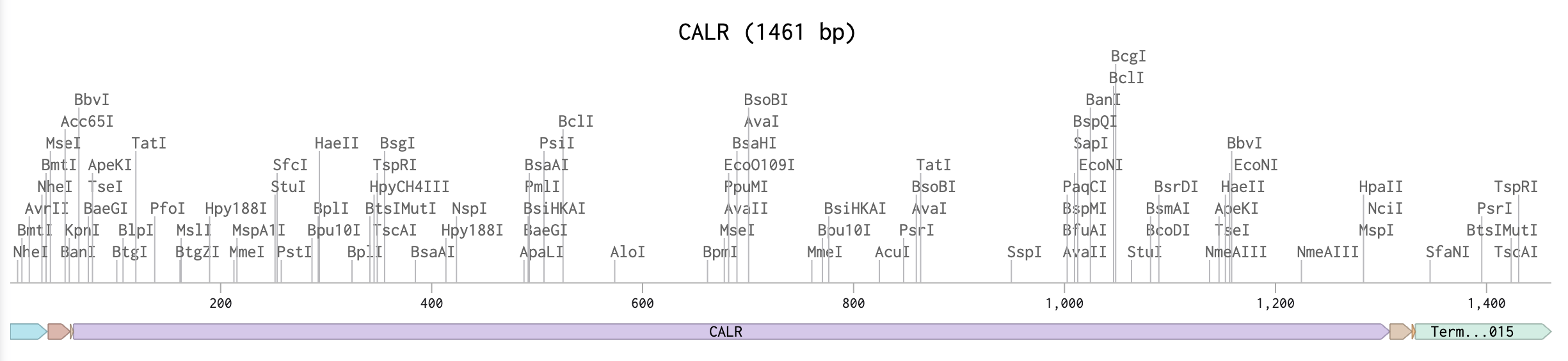
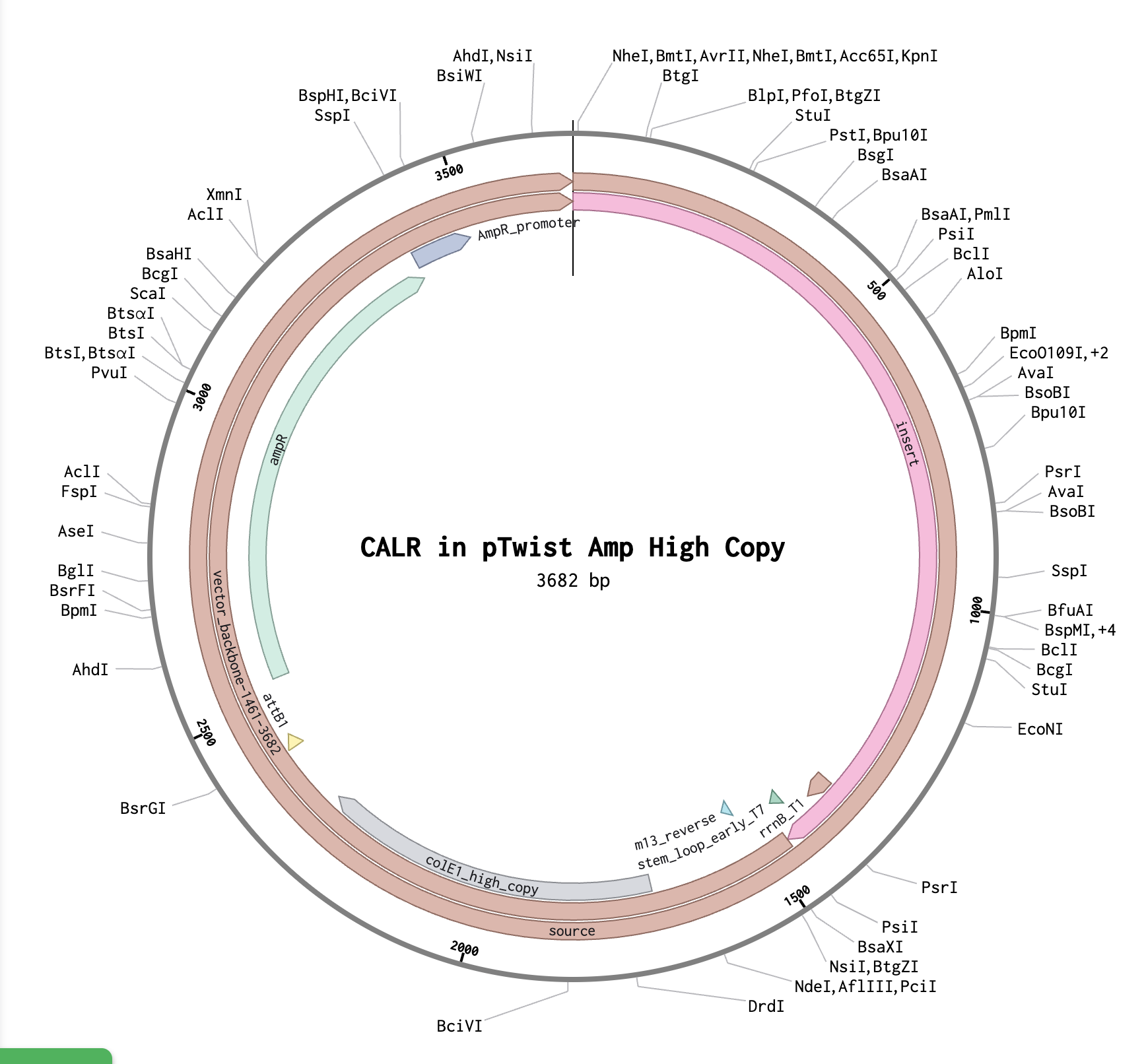
I prepared my optimized gene within Benchling for Twist [9].
This order page was so simple compared to other ordering sites I used, and I liked that you could export the entire plasmid as well.
DNA Read/Write/Edit
DNA Read
On a similar theme as my previous assignments, one of my main interests is in finding the key molecular mechanisms and differences that distinguish successful wound repair from chronic, non-healing counterparts. For this reason, I’d be interested in being able to compare the mitochondrial genome of healthy (efficiently healing) and chronic wound patients, as the mitochondria has been proven to play a central role in wound metabolism [10][11]. By sequencing these genomes and contrasting the two, it may reveal variants within the genome that could predispose individuals or make them more vulnerable to chronic wound development.
In order to achieve this goal, I would try to make use of Oxford Nanopore sequencing, which is a third-generation sequencing technology. Since the main goal of this reading would be to read specifically mitochondrial DNA, the first step would be to extract the DNA from a wound tissue/normal tissue sample and quantify it. Next, I should perform long-amplicon PCR in order to highlight the mitochondrial DNA, subsequently adding an A tail so that sequenecing adapters can ligate efficiently. Following this, the sequencing adapters will be attached and and then sequencing will be started. In order to decode the bases of the DNA sample, Oxford Nanopore sequencing relies on ionic currents to detect which bases are passing through the nanopore. Since each basepair emits a different current value, we are able to trace the sequence that subsequently passes through the pore by decoding each current value. The final output of this sequencing technology is a FASTQ file that includes the DNA sequence along with a per-base quality score.
AI citation
Peplexity - “Can you explain in simple terms how Oxford Nanopore sequencing is prepared and what is the outcome?”
DNA Write
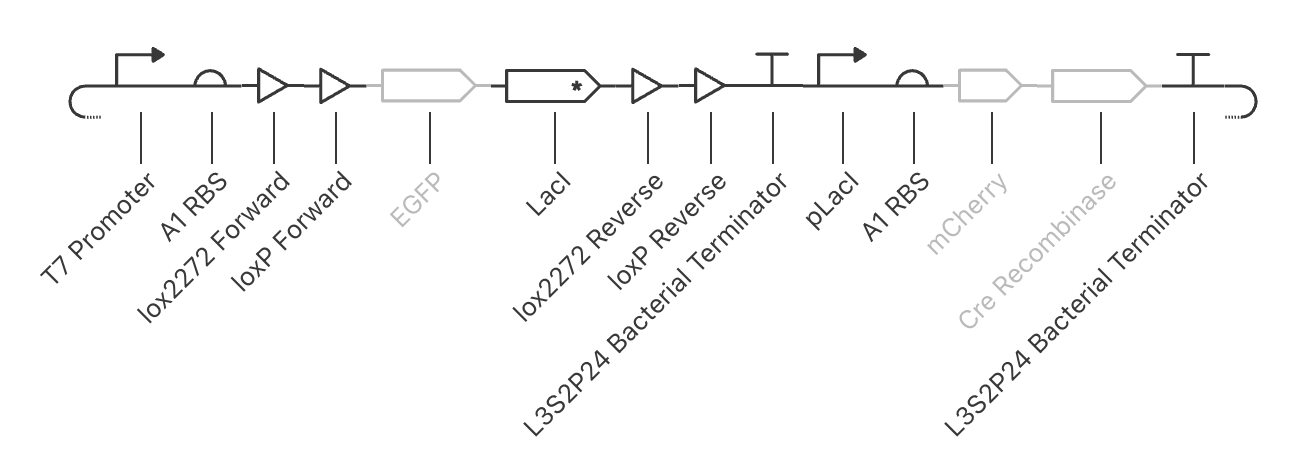
One of the long-term projects I’ve been working on at the Designer Cells lab was to synthesize a genetic circuit for chronic wounds. Since the main obstacle of chronic wound healing is their persistent inflammation, I designed a FLEx (Flip Excision) switch [12] that first expresses an anti-inflammatory gene set and then switches irrersibly to a migratory gene set after sensing a biomarker indicative of the end of the inflammation phase of wound healing.
Since this genetic circuit insert ended up being close to 4.5k, I think that the most efficient method to synthesize this would be an enzymatic synthesis approach.