Week 02 HW: DNA Read Write & Edit
Part 01: Restriction Digestion Art
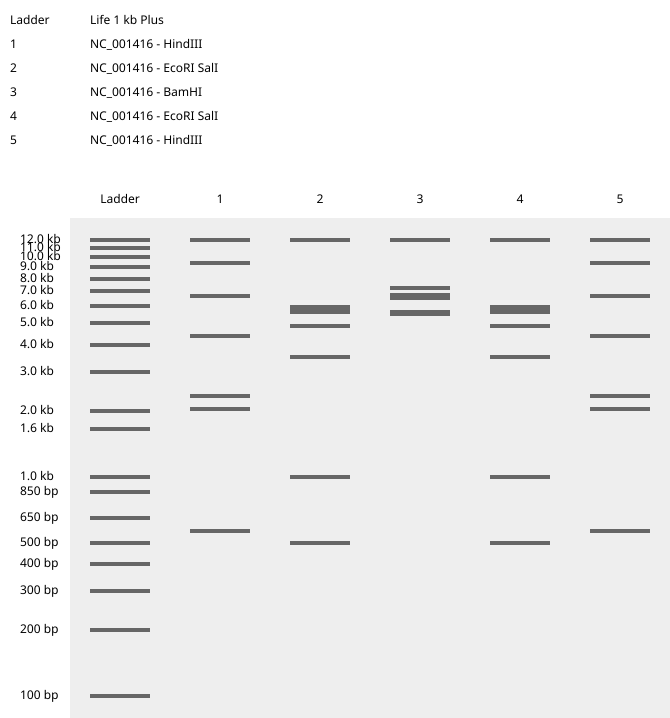
Gel Image produced via Benchling to produced a rendition of the logo of a pop band called BTS.
3.1 Which protein have you chosen and why? Using one of the tools described in recitation (NCBI, UniProt, google), obtain the protein sequence for the protein you chose. Below is the protein sequence for ESR2 Human estrogen beta using UniProt. I have chosen this protein as it has been
sp|Q92731|ESR2_HUMAN Estrogen receptor beta OS=Homo sapiens OX=9606 GN=ESR2 PE=1 SV=2 MDIKNSPSSLNSPSSYNCSQSILPLEHGSIYIPSSYVDSHHEYPAMTFYSPAVMNYSIPS NVTNLEGGPGRQTTSPNVLWPTPGHLSPLVVHRQLSHLYAEPQKSPWCEARSLEHTLPVN RETLKRKVSGNRCASPVTGPGSKRDAHFCAVCSDYASGYHYGVWSCEGCKAFFKRSIQGH NDYICPATNQCTIDKNRRKSCQACRLRKCYEVGMVKCGSRRERCGYRLVRRQRSADEQLH CAGKAKRSGGHAPRVRELLLDALSPEQLVLTLLEAEPPHVLISRPSAPFTEASMMMSLTK LADKELVHMISWAKKIPGFVELSLFDQVRLLESCWMEVLMMGLMWRSIDHPGKLIFAPDL VLDRDEGKCVEGILEIFDMLLATTSRFRELKLQHKEYLCVKAMILLNSSMYPLVTATQDA DSSRKLAHLLNAVTDALVWVIAKSGISSQQQSMRLANLLMLLSHVRHASNKGMEHLLNMK CKNVVPVYDLLLEMLNAHVLRGCKSSITGSECSPAEDSKSKEGSQNPQSQ
3.2. Reverse Translate: Protein (amino acid) sequence to DNA (nucleotide) sequence.
reverse translation of sp|Q92731|ESR2_HUMAN Estrogen receptor beta OS=Homo sapiens OX=9606 GN=ESR2 PE=1 SV=2 to a 1590 base sequence of most likely codons. atggatattaaaaacagcccgagcagcctgaacagcccgagcagctataactgcagccag agcattctgccgctggaacatggcagcatttatattccgagcagctatgtggatagccat catgaatatccggcgatgaccttttatagcccggcggtgatgaactatagcattccgagc aacgtgaccaacctggaaggcggcccgggccgccagaccaccagcccgaacgtgctgtgg ccgaccccgggccatctgagcccgctggtggtgcatcgccagctgagccatctgtatgcg gaaccgcagaaaagcccgtggtgcgaagcgcgcagcctggaacataccctgccggtgaac cgcgaaaccctgaaacgcaaagtgagcggcaaccgctgcgcgagcccggtgaccggcccg ggcagcaaacgcgatgcgcatttttgcgcggtgtgcagcgattatgcgagcggctatcat tatggcgtgtggagctgcgaaggctgcaaagcgttttttaaacgcagcattcagggccat aacgattatatttgcccggcgaccaaccagtgcaccattgataaaaaccgccgcaaaagc tgccaggcgtgccgcctgcgcaaatgctatgaagtgggcatggtgaaatgcggcagccgc cgcgaacgctgcggctatcgcctggtgcgccgccagcgcagcgcggatgaacagctgcat tgcgcgggcaaagcgaaacgcagcggcggccatgcgccgcgcgtgcgcgaactgctgctg gatgcgctgagcccggaacagctggtgctgaccctgctggaagcggaaccgccgcatgtg ctgattagccgcccgagcgcgccgtttaccgaagcgagcatgatgatgagcctgaccaaa ctggcggataaagaactggtgcatatgattagctgggcgaaaaaaattccgggctttgtg gaactgagcctgtttgatcaggtgcgcctgctggaaagctgctggatggaagtgctgatg atgggcctgatgtggcgcagcattgatcatccgggcaaactgatttttgcgccggatctg gtgctggatcgcgatgaaggcaaatgcgtggaaggcattctggaaatttttgatatgctg ctggcgaccaccagccgctttcgcgaactgaaactgcagcataaagaatatctgtgcgtg aaagcgatgattctgctgaacagcagcatgtatccgctggtgaccgcgacccaggatgcg gatagcagccgcaaactggcgcatctgctgaacgcggtgaccgatgcgctggtgtgggtg attgcgaaaagcggcattagcagccagcagcagagcatgcgcctggcgaacctgctgatg ctgctgagccatgtgcgccatgcgagcaacaaaggcatggaacatctgctgaacatgaaa tgcaaaaacgtggtgccggtgtatgatctgctgctggaaatgctgaacgcgcatgtgctg cgcggctgcaaaagcagcattaccggcagcgaatgcagcccggcggaagatagcaaaagc aaagaaggcagccagaacccgcagagccag
3.3. Codon optimization.
Optimisation performed using Twist biosciences.
Name,Original sequence,Flank 5’,Optimized sequence,Flank 3’,Organism of expression,Type,Preserved regions,Restriction sites,Sites only,Length,Optimized,Issues
ESR2_Human_Estrogen_Receptor_Beta,ATGGATATTAAAAACAGCCCGAGCAGCCTGAACAGCCCGAGCAGCTATAACTGCAGCCAGAGCATTCTGCCGCTGGAACATGGCAGCATTTATATTCCGAGCAGCTATGTGGATAGCCATCATGAATATCCGGCGATGACCTTTTATAGCCCGGCGGTGATGAACTATAGCATTCCGAGCAACGTGACCAACCTGGAAGGCGGCCCGGGCCGCCAGACCACCAGCCCGAACGTGCTGTGGCCGACCCCGGGCCATCTGAGCCCGCT,,ATGGATATCAAGAACTCACCCTCTAGCCTGAACTCTCCATCCTCCTACAACTGCTCCCAGAGCATCCTGCCCCTGGAACACGGCAGCATCTACATCCCCTCATCCTATGTGGACAGCCACCACGAATACCCTGCCATGACCTTCTACTCCCCAGCTGTGATGAACTACTCCATTCCCTCCAATGTGACCAACCTGGAGGGAGGCCCTGGGAGGCAGACAACCTCTCCCAATGTGCTGTGGCCCACCCCAGGGCACCTGAGCCCCCTGGTGGTGCACAGGCAGCTGTCTCACCTCTATGCTGAGCCCCAGAAGAGCCCCTGGTGTGAGGCCAGAAGCCTGGAGCACACCCTGCCTGTGAACCGGGAAACCCTGAAGAGGAAGGTCTCTGGGAACCGCTGTGCCTCTCCTGTGACTGGGCCAGGCAGCAAGAGAGATGCCCACTTCTGTGCCGTGTGCTCTGACTATGCCTCTGGCTACCACTATGGGGTGTGGTCCTGTGAGGGCTGCAAGGCCTTCTTCAAGAGAAGCATCCAGGGGCACAATGACTACATCTGCCCAGCCACCAACCAGTGCACCATTGACAAGAACAGGAGGAAGAGCTGCCAGGCCTGCAGGCTGAGGAAGTGCTATGAGGTGGGCATGGTGAAATGTGGGAGCAGGCGGGAGCGCTGTGGCTACCGCCTGGTGCGGCGGCAGAGGAGTGCTGATGAGCAGCTGCACTGTGCAGGGAAGGCCAAGAGATCTGGAGGCCACGCACCCCGGGTGCGGGAGCTGCTGCTGGATGCCCTGAGCCCTGAGCAGCTGGTGCTGACCCTGCTGGAGGCTGAGCCTCCTCACGTGCTGATCAGCCGGCCCTCTGCCCCCTTCACTGAGGCCAGCATGATGATGAGCCTGACCAAGCTGGCTGACAAGGAGCTGGTGCATATGATCAGTTGGGCCAAGAAGATCCCTGGCTTTGTGGAGCTGTCCCTCTTTGACCAGGTGCGGCTGCTGGAGAGCTGCTGGATGGAGGTGCTGATGATGGGGCTGATGTGGAGGAGCATTGACCATCCTGGGAAGCTGATCTTTGCCCCTGACCTGGTGCTGGACAGGGATGAGGGGAAGTGTGTGGAGGGCATCCTGGAGATTTTTGACATGCTGCTGGCCACCACATCCAGGTTCCGGGAGCTGAAGCTGCAGCACAAGGAGTACCTGTGTGTGAAGGCCATGATCCTGCTCAACTCCTCCATGTACCCTCTGGTGACTGCCACCCAGGATGCTGACAGCAGCAGGAAGCTGGCCCACCTGCTGAATGCTGTGACTGATGCCCTGGTGTGGGTGATTGCCAAGTCTGGAATCTCCTCCCAGCAGCAGAGCATGCGGCTGGCCAACCTGCTGATGCTGCTGAGCCATGTCCGGCATGCCTCCAACAAGGGGATGGAGCACCTGCTGAACATGAAGTGCAAGAATGTGGTGCCCGTCTATGACCTGCTGCTGGAGATGCTGAATGCCCACGTGCTGAGAGGCTGCAAGAGCTCCATAACTGGGTCTGAGTGCTCCCCAGCAGAGGATTCCAAATCCAAGGAGGGATCCCAGAATCCCCAGAGCCAG,TGA,Homo sapiens (9606),Other protein type,,,false,1593,true,
3.4. What technologies could be used to produce this protein from your DNA?
Cell free method, Cell dependent method ( plasmid with promoter appropriate to mamallian/bacterial system) The plasmid can then be transfected to human cell line like HEK293 or transformed into E.coli for cheaper expression. Cell free method has all the required ribosomes, rnas, polymerases and amino acids. It is fast and does’t require live cells. Though not sure if its suitable for ESR2 function.
Part 4: Prepare a Twist DNA Synthesis Order Peformed in as part of final project .
5.1 DNA Read (i) What DNA would you want to sequence (e.g., read) and why?
I would want to sequence the DNA region responsible for endometrial lining proliferation. I am interested in analysing inducers of profliferation and further check mechanism pathways that cause over-proliferation like endometriosis, or even understand what mechanism in the dna might be especially effected in pcos patients . (ii) What technology or technologies would you use to perform sequencing on your DNA and why? thrid gen nanopore sequencing that will capture vairants that other tech might miss.
What is your input? How do you prepare your input (e.g. fragmentation, adapter ligation, PCR)? What are the essential steps of your chosen sequencing technology? How does it decode the bases of your DNA sample (base calling)? What is the output of your chosen sequencing technology?
I would collect endometrial biopsy tissue ( For endometriosis: 1. eutopic endo sample , 2. eutopic endo sample, For PCOS : 3. follicular phase sample 4. luteal phase sample ) I would extract genomic DNA and do DNA sequencing using Nanopore. As epigentic pathway also plays important role in pathology of endomtetiosis, i will do methylation profiling. The expected output for the project will be : 1. FASTQ files that shows structural variants, potential genetic targets. 2. Methylation regions between healthy and disease tissue
5.2 DNA Write (i) What DNA would you want to synthesize (e.g., write) and why? These could be individual genes, clusters of genes or genetic circuits, whole genomes, and beyond.
I was thinking about targeting specific gene targets based on analysis of the FASTQ & methylation pathway to knock out & knock in genes. This would help me come with
(ii) What technology or technologies would you use to perform this DNA synthesis and why? Also answer the following questions:
What are the essential steps of your chosen sequencing methods? What are the limitations of your sequencing method (if any) in terms of speed, accuracy, scalability? 5.3 DNA Edit & Read (i) What DNA would you want to edit and why? In class, George shared a variety of ways to edit the genes and genomes of humans and other organisms. Such DNA editing technologies have profound implications for human health, development, and even human longevity and human augmentation. DNA editing is also already commonly leveraged for flora and fauna, for example in nature conservation efforts, (animal/plant restoration, de-extinction), or in agriculture (e.g. plant breeding, nitrogen fixation). What kinds of edits might you want to make to DNA (e.g., human genomes and beyond) and why?
Colossal Biosciences Inc., a biotechnology company using genetic engineering to de-extinct various historic animals such as the woolly mammoth, dodo, and dire wolf. (ii) What technology or technologies would you use to perform these DNA edits and why? Also answer the following questions:
How does your technology of choice edit DNA? What are the essential steps? What preparation do you need to do (e.g. design steps) and what is the input (e.g. DNA template, enzymes, plasmids, primers, guides, cells) for the editing? What are the limitations of your editing methods (if any) in terms of efficiency or precision?
My answer to all these questions cover the 3 projects i proposed at the start of the course - link is here : Projects proposed for HTGAA