Hi, I am Tanishka Kumar, from India, currently residing in Galway, Ireland. I recently graduated with a Master’s in Cell Manufacturing & Therapy. Currently I am working as a RA at Lambe Institute, University of Galway.
Nature’s machinery for copying DNA is called polymerase. What is the error rate of polymerase? How does this compare to the length of the human genome. How does biology deal with that discrepancy? The error rate of polymerases depends on their type, as Human DNA has mechanisms for proofreading that other organisms’ DNA lacks. The error rate for DNA polymerase is 1 in every 107 base pairs. As compared to the human genome size of 6 X 10⁹ base pairs. The mechanisms include mismatch repair, base excision repair, nucleotide excision repair, NHEJ, HR, damage checkpoint, and some tolerance mechanisms. This is how biology deals with discrepancies via multiple mechanism before-during-after DNA replication and the cell cycle.
First, describe a biological engineering application or tool you want to develop and why. This could be inspired by an idea for your HTGAA class project and/or something for which you are already doing in your research, or something you are just curious about. As I have been thinking about the different ways synthetic biology can help with menstruation and its complexities (painful, irregular bleeding) when it comes to people with PCOS and endometriosis. I want to develop an autonomous endometrial gene circuit that senses estrogen or progesterone peaks and locally regulates endometrial growth. The goal is non-hormonal, reversible control of menstrual bleeding, which could prevent heavy bleeding or abnormal endometrial proliferation while minimizing systemic hormone exposure.
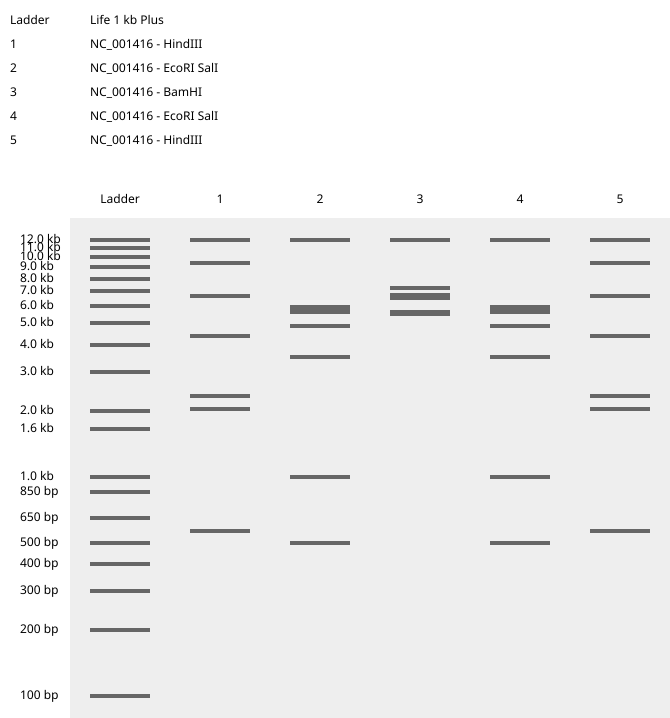
Part 01: Restriction Digestion Art
Gel Image produced via Benchling to produced a rendition of the logo of a pop band called BTS.
3.1 Which protein have you chosen and why? Using one of the tools described in recitation (NCBI, UniProt, google), obtain the protein sequence for the protein you chose. Below is the protein sequence for ESR2 Human estrogen beta using UniProt. I have chosen this protein as it has been
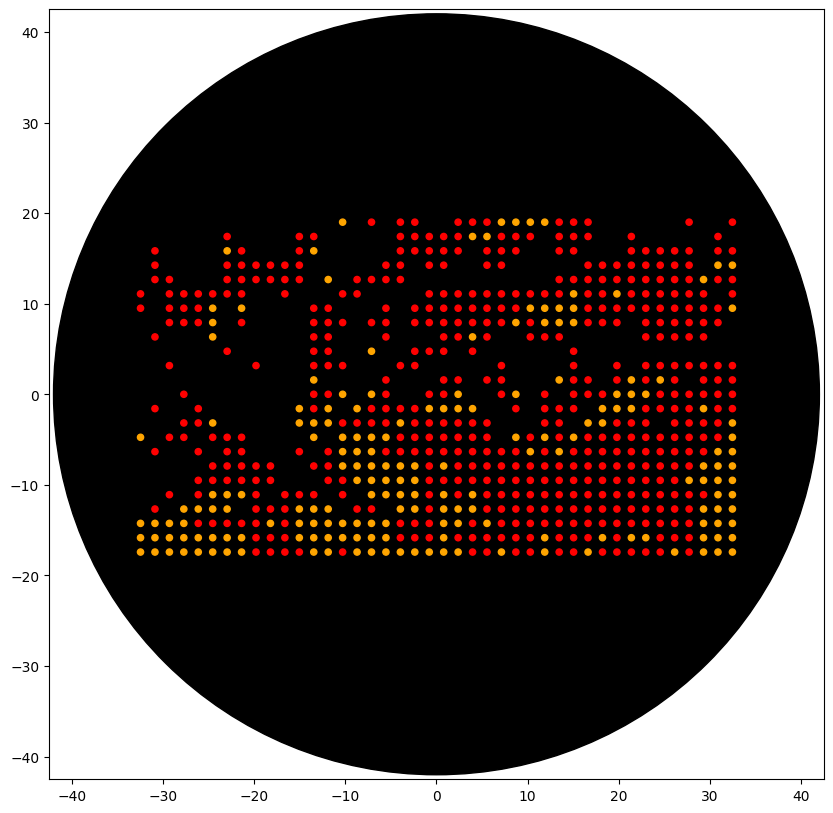
Part 01: Opentron python file to create a image. Here is my code for the image below alongwith the prerequisitve codes before and after the - I used Sonnet 4.6 for the task.
from opentrons import types
metadata = { ‘author’: ’tanishka’, ‘protocolName’: ‘recreate img of an eye’, ‘description’: ‘’, ‘source’: ‘HTGAA 2026 Opentrons Lab’, ‘apiLevel’: ‘2.20’ }
##############################################################################
Robot deck setup constants - don’t change these ##############################################################################
Part A :
How many molecules of amino acids do you take with a piece of 500 grams of meat? (on average an amino acid is ~100 Daltons) No. of AA molecules in 500gm of meat = Proteins consist of amino acids linked by peptide bonds, losing ~18 Da (water) per bond, so ~0.9–1 g protein yields ~1 mol amino acid residues (using your ~100 Da average residue weight). Protein in 500 g meat: ~120 g average (24% protein content). Moles of amino acids: 120 g / 100 g/mol = 1.2 mol. Molecules: 1.2 mol × 6.022 × 10²³ = ~7.2 × 10²³ (adjusts to ~2.3 × 10²⁴ if using precise 110 Da avg
Part 1: Generate Binders with PepMLM The target is human SOD1 protein (UniProt P00441), focusing on A4V mutation, which is ALS.
Mutant SOD1 Sequence (A4V):
ATKVVCVLKGDGPVQGIINFEQKESNGPVKVWGSIKGLTEGLHGFHVHEFGDNTAGCTSAGPHFNPLSRKHGGPKDEERHVGDLGNVTADKDGVADVSIEDSVISLSGDHCIIGRTLVVHEKADDLGKGGNEESTKTGNAGSRLACGVIGIAQ
Using PepMLM-650M, four peptides of 12 amino acids were generated and compared against known SOD1-binding peptide FLYRWLPSRRGG.
PepMLM Confidence Scores Sequence Description Perplexity FLYRWLPSRRGG Real Binder — WHSPVVAVAHWE Sim 1 10.949699 WSVGWAAIAWWX Sim 2 16.027645 WRSYATAIALWK Sim 3 11.729657 WRYYATGAEWKE Sim 4 13.769973
Part 2: Evaluate Binders with AlphaFold3 Each peptide was modeled against the mutant SOD1 sequence using AlphaFold3 to assess structural docking and interface confidence (ipTM).
Part one 1: What are some components in the Phusion High-Fidelity PCR Master Mix, and what is their purpose? Phusion DNA Polymerase, Nucleotides, Optimised Phusion HF Reaction Buffer with MgCl2 - All at 2X concentration Generates long templates with high accuracy and speed, unattainable with a single enzyme, as per the Thermo Scientific protocol. It states that the error rate of Phusion DNA Polymerase is determined to be 4.4 × 10⁻⁷ in Phusion HF Buffer, which is approximately 50-fold lower than that of Thermus aquaticus DNA polymerase, and 6-fold lower than that of Pyrococcus furiosus DNA polymerase. Attached below are graphs that support these claims by comparing with traditional polymerase. The annealing temperature is at 60 degrees for all. https://documents.thermofisher.com/TFS-Assets/LSG/brochures/phusion-high-fidelity-dna-polymerases-flyer.pdfhttps://documents.thermofisher.com/TFS-Assets/LSG/manuals/MAN0012771_Phusion_HiFi_PCR_MasterMix_100rxn_UG.pdf
Part 1: Intracellular Artificial Neural Networks 1: What advantages do IANNs have over traditional genetic circuits, whose input/output behaviors are Boolean functions? IANNs process analog signals instead of only ON/OFF outputs. They handle noisy data better and perform complex decisions using fewer genetic parts.
2: Describe a useful application for an IANN; include a detailed description of input/output behavior, as well as any limitations an IANN might face to achieve your goal. An IANN can be used in cancer therapy cells. The cell detects tumor biomarkers and releases a killing protein only when signal levels match cancer conditions. A limitation is high energy use, which may slow growth or cause mutations.
Part One: General and Lecturer-Specific Questions 1.
Cell-free protein synthesis gives better control over reaction conditions and allows direct addition of molecules like inhibitors or non-natural amino acids. It is useful for producing toxic proteins and for rapid protein prototyping.
A cell-free system contains lysate with ribosomes and enzymes, a DNA/mRNA template, amino acids, and buffer salts. These components work together to produce proteins from genetic instructions.
ATP regeneration is important because protein synthesis uses large amounts of energy. A creatine phosphate–creatine kinase system can recycle ADP into ATP and maintain continuous protein production.
Waters Part I — Molecular Weight 1: Based on the predicted amino acid sequence of eGFP and any known modifications, what is the calculated molecular weight? eGFP Sequence Analysis: The sequence provided includes the eGFP core, an LE linker, and a 6x-His purification tag.
2:Calculated Molecular Weight: 27,988.97 Da (Daltons). Calculate the molecular weight of the eGFP using the adjacent charge state approach. Using Figure 1, we select two adjacent peaks:
Part A: The 1,536 Pixel Artwork Canvas
Contribution I designed a small section of the artwork using a few pixels to again create the BTS pop band logo, cos i am obsessed. Might not look like it, as the pixels were already too full.
I liked how different ideas were combined into one large artwork. For next time, Divided sections for nodes could make collective teamwork visible.
Part B: Cell-Free Protein Synthesis
Subsections of Homework
Week 01 HW: Pre-Prep Week 2
Nature’s machinery for copying DNA is called polymerase. What is the error rate of polymerase? How does this compare to the length of the human genome. How does biology deal with that discrepancy?
The error rate of polymerases depends on their type, as Human DNA has mechanisms for proofreading that other organisms’ DNA lacks. The error rate for DNA polymerase is 1 in every 107 base pairs. As compared to the human genome size of 6 X 10⁹ base pairs. The mechanisms include mismatch repair, base excision repair, nucleotide excision repair, NHEJ, HR, damage checkpoint, and some tolerance mechanisms. This is how biology deals with discrepancies via multiple mechanism before-during-after DNA replication and the cell cycle.
Prompts - What is the length of human DNA base pairs? what the different ways in which DNA is proffread nd repaired?
How many different ways are there to code (DNA nucleotide code) for an average human protein? In practice, what are some of the reasons that all of these different codes don’t work to code for the protein of interest?
As each amino acid has 3 codons mostly and proteins are made of a combination of 20 amino acids. With a lot of amino acids with multiple codons , the ways to code are astronomically huge. Codes at times fail to work as the amino acids might not form the protein folding form, mRNA fold, tRNA, ribosome as the same ones required in the cells. That is where protein design and coding gets complex to gain the exact intended expression. https://doi.org/10.3390/biom14010132
What’s the most commonly used method for oligo synthesis currently?
phosphoramidite chemistry
Why is it difficult to make oligos longer than 200nt via direct synthesis?
As error accumulates on every nucleotide addition , so instead assembling enzymatically i better.
Why can’t you make a 2000bp gene via direct oligo synthesis?
Again error rates decrease final yields and limit purification, which also leads to yield loss.
10 AA in animals and What do you think about Lysine Contingency?
The ten essential amino acids in animals are histidine, isoleucine, leucine, lysine, methionine, phenylalanine, threonine, tryptophan, valine, and arginine; “lysine contingency” means the biological dependence of animals on external lysine supply due to the absence of lysine biosynthetic pathways. This creates a dependency that can be exploited in evolution and synthetic biology for metabolic control and biocontainment.
My take on Lysine Contingency is - This can certainly be a powerful tool to implement biocontainment when we decide to inhabit or spread bioforms on extraterrestrial land. But it also threatens the very existence of human & animal bodies, in turn showing our dependency on plants. It certainly makes me further appreciate the importance of the food chain and the evolutionary process of life forms.
Prompts : 10 amino acids in all Animals? What does Lysine Contingency mean?
Week 01 HW: Principles and Practices
First, describe a biological engineering application or tool you want to develop and why. This could be inspired by an idea for your HTGAA class project and/or something for which you are already doing in your research, or something you are just curious about.
As I have been thinking about the different ways synthetic biology can help with menstruation and its complexities (painful, irregular bleeding) when it comes to people with PCOS and endometriosis. I want to develop an autonomous endometrial gene circuit that senses estrogen or progesterone peaks and locally regulates endometrial growth. The goal is non-hormonal, reversible control of menstrual bleeding, which could prevent heavy bleeding or abnormal endometrial proliferation while minimizing systemic hormone exposure.
WHY - Hormonal regulation comes with lots of cons, and in general, having control over the reproductive cycle can benefit the population and quality of life overall. During iGEM Startups 2024, I worked theoretically on Femflux, an aptamer biosensor that analyzes interstitial fluid to analyze estrogen and later predicts & helps peri-menopausal women. I realised that as people experiencing menstrual cycles, we have little to no control over it, despite it affecting us beyond reproduction. While interviewing multiple indian women, a common answer towards the want to use a product like this was- WHY? As if the choice to prevent or help our health is not enough of a reason to want tech development. The answers were sad, showing the priority of healthtech use for them was an afterthought, unnecessary even. So, I would ike to explore beyond current methods for controlling bleeding (hormonal contraception, surgery) that are either systemic or irreversible. The power to bring back control and want.
This system could give women personalized, cycle-specific control with minimal side effects. It could also integrate with broader synthetic biology tools like hormone biosensors and predictive health platforms, potentially linking to osteoporosis prevention or menopause health monitoring.
Next, describe one or more governance/policy goals related to ensuring that this application or tool contributes to an “ethical” future, like ensuring non-malfeasance (preventing harm).
Main Goal: Ensure the autonomous endometrial synthetic switch is safe, ethical, equitable, and respects women’s autonomy, while minimizing potential misuse or exploitation. Safety & Non-Malfeasance
Prevent off-target gene silencing outside the endometrium.
Ensure reversibility and prevent long-term adverse effects.
Equity, Autonomy & Access Control
Ensure that women can choose whether to use the system themselves.
Prevent exploitation by third parties (e.g., coercive use by healthcare providers, employers, insurers).
Protect patient privacy and decision-making authority.
Research Transparency & Constructive Use
Encourage safe development and sharing of protocols to advance science while preventing misuse
2/. Next, describe at least three different potential governance “actions” by considering the four aspects below (Purpose, Design, Assumptions, Risks of Failure & “Success”).
Action
Purpose
Design
Assumptions
Risks of Failure / Success
1. Regulatory preclinical & access control standards
Require regulators (FDA/EMA) to define safety, reversibility, and who is authorized to deploy the technology
Regulatory bodies set licensing/approval frameworks; companies must enforce access restrictions; independent review boards certify compliance
Assumes regulators can define enforceable access rules; assumes compliance can be monitored
Failure: Unauthorized use or coercion; Success: Safe, controlled rollout, preserves trust but may slow commercialization
2. Technical transparency & misuse prevention
Require labs and companies to maintain secure registries of who is authorized to develop or deploy circuits
Assumes secure systems and proper auditing; assumes actors cannot bypass rules
Failure: Data leaks or misuse; Success: Protects women from exploitation while promoting constructive research
3. Ethical consent, autonomy & personal use option
Establish mandatory consent standards and enable women to opt-in for personal, self-controlled use
IRBs, hospitals, and companies collaborate on clear informed consent protocols; include options for women to use devices under medical guidance or self-use frameworks
Assumes patients understand synthetic biology complexity; assumes autonomous use is technically feasible
Gel Image produced via Benchling to produced a rendition of the logo of a pop band called BTS.
3.1 Which protein have you chosen and why? Using one of the tools described in recitation (NCBI, UniProt, google), obtain the protein sequence for the protein you chose.
Below is the protein sequence for ESR2 Human estrogen beta using UniProt. I have chosen this protein as it has been
3.2. Reverse Translate: Protein (amino acid) sequence to DNA (nucleotide) sequence.
reverse translation of sp|Q92731|ESR2_HUMAN Estrogen receptor beta OS=Homo sapiens OX=9606 GN=ESR2 PE=1 SV=2 to a 1590 base sequence of most likely codons.
atggatattaaaaacagcccgagcagcctgaacagcccgagcagctataactgcagccag
agcattctgccgctggaacatggcagcatttatattccgagcagctatgtggatagccat
catgaatatccggcgatgaccttttatagcccggcggtgatgaactatagcattccgagc
aacgtgaccaacctggaaggcggcccgggccgccagaccaccagcccgaacgtgctgtgg
ccgaccccgggccatctgagcccgctggtggtgcatcgccagctgagccatctgtatgcg
gaaccgcagaaaagcccgtggtgcgaagcgcgcagcctggaacataccctgccggtgaac
cgcgaaaccctgaaacgcaaagtgagcggcaaccgctgcgcgagcccggtgaccggcccg
ggcagcaaacgcgatgcgcatttttgcgcggtgtgcagcgattatgcgagcggctatcat
tatggcgtgtggagctgcgaaggctgcaaagcgttttttaaacgcagcattcagggccat
aacgattatatttgcccggcgaccaaccagtgcaccattgataaaaaccgccgcaaaagc
tgccaggcgtgccgcctgcgcaaatgctatgaagtgggcatggtgaaatgcggcagccgc
cgcgaacgctgcggctatcgcctggtgcgccgccagcgcagcgcggatgaacagctgcat
tgcgcgggcaaagcgaaacgcagcggcggccatgcgccgcgcgtgcgcgaactgctgctg
gatgcgctgagcccggaacagctggtgctgaccctgctggaagcggaaccgccgcatgtg
ctgattagccgcccgagcgcgccgtttaccgaagcgagcatgatgatgagcctgaccaaa
ctggcggataaagaactggtgcatatgattagctgggcgaaaaaaattccgggctttgtg
gaactgagcctgtttgatcaggtgcgcctgctggaaagctgctggatggaagtgctgatg
atgggcctgatgtggcgcagcattgatcatccgggcaaactgatttttgcgccggatctg
gtgctggatcgcgatgaaggcaaatgcgtggaaggcattctggaaatttttgatatgctg
ctggcgaccaccagccgctttcgcgaactgaaactgcagcataaagaatatctgtgcgtg
aaagcgatgattctgctgaacagcagcatgtatccgctggtgaccgcgacccaggatgcg
gatagcagccgcaaactggcgcatctgctgaacgcggtgaccgatgcgctggtgtgggtg
attgcgaaaagcggcattagcagccagcagcagagcatgcgcctggcgaacctgctgatg
ctgctgagccatgtgcgccatgcgagcaacaaaggcatggaacatctgctgaacatgaaa
tgcaaaaacgtggtgccggtgtatgatctgctgctggaaatgctgaacgcgcatgtgctg
cgcggctgcaaaagcagcattaccggcagcgaatgcagcccggcggaagatagcaaaagc
aaagaaggcagccagaacccgcagagccag
3.3. Codon optimization. Optimisation performed using Twist biosciences.
Name,Original sequence,Flank 5’,Optimized sequence,Flank 3’,Organism of expression,Type,Preserved regions,Restriction sites,Sites only,Length,Optimized,Issues
ESR2_Human_Estrogen_Receptor_Beta,ATGGATATTAAAAACAGCCCGAGCAGCCTGAACAGCCCGAGCAGCTATAACTGCAGCCAGAGCATTCTGCCGCTGGAACATGGCAGCATTTATATTCCGAGCAGCTATGTGGATAGCCATCATGAATATCCGGCGATGACCTTTTATAGCCCGGCGGTGATGAACTATAGCATTCCGAGCAACGTGACCAACCTGGAAGGCGGCCCGGGCCGCCAGACCACCAGCCCGAACGTGCTGTGGCCGACCCCGGGCCATCTGAGCCCGCT,,ATGGATATCAAGAACTCACCCTCTAGCCTGAACTCTCCATCCTCCTACAACTGCTCCCAGAGCATCCTGCCCCTGGAACACGGCAGCATCTACATCCCCTCATCCTATGTGGACAGCCACCACGAATACCCTGCCATGACCTTCTACTCCCCAGCTGTGATGAACTACTCCATTCCCTCCAATGTGACCAACCTGGAGGGAGGCCCTGGGAGGCAGACAACCTCTCCCAATGTGCTGTGGCCCACCCCAGGGCACCTGAGCCCCCTGGTGGTGCACAGGCAGCTGTCTCACCTCTATGCTGAGCCCCAGAAGAGCCCCTGGTGTGAGGCCAGAAGCCTGGAGCACACCCTGCCTGTGAACCGGGAAACCCTGAAGAGGAAGGTCTCTGGGAACCGCTGTGCCTCTCCTGTGACTGGGCCAGGCAGCAAGAGAGATGCCCACTTCTGTGCCGTGTGCTCTGACTATGCCTCTGGCTACCACTATGGGGTGTGGTCCTGTGAGGGCTGCAAGGCCTTCTTCAAGAGAAGCATCCAGGGGCACAATGACTACATCTGCCCAGCCACCAACCAGTGCACCATTGACAAGAACAGGAGGAAGAGCTGCCAGGCCTGCAGGCTGAGGAAGTGCTATGAGGTGGGCATGGTGAAATGTGGGAGCAGGCGGGAGCGCTGTGGCTACCGCCTGGTGCGGCGGCAGAGGAGTGCTGATGAGCAGCTGCACTGTGCAGGGAAGGCCAAGAGATCTGGAGGCCACGCACCCCGGGTGCGGGAGCTGCTGCTGGATGCCCTGAGCCCTGAGCAGCTGGTGCTGACCCTGCTGGAGGCTGAGCCTCCTCACGTGCTGATCAGCCGGCCCTCTGCCCCCTTCACTGAGGCCAGCATGATGATGAGCCTGACCAAGCTGGCTGACAAGGAGCTGGTGCATATGATCAGTTGGGCCAAGAAGATCCCTGGCTTTGTGGAGCTGTCCCTCTTTGACCAGGTGCGGCTGCTGGAGAGCTGCTGGATGGAGGTGCTGATGATGGGGCTGATGTGGAGGAGCATTGACCATCCTGGGAAGCTGATCTTTGCCCCTGACCTGGTGCTGGACAGGGATGAGGGGAAGTGTGTGGAGGGCATCCTGGAGATTTTTGACATGCTGCTGGCCACCACATCCAGGTTCCGGGAGCTGAAGCTGCAGCACAAGGAGTACCTGTGTGTGAAGGCCATGATCCTGCTCAACTCCTCCATGTACCCTCTGGTGACTGCCACCCAGGATGCTGACAGCAGCAGGAAGCTGGCCCACCTGCTGAATGCTGTGACTGATGCCCTGGTGTGGGTGATTGCCAAGTCTGGAATCTCCTCCCAGCAGCAGAGCATGCGGCTGGCCAACCTGCTGATGCTGCTGAGCCATGTCCGGCATGCCTCCAACAAGGGGATGGAGCACCTGCTGAACATGAAGTGCAAGAATGTGGTGCCCGTCTATGACCTGCTGCTGGAGATGCTGAATGCCCACGTGCTGAGAGGCTGCAAGAGCTCCATAACTGGGTCTGAGTGCTCCCCAGCAGAGGATTCCAAATCCAAGGAGGGATCCCAGAATCCCCAGAGCCAG,TGA,Homo sapiens (9606),Other protein type,,,false,1593,true,
3.4. What technologies could be used to produce this protein from your DNA?
Cell free method, Cell dependent method ( plasmid with promoter appropriate to mamallian/bacterial system)
The plasmid can then be transfected to human cell line like HEK293 or transformed into E.coli for cheaper expression.
Cell free method has all the required ribosomes, rnas, polymerases and amino acids. It is fast and does’t require live cells. Though not sure if its suitable for ESR2 function.
Part 4: Prepare a Twist DNA Synthesis Order
Peformed in as part of final project .
5.1 DNA Read
(i) What DNA would you want to sequence (e.g., read) and why?
I would want to sequence the DNA region responsible for endometrial lining proliferation. I am interested in analysing inducers of profliferation and further check mechanism pathways that cause over-proliferation like endometriosis, or even understand what mechanism in the dna might be especially effected in pcos patients .
(ii) What technology or technologies would you use to perform sequencing on your DNA and why?
thrid gen nanopore sequencing that will capture vairants that other tech might miss.
What is your input? How do you prepare your input (e.g. fragmentation, adapter ligation, PCR)? What are the essential steps of your chosen sequencing technology? How does it decode the bases of your DNA sample (base calling)?
What is the output of your chosen sequencing technology?
I would collect endometrial biopsy tissue ( For endometriosis: 1. eutopic endo sample , 2. eutopic endo sample, For PCOS : 3. follicular phase sample 4. luteal phase sample )
I would extract genomic DNA and do DNA sequencing using Nanopore. As epigentic pathway also plays important role in pathology of endomtetiosis, i will do methylation profiling.
The expected output for the project will be : 1. FASTQ files that shows structural variants, potential genetic targets. 2. Methylation regions between healthy and disease tissue
5.2 DNA Write
(i) What DNA would you want to synthesize (e.g., write) and why? These could be individual genes, clusters of genes or genetic circuits, whole genomes, and beyond.
I was thinking about targeting specific gene targets based on analysis of the FASTQ & methylation pathway to knock out & knock in genes. This would help me come with
(ii) What technology or technologies would you use to perform this DNA synthesis and why?
Also answer the following questions:
What are the essential steps of your chosen sequencing methods?
What are the limitations of your sequencing method (if any) in terms of speed, accuracy, scalability?
5.3 DNA Edit & Read
(i) What DNA would you want to edit and why? In class, George shared a variety of ways to edit the genes and genomes of humans and other organisms. Such DNA editing technologies have profound implications for human health, development, and even human longevity and human augmentation. DNA editing is also already commonly leveraged for flora and fauna, for example in nature conservation efforts, (animal/plant restoration, de-extinction), or in agriculture (e.g. plant breeding, nitrogen fixation). What kinds of edits might you want to make to DNA (e.g., human genomes and beyond) and why?
Colossal Biosciences Inc., a biotechnology company using genetic engineering to de-extinct various historic animals such as the woolly mammoth, dodo, and dire wolf.
(ii) What technology or technologies would you use to perform these DNA edits and why?
Also answer the following questions:
How does your technology of choice edit DNA? What are the essential steps?
What preparation do you need to do (e.g. design steps) and what is the input (e.g. DNA template, enzymes, plasmids, primers, guides, cells) for the editing?
What are the limitations of your editing methods (if any) in terms of efficiency or precision?
My answer to all these questions cover the 3 projects i proposed at the start of the course - link is here : Projects proposed for HTGAA
Week 03 HW: Lab Automation
Part 01: Opentron python file to create a image.
Here is my code for the image below alongwith the prerequisitve codes before and after the -
I used Sonnet 4.6 for the task.
def location_of_color(color_string):
for well, color in well_colors.items():
if color.lower() == color_string.lower():
return color_plate[well]
raise ValueError(f"No well found with color {color_string}")
for batch_start in range(0, len(red_wells_F1), WELLS_PER_TIP):
batch = red_wells_F1[batch_start : batch_start + WELLS_PER_TIP]
aspirate_vol = len(batch) * VOLUME_PER_DOT
pipette_20ul.pick_up_tip()
pipette_20ul.aspirate(aspirate_vol, location_of_color('Orange'))

for well in batch:
  x, y = well_to_xy(well)
  adjusted_location = center_location.move(types.Point(x=x, y=y))
  dispense_and_detach(pipette_20ul, VOLUME_PER_DOT, adjusted_location)

pipette_20ul.drop_tip()
Dispense C1 wells in Orange
for batch_start in range(0, len(red_wells_C1), WELLS_PER_TIP):
batch = red_wells_C1[batch_start : batch_start + WELLS_PER_TIP]
aspirate_vol = len(batch) * VOLUME_PER_DOT
pipette_20ul.pick_up_tip()
pipette_20ul.aspirate(aspirate_vol, location_of_color('Red'))

for well in batch:
  x, y = well_to_xy(well)
  adjusted_location = center_location.move(types.Point(x=x, y=y))
  dispense_and_detach(pipette_20ul, VOLUME_PER_DOT, adjusted_location)

pipette_20ul.drop_tip()

Here is the image i recreated :
Here is the python output from googlecolab:
Part 02:
1: Find and describe a published paper that utilizes the Opentrons or an automation tool to achieve novel biological applications.
Bryant et al. (2023). AssemblyTron: Flexible Automation of DNA Assembly with Opentrons OT-2 Lab Robots. Synthetic Biology, Volume 8, Issue 1. DOI: 10.1093/synbio/ysac032
While many tools exist to automate the Design, Test, and Learn steps of the Design-Build-Test-Learn (DBTL) cycle, the Build step (which involves physically assembling DNA) remains largely manual, low throughput and error-prone. AssemblyTron is an open-source Python software package that integrates DNA assembly design software outputs with the Opentrons OT-2 liquid handling robot, enabling automated execution of DNA assembly protocols with minimal human intervention.
2: Write a description about what you intend to do with automation tools for your final project. You may include example pseudocode, Python scripts, 3D printed holders, a plan for how to use Ginkgo Nebula, and more. You may reference this week’s recitation slide deck for lab automation details.
I will create an assay to run on nebula to verify if the synthesised nanobody is folding properly & GFP is quantified.
Week 04 HW: Protein Design Part 1
Part A :
How many molecules of amino acids do you take with a piece of 500 grams of meat? (on average an amino acid is ~100 Daltons)
No. of AA molecules in 500gm of meat =
Proteins consist of amino acids linked by peptide bonds, losing ~18 Da (water) per bond, so ~0.9–1 g protein yields ~1 mol amino acid residues (using your ~100 Da average residue weight).
Protein in 500 g meat: ~120 g average (24% protein content).
Moles of amino acids: 120 g / 100 g/mol = 1.2 mol.
Molecules: 1.2 mol × 6.022 × 10²³ = ~7.2 × 10²³ (adjusts to ~2.3 × 10²⁴ if using precise 110 Da avg
Why do humans eat beef but do not become a cow, eat fish but do not become fish?
Because the proteins consumed are broken down into amino acids and are used to manufacture human proteins as dictated by our DNA codes.
Why are there only 20 natural amino acids?
These amino acids have been enough to support and compose life, so there is no need for more yet.
Can you make other non-natural amino acids? Design some new amino acids.
Yes, we can. We can use any amino acid’s molecular structure to make synthetic AAs.Eg. changing ethanol’s structure by adding a hydroxyl group.
Where did amino acids come from before enzymes that make them, and before life started?
The formations of amino acids before enzymes are thought to be due to extreme reactive environment. During the early days of earth, it was full of reactive ammonia, gydrogen, methane with energy from sun & lightning. These created conditions required for complex AA formation like thermodynmic & kinetic energy.
If you make an α-helix using D-amino acids, what handedness (right or left) would you expect?
D-amino acids means dextro that is anti-clockwise. So it will make left handed amino acid helix.
Can you discover additional helices in proteins?
Helical structures can be discovered using various method like NMR spectroscopy, X-ray crystallography, computational protein modelling.
Why are most molecular helices right-handed?
As proteins are primarily made of right-handed AA causing stable hydrogen bonding.
Why do β-sheets tend to aggregate? What is the driving force for β-sheet aggregation?
B-sheets have strong intermolecular bonding of hydrogen with peptide backbone. Their side chains are hydrophobic causing stable sheet via van der Waals interaction forming agregations.
Why do many amyloid diseases form β-sheets?
Amyloid dieade tend to be due to accumulation of insoluble fibril agregates. These are in fact beta sheets that disrupt cell function.
Can you use amyloid β-sheets as materials? Yes
Week 05 HW: Protein Design Part II
Part 1: Generate Binders with PepMLM
The target is human SOD1 protein (UniProt P00441), focusing on A4V mutation, which is ALS.
Part 2: Evaluate Binders with AlphaFold3
Each peptide was modeled against the mutant SOD1 sequence using AlphaFold3 to assess structural docking and interface confidence (ipTM).
Structural Observations
Localization: none of the peptides localized specifically to the A4V mutation site at the N-terminus. All peptides were primarily surface-bound.
Binding Sites: Sim 3 (WRSYATAIALWK) and Sim 4 (WRYYATGAEWKE) both bound to a region that appears to be a potential polymerization site. Sim 2 (WSVGWAAIAWWX) engaged the β-barrel region. The wild-type binder also localized to a suspected polymerization site.
Eg. of AlphaFold3 Visualization
Part 3: Evaluate Properties in the PeptiVerse
therapeutic potential (solubility, hemolysis, and affinity) of the generated sequences.
Analysis of Results
The observed ipTM values across the PepMLM-generated candidates range from 0.28 to 0.41, reflecting a low-to-moderate confidence in specific interface orientation. However, two PepMLM peptides outperformed the known binder (ipTM 0.33): WRSYATAIALWK (0.41) and WSVGWAAIAWWX (0.37).
There is a general correlation between structural confidence and affinity; the sequence with the highest affinity (WSVGWAAIAWWX, pKd: 7.71) also showed a strong ipTM. Interestingly, the highest ipTM - WRSYATAIALWK.
Selection Candidate: WRSYATAIALWK While WSVGWAAIAWWX has the highest raw affinity, WRSYATAIALWK offers a superior balance of properties. It provides the highest structural confidence (ipTM 0.41) while maintaining a much safer hemolysis profile (0.056) .
Comparison and Evaluation
The PepMLM peptides generally focus on high-confidence structural docking and balanced biophysical properties, leaning toward a safe profile while improving affinity over the baseline. In contrast, the moPPIt peptides prioritize diverse chemical spaces and targeted binding.
The moPPIt set introduces extreme charge variations, such as the highly acidic GGTTTDDTKAES (pI 4.05) and the polar-rich DEGYKKQKGQIQ, which differ significantly from the more hydrophobic PepMLM designs. To evaluate these before clinical studies, we would need to perform experimental circular dichroism (CD) to confirm peptide stability and surface plasmon resonance (SPR) to validate the targeted binding affinity at the specific A4V or dimer interface sites chosen during the moPPIt steering process.
Week 06 HW: Genetic Circuits Part I
Part one
1: What are some components in the Phusion High-Fidelity PCR Master Mix, and what is their purpose?
Phusion DNA Polymerase, Nucleotides, Optimised Phusion HF Reaction Buffer with MgCl2 - All at 2X concentration
Generates long templates with high accuracy and speed, unattainable with a single enzyme, as per the Thermo Scientific protocol. It states that the error rate of Phusion DNA Polymerase is determined to be 4.4 × 10⁻⁷ in Phusion HF Buffer, which is approximately 50-fold lower than that of Thermus aquaticus DNA polymerase, and 6-fold lower than that of Pyrococcus furiosus DNA polymerase. Attached below are graphs that support these claims by comparing with traditional polymerase. The annealing temperature is at 60 degrees for all.
https://documents.thermofisher.com/TFS-Assets/LSG/brochures/phusion-high-fidelity-dna-polymerases-flyer.pdfhttps://documents.thermofisher.com/TFS-Assets/LSG/manuals/MAN0012771_Phusion_HiFi_PCR_MasterMix_100rxn_UG.pdf
2: What are some factors that determine primer annealing temperature during PCR?
Length and composition of primers determine annealing temperature. https://pmc.ncbi.nlm.nih.gov/articles/PMC332522/
3: There are two methods from this class that create linear fragments of DNA: PCR, and restriction enzyme digests. Compare and contrast these two methods, both in terms of protocol and in terms of when one may be preferable to the other.
PCR is used for DNA synthesis and restriction digestion (RD) for fragmenting and recognising proteins/amplicons.
Protocol Comparison :
PCR requires thermal cycling to denature DNA, anneal primers, and extend new strands
RD’s protocol involves incubating the DNA with the specific enzyme at its optimal temperature for a set time (30-60 minutes).
4: How can you ensure that the DNA sequences that you have digested and PCR-ed will be appropriate for Gibson cloning?
1; Ensure that your DNA construct has orientation from 5’ to 3’ covering target region with around 15bp complementary overlap ends.
2; Digest parental template to decrease noise and measure DNA size & concentration via electrophoresis and nanodrop. This will help to get good amount of DNA concentration for vector. Refer established protocols to confirm.
5: How does the plasmid DNA enter the E. coli cells during transformation?
Whe electrical current/pulses are applied there is pore formation in e.coli. this allows dna to enter via diffusion inside e.coli cells. The pores in cell membrane are temporary and close during recovery in warm media.
I explored the devices in the Bacterial Demos Repository to understand how genetic parts work
together. I ran the Simulator on several example constructs using the instructions in the
Info panel. Key observations:
Constructs are built from modular parts: promoters, coding sequences (CDS), and terminators
The simulator models protein expression over time based on transcription, translation,
and degradation rates
The Repressilator construct in the Bacterial Demos repo showed clear oscillating protein
expression across all three repressors, confirming the circuit produces the expected
periodic behaviour
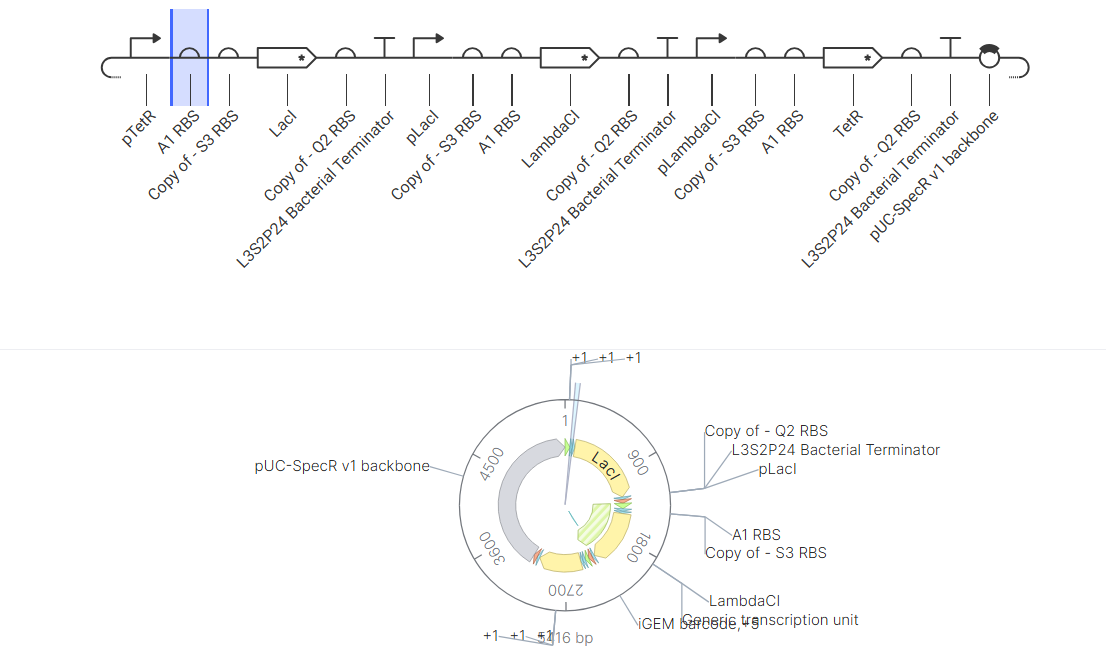
2: Recreating the Repressilator
The Repressilator is a synthetic genetic oscillator first described by Elowitz and Leibler
(2000). It consists of three genes arranged in a mutually repressive loop.
Each protein represses the next promoter in the loop, creating a negative feedback cycle
that produces oscillating protein expression.
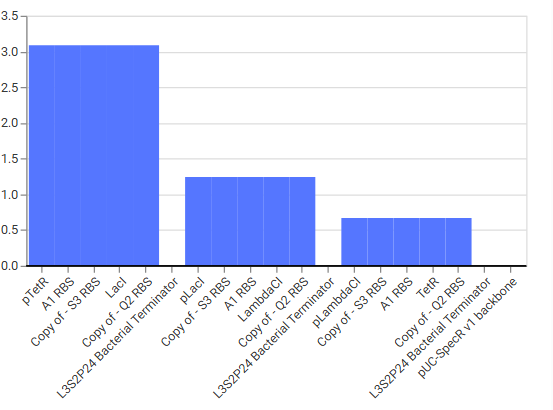
Construct Diagram & Simulator results
The ossiclation didn’t match as expected at first, I played around a bit and worked with typical bacterial promoters and repressors to change and get desired effect.
As seen in the simulator results it worked .
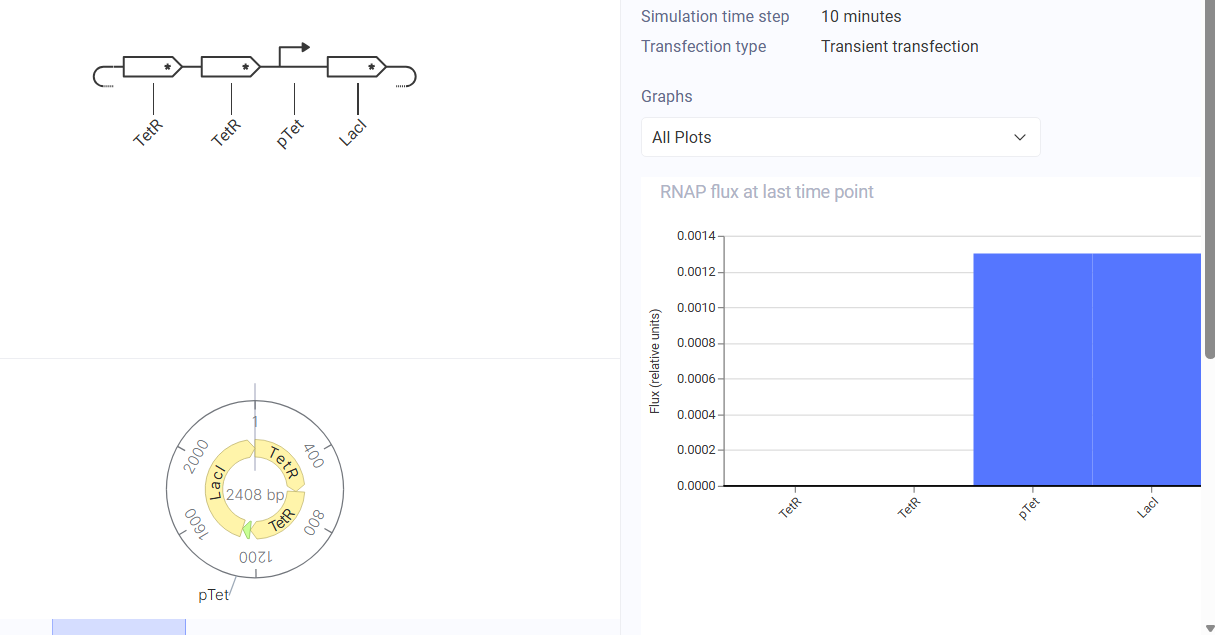
Construct 1: Simple Toggle Switch
Design Rationale
This construct is a bistable toggle switch based on the Gardner et al. (2000) design.
Two repressors (LacI and TetR) mutually repress each other:
pLac drives tetR expression → TetR protein is produced
pTet drives lacI expression → LacI protein is produced
LacI represses pLac, TetR represses pTet
This creates two stable states:
State A: LacI is high, TetR is low (LacI wins)
State B: TetR is high, LacI is low (TetR wins)
The system should remain locked in one state until an external signal (e.g. IPTG to
inhibit LacI, or aTc to inhibit TetR) flips it to the other state.
Construct & Simulator Diagram
The simulator showed one protein dominating and the other being suppressed, confirming
bistable behaviour.
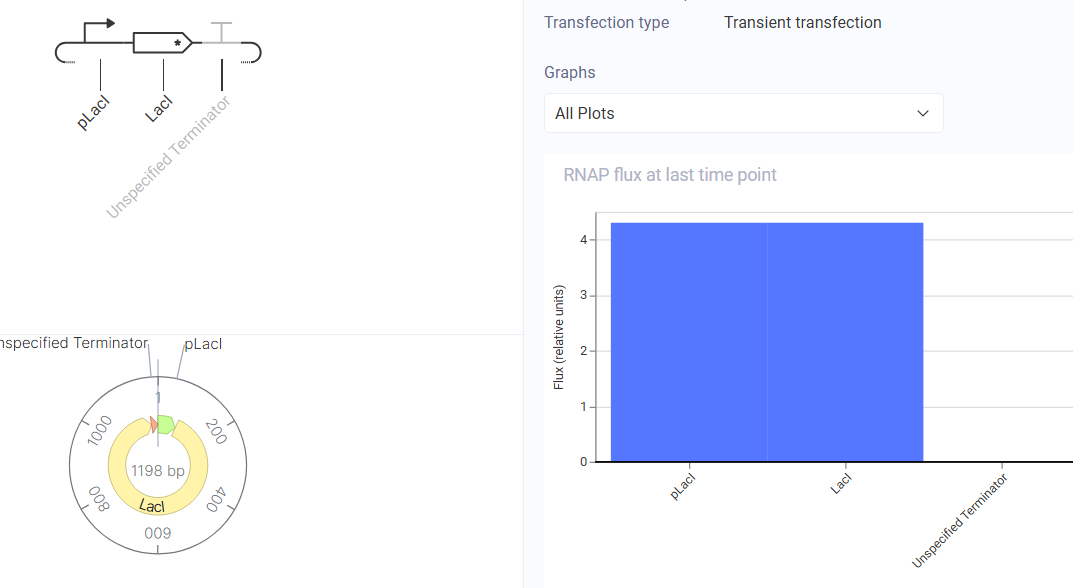
Construct 2: Negative Autoregulation
Design Rationale
This construct tests simple negative autoregulation — one of the most common regulatory
motifs found in natural genomes. The LacI protein represses its own promoter (pLac),
creating a self-limiting feedback loop.
Negative autoregulation has two known biological benefits:
1 It speeds up the response time of gene expression compared to unregulated expression
2 It reduces noise and cell-to-cell variability in protein levels
Construct Diagram and Simulator Results
The simulator showed LacI expression rising then plateauing at a low level, consistent
with negative autoregulation.
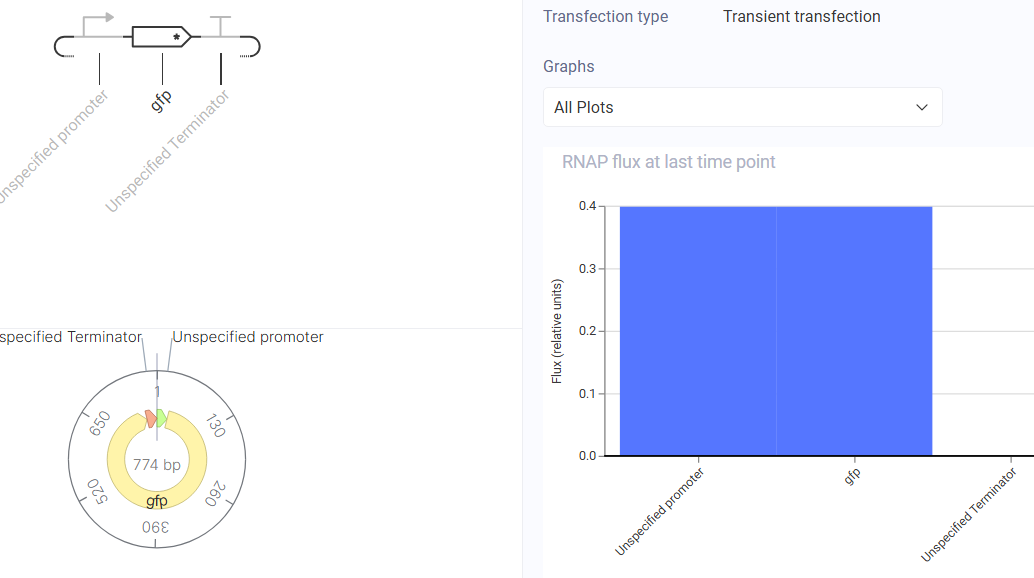
Construct 3: Constitutive GFP Reporter
Design Rationale
This is the simplest possible construct is a constitutive promoter driving GFP expression
with no regulatory feedback of any kind. There is no repressor or activator involved.
This construct serves as a baseline control to compare against the regulated
constructs above. Without any feedback, GFP should accumulate at a rate determined
purely by:
Transcription rate (set by the promoter strength)
Translation rate (set by the ribosome binding site)
Protein degradation rate
Construct and Simulator Results
The simulator showed GFP expression rising and reaching a stable plateau as expected.
There was no oscillation, confirming this is a stable unregulated system. The plateau
level was higher than the self-regulated LacI in Construct 2, which makes sense without negative feedback there is nothing to limit accumulation beyond the natural
degradation rate. This confirms that negative autoregulation (Construct 2) does
meaningfully reduce steady state protein levels.
References
Elowitz, M.B. & Leibler, S. (2000). A synthetic oscillatory network of transcriptional
regulators. Nature, 403, 335–338.
Gardner, T.S., Cantor, C.R. & Collins, J.J. (2000). Construction of a genetic toggle
switch in Escherichia coli. Nature, 403, 339–342.
Week 07 HW: Genetic Circuits Part II
Part 1: Intracellular Artificial Neural Networks
1: What advantages do IANNs have over traditional genetic circuits, whose input/output behaviors are Boolean functions?
IANNs process analog signals instead of only ON/OFF outputs. They handle noisy data better and perform complex decisions using fewer genetic parts.
2: Describe a useful application for an IANN; include a detailed description of input/output behavior, as well as any limitations an IANN might face to achieve your goal.
An IANN can be used in cancer therapy cells. The cell detects tumor biomarkers and releases a killing protein only when signal levels match cancer conditions. A limitation is high energy use, which may slow growth or cause mutations.
4: Below is a diagram depicting an intracellular single-layer perceptron where the X1 input is DNA encoding for the Csy4 endoribonuclease and the X2 input is DNA encoding for a fluorescent protein output whose mRNA is regulated by Csy4. Tx: transcription; Tl: translation.
The first layer produces Csy4, which controls the second layer by inhibiting fluorescence output. Protein Y is produced only after both layers process the signals together.
Part 2: Fungal Materials
1: What are some examples of existing fungal materials and what are they used for? What are their advantages and disadvantages over traditional counterparts? 2.What might you want to genetically engineer fungi to do and why? What are the advantages of doing synthetic biology in fungi as opposed to bacteria?
Fungal materials include mycelium leather and bio-composites for packaging and construction. They are biodegradable and low-cost but are less durable and sensitive to humidity compared to traditional materials.
Fungi can be engineered to sense environmental conditions like pH or nutrients and respond accordingly. Fungi are better than bacteria for complex proteins and strong 3D biomaterials because they are eukaryotic and form hyphal networks.
Assignment Part 3: First DNA Twist Order
Have designed multiple twist orders for the final individual project and has been discussed with TA.
Week 09 HW: CELL FREE SYSTEMS
Part One: General and Lecturer-Specific Questions
1.
Cell-free protein synthesis gives better control over reaction conditions and allows direct addition of molecules like inhibitors or non-natural amino acids. It is useful for producing toxic proteins and for rapid protein prototyping.
A cell-free system contains lysate with ribosomes and enzymes, a DNA/mRNA template, amino acids, and buffer salts. These components work together to produce proteins from genetic instructions.
ATP regeneration is important because protein synthesis uses large amounts of energy. A creatine phosphate–creatine kinase system can recycle ADP into ATP and maintain continuous protein production.
Prokaryotic systems are fast and cheap, making them suitable for simple proteins like GFP. Eukaryotic systems are better for complex proteins like antibodies because they support proper folding and modifications.
Membrane proteins need lipid structures like liposomes or nanodiscs to fold correctly. The main challenge is balancing detergent levels to prevent aggregation without damaging the system.
Low protein yield may result from poor DNA quality, RNase contamination, or incorrect magnesium concentration. These can be fixed by purifying DNA, adding RNase inhibitors, and optimizing salt levels.
Part two :
Kate Adamala - Synthetic Minimal Cell
Function: Endometriosis pain relief on demand
A synthetic minimal cell that senses elevated prostaglandin E2 (a key inflammatory marker in endometriosis) and responds by synthesizing and releasing ibuprofen precursor enzymes locally within the peritoneal cavity. Unlike systemic NSAIDs, this SMC delivers anti-inflammatory action only where inflammation is detected, reducing systemic side effects.
Components:
POPC/cholesterol lipid bilayer for stability in peritoneal fluid
PURE system encapsulated inside
α-hemolysin nanopores for prostaglandin sensing and enzyme secretion
sfGFP reporter fused to output peptide for activity confirmation
Experimental validation:
Fluorometry to confirm GFP-tagged peptide production upon PGE2 stimulation
ELISA to measure prostaglandin reduction in treated vs untreated samples
Cytotoxicity assay on peritoneal cell lines to confirm biocompatibility
Peter Nguyen - Architectural Textile
Pitch: A wearable menstrual health textile that bioluminesces to signal the onset of infection or abnormal pH associated with bacterial vaginosis or endometriosis flares, requiring no battery or external device.
Mechanism:
Porous underwear-lining mesh embedded with microcapsules containing freeze-dried TX-TL components
DNA circuit triggered by vaginal pH drop below 4.0 or presence of Gardnerella vaginalis enzyme sialidase
Upon trigger, capsules absorb local moisture and translate luciferase reporter, producing visible bioluminescence at infection site
Lyoprotectant matrix keeps enzymes stable for 12 months dry storage
Rechargeable via buffer spray; signal resets once pH normalises
Societal challenge addressed:
Bacterial vaginosis affects 1 in 3 women globally and is frequently misdiagnosed or ignored. A passive, wearable biosensor democratises early detection without clinic access.
Ally Huang - Cell-Free BioBits
Target: On-demand psilocybin biosynthesis for treatment-resistant depression in isolated or underserved communities
Women and queer individuals experience depression at disproportionately higher rates yet have less access to emerging psychedelic-assisted therapies due to legal, geographic, and financial barriers. A cell-free system producing therapeutic-dose psilocybin on demand from a freeze-dried DNA template offers a decentralised, stable, and scalable alternative to clinic-dependent treatment.
Genetic target: Synthetic DNA encoding the four-enzyme psilocybin biosynthesis pathway (PsiD, PsiK, PsiM, PsiH) from Psilocybe cubensis, codon-optimised for BioBits cell-free expression.
Hypothesis: The BioBits freeze-dried matrix will support sequential multi-enzyme expression sufficient to produce measurable psilocybin from tryptamine substrate at 37°C without living cells.
Experiment:
Three conditions: GFP positive control, four-enzyme pathway test, no-DNA negative control
Activation with water + tryptamine substrate
Output measured via LC-MS for psilocybin quantification and P51 viewer for fluorescent pathway reporter
Why cell-free: No living GMO organism, no containment risk, stable as freeze-dried powder for field or home use, legally easier to research than whole-cell biosynthesis.
Have used Claude (Sonnet 4.6 ) to brainstorm.
Week 10 HW: Imaging and Measurement
Waters Part I — Molecular Weight
1: Based on the predicted amino acid sequence of eGFP and any known modifications, what is the calculated molecular weight?
eGFP Sequence Analysis: The sequence provided includes the eGFP core, an LE linker, and a 6x-His purification tag.
2:Calculated Molecular Weight: 27,988.97 Da (Daltons).
Calculate the molecular weight of the eGFP using the adjacent charge state approach.
Using Figure 1, we select two adjacent peaks:
Peak 1 (m/z_n): 875.4421
Peak 2 (m/z_n+1): 903.7148
2.1 Determine z for each adjacent pair of peaks: Using the formula for charge state calculation: $$z = \frac{m/z_{n+1} - 1.0078}{m/z_{n+1} - m/z_{n}}$$ $$z = \frac{903.7148 - 1.0078}{903.7148 - 875.4421} = \frac{902.707}{28.2727} = 31.92$$
Rounding to the nearest integer, the charge state for the 903.7 peak is 31+, and the 875.4 peak is 32+.
2.2 Determine the MW of the protein: Using the 32+ charge state:
MW = (875.4421 * 32) - (32 * 1.0078)
MW = 28,014.15 - 32.25
Calculated MW: 27,981.90 Da
2.3 Calculate the accuracy of the measurement: Using the formula: Error (ppm) = [|Exp - Theory| / Theory] * 1,000,000
Error = [|27,981.90 - 27,988.97| / 27,988.97] * 1,000,000
Accuracy: 252.6 ppm
3: Can you observe the charge state for the zoomed-in peak in the mass spectrum for the intact eGFP? If yes, what is it? If no, why not?
No. Because the protein is in its denatured state at a high charge state (32+), the isotopes are spaced by 1/z (1/32 = 0.03 m/z). A mass spectrometer with a resolution of 30,000 cannot resolve individual isotopes for a protein this large at that charge state; they blur into a single “envelope.”
Waters Part II — Secondary/Tertiary Structure
1: Explain the difference between native and denatured protein conformations.
Denatured State: The protein is unfolded, often due to acidic solvents or heat. This “stretches out” the amino acid chain, exposing basic residues (Lysine, Arginine, Histidine) that were previously hidden in the core. Consequently, the protein picks up many protons, resulting in high charge states and peaks at lower m/z values (the 500-1500 range).
Native State: The protein remains folded (e.g., the eGFP beta-barrel). Many basic residues are buried and inaccessible for protonation. The protein picks up fewer protons, resulting in lower charge states and peaks at higher m/z values (the 2000-4000 range).
2: Can you discern the charge state of the peak at ~2800 m/z in Figure 3? What is it? How can you tell?
Yes. The charge state is 10+. Reasoning: In the zoomed inset of Figure 3, the individual isotopes are clearly resolved. The spacing between the isotopes is 0.1 m/z. Since the spacing is equal to 1/z, a spacing of 0.1 indicates a charge state of 10 (1/10 = 0.1).
Waters Part III — Peptide Mapping
1: How many Lysines (K) and Arginines (R) are in eGFP?
Based on the sequence analysis, there are 20 Lysines (K) and 6 Arginines (R).
2: How many peptides will be generated from tryptic digestion of eGFP?
Using the PeptideMass tool with zero missed cleavages, 27 peptides are predicted.
3: How many chromatographic peaks do you see between 0.5 and 6 minutes in Figure 5a?
Looking at the Total Ion Chromatogram (TIC), there are approximately 18 distinct peaks that meet the >10% relative abundance threshold.
4:Does the number of peaks match the number of peptides predicted?
No. There are fewer peaks in the chromatogram (18) than predicted peptides (27). This is common because some peptides are too small to be retained on the column, others are too hydrophobic to elute, and some co-elute (overlap) at the same time.
5: Identify the m/z and charge (z) of the peptide in Figure 5b. Calculate the mass of the singly charged form (MH+).
m/z: 525.76712
Charge (z): The isotopes are spaced by 0.5 m/z. Therefore, $z = 2$ (since 1/2 = 0.5).
Singly Charged Mass (MH+): (525.767 * 2) - 1.0078 = 1050.53 Da.
6: Identify the peptide and calculate the mass accuracy in ppm.
Comparing the mass to the predicted list, the peptide is FEGDTLVNR (Theoretical MH+ = 1049.52 Da).
Error: 5.7 ppm. This is highly accurate and confirms the peptide identity.
7: What is the percentage of the sequence confirmed?
According to Figure 6, the sequence coverage is 88%.
8: Bonus: What is the sequence for the fragmentation spectrum in Figure 5c?
The sequence is FEGDTLVNR. The spectrum displays the characteristic y-ion and b-ion series that confirm this specific amino acid order.
9: Does the peptide map data make sense?
Yes. 88% coverage is excellent. The high mass accuracy (under 10 ppm) and the matching fragmentation patterns definitively prove that the protein produced is the eGFP standard.
Waters Part IV — Oligomers
Based on the CDMS mass spectrum in Figure 7 and the subunit masses:
7FU Decamer: Observed at 3.4 MDa.
8FU Didecamer: Observed at 8.33 MDa.
8FU 3-Decamer: Observed at 12.67 MDa.
8FU 4-Decamer: This would be represented by the furthest right, lower-abundance peaks near 16.0-17.0 MDa.
Used Chatgpt for formula, and understanding context.
Week 11 HW: Bioproduction & Cloud Labs
Part A: The 1,536 Pixel Artwork Canvas
Contribution
I designed a small section of the artwork using a few pixels to again create the BTS pop band logo, cos i am obsessed. Might not look like it, as the pixels were already too full.
I liked how different ideas were combined into one large artwork. For next time, Divided sections for nodes could make collective teamwork visible.
Part B: Cell-Free Protein Synthesis
E. coli Lysate-BL21 (DE3) Star Lysate
Provides ribosomes, enzymes, and T7 RNA polymerase needed for transcription and translation.
Salts/Buffer
Maintain pH, ion balance, and ribosome stability during protein synthesis.
Energy / Nucleotide System
Provides energy and nucleotide precursors required for RNA production and ATP regeneration.
Additives: Nicotinamide
Helps protect nucleic acids and supports redox balance.
Backfill: Nuclease-Free Water
Adjusts reaction volume without introducing contaminants.
1-Hour PEP-NTP vs 20-Hour NMP-Ribose-Glucose Mix
The PEP-NTP mix gives fast protein production but runs out of energy quickly. The NMP-Ribose-Glucose mix regenerates energy slowly, allowing protein expression for many hours.
Bonus Question
Free guanine is converted into GMP by enzymes in the lysate. GMP is then converted into GTP for transcription.
Part C: Planning the Global Experiment | Cell-Free Master Mix Design
sfGFP
Folds quickly and gives fast fluorescence, making it reliable in cell-free systems.
mRFP1
Matures slowly, so fluorescence appears later but remains stable.
mKO2
Produces strong orange fluorescence but is sensitive to acidic conditions.
mTurquoise2
Very bright cyan protein but requires correct folding conditions.
mScarlet_I
Bright red fluorescent protein that needs oxygen for maturation.
Electra2
Stable blue fluorescent protein but may aggregate under some salt conditions.
Hypothesis
Using extra glucose and magnesium with better oxygen exposure will improve mScarlet_I fluorescence over 36 hours by supporting energy production and chromophore maturation.
Alternative Hypothesis
Adding nicotinamide and cysteine may improve mTurquoise2 folding and produce stronger cyan fluorescence.
Master Mix Design
The mix includes glucose for energy, magnesium for translation, cysteine and nicotinamide for stability, and buffers to maintain pH and ionic balance.
This lab covered standard pipetting and dilution practices. Being an online student, I did not perform the protocol in person. I did refer to the links below to refresh my learning: Significant Figures crash course Dilution Problems, Chemistry, Molarity & Concentration Examples, Formula & Equations
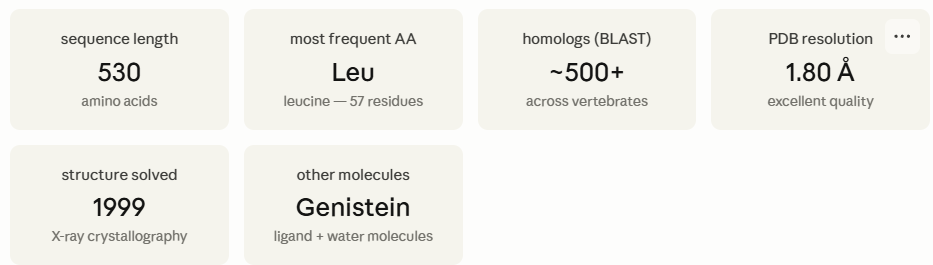
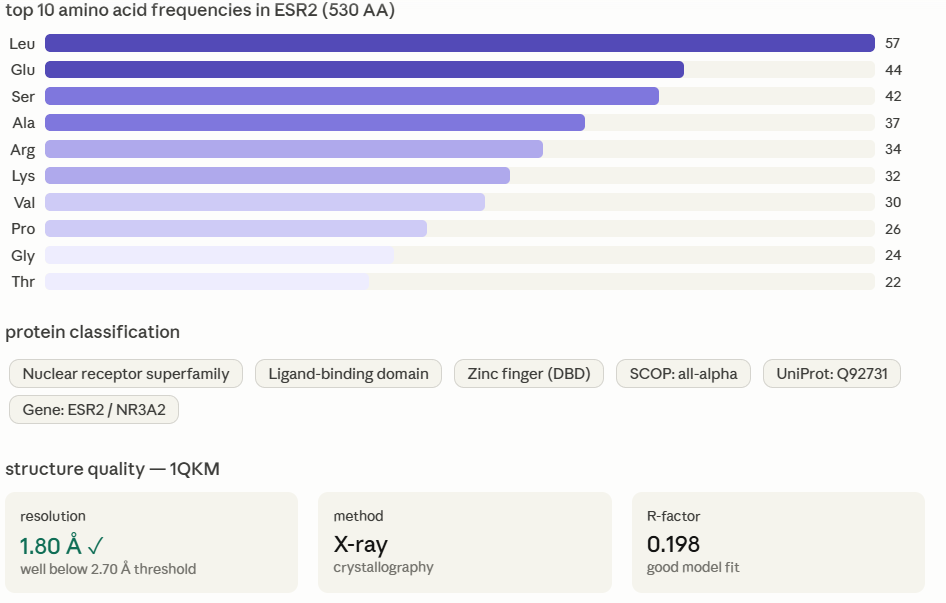
1: Estrogen Receptor Beta (Human) Selected because of its direct relevance to endometriosis, PCOS, and female reproductive health. PDB ID: 1QKM
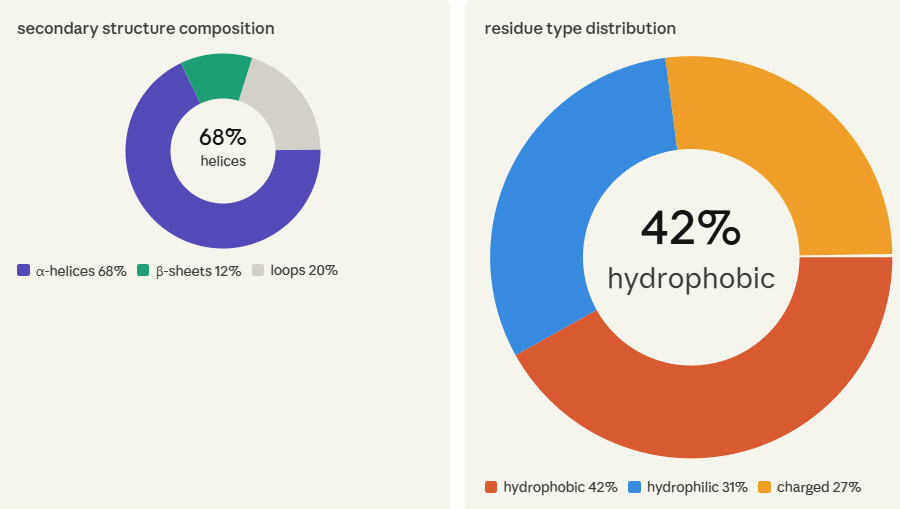
Information about ESR2 from PDB site Protein Classification and Amino acid frequencies Protein structure quality graphs
While during the class I was not able to attend in real time. I caught up the node’s discussion via the recordings upload on the Victoria Node space. I also tried to use Claude to see what it spits out, a lot of irregularity. I also sought help from peers like Aarushi Mishra and under her direct help I attempted several times to create a competitive switch.
After several failed attempts, I decided to move forward from this, as I theoretically understand how neuromorphic circuits and lipofectamine transfection work. Having worked in HEK293 transfection before. From what i understand now, The tool Neuromorphic wizard needs to be updated & calibrated to biological understand in a better way. I will be searching more about this later to see if there are better frameworks as open source to use.
Post-lab Questions 1.Which genes when transferred into E. coli will induce the production of lycopene and beta-carotene, respectively? crtE, crtB, and crtL produce lycopene. Adding crtY produces beta-carotene.
2.Why do the plasmids that are transferred into the E. coli need to contain an antibiotic resistance gene? Antibiotic resistance keeps only plasmid-containing cells alive, ensuring plasmid maintenance.
1: Estrogen Receptor Beta (Human)
Selected because of its direct relevance to endometriosis, PCOS, and female reproductive health. PDB ID: 1QKM
Information about ESR2 from PDB site
Protein Classification and Amino acid frequencies
Protein structure quality graphs
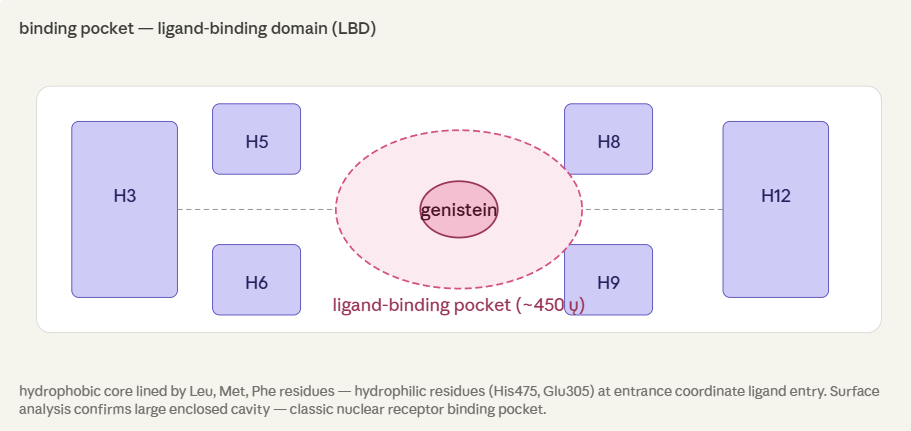
Binding Pocket Ligand
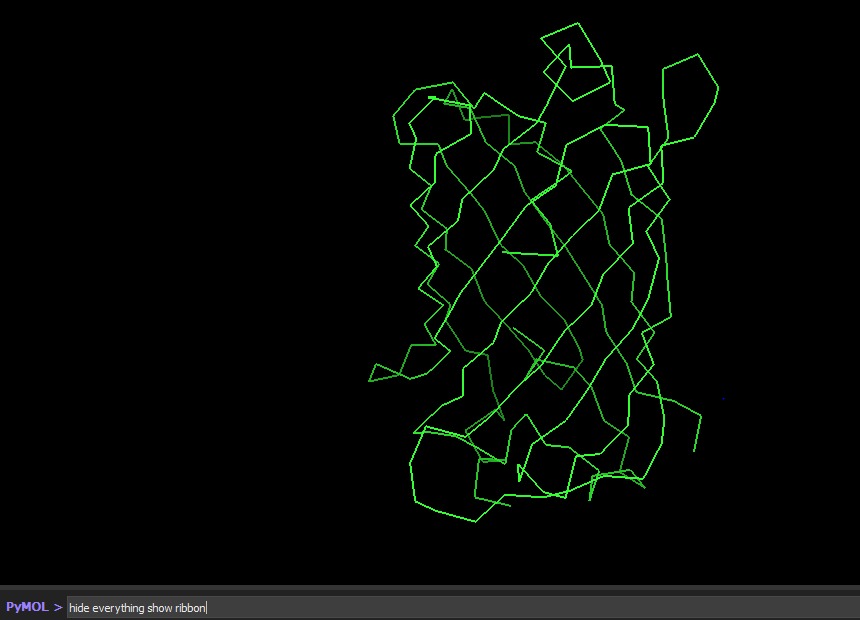
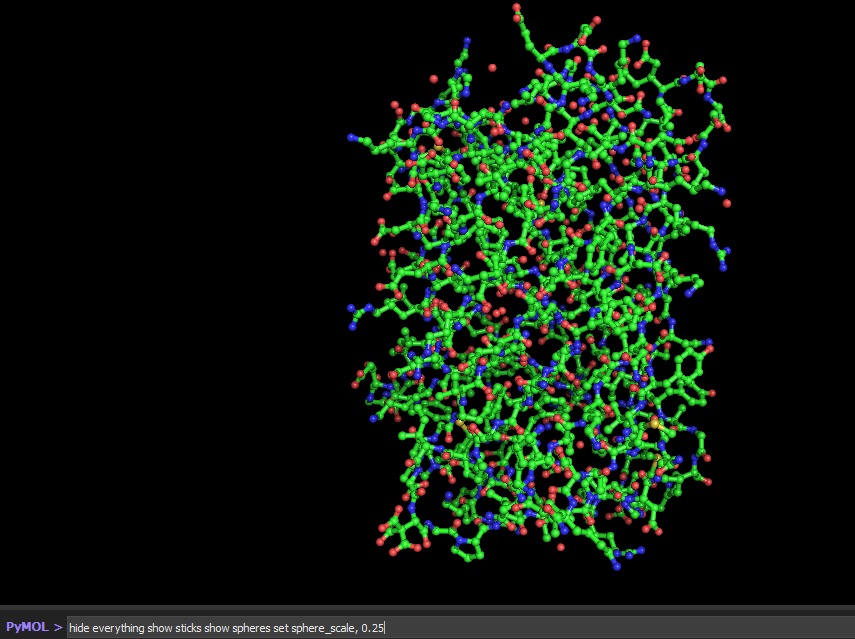
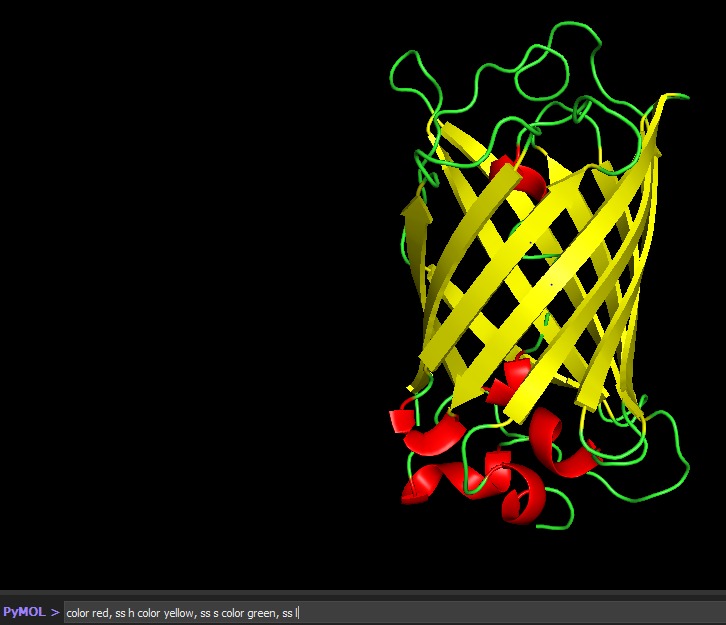
Adding visualisation to GFP protein instead of ESR2 - as i changed it for my final project -
Cartoon
Ribbon
Ball & Stick
The Secondary structure of GFP : Seems to have more helixes
Part C1. Protein Language Modeling
C1.1 Deep Mutational Scan
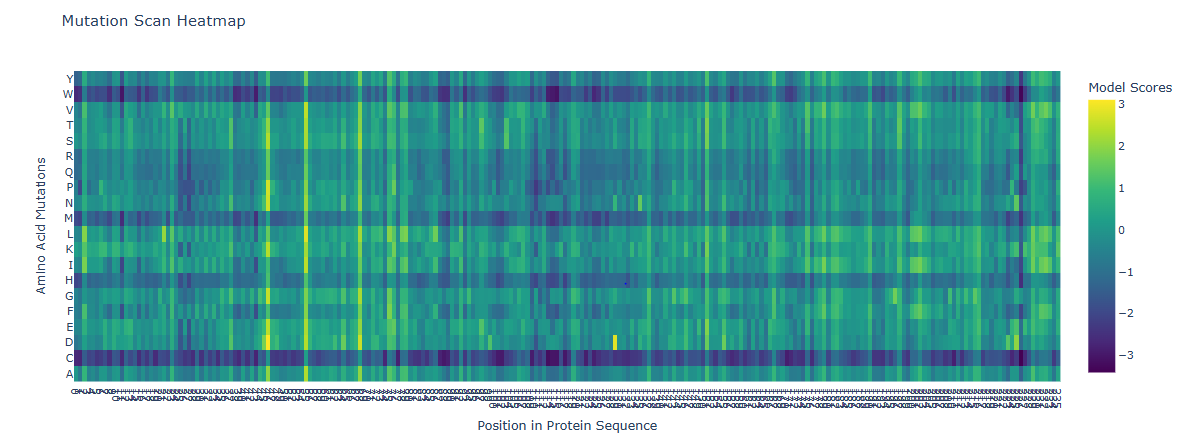
ESM2 is a protein language model trained on ~250 million protein sequences. It generates per-residue probability distributions over all 20 amino acids by learning co-evolutionary patterns from sequence context alone, without any structural input. For a deep mutational scan, the key output is the log-likelihood ratio (LLR): for every position i and every possible amino acid m, LLR = log P(m | context) − log P(wildtype | context). A strongly negative LLR means ESM2 considers that substitution evolutionarily disfavored; a near-zero or positive LLR means it is tolerated.
Running this scan across all 239 residues of GFP and all 20 amino acids produces a 239 × 20 LLR heatmap:
The most striking pattern is the sharp, strongly negative signal at the chromophore triad - Ser65, Tyr66, and Gly67. These three residues form GFP’s fluorophore through spontaneous backbone cyclization and oxidation. ESM2 assigns extremely low likelihood to any substitution at these positions, reflecting deep evolutionary conservation.
C1.2 Latent Space Analysis
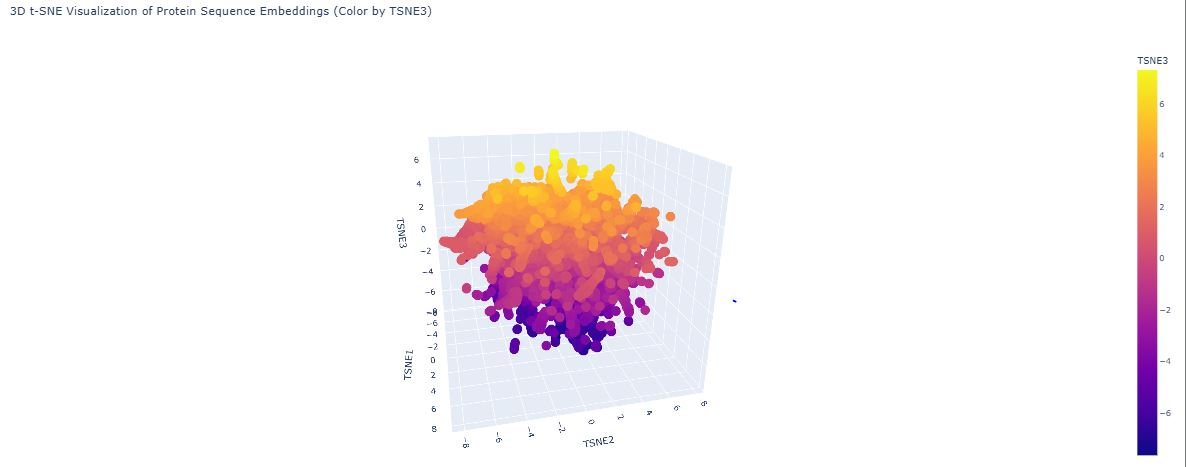
ESM2’s internal transformer layers produce high-dimensional embedding vectors (~1280 dimensions for ESM2-650M) that encode evolutionary, structural, and functional information simultaneously. Dimensionality reduction via UMAP projects these into 2D, allowing visual inspection of how proteins relate to one another:
GFP (1GFL) appears in the all-β region, consistent with its 11-stranded β-can fold. Its nearest neighbors are other fluorescent protein family members and other β-barrel proteins. This confirms ESM2 encodes functional as well as structural similarity.
C2. Protein Folding
ESMFold is a single-sequence structure predictor that bypasses multiple sequence alignments (MSAs), instead leveraging latent structural knowledge from a protein language model. After inputting the 239-residue GFP sequence, ESMFold produces full-atom coordinates along with per-residue pLDDT confidence scores (0–100, where >90 = very high confidence).
Folding a protein
( al other parts are performed as part of the final project as well , so its visible on google collab files documentation, more files cannot seem to be added here)
Week 06 Lab: Gibson Assembly
Lab not part of remote participation.
Week 07 Lab: Neuromorphic Circuits
While during the class I was not able to attend in real time. I caught up the node’s discussion via the recordings upload on the Victoria Node space.
I also tried to use Claude to see what it spits out, a lot of irregularity.
I also sought help from peers like Aarushi Mishra and under her direct help I attempted several times to create a competitive switch.
After several failed attempts, I decided to move forward from this, as I theoretically understand how neuromorphic circuits and lipofectamine transfection work. Having worked in HEK293 transfection before. From what i understand now, The tool Neuromorphic wizard needs to be updated & calibrated to biological understand in a better way. I will be searching more about this later to see if there are better frameworks as open source to use.
Week 09 Lab: Cell Free System
Lab not available for remote
Week 10 HW: Protein Design Part 1
See part of Homework in Week 10 Homework space.
Week 11 Lab: Cloud Lab
See week 11 Homework.
Week 12 Lab: Bioproduction
Post-lab Questions
1.Which genes when transferred into E. coli will induce the production of lycopene and beta-carotene, respectively?
crtE, crtB, and crtL produce lycopene. Adding crtY produces beta-carotene.
2.Why do the plasmids that are transferred into the E. coli need to contain an antibiotic resistance gene?
Antibiotic resistance keeps only plasmid-containing cells alive, ensuring plasmid maintenance.
3.What outcomes might we expect to see when we vary the media, presence of fructose, and temperature conditions of the overnight cultures?
Changing media, fructose, or temperature can affect cell growth and pigment production.
4.Generally describe what “OD600” measures and how it can be interpreted in this experiment.
OD600 measures cell density by light absorption at 600 nm. Higher OD600 means more cell growth.
5.What are other experimental setups where we may be able to use acetone to separate cellular matter from a compound we intend to measure?
Acetone can separate pigments or other acetone-soluble compounds from cell material.
6.Why might we want to engineer E. coli to produce lycopene and beta-carotene pigments when Erwinia herbicola naturally produces them?
E. coli grows faster and is easier to genetically engineer than Erwinia herbicola.
Committed Listeners
1. What are the enzymes of the carotene pathway?
The carotene pathway enzymes are CrtE, CrtB, CrtL, CrtY, and CrtZ.
2.ithin this pathway, which is the rate determining step (the step that takes the longest)? Which enzyme is responsible for this step?
The rate-limiting step is usually phytoene synthesis, controlled by CrtB.
3.The first thing to do is to decide what organism you are going to use for this (E. coli or S. cerevisiae) for production. Which would you choose and why (emphases on production differences)?
I would choose E. coli because it grows quickly and has many genetic tools.
5.A promoter starts transcription by binding RNA polymerase.
6.Promoters can be constitutive, inducible, or repressible.
7.A repressible promoter turns genes off in response to a metabolite. An inducible promoter turns genes on.
8. I would use a T7 promoter because it gives strong gene expression in strains with T7 polymerase.
Origin of Replication
1.The origin of replication is the DNA site where plasmid copying begins.
2. Origins can be high-, medium-, or low-copy number and may be relaxed or stringent.
3. Compatibility groups classify plasmids with similar replication systems that may interfere with each other.
Additional Bioparts
1. Elaborate further on other bioparts like RBS, terminators, operators you would use for a correct design and further bioproduction?
A strong RBS improves translation, terminators stop transcription, and operators control gene expression.
2.What are aptamers and riboswitches and how can they be used for metabolic tuning or engineering in prokaryotes?
Aptamers and riboswitches regulate gene expression by binding specific molecules.
3.Now what approach can be used to join all these parts together?
Gibson assembly joins DNA fragments without restriction sites, while Golden Gate is useful for modular cloning.
4. Try to elaborate further on a biosynthetic pathway you would want to engineer in E. coli for production of a metabolite or product. What use could this bio-product have? Imagine dream applications!!!
Engineered E. coli could produce medicines, biofuels, or biodegradable plastics for industrial and medical use.(if we are imagining i would want it to be engineered shroom strains that change falvours)
Yeast Engineering
1.Yeast constructs use promoters, Kozak sequences, terminators, and selection markers.
2. Safe-harbor chromosome sites are preferred for stable genome integration.
3. An integration cassette includes homology arms, promoter, gene, terminator, and selection marker.
I was not able to go forward with a group project at this time. But in particular, me & Aarushi Mishra (both of the same node intend to continue on one after the course)
This project applies the Germinal pipeline — an open-source
computational framework combining AlphaFold-Multimer and the
IgLM antibody language model — to design de novo nanobodies
targeting a defined surface epitope of GFP. Four nanobody
sequences were generated, codon-optimised via Asimov Kernel,
annotated in Benchling, and ordered from Twist Biosciences
as clonal genes for cell-free expression screening on the
Ginkgo Bioworks Nebula platform.
Section 1 — Project Aims
Aim 1 — Experimental (HTGAA scope)
Design, synthesise, and confirm cell-free expression of
de novo anti-GFP nanobodies using the Germinal pipeline
and Ginkgo Bioworks Nebula.
Aim 2 — Development (PhD level)
Apply the validated pipeline to a clinically relevant target
(NKG2D or PD-L1) and validate binding affinity by BLI.
Aim 3 — Visionary
Establish a fully democratised, open-source nanobody
discovery platform accessible to any molecular biology
laboratory without immunisation infrastructure.
Section 2 — Background
Note
**Source paper:** Mille-Fragoso et al. 2025 —
*Efficient generation of epitope-targeted de novo antibodies
with Germinal.* bioRxiv PMC12485712
Germinal achieves experimental success rates of 4–22%
testing only 43–101 designs per target — dramatically
fewer than phage display or random CDR mutagenesis.
Section 3 — Computational Design
Antigen preparation
GFP structure downloaded from PDB (2Y0G), cleaned with
Biopython to remove solvent and chromophore atoms.
Target epitope: residues A169–A171 (surface-exposed,
confirmed by SASA analysis).
Framework
VHH framework from PDB: 1MEL (cAb-Lys3, anti-lysozyme).
Chain A extracted, IMGT-numbered, CDR3 length verified
at 14 residues.
Germinal run
Executed via Tamarind.bio hosted Germinal implementation.
20 designs generated. 4 passing designs selected by
composite score (i_ptm, pLDDT, interface H-bonds,
zero clashes).
All computational tools used in this project are
open-source or HTGAA-partnered.
Tool
Purpose
google collab
All coding and data visualisation
Germinal (Tamarind.bio)
De novo CDR design
Biopython
PDB cleaning + SASA analysis
Asimov Kernel
Codon optimisation
Benchling
Sequence annotation + storage
SecureDNA
Biosafety screening
Twist Biosciences
Clonal gene synthesis
Ginkgo Nebula
Cell-free expression screening
py3Dmol
Structure visualisation
Expression construct
Vector:    pTwist Amp High Copy
System:    E. coli cell-free (PURExpress)
Detection: Anti-His HRP Western blot
Purification: Ni-NTA magnetic beads
Binding:   GFP pulldown assay
Section 6 — Ethical Considerations
Warning
All synthesised sequences are planned to be screened through
SecureDNA prior to ordering. No biosecurity concerns
identified — GFP is a non-pathogenic model antigen.
This project applies the principles of beneficence
(reducing animal use in antibody generation) and
justice (democratising access to molecular tools).
All work will be conducted at BSL-1. No human subjects involved.
References
Mille-Fragoso et al. (2025) bioRxiv PMC12485712
Bennett et al. (2024) Science 385(6707)
Liu et al. (2020) NEJM 382:545
Evans et al. (2022) AlphaFold-Multimer bioRxiv
Shuai et al. (2023) Cell Syst 14:979
Group Final Project
I was not able to go forward with a group project at this time. But in particular, me & Aarushi Mishra (both of the same node intend to continue on one after the course)