Background and Literature Context.
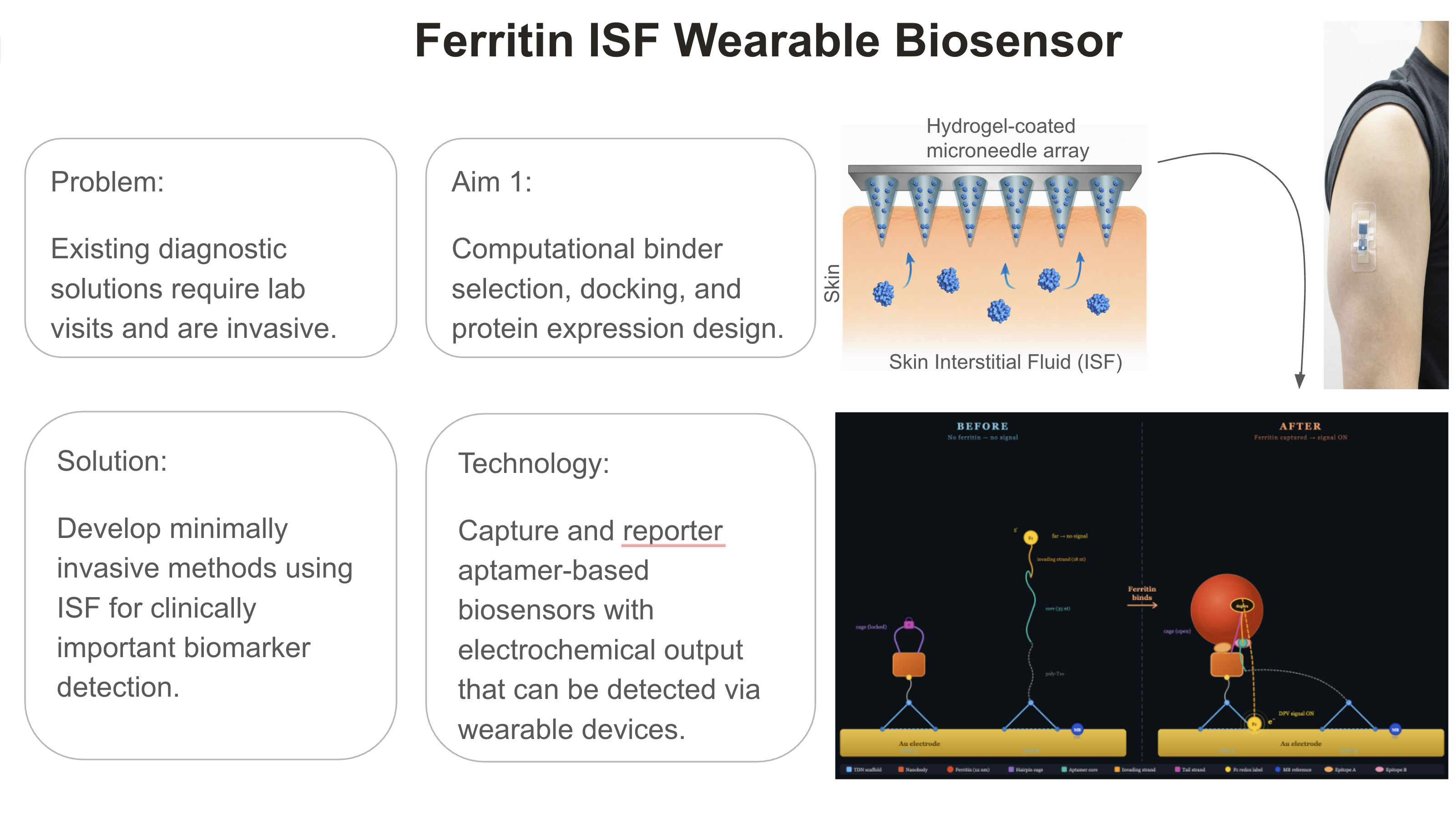
Highly desirable personalized healthcare innovations for unmet clinical needs have driven accelerated developments in the minimally invasive diagnostics field in recent years. There is a real value in reducing patient burden and enabling continuous or real-time biomarker monitoring when it comes to disease prevention and improving the quality of patient lives. Adding to this paradigm, reducing cost to enable broad-population-level accessibility. Traditional diagnostic care generally relies on a laboratory visit, blood withdrawal, trained personnel, and a high cost for housing instruments and maintenance, and trained professionals to analyze the results. On the other hand, wearable monitoring devices capable of detecting and translating specific biological signals at the point-of-care would overcome these limitations. Continuous glucose monitors in diabetes management are widely recognized as a success in the minimally invasive diagnostics field, and a major motivator for extending to include a broader panel of clinical biomarkers accessible from dermal interstitial fluid (ISF) (Rodbard 2016, Klonoff et al. 2017, Liang et al. 2024). Although advances have been made, as demonstrated with the development of caffeine, levodopa, and beta-lactam antibiotic detection systems, there are challenges around detection limits and validation (blood vs ISF) (Sprunger et al. 2025).
Interstitial fluid is the fluid surrounding cells in peripheral tissues. It is the medium for nutrient delivery, waste removal, and molecular signaling. It constitutes approximately 75% of extracellular fluid, making it one of the most diagnostically accessible fluids given its proximity to skin surface. Studies performed by several groups suggest that protein concentrations in ISF fall between 50-60% plasma levels. On average, the ISF/serum total protein ratio is 57% (Sprunger et al. 2025). Metabolite profiling reported by another study indicates that 68 % of detected metabolite features were shared between plasma and skin dialysate, and significant positive correlations were found across 39 metabolites between the two matrices. (Oharazawa et al. 2024). These studies also point out that some analytes are locally produced in skin tissue and therefore uniquely present in ISF, a key testing advantage of ISF. Sprunger et al screened over 50 analytes plus the Olink panel (48 cytokines) in healthy individuals and found that of the Olink panel specifically, 36 of 45 were over the limit of quantification in both ISF and serum. Notably, the authors demonstrated the detectability of NT-proBNP, a cardiac failure biomarker at comparable concentrations in serum and ISF (Sprunger et al. 2025), indicating ISF can serve as a reliable proxy for monitoring cardiac health.
Data support a rich composition of ISF and the detectability of biomarkers. However, ISF diagnostics face important challenges. As reported by Sprunger et al., there is a relationship between the molecular weight and serum-to-ISF dilution factor (R2=0.87), which is consistent with the hypothesis that passive molecular transport and partitioning between blood and ISF are size-dependent. As projected, size-dependent concentration in ISF has direct implications for the biosensor design that requires enabling the detection platforms to achieve higher sensitivity. This challenge is particularly notable for high-molecular-weight targets such as ferritin, which would be expected to show substantial ISF dilution.
Ferritin is the primary intracellular iron storage protein, is the most reliable serum biomarker for evaluating the body’s iron reserves, and is routinely used to diagnose iron deficiency anemia, liver disease, and iron overload conditions (Vonalioglu et al. 2025). Beyond iron status, ferritin has other clinical relevance. Markedly elevated levels of ferritin correlate with SARS-CoV-2 infection and cytokine storm severity. Additionally, ferritin dysregulation is implicated in neurodegenerative conditions, including Parkinson’s and Alzheimer’s disease.
Traditional ferritin detection relies on ELISA and radioimmunoassays (RIA), detecting a normal concentration range in serum, 15-300 ng/mL, which, while effective, are costly, require specialized materials and trained personnel, and are impractical for point-of-care deployment. This has motivated the development of biosensor-based alternatives, such as graphene-based Field-Effect-Transistor (FET) biosensors, microfluidic electrochemical immunosensors, Surface-Plasmon Resonance (SPR)-based sandwich assays, and paper-based electrochemical devices (Vonalioglu et al. 2025). These alternative platforms achieve varied levels of detection limits as low as 0.19 ng /mL (paper-based) (Boonkaew et al. 2020) and mostly remain at early proof-of-concept stages.
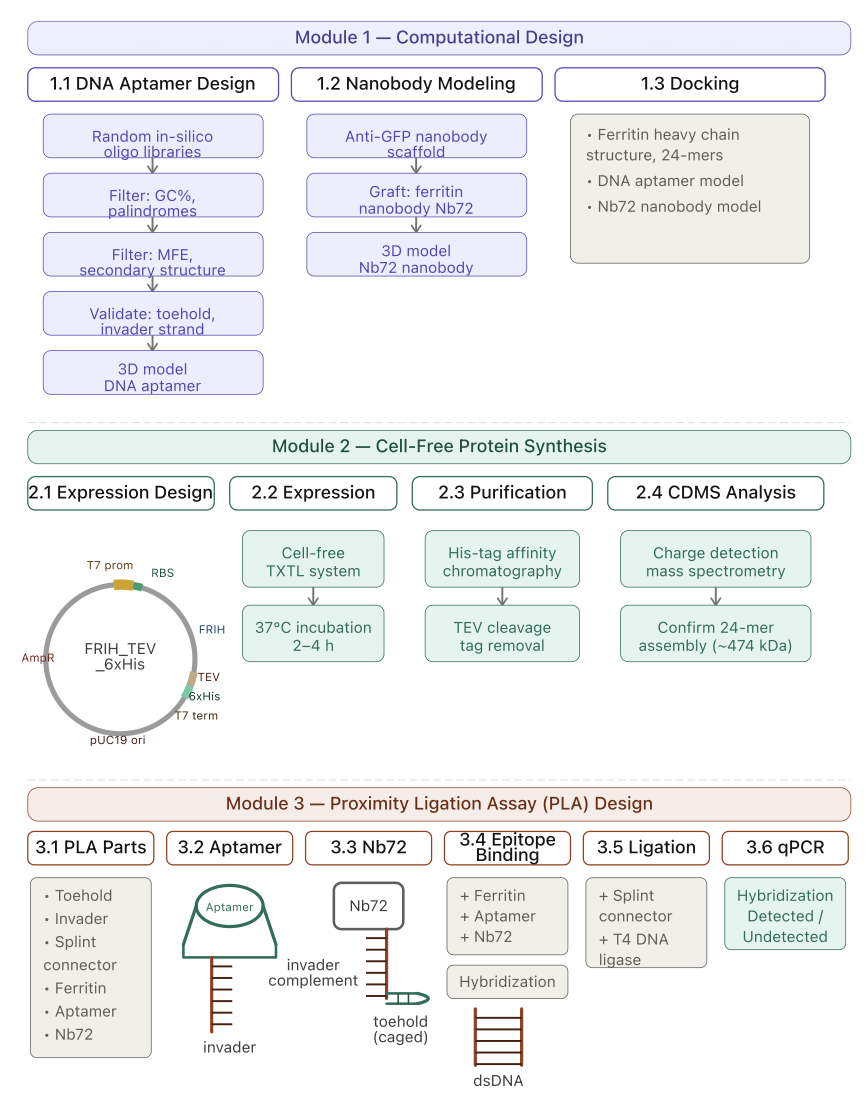
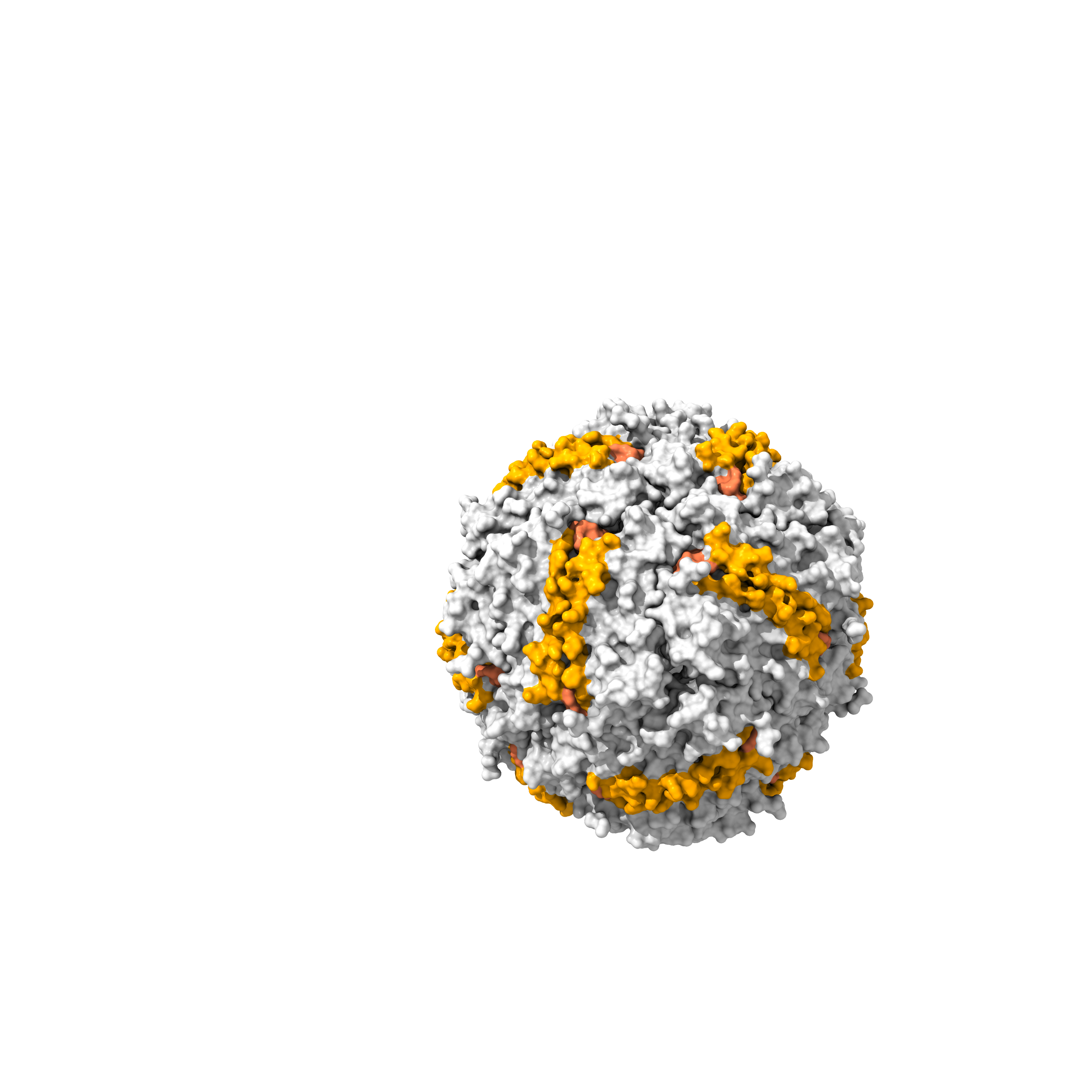
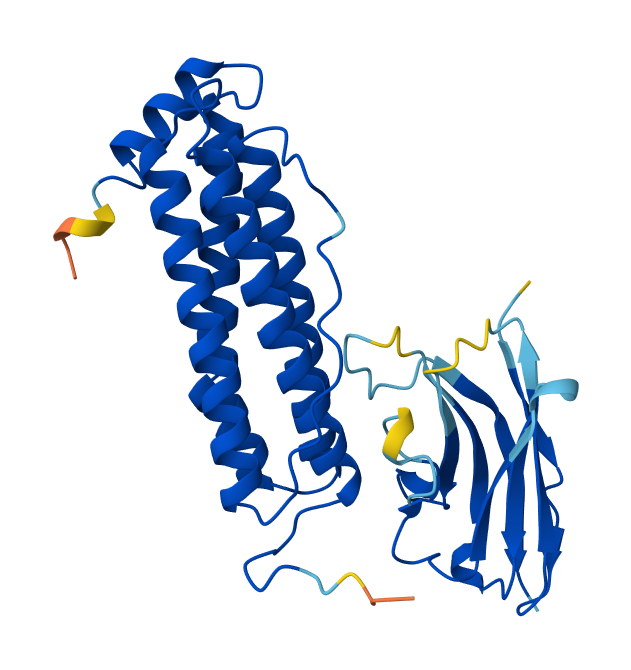
As expected, the development of an ISF ferritin biosensor would face challenges due to its large molecular weight. A hollow cage protein, consisting of 24 subunits, has an approximate molecular mass of 474 kDa (Lawson et al. 1991). Given the molecular size, ferritin is expected to be diluted in ISF. This implies that any ferritin biosensor targeting ISF must achieve substantially lower detection limits than those optimized for serum and must employ recognition elements with high binding affinity to capture the target at low concentrations.
Sandwich immunoassays effectively detect large proteins and are the most clinically validated analytical assays. The format is robust, owing to its dual-epitope specificity requirement, which reduces non-specific signal, and to the signal amplification provided by the secondary detection step. The implication of sandwich-based assays in ferritin detection has been documented (Vonalioglu et al. 2025). However, a key limitation in the sandwich format for ISF deployment is to accommodate the small sample volumes achievable by microneedle collection. These practical constraints motivate the exploration of other biosensor design architectures (Han et al. 2010).
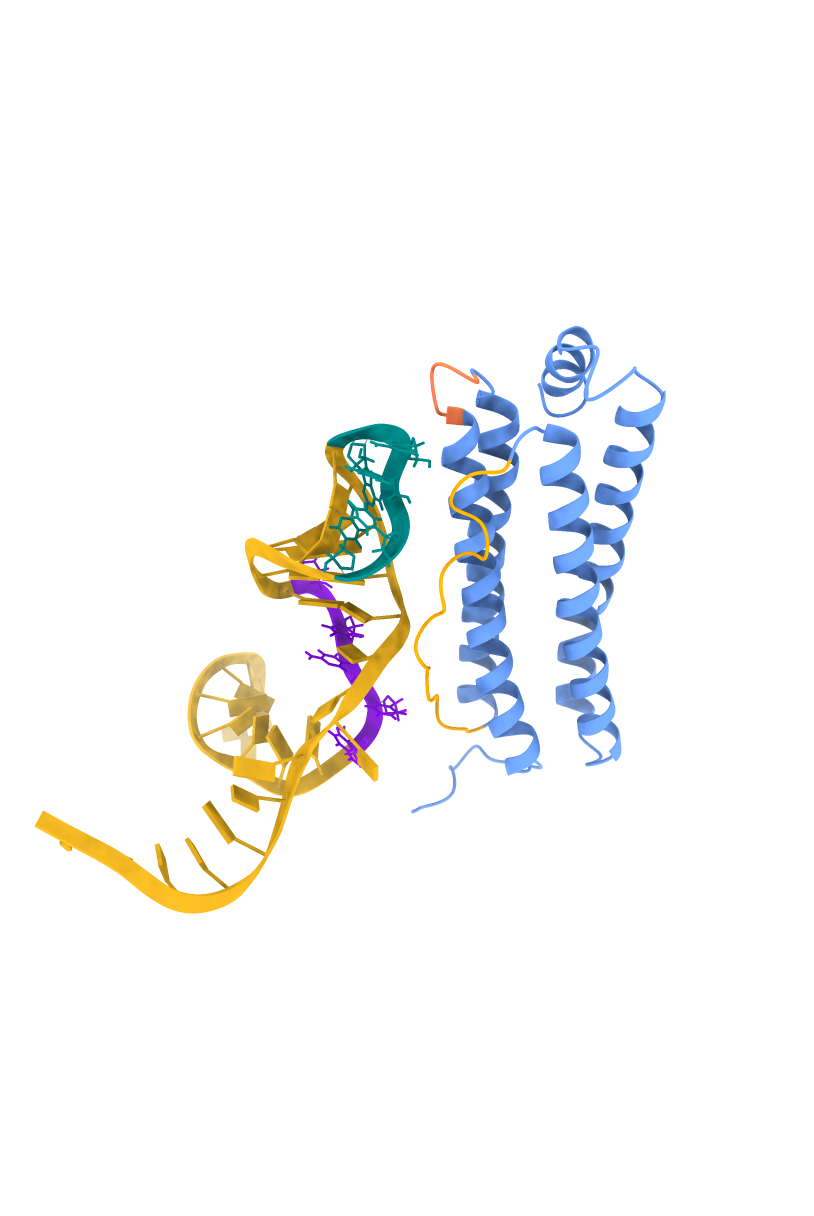
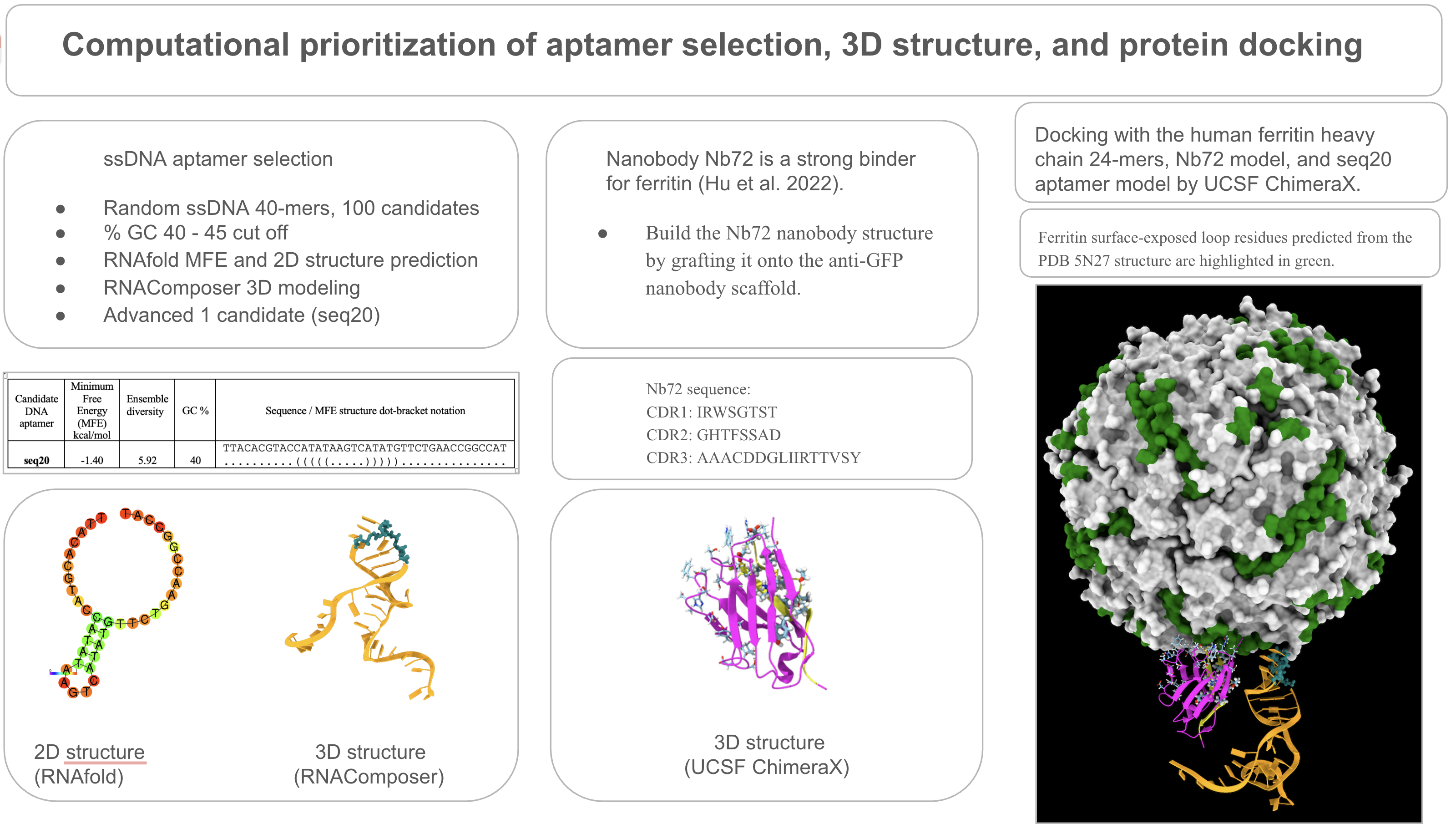
Aptamer-based biosensors are promising alternatives as opposed to antibodies, particularly in terms of thermal stability, sensor regeneration, to be chemically modified with redox labels for electrochemical readout and compatibility with nucleic acid signal amplification architectures. Cost-effective and scalable, aptamers are the single-stranded DNA or RNA molecules selected to bind specific targets with high affinity and specificity (Han et al. 2010).
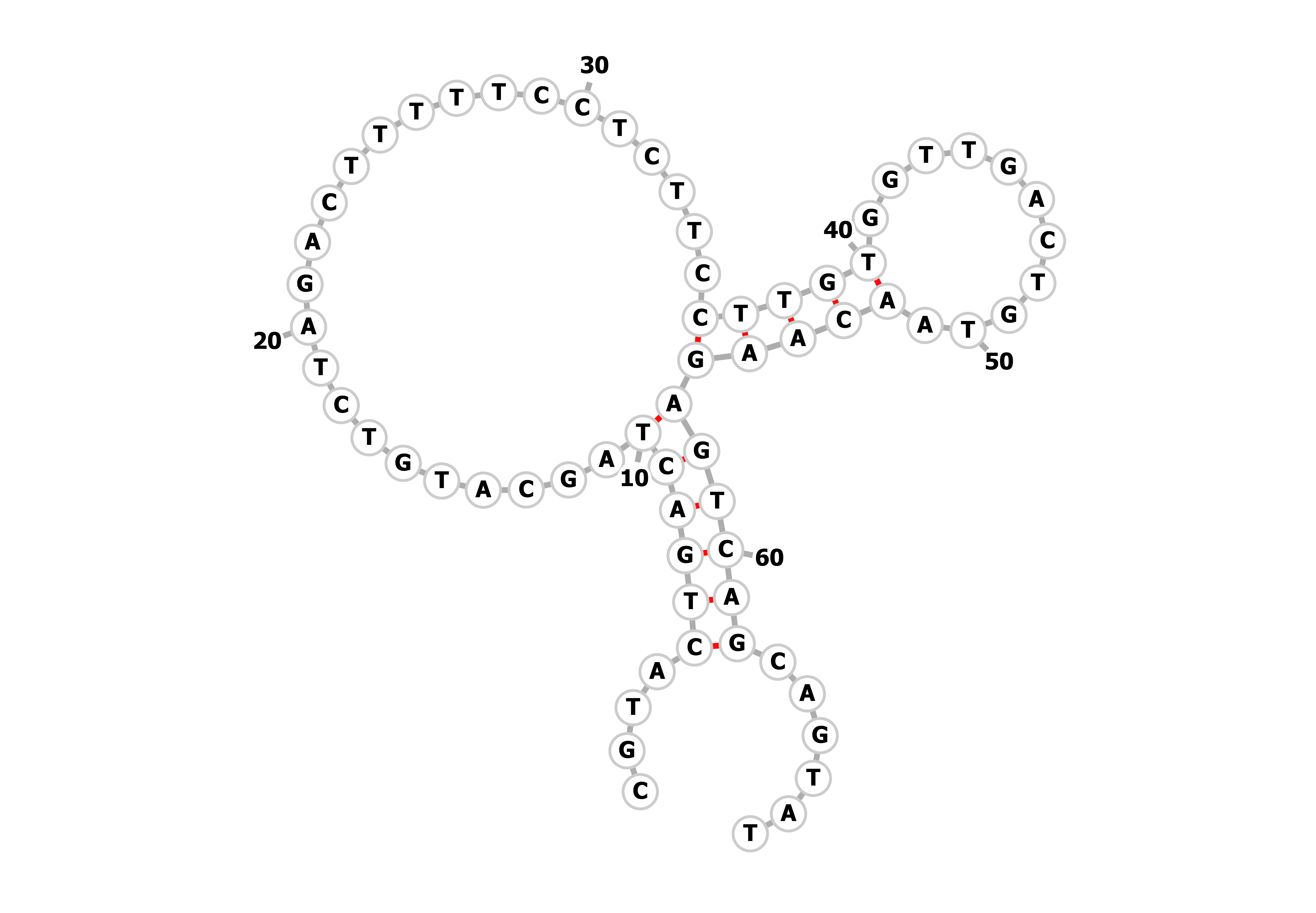
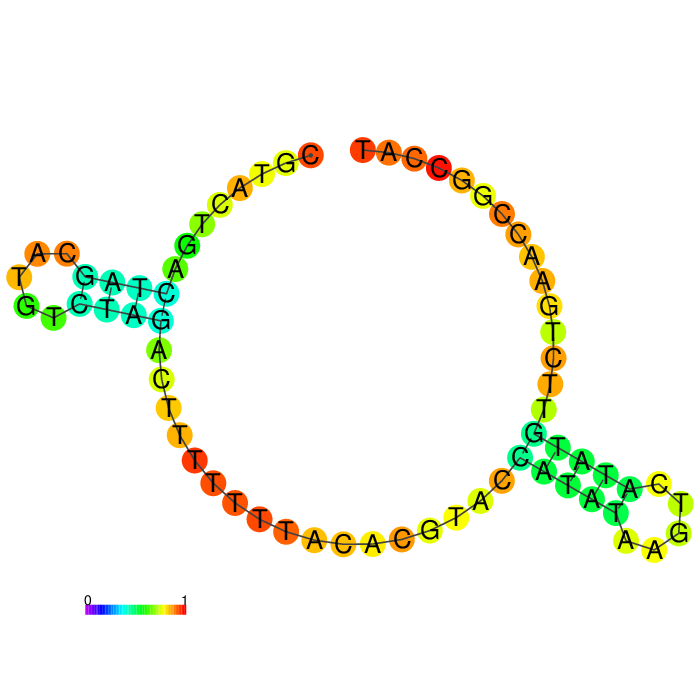
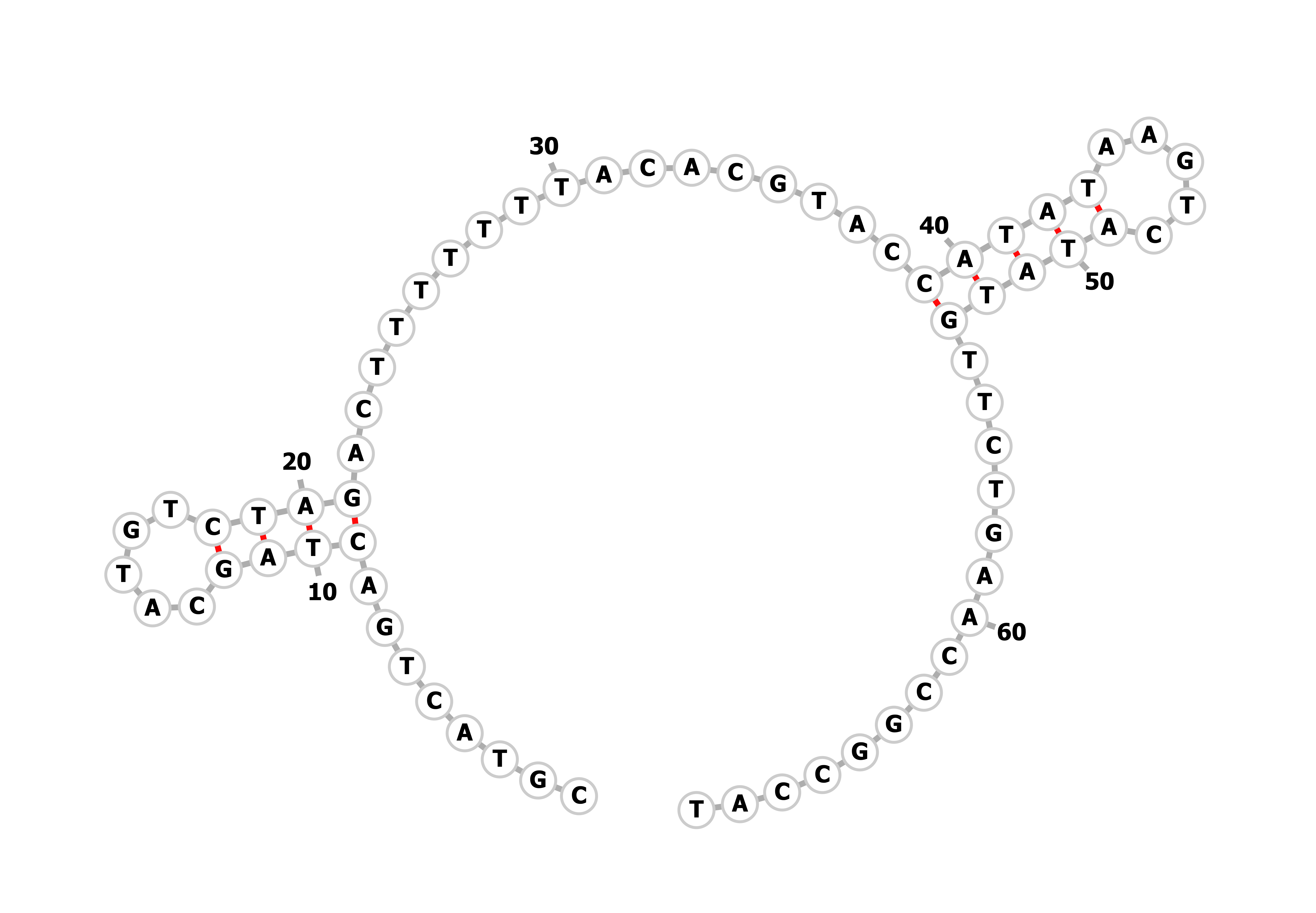
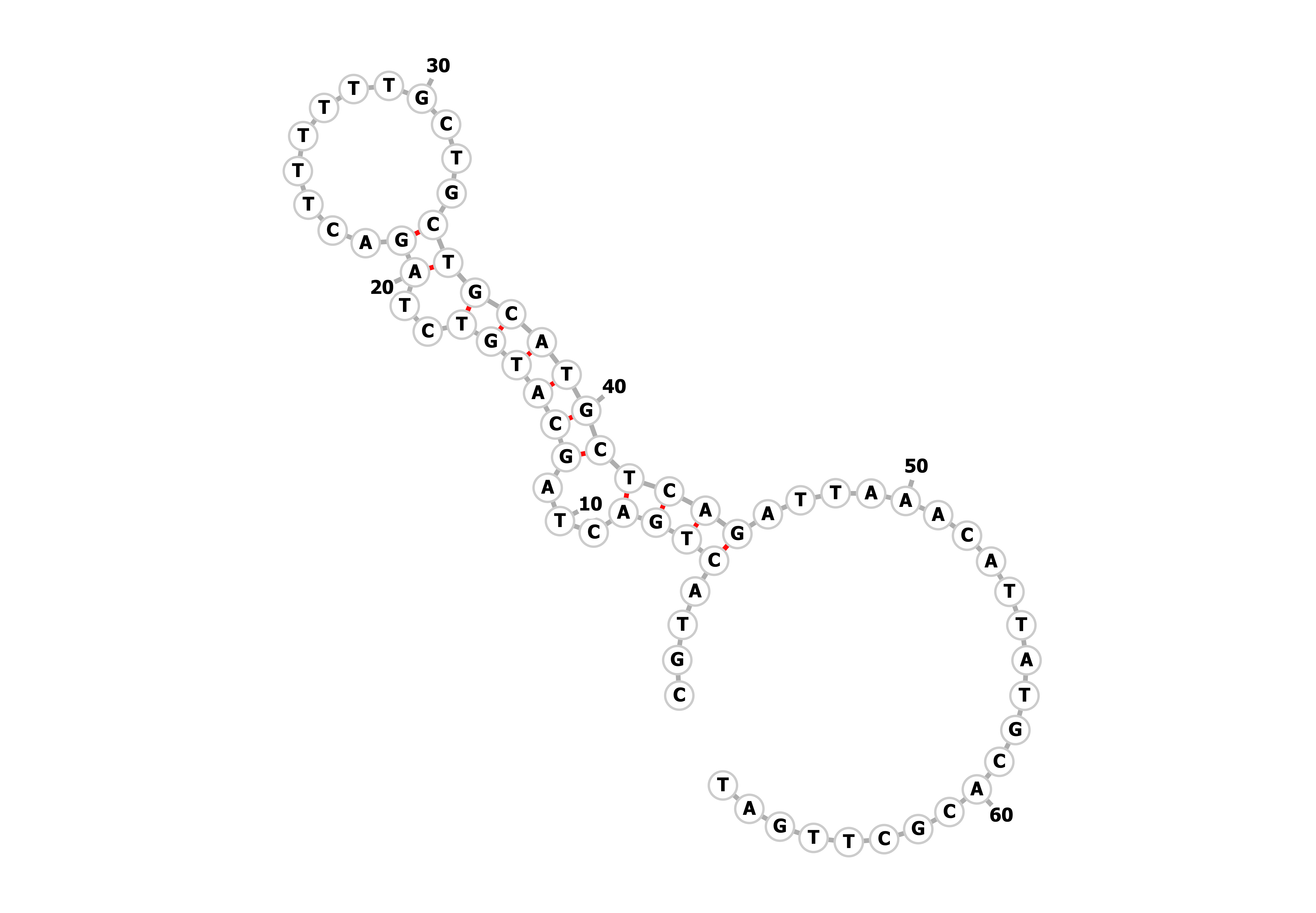
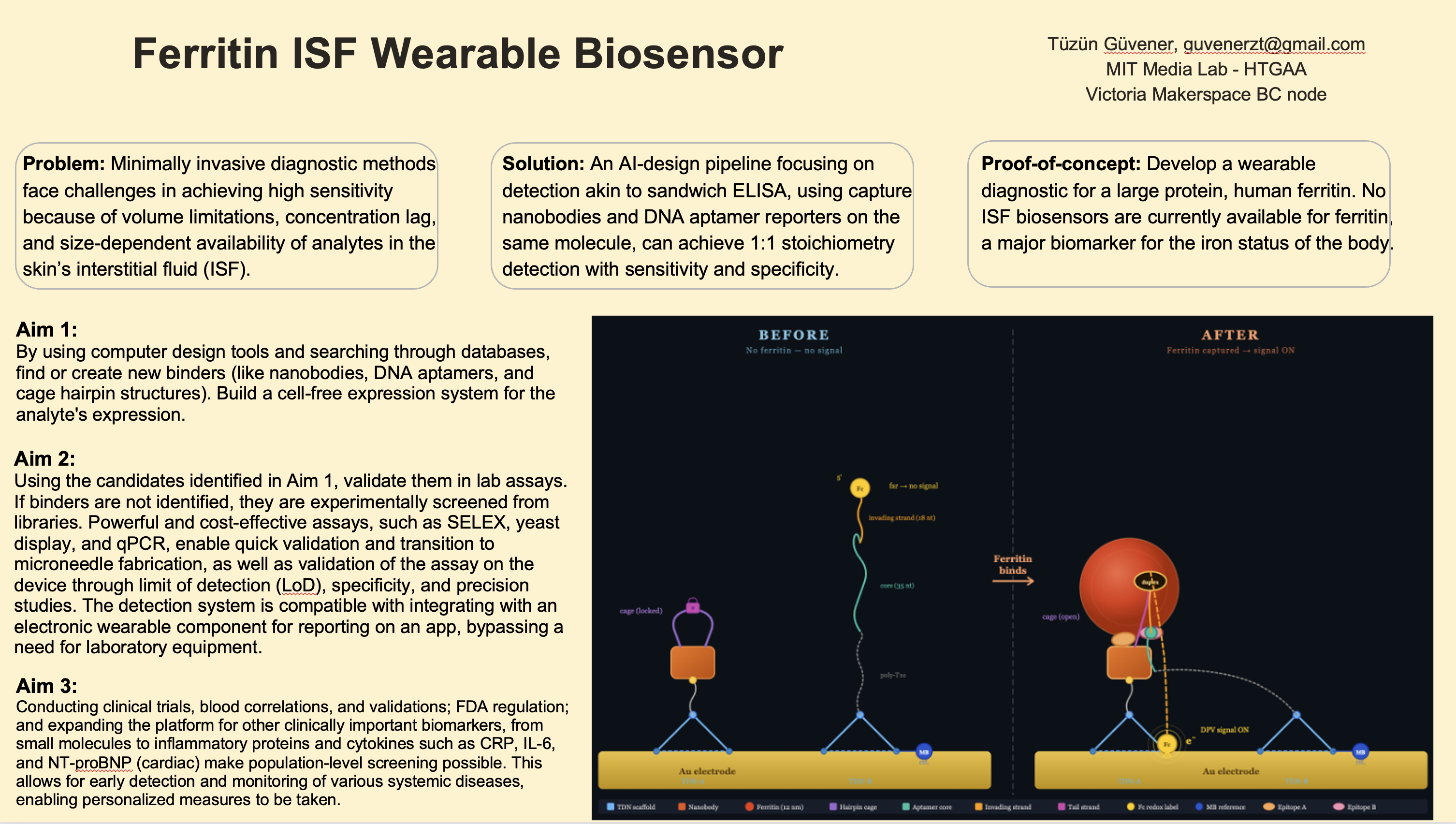
Several aptamer-based biosensor designs are relevant for detecting proteins from low-concentration samples, such as ISF. A target-induced structure switching (TISS) and a closely related toehold-mediated strand displacement (TMSD) reactions are mechanisms by which target-binding induces conformation change in the aptamer, resulting in the repositioning of an attached redox label relative to an electrode surface and generating an electrochemical signal. A biosensor for thrombin detection described by Xiao et al. is based on TISS (Xiao et al.2005). Wang et al. describe a related approach for ATP detection using a hidden toehold design, in which ATP binding liberates a hidden toehold domain, triggering TMSD on an electrode surface to produce an electrochemical readout (Wang et al. 2015).
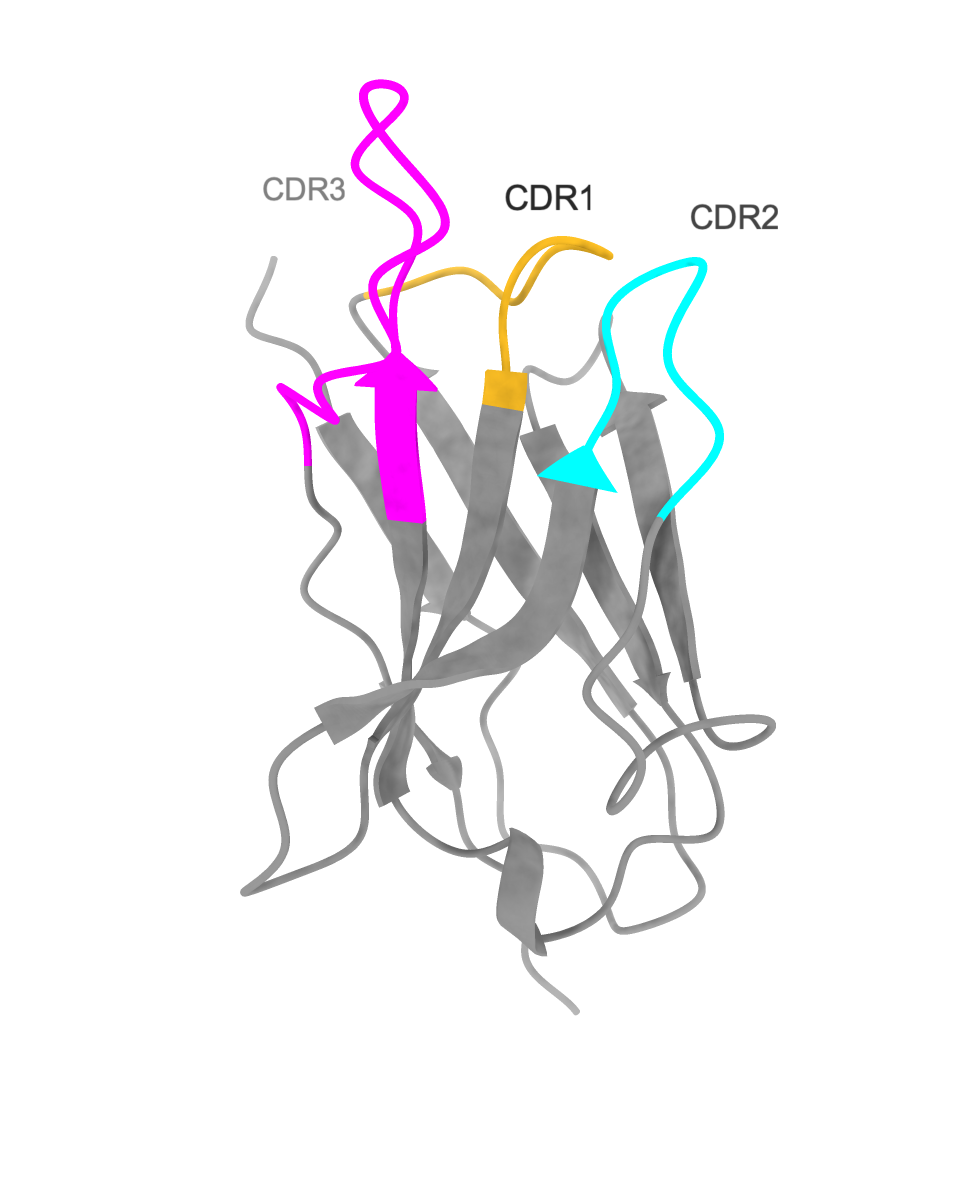
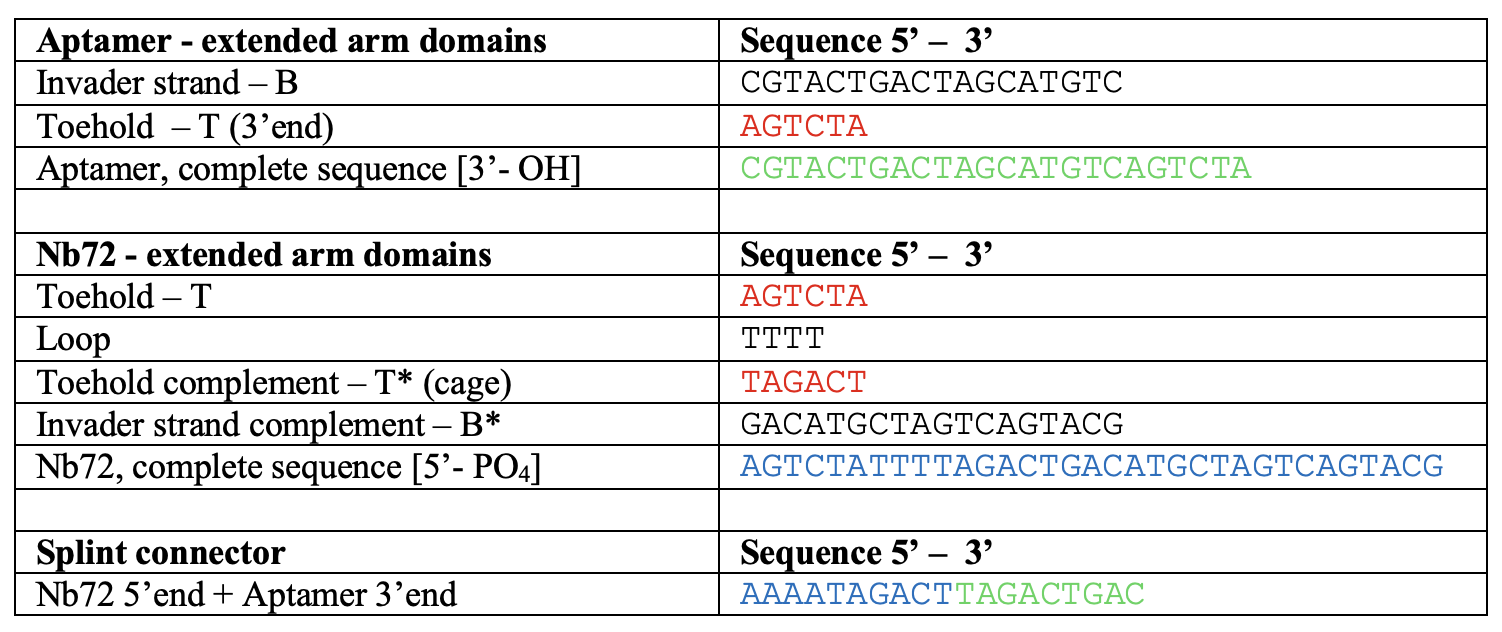
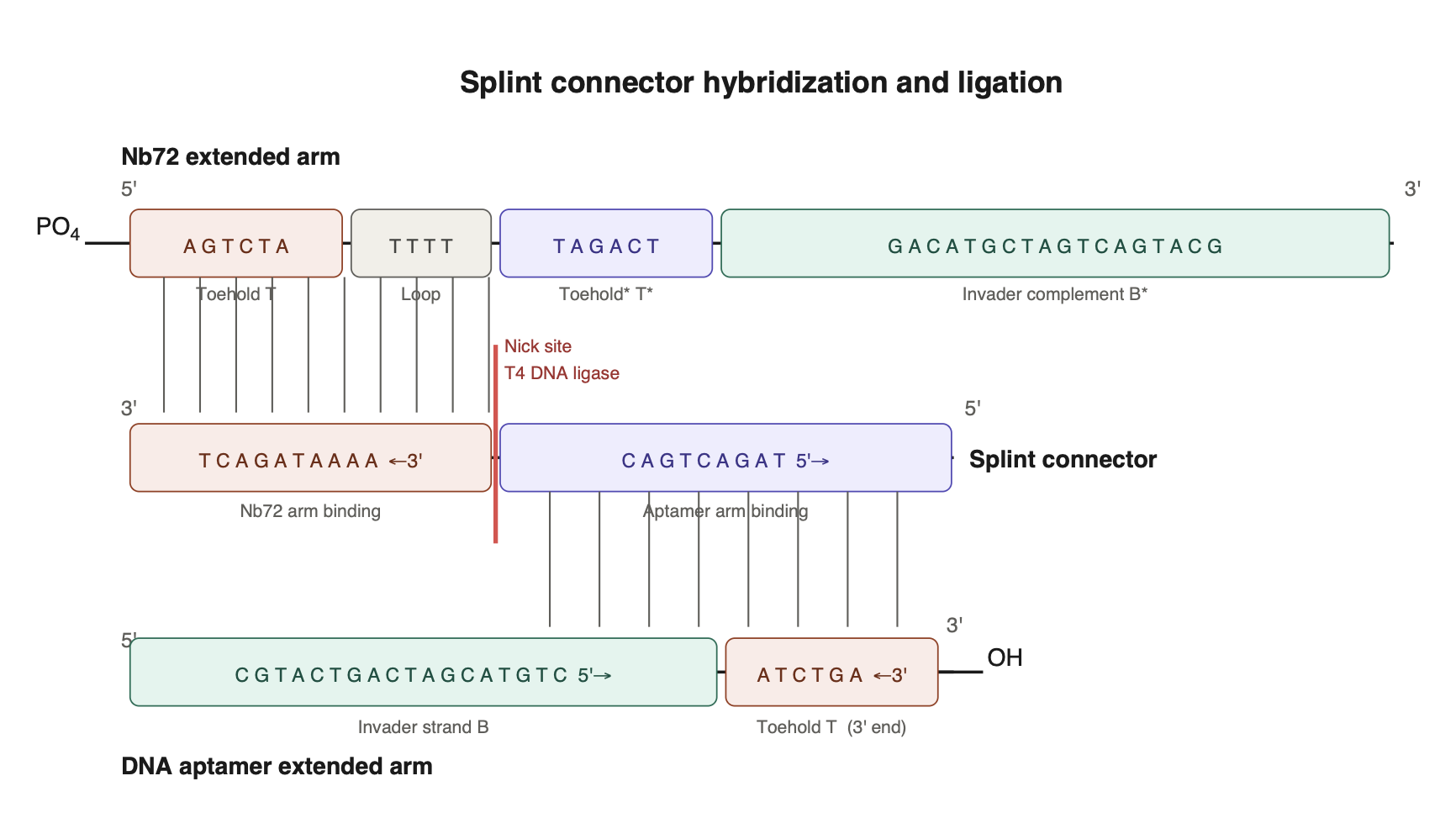
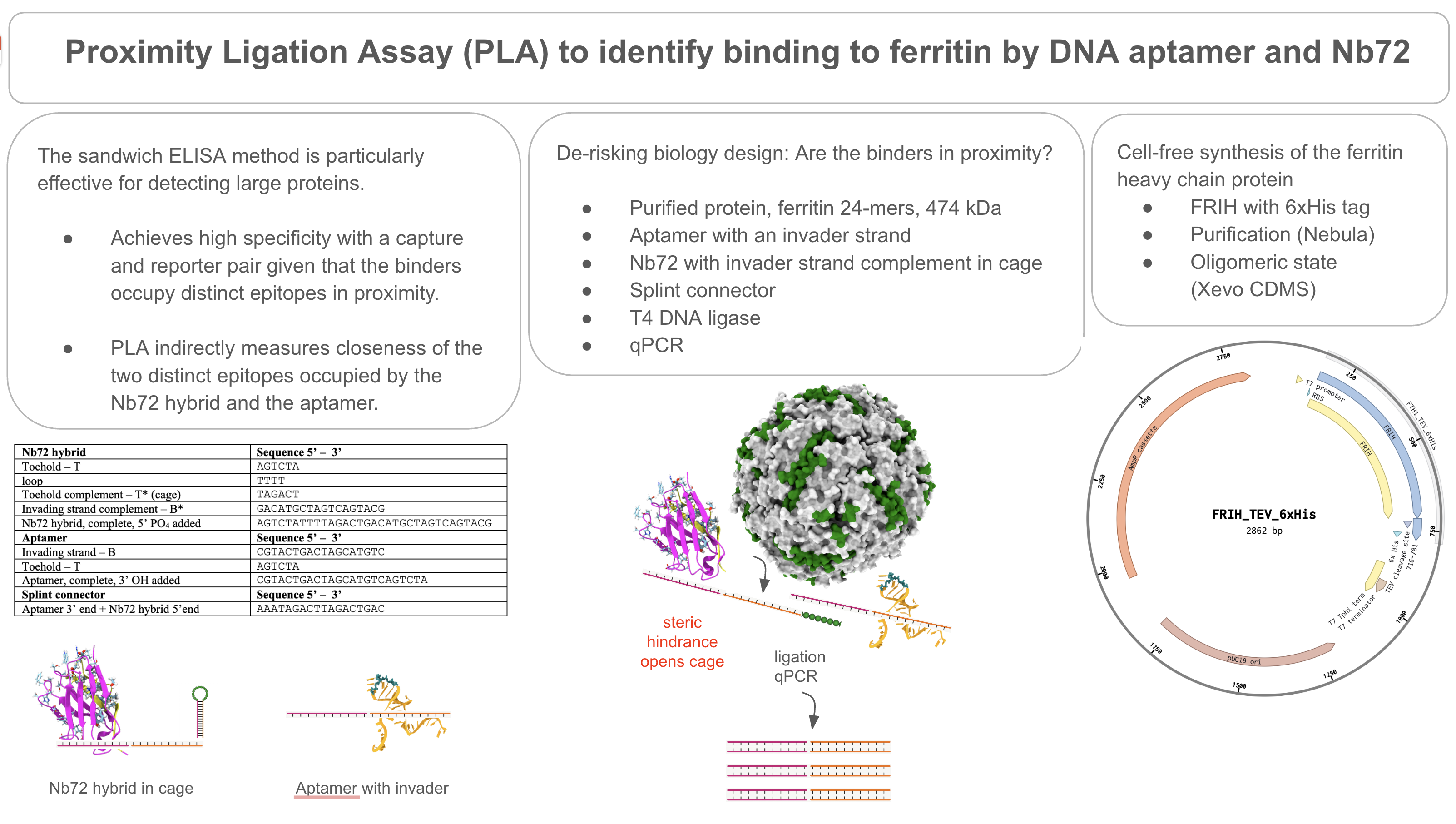
Another relevant design is the proximity ligation assay (PLA) described by Fredriksson et al. (Fredriksson et al 2002). In PLA, two recognition probes, aptamers, nanobodies, or antibodies, each conjugated to an oligonucleotide arm, bind distinct epitopes on the same target protein simultaneously. Upon binding to the target, the two arms are brought into proximity, enabling hybridization and subsequent ligation to generate a unique amplifiable DNA sequence. The ligation product is detected via nucleic acid amplification. This design is particularly powerful for large proteins such as ferritin, because it presents numerous accessible epitopes across its surface. and converts a protein-binding event into a nucleic acid amplification event, enabling detection at very low concentrations.
Together, these molecular design strategies, particularly when coupled to electrochemical transduction, offer sensitive and potentially regenerable biosensors for large protein targets in ISF. This project aims to bridge the gap between ISF biomarker accessibility and sensitive electrochemical detection of ferritin using one or more of the molecular strategies reviewed.