Week 3 HW: Lab Automation
Python Script for Opentrons Artwork
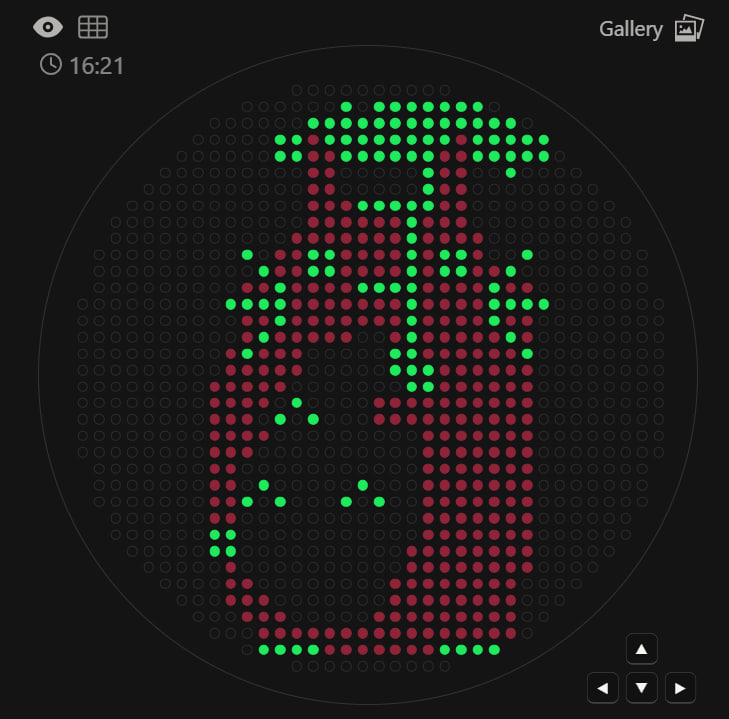
My Python script which draws my design using the Opentrons. I used AI for adding my color parameters. I made a drawing of Totoro - the titular forest spirit from the 1988 Studio Ghibli animated film My Neighbor Totoro written and directed by Hayao Miyazaki.
On Ronan’s website:
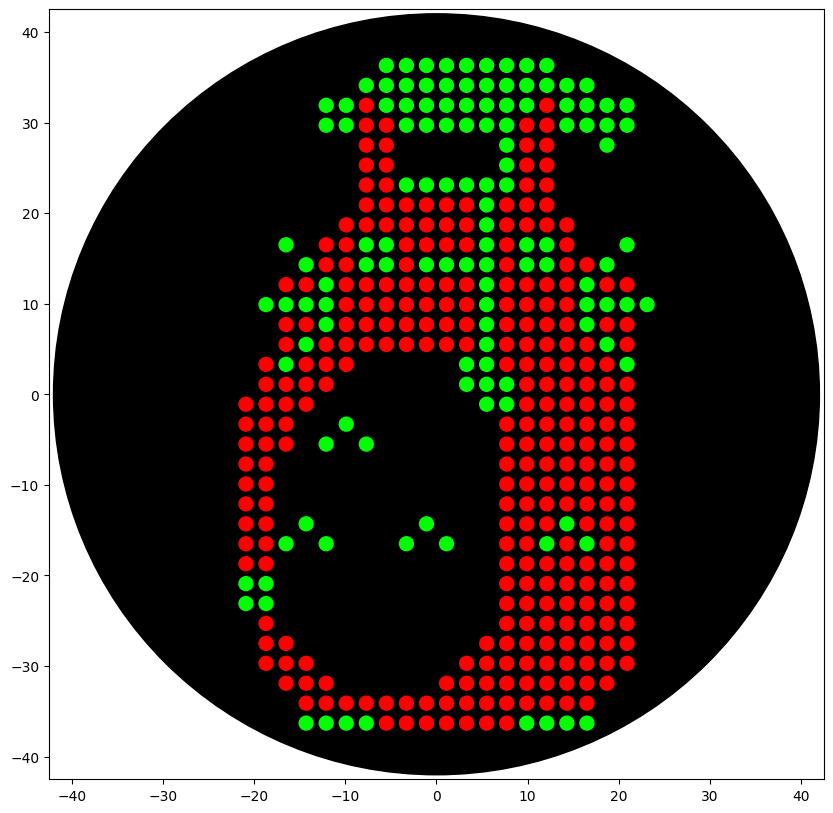
In Google colab Execute Simulation:
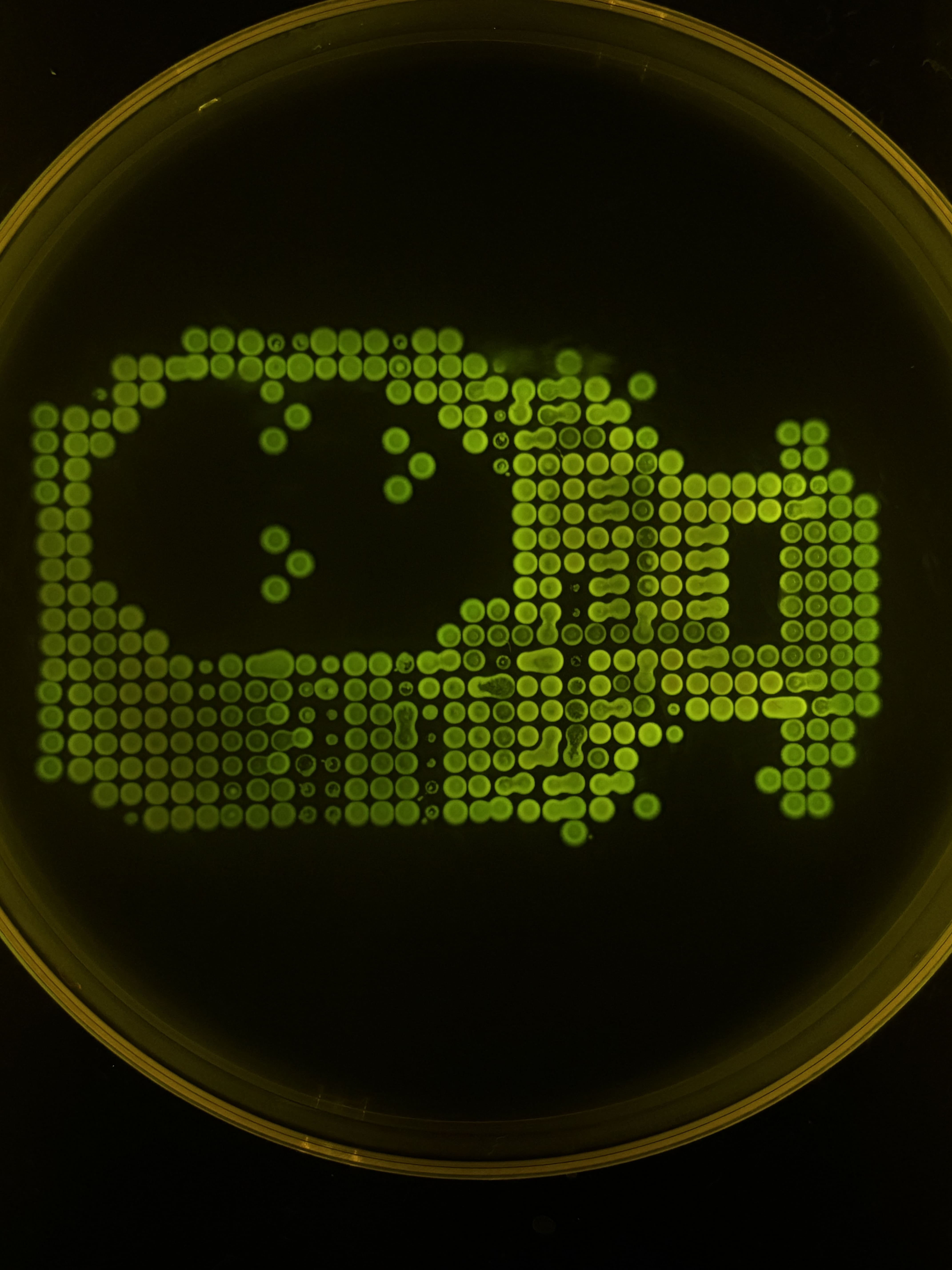
Printed Totoro by Opentrons liquid handling robot in Designer Cells Lab Node:
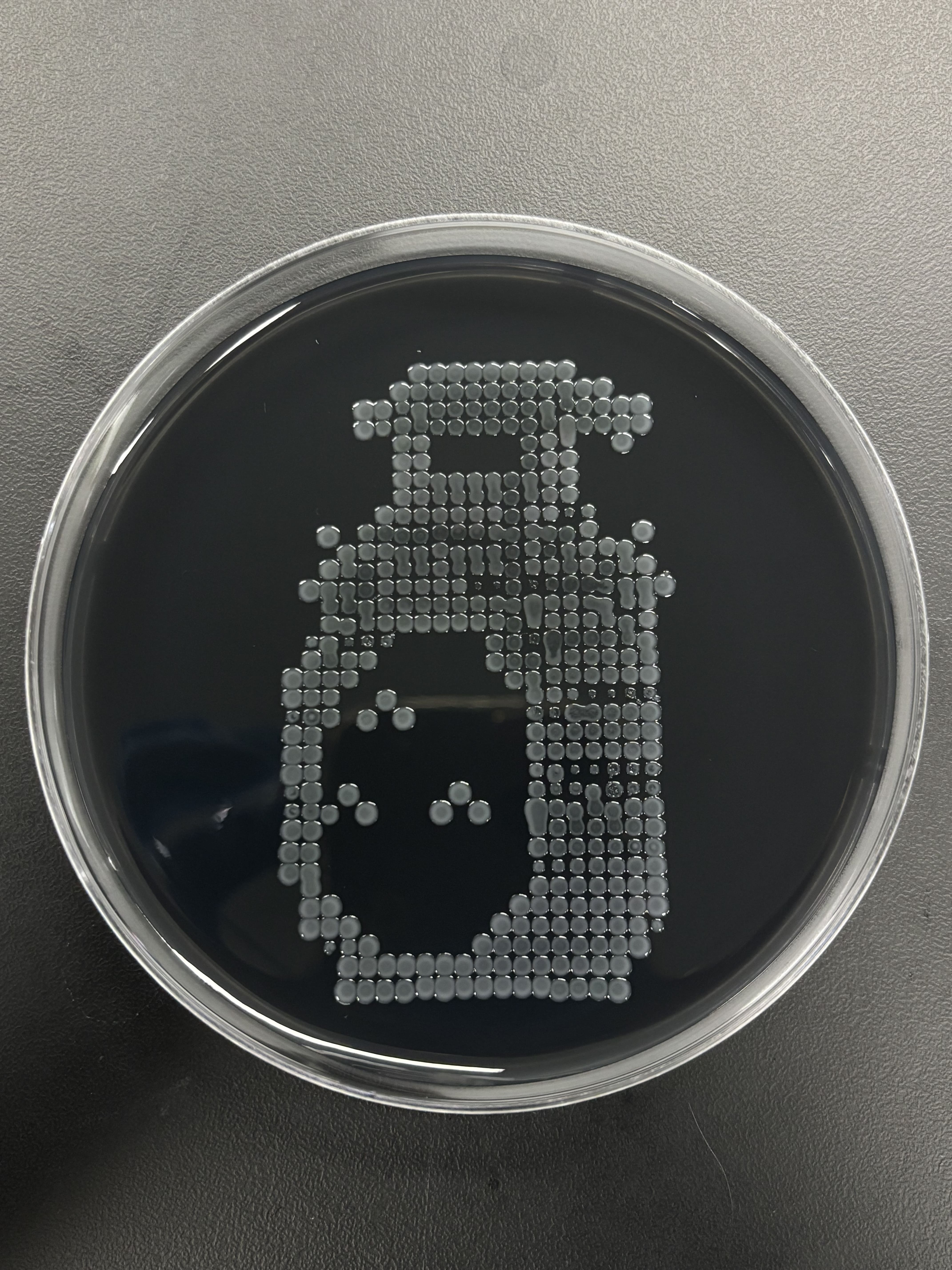
Not everything printed successfully due to the size of the points, but the general pattern is still readable.
Post-Lab Questions
1. del Olmo Lianes et al. (2023) developed COPICK, an upgrade to the Opentrons OT-2 that automates bacterial colony screening directly on Petri dishes. By mounting a camera on the robot deck, the system captures images of agar plates and selects colonies based on size, colour, and fluorescence criteria, achieving a picking rate of ~240 colonies/hour with 82% performance on E. coli. This paper is directly relevant to my final project, which also relies on spatial bacterial patterning and colour-based readout of gene transfer events on chromogenic agar plates using the Opentrons OT-2. Reference: del Olmo Lianes I. et al. (2023) Front. Bioeng. Biotechnol. 11:1202836. Can read here.
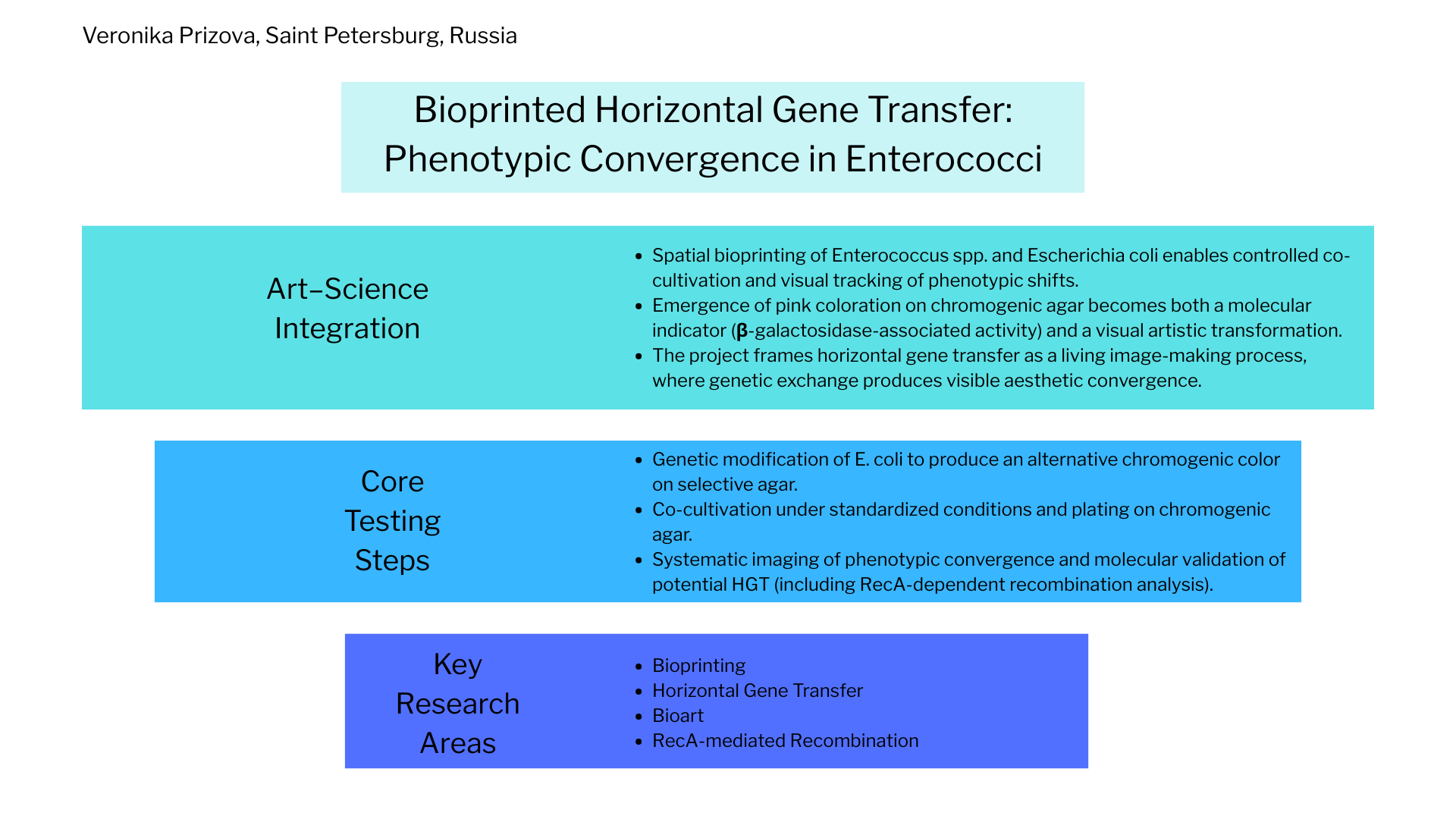
2. For my final project, the Opentrons OT-2 serves as a precision bioprinter, depositing 10 µL spots of three bacterial cell suspensions (donor, helper, and recipient, each at OD₆₀₀ = 0.6) in defined spatial patterns directly onto agar plates. The robot runs three sequential deposition steps using a single Python script with fixed XY coordinates:
Deposit donor, helper, and recipient suspensions in defined zones onto plain LB agar (no antibiotics) → overnight incubation at 37°C for triparental mating Reprint the identical pattern onto CHROMagar without antibiotic (Plate A — bioart image: pink + blue simultaneously) Reprint the identical pattern onto CHROMagar + ampicillin 100 µg/mL (Plate B — scientific confirmation: blue in recipient zones = confirmed HGT)
The key advantage of Opentrons over manual pipetting is spatial reproducibility: the same XY coordinates are used across all three plates, ensuring that colour patterns can be directly compared between the bioart plate and the confirmation plate. This spatial precision is essential for the “photocamera” concept — the printed image must remain consistent across experimental replicates.
Final Project Ideas
1 idea
 2 idea
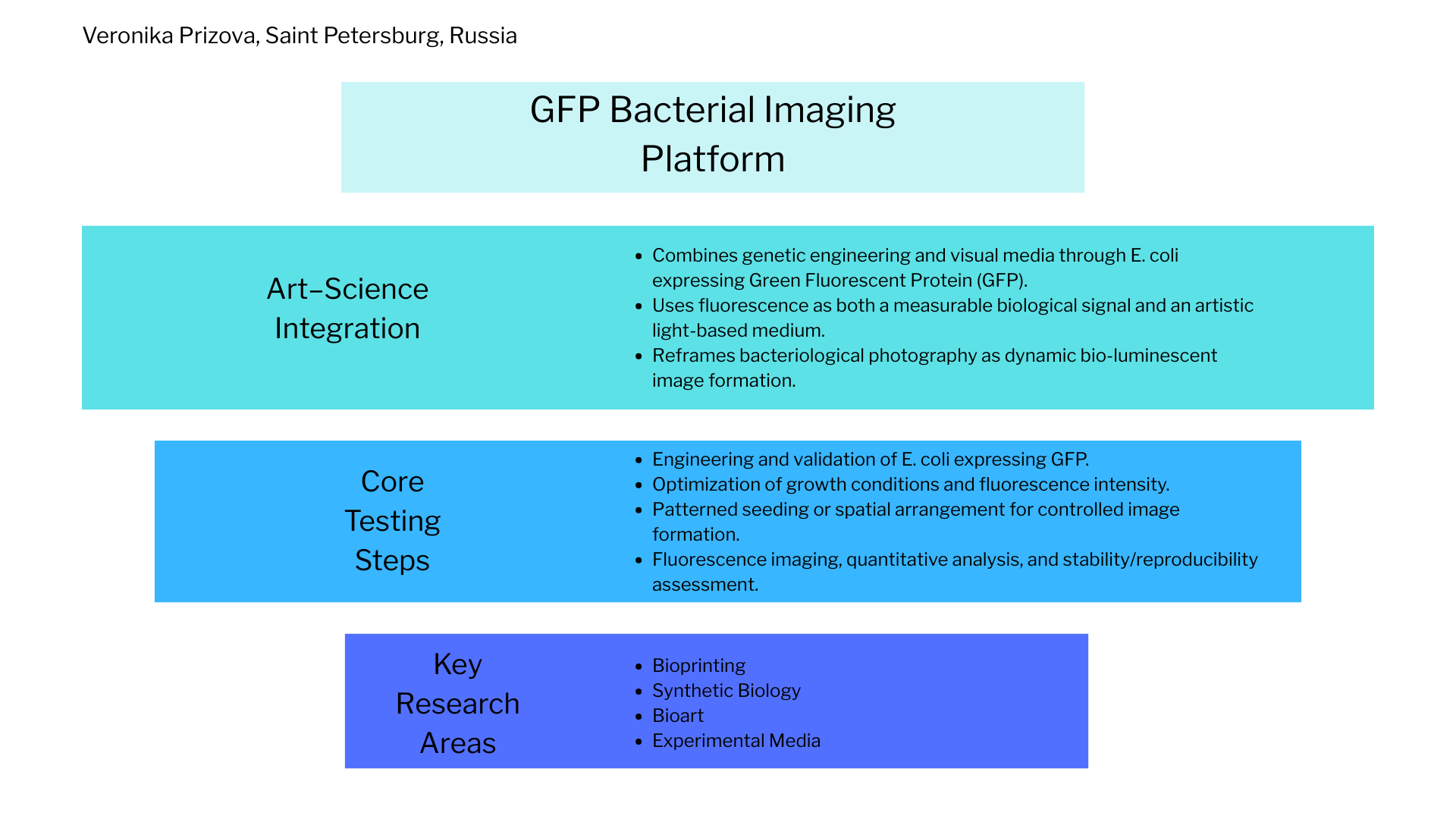
 3 idea